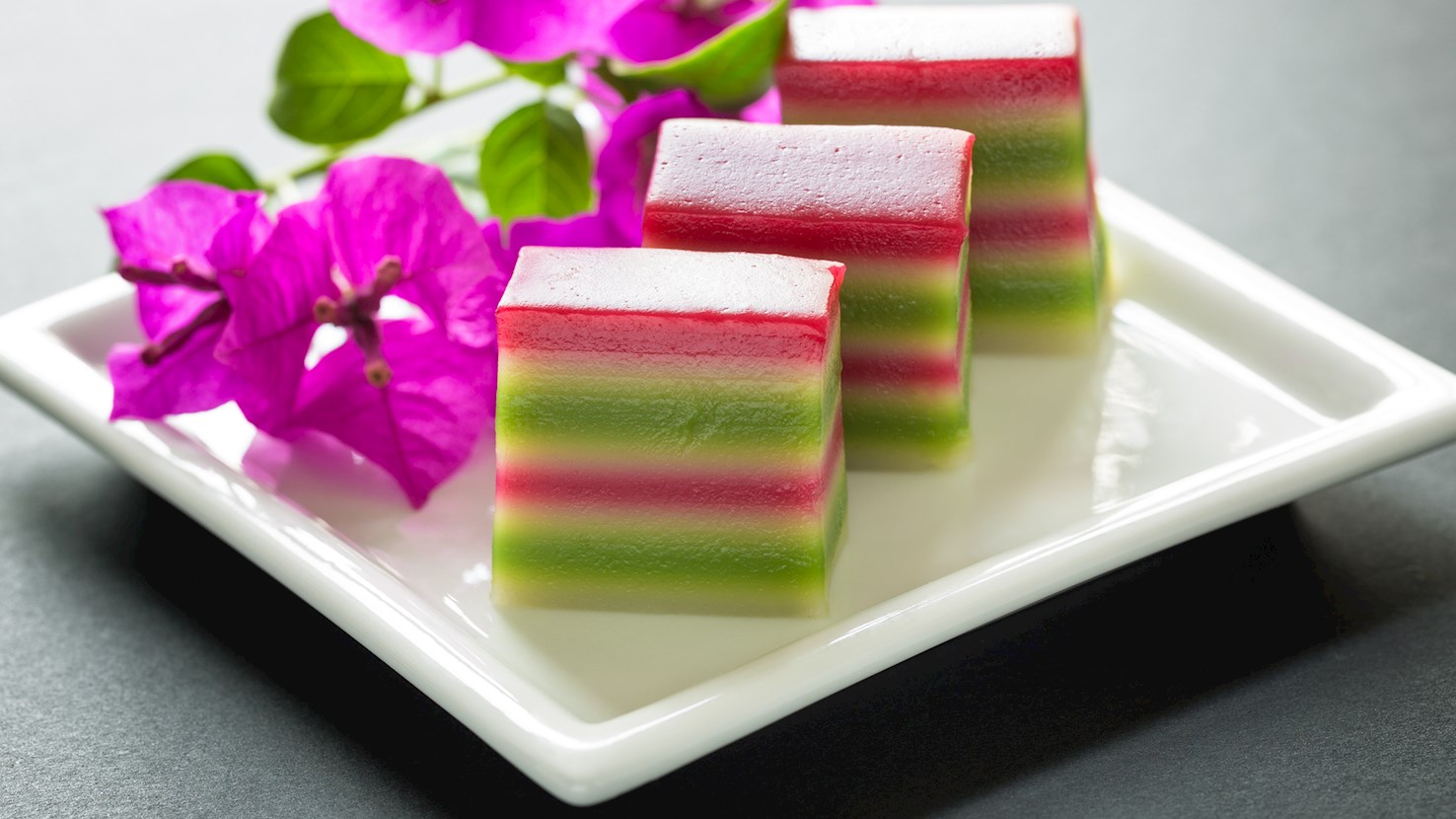
Kue lapis is a layered steamed cake widely enjoyed in Indonesia, Malaysia, Singapore, and Brunei, known for its vibrant colors, soft, chewy texture, and delicate coconut-infused flavor. The name comes from the Malay and Indonesian word kue (or kuih in Malaysa), meaning "cake" or "sweet snack," and lapis, meaning "layers"—a literal reflection of the dessert’s distinctive multi-layered structure. Often made with a combination of rice flour, tapioca flour, coconut milk, sugar, and natural food coloring, kue lapis is steamed layer by layer, resulting in alternating bands of color, typically in shades of pink, green, and white, although many regional and modern versions feature other color combinations. Each layer is steamed individually, giving the cake its characteristic appearance and allowing for a unique peel-apart texture, which is particularly beloved by children and nostalgic adults alike. The cake is lightly sweet and subtly aromatic, with the richness of coconut milk and a smooth, slightly sticky chew. It is usually cut into small squares or diamonds, served at room temperature, and commonly found in street markets, festive gatherings, and traditional kuih platters. Although similar in name to the baked Indonesian-Dutch kue lapis legit (a spiced layered cake), kue lapis is entirely different in preparation and character—soft and steamed, rather than firm and baked.
Goedangan is a refreshing Surinamese salad consisting of blanched green cabbage, green beans, bean sprouts, hard-boiled eggs, sliced cucumber, and shredded coconut. The vegetables are typically arranged on a platter, then garnished with cucumber and slices of hard-boiled eggs. The salad is always dressed with a combination of coconut milk, yogurt, lime juice, brown sugar, and chili peppers. Extra dressings should be served on the side so that the guests can serve themselves according to personal preferences.
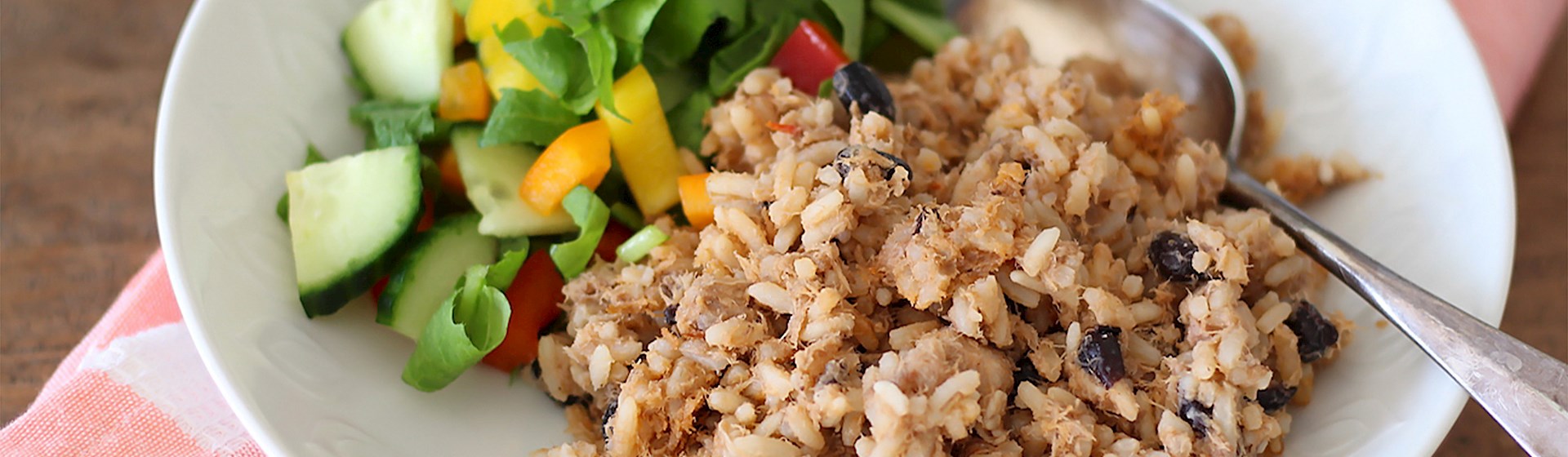
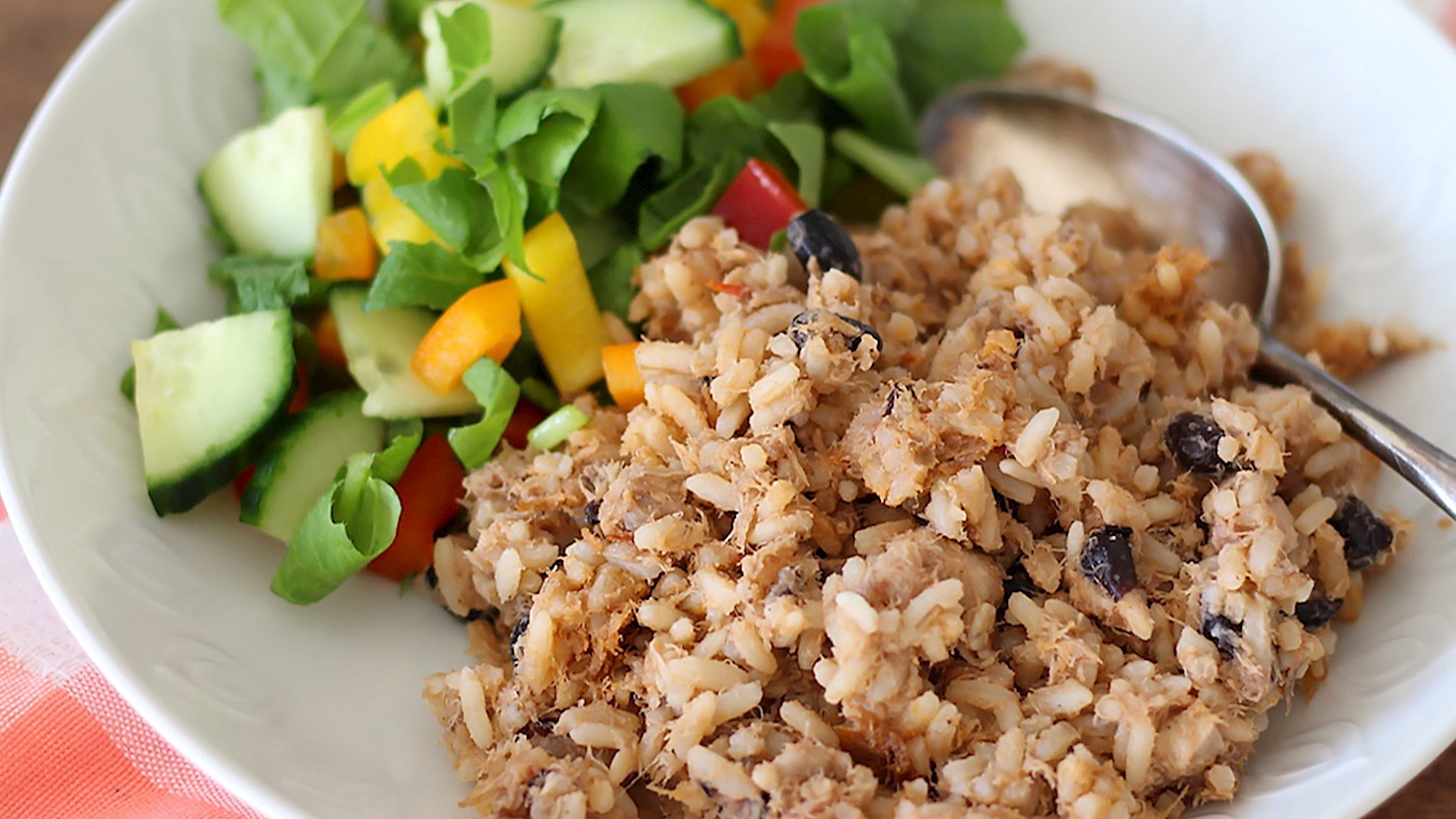
Moksi-alesi (lit. mixed rice) is a Creole dish that is very popular in Suriname. Originally, it was a combination of leftovers, but nowadays it is usually prepared as a rice dish with fish or salted meat. The dish is usually enriched with the addition of tomatoes, black-eyed peas, and sometimes even coconut milk. It can be served with a variety of condiments such as sliced tomatoes, crispy white cabbage, red onions, sliced cucumber, fried plantains, and some hot sauce. The dish is mostly eaten for lunch and it can often be seen at Surinamese birthday parties.
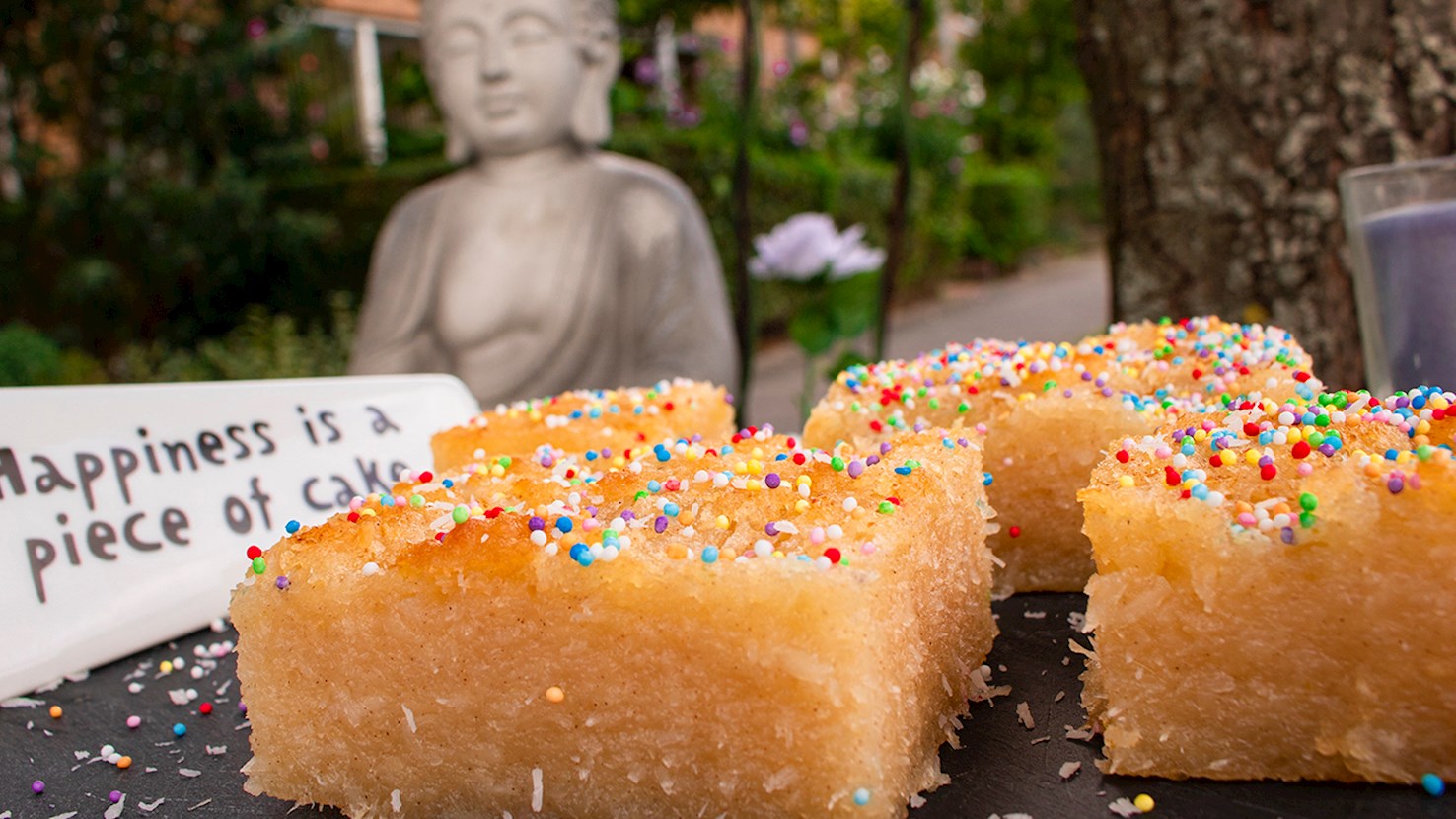
Bojo cake is a tender Surinamese dessert with a smooth texture. This flourless cake is made with ingredients such as raisins, rum, cassava, coconut, sugar, cinnamon, eggs, coconut milk, butter, almond extract, and vanilla. The combination is typically poured into a baking pan, and it is then baked until golden brown in color. When served, bojo cake is cut into squares. It can be consumed warm or cold, and it is recommended to serve it with a dollop of whipped cream.
Pepre watra is a traditional soup originating from Suriname. The soup is usually made with a combination of white fish, onions, tomatoes, celery, bouillon cubes, salt, black pepper, and Madame Jeannette hot peppers. The ingredients are simply placed in a pot filled with water and simmered until the fish soup is done. This light and spicy soup is traditionally served over rice and it's especially popular during hot summer evenings. Pepre watra is often served with homemade cassava bread on the side.
Murgi talkari is a traditional chicken dish influenced by Indian cuisine and hailing from Suriname. This chicken curry is usually made with a combination of chicken, onions, garlic, garam masala, oil, salt, sugar, and hot peppers. The ingredients are sautéed in oil and then covered with water and simmered over medium heat until the meat becomes tender. Once done, murgi talkari is typically served with rice, potato masala, pumpkin, string beans, or cabbage on the side.
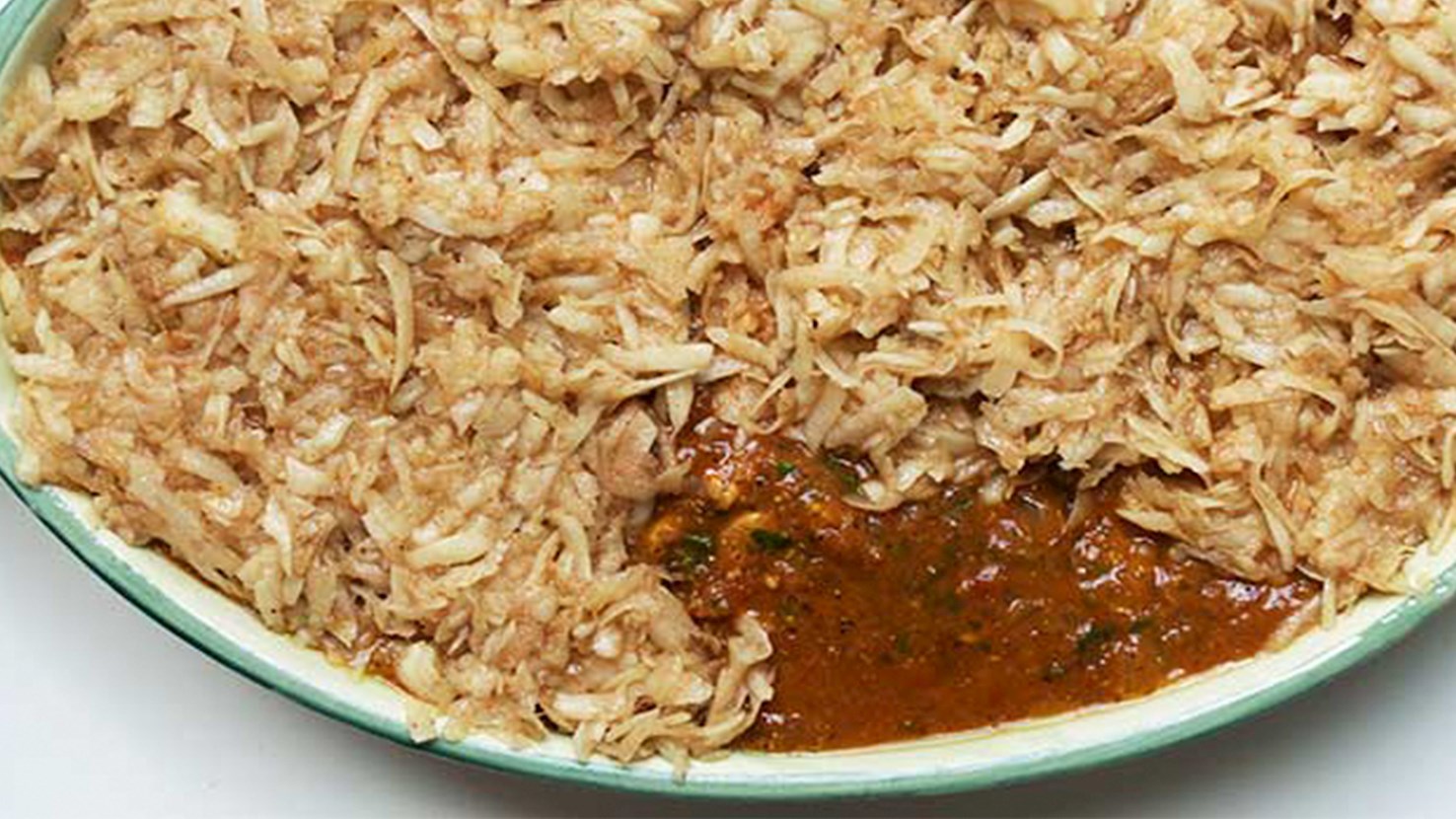
Originating from the times of the Dutch rule, pom is a popular Surinamese casserole made with chicken and root vegetables as the main ingredients. It typically consists of chicken pieces, chicken sausages, tomatoes, onions, celery, orange and lemon juice, and taro root or pomtajer, hence the name of the dish. Pom is usually flavored with garlic, hot peppers, salt, pepper, sugar, and nutmeg. Often prepared for special occasions, the dish is so popular in Suriname that there is a saying "Without pom, there are no birthdays".
TasteAtlas food rankings are based on the ratings of the TasteAtlas audience, with a series of mechanisms that recognize real users and that ignore bot,
nationalist or local patriotic ratings, and give additional value to the ratings of users that the system recognizes as knowledgeable.
TasteAtlas Rankings should not be seen as the final global conclusion about food. Their purpose is to promote excellent local foods,
instill pride in traditional dishes, and arouse curiosity about dishes you haven’t tried.




What People Say