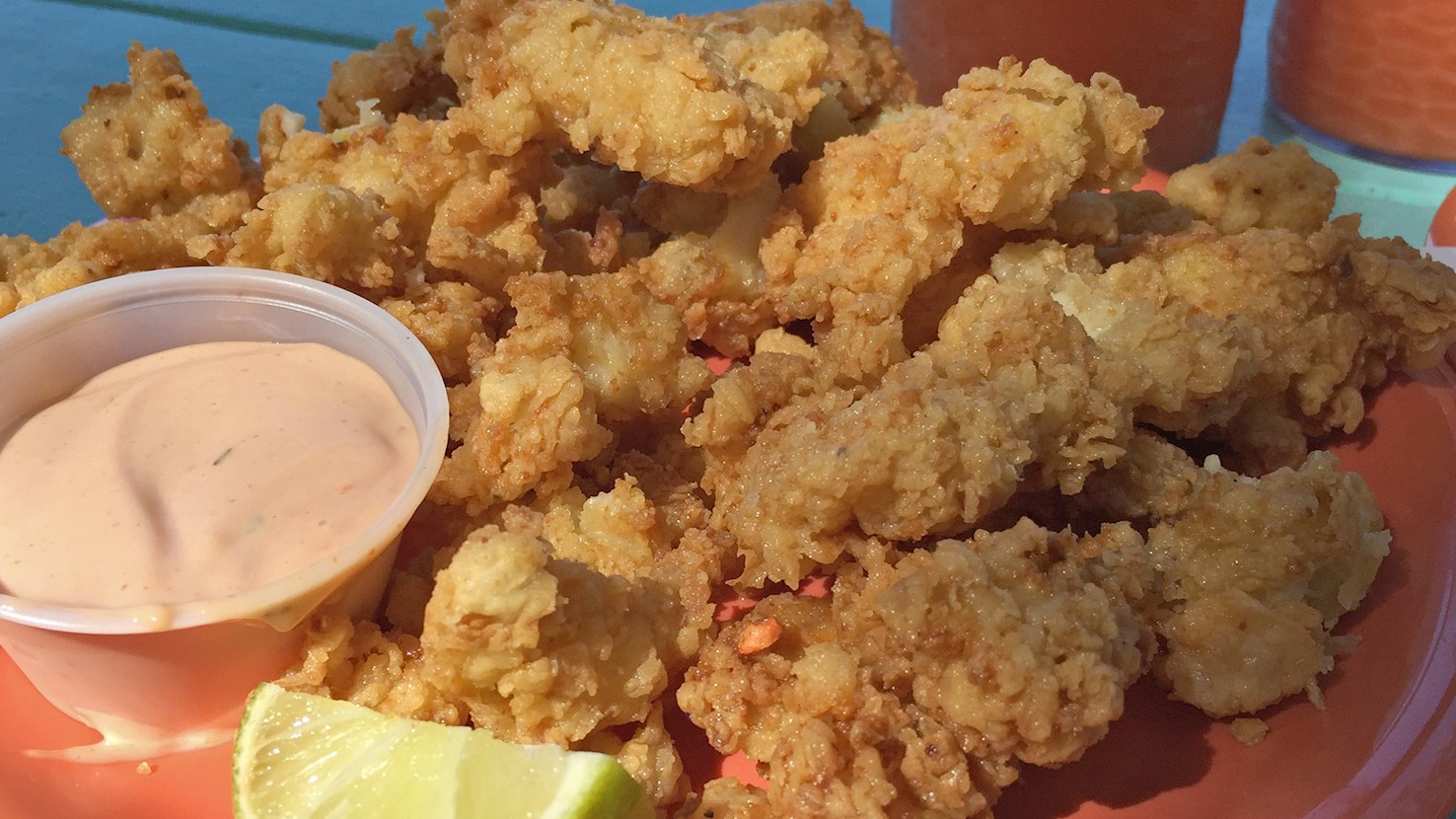
Cracked conch is one of the most popular Bahamian dishes – conch meat is breaded in a batter made with flour, then deep-fried until golden and crispy. The name of this dish refers to a method of tenderizing the tough, chewy meat with a meat mallet or a frying pan. These golden conch nuggets are typically paired with french fries or peas and rice. When paired with french fries, the dish is usually served on a sweet bread roll with ketchup or hot sauce on the side. It can also be consumed as an appetizer, when it is served with fresh lime juice and goat pepper sauce.
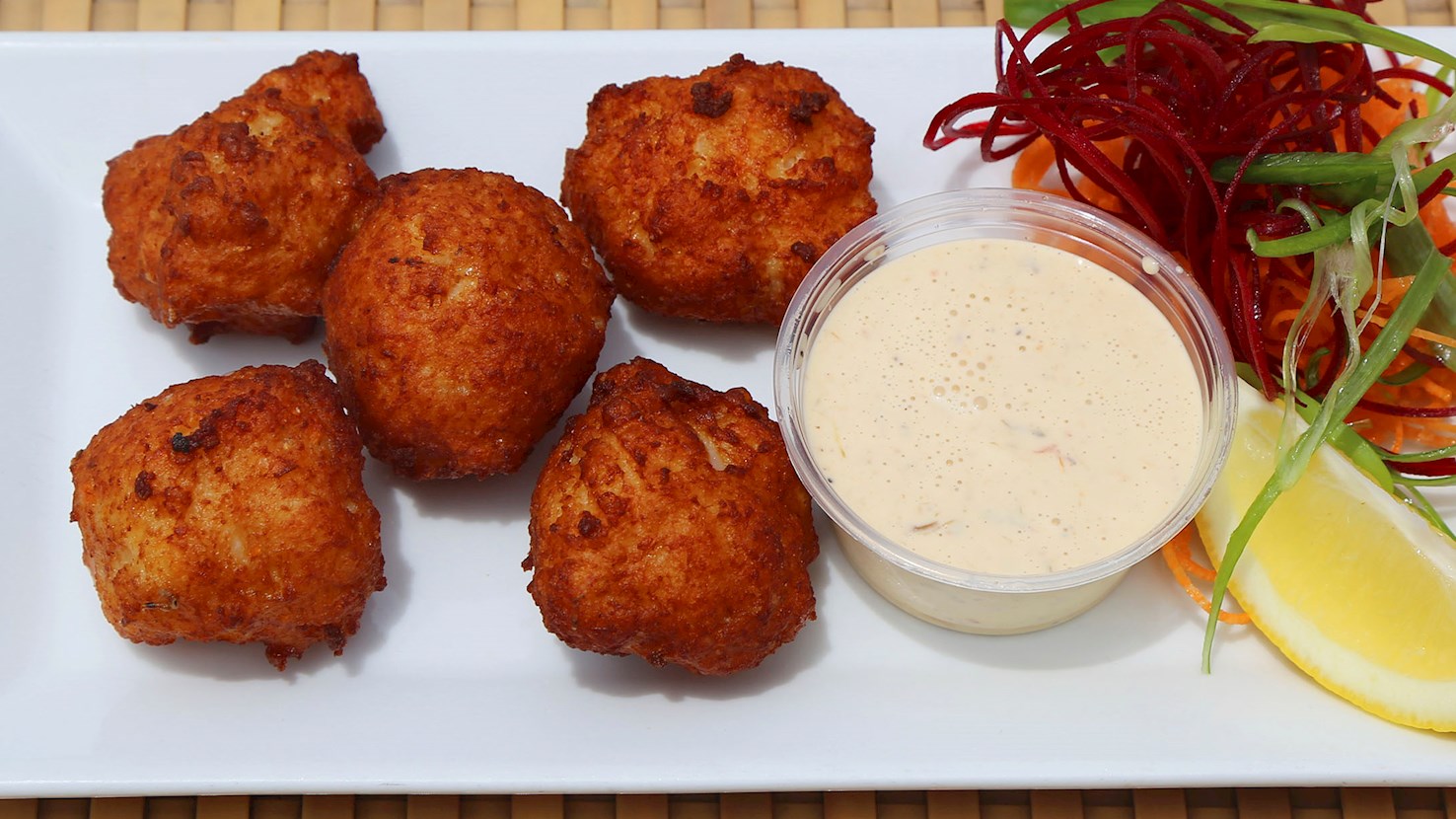
A delicacy of Caribbean and Creole cuisine, conch fritters are the national dish of sunny Bahamas. It consists of pounded, tenderized conch meat that is fried in batter with tomatoes, onions, celery, bell peppers, and various, often peppery seasonings. Conch meat is combined with vegetables because it takes a lot of effort to obtain a small amount of meat, and it's a way of making every bit of meat count. Usually tough and sturdy, conch meat greatly benefits from being cooked in tiny, diced pieces. Due to the popularity of conch in the Caribbean, one can easily find the dish throughout the islands, with many of the cooks adding their own spices to the mix in order to keep their menu unique. Therefore, it's best to try it at a few restaurants to compare different textures and flavors of the fritters. Fried until golden brown and crispy, this appetizer is best accompanied by a Bahamian-style dipping sauce consisting of lime juice, mayonnaise, ketchup, hot sauce, salt, and pepper.
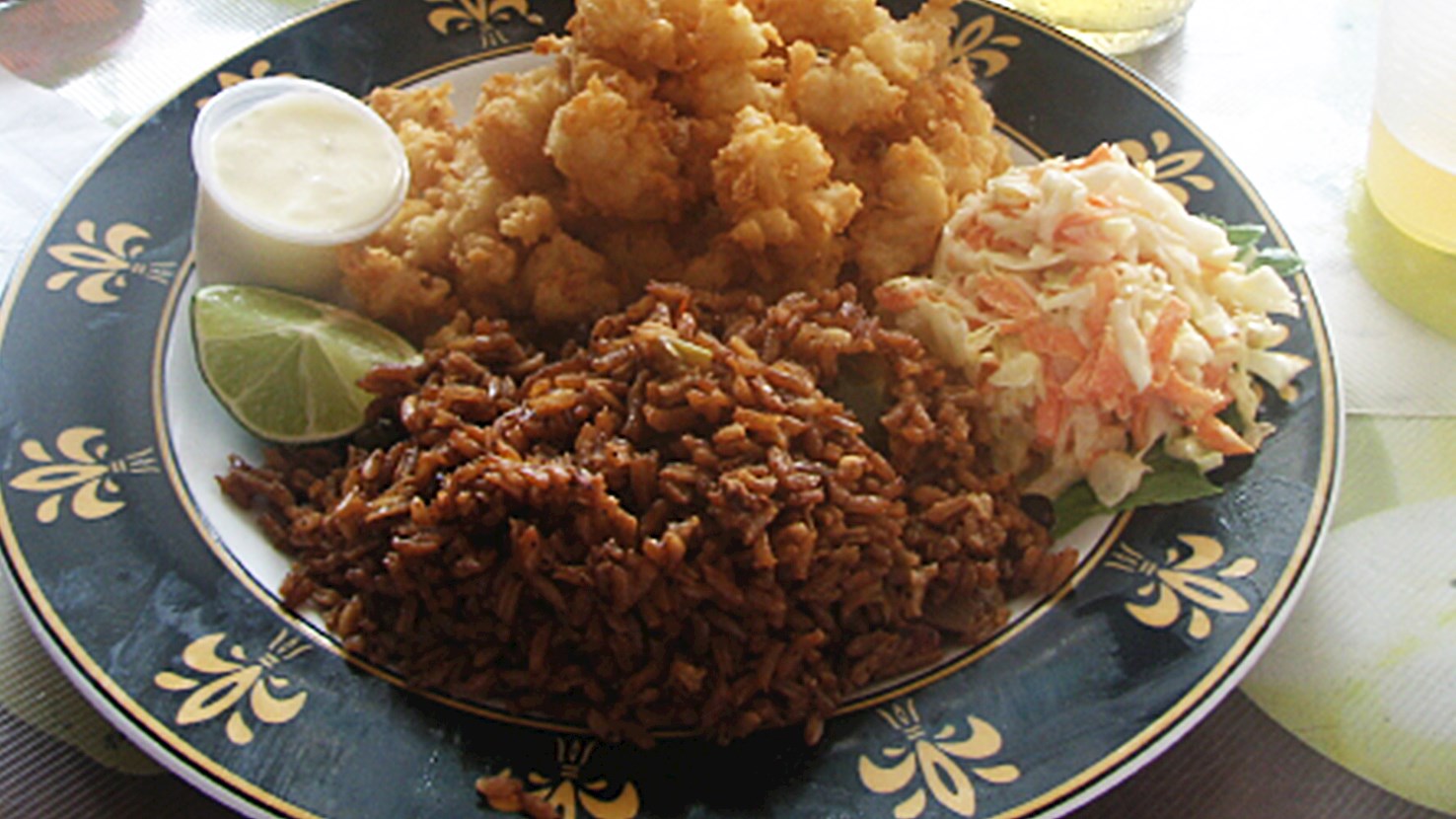
Crack Conch with peas and rice is the national dish of the Bahamas. Conch is a large sea snail that has been traditionally eaten in the region since before the arrival of Christopher Columbus. The natives did not only eat the mollusc, but used them to make tools, musical instruments, and ceremonial artifacts. The conch lies on the bottom of the seabed in big, fluted shells with pink interiors. It may be eaten raw or cooked, but in this particular dish, it is deep-fried. The finished meal looks similar to fried calamari, but it is much tastier, as the locals say. Sea snails are regarded as endangered species, which has led to an increase in their price, but it remains a very popular and loved dish in the Bahamas. It is the only type of seafood that makes use of the special Bajan seasonings - a rub of garlic, pepper, thyme, onion, and marjoram. The rub is then mixed with a batter consisting of flour, beaten eggs, and water. Conch needs to be washed in water and lime juice, beaten with a mallet in order to tenderize the meat, then cut into small pieces and coated in the batter mix. Deep-fried until it develops a deep golden brown color, the dish is accompanied by Bahamian peas and rice, made by frying bacon and mixing it with peas, onions, tomatoes, thyme, salt, pepper, and tender rice. One can try this unique dish anywhere in the Bahamas, from the luxurious hotels to the seaside street food vendors.
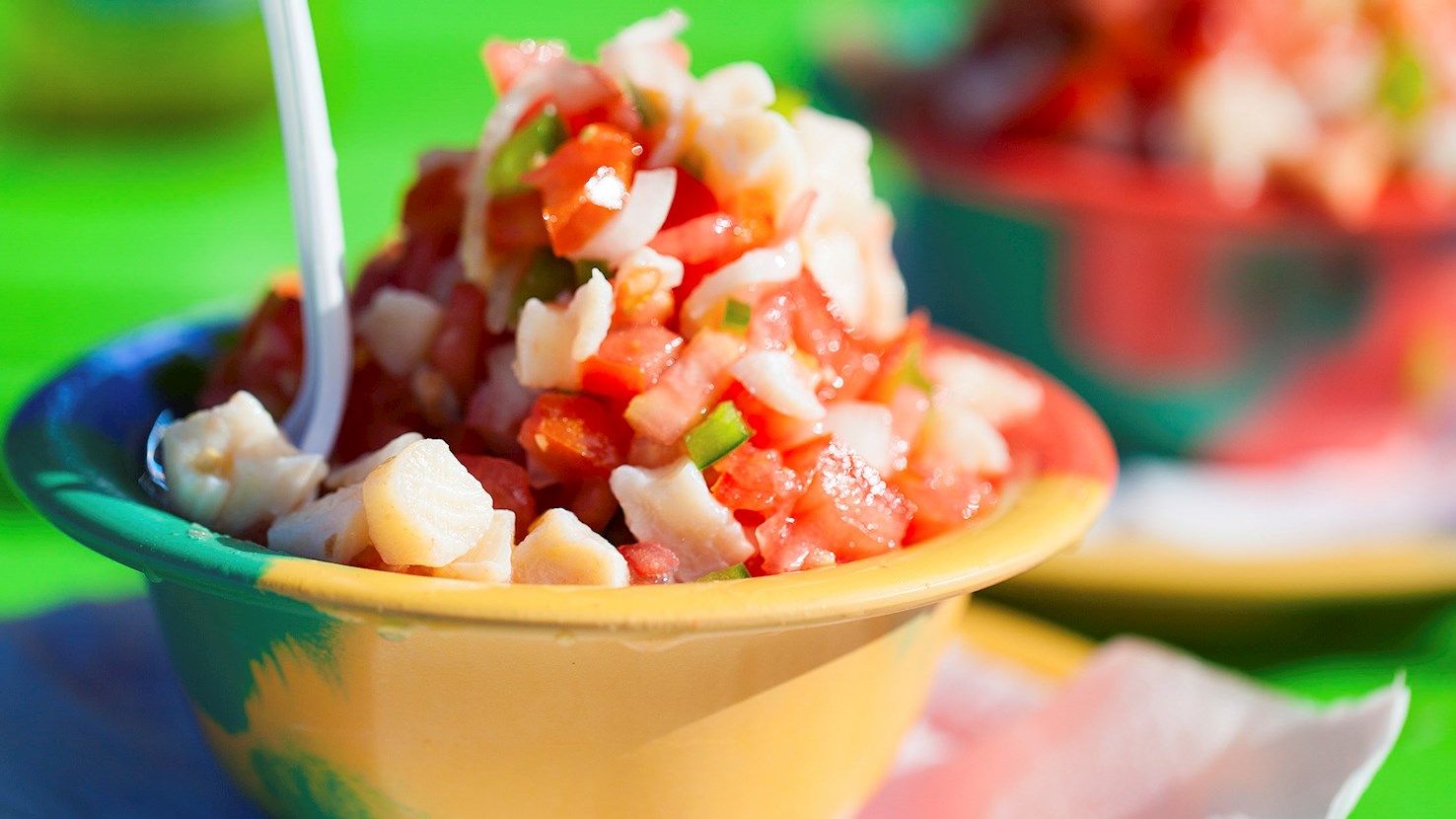
Conch salad is one of the most popular Bahamian dishes that is both a flavorful comfort food and a colorful, edible work of art. The key ingredient in the dish is conch, a shellfish that is unfortunately slowly dying out due to its rapid depletion in the Caribbean seas. Other ingredients include finely chopped tomatoes, bell peppers, onions, and a marinade of goat pepper, lime, and orange juice, a mixture that also partly cooks the raw white conch meat. However, there is also a tropical version of the salad with apples, pineapple, and mango added to the regular salad, with a less spicy flavor. It is recommended to pair the salad with a glass of local Bahamian beer such as Kalik or Sands, although a combination of coconut water, sweet milk, gin, and ice, known as sky juice is also commonly paired with the dish.
Duff is a sweet dessert dish from the Bahamas, consisting of dough filled with fruits such as guava, when the dish is known as guava duff. The dish is then boiled or steamed, and topped with a sweet, buttery sauce containing either rum or brandy. Many locals claim that the sauce is the key ingredient that should not be omitted during the preparation of this sweet treat. Guava fruit is indigenous to the Bahamas and it precedes the arrival of Christopher Colombus in 1942. Since the Bahamas are a former British colony, the dish has strong British influences, and duff is also an English slang term for pudding. As the dessert is quite decadent, it is often reserved for special occasions.
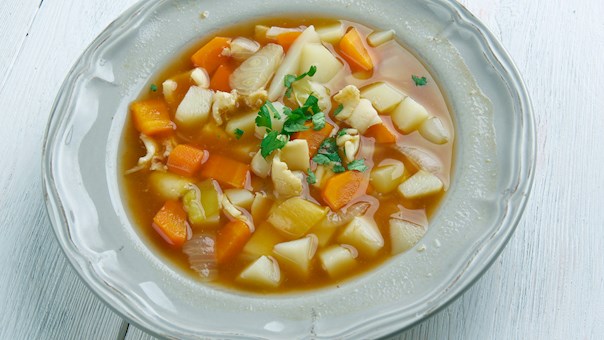
This Bahamian fish stew is made with flour, onions, carrots, potatoes, tomato paste, oil, and fish such as snapper or grouper. The fish is first browned, then combined with flour which has been browned in oil, onions, spices, carrots, potatoes, and tomato paste. The concoction is then simmered until the fish is tender and fully cooked. It is recommended to serve this stew with homemade bread or johnny cakes on the side.
Bahamian bread pudding is a traditional dessert made with stale bread, butter, sugar, eggs, milk, vanilla, and raisins. The bread is soaked in water to soften, then combined with other ingredients. The concoction is baked until a knife that is inserted in the center of the bread pudding comes out clean. The dessert can be eaten on its own or served with a dollop of whipped cream.
Abaco baked grouper is a traditional fish dish originating from the Bahamas. The dish is made with a combination of grouper fillets, minced onions, chopped tomatoes and bell peppers, salt, pepper, and oil. The tomatoes, onions, and bell peppers are cooked in oil until tender. Grouper fillets are placed into a greased baking dish, and they’re topped with the vegetables and seasoned with salt and pepper. The dish is baked in the oven until the fish is fully cooked and flaky, and abaco baked grouper is then ready to be enjoyed.
Baked stuffed crab is a preparation in which crabmeat is mixed with seasoned vegetables and bread or breadcrumbs, returned to cleaned shells, and baked until the surface browns. The filling is moist and savory beneath a lightly crisp top, with onion, bell pepper, butter, and thyme supporting the sweetness of the crab. A squeeze of lemon is a common finishing touch. Often called baked crab, it can be served as an appetizer, a substantial snack, or part of a larger meal. Although stuffed crab shells appear in several cuisines, the Bahamian version reflects the islands’ own crab-cooking practices, particularly those on Andros, where land crab is an important local food. The baked stuffed crab makes practical use of both the picked meat and the broad shell, which becomes a small baking and serving vessel. It also allows the many small pieces recovered from a crab to be gathered into a portion that is easy to eat. This is especially useful with crabs whose meat requires considerable picking rather than yielding a few large pieces. Land crab provides the local context, but recipes made elsewhere may substitute other hard-shell crabs or purchased crabmeat. Dungeness crab is one such substitute; it should not be treated as the species that defines the Bahamian dish. The work begins before the oven is heated. Whole crabs are cooked, allowed to cool enough to handle, and opened so that the meat can be removed from the body and claws. The shells intended for stuffing are thoroughly cleaned, and the picked meat is carefully checked for fragments. This preparation takes more attention than the final baking, and it directly affects the pleasure of eating the finished dish. The shell should hold a tender filling that can be lifted out with a fork, without the diner having to continue picking through it. Purchased cooked crabmeat reduces that work, and small ovenproof dishes can stand in for shells when necessary, although they change the presentation. Onion and bell pepper are chopped finely and softened in butter before the crab is added. Cooking them first removes their raw edge and distributes their flavor through the fat. Small pieces also blend into the filling more evenly than large chunks, which can overwhelm a mouthful of delicate crab. Thyme adds a familiar herbal note, while some versions include garlic, parsley, black pepper, and hot pepper. Scotch bonnet can add both heat and fragrance, but the cook decides how much; baked crab need not be fiercely hot. Lemon juice brings acidity to the mixture or is added at the table. Bread serves both a structural and an economical role. It absorbs cooking juices and helps the filling hold together, but too much makes the dish taste predominantly of stuffing. Fine crumbs give a more uniform texture, while softened bread can produce a looser interior. A little stock may be added when the mixture needs moisture. The aim is a filling that can be spooned into the shell without crumbling or releasing a pool of liquid. Mixing gently preserves some recognizable crab flakes rather than reducing everything to a paste. Household versions vary in seasoning and richness, and some add raisins for small pockets of sweetness. These additions are optional, not required for baked crab. Once filled, the shells are arranged securely in a baking dish and heated until the stuffing is hot and the exposed surface has taken on color. A light breadcrumb topping can make the crust and filling contrast more pronounced. Because the crab is already cooked, the oven stage mainly heats the assembled portion and browns its surface; unnecessary baking dries the meat and hardens the edges. The filling should remain soft enough to scoop, with the browned top breaking easily under a fork. Baked crab suits festivals and informal gatherings because each shell holds an individual serving. In the Bahamas, its seasonal appeal is linked to the availability of local land crabs, with late spring and summer bringing renewed attention to crab dishes. It is best eaten warm, with lemon offered separately so each person can adjust the acidity. A single shell needs little accompaniment as a starter, while rice, plainly cooked vegetables, or a baked potato can make a larger portion into lunch or dinner. A crisp salad is another useful choice alongside the buttery filling, and cold water, lemonade, or a light beer suits the same informal setting.
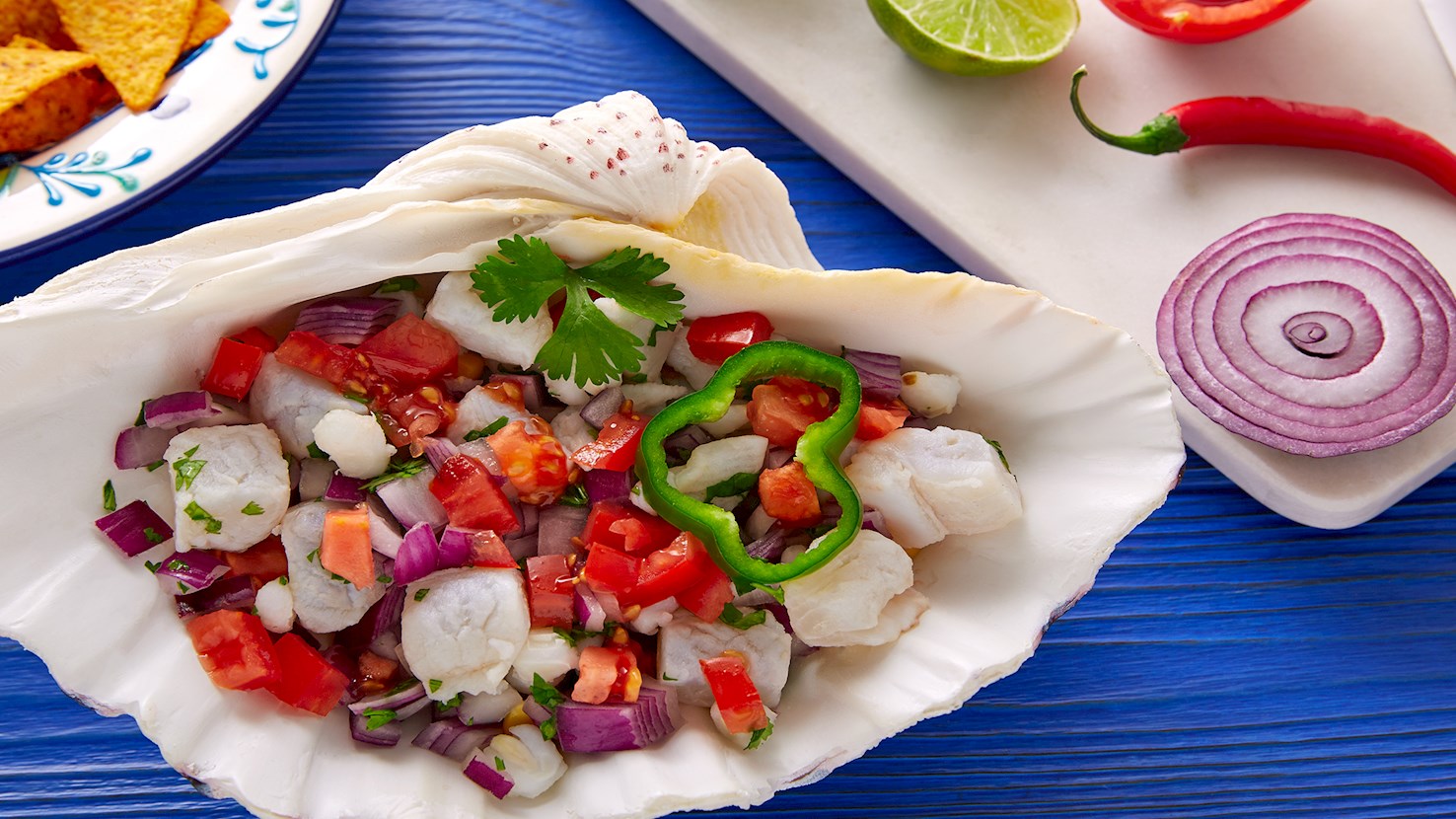
Conch ceviche is a Bahamian twist on the classic ceviche, made with conch meat as the key ingredient. It typically consists of conch meat, tomatoes, red onion, scotch bonnet peppers for heat, and diced mango for a small touch of sweetness. This ceviche variety is typically dressed with freshly squeezed sour orange and key lime juice. After the dish has been seasoned with salt and pepper and tossed, it should be served immediately.
TasteAtlas food rankings are based on the ratings of the TasteAtlas audience, with a series of mechanisms that recognize real users and that ignore bot,
nationalist or local patriotic ratings, and give additional value to the ratings of users that the system recognizes as knowledgeable.
TasteAtlas Rankings should not be seen as the final global conclusion about food. Their purpose is to promote excellent local foods,
instill pride in traditional dishes, and arouse curiosity about dishes you haven’t tried.











What People Say