shutterstock

Top 10 Thuringian Foods

Last updated on June 17, 2026

Best Thuringian food products

01
Cheese

Kaeserei Altenburger Land Gmbh Co. Kg

4.8 ·
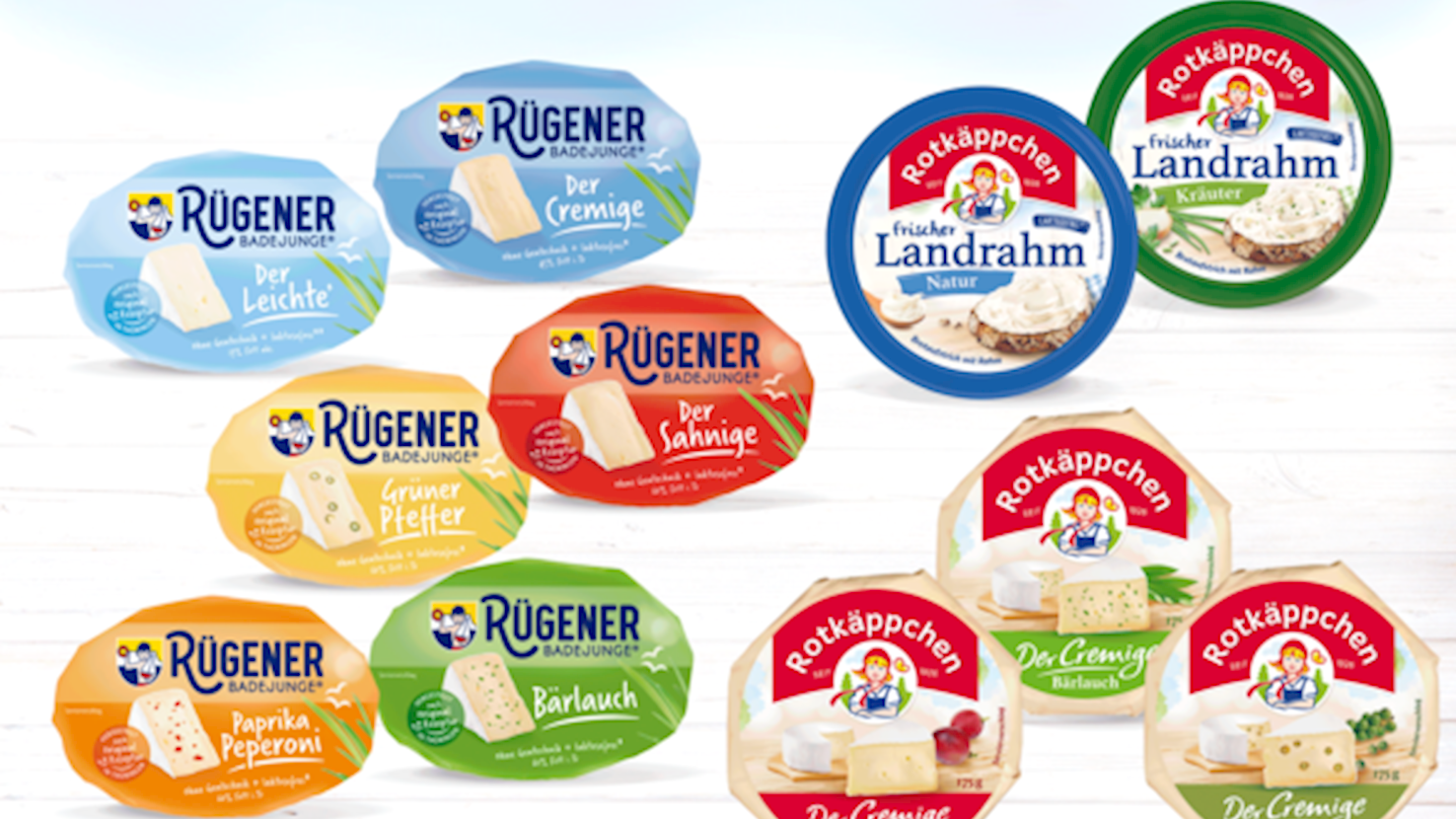
Kaeserei Altenburger Land GmbH Co. KG is a cheese manufacturer based in Germany, specifically in the region of Thuringia. The company specializes in producing Altenburger Ziegenkäse, a goat cheese known for its distinctive flavor, which is protected under the European Union's Protected Geographical Indication (PGI) status. This designation ensures that only cheese produced in this particular region using traditional methods can be sold under this name. Kaeserei Altenburger Land focuses on utilizing local ingredients and maintaining high standards in cheese production.
Awards
World Championship Cheese Contest - Best of Class (2016, 2014)
02
Chocolate

Goldhelm Schokolade

4.7 ·
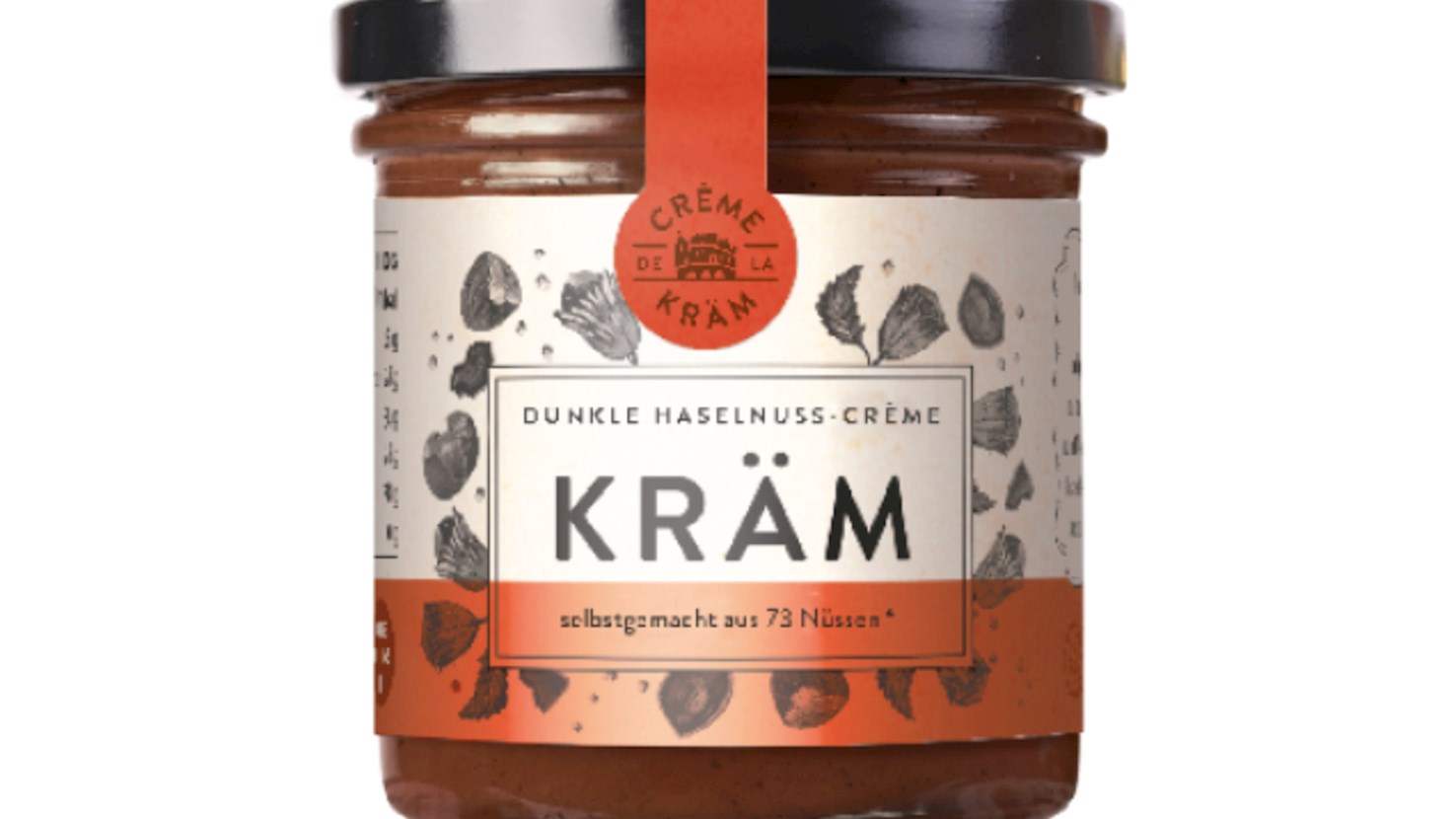
Goldhelm Schokolade is a German artisan chocolate maker known for its high-quality, handcrafted chocolates. Using carefully selected cocoa beans and natural ingredients, they create unique flavor combinations with a focus on craftsmanship and sustainability.
Awards
Academy of Chocolate - Silver (2024)
Academy of Chocolate - Bronze (2024)
03
Meat Product

Greußener Salami und Schinkenfabrik

4.6 ·
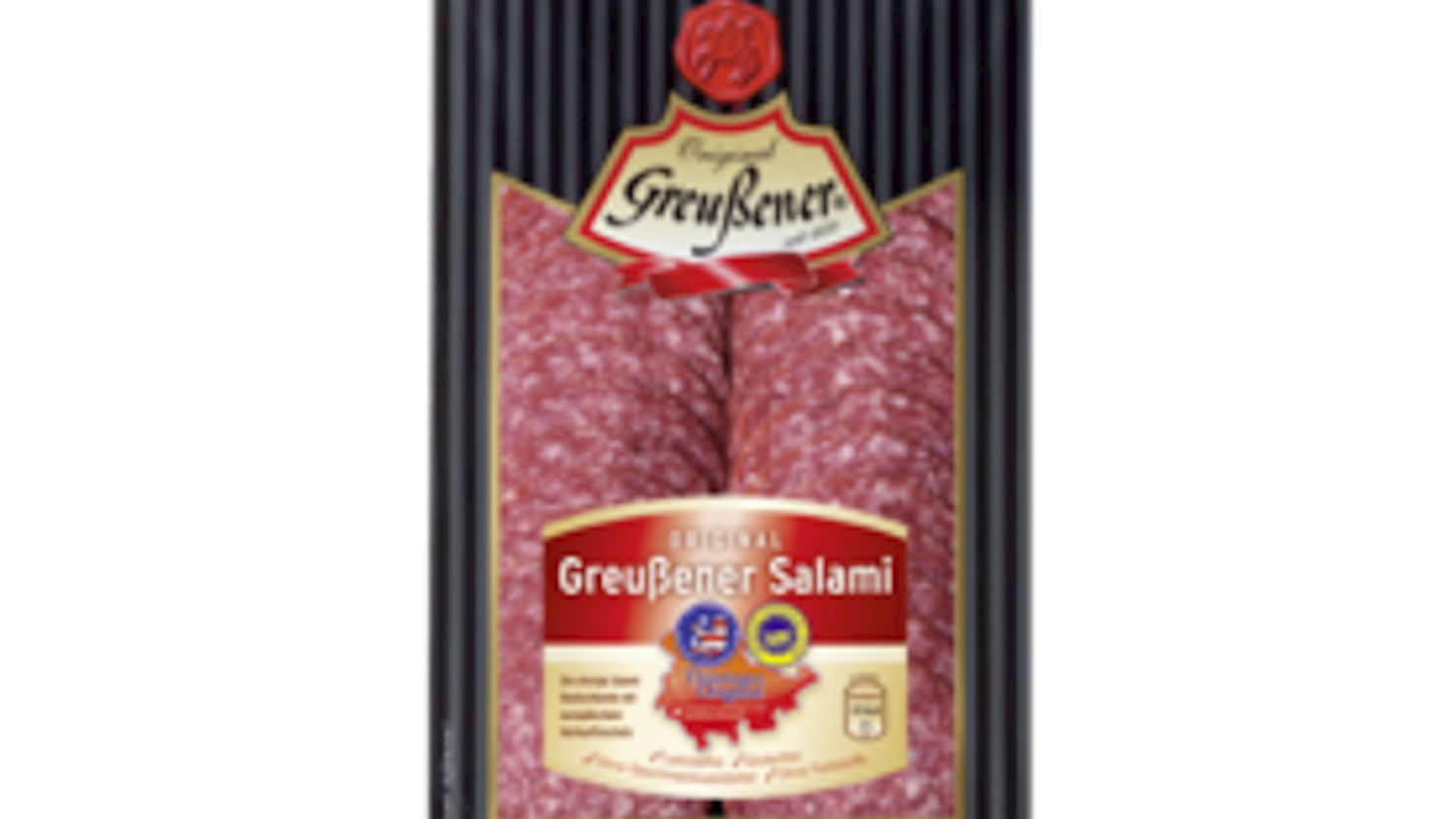
Greußener Salami und Schinkenfabrik is a historic butcher shop that has, over the decades, become synonymous with high-quality charcuterie products, with its name deeply rooted in the tradition of German charcuterie production. The company prides itself on its commitment to preserving authentic production methods, which are based on traditional smoking and drying techniques, as well as using the finest ingredients, often sourced from local suppliers. In addition to Greußener Salami, which has become one of the symbols of Thuringia, the company offers a variety of other meat products, such as hams, sausages, dried meat specialties, and ready-to-eat meals, all of which are becoming increasingly popular in international markets. Greußener Salami is particularly valued for its distinctive texture, balanced seasoning, and smoky flavor, which is achieved through a careful production process. This salami is often at the center of attention when it comes to the tradition of German charcuterie and is regularly featured at gourmet events and trade fairs. To ensure the preservation and protection of quality, the factory strictly adheres to rigorous hygiene and production standards, subjecting all of its products to thorough quality controls. Additionally, it is known for combining traditional methods with modern technologies, enabling its products to maintain a high standard of quality.
04
Spirit

Hessiche spezialitäten brennerei Behlen

4.5 ·
Awards
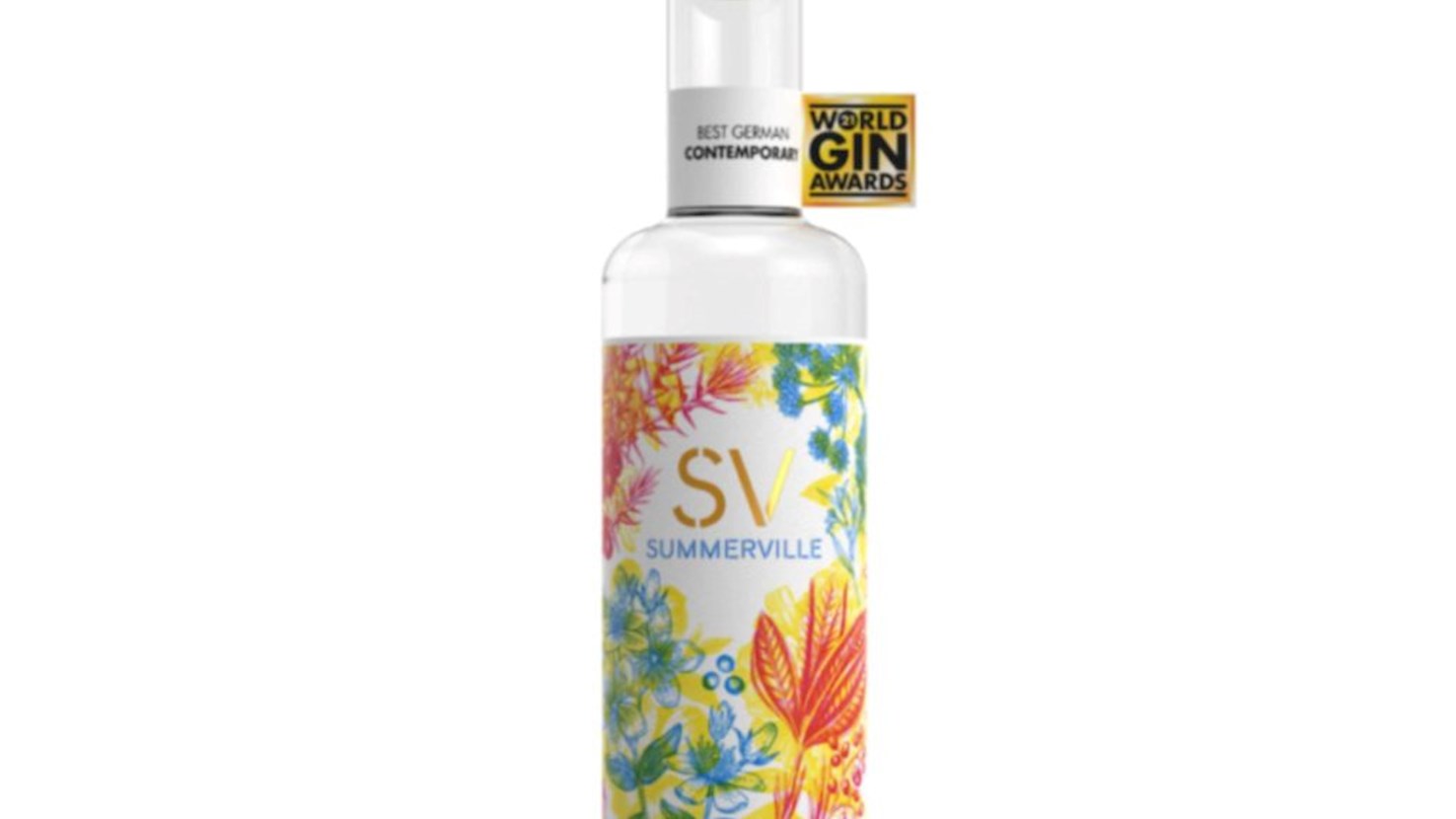
World Gin Awards - Country Winner (2021)
05
Beer

Bürgerliches Brauhaus Saalfeld

4.3 ·
Awards
European Beer Star - Gold (2022)
06
Beer

Altenburger Brauerei GmbH

3.7 ·
Awards
Frankfurt International Trophy - Grand Gold (2021)

Best Thuringian foods

01
Dumplings

Thüringer Klöße

4.2 ·

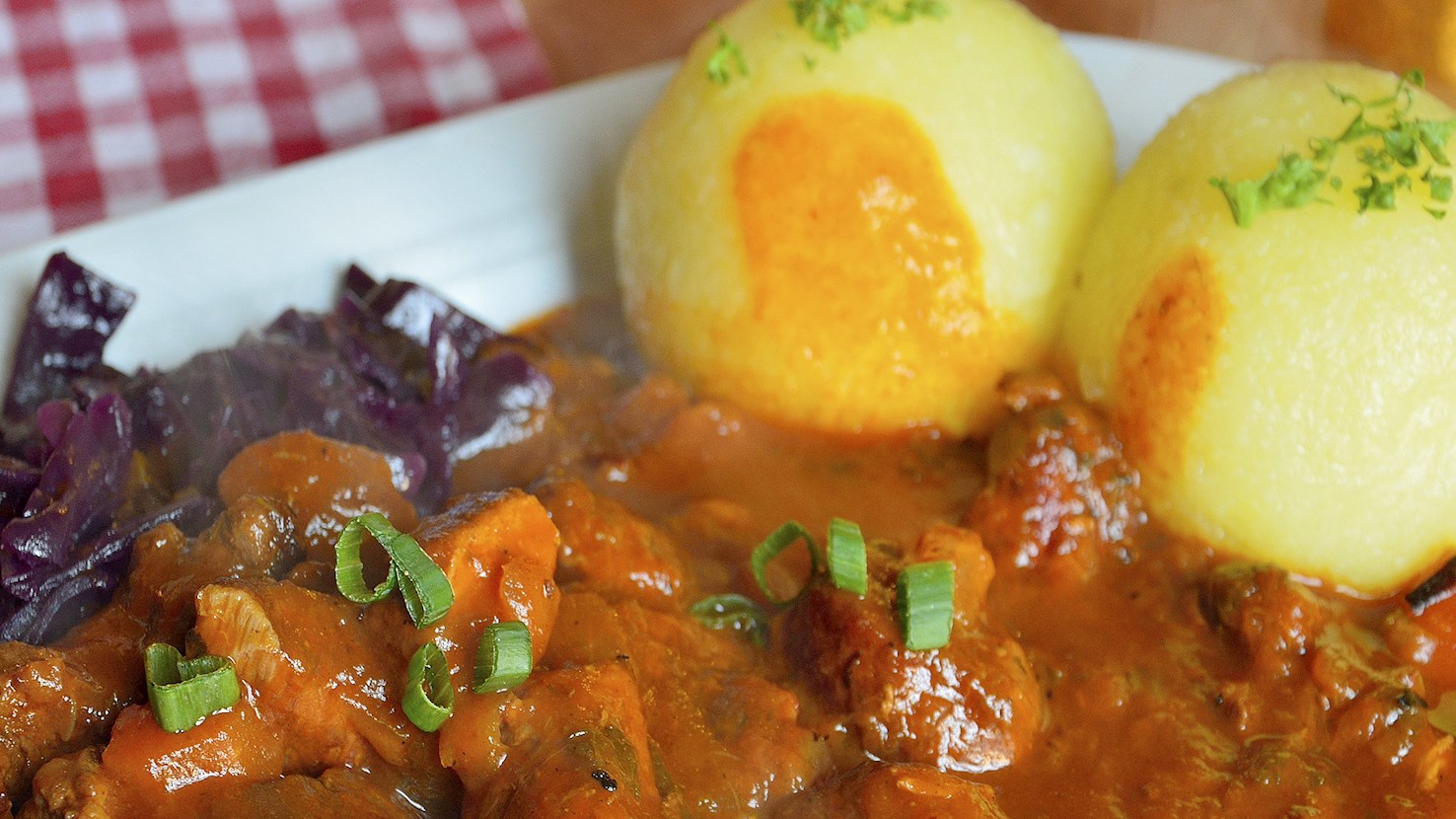
A quintessential specialty hailing from Thuringia, Thüringer klöße is a simple potato dumpling that consists of a mixture of grated raw potatoes and mashed cooked potatoes filled with crunchy cubes of bread. The dumplings are typically cooked in simmering water, but they can also be lightly browned in butter for extra flavor. These traditional Thuringian potato dumplings are a great accompaniment to a variety of German meat delicacies, and they are often served with dishes such as meat roulades, roasted meat, stuffed cabbage rolls, red cabbage, or sauerkraut. Large and perfectly rounded, these German potato dumplings used to be prepared on Sundays and were once considered to be food for the poor. In Heichelheim, there is a Thuringian Dumpling Museum (Thüringer Kloßmuseum) that honors these dumplings. Nowadays, Thüringer klöße are a staple of numerous traditional restaurants in the region.

02
Cooked Sausage

Thüringer Rostbratwurst

4.1 ·

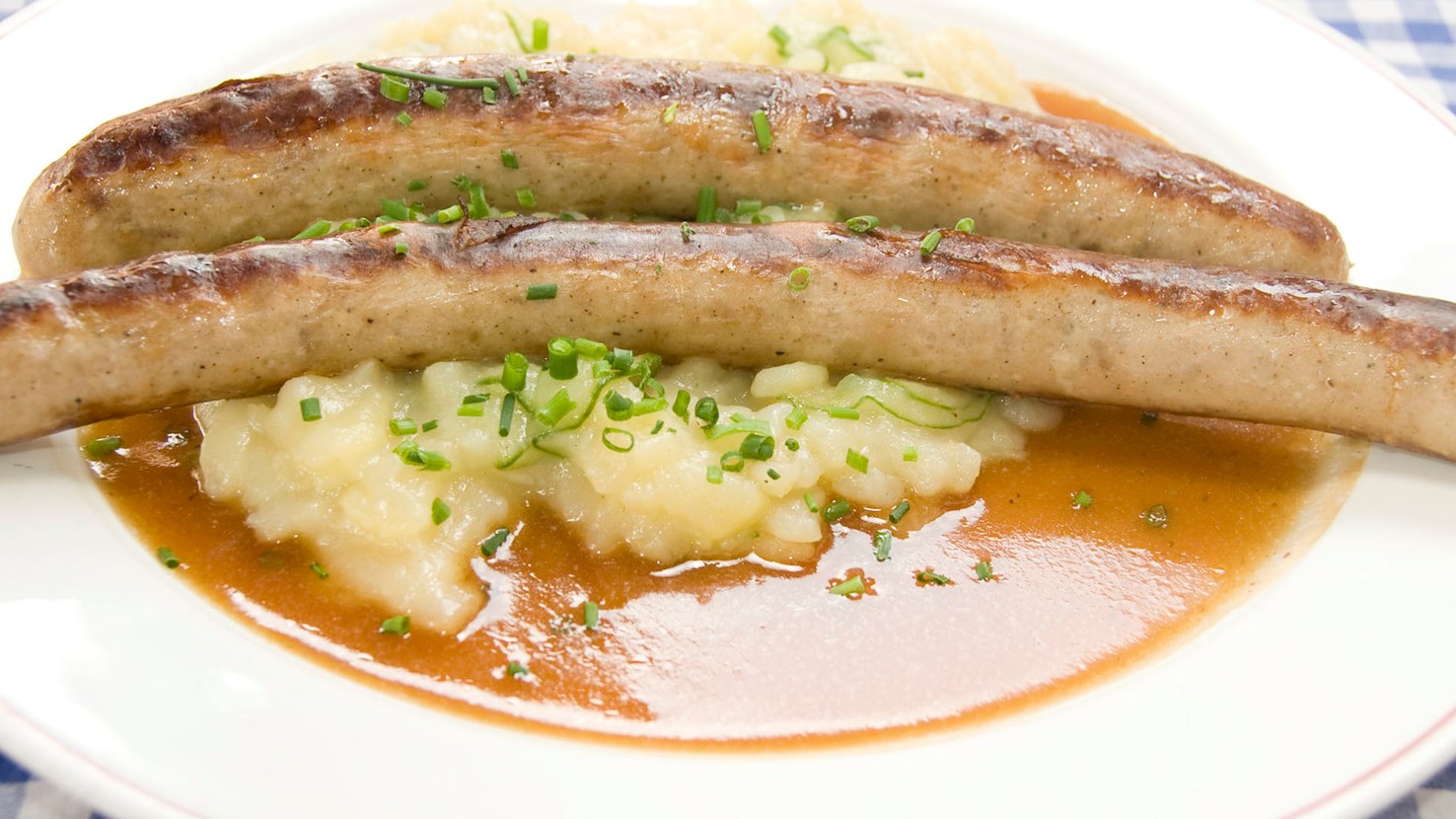
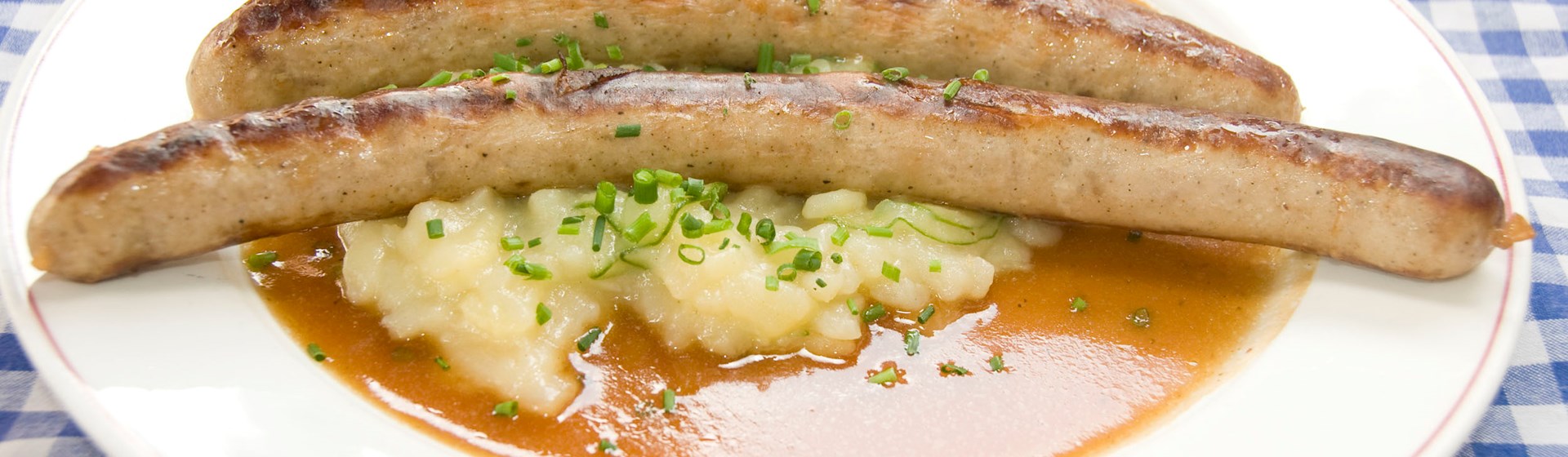
Thüringer Rostbratwurst is a product with centuries of tradition. The oldest known recipe, held at the Weimar State Archives, dates back to 1613. Martin Luther and Goethe both appreciated it, and it was often praised in literature. Only finely minced pork (sometimes mixed with beef or veal) is used to make this sausage, and the spice mixtures that are added vary depending on the recipes and regional characteristics. These sausages are easily distinguished from other German sausages by their low fat content and a distinctive combination of spices and seasonings – salt, pepper, caraway, marjoram, and garlic. Due to its unique and delicious flavor, Thüringer Rostbratwurst is still very popular in Germany and beyond, and it can be found at most sausage stands in Thuringia.

03
Cheese

Altenburger Ziegenkäse

3.7 ·

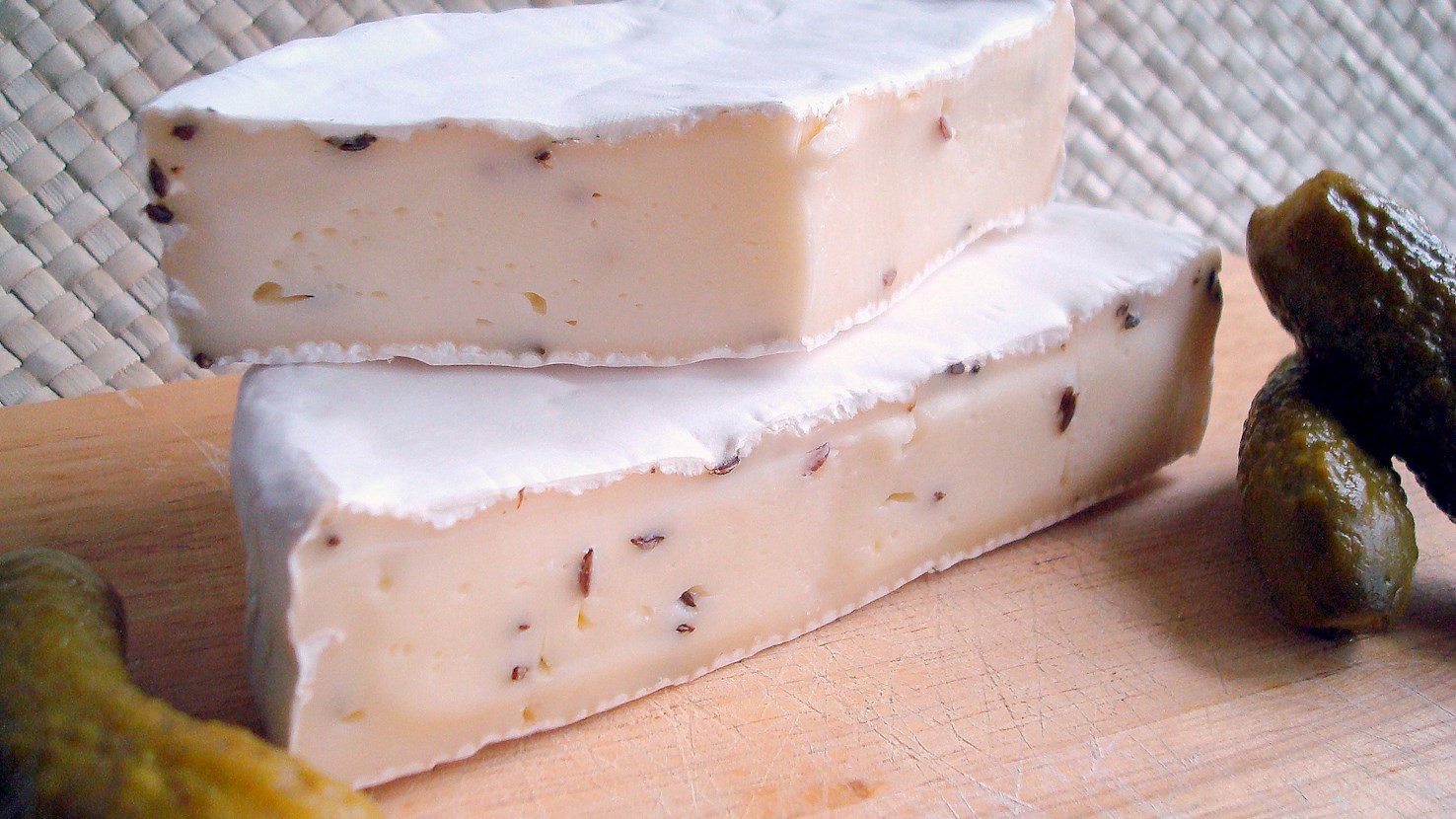
This soft cheese is produced between Saxony and Thuringia in Germany. Although the name suggests differently, Altenburger Ziegenkäse is not a pure goat's cheese – it is made with cow's milk and a small amount of goat's milk flavored with caraway. The cheese is coated with white mold and resembles Camembert. It has a relatively mild taste, becoming more aromatic and piquant as it matures. For a hearty snack, Altenburger Ziegenkäse is typically served on bread with pickled vegetables.

04
Salami

Greußener Salami

3.2 ·

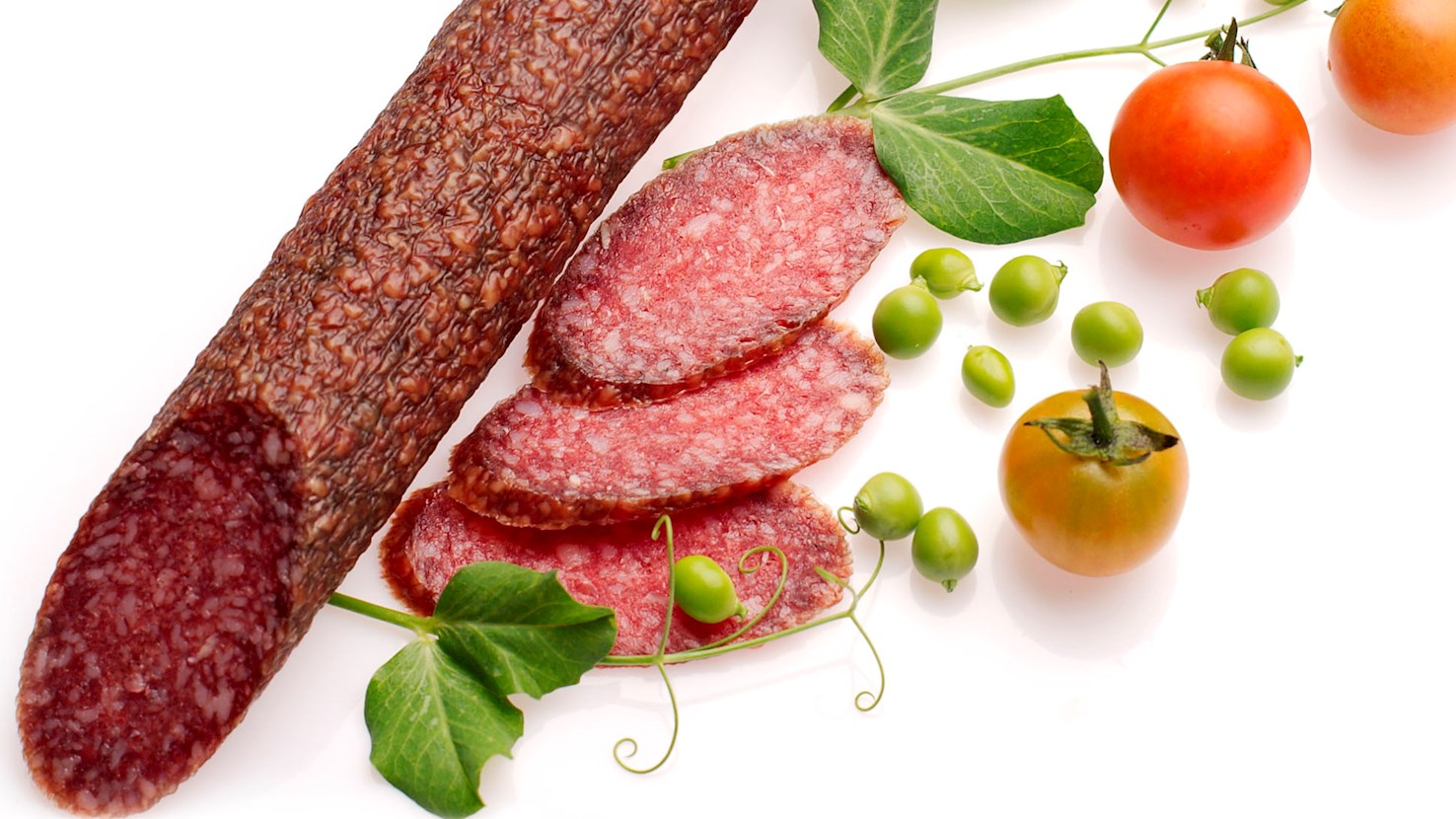
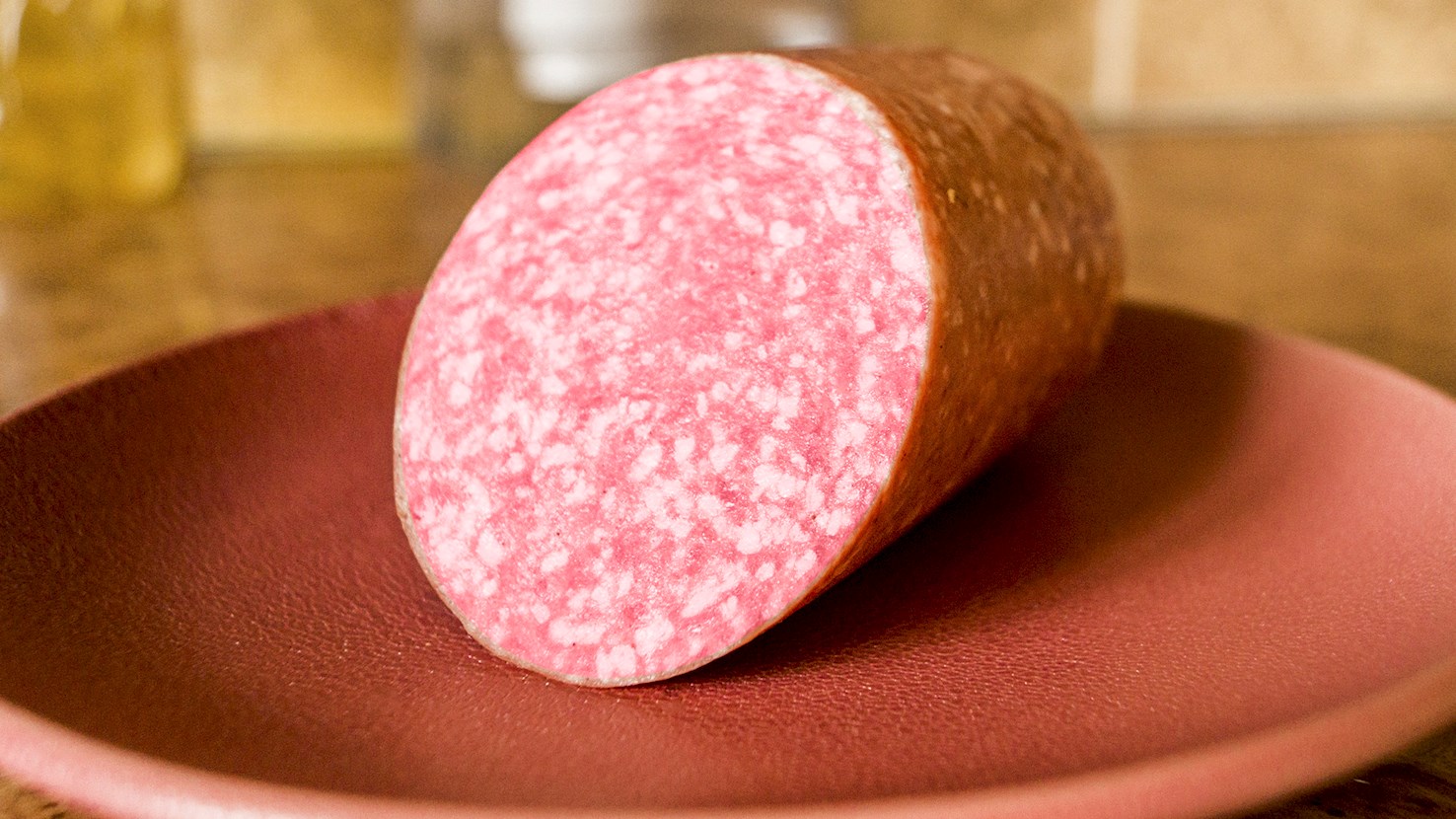
In the world of salami connoisseurs, Greußener salami has been a well-known name for almost 100 years. The Greußener Salami Company was founded in 1864 by master butcher Carl Auene from the town of Greußen in Thuringia, and word of this excellent salami soon spread throughout the region. The salami has a coarse grain dotted with coarse black pepper, and its hearty flavor is accentuated with garlic. In addition to Greußener salami, which is made from pork, the same company also produces salamis made with wild boar, venison, and poultry. They are seasoned with black pepper, garlic, paprika, chili, or juniper. Individual versions include salamis with a coating of herbs or pepper, mold-ripened salamis, and salamis in parmesan crust.

05
Pork Dish

Rostbrätel

n/a ·

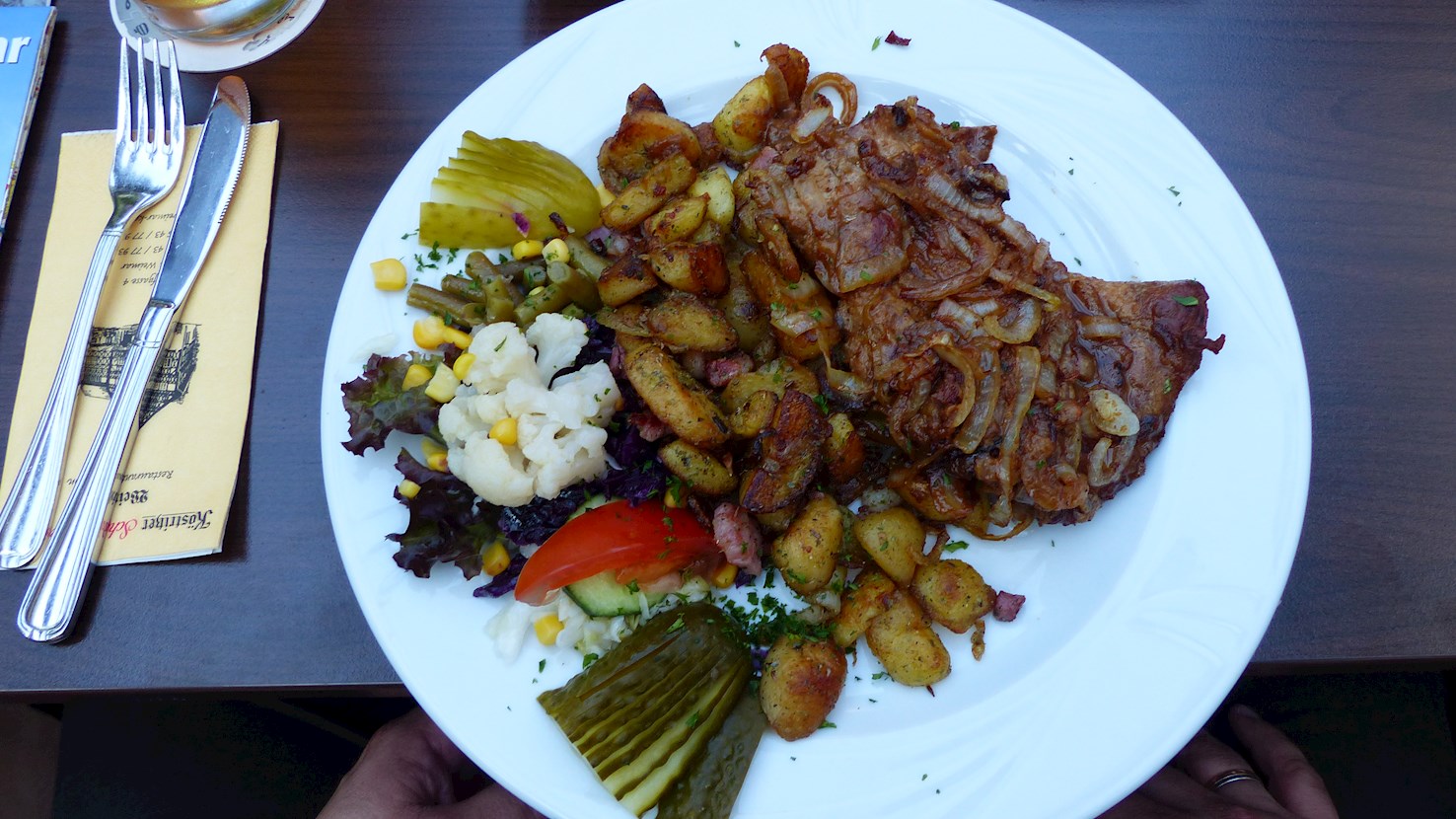
Rostbrätel is a traditional dish originating from the region of Thuringia. The dish is made with a combination of pork neck, onions, mustard, salt, pepper, garlic, butter, and dark beer. The sliced pork neck is tenderized and marinated in salt, pepper, mustard, onions, and dark beer. It is then grilled over charcoal, and as it cooks, the meat is basted with the marinade. Once done, rostbrätel is topped with pan-fried onions and garlic before serving. It’s recommended to pair the dish with a glass of dark beer and serve it with bread rolls or potato salad on the side as accompaniments.

06
Pork Dish

Mutzbraten

3.7 ·

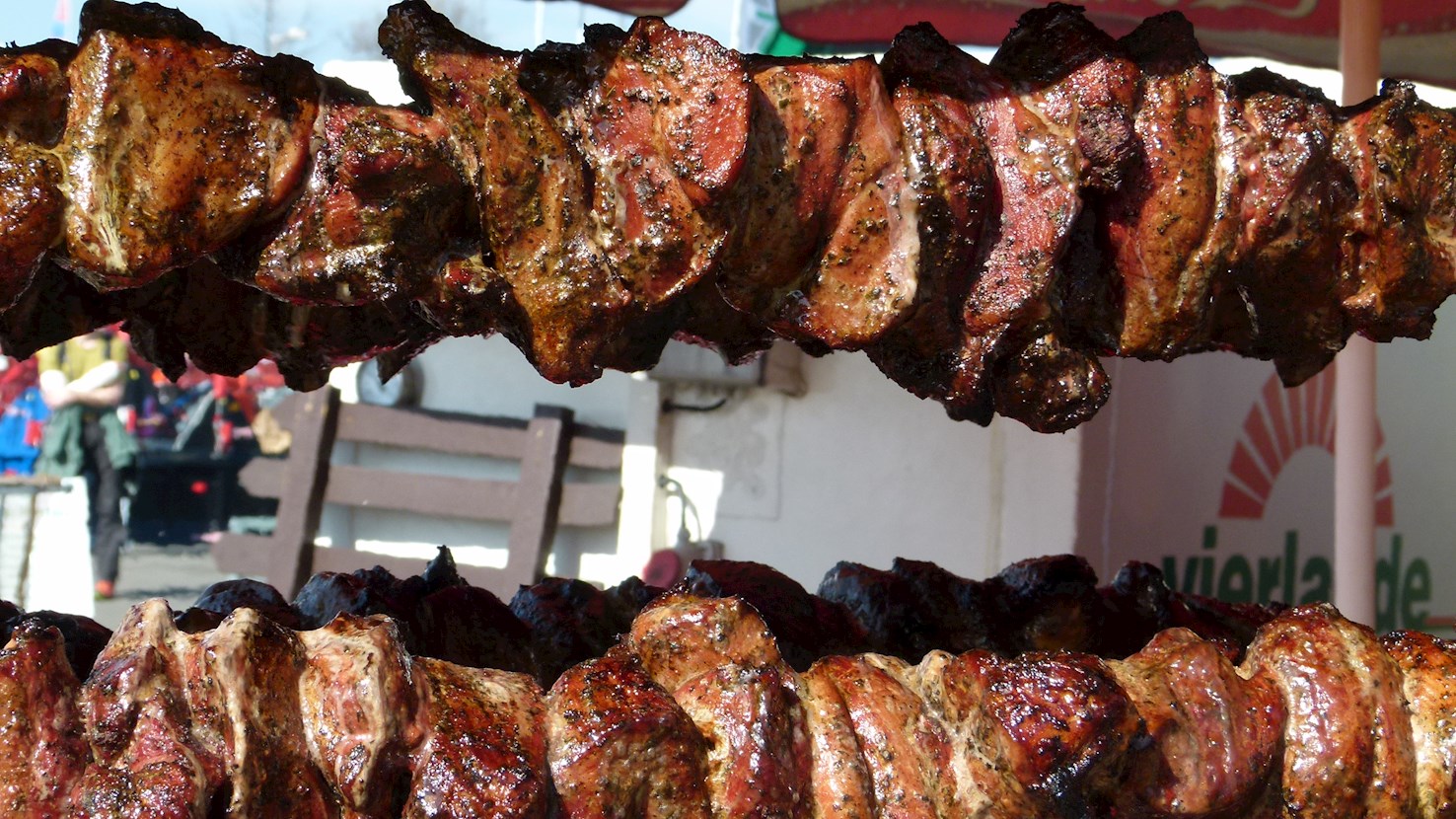
Mutzbraten is a spit-roasted pork specialty originating from the Thuringia region. It consists of pork meat that is cut into pieces and then soaked in a marinade of water, salt, pepper, marjoram, thyme, and onions. Traditionally roasted over a birch wood fire, this meat dish is typically accompanied by sauerkraut and fresh bread on the side.

07
Savory Pie

Weimarer Zwiebelkuchen

n/a ·

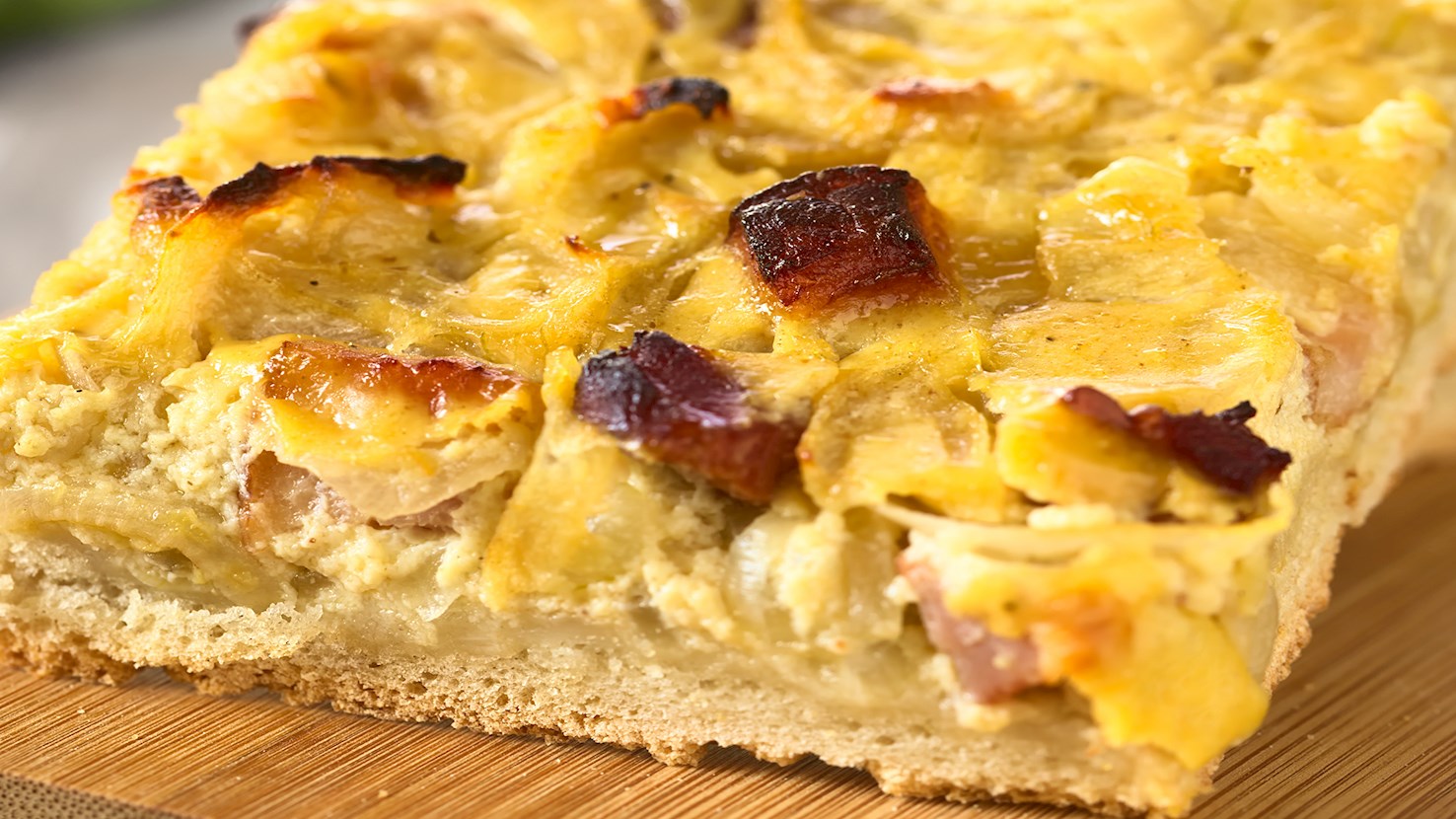
Weimarer Zwiebelkuchen is a savory onion tart from the city of Weimar in the German state of Thuringia. It belongs to the broader family of Zwiebelkuchen found across southern and central Germany but is specifically associated with Thuringian culinary heritage and seasonal events. This dish consists of a yeast-based or shortcrust dough topped with a rich mixture of sautéed onions, eggs, sour cream or crème fraîche, and often bits of bacon. It is baked until the surface is lightly browned and the filling is set, resulting in a dish with a crisp base and a soft, savory topping. The Weimar version is often characterized by a generous amount of onions, finely sliced and slowly cooked to reduce sharpness while preserving their natural sweetness. The filling is well-seasoned with caraway seeds, salt, and pepper, and is poured over the dough before baking. Bacon or speck is commonly used in small quantities to add depth of flavor and a slightly smoky note. The final result is served warm or at room temperature, usually sliced into squares or wedges. Weimarer Zwiebelkuchen is especially popular in the autumn months, and deeply intertwined with the tradition of the annual Weimar Onion Fair. It is often accompanying the new wine of the season, known locally as Federweißer. The pairing is rooted in harvest customs and remains a fixture at local festivals and regional wine events.

08
Sausage

Eichsfelder Feldgieker

n/a ·

This traditional sausage from the historic Eichsfeld region located between Thuringia and Lower Saxony is known far beyond the borders of its home region. The sausage consists of diced and seasoned pork that is stuffed into hand-stitched, bubble-like casings of pork skin or intestines. Feldgieker is air-dried and cold-smoked for up to one year until it develops the desired flavor. It acquires its unique flavor from the hot processed pork and a special blend of spices including garlic and coriander. The sausage is manufactured manually according to tradition, which has remained unchanged over the past 300 years. Feldgieker is a popular snack on hikes through Eichsfeld and it's usually eaten with a slice of bread.

09
Salad

Thüringer kartoffelsalat

n/a ·

Thüringer kartoffelsalat is a potato salad from the German state of Thuringia, known for its flexible composition and the use of both vinegar-based and creamy elements depending on context and occasion. The potatoes are combined with a dressing that may include mayonnaise, vinegar, mustard, and broth, and mixed with a broad range of components such as onions, pickles, boiled eggs, sausage or bacon, and herbs, resulting in a filling, layered, and savory salad with balanced acidity and richness. Potatoes became a key food in Thuringia from the eighteenth century onward as rural households relied on durable crops, and potato salads developed there in parallel with sausage production and preserved foods, leading to dishes that could serve as substantial accompaniments or standalone meals. Common variations include the type and amount of meat used, the ratio of mayonnaise to vinegar, the inclusion of herbs such as chives or parsley, and occasional additions like apples or radishes, with no single fixed formula dominating across the region. The salad is eaten cold or at room temperature and is served in homes, butcher shops, inns, and at family celebrations, most often alongside Thuringian sausages, cold cuts, roast meats, or bread, and it frequently appears on buffets and festive tables.

10
Savory Pastry

Kartoffelhörnchen

n/a ·

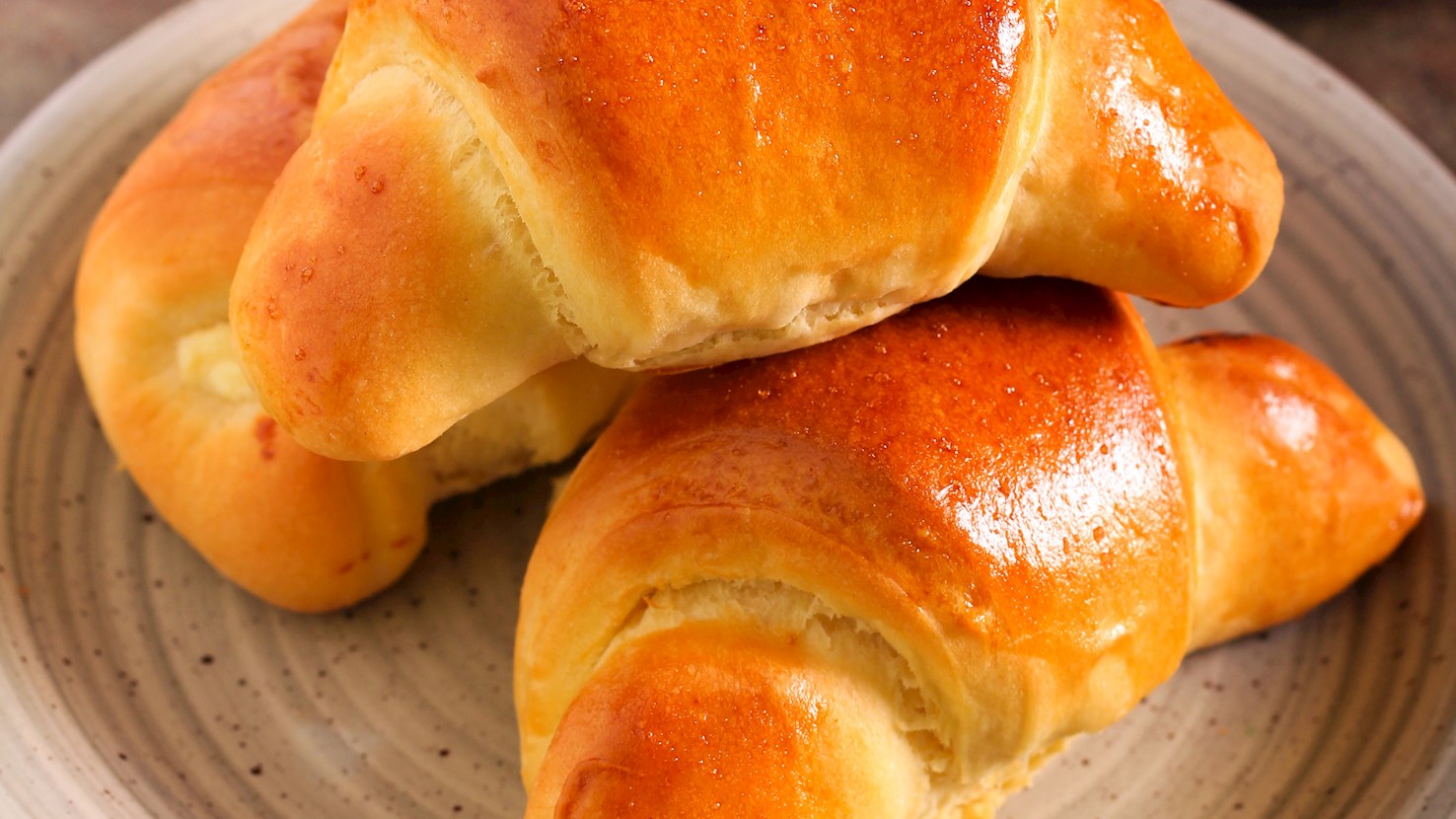
Kartoffelhörnchen are traditional German crescent-shaped pastries originating from Thuringia. They're usually made with a combination of starchy potatoes, butter, egg yolks, cornstarch, nutmeg, and salt. The potatoes are boiled, drained, mashed, and mixed with butter, egg yolks, nutmeg, cornstarch, and salt. The mixture is shaped into crescents, brushed with the remaining egg yolks, and then baked in an oven until golden brown and puffy. These potato crescents are usually enjoyed with a cup of coffee on the side.

Read more
View all
View map
About this ranking

TasteAtlas food rankings are based on the ratings of the TasteAtlas audience, with a series of mechanisms that recognize real users and that ignore bot, nationalist or local patriotic ratings, and give additional value to the ratings of users that the system recognizes as knowledgeable. For the “Top 10 Thuringian Foods” list until June 17, 2026, 222 ratings were recorded, of which 194 were recognized by the system as legitimate. TasteAtlas Rankings should not be seen as the final global conclusion about food. Their purpose is to promote excellent local foods, instill pride in traditional dishes, and arouse curiosity about dishes you haven’t tried.

The initial list of top producers was compiled based on available reviews, awards, local recommendations, media and blog coverage, and consumer reviews. The list will be updated with ratings from TasteAtlas local ambassadors and TasteAtlas users.

Similar lists