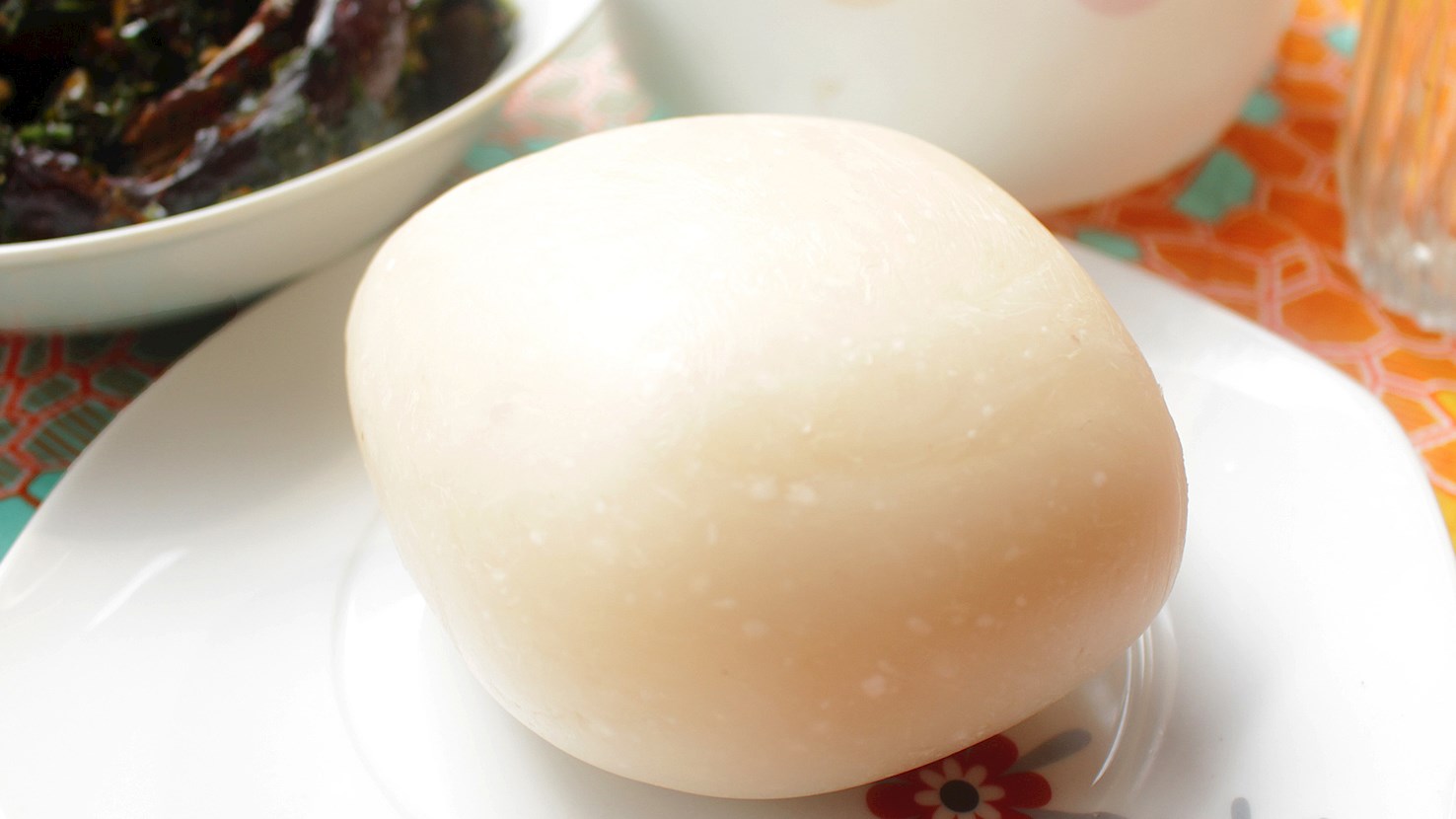
Fufu is a staple side dish made by pounding cassava and unripe plantains together with a big wooden pole and mashing them while adding water. As it needs to be vigorously stirred, it usually takes two people to make it - one pounding it, and the other moving it around between the pounding. Once the mixture is smooth, it gets shaped into small balls that are then placed in a stew or soup with meat. Similar to the Tanzanian ugali, an indentation is made in the ball, used for scooping up the sauce, with fufu acting as a spoon. The texture is quite gummy and stretchy, while the flavor is bland, but dipping it into a stew gives fufu a spicy flavor that is slightly reminiscent of peanuts. Just make sure not to eat with your left hand, as this is considered extremely disrespectful in many parts of Africa, because the left hand is used for toilet-related actions. This starchy side dish is an important accompaniment to various stews and sauce-based dishes, and it's regularly eaten throughout West and Central Africa.
Gboma dessi is a hearty, traditional dish from Togo that usually combines beef and spinach, though other types of meat may also be used. Diced meat is browned and slowly stewed alongside tomatoes, garlic, onions, ginger, chili peppers, and gbotemi spice blend, which usually incorporates cloves, anise, cardamom, and ajwain seeds. Boiled spinach is added last, and the dish is typically served alongside rice or traditional ablo or akoumé dumplings.
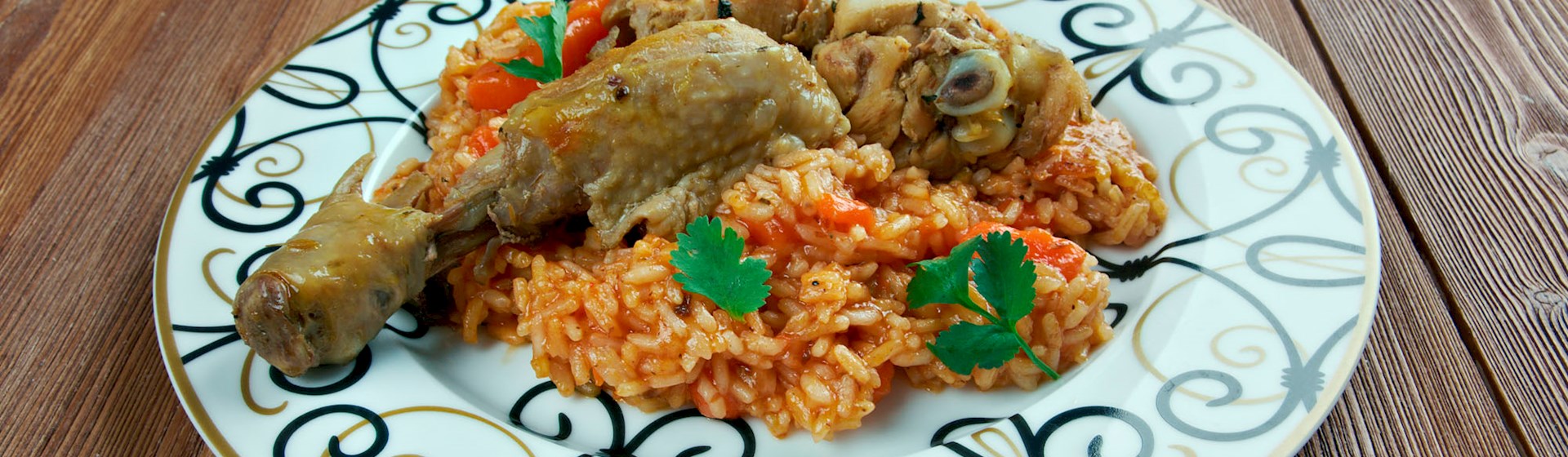
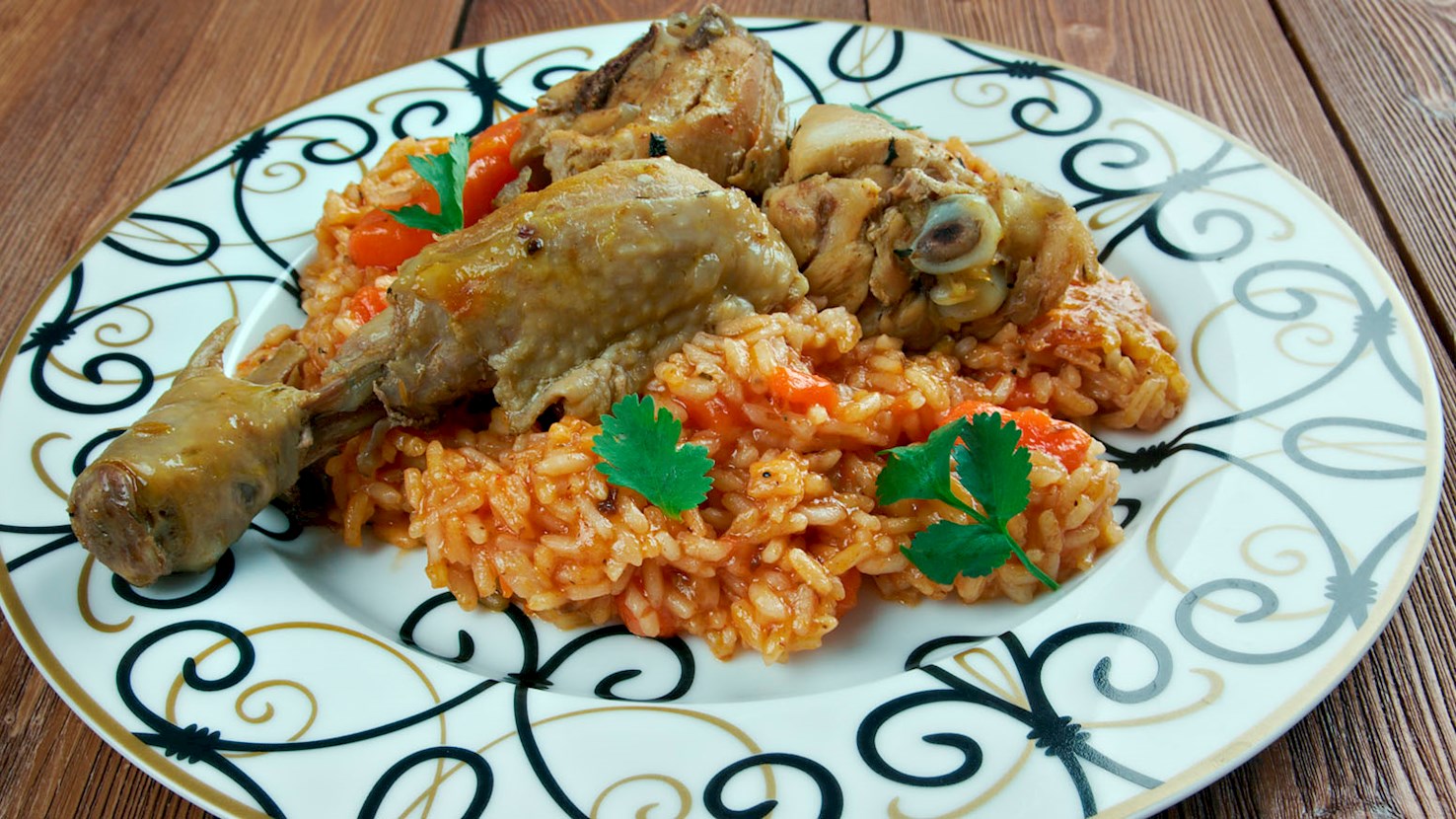
Riz gras is a West African one-pot rice dish made with rice cooked directly in a seasoned broth that often includes tomatoes, onions, and vegetables, with the addition of meat or fish depending on region and availability. It is prepared widely in Francophone West Africa, including Côte d’Ivoire, Burkina Faso, Togo, Benin, Guinea, and Mali. The name, meaning “fat rice” in French, refers to the presence of cooking fat from meat, fish, or oil that enriches the dish and gives the rice a glossy appearance. Though closely related to other West African tomato-based rice dishes, riz gras forms its own category with variations shaped by local ingredients, preferences, and culinary techniques. The dish developed through the influence of regional one-pot cooking methods that combined rice, a relatively early staple in coastal and riverine areas, with tomatoes and onions introduced during the colonial period and incorporated into daily cooking. As different West African communities integrated rice into their diets, they adapted the one-pot method to their local produce and seasonings. Over time, the name riz gras became common across French-speaking regions, describing dishes that shared a similar structure while differing in seasoning, vegetables, and the type of protein used. While it shares roots with the Wolof one-pot dishes of Senegal and The Gambia, riz gras evolved in Francophone territories into a broad category rather than a single standardized preparation. Preparation begins with browning meat or fish, which produces the base fat that flavors the rest of the dish. Onions, tomatoes, peppers, and sometimes tomato paste are added and cooked until thickened. Spices such as garlic, ginger, dried pepper, bay leaves, and local seasoning blends are incorporated according to regional tastes. Water or broth is added before the rice goes in, and the pot is then covered and cooked until the grains absorb the liquid fully. Vegetables such as carrots, cabbage, eggplant, or okra may be added whole or in large pieces, depending on the local style. Some cooks aim for a dry, fluffy outcome, while others prepare a softer, slightly saucier version. The balance of fat, tomato, and broth determines the final flavor and texture. A characteristic feature of riz gras is the flexibility of its composition. It can be made with beef, mutton, chicken, smoked fish, or no animal protein at all. Its seasoning adjusts easily to local spice traditions, and the dish accommodates a wide range of vegetables without departing from its identity. The defining element is the method: rice cooked in the same pot as the sauce and protein, absorbing all the flavors directly. Riz gras is eaten throughout Francophone West Africa in homes, canteens, street-food settings, and at social gatherings. It is often served with fried plantains, simple salads, boiled eggs, or spicy relishes made from chili and onions. Beverages commonly paired with it include bissap, ginger drinks, palm wine, soft drinks, or cold beer, all of which complement the richness of the rice and the seasoning of the stew.
Djenkoume are traditional Togolese tomato cornmeal fritters that are typically served as an accompaniment to other dishes. They are made with crushed garlic, grated ginger, minced onions, red palm oil, chopped tomatoes, tomato paste, chicken broth, and cornmeal. The ingredients are combined and cooked until the concoction develops a thick consistency. Djenkoume fritters are served while hot, and it is recommended to pair them with grilled meat.
Fetri detsi is a traditional, highly mucilaginous West African soup originating from the Ewe people of southeastern Ghana and southern Togo, built upon a base of finely chopped fresh okra simmered with red palm oil, fiery aromatics, and a complex assortment of smoked seafood and meats. Translating literally to "okra soup" in the Ewe language, this dish is celebrated precisely for its thick, viscous texture—often referred to as the "draw"—achieved by vigorously beating, dicing, or grating raw okra pods to release their natural binding agents. The cooking process is an exercise in building intense, layered umami, beginning with a deeply savory stock made by steaming tough cuts of beef, cow skin (wele), or goat alongside pungent, dry-smoked fish, shrimp powder, and fermented salted fish, known locally as momone. Once the proteins have released their juices and tenderized, the freshly prepared okra is introduced into the bubbling broth along with a generous pour of unrefined red palm oil, which immediately coats the stew in a vibrant, sunset-orange hue and imparts a distinct nutty, floral richness. To balance the heavy meats and earthy vegetables, cooks heavily season the pot with blended onions, ginger, garlic, and Scotch bonnet peppers, while leafy greens like spinach, crab chunks, or snails are often folded in at the very end to create a rich, textural mosaic. Because of its notoriously slippery consistency, Fetri detsi is not consumed with spoons; it is exclusively designed to be eaten by hand, acting as a functional lubricant for heavy, fermented starch swallows like akple or banku, allowing diners to pinch off the dough, drag it through the rich, spicy broth, and swallow the morsels whole.
This simple stir-fry from Togo combines shrimps and diced or sliced peppers - traditionally red, green, and yellow bell peppers. Other common additions include ginger, garlic, and onions that can be diced and fried, or optionally puréed into a paste which goes under the name n’toutou. The ingredients are shortly stir-fried until the shrimps are thoroughly cooked. The dish can be enjoyed as an appetizer or a light main course, usually accompanied by cooked or fried sweet potatoes.
TasteAtlas food rankings are based on the ratings of the TasteAtlas audience, with a series of mechanisms that recognize real users and that ignore bot,
nationalist or local patriotic ratings, and give additional value to the ratings of users that the system recognizes as knowledgeable.
TasteAtlas Rankings should not be seen as the final global conclusion about food. Their purpose is to promote excellent local foods,
instill pride in traditional dishes, and arouse curiosity about dishes you haven’t tried.







What People Say