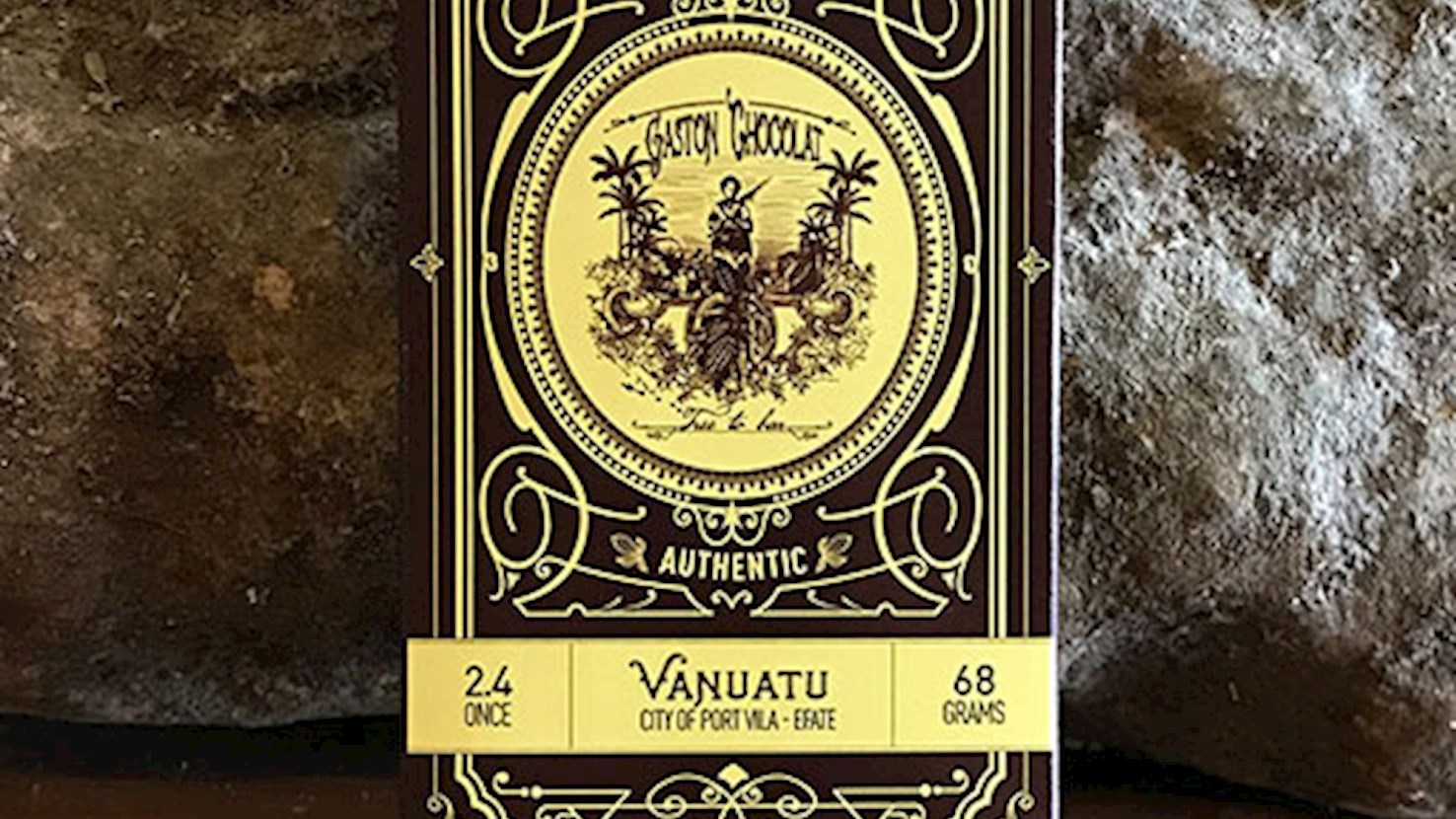
Gaston Chocolat is a chocolate producer based in Port Vila, Vanuatu. The company specializes in crafting premium chocolates using locally sourced cocoa and natural ingredients from the Vanuatu archipelago.
Gaston Chocolat offers a variety of chocolate products, including bars and truffles, with unique local flavors such as coconut and nangai nut.
This simple cake is made with only a few ingredients: freshly grated coconut, flour, sugar, eggs, and butter. The mixture is baked until golden-brown in color and the light, delicate cake can be consumed immediately.
Laplap is the national dish of Vanuatu, made by pounding various roots such as taro, yam, or breadfruit into a dough which is cooked in an underground oven called uma with wild spinach leaves, coconut cream, and pieces of chicken, pork, or corned beef. Leaves from the lap-lap plant are usually wrapped around the whole concoction and tied with vine strands. After about 3 hours, laplap is ready to be consumed, preferably served hot and eaten as soon as possible.
This healthy Vanuatuan dish is prepared with a whole fish, lemon and orange slices, coconut cream, salt, and pepper. The lemon and orange slices are neatly layered on top of the fish, which is then drizzled over with coconut cream and seasonings. The whole concoction is then wrapped tightly in several banana leaves and baked until the fish is so tender that the meat falls off the bones. It is recommended to serve the dish with salads, rice, or plantains on the side.
Simboro is a leaf-wrapped staple dish from Vanuatu made by combining grated root crops or starchy fruit with coconut, wrapping the mixture in edible leaves, and cooking the parcels until the filling becomes soft, dense, and cohesive. It is found in different forms across the islands and is especially associated with everyday village cooking, where taro, cassava, yam, banana, and breadfruit form the backbone of many meals. Simboro developed within the same food system as laplap and other Vanuatu dishes that rely on local starches, coconut, leaves, and slow cooking, but it is prepared as smaller individual rolls or parcels rather than as one large communal bake. The exact ingredients depend on the island and season, though grated cassava is especially common, often mixed with coconut cream or grated coconut before being placed inside leaves such as island cabbage or other edible greens. The leaves are folded tightly around the filling and the parcels are then steamed, boiled, or cooked in an earth oven until the starch sets and the wrapper softens. Some versions are completely plant-based, while others may include pieces of meat, fish, or other savory fillings, but the defining structure remains the combination of grated starch and edible leaf wrapping. The leaf is eaten together with the filling, which is one of the main differences between simboro and dishes such as tuluk, where banana leaves generally serve only as a cooking wrapper. The texture is moist and firm, with the coconut adding richness and the greens contributing a mild vegetal flavor. Simboro is commonly eaten warm as part of family meals, village gatherings, and community events, often alongside fish, pork, chicken, or other cooked vegetables, though it can also be substantial enough to serve as a simple meal on its own. It pairs naturally with grilled or roasted seafood, island greens, chile, lime, coconut-based sauces, and drinks such as coconut water, fresh fruit juice, or kava.
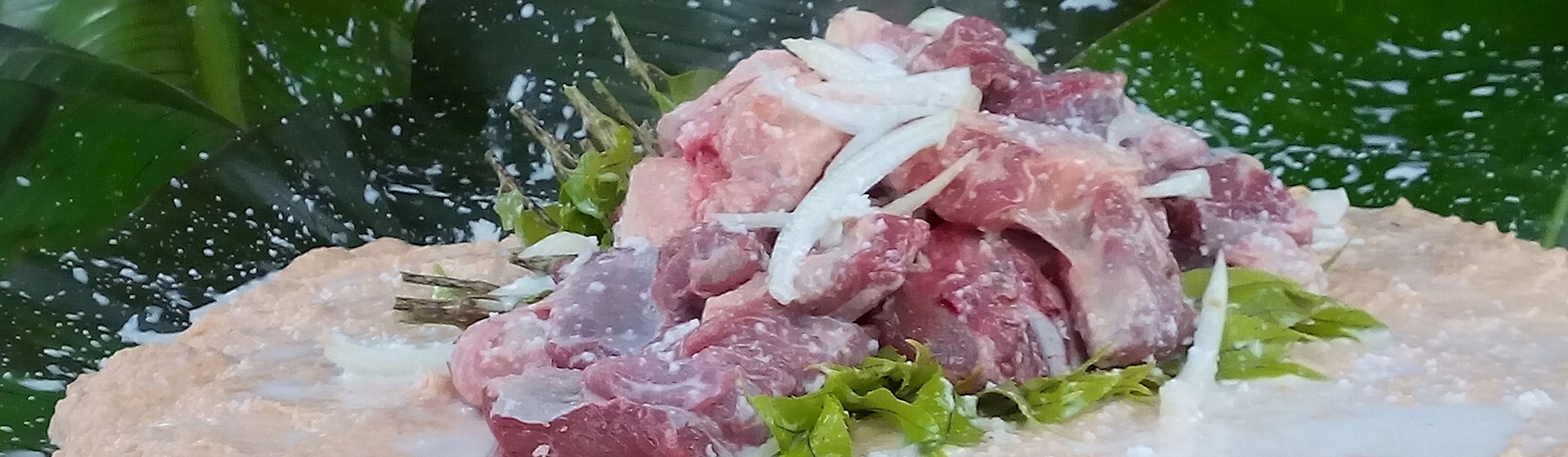
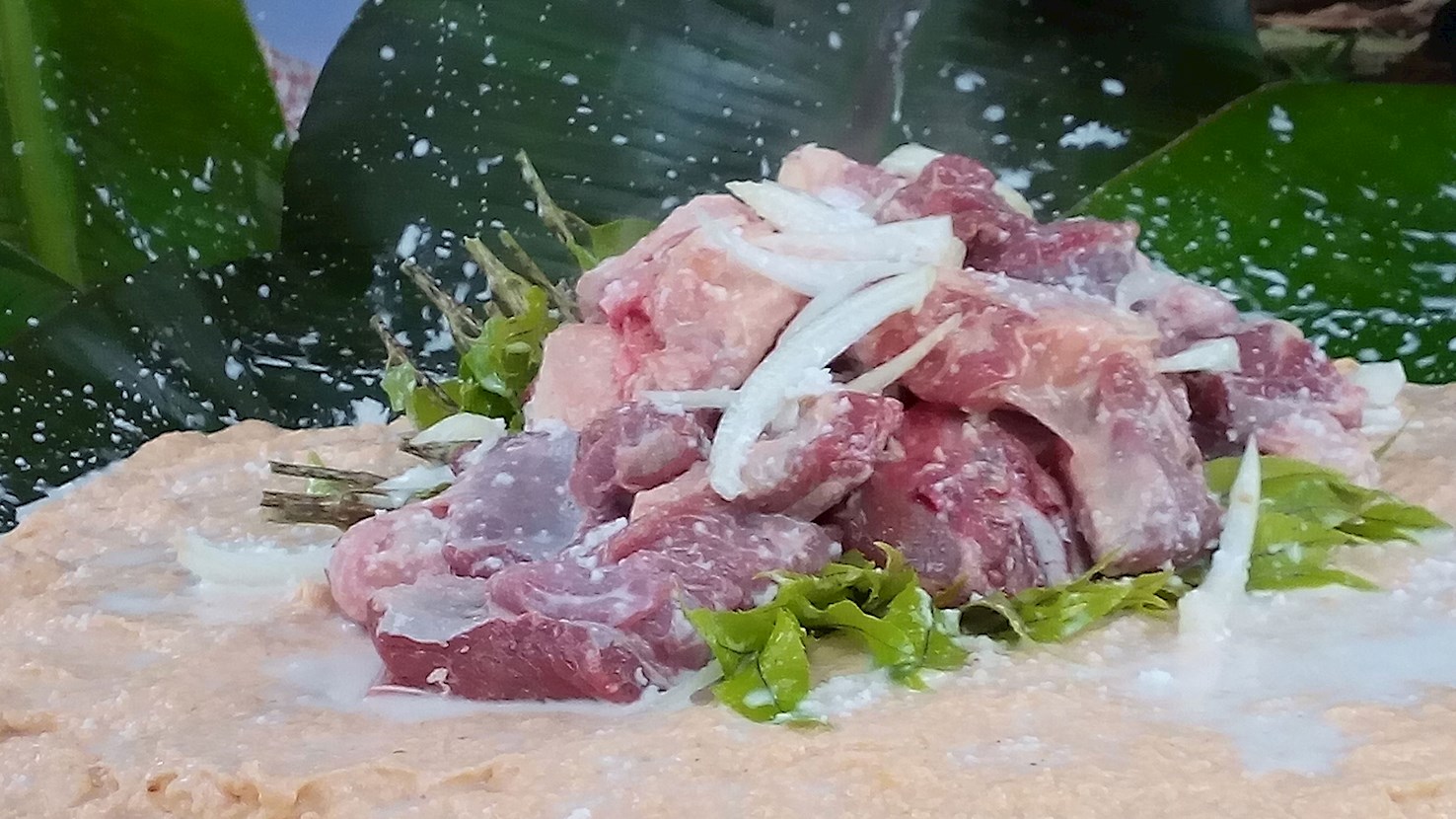
Tuluk is a filled cassava parcel from Vanuatu, particularly associated with Shefa Province and Efate, made by wrapping seasoned meat inside grated cassava, enclosing the whole portion in banana leaves, and cooking it until the cassava becomes dense, soft, and slightly chewy. It is one of the more portable forms of ni-Vanuatu cooking and is commonly sold at markets, roadside stalls, and community events, where it works as a complete meal that can be carried and eaten without plates or cutlery. The dish belongs to the same wider food culture as laplap, built around grated root crops, banana leaves, and slow cooking, but tuluk is prepared in individual portions and has a defined meat filling rather than being spread as a larger communal slab. It is strongly identified with Shefa and is especially common around Efate and Port Vila, although it is now eaten more widely across the country. Preparation begins with peeled cassava, also called manioc, which is finely grated and sometimes lightly squeezed to control the amount of liquid; coconut cream may be mixed into the cassava in some versions, while others keep the outer layer quite plain. Pork is one of the most common fillings, usually chopped, shredded, or minced and seasoned with ingredients such as onion, spring onion, garlic, salt, pepper, and sometimes chile or other local aromatics, although beef and chicken versions are also made. A portion of grated cassava is flattened, the meat is placed in the center, and more cassava is folded around it so the filling is completely enclosed. The parcel is then wrapped tightly in softened banana leaves and cooked by steaming, boiling, baking, or slow cooking in an earth oven, depending on the household and setting. During cooking, the cassava starch sets into a compact casing while the meat cooks in its own juices inside, giving the finished tuluk a firm but yielding exterior and a rich savory center. Its structure is one of the clearest things that separates it from related Vanuatu dishes: laplap is generally a larger baked preparation, while simboro uses leafy greens as part of the wrapping or cooking structure, whereas tuluk is specifically a meat-filled cassava parcel designed as an individual serving. Tuluk is eaten throughout Vanuatu as a substantial snack or light meal, especially at markets, village fundraisers, roadside stands, and gatherings, and it is commonly served warm or at room temperature in its leaf wrapping. It needs little accompaniment, although chile sauce, lime, island greens, or a simple salad work well alongside it, while coconut water, fresh fruit drinks, or kava are natural beverage pairings.
Nalot is a pounded staple dish from Vanuatu made from cooked taro, breadfruit, yam, cassava, or sometimes banana, worked into a dense, smooth paste and finished with coconut cream, coconut milk, or locally used nuts. It is found in several parts of the archipelago, with especially well-documented forms in the northern islands, where different communities prepare their own versions according to the crops and nuts available locally. Nalot belongs to an older Melanesian system of cooking in which starchy crops such as taro and breadfruit were central to everyday food and ceremonial meals, and its preparation was closely tied to communal pounding on large wooden boards or platters. Historical examples of specialized nalot pounders and serving dishes from Vanuatu show that the dish was not simply a household mash but could also have an important role in feasts, exchanges, and rank ceremonies. The basic method begins by boiling, baking, or roasting the chosen starch until completely soft; breadfruit may be roasted whole over a fire, while taro and other roots are commonly cooked until tender. The hot flesh is then pounded repeatedly with a heavy wooden pestle until it becomes cohesive, elastic, and free of lumps. Coconut is added in several ways depending on the locality: thick coconut cream may be poured into a hollow made in the center of the pounded mass, mixed through the paste, or cooked directly in the dish with fire-heated stones, while some versions are topped with grated or roasted nuts such as nangai or navele. The texture is much denser and more elastic than ordinary mashed root vegetables, because the starch is worked extensively rather than simply crushed, and nalot is also distinct from laplap, another major Vanuatu preparation in which grated starch is generally wrapped and baked rather than cooked first and then pounded. The finished dish can be mild and savory or slightly sweet depending on the base ingredient and toppings, with coconut providing most of its richness. Nalot is usually prepared in substantial quantities and shared from a communal platter during family meals, gatherings, feasts, and ceremonial occasions, although simpler versions can also be eaten as everyday food. It is commonly served warm and works well alongside roasted or grilled fish, pork, chicken, and other island foods, while coconut water, fresh fruit drinks, or kava may accompany it depending on the setting.
TasteAtlas food rankings are based on the ratings of the TasteAtlas audience, with a series of mechanisms that recognize real users and that ignore bot,
nationalist or local patriotic ratings, and give additional value to the ratings of users that the system recognizes as knowledgeable.
TasteAtlas Rankings should not be seen as the final global conclusion about food. Their purpose is to promote excellent local foods,
instill pride in traditional dishes, and arouse curiosity about dishes you haven’t tried.
The initial list of top producers was compiled based on available reviews, awards, local recommendations, media and blog coverage, and consumer reviews.
The list will be updated with ratings from TasteAtlas local ambassadors and TasteAtlas users.






What People Say