shutterstock

Top 21 Western Malaysian Foods
Last updated on June 02, 2026

Best Western Malaysian foods

01
Noodle Dish

Char kway teow

4.2 ·

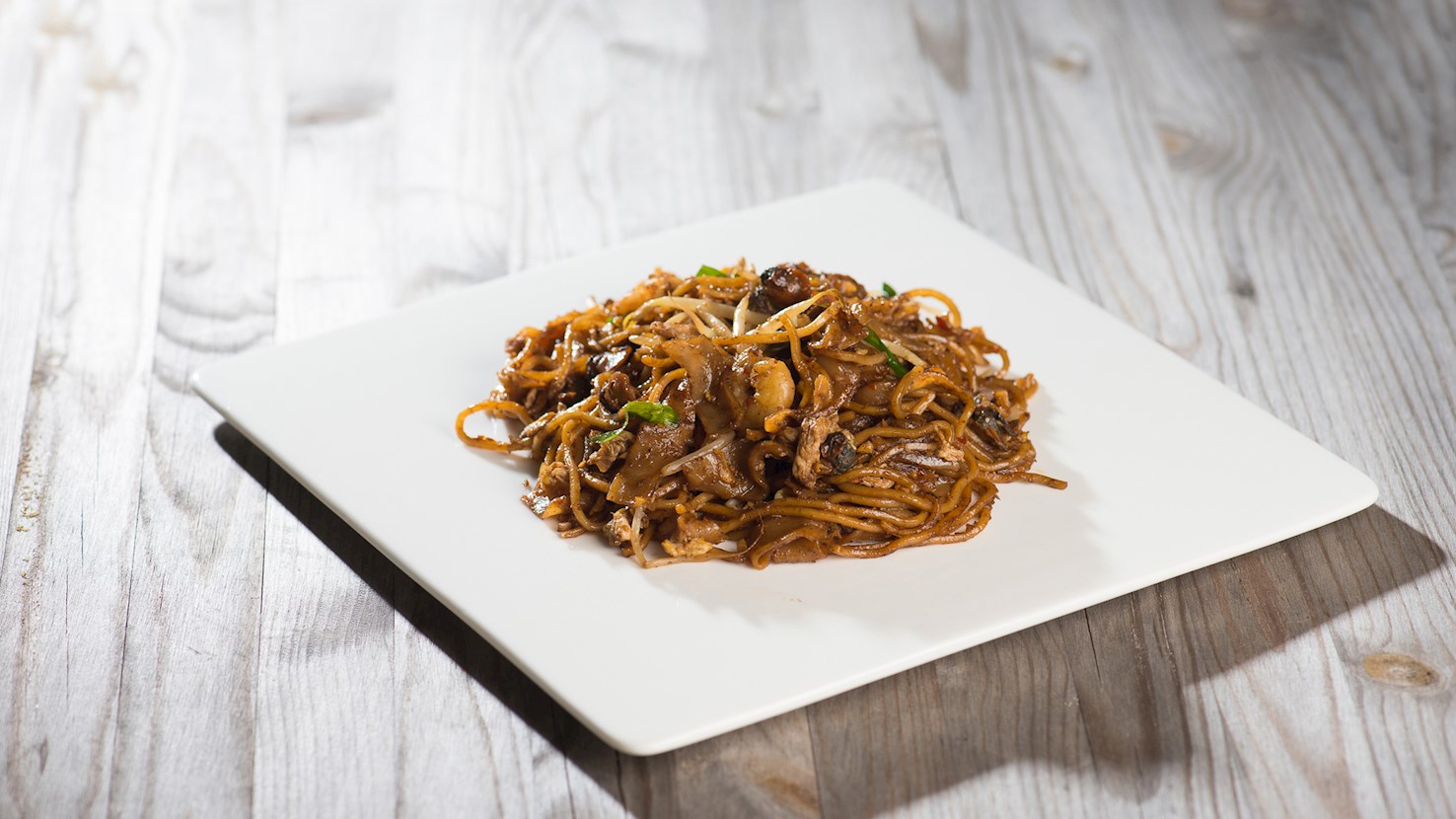
Char kway teow is one of the most popular street dishes in Malaysia and Singapore. Despite numerous regional varieties, it is usually made with flat rice noodles, shrimps, eggs, cockles, bean sprouts, chives, and Chinese sausage. All the ingredients are usually fried and coated in soy sauce, while some versions also incorporate shrimp paste, garlic, fried pork lard, and sometimes even yellow wheat noodles. Among the numerous theories about the origin of the dish, the most popular claims that it was invented in the Singaporean Teochew community by Chinese immigrants, while the name stems from Hokkien, char meaning fried and kway teow denoting flat rice noodles. Classic Teochew variety that is lighter and slightly drier than the Singaporean counterpart is especially popular in Malaysian Penang where it is considered to be a signature dish of the region. Originally, char kway teow was a poor man’s dish made by farmers and fishermen out of leftover ingredients. Realizing how delicious this combination is, they started selling it on the street, and it quickly caught on. Apart from Singapore and Malaysian Penang, a variety of char kway teow is also found in Indonesia. In Penang, some vendors still serve it on banana and palm leaves, the way it was traditionally served from its beginnings.

02
Street Food

Satay celup (Steamboat Satay)

4.1 ·

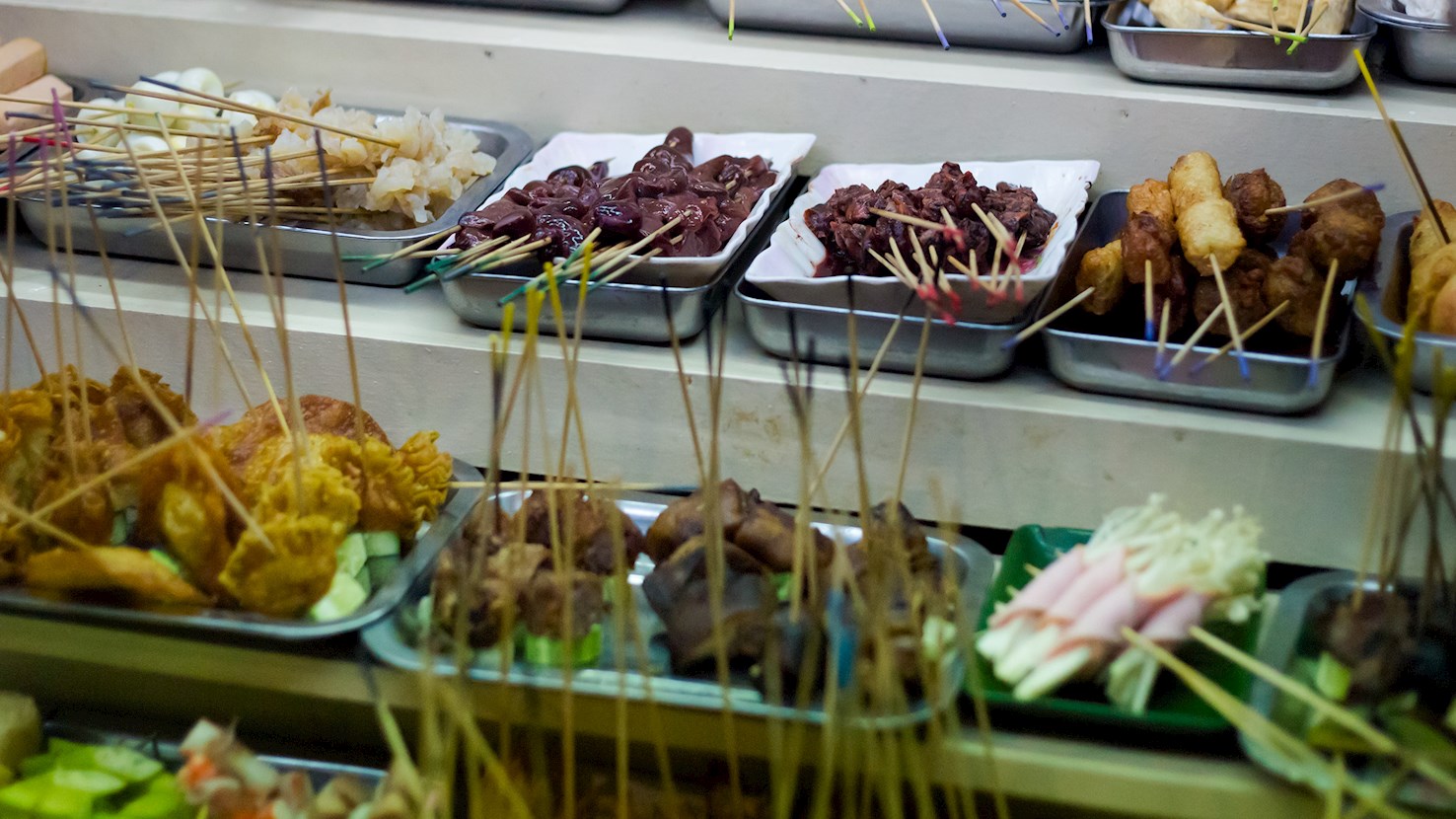
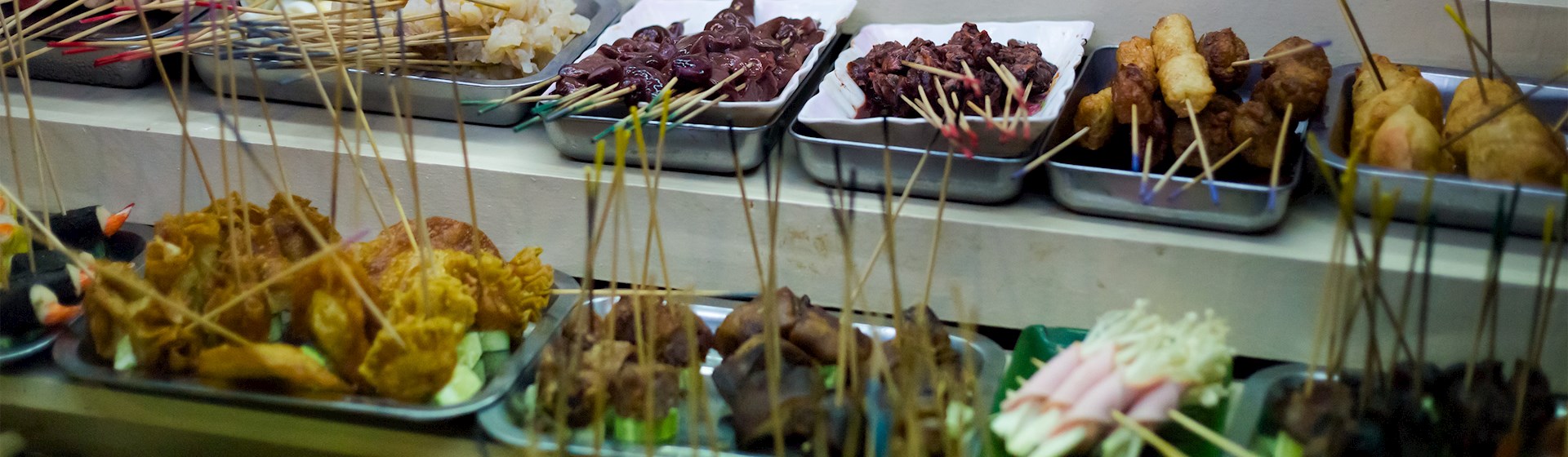
Satay celup is a traditional dish, particularly popular in the Malacca state (also known as "the historic state"), where it is considered a local favorite. It is a self-serve dish, consisting of skewers of marinated meat, raw seafood, or even vegetables that are dunked into a simmering pot of satay sauce. The sauce is primarily made with peanuts, dried chili peppers, garlic, and palm sugar, but the full recipe differs from one eatery to another. Usually, satay celup is accompanied by barley drinks, coconut water, or herbal tea in order to combat the spiciness of the sauce.

03
Noodle Soup

Assam laksa

4 ·

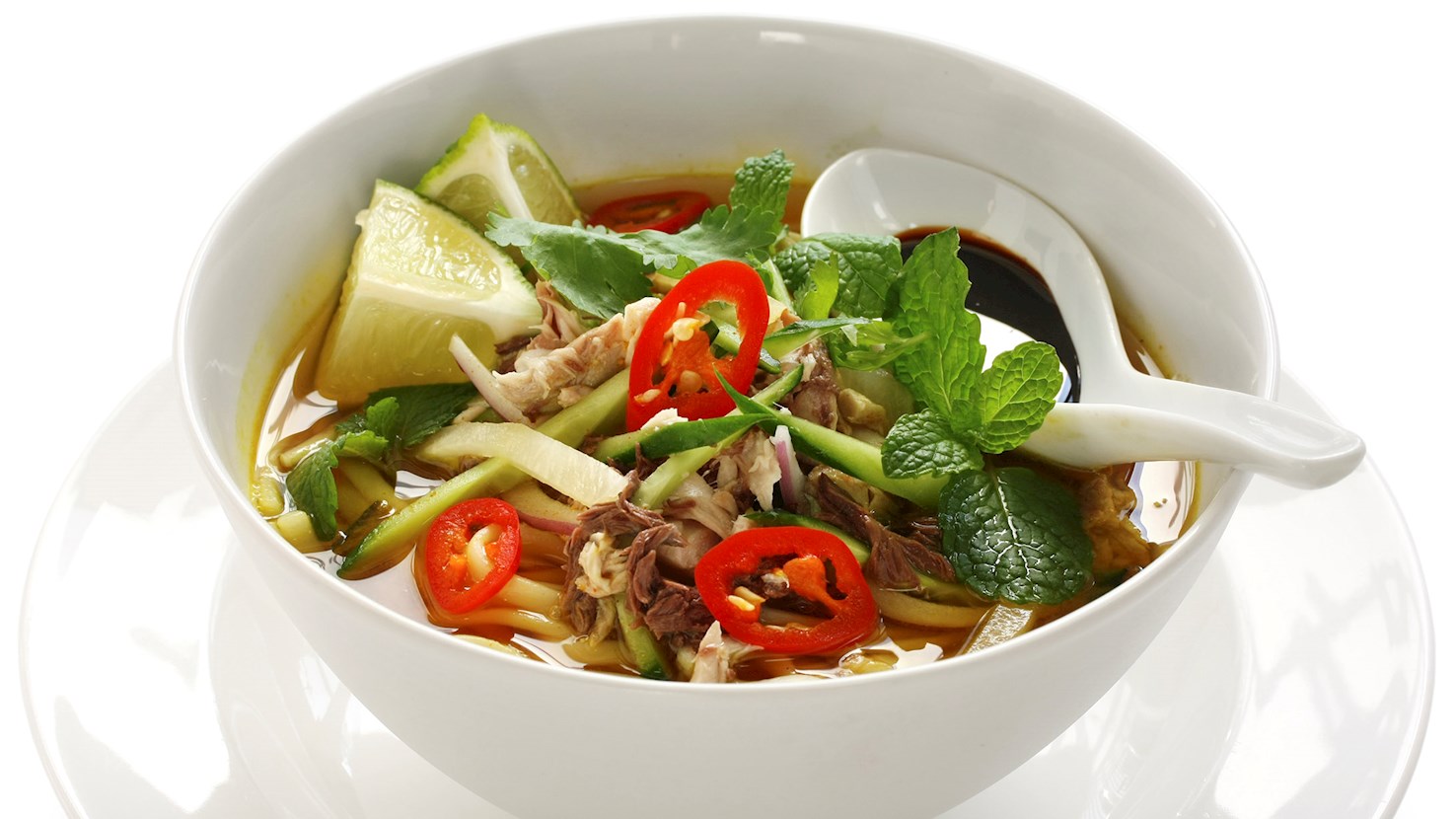
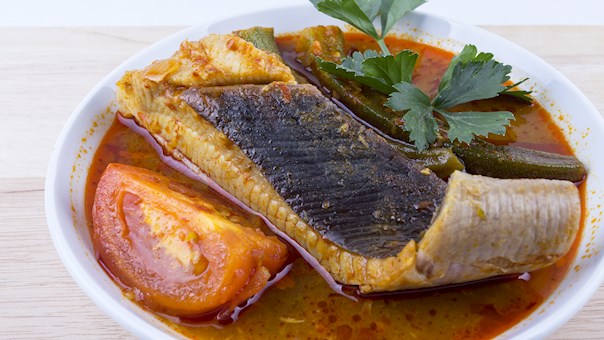
Assam laksa is a traditional fish-based sour noodle soup. It is the one of the numerous varieties of laksa, popular noodle soups widespread throughout Southeast Asia. The dish consists of rice noodles, shredded fish, and sliced vegetables, most commonly cucumber, onion, and lettuce. It has a distinctively tangy taste, which is attributed to tamarind, the sour ingredient generously used to spice the dish. The exact origin of the dish is unknown, but it is believed that it has originated in the coastal areas of Malaysia among the local fishermen who assembled the dish out of available ingredients. Through history, the dish evolved into assam laksa that we know today. Regardless of its origin, nowadays it is a signature dish of the Malaysian region of Penang. It is one of the most famous street dishes found in the area, and a favorite with both locals and tourists. In Penang, street vendors prepare assam laksa from the early morning until late in the evening. Traditionally, the dish should be served with hae ko, a dark and rich Malaysian-style shrimp paste.

04
Meat Soup

Bak kut teh

4 ·

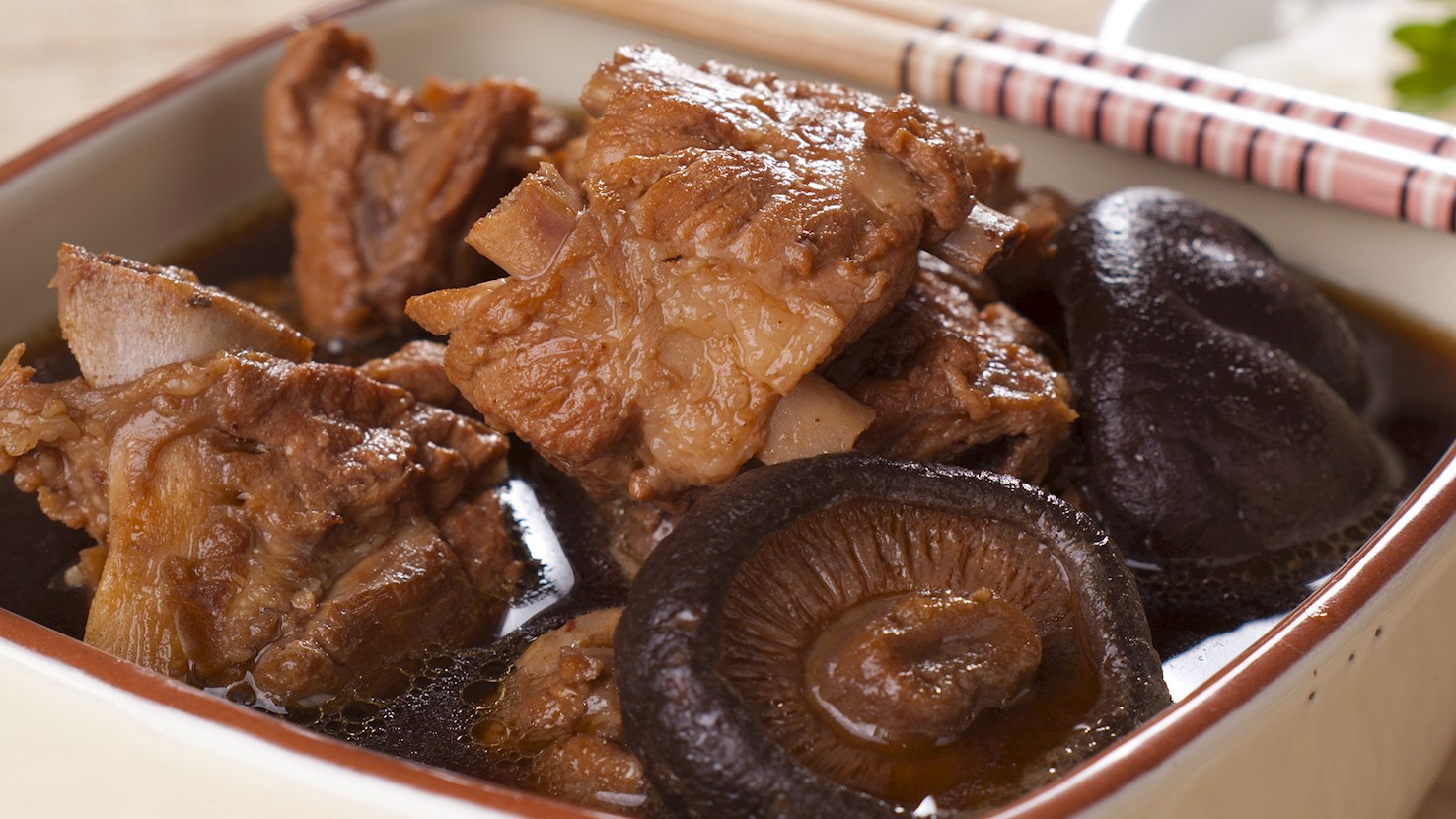
Even though it is traditionally associated with Malaysia and Singapore, this hearty dish stems from the Chinese culinary tradition. In its simplest form, it consists of various pork cuts that are cooked in a flavorful broth which is seasoned with star anise, cinnamon, garlic, and fennel. It is commonly complemented with tofu puffs or mushrooms and usually comes served with several condiments. Among the numerous stories of its origin, the most probable claims that the Fujian immigrant Lee Boon Teh was the first who started selling the dish in Klang—a city that is recognized as the place where the authentic bak kut teh originated. However, the authenticity of this theory has been disputed by the Singaporeans, who also claim the dish as their original invention. Regardless of these conflicting theories, bak kut teh remains a classic dish which perfectly illustrates the rich culinary heritage of both countries.

05
Rice Dish

Nasi kerabu

4 ·

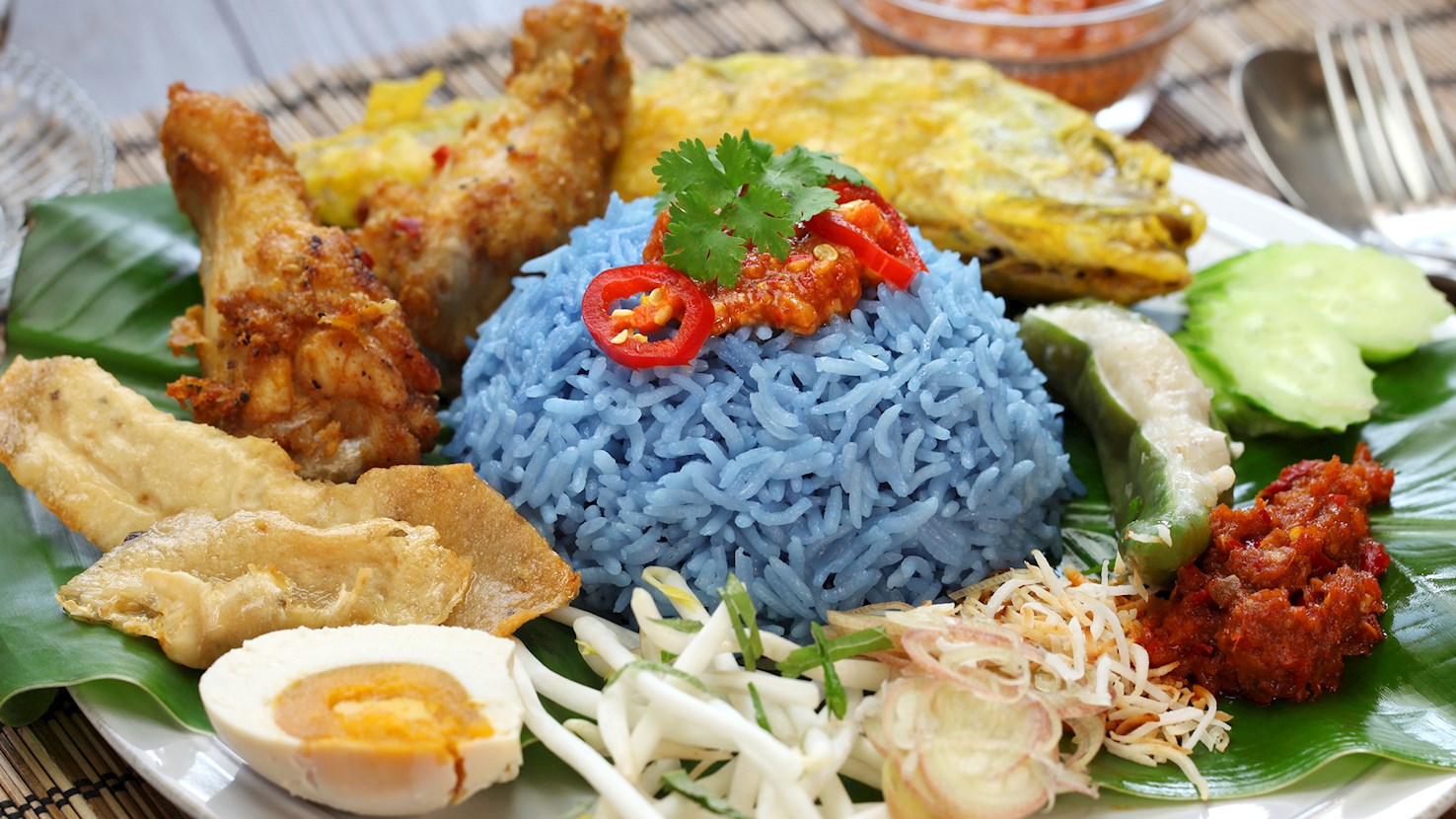
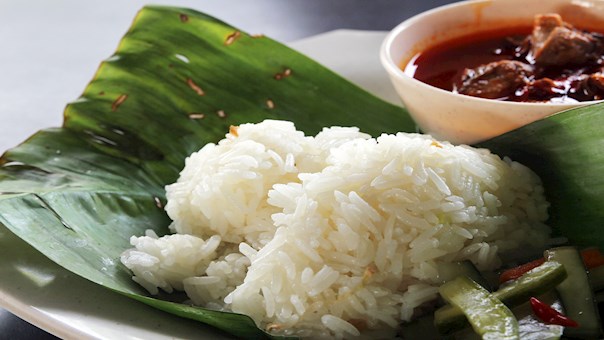
This complex Malaysian dish consists of tinted rice that is served alongside various accompaniments. Although it can vary in color, the rice in nasi kerabu is traditionally blue since it is cooked together with petals of the butterfly pea flower. The essential accompaniments to rice are shredded vegetables such as long beans, bean sprouts, cabbage, or cucumbers that are generously seasoned with fresh herbs. Other typical accompaniments include salted eggs, fried fish or chicken, sambal, fermented fish paste, grated coconut, stuffed green chilis, or fish crackers.

06
Noodle Dish

Penang Hokkien Mee

3.9 ·

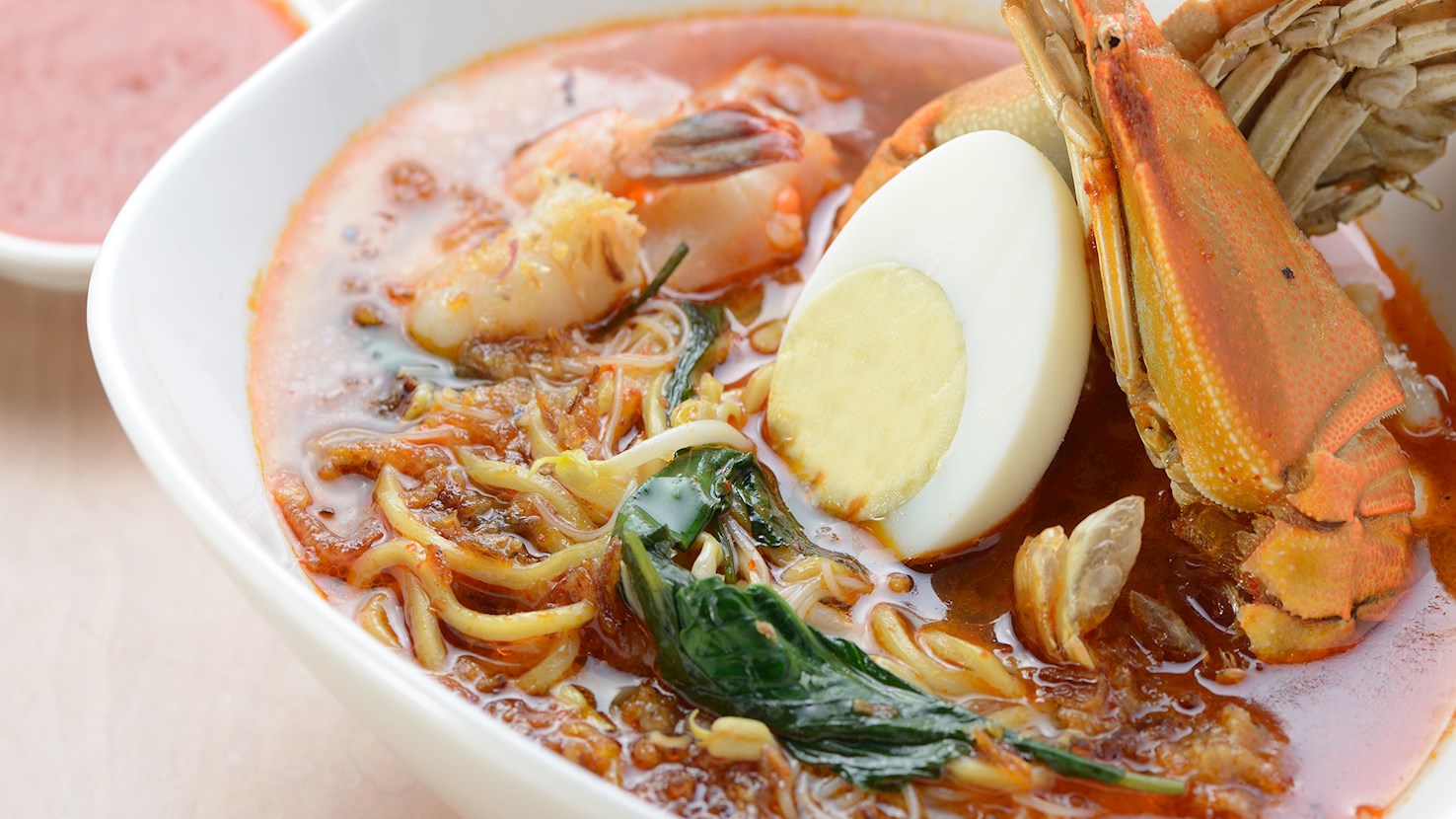
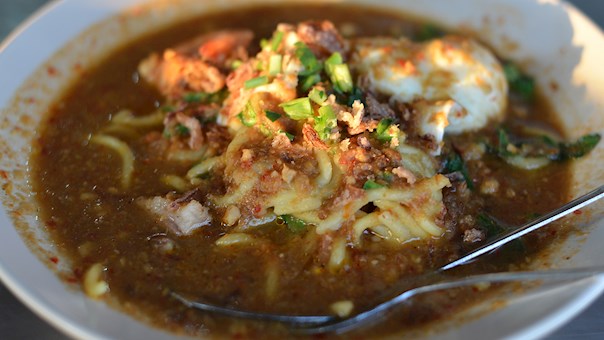
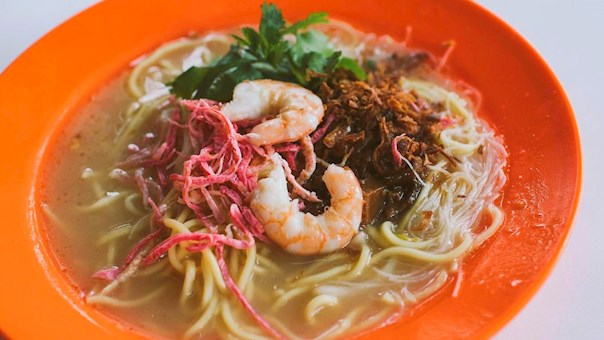
Penang version of the dish known as Hokkien mee is significantly different from the varieties that can be found in other parts of Malaysia and Singapore. Often referred as prawn mee, the dish consists of a broth that is flavored with prawns and pork ribs, and which comes topped with ingredients such as sliced pork, rice and wheat noodles, bean sprouts, prawns, kangkong (water spinach), fried shallots, and boiled eggs. This hawker classic is usually served with a chili-based sauce. As the name suggests, the origins of the dish are among the Hokkien community who emigrated from Chinese province of Fujian.

07
Rice Dish

Nasi kandar

3.8 ·

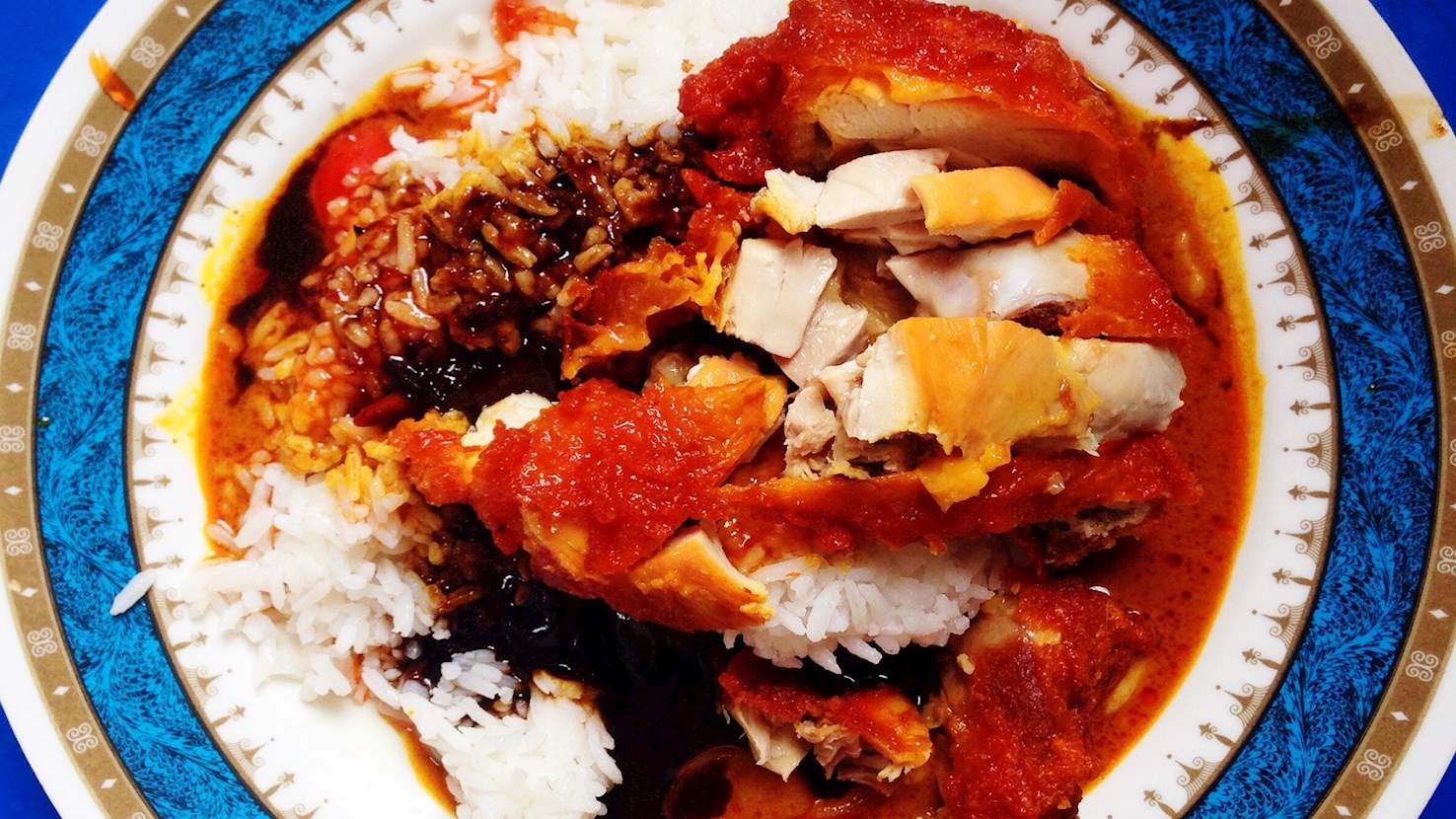
This classic Malaysian dish combines steamed rice and an assortment of different curries, sides, and condiments. The rice is occasionally seasoned, and the choice of curries includes various combinations of vegetables, meat, or seafood. Traditionally associated with Penang, the dish was initially developed among the Indian community who brought their culinary traditions to Malaysia. They used to sell and transport the dish using traditional kandar bamboo sticks, eventually giving the dish its current name. Nowadays, nasi kandar is usually prepared and sold at hawker centers across the country and is traditionally enjoyed as a nutritious, warm breakfast.

08
Sweet Pastry

Rotiboy

3.8 ·

These Malaysian buns were invented at the namesake bakery in Penang. First marketed as Mexican coffee buns, they consist of a leavened dough that is filled with butter and topped with a layer of coffee-infused buttercream. During baking, the cream top completely covers the bun and creates a thin, crispy coffee layer. The Mexican conchas allegedly inspired the bun, hence its original name. Soon after they were introduced in 1998, the buns were an instant success. Nowadays, the franchise has spread throughout Asian and Arab countries, and their signature bun is better known as rotiboy or roti kopi.

09
Stew

Masak lemak

3.7 ·

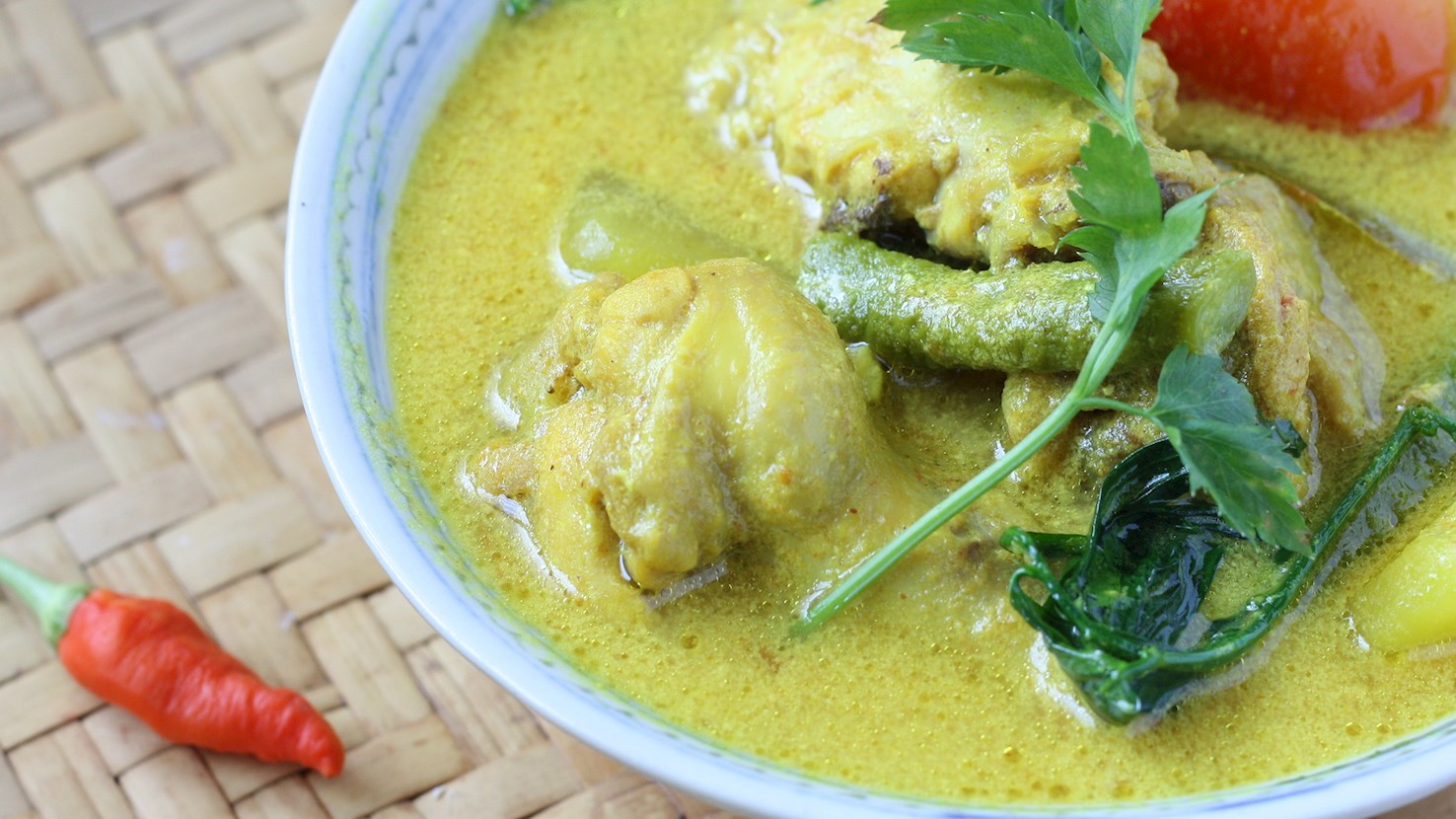
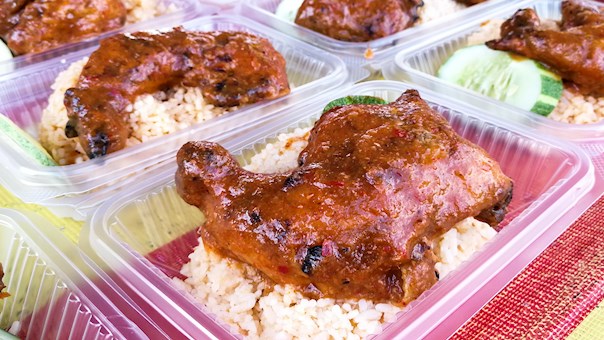
Masak lemak is a vibrant yellow Malaysian curry with a supposed origin in Negeri Sembilan. The dish can be prepared with various proteins such as chicken (ayam), fish (ikan), daging (beef), or seafood, but the base is always the same – a creamy, incredibly flavorful, and spicy combination of turmeric, coconut milk, and various other herbs and spices. The dish is also known as masak lemak cili api (padi), in which the last two words refer to the use of chilies in the dish. Masak lemak is enjoyed throughout Malaysia and it is usually served accompanied by sambal, rice, and raw vegetables (ulam).

10
Pancake

Roti jala

3.6 ·

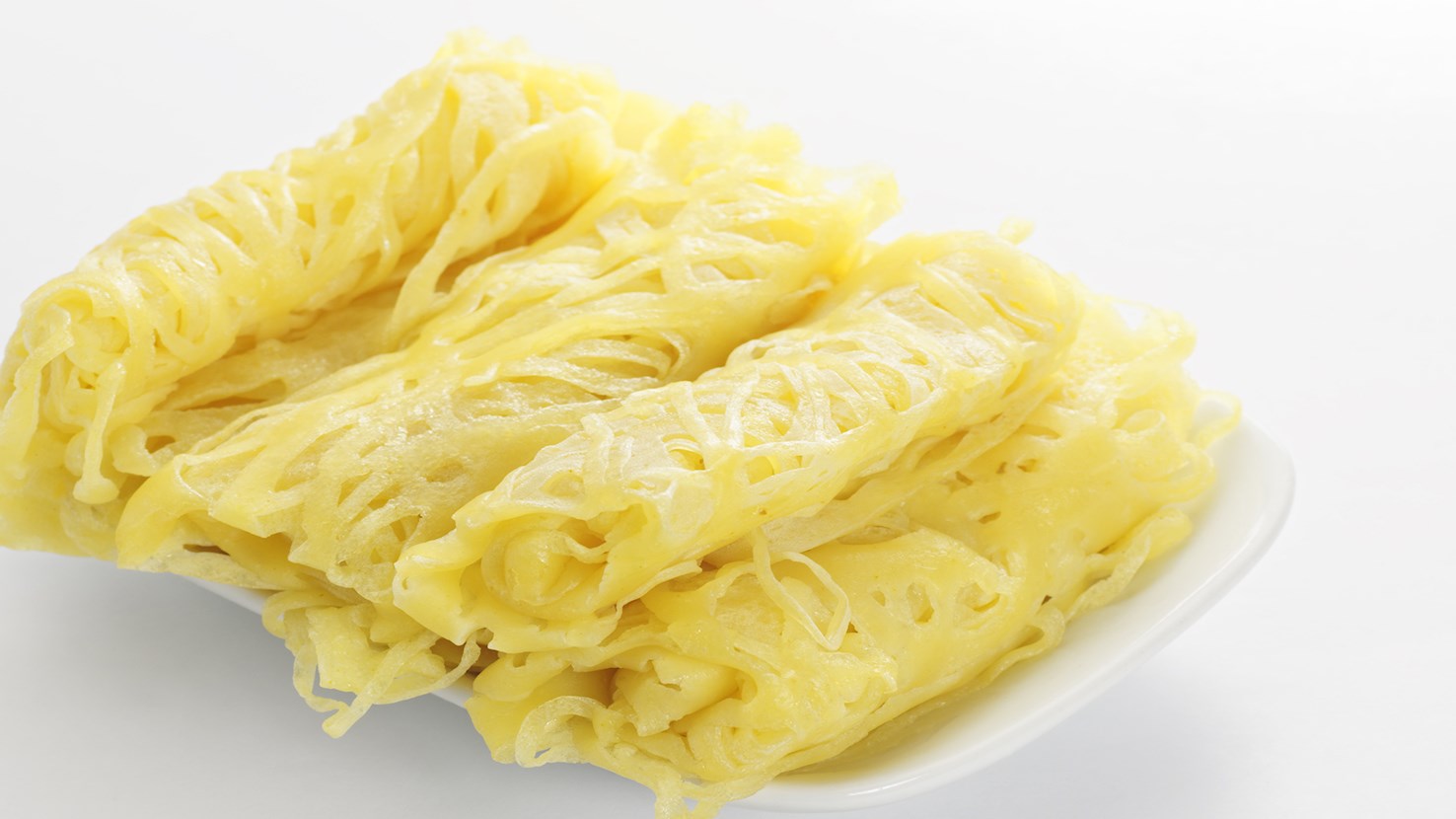
Roti jala is a popular Malaysian snack, a savory crepe consisting of flour, eggs, milk, and turmeric powder. Literally translated, roti jala means net bread, referring to its intricate net design inspired by the nets of Malaysian fishermen. The snack is commonly served warm alongside curries (especially potato and chicken curry), and it is recommended to pair it with a cup of tea. Traditionally, it is prepared for numerous Malaysian festivities and celebrations such as weddings and birthdays. Because roti jala is quite small, it is often served in sets of three or four pieces when accompanying curries, but it can also be consumed on its own throughout the year in numerous Malaysian eateries.

Best Western Malaysian food products

01
Spirit

ACTAS TRADING SDN BHD

5 ·
Awards
ISC-International Spirits Challenge - Gold (2024)
02
Spirit

P.H.Products

4.8 ·
Awards
IWSC- International wine & spirit competition - Spirit Gold (2023)
03
Spirit

Gravit8 Gin

4.8 ·
Awards
The Gin Masters - Gold (2022)
04
Chocolate

Love18 Chocolatier

4.7 ·
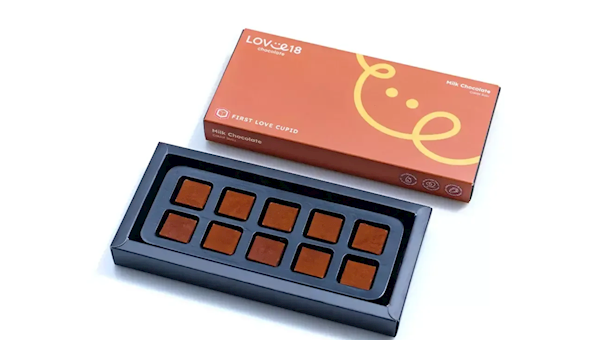
Love18 Chocolatier is a chocolate producer based in Kuala Lumpur, Malaysia. The company is committed to producing high-quality chocolates using fine natural ingredients, often emphasizing sustainable and artisanal production methods. They are known for their use of fresh and locally sourced ingredients, offering a range of artisanal chocolates that include ganaches, pralines, and chocolate bars. Love18 Chocolatier also provides gift services and has a social mission to support community initiatives.
Awards
International Chocolate Awards - Silver (2019)
International Chocolate Awards - Bronze (2020)
05
Chocolate

Benns Ethicoa

4.5 ·
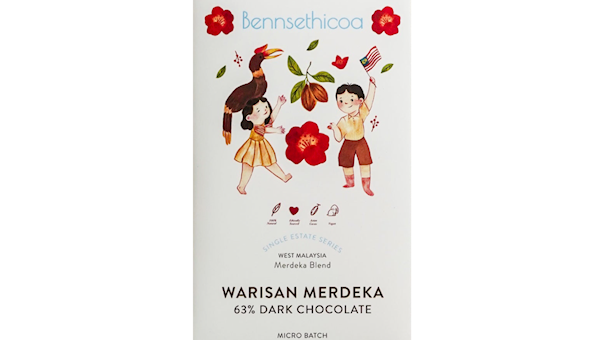
Benns Ethicoa, based in Malaysia, operates a bean-to-bar chocolate production process aiming for ethical sourcing and sustainability. They source cacao beans directly from farmers in Asia to enhance transparency and support local agriculture. The company utilizes a variety of cacao beans from different regions to craft unique chocolate flavors. Benns Ethicoa also focuses on minimal processing to maintain the natural flavors of the cacao.
Awards
Academy of Chocolate - Silver (2024)
International Chocolate Awards - Bronze (2020)
06
Chocolate

Benns Chocolate

4.5 ·
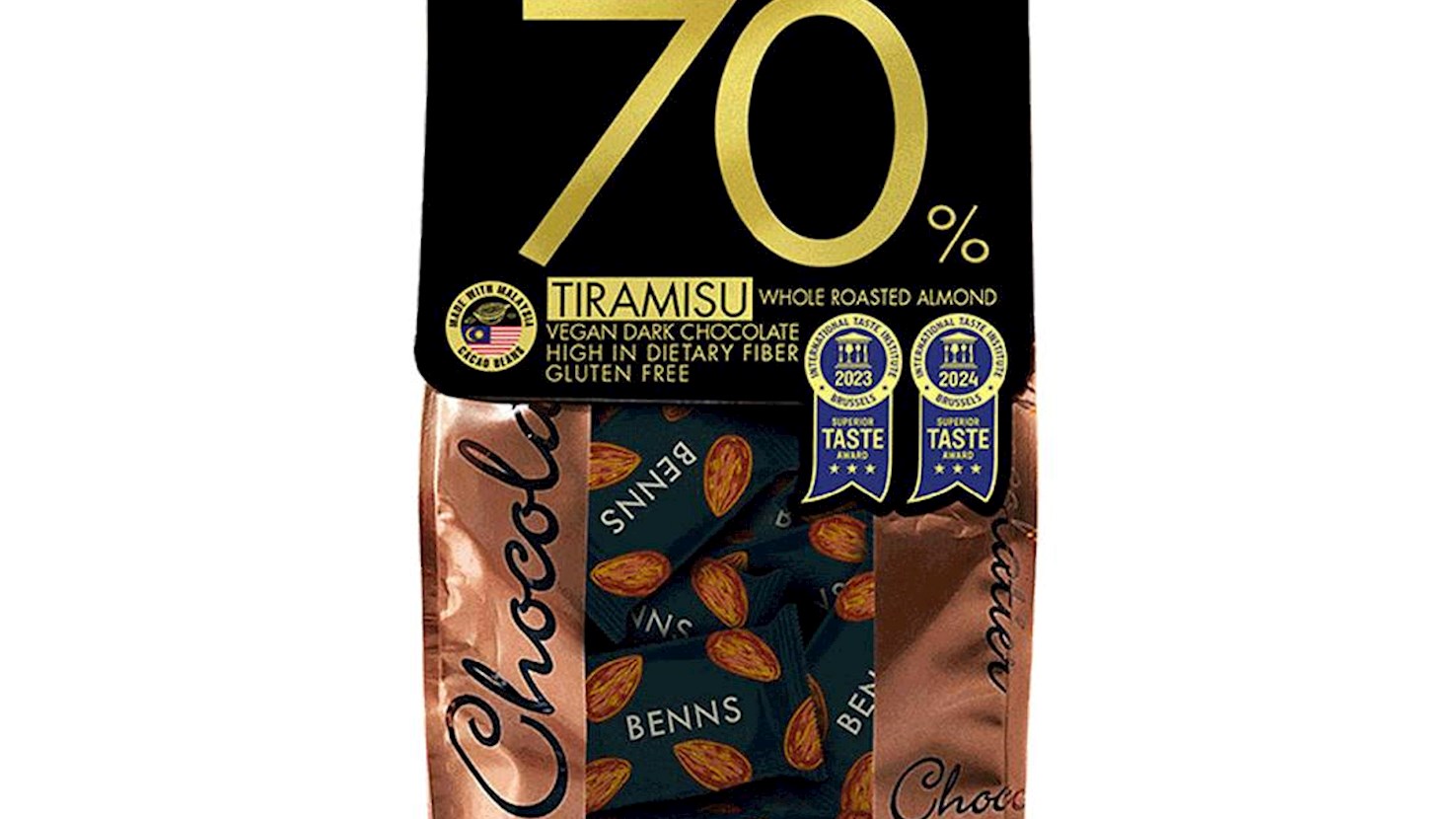
Benns Chocolate is a Malaysian company founded in 1973, specializing in the production of high-quality chocolate from bean to bar. The company takes pride in controlling the entire chocolate-making process, from sourcing cocoa beans to the final product, ensuring superior quality and a unique taste experience. Committed to sustainability and authenticity, Benns Chocolate focuses on preserving the natural flavors of cocoa beans while respecting the hard work of Asian farmers. Their product range includes a variety of chocolates with distinctive flavors that reflect the terroir (natural characteristics of the land) of each region they originate from.
Awards
Crystal Taste Award - 3 stars (2025)
07
Tea / Infusion

BOH Tea

4.4 ·
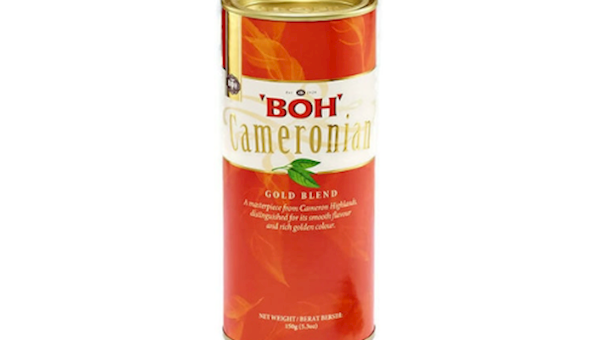
BOH Tea was established in 1929 and has since become one of the largest and most recognized tea brands in Malaysia. The company has a strong heritage, with tea being grown in the cool, high-altitude Cameron Highlands region of Malaysia, known for its ideal climate for tea cultivation. BOH Tea offers a wide variety of teas, including: black teas, green teas, herbal teas and specialty teas. BOH Tea prides itself on its sustainable farming practices. The company focuses on producing high-quality, organic teas while preserving the natural environment of the Cameron Highlands. They are committed to responsible agriculture and have implemented eco-friendly practices in their farming methods. BOH Tea is also known for its BOH Tea Plantation, where visitors can tour the plantation, learn about tea production, and enjoy freshly brewed tea with a scenic view of the lush tea gardens.
Read more
View all
View map
About this ranking

TasteAtlas food rankings are based on the ratings of the TasteAtlas audience, with a series of mechanisms that recognize real users and that ignore bot, nationalist or local patriotic ratings, and give additional value to the ratings of users that the system recognizes as knowledgeable. For the “Top 21 Western Malaysian Foods” list until June 02, 2026, 814 ratings were recorded, of which 499 were recognized by the system as legitimate. TasteAtlas Rankings should not be seen as the final global conclusion about food. Their purpose is to promote excellent local foods, instill pride in traditional dishes, and arouse curiosity about dishes you haven’t tried.

The initial list of top producers was compiled based on available reviews, awards, local recommendations, media and blog coverage, and consumer reviews. The list will be updated with ratings from TasteAtlas local ambassadors and TasteAtlas users.

Similar lists