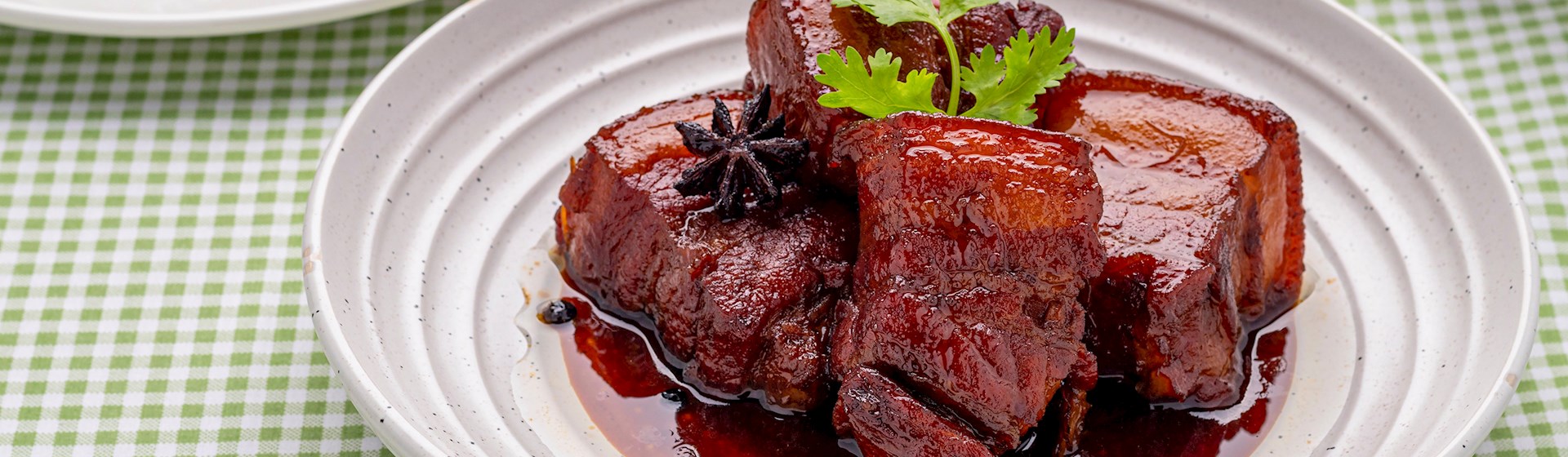
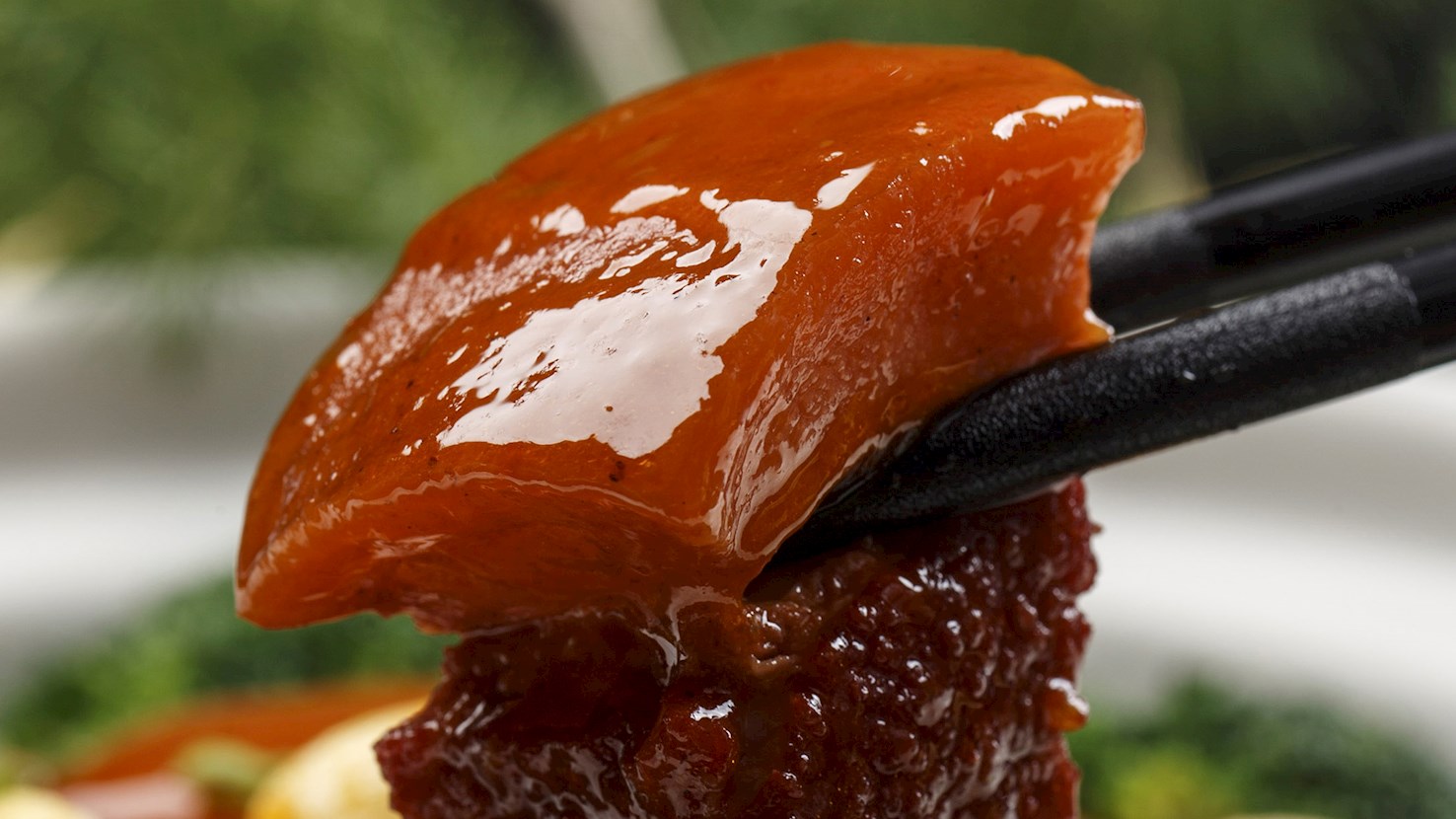
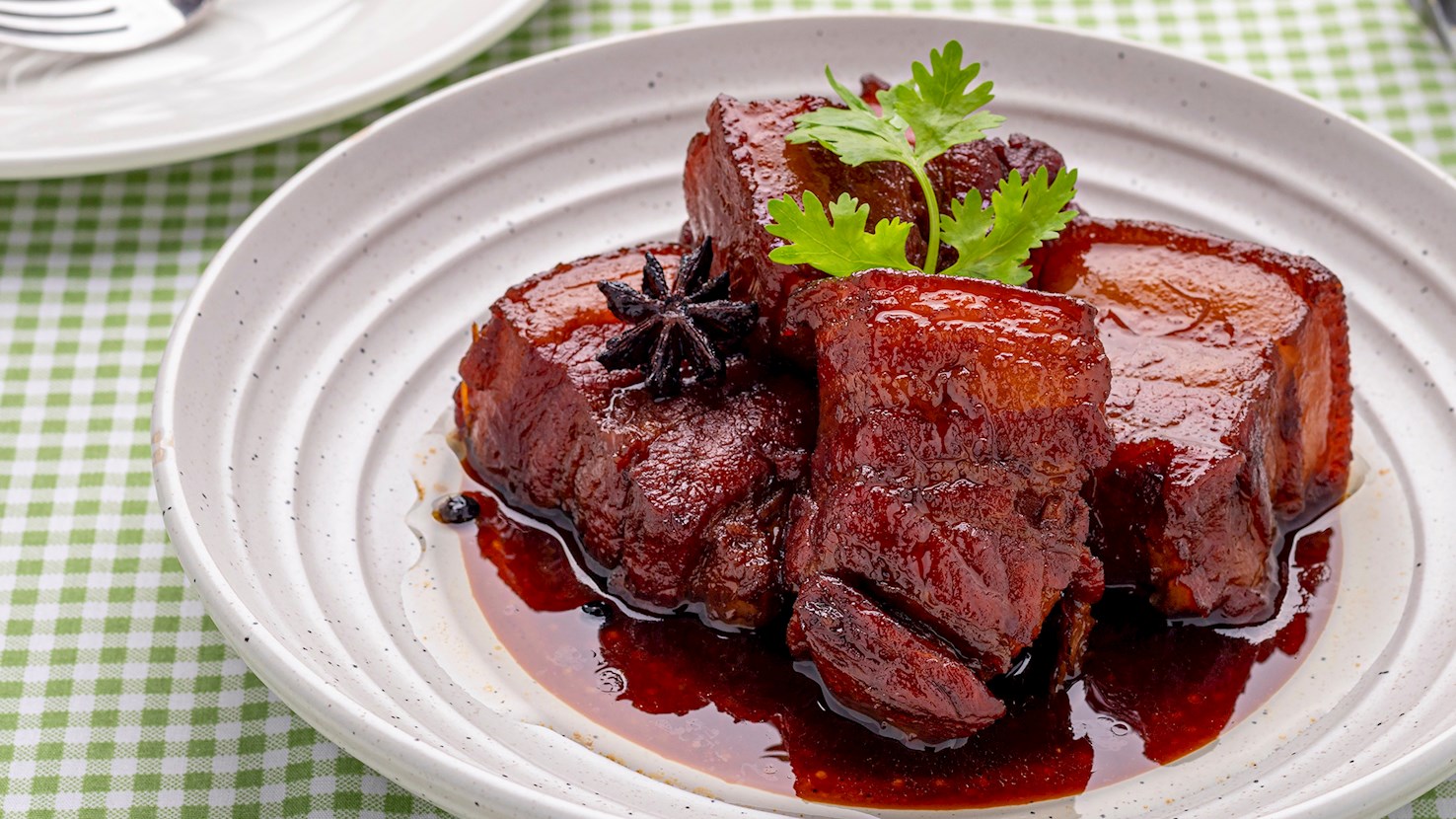
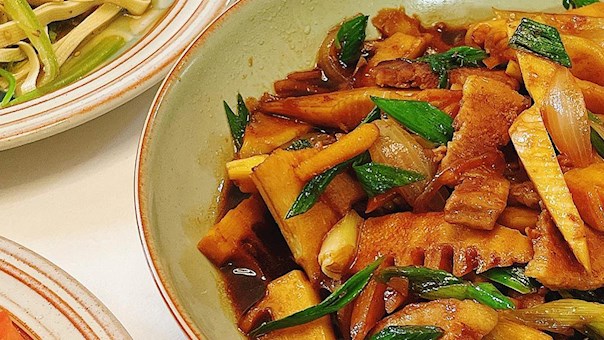
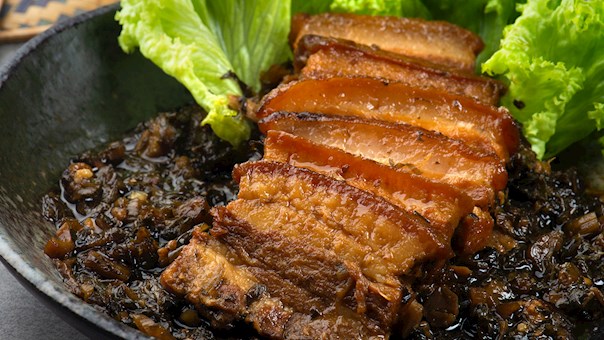
The traditional Hangzhou's trademark dish of red-cooked pork belly, Dōngpō ròu, is built with a handful of Chinese staple ingredients like ginger, scallions, soy sauce and, most importantly, Shàoxīng rice cooking wine, an essential ingredient for red-cooked meals. The meat (with the skin on) is typically browned in fat, simmered twice, braised, sautéed, and finally steamed, after which it becomes so amazingly tender it can be pulled away with chopsticks. Dōngpō ròu is said to have been invented (or at least inspired) by Su Dongpo, an 11th-century Song Dynasty statesman, poet, artist, calligrapher, and one of the four classical Chinese gastronomes. According to legend, one day Su Dongpo decided to prepare stewed pork when, in the middle of cooking, an old friend visited and challenged him to a game of Chinese chess. Engrossed with the game, Su had completely forgotten about his stew until the intense aroma of slow-braised pork meat reminded him of it. The dish was eventually named Dongpo pork in his honor and later became widely popular across the country.
Hóngshāoròu is a Chinese braised pork dish made with pork belly slowly cooked in a mixture of soy sauce, sugar, rice wine, and aromatics until it becomes tender and richly flavored, with a glossy red-brown sauce coating each piece. It originates from the Jiangnan region of eastern China, particularly Jiangsu and Zhejiang provinces, but it is now deeply embedded in the culinary identity of many regions, each with slight variations in seasoning and texture. The technique of red-braising, which gives the dish its name, has been part of Chinese cooking for centuries, arising from a broader practice of slow-cooking meat in soy sauce and sugar to preserve moisture and develop depth of flavor. The dish gained prominence in imperial kitchens and scholar households during the Ming and Qing dynasties, where long, gentle braises were favored for their ability to transform inexpensive cuts of meat into luxurious dishes. Over time, hóngshāoròu became a home-cooked staple and a centerpiece at festive meals, symbolizing abundance and comfort. Preparation typically begins with selecting pork belly that has alternating layers of meat and fat, which ensures the right balance of tenderness and richness. The pork is blanched briefly to remove impurities, then caramelized with sugar in oil or water until lightly browned, a step that deepens the color and flavor of the final dish. Soy sauce, Shaoxing wine, ginger, star anise, and occasionally cinnamon or dried chilies are added, and the mixture is simmered slowly for one to two hours. During this time, the meat absorbs the flavors of the sauce and becomes soft enough to melt in the mouth, while the braising liquid reduces into a thick, glossy coating. Hóngshāoròu is served hot, usually as a centerpiece dish accompanied by plain steamed rice, which absorbs the rich sauce. It is often paired with lighter side dishes such as blanched greens or pickled vegetables, which provide contrast to its richness. In some regions, it is served with steamed buns or mantou, allowing diners to soak up the sauce.
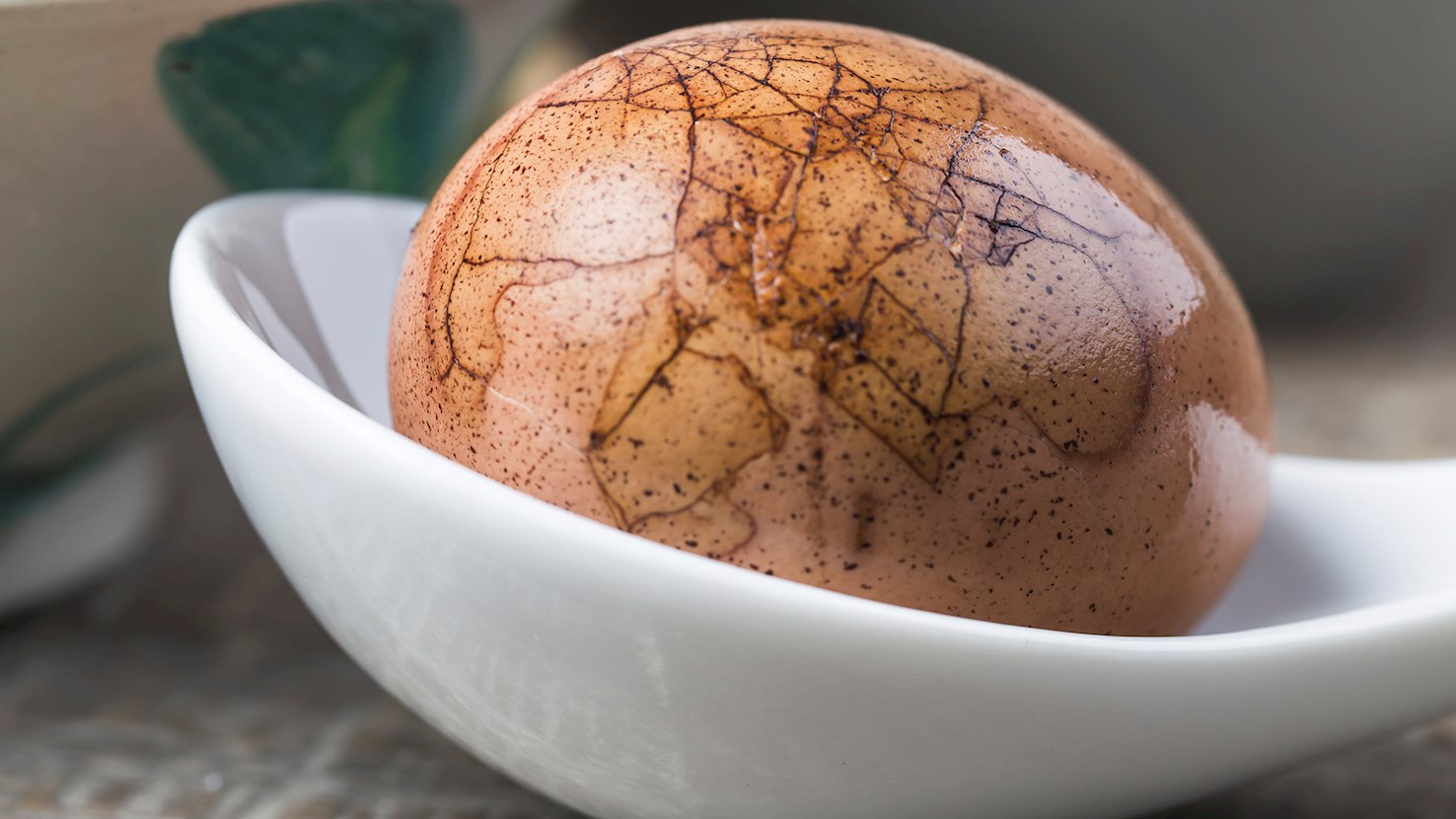
Despite its unusual name, tea is not the dominant flavor in tea egg, a popular, traditional snack item that originated in Zhejiang, but is found throughout China. The snack consists of an egg that is hard-boiled in (usually black) tea, soy sauce, and numerous spices such as anise, cinnamon, cloves, fennel, and peppercorns, which add a savory, slightly salty note to a normal egg. Tea egg is usually sold by street vendors, but it can also be found in numerous Chinese markets and Asian restaurants. It is commonly consumed on its own or served with accompaniments such as noodles or rice. Traditionally, tea eggs are eaten during Chinese New Year, symbolizing wealth, prosperity, and fertility.
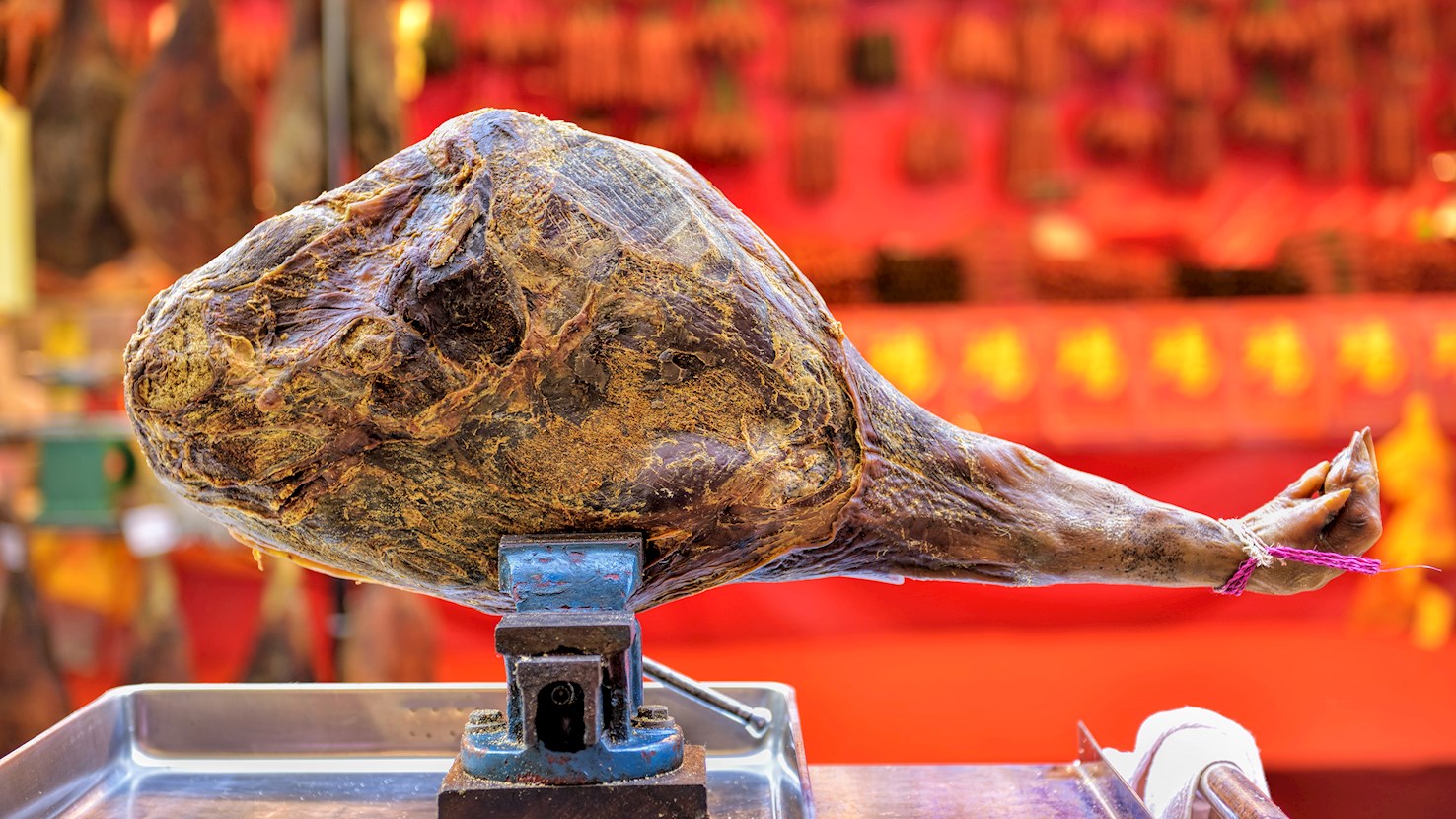
Jinhua is a traditional type of dry-cured ham originating from the city of Jinhua in the Zhejiang province. The ham is produced using the hind legs of native Chinese pig breeds that have great meat and thin skin. Many procedures are necessary to produce this salty and tough ham, such as dressing, trimming, salting, washing, drying, fermenting, and smelling. The ham leg is cleaned, dressed, and salted six times, about a month between each salting. It is then stored in cool and dark place from six to eight months in order to develop the distinct flavor and aroma. Jinhua ham is typically used as a flavoring for stews and braised dishes, as well as making broths and stocks for Chinese soups. Due to the fact that it's tough and intensely salty, this lute-shaped ham is usually not eaten by the slice.
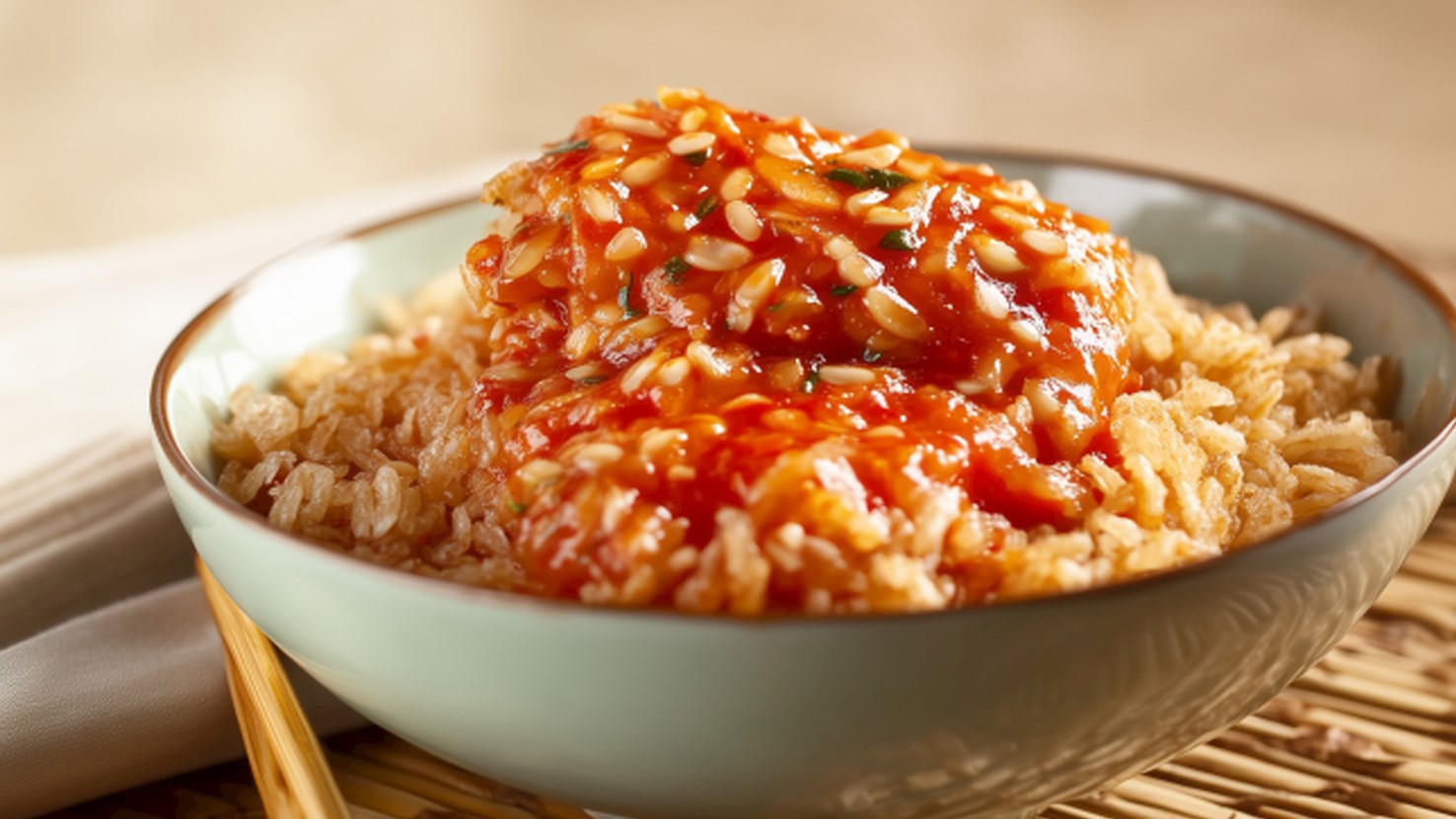
Sizzling rice in tomato sauce is a traditional Hangzhou dish consisting of piping hot tomato sauce that is poured over hot guoba (rice crust), producing an inviting fragrance and creating the characteristic sizzling sound, hence the name. Sometimes referred to as thunderbolt out of the blue, this delicious dish is usually combined with shredded chicken and stir-fried shrimps or other types of seafood. The crispy rice crusts can be made from scratch or purchased pre-cooked in Chinese and Asian supermarkets.
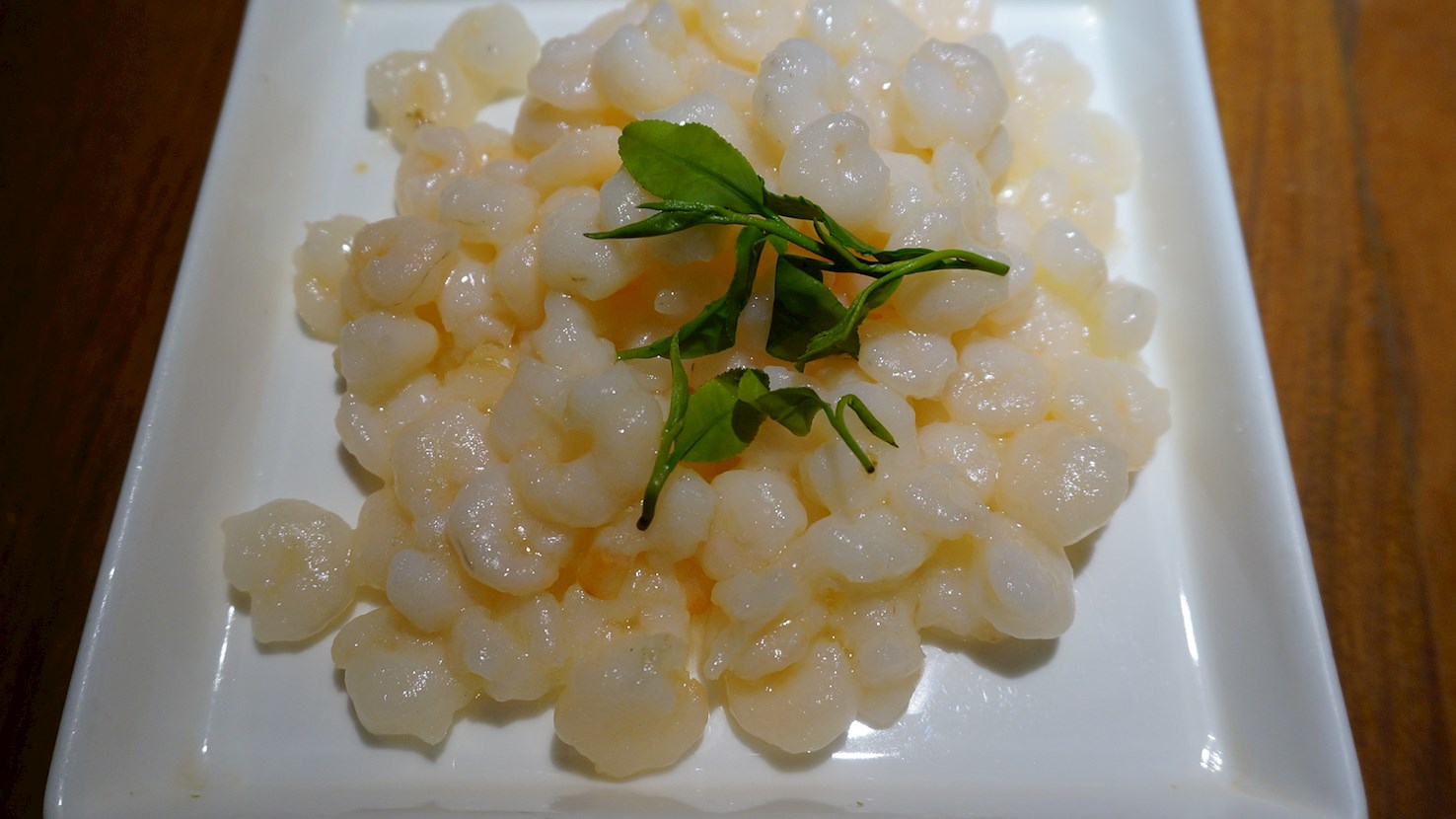
Regarded as a specialty of Hangzhou city, fried shrimps with Longjing tea is one of the best-known dishes of Zheijang cuisine that makes use of the outstanding Longjing tea. Large live shrimps are first soaked in a marinade of egg whites, cornstarch, and rice wine, and then cooked along with steeped Longjing tea. The fragrant and refreshing green shoots of Longjing tea beautifully complement the delicious white shrimps, giving this authentic dish an exquisite flavor. These stir-fried shrimps are served hot or chilled, drizzled with the cooking liquid and seasoned with salt and pepper to taste.
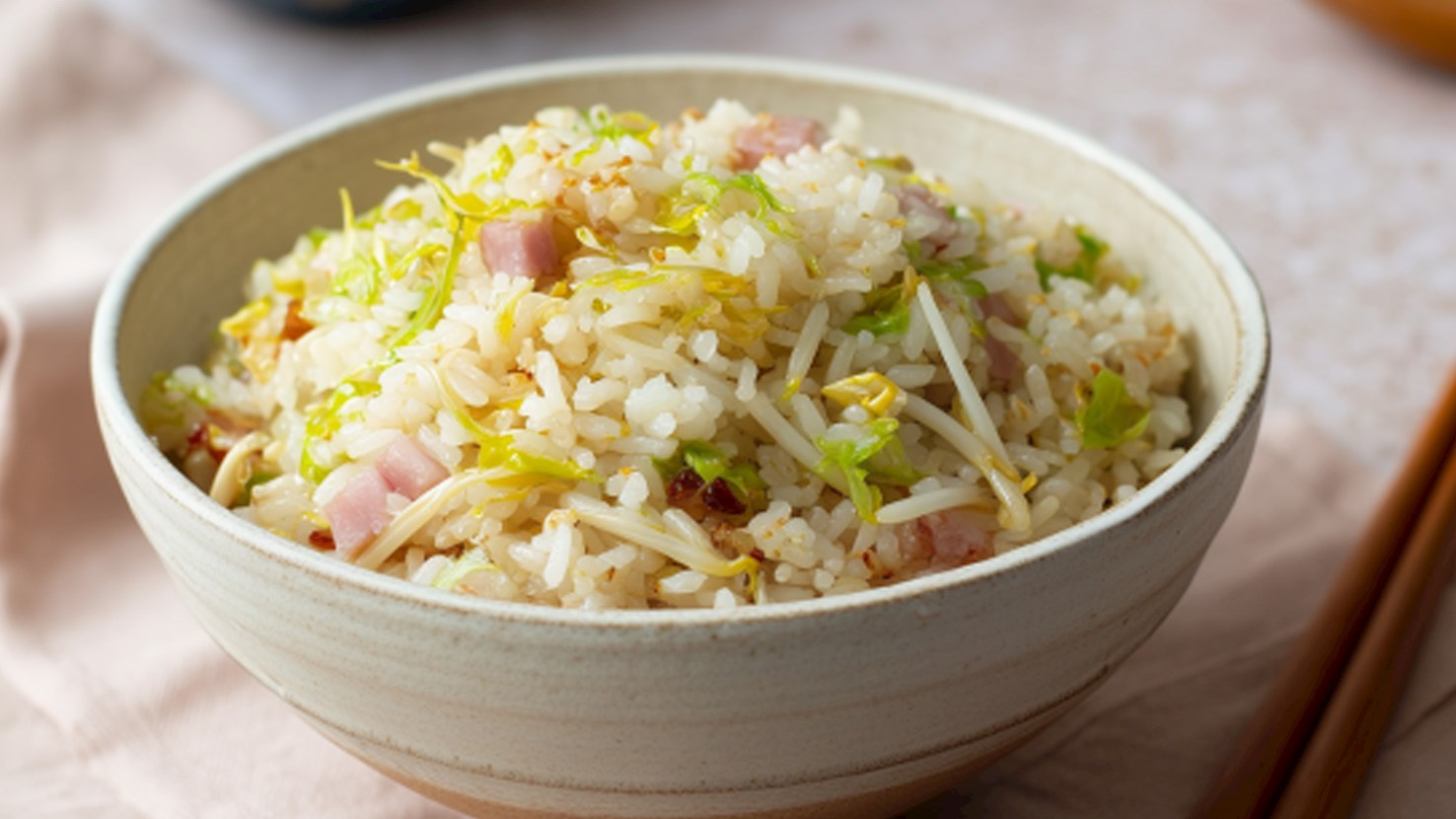
Fried rice with bean sprouts is a traditional dish that's especially popular in Hangzhou. The dish is usually made with a combination of cooked rice, scallions, diced Jinhua ham, soy sauce, bean sprouts, oyster sauce, vegetable oil, and black pepper. The scallions are fried in a wok until soft, and then mixed with the ham, stir-fried, and mixed with the cooked and chilled rice. The oyster sauce, soy sauce, and pepper are added to the wok, the mixture is stir-fried a bit more, and the bean sprouts are added in the final few minutes of cooking. The dish is cooked until the bean sprouts are crisp, yet tender, and it's then served immediately, while still hot. Fried rice with bean sprouts is a beloved dish because the crunchiness of bean sprouts and the dry ham provide a great contrast to the rice.
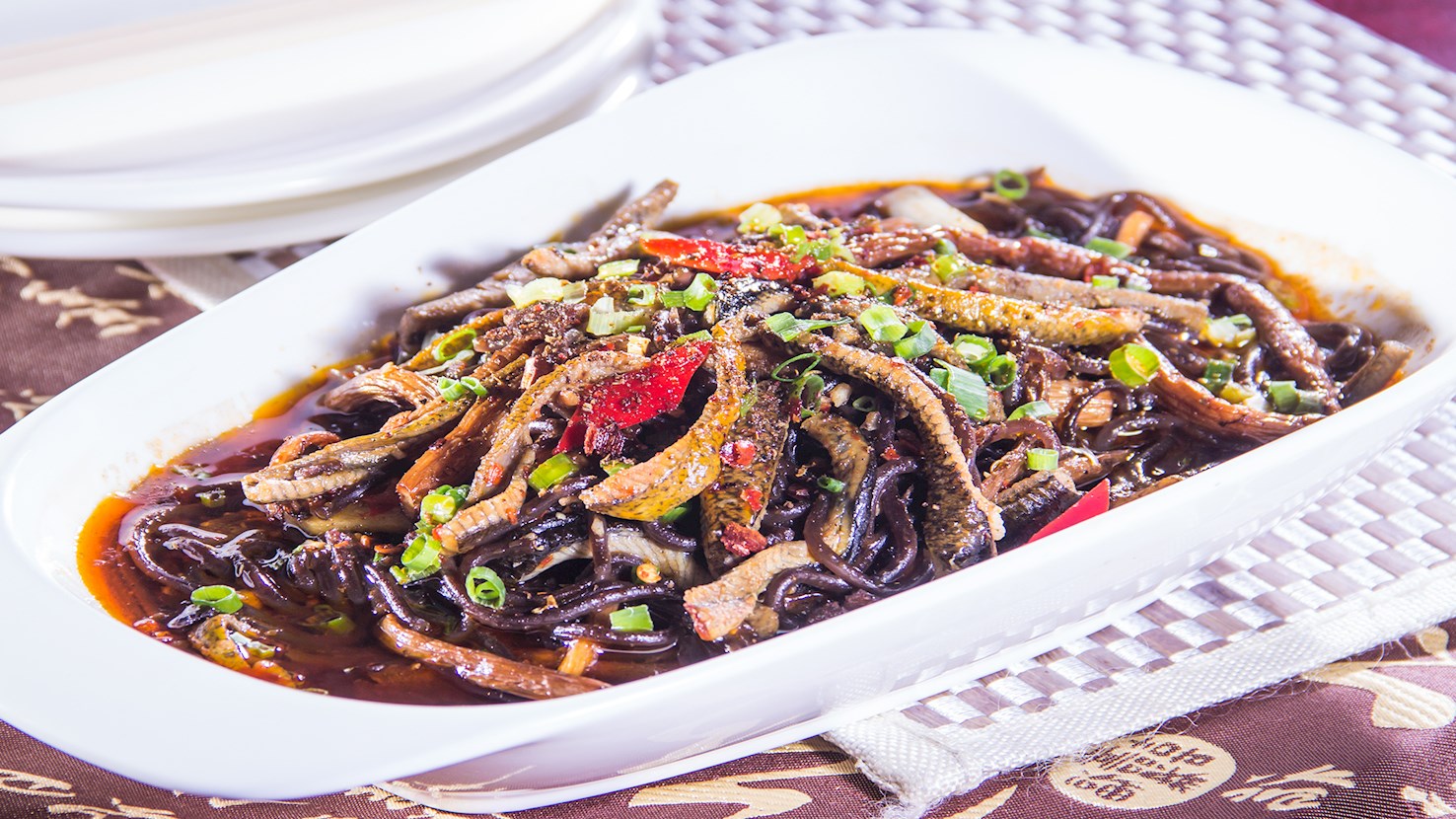
Sheng bao shan pian is thinly sliced, rapidly wok-fried freshwater swamp eel coated in a sweet, sharply acidic, and highly aromatic garlic sauce. Directly out of the blistering wok, this dish is served hot on a communal plate, demanding immediate consumption to experience the fleeting, delicate crunch of the eel's skin before the thick sauce softens the starch coating. Waiters in high-end Jiangnan banquets rush it to the table precisely for this reason, placing it at the center as a star course accompanied by a simple bowl of steamed white rice to absorb the intense, dark glaze. The origins of this culinary staple lie in the water towns and dense network of rivers across the Yangtze River Delta, particularly around Hangzhou, Suzhou, and Shanghai, where freshwater swamp eels thrive in the muddy banks of rice paddies. Historical records indicate that chefs during the Qing Dynasty perfected the intense high-heat cooking method necessary to transform the naturally muddy, firm flesh of the wild eel into a refined delicacy. Executing the recipe requires immense skill and speed, beginning with live eels that are swiftly dispatched, deboned, and cut into uniform rectangular strips. The raw meat is coated with a fine dusting of cornstarch or potato starch before being submerged in smoking-hot cooking oil for just a few seconds. This flash-frying technique blisters the skin and seals the juices inside. The oil is drained, leaving only a tablespoon in the wok to rapidly bloom minced garlic, ginger, and scallions. A pre-mixed liquid composed of dark soy sauce, aged Chinkiang black vinegar, white sugar, Shaoxing rice wine, and white pepper hits the hot metal, instantly reducing into a sticky syrup. The fried eel slices are tossed back into the wok for a final few seconds to catch the glaze before being plated. While the sweet-and-sour garlic profile is the more common option, variations exist. In Ningbo, chefs apply a much heavier hand with raw garlic and often incorporate yellow chives for an astringent bite. Shanghai iterations lean significantly more heavily on sugar and dark soy sauce, creating a sweeter, almost black, molasses-like coating, while cooks in inland Jiangsu might add shredded bamboo shoots and bell peppers to add contrasting crunch and vibrant visual appeal to the final plate.
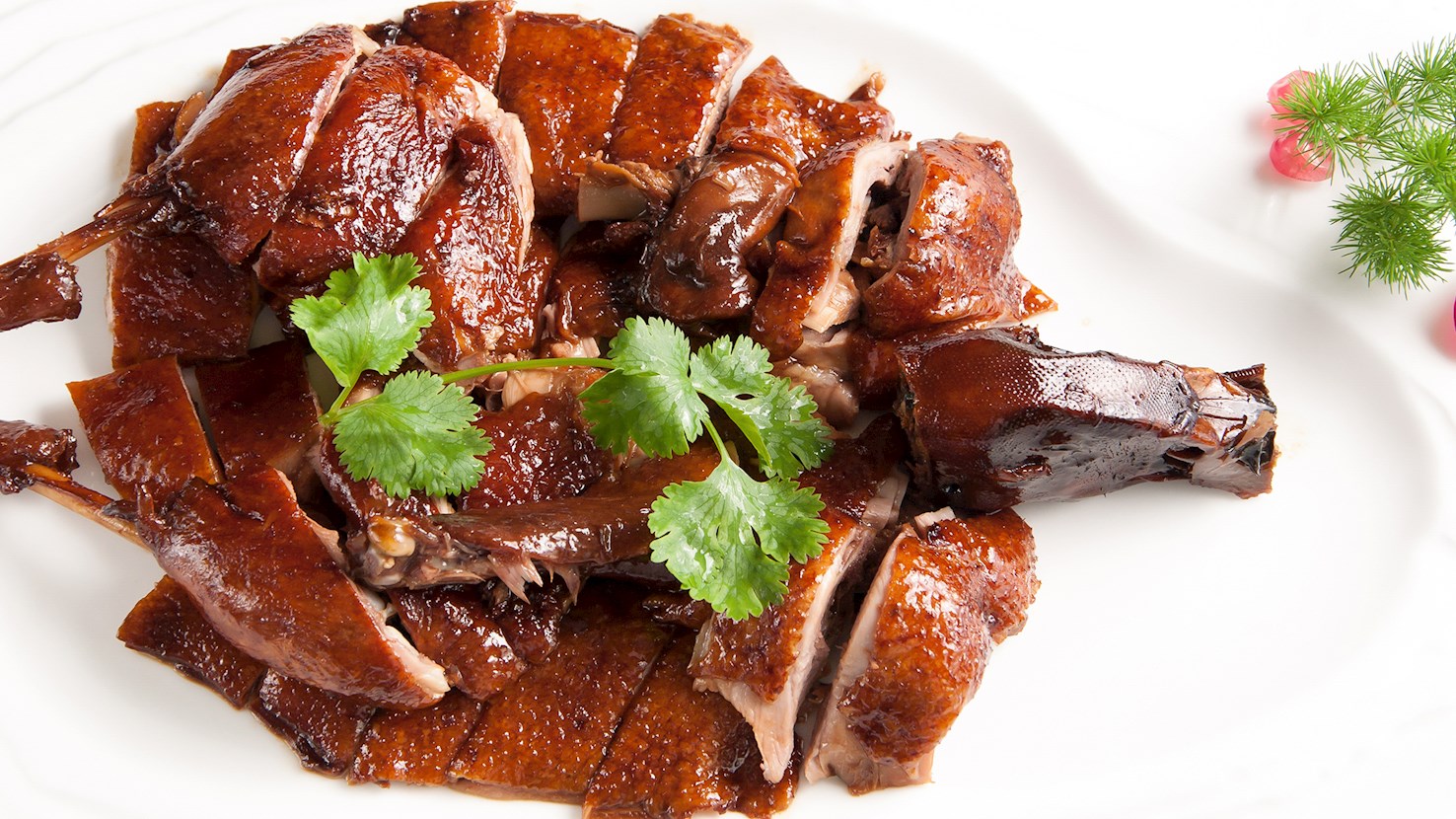
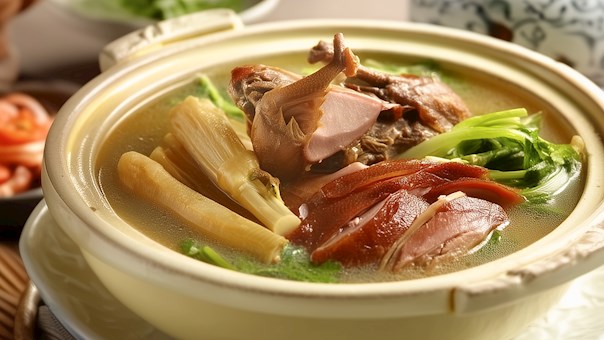
Hangzhou-style duck pickled in soy sauce is a delectable specialty dish of Hangzhou cuisine that delivers the authentic flavors of the region. This dish consists of duck meat cooked in a marinade, and it is then covered with soy sauce and served alongside rice or noodles. Deliciously crispy on the outside while remaining tender and moist on the inside, the duck is commonly served chilled. This dish is aromatic, predominantly savory, and slightly sweet in flavor. It is traditionally prepared and consumed during the celebration of the Chinese Lunar New Year.
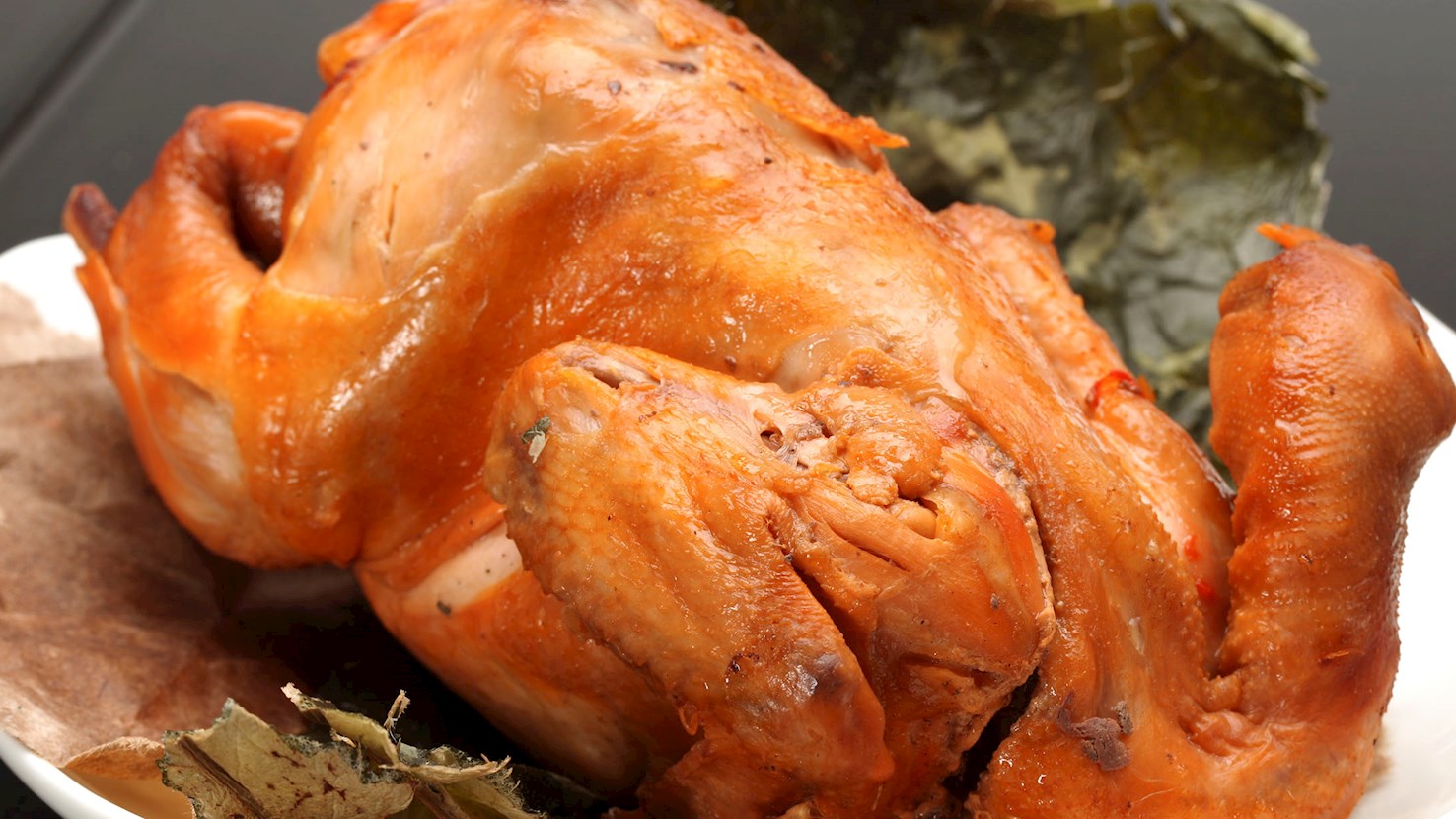
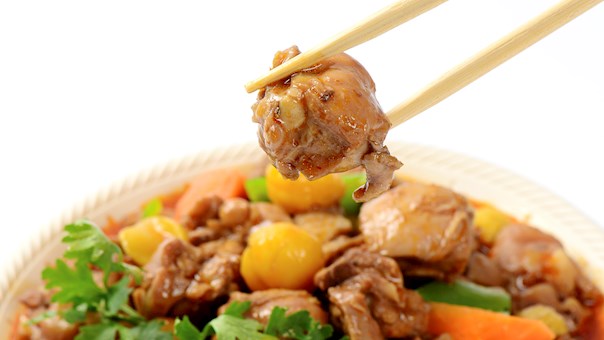
Beggar's chicken is a whole chicken dish from Hangzhou in Zhejiang Province, prepared by wrapping the bird and cooking it slowly until the meat becomes tender and aromatic. It is associated with the culinary practices around West Lake, where poultry farming and the use of lotus leaves, clay, and long cooking times were part of regional cooking methods. The dish developed in an environment where wrapping food before slow heating helped retain moisture and protect ingredients from direct heat. Over time, Hangzhou cooks adopted the method of marinating a whole chicken, covering it in layers of leaves and an outer seal, and then cooking it in an enclosed form so the flavors concentrate inside the bird. Preparation begins with a cleaned whole chicken that is marinated with soy sauce, Shaoxing wine, ginger, scallions, and seasonings such as salt and a small amount of sugar. Some versions include a stuffing made from mushrooms, pork, ham, or chestnuts, while others leave the cavity empty. The chicken is then wrapped in lotus leaves, followed by layers of paper or cloth, before being encased in clay or a thick dough seal. It is cooked slowly, either baked or roasted, until the meat separates easily from the bone and the aromas remain inside the wrapping. When the outer shell is cracked open, the chicken emerges moist and heavily seasoned by its own juices and the marinade. There are many legends in regard to its origin. One tells about a Qing-dynasty Emperor that happened to walk by and was attracted by the aroma, so he stopped and consumed it with the beggar. He liked it so much that he added it to the list of dishes to be served at the Imperial court. Today, jiàohuā jī is served in restaurants and hotels throughout Hangzhou, particularly those emphasizing regional specialties linked to West Lake cuisine. It is typically eaten hot, presented at the table while still encased so guests can break open the covering themselves. The dish pairs well with simple accompaniments such as steamed rice, mild vegetable dishes, and broths that do not compete with its concentrated flavor. It is frequently enjoyed with Shaoxing wine or Longjing tea, both of which complement the gentle sweetness and fragrance that develop during the long, enclosed cooking process.
Hunya Foods, located in Jiaxing, specializes in producing a variety of chocolate products. The company is involved in the entire production process, from sourcing raw materials to finished goods.
They focus on quality control and innovation to meet diverse customer preferences. Hunya Foods offers their products both domestically and for export.
TasteAtlas food rankings are based on the ratings of the TasteAtlas audience, with a series of mechanisms that recognize real users and that ignore bot,
nationalist or local patriotic ratings, and give additional value to the ratings of users that the system recognizes as knowledgeable.
TasteAtlas Rankings should not be seen as the final global conclusion about food. Their purpose is to promote excellent local foods,
instill pride in traditional dishes, and arouse curiosity about dishes you haven’t tried.
The initial list of top producers was compiled based on available reviews, awards, local recommendations, media and blog coverage, and consumer reviews.
The list will be updated with ratings from TasteAtlas local ambassadors and TasteAtlas users.







What People Say