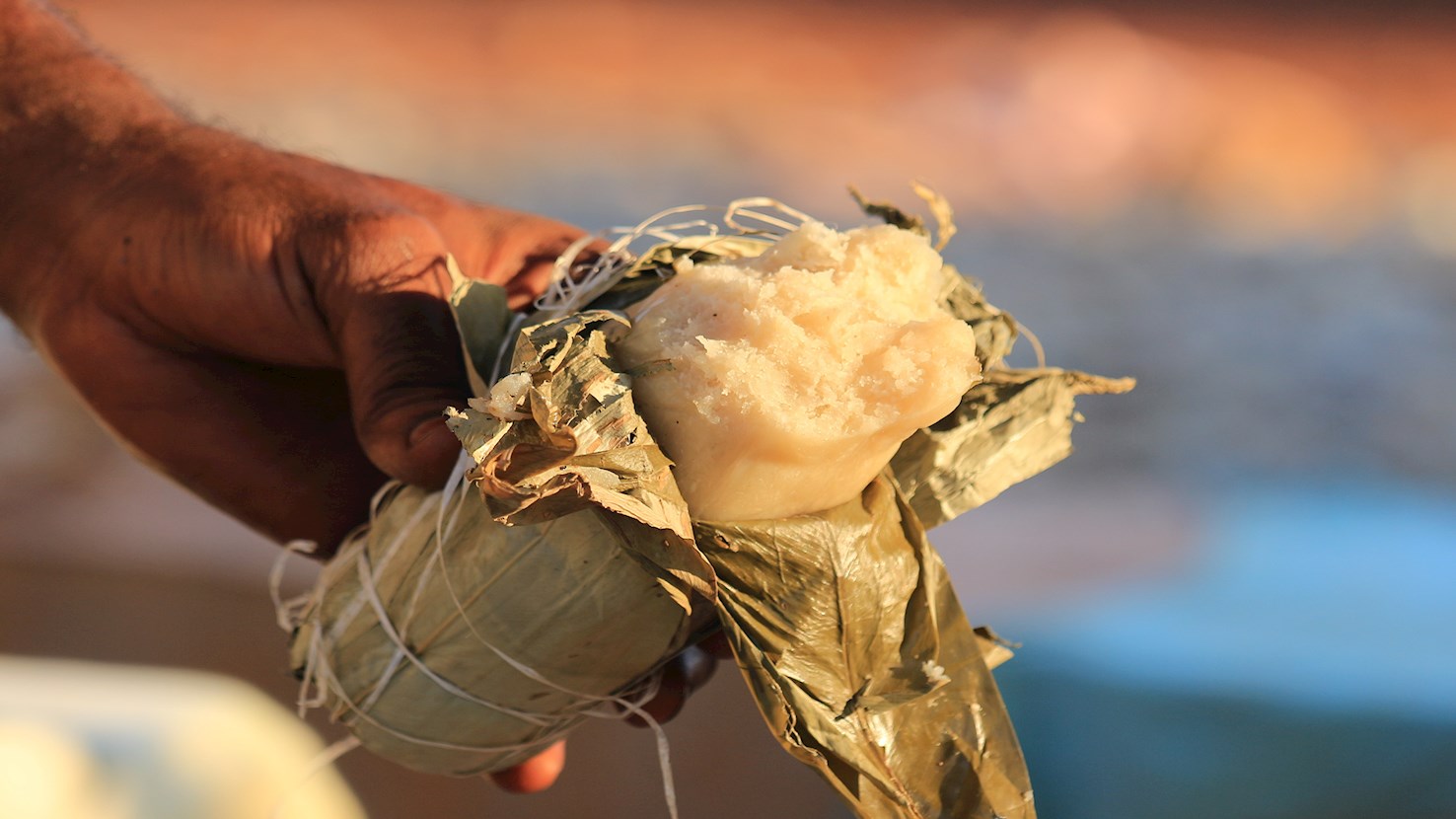
Chikwanga or kwanga is a traditional bread from the Democratic Republic of Congo, consisting of cassava flour cakes that are wrapped in dry banana leaves, then steamed. Its savory flavor pairs well with most of the main meals in the country. It is especially popular to serve warm chikwanga with various African stews, soups, and sauces as it helps to slightly offset their spicy flavors. This cassava-based bread is typically cut into thick round slices before it's served on the plates. Once prepared, chikwanga will keep for a few days, but only if it's kept in the leaf-wrapper in a dry and cool place.
Liboké de viande is a traditional African dish originating from Congo. It consists of meat that's wrapped in banana leaves. Common ingredients include beef or similar meat for stewing that's cut into pieces, banana leaves, cayenne pepper, lemon juice, chili peppers, and often onions and crushed peanuts. The meat is simmered with the other ingredients, wrapped in banana leaves, and the parcels are then steamed or grilled (or both). It's recommended to serve liboké de viande with boiled yams on the side.
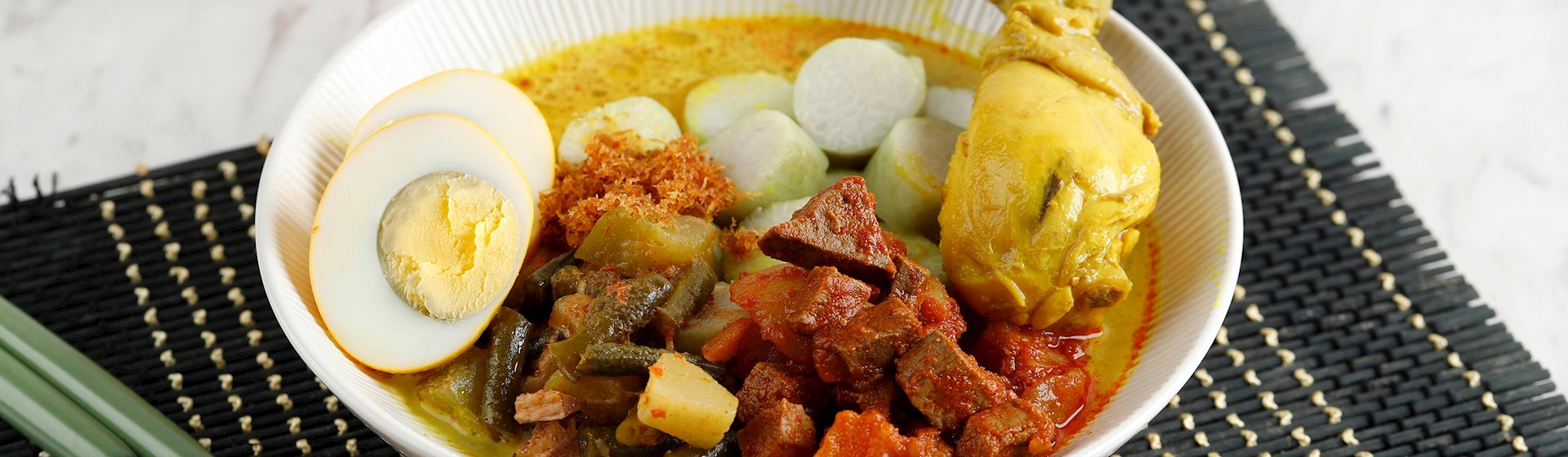
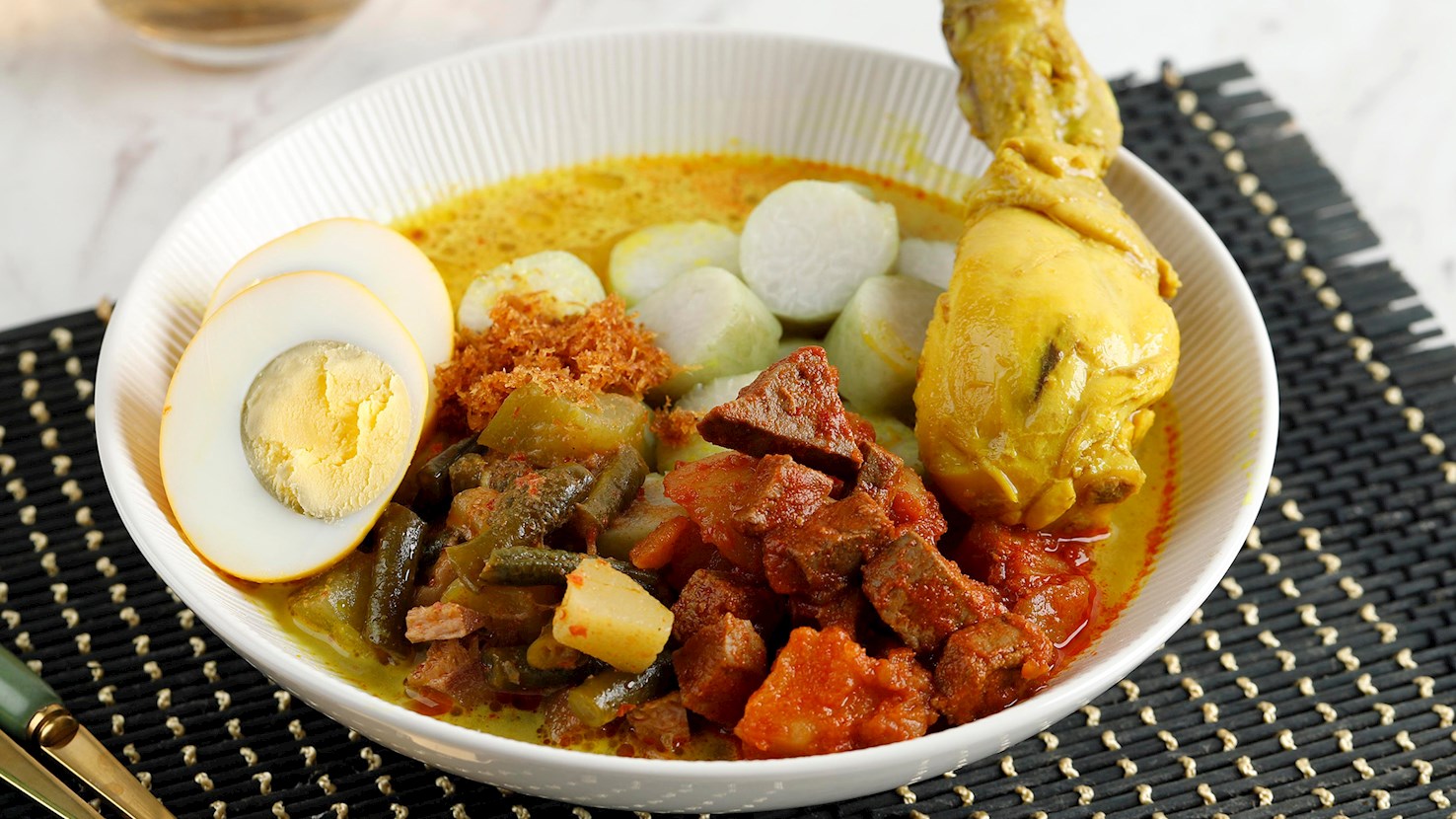
Lontong is a traditional Indonesian rice cake, made by boiling tightly packed rice in banana leaves until it forms a firm, compact texture. The result is a mildly fragrant, chewy, and slightly firm rice cake, which is then sliced into bite-sized pieces and served as a staple carbohydrate in many Indonesian, Malaysian, and Singaporean dishes. Unlike steamed rice, lontong has a more cohesive texture, making it ideal for soaking up rich, flavorful sauces. The process of making lontong involves partially cooking rice, packing it into banana leaf cylinders, and then boiling it for several hours. The compression inside the leaf casing allows the rice to bind together, creating its distinct shape and dense texture. Once cooled, the banana leaf is peeled away, revealing the pale, green-tinted rice cake with a subtle aroma from the banana leaves. Lontong is commonly served with savory dishes such as gado-gado (vegetable salad with peanut sauce), soto (Indonesian soup), opor ayam (coconut chicken stew), sate Padang (spicy beef satay), and rendang (slow-cooked beef in coconut sauce). It is also a key component in lontong sayur, a classic dish where lontong is paired with vegetables in coconut curry broth. As a versatile dish, lontong is enjoyed throughout Indonesia, Malaysia, and Singapore, often as part of festive meals, street food offerings, or home-cooked feasts.
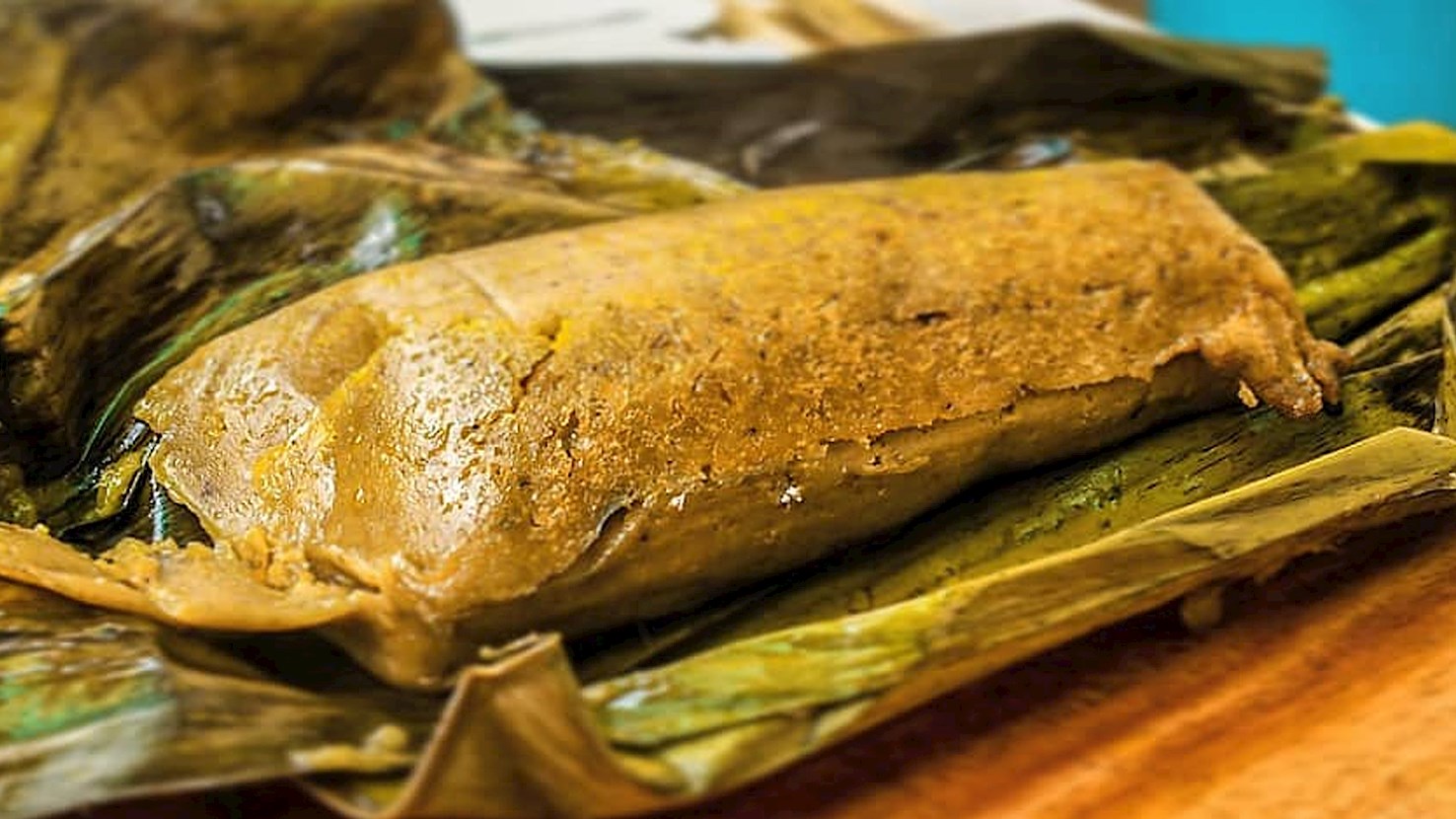
Brazilian cobu (frequently spelled cubu and sometimes affectionately referred to regionally as pau a pique or joão deitado) is a sweet cornmeal cake, defined by being enveloped and baked entirely inside fresh, charred banana leaves. Emerging from the rugged, mountainous interior of the state of Minas Gerais—specifically tracing its origins to the municipality of Gouveia, which proudly bills itself as the "land of cobu"—this dessert has a texture that sits somewhere between a sturdy cornbread, a dense steamed pudding, and a rich, spiced biscuit, designed to be broken apart by hand and consumed alongside a scalding cup of black, unfiltered farm coffee. Initially developed by enslaved African people—specifically from the Mina and Cobu nations working in the diamond- and gold-rich regions of Minas Gerais—the earliest iterations of the dish were tough, pragmatic survival rations made solely of indigenous cornmeal (fubá) and dark sugarcane molasses, roasted directly over an open fire. However, as the centuries progressed, the recipe absorbed the dairy-rich bounty of the surrounding Minas Gerais farmlands. Today, the foundational cornmeal and raw, unrefined sugar (rapadura) are enriched with luxurious, locally sourced additions: heavy dollops of coalhada (a traditional, slightly tart, curdled milk), generous amounts of sharp, salty local cheese, and copious amounts of butter or pork fat. This dense paste is then perfumed with a fragrant, warming blend of whole cloves and ground cinnamon, creating a complex sweet-and-savory flavor profile that is immediately identifiable to anyone raised in the Brazilian interior. The heavy, spiced batter is never poured into a metal tin; instead, it is meticulously spooned into the center of large, freshly cut banana leaves that have been briefly passed over an open flame to render them pliable. The leaves are folded securely around the batter to form tight, rectangular parcels, which are then traditionally slid into the blistering heat of a domed, wood-fired clay oven. As the parcel bakes, a magical transformation occurs: the banana leaf effectively steams the cake from the inside out, trapping every ounce of moisture while simultaneously infusing the cornmeal with a distinct, smoky, and intensely herbal aroma that no modern baking pan could ever replicate. Upon opening the charred, steaming green wrapper, the resulting pastry boasts a beautifully irregular, caramelized surface and a soft, chewy interior.
Kwacoco is a Cameroonian dish made with mashed cocoyam that is then wrapped in banana leaves and steamed. The dish is traditionally prepared and consumed by the Kwe people, who pair it with mbongo soup. In cases where cocoyam is combined with red oil, spinach, and smoked fish, the dish is known as kwacoco bible.
TasteAtlas food rankings are based on the ratings of the TasteAtlas audience, with a series of mechanisms that recognize real users and that ignore bot,
nationalist or local patriotic ratings, and give additional value to the ratings of users that the system recognizes as knowledgeable.
For the “5 Best Rated Dishes with Banana Leaves” list until May 22, 2026, 989,154 ratings were recorded, of which 646,962 were recognized by the system as legitimate.
TasteAtlas Rankings should not be seen as the final global conclusion about food. Their purpose is to promote excellent local foods,
instill pride in traditional dishes, and arouse curiosity about dishes you haven’t tried.