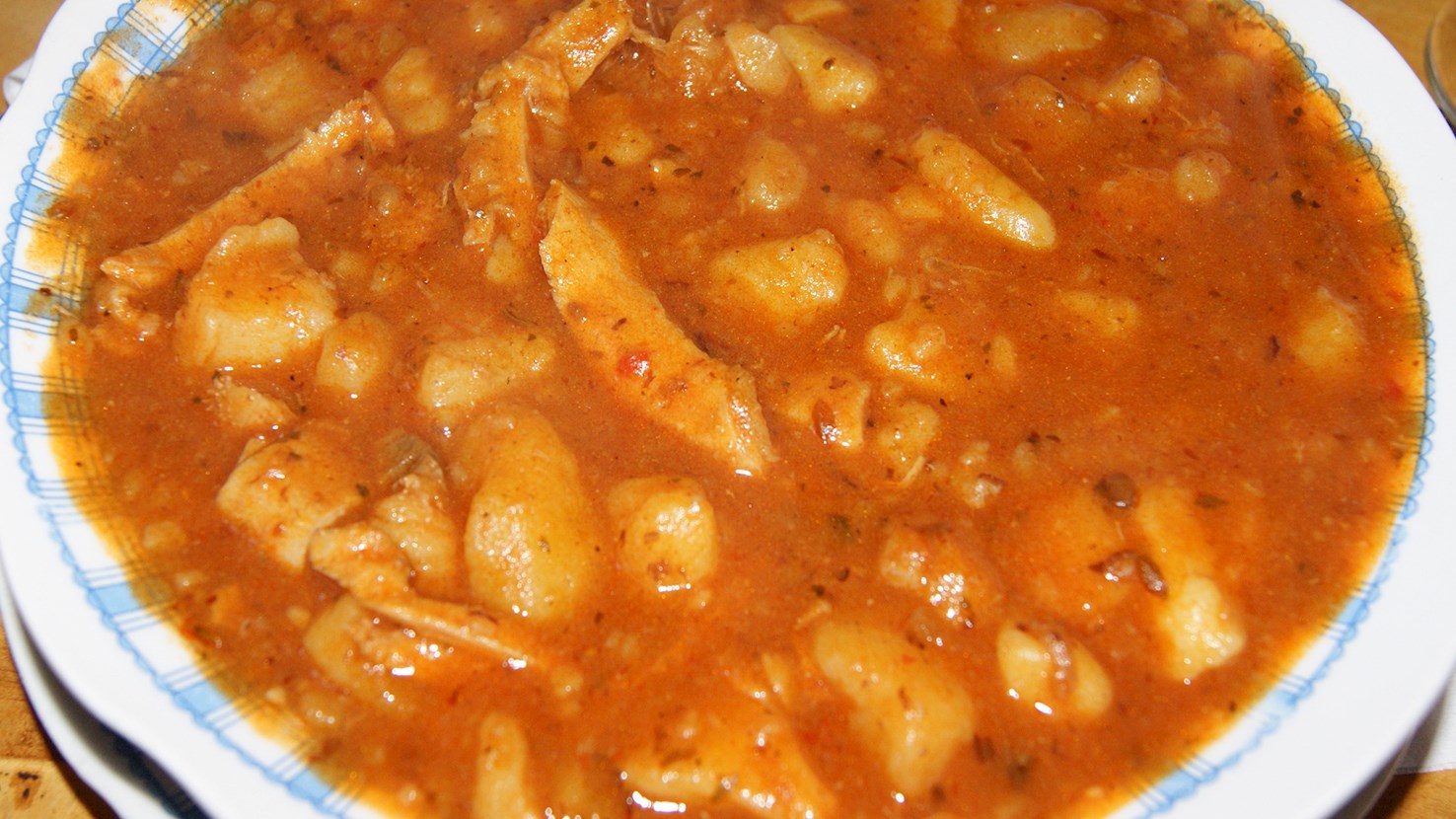
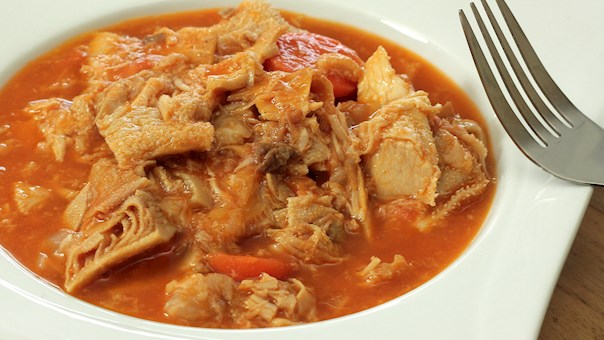
Picante a la tacneña is a traditional dish originating from Tacna. It is made with tripe, chili peppers, dried meat (lamb or llama), cow's foot, and local papa negra (also known as mariva) potatoes. The chili peppers are first cooked in water with garlic and cumin until the sauce develops a thick texture. It is then combined with meat, while the potatoes are added later. When the dish is fully cooked, it is usually served with marraqueta bread and a glass of dry red wine on the side.
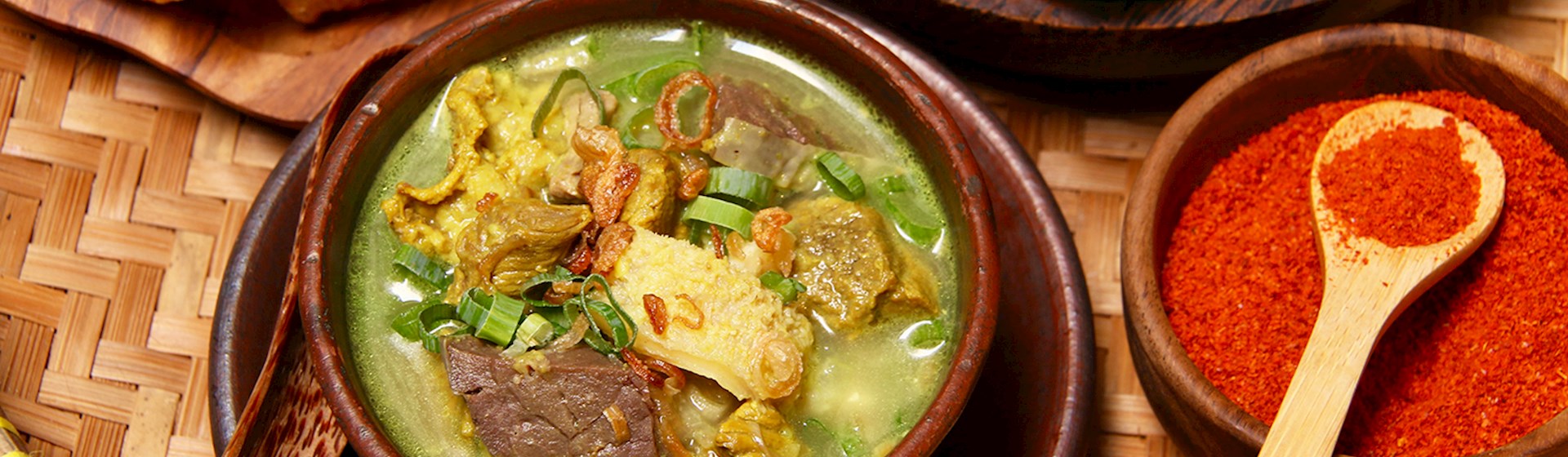
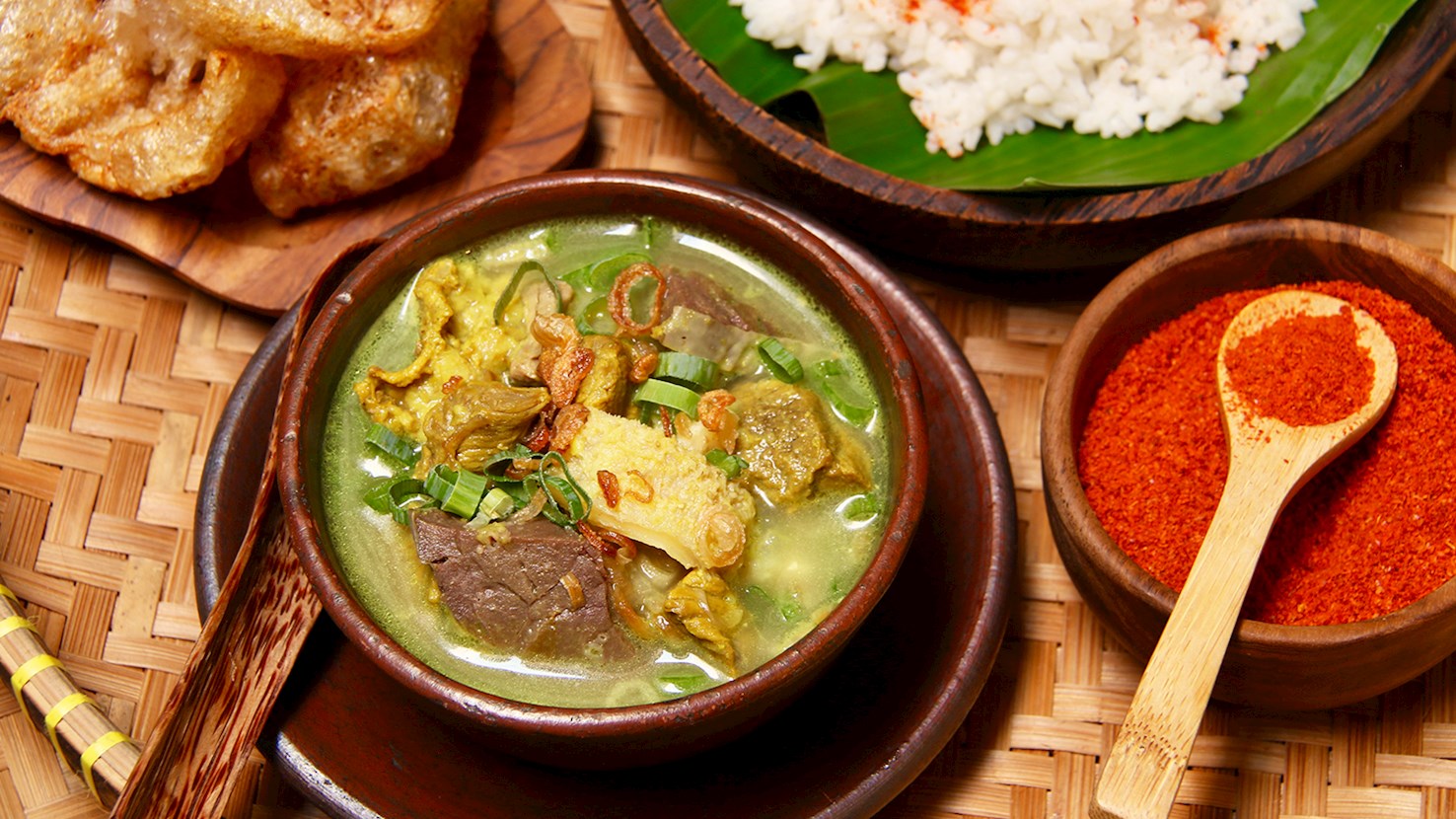
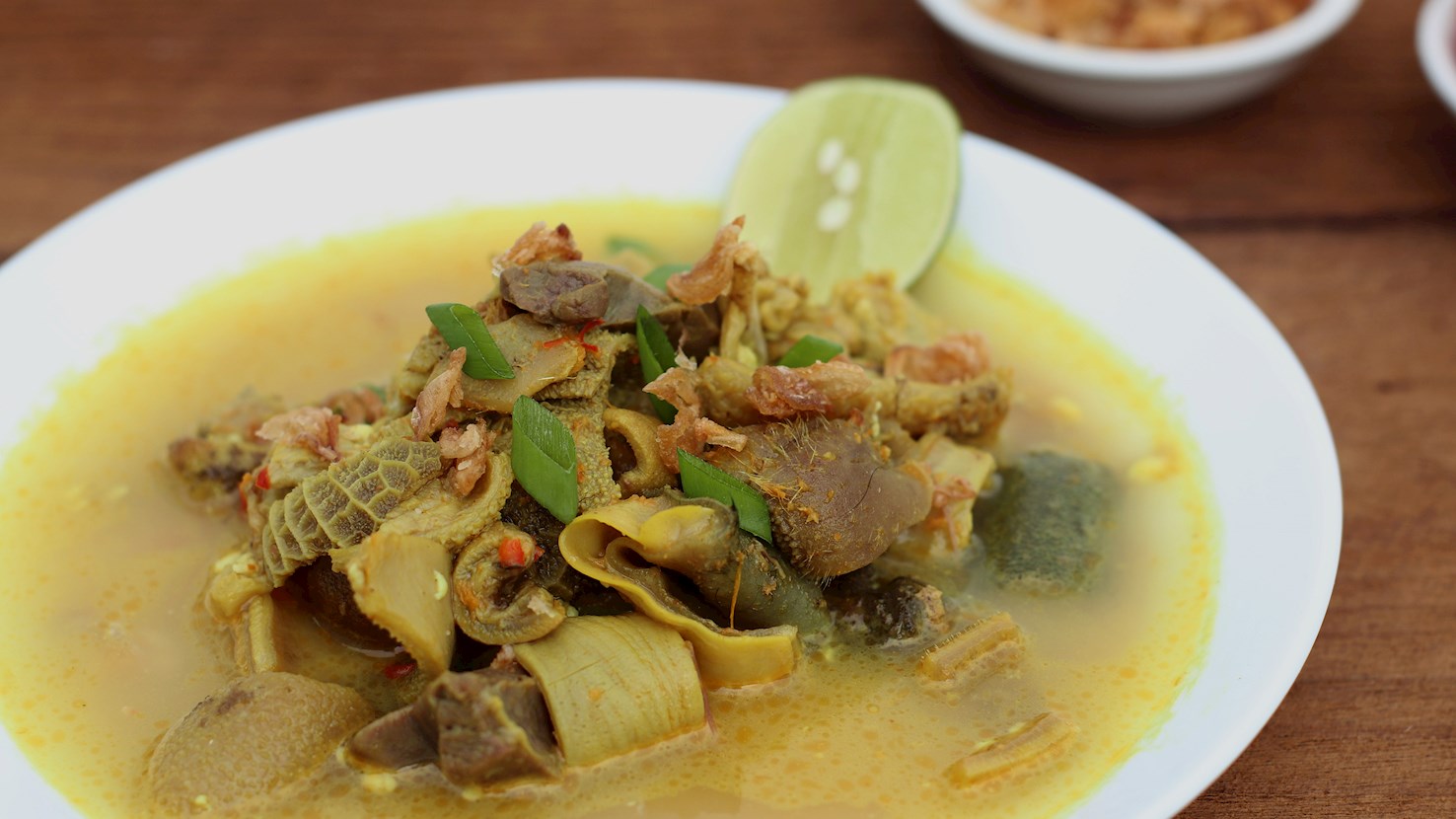
Empal gentong is a richly spiced beef soup hailing from the city of Cirebon in West Java, known for its deep, golden broth and ceremonial cooking method. At first glance, it may resemble other Indonesian meat soups such as soto or gulai, but empal gentong distinguishes itself through its use of offal, coconut milk, and a unique wood-fired clay pot that lends the stew its name. The word "gentong" refers to the large earthenware pot in which the dish is traditionally simmered over an open flame fueled by wood, usually teak or mango, which imparts a subtle smokiness to the broth. Inside this pot, chunks of beef and innards (typically tripe, intestine, or lung) are slow-cooked in a golden yellow broth infused with a spice paste made from garlic, shallots, turmeric, coriander, galangal, ginger, and candlenuts. The addition of coconut milk gives the soup its signature richness, while fried shallots and fresh chives sprinkled on top add brightness and contrast. Though traditionally served with steamed rice or lontong (compressed rice cakes), what truly defines the experience of eating empal gentong is the balance between earthy, creamy, and aromatic elements. Cirebon itself sits at a crossroads of Javanese and Sundanese culinary influences, and empal gentong embodies this intersection: complex like many Central Javanese dishes but with the spiced assertiveness and rustic charm of Sundanese foodways. Historically, empal gentong was a celebratory dish, served at gatherings, communal prayers, and significant events, where cooking over fire in a clay pot wasn’t just about taste but about togetherness and continuity. Today, it is a street food icon as well as a sit-down specialty, served from roadside stalls where the sight of bubbling gentong pots remains a familiar and comforting image. While modern vendors may replace the clay pots with metal pans and gas stoves, purists argue that the soul of the dish resides in its traditional form: smoke, clay, and time.
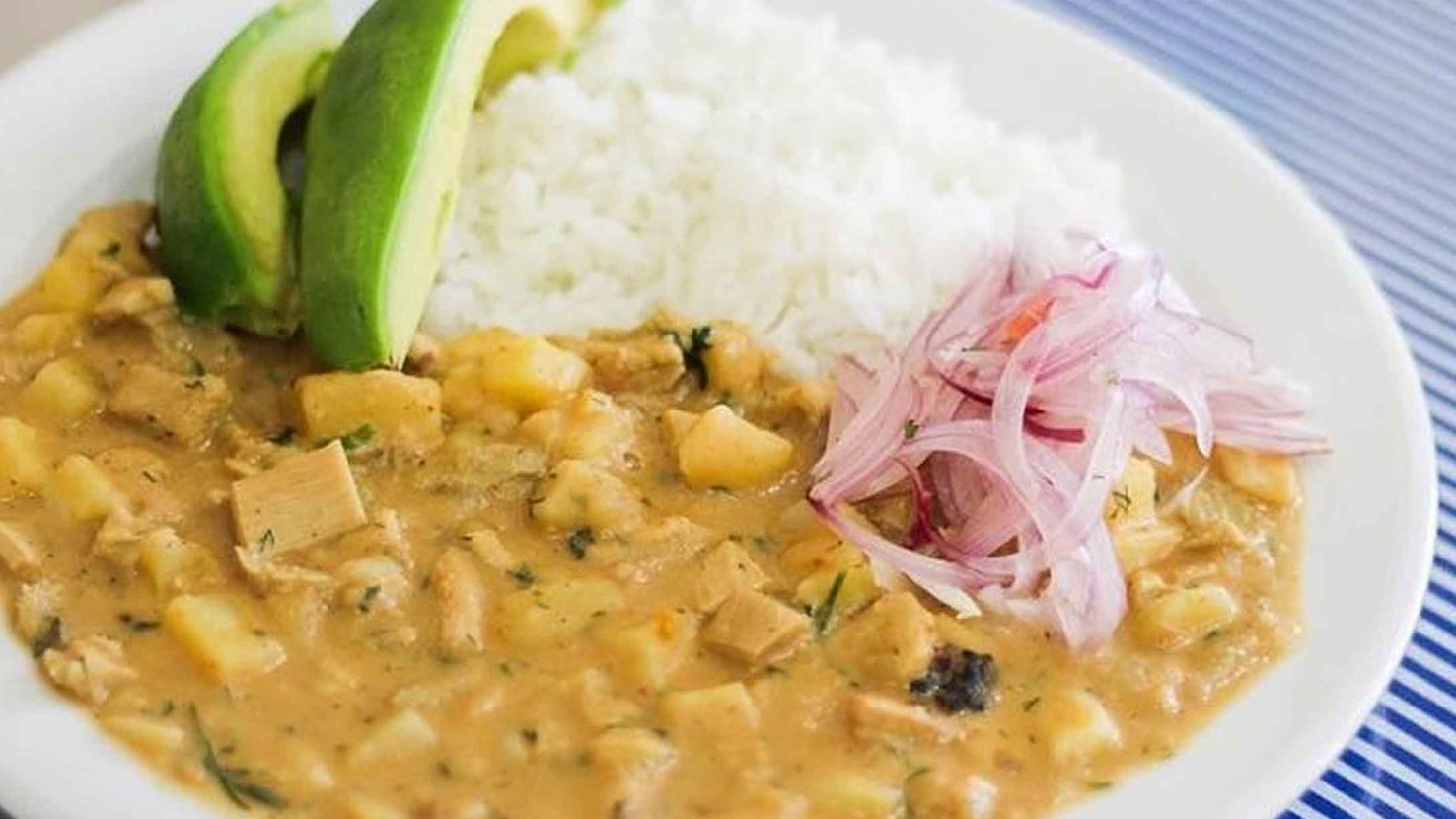
Guatita is Ecuador's national dish, a hearty, thick stew consisting of tripe simmered in a sauce of peanuts and potatoes. The name of the dish can be translated as little guts. Tripe must be cleaned a few times with lemon juice and water, then chopped and fried with onion and spices before being combined with potatoes and peanut butter. The dish is traditionally served with white rice, pickled onions, avocado slices, and hot sauce on the side.
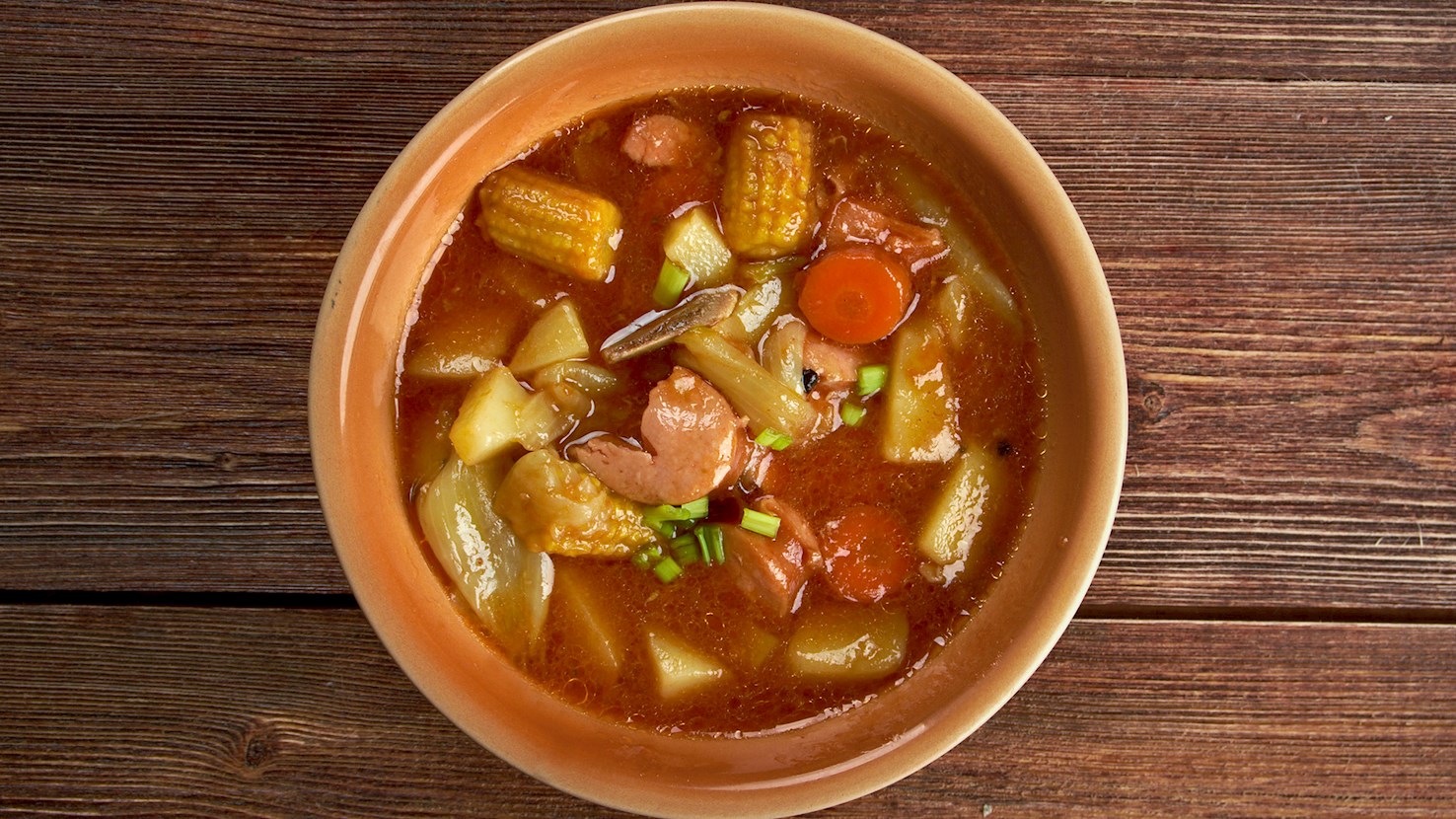
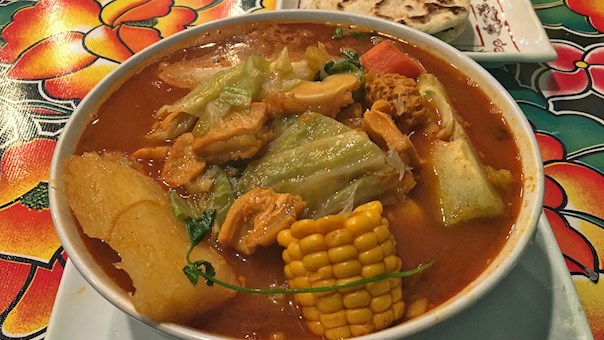
Sopa de mondongo is a term that is widely used all across Central and South America when referring to a hearty tripe and vegetable soup. The star of the dish is beef or pork tripe, the rather tough edible part of animal stomach which is cut into smaller pieces and cooked with other ingredients in a flavorful broth. Different versions of the soup are found all across Latin America, where it has been adapted with locally available ingredients and spices. Typically, sopa de mondongo employs plain and sweet potatoes, cassava, corn, cabbage, plantains, onions, sliced avocado, and generous amounts of chopped cilantro, which is used as a garnish. It is often spiced with cumin and the authentic Latin American spice called achiote. Local varieties commonly include additional ingredients such as lean pork meat, pork feet, Columbian chorizo sausage, and animal bone marrow. Because of its nutritious ingredients, it is usually regarded as a complete meal that is mainly served alongside white rice. Sliced lemon or lime wedges and local tortilla varieties such as arepa in Colombia are often served on the side. Unusual additions may include raisins or capers in Puerto Rican versions, or peanut sauce in the Ecuadorian version, popularly called guatica. In many Latin American countries, sopa de mondongo is believed to have healing properties, and it represents a traditional dish that is usually served for lunch or in the early hours after a night of clubbing.
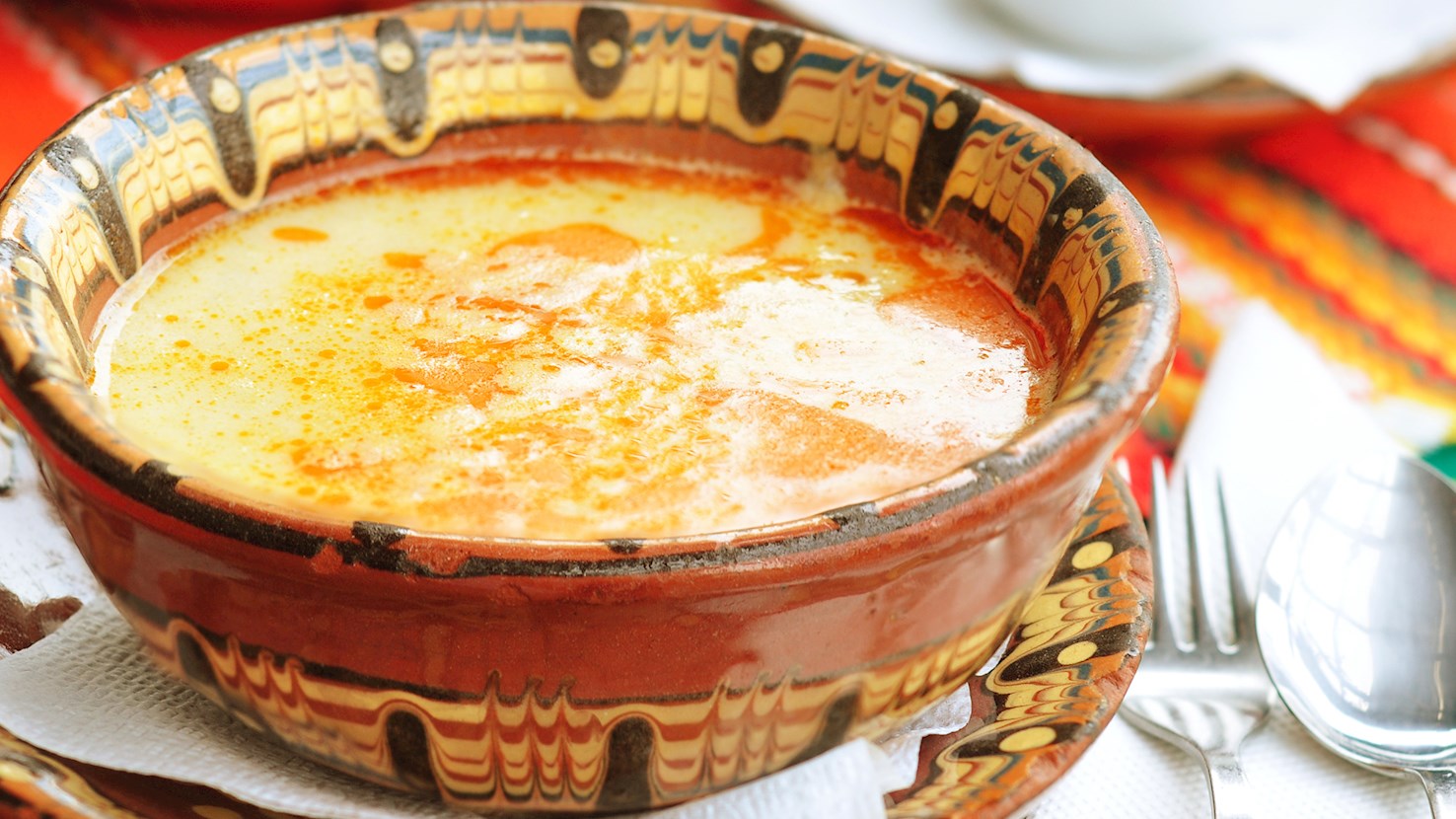
Shkembe chorba is a nourishing Bulgarian soup made with a combination of tripe, water, flour, milk, red wine vinegar, garlic, paprika, and hot chili peppers. When served, it is recommended to garnish it with chopped parsley, then consume it with beer or rakia on the side. This soup is well-known in Bulgaria for being a great hangover cure after a night of clubbing in chalga clubs or mechanas.
Soto babat is a distinctive Indonesian soup celebrated for its bold flavors and use of beef tripe as its central ingredient. Originating from the island of Java, particularly regions like East Java and Central Java, this dish is part of the broader soto family of soups. Soto babat stands out for its earthy, slightly spicy broth and chewy, flavorful cuts of tripe, making it a favorite among those who appreciate offal cuisine. The broth of soto babat is typically infused with a rich blend of spices including garlic, shallots, turmeric, coriander, lemongrass, and galangal. These aromatics are sautéed to develop their fragrance before being simmered with beef stock, creating a yellow-tinted soup that is both comforting and aromatic. The tripe, carefully cleaned and boiled until tender, absorbs the spices and contributes its own savory richness to the overall dish. Depending on the region and the cook, the broth can be clear or slightly creamy, sometimes enhanced with coconut milk to soften the spices and add a layer of creaminess. Soto babat is commonly served with warm steamed rice or occasionally with rice cakes like lontong, accompanied by toppings such as fried shallots, chopped scallions, lime wedges, sambal, and kerupuk or emping crackers. Some vendors also add boiled egg halves or perkedel, a spiced potato patty, to complete the meal. The presence of these condiments allows diners to tailor the dish to their own preference, adding more acidity, spice, or crunch as desired. Though once considered a dish of the everyday or of modest means, soto babat has become a valued part of Javanese culinary identity, often enjoyed at breakfast or lunch, and found at street food stalls, home kitchens, and warungs throughout Java.
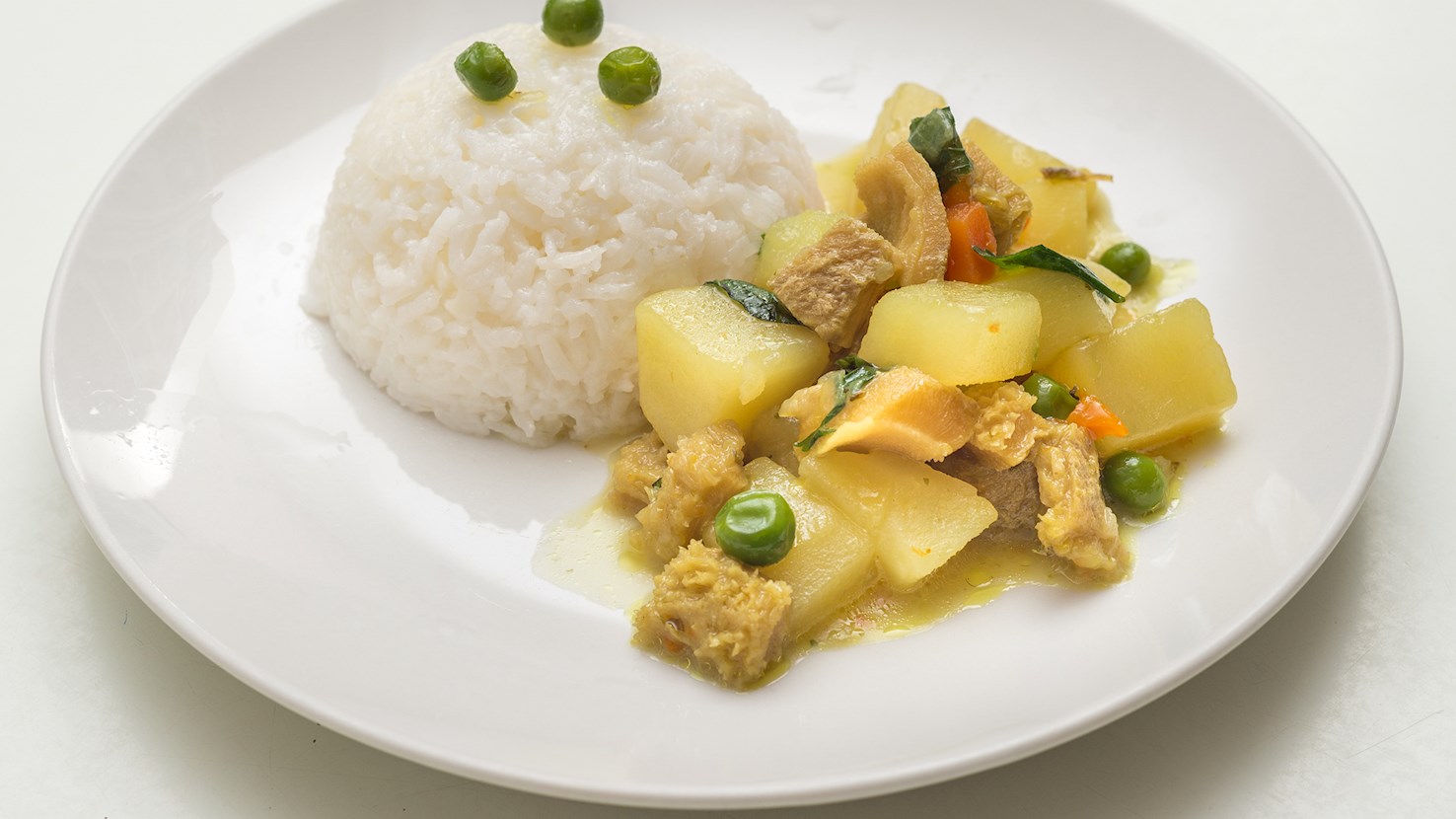
Cau cau is a traditional offal stew, made primarily from mondongo (tripe, which is the stomach lining of cows) and diced potatoes. The ingredients are cooked with a turmeric-based sauce, which gives the dish its characteristic yellow color. Yellow chili peppers (aji amarillo) are also typically used to add flavor and a bit of heat to the dish. In the preparation of cau cau, onions, garlic, and sometimes bell peppers are sautéed, after which turmeric, the tripe, potatoes, and broth are added. The stew is then simmered until the ingredients are tender. Fresh mint leaves might be sprinkled on top just before serving to add a fresh touch.
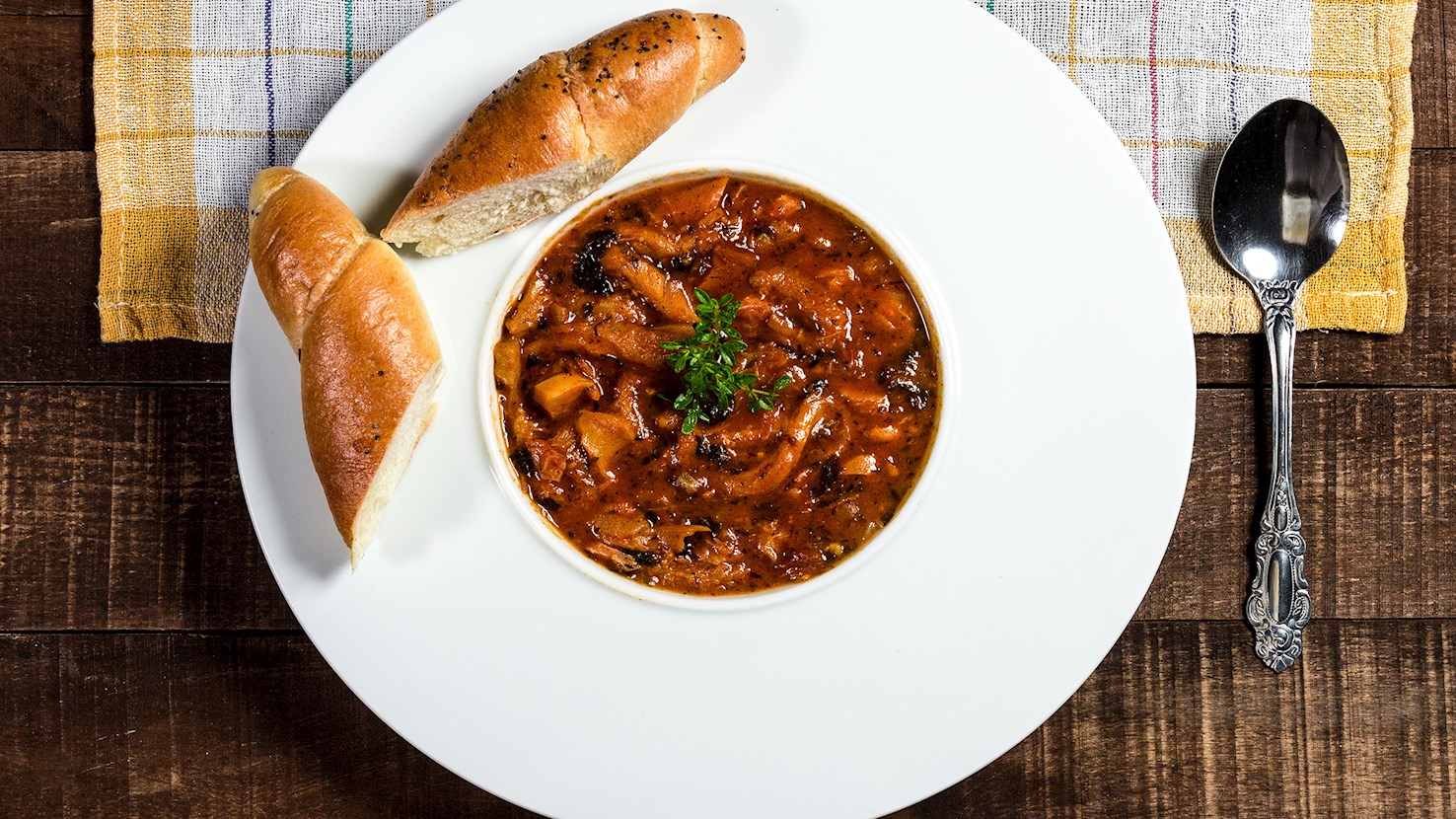
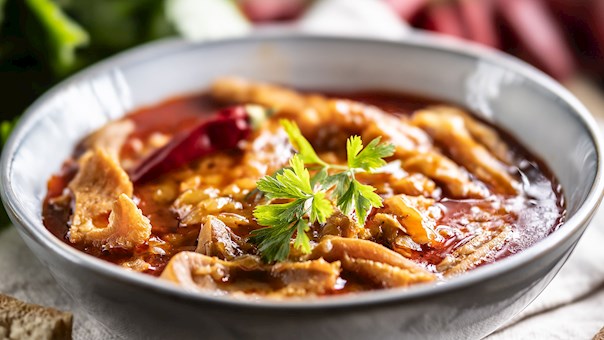
Dršťková is a traditional tripe soup consisting of beef tripe braised in generous amounts of onions and sweet paprika. Although it has numerous regional varieties, this hearty soup typically has a thick consistency, a light red color, and a slightly spicy flavor. Occasionally, pieces of smoked meat or sausages are incorporated into the soup. Tripe soup is often served in traditional pubs and usually comes accompanied with slices of crispy buttered bread. In Slovakia, it appears in a similar form and is better known as držková polievka.
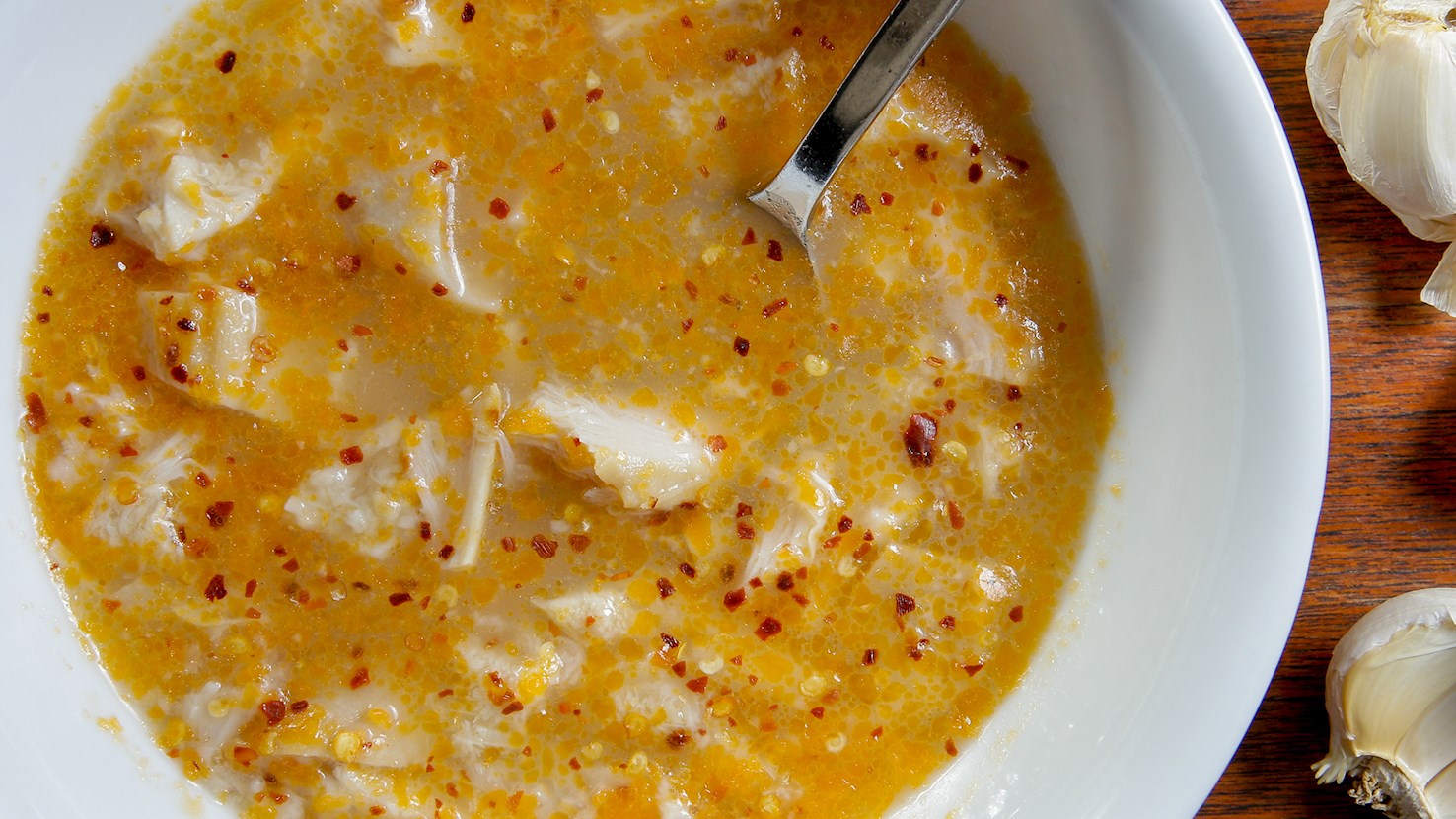
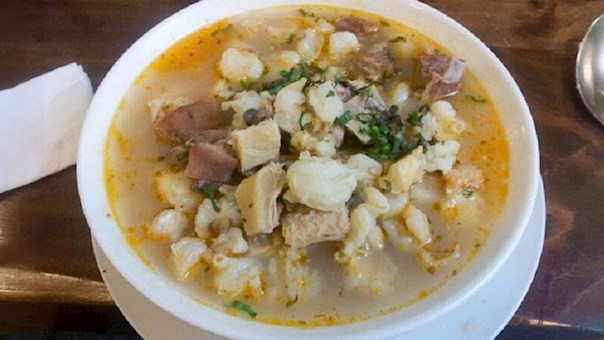
This traditional Greek soup employs beef, lamb, or pork tripe as key ingredients. While there are many different regional varieties of the soup, most use animal’s head or feet and enrich the broth with garlic, onions, lemon juice, and vinegar. The broth is occasionally thickened with avgolemono, a mixture of whisked eggs and lemon juice. Patsas is commonly regarded as a great hangover remedy and is traditionally enjoyed in the late hours, after a night of indulgence at Greek taverns. A bowl of patsas is best accompanied by crusty bread on the side.
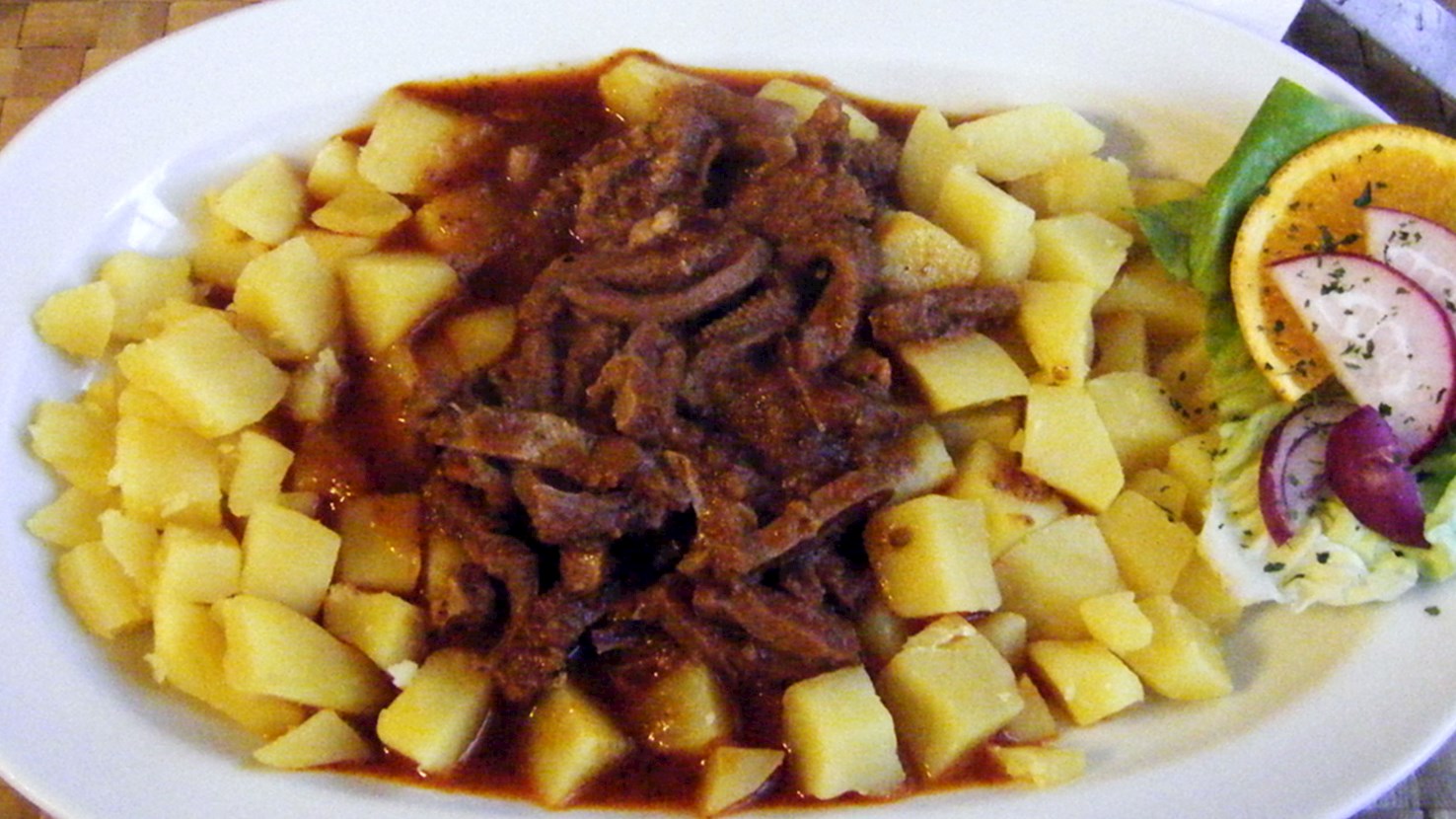
Pacalpörkölt is a traditional tripe stew. It is typically prepared in a cauldron hanging over an open fire, but it can also be prepared at home. The dish consists of tripe, onions, garlic, paprika powder, and hot peppers. When the stew is ready to be served, it is recommended to pair it with fresh bread, pickles, and boiled potatoes.
TasteAtlas food rankings are based on the ratings of the TasteAtlas audience, with a series of mechanisms that recognize real users and that ignore bot,
nationalist or local patriotic ratings, and give additional value to the ratings of users that the system recognizes as knowledgeable.
For the “22 Best Rated Dishes with Beef Tripe” list until September 17, 2026, 1,037,818 ratings were recorded, of which 688,105 were recognized by the system as legitimate.
TasteAtlas Rankings should not be seen as the final global conclusion about food. Their purpose is to promote excellent local foods,
instill pride in traditional dishes, and arouse curiosity about dishes you haven’t tried.













What People Say