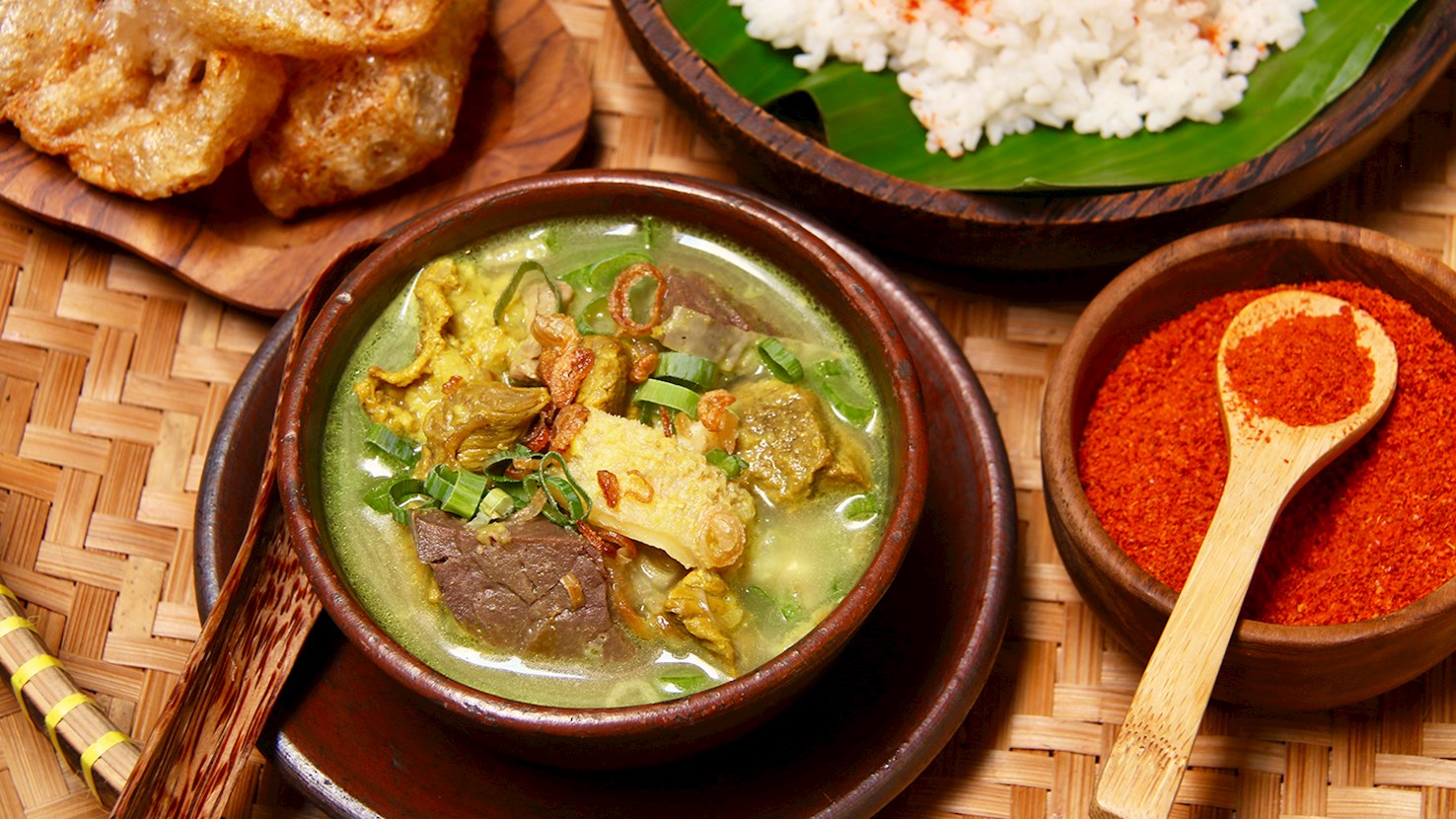
Empal gentong is a richly spiced beef soup hailing from the city of Cirebon in West Java, known for its deep, golden broth and ceremonial cooking method. At first glance, it may resemble other Indonesian meat soups such as soto or gulai, but empal gentong distinguishes itself through its use of offal, coconut milk, and a unique wood-fired clay pot that lends the stew its name. The word "gentong" refers to the large earthenware pot in which the dish is traditionally simmered over an open flame fueled by wood, usually teak or mango, which imparts a subtle smokiness to the broth. Inside this pot, chunks of beef and innards (typically tripe, intestine, or lung) are slow-cooked in a golden yellow broth infused with a spice paste made from garlic, shallots, turmeric, coriander, galangal, ginger, and candlenuts. The addition of coconut milk gives the soup its signature richness, while fried shallots and fresh chives sprinkled on top add brightness and contrast. Though traditionally served with steamed rice or lontong (compressed rice cakes), what truly defines the experience of eating empal gentong is the balance between earthy, creamy, and aromatic elements. Cirebon itself sits at a crossroads of Javanese and Sundanese culinary influences, and empal gentong embodies this intersection: complex like many Central Javanese dishes but with the spiced assertiveness and rustic charm of Sundanese foodways. Historically, empal gentong was a celebratory dish, served at gatherings, communal prayers, and significant events, where cooking over fire in a clay pot wasn’t just about taste but about togetherness and continuity. Today, it is a street food icon as well as a sit-down specialty, served from roadside stalls where the sight of bubbling gentong pots remains a familiar and comforting image. While modern vendors may replace the clay pots with metal pans and gas stoves, purists argue that the soul of the dish resides in its traditional form: smoke, clay, and time.
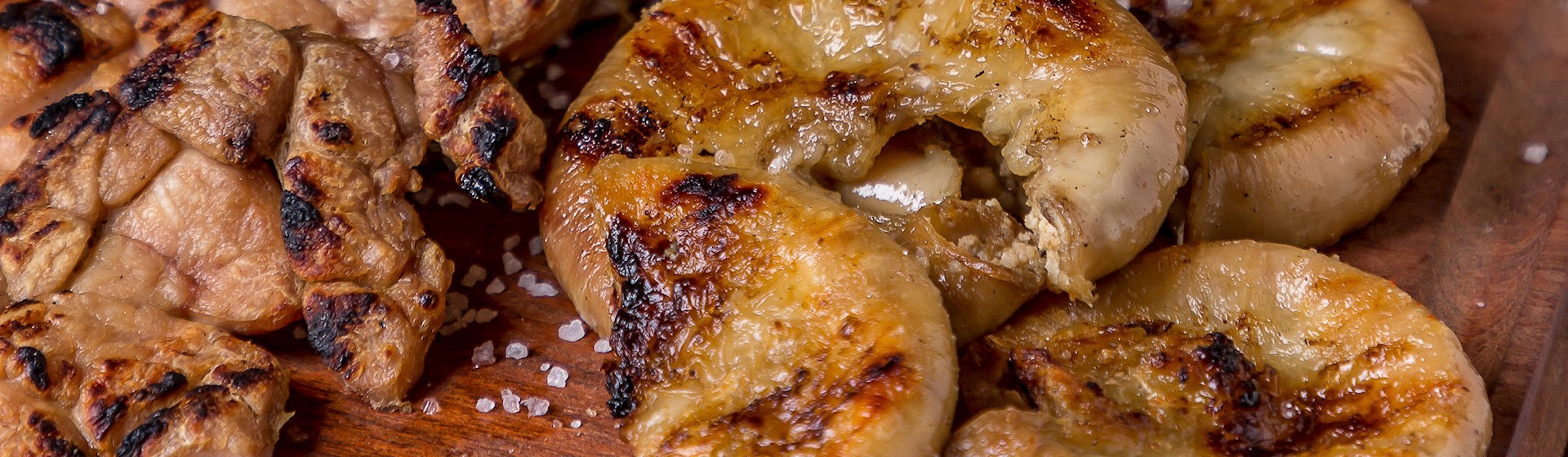
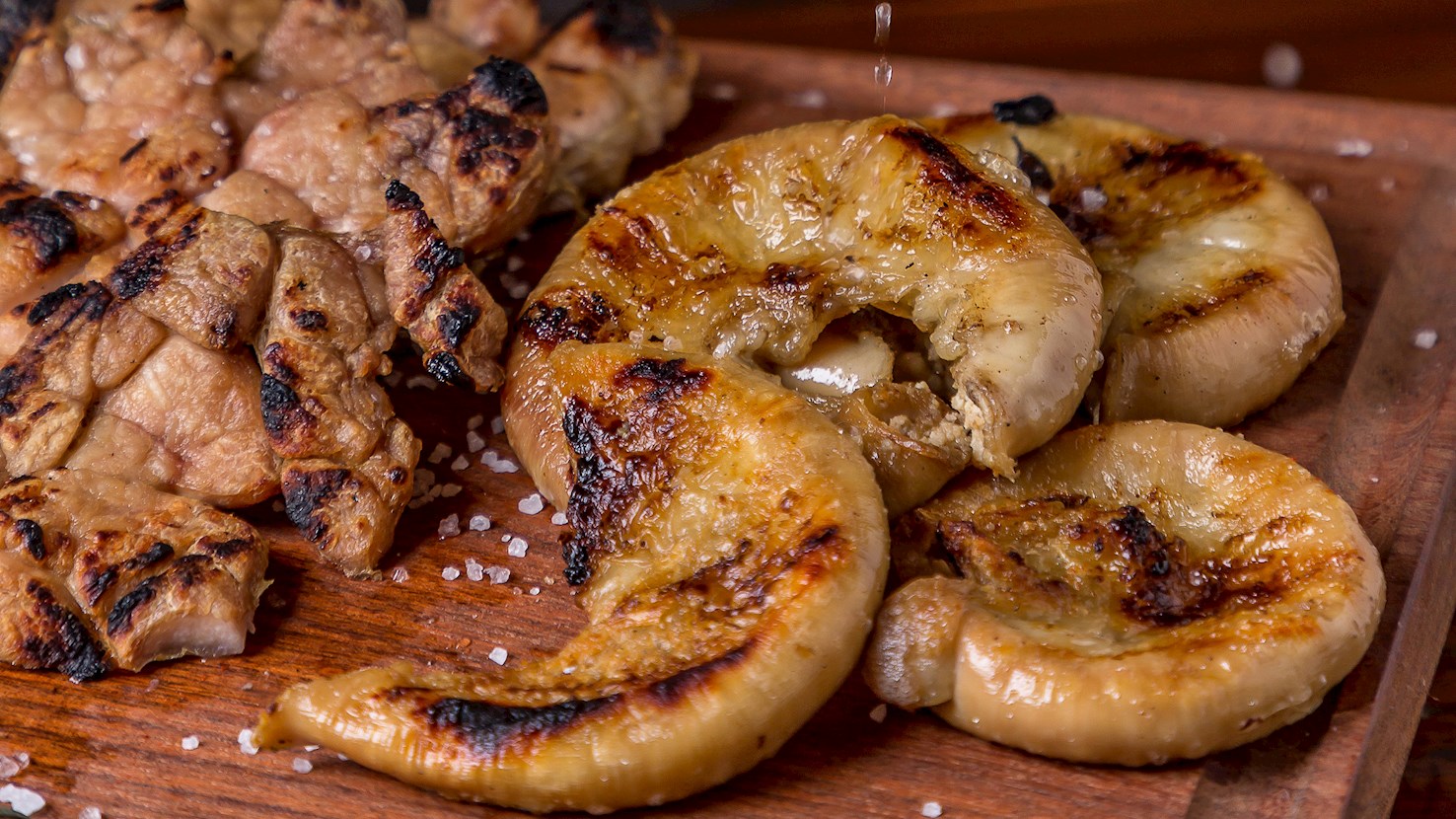
Chinchulines is a small intestine of beef cattle that is either cut in pieces, braided (trenzado), or filled with stuffing, usually a garlic and parsley one, then grilled. For good results, the important thing is to prep the intestine, meaning clean it well and boil it in water or milk to tenderize it, or it might end up gummy and bad tasting when grilled. Chinchulines are grilled over high heat, which results in a burnt, crunchy outside that will burst upon biting into it. Although typically made with beef’s small intestine, it can also be made with lamb. Chinchulines are an appetizer served with just salt and lemon. Also, chinchulines are somewhat controversial, as although some people love them, lots of people detest them.
Panelada is a traditional dish, particularly popular in the northeastern and northern regions of the country, particulary the state of Ceará. It is a hearty stew made from cow or ox stomach, similar to tripe dishes found in other cuisines. The dish typically includes various parts of the cow's digestive system, such as the stomach and intestines, which are cleaned, boiled, and cooked with a variety of spices and seasonings. The preparation of panelada often involves simmering the tripe in a flavorful broth made with ingredients like garlic, onions, peppers, tomatoes, cilantro, and sometimes annatto (to give it a rich color). The dish is slow-cooked to tenderize the tripe and allow the flavors to develop fully. In some versions, panelada is also cooked with cassava (yucca) or potatoes to add more substance to the stew. Panelada is commonly served with rice, farofa (toasted cassava flour), and occasionally with a squeeze of lime for added brightness.
Serobe is a popular dish from Botswana consisting of cow, sheep, or goat lungs and intestines which are cooked until tender. If sheep or goat is the selected animal, the dish is cooked together with the trotters, which are chopped into smaller pieces and cooked twice until fit for consumption.
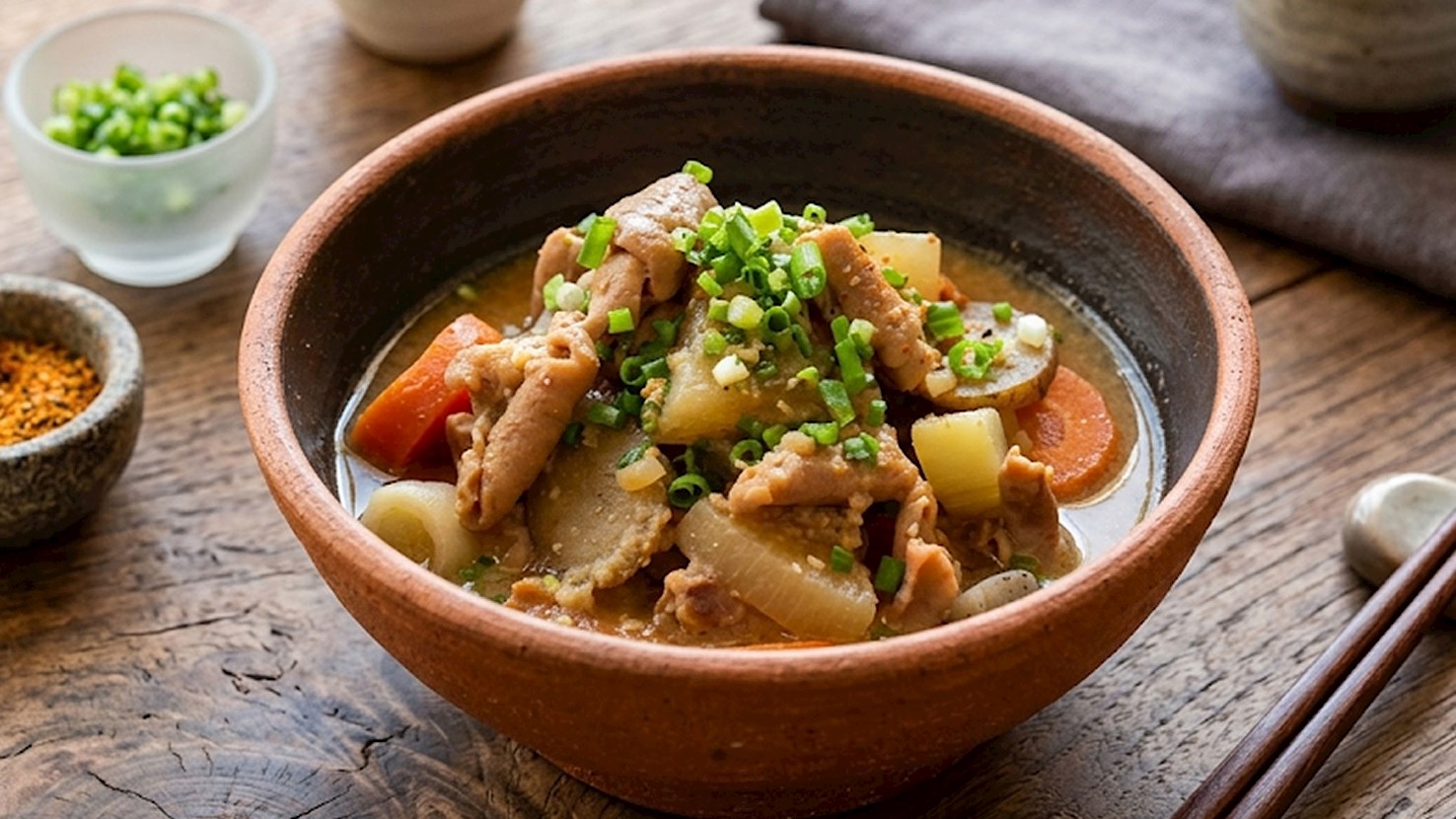
Motsu nikomi is a traditional Japanese comfort stew centered around the slow, meticulous simmering of offal, most commonly utilizing beef or pork intestines. To achieve its signature clean and savory flavor profile, the meats are rigorously washed and parboiled to remove any pungent odors before being introduced to a rich broth typically anchored by miso paste or soy sauce. The stew is heavily seasoned with aromatics like ginger, garlic, and scallions, alongside a hearty assortment of root vegetables, including daikon radish, carrots, and burdock root. Blocks of firm konjac (yam cake) are also torn into the mixture, providing a chewy textural contrast to the tender, melt-in-the-mouth tripe. Originating as a practical, zero-waste meal in the mid-twentieth century, this deeply concentrated, umami-packed dish has evolved into a beloved cornerstone of izakaya (Japanese pub) culture. Served piping hot in rustic bowls and traditionally dusted with shichimi togarashi (seven-spice chili powder), its fatty, restorative nature makes it the ultimate accompaniment to crisp, chilled beverages after a long workday.
Caldo avá is a traditional Paraguayan soup made with a variety of beef offal, simmered for hours to create a deeply flavorful and nourishing broth. It features cuts like spleen (librillo), tripe, intestines (chinchulín), and tripe fat, slowly cooked with herbs and vegetables until tender. The name caldo avá merges the Spanish word "caldo," meaning broth or soup, with the Guaraní term "avá," which translates to "man" or "indigenous person." This fusion reflects the dish's deep roots in Indigenous Guaraní culinary traditions, symbolizing a nourishing meal historically associated with the native people of Paraguay. Traditionally served hot, caldo avá is especially popular in winter due to its hearty nature. It's commonly accompanied by mandioca (cassava), a starchy root vegetable integral to Paraguayan cuisine, which complements the soup's robust flavors and adds to its filling quality.
TasteAtlas food rankings are based on the ratings of the TasteAtlas audience, with a series of mechanisms that recognize real users and that ignore bot,
nationalist or local patriotic ratings, and give additional value to the ratings of users that the system recognizes as knowledgeable.
For the “6 Best Rated Dishes with Beef Intestine” list until November 17, 2026, 1,058,865 ratings were recorded, of which 705,319 were recognized by the system as legitimate.
TasteAtlas Rankings should not be seen as the final global conclusion about food. Their purpose is to promote excellent local foods,
instill pride in traditional dishes, and arouse curiosity about dishes you haven’t tried.










What People Say