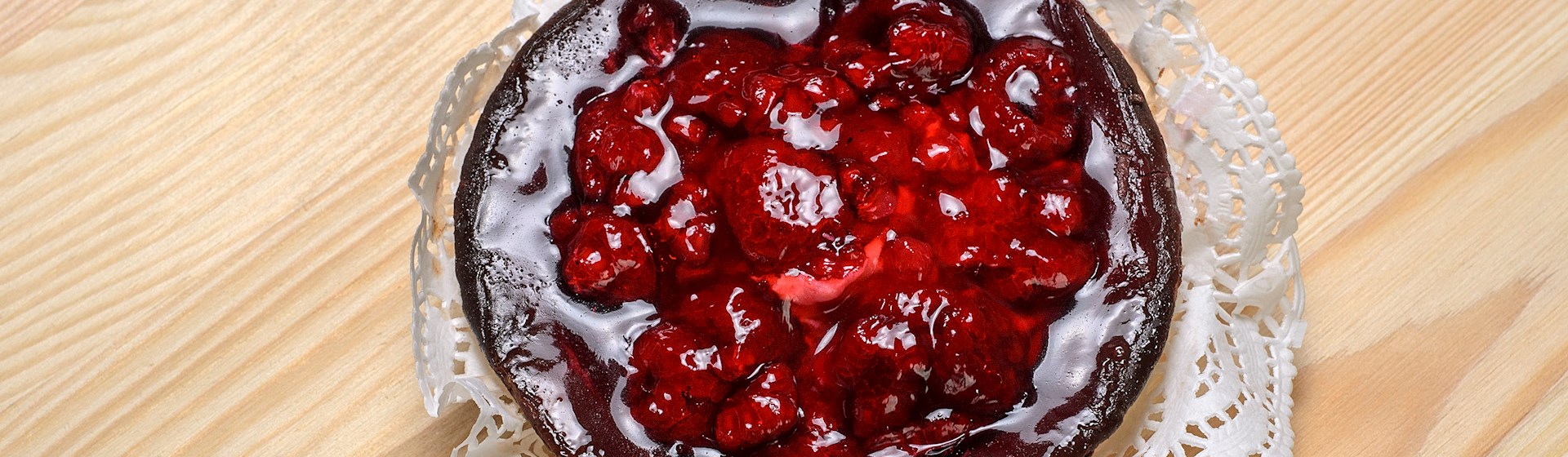
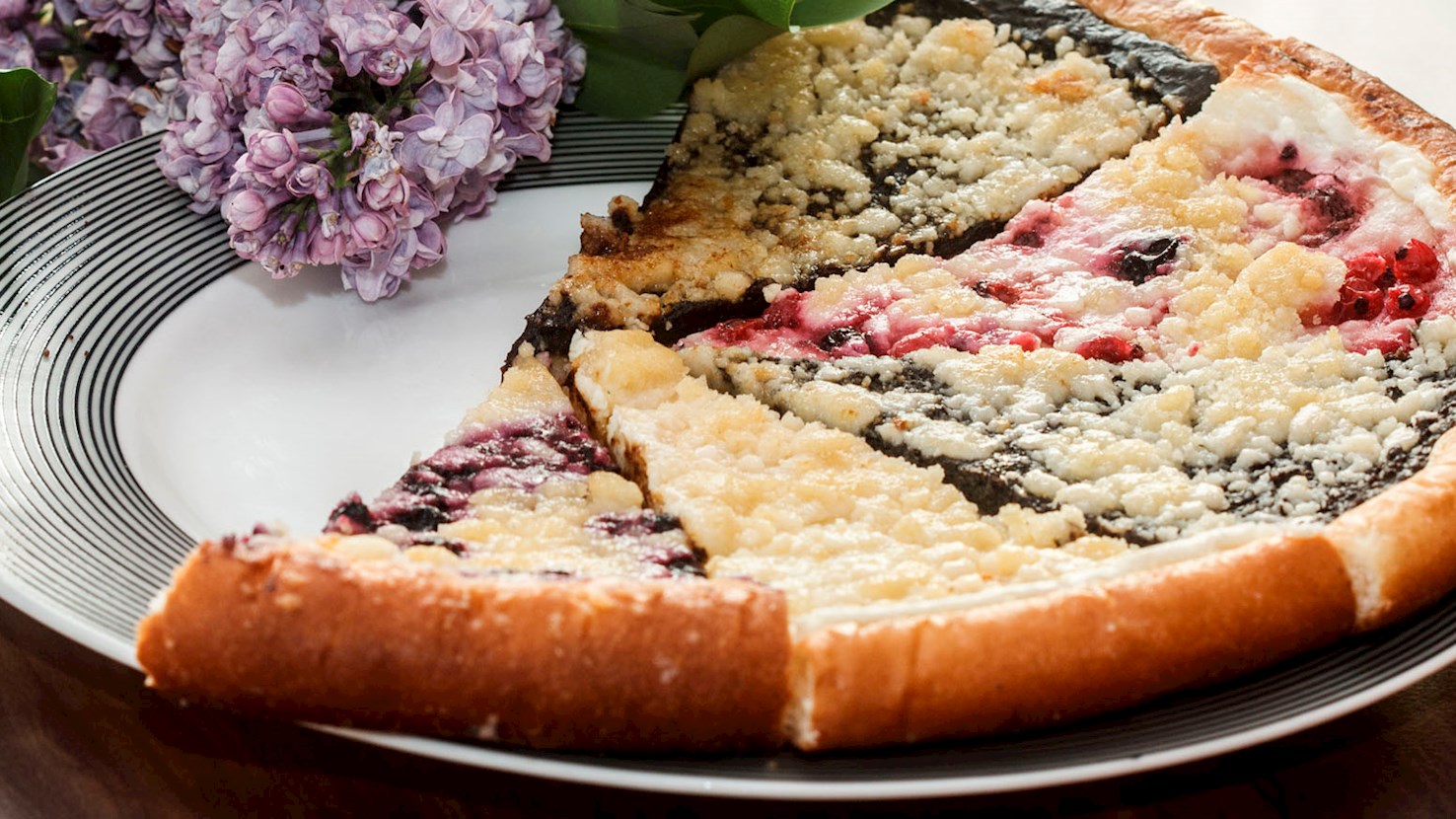
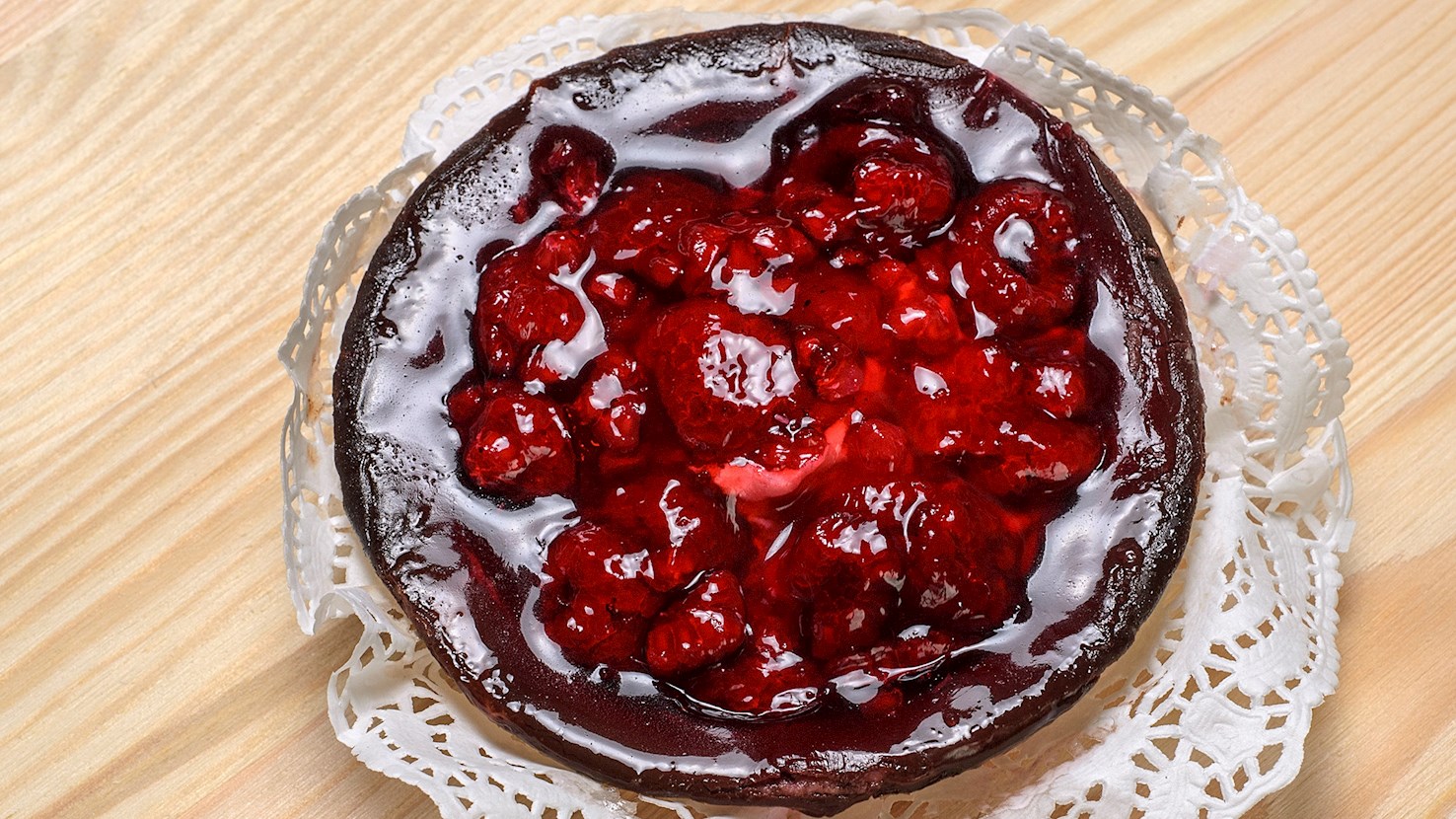
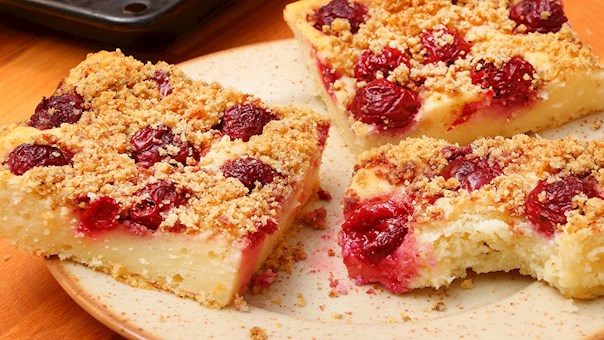
Also known as vdolek, pecák or lopaták, Valašský frgál is a traditionally made, round-shaped sweet cake with toppings, produced in the Moravian Wallachia region in the south-eastern part of the Czech Republic. The cake has a diameter of about 30 centimetres and is golden in color when fully baked. On the surface, there is a crumble that can be additionally sprinkled with sugar, cinnamon, and gingerbread crumbs, or drizzled with butter. Nearly half of the finished product (42-48%) consists of the topping, which can be made from dried pears (the most popular variety), jam, fruits, curd cheese, poppy seeds, walnuts, cabbage, kohlrabi, or carrots. The toppings are never combined. Once the cake is finished, it weighs from 600 to 700 grammes in total and can be sold either fresh or frozen. The recipe for this delicacy dates back to 1826 and is associated with festive occasions such as weddings, Christmas, and Easter.
Varenye is a traditional dessert consisting of various fruits and berries cooked together with sugar. The ingredients should not lose their shape, dissolve, or overcook in order for varenye to be properly prepared. Originally, varenye was cooked with honey before 1801 because Russia didn't produce its own sugar, and imported sugar was too expensive. Today, varenye is traditionally served at Russian tea parties, and the most popular varieties are prepared with strawberries, apricots, blueberries, and cherries. There are also some exotic varieties made with dandelion, tangerine, and rose petals. It can be consumed on its own, used as a topping for pancakes, or as a filling for various cookies and pies. Varenye is so popular that it was even one of the favorite desserts of some Russian tsars, Catherine II, and Ivan the Terrible.
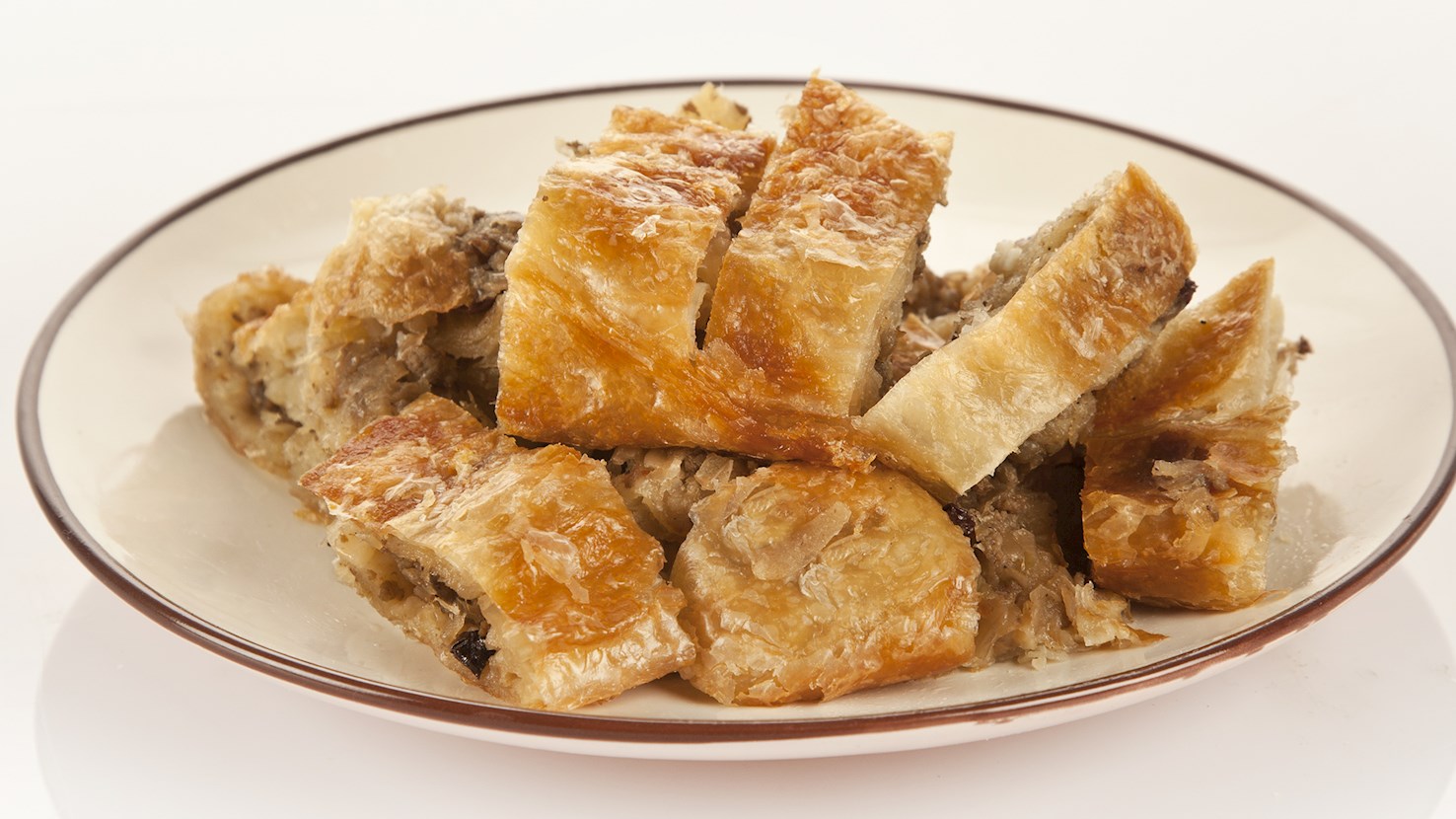
Kol böreği is a Turkish börek variety made with puff pastry that is shaped into a spiral. The pastry is filled with a variety of ingredients such as cheese, spinach, potatoes, or ground meat with pine nuts and currants. The name of the dish means arm börek, referring to the long, arm-like visual appearance of the pastry. After it has been baked at low temperature, kol böreği is typically cut into smaller pieces.
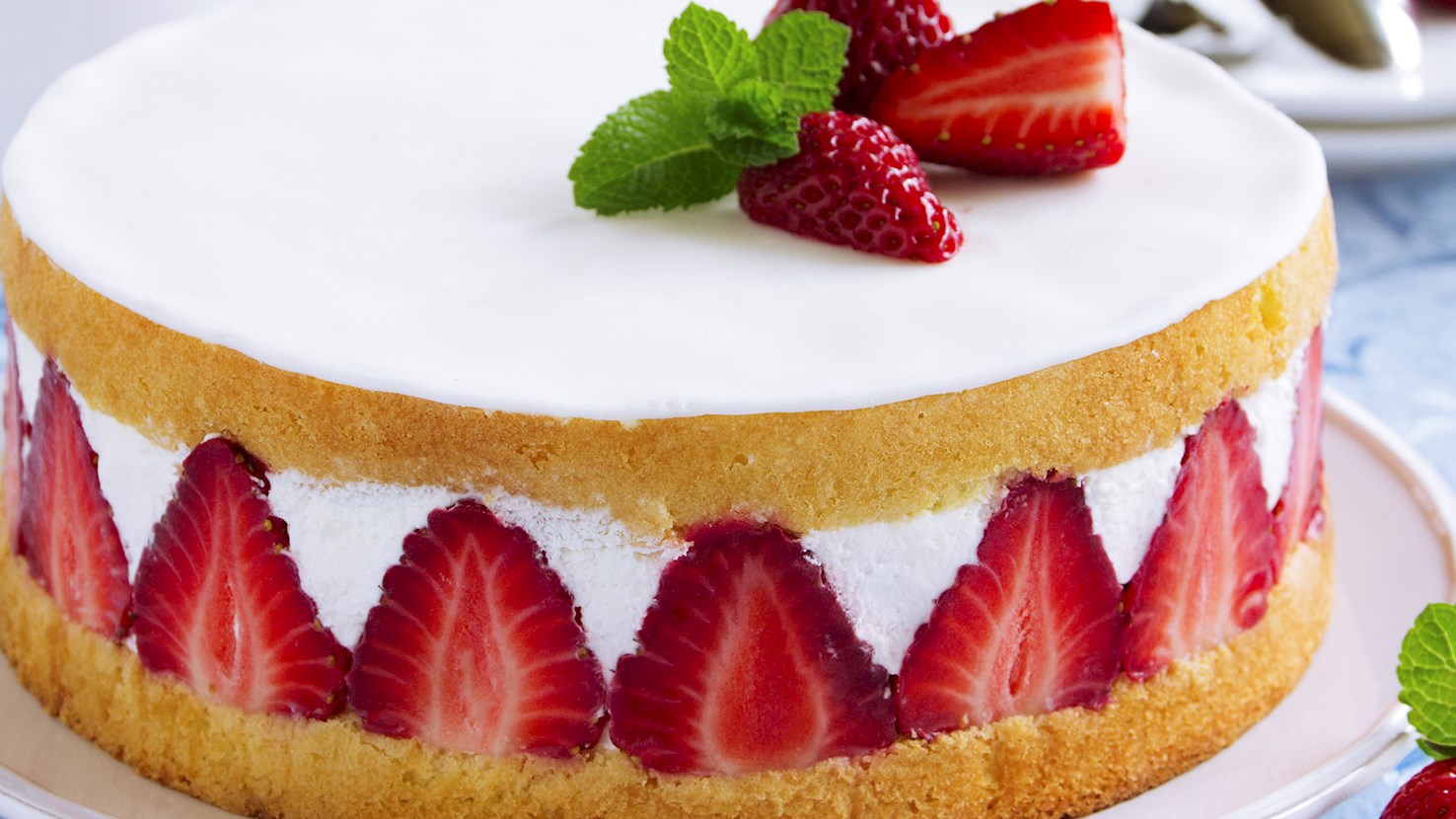
Fraisier is a highly structured, visually striking French dessert composed of two layers of kirsch-soaked génoise sponge, a rich vanilla crème mousseline, and a meticulously arranged border of fresh, halved strawberries, all sealed beneath a smooth layer of tinted almond paste, originating in France. Culinary precursors to the dessert emerged at the end of the 19th century when Auguste Escoffier codified a fresh strawberry cake in his seminal text Le Guide Culinaire. The recipe was subsequently advanced in the early 20th century by Pierre Lacam, who incorporated a sponge base and a distinct touch of kirsch liqueur. The definitive modern architectural construction was formally established in 1966 by the renowned Parisian pastry chef Gaston Lenôtre, who initially named his creation the Bagatelle in homage to the Bagatelle Gardens, explicitly replacing heavy traditional buttercream with a lighter, aerated mousseline to better showcase the delicate fresh fruit. The recipe begins by baking a light, airy vanilla génoise sponge cake, then slicing it horizontally into two even discs. A metal pastry ring is lined with a clear acetate collar to support the delicate internal components and ensure pristine visual edges upon unmolding. The bottom sponge layer is positioned inside the base of the ring and heavily saturated with a sweet, simple syrup infused with clear cherry liqueur. Fresh, uniformly sized strawberries are washed, hulled, cut exactly in half, and arrayed tightly against the interior wall of the collar, with the flat sides facing outward to create a graphic perimeter. A thick crème mousseline, formulated by vigorously whipping traditional vanilla pastry cream with softened butter until completely aerated, is piped meticulously between the standing berries and across the soaked foundation. The central cavity is filled entirely with additional chopped strawberries, which are completely enveloped by the remaining volume of the rich butter-based cream. Pressing the second sponge disc gently over the filling eliminates internal air pockets before the exposed cake surface is brushed generously with the remaining kirsch syrup. The entire assembly is refrigerated for several hours to thoroughly set the butterfat and stabilize the vertical structure. A thin, smooth disc of sweet almond paste, traditionally colored pale green or soft pink, is rolled out and pressed over the top surface to seal the dessert. Peeling away the metal ring and acetate band directly before serving exposes the striking cross-section of embedded red fruit. The chilled cake is sliced cleanly into sharp wedges and consumed in large quantities throughout the spring and summer harvest months. The intricate confection serves as a mandatory centerpiece for Mother's Day celebrations, warm-weather garden parties, and formal afternoon tea services.
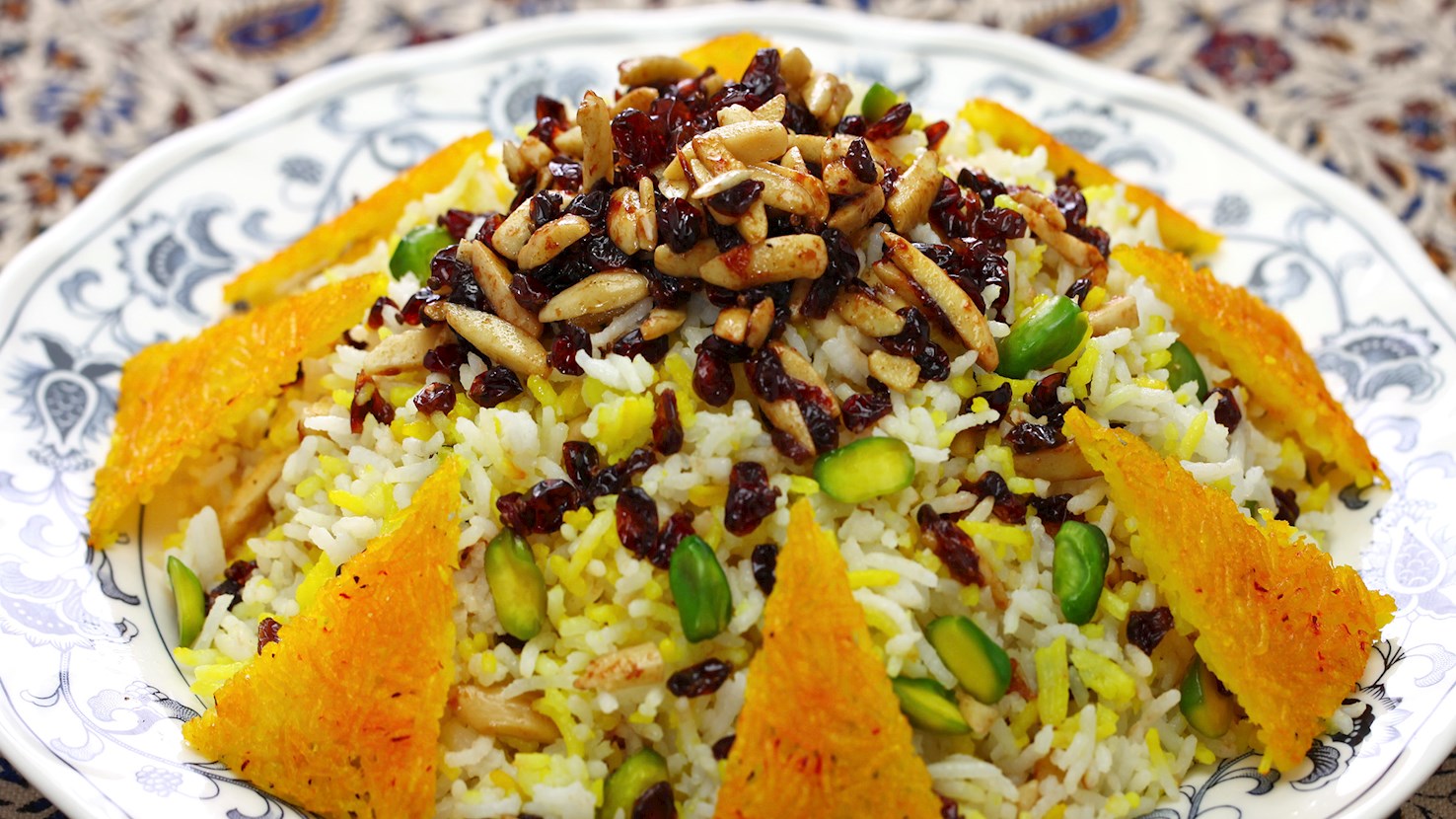
Zereshk polow is an Iranian rice dish that features tart red barberries layered with saffron-infused rice and often served with pieces of braised or roasted chicken. The name translates directly as “barberry rice,” referring to the dried zereshk berries that give the dish its signature bright acidity and vibrant red accents. It is a familiar presence on Iranian tables, commonly prepared for family gatherings, festive meals, and restaurant menus alike. The combination of delicately steamed rice and the sharp tang of barberries creates a contrast that distinguishes it from other Persian pilaf-style dishes. Preparation begins with rinsing and soaking long-grain rice, typically high-quality basmati, to remove excess starch and allow the grains to expand. The rice is boiled briefly in salted water, drained, and returned to the pot in layers to steam with a little oil or butter. During this time, barberries are gently sautéed in butter or oil, sometimes with a pinch of sugar to soften their tartness without masking their natural flavor. Saffron is dissolved in hot water and drizzled over a portion of the rice, giving it a distinctive aroma and yellow color. The chicken component varies between regions and households. Some recipes call for bone-in pieces simmered slowly in onion and spices, while others prepare the chicken separately, roasting or frying it before placing it alongside the finished rice. When the rice is ready, it is arranged in a large serving dish, topped with the glossy, bright barberries and saffron-colored grains. The chicken is served either beside the rice or layered over it. The final presentation highlights the contrast between the white rice, yellow saffron, and red berries. Zereshk polow pairs well with accompaniments such as fresh herbs, yogurt, pickles, or salad, which balance the richness of the dish. It is especially popular for celebratory lunches and dinners, where it is appreciated both for its flavor and for the appealing visual impact. Though the dish is commonly associated with home cooking, it has become a staple of Iranian restaurants across the world, where it is often introduced to diners unfamiliar with barberries.
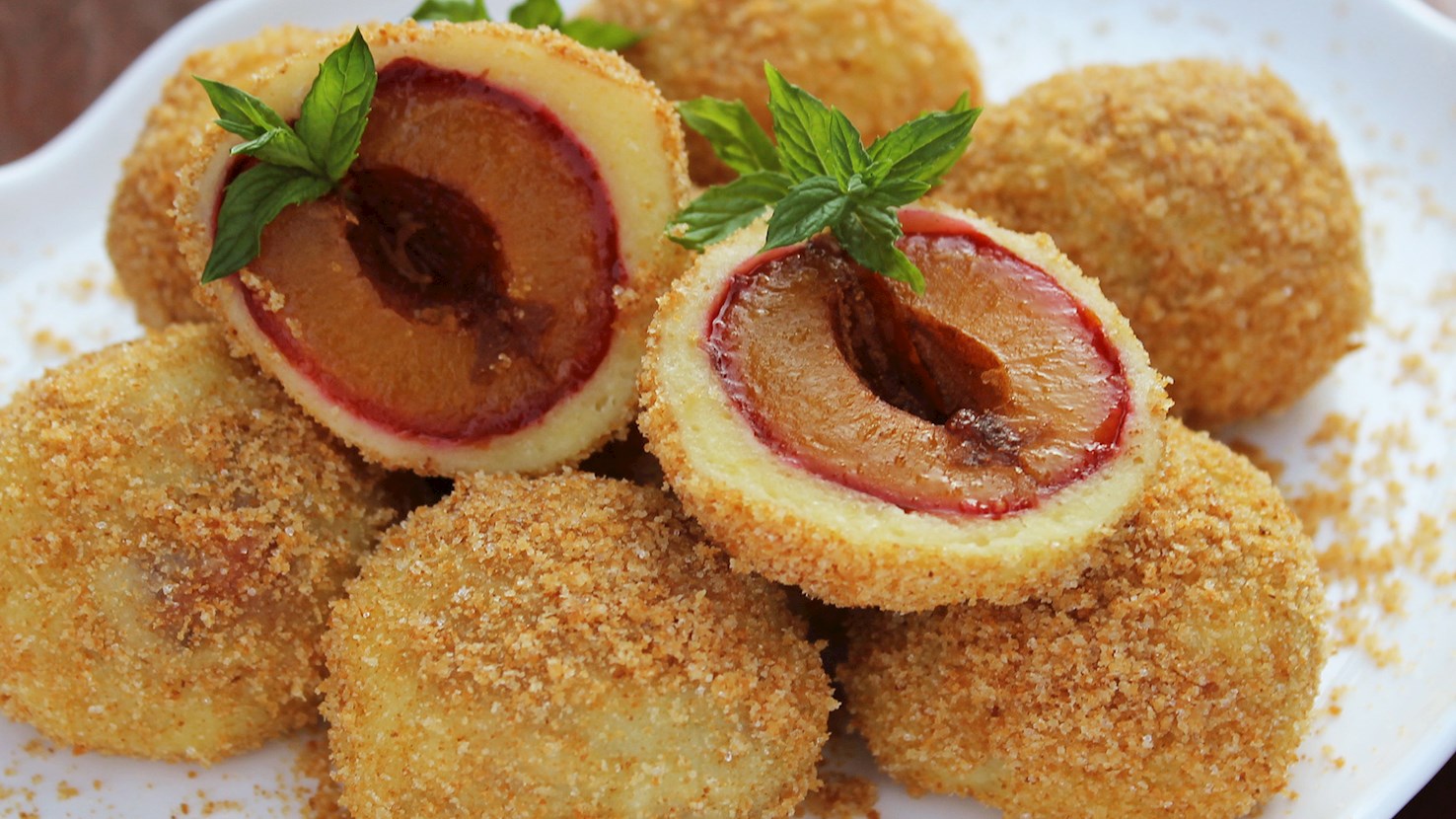
These sweet, fruit-filled Czech dumplings appear in numerous varieties throughout the country. They are made with either leavened or potato dough, or the combination of wheat flour and fresh quark cheese. The fillings, which are completely enclosed in the dumplings, might include various fruits, but the most common options are lightly sweetened apricots, strawberries, blueberries, or plums. Knedlíky are shortly cooked in boiling water and usually served hot, doused in melted butter, and sprinkled with sugar and crumbled quark cheese. Although they are traditionally enjoyed as a dessert, ovocné knedlíky also make an excellent sweet snack.
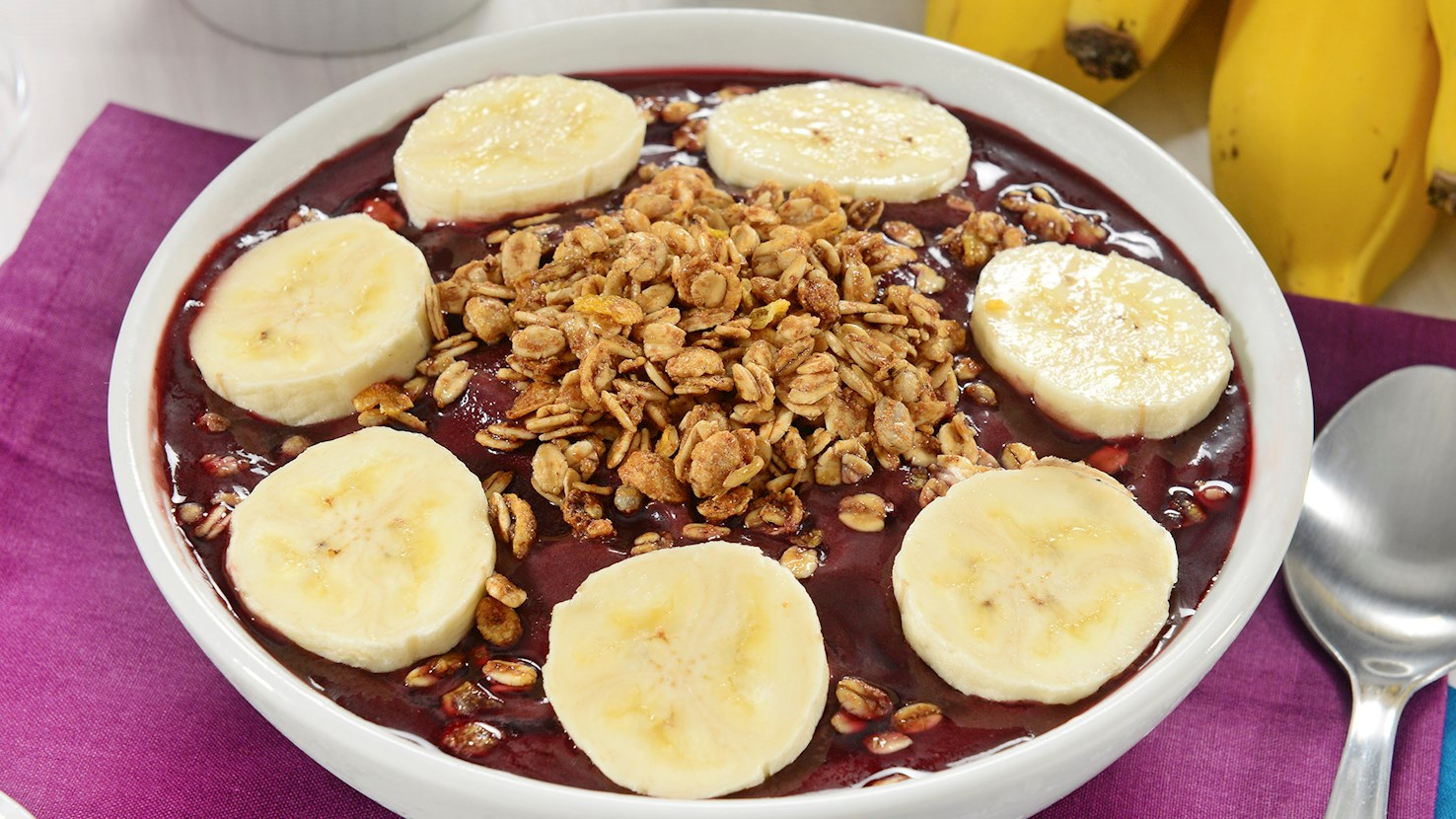
Açaí na tigela is a versatile Brazilian dessert made with mashed açaí berries, usually served in a bowl, topped with banana and granola, and combined with other fruits and guaraná syrup. The açaí palm thrives throughout the Amazonian basin, and its berries are characterized by an earthy flavor and dense texture. The dessert can be found throughout Brazil, especially along the northeastern coast, where it's sold in most kiosks and juice bars. Açaí bowl was first popularized during the 1980s by a Brazilian Jujitsu founder named Carlos Gracie. As time went by, Brazilian surfers took part in the trend in the 1990s, and by the 2000s, the refreshing, flavorful, and healthy açaí bowl spread in popularity outside of Brazil, most notably in Hawaii and Southern California, becoming a staple of the surfers' diet.
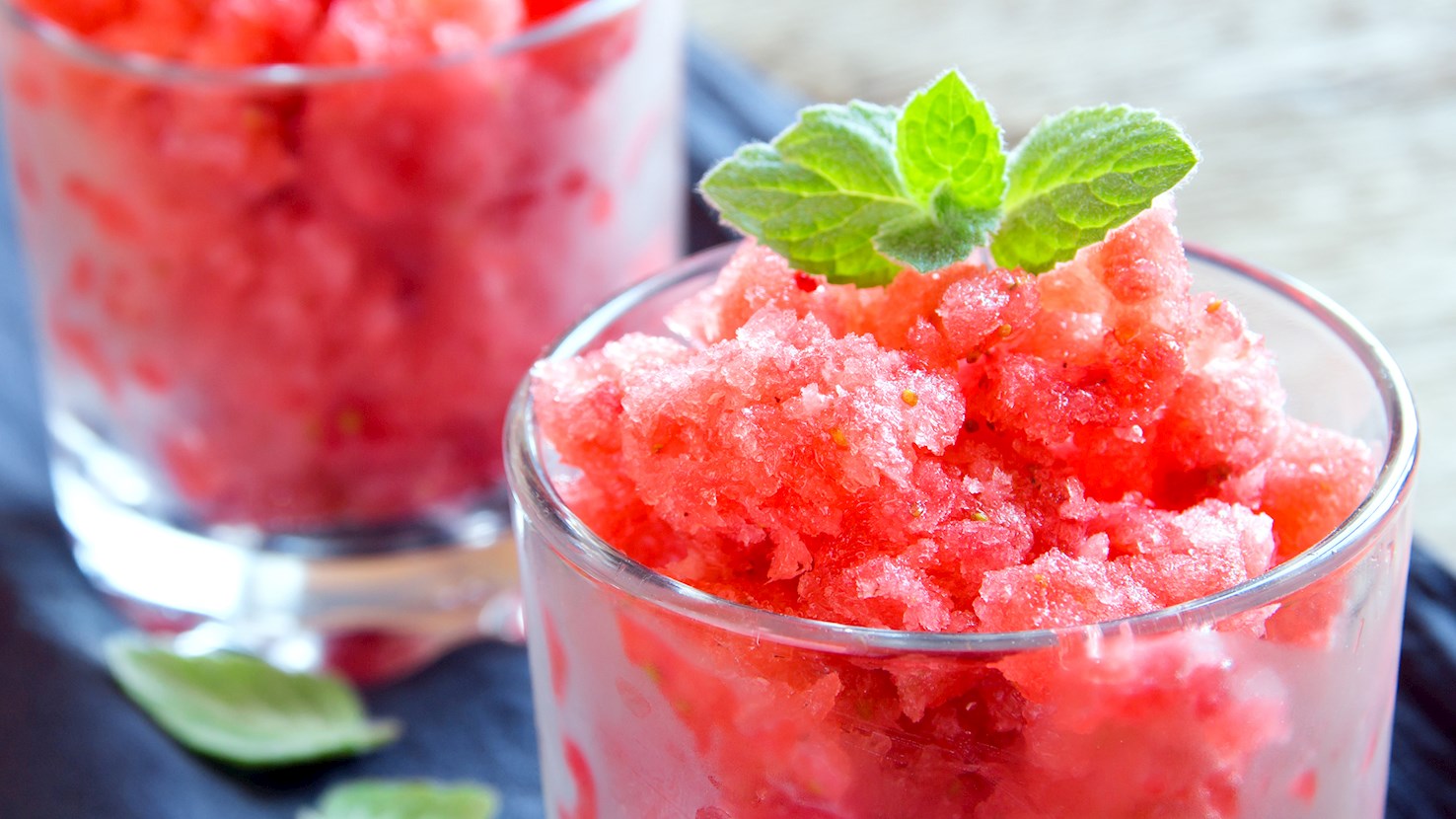
This classic Sicilian semi-frozen dessert is just the thing to cool you down during the dog days of summer. It is served all across the island, and traditionally enjoyed for breakfast alongside an espresso and brioche. Granita is made with water, sugar, and fruit juice or various other flavorings. It is sometimes confused with sorbetto, though granita has a much grainier texture, hence the name, while its origins can be traced back to the sweet Arabic chilled drink sharbāt which was introduced to Sicily during Arab rule. However, traditional granita is not simply chilled but almost frozen - in fact, it was once called rattata (lit. grated) and made using snow and ice from Etna that was collected during winter, then stored in mountain caves. Until the early 20th century and the advent of Italy's first ice cream makers, this was the only way to prepare this icy dessert. Some of the favorite modern Italian takes on this ancient recipe include sweet Sicilian lemon and zesty blood orange varieties. With other flavors such as rich espresso, almond, or even those spiked with luscious liqueurs, the possibilities for granita are seemingly endless.
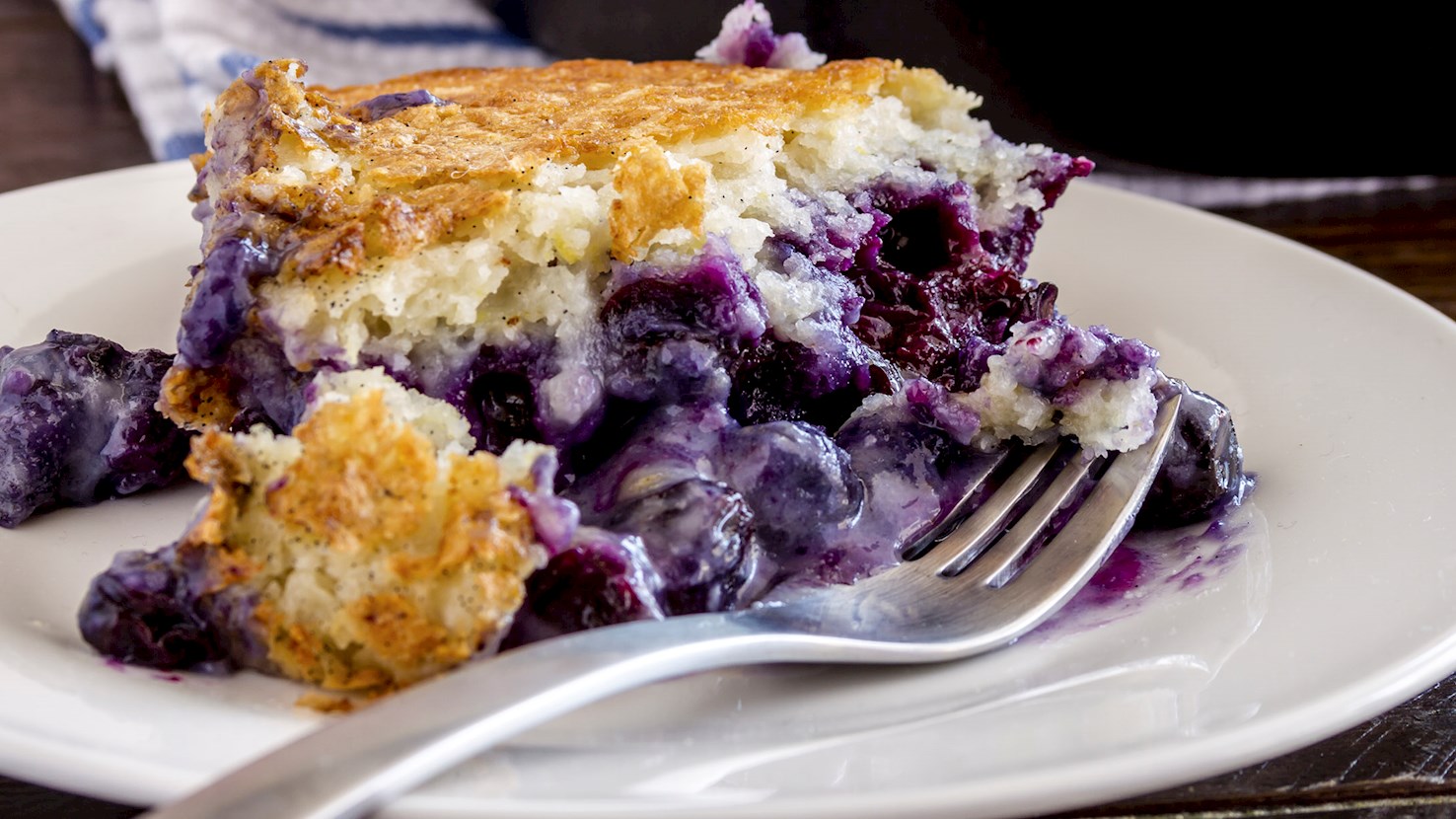
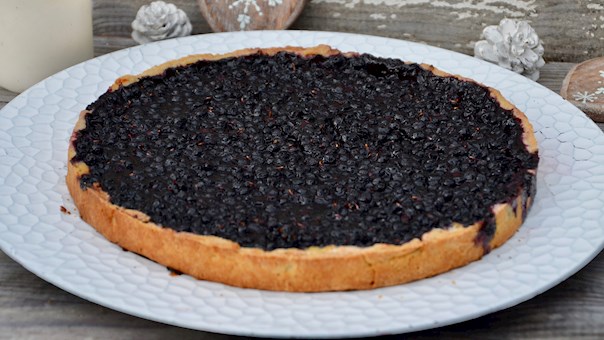
A deep-dish fruit dessert which combines fresh or frozen blueberries with a biscuit crust topping similar to golden cobblestones, the blueberry cobbler is an invention which belongs equally to Europeans, American pioneers, and Native Americans. The recipe for the pie was brought from Europe to America, where, during the 19th century, it was simplified to a cobbler – a dish which was suitable for preparation on the road. The Native Americans introduced the blueberries to the pilgrims, and the blueberry cobbler soon became a popular main dish which later evolved into a dessert. Today, it is most commonly prepared for the 4th of July celebrations, since blueberries are then at the peak of their season, and serving suggestions include a scoop of vanilla ice cream or whipped cream. July was proclaimed National Blueberry Month in the USA, while Canadians celebrate it in August.
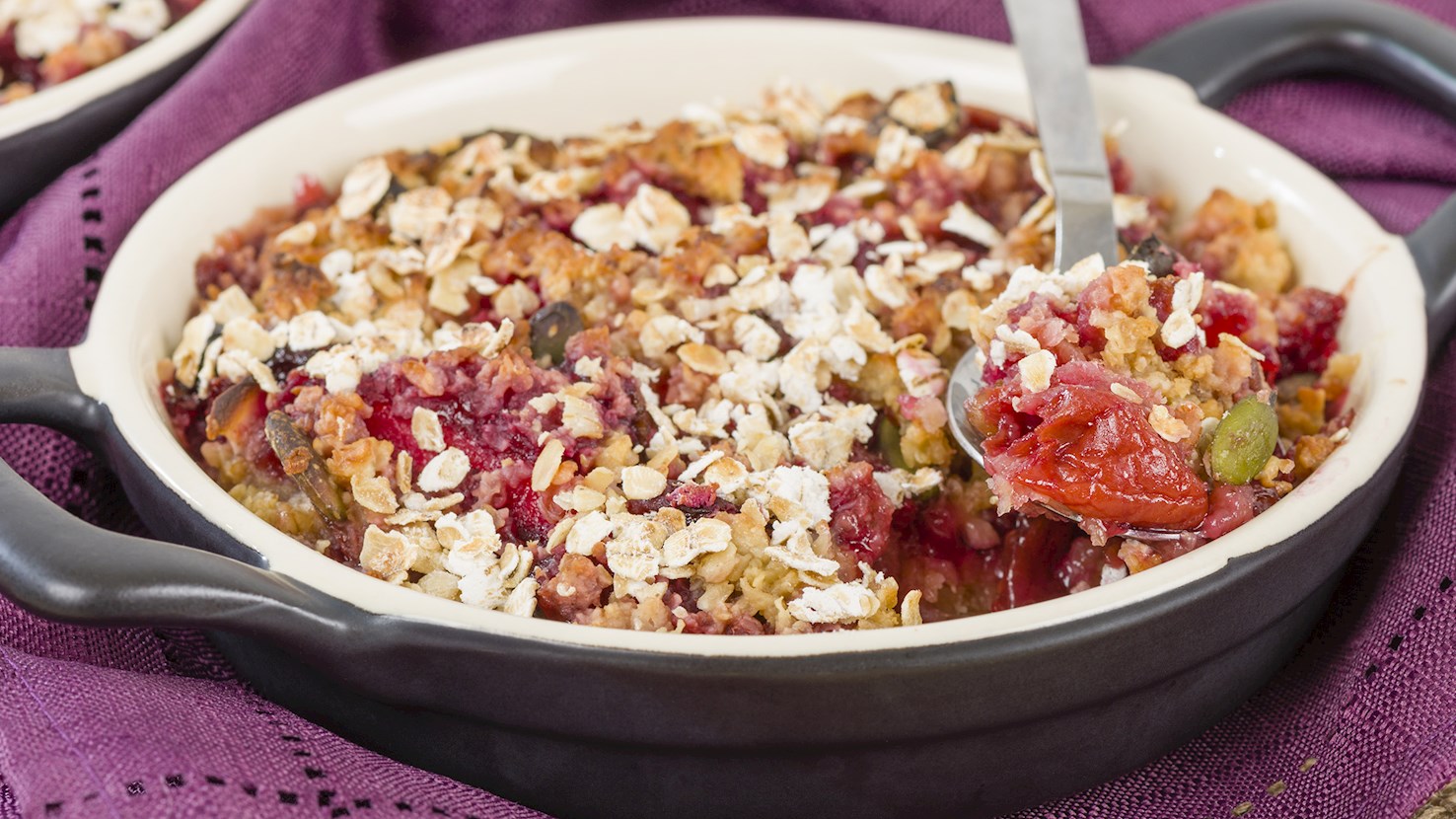
Smulpaj, from the Swedish words smula, meaning crumb, and paj, meaning pie, is a delicious Swedish crumb pie. It consists of a crumbly mixture poured evenly over diced fruits and berries (typically blueberries and raspberries). It is flavored with sugar and cinnamon, then baked until crisp. This scrumptious Swedish treat is usually topped with whipped cream, vanilla custard, or ice cream. A crisp and crunchy crumb united with an irresistibly sweet and moist filling make smulpaj a popular treat served in many cafés throughout Sweden.
TasteAtlas food rankings are based on the ratings of the TasteAtlas audience, with a series of mechanisms that recognize real users and that ignore bot,
nationalist or local patriotic ratings, and give additional value to the ratings of users that the system recognizes as knowledgeable.
For the “61 Best Rated Dishes with Berries” list until June 17, 2026, 1,000,987 ratings were recorded, of which 657,348 were recognized by the system as legitimate.
TasteAtlas Rankings should not be seen as the final global conclusion about food. Their purpose is to promote excellent local foods,
instill pride in traditional dishes, and arouse curiosity about dishes you haven’t tried.