




shutterstock

13 Best Rated
Dishes with Black-eyed Peas

Last updated on May 22, 2026
01

Baião-de-dois

4.2 ·

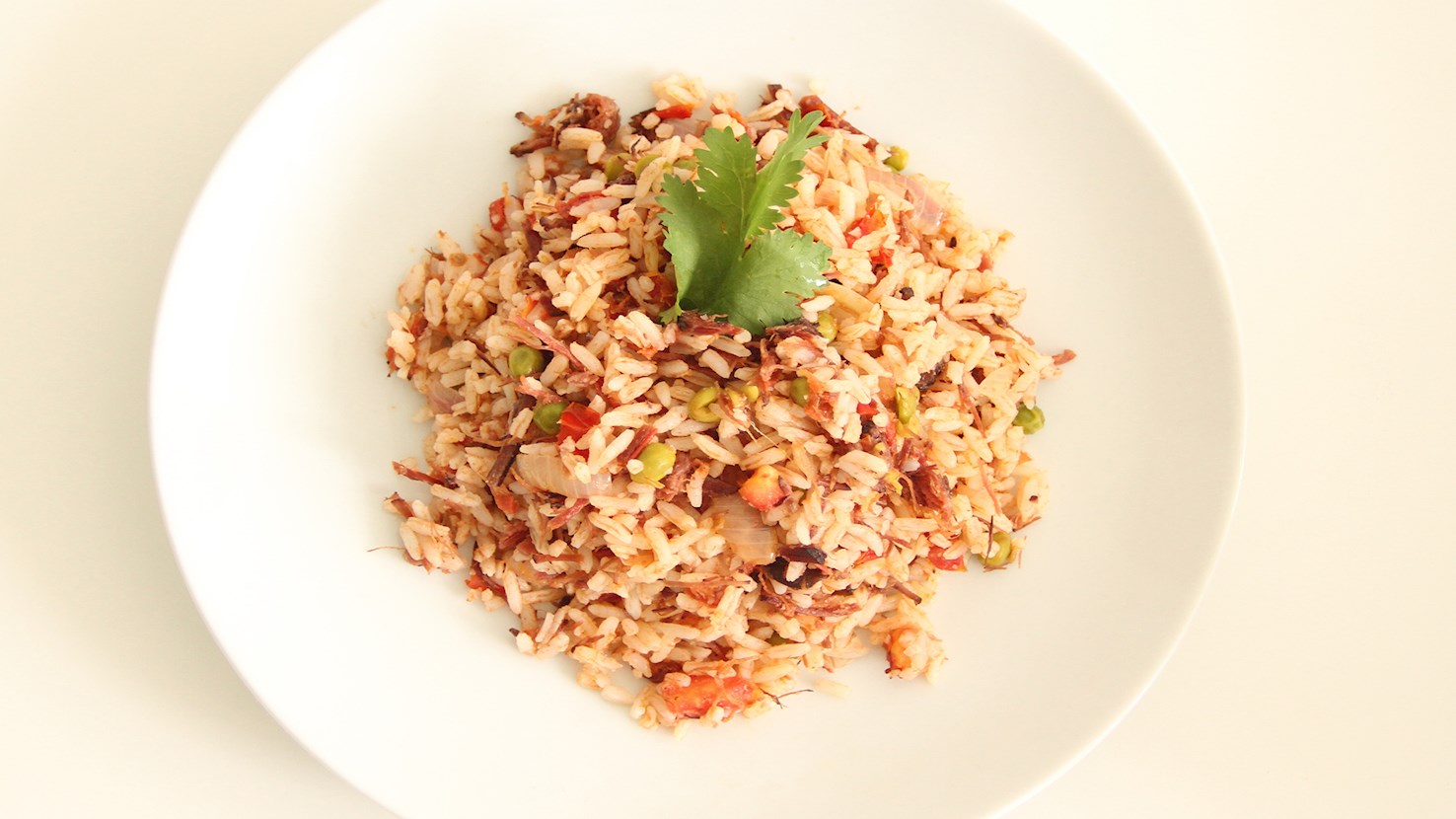
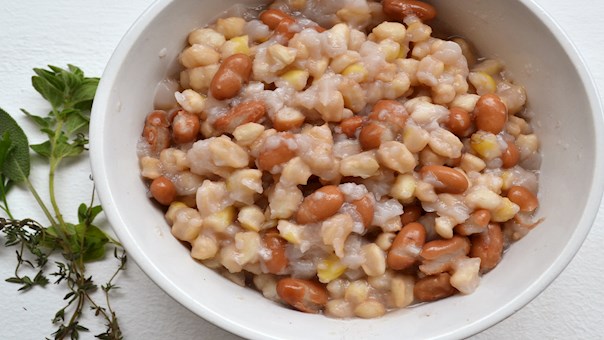
Baião is a traditional folk dance of the Brazilian Ceará region, which was popularized by two musicians, Humberto Teixeira and Luís Gonzaga, in a song called Baião-de-dois (baião for two). The name of the song attached itself to the dish of the same name, consisting of freshly picked black-eyed peas and rice cooked together, reminiscent of a couple dancing the baião. The dish has numerous varieties throughout the region, so some cooks add dried beef (carne de sol), while the others add pork or cheese to the combination. Garnishes may include freshly chopped coriander and chives. The history of the dish dates back to the time of great difficulties, when food was scarce and nothing could go to waste, so, like many other dishes, this one was also created out of necessity, combining rice, beans, and kitchen leftovers.

02

Acarajé

4.1 ·

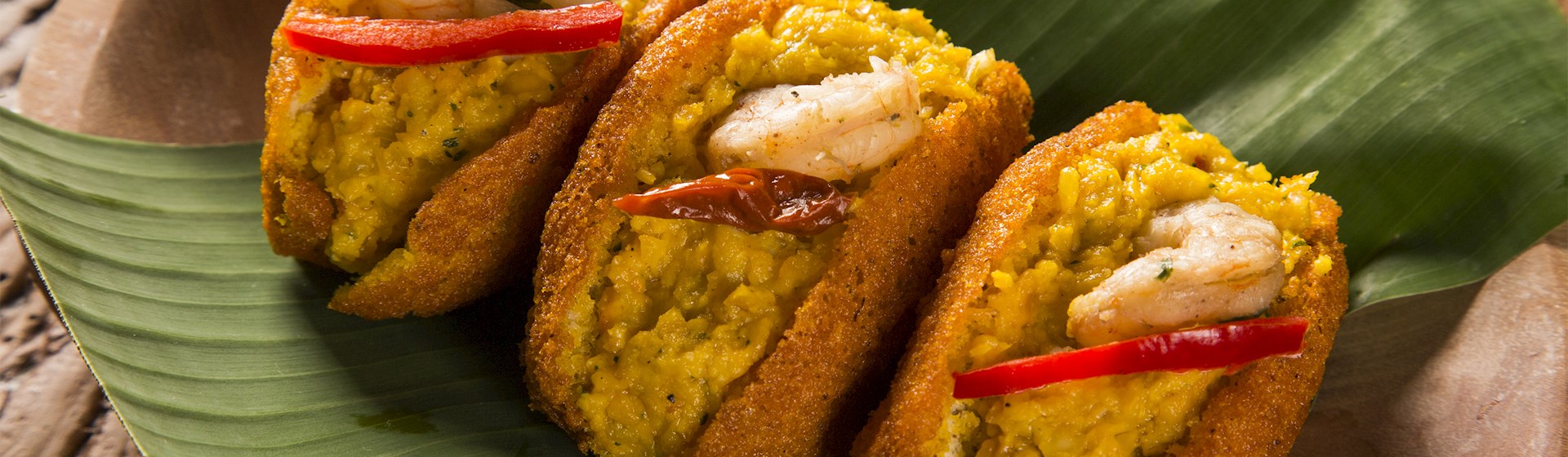
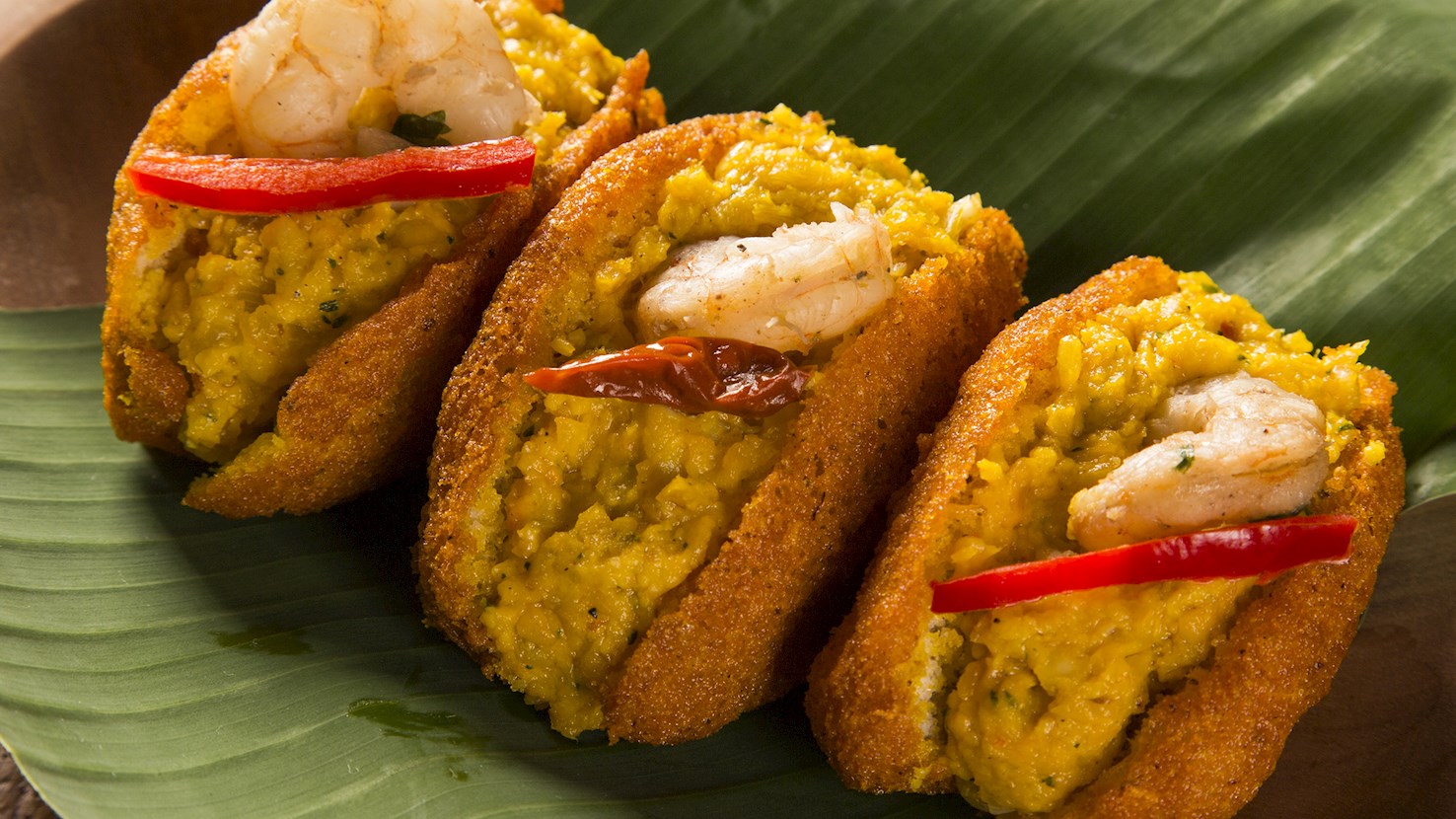
In Bahia, the northeastern state of Brazil, there is a dish that is considered to be the most popular street food around, called acarajé. It consists of black-eyed peas or cowpeas that are formed into a ball, deep-fried in dendé palm oil, split in half, then stuffed with flavorful, spicy pastes made from numerous ingredients such as cashews, palm oil, and shrimp. The most common accompaniments to the dish include a tomato salad and homemade hot pepper sauces. The recipe for the dish originated during the colonial period of the country, from the Nigerian slaves who first started selling it on the streets of Brazil. Today, acarajé represents a good example of how African influences have been shaping Brazil's cultural heritage and its culinary identity.

03

Abará

3.8 ·

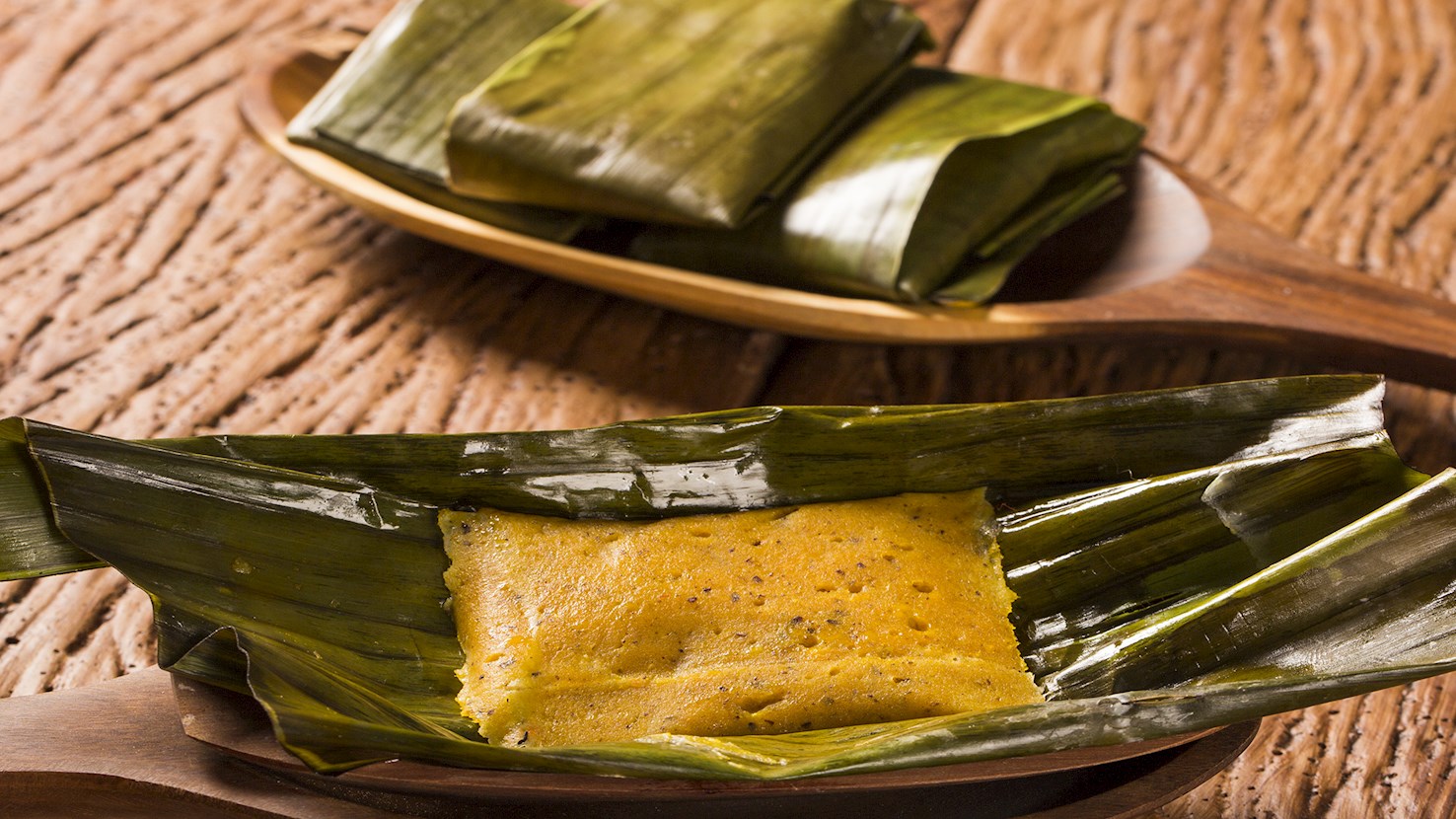
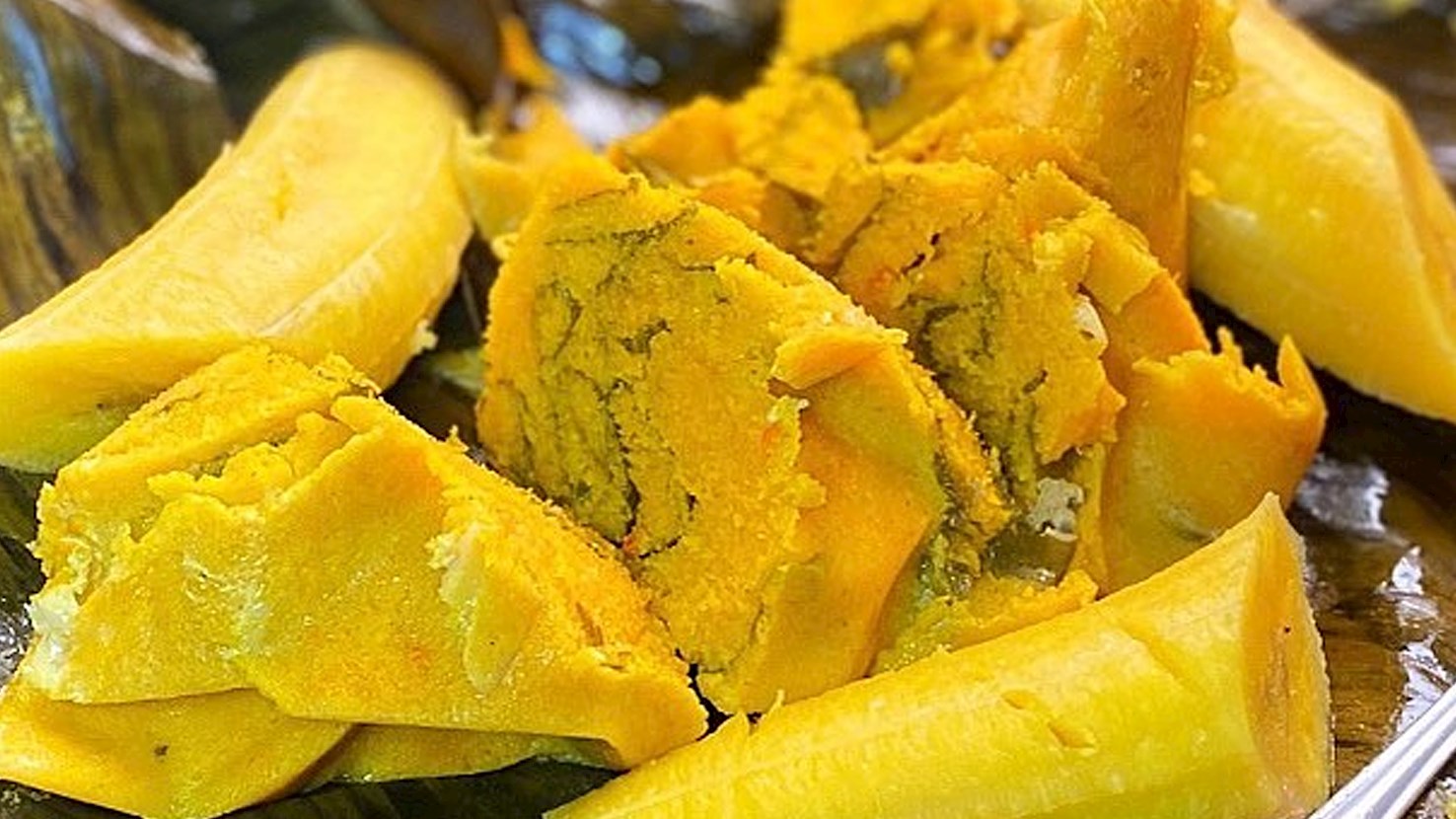
Abará is a popular Brazilian snack consisting of black-eyed peas or beans that are mashed into a paste, then steamed in a banana leaf. The dish is very similar to another Brazilian snack, acarajé, which is fried instead of being boiled or steamed. Black-eyed peas are a staple of traditional Brazilian cuisine, especially in the Bahia region, the center of Brazil's Afro-Brazilian culture. Abará is closely associated with Candomblé, an Afro-Brazilian religion where it is one of the ritual foods offered to the gods and goddesses (called the Orixás) during the ceremonial festivities. The dish is typically served at room temperature, and it is best accompanied by a freshly-made hot pepper sauce, served in most restaurants in Bahia, which is considered unusual elsewhere in the country.

04

Waakye

3.8 ·

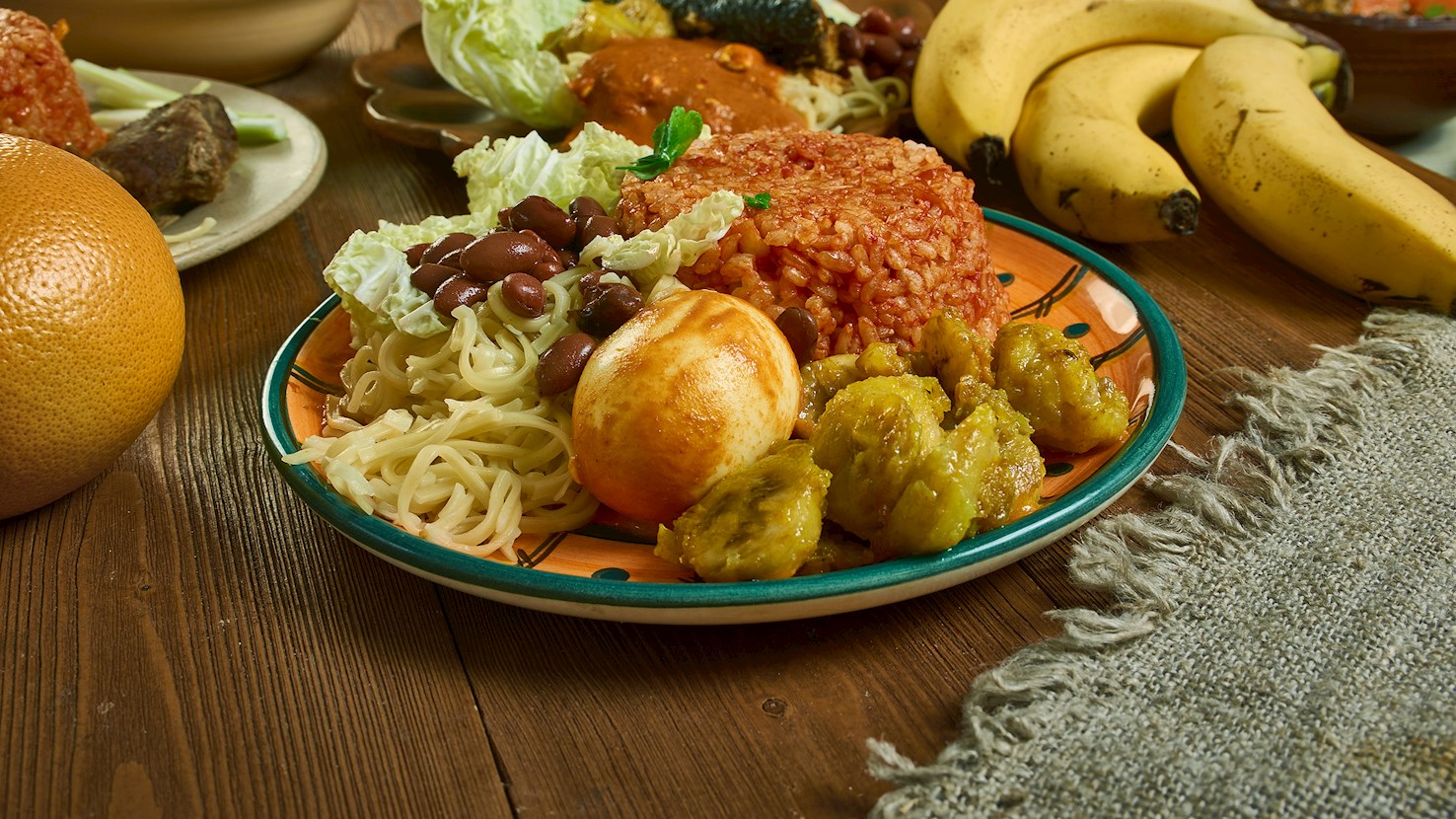
Although it originated in northern parts of Ghana, the rice-and-bean-based dish known as waakye is today consumed on a national level. Whether it's eaten for breakfast or lunch, this dish can be made as rich and as filling as one likes by adding an almost unending list of accompaniments. The most typical ones include fried plantains, the spaghetti-like talia, a black pepper sauce called shito, boiled eggs, avocados, a tomato-based soup which contains meat, and gari foto — a mashed sauce made with finely grated cassava. This versatile dish is a favorite street food and comes served on a large waakye leaf.

05

Red red

3.5 ·

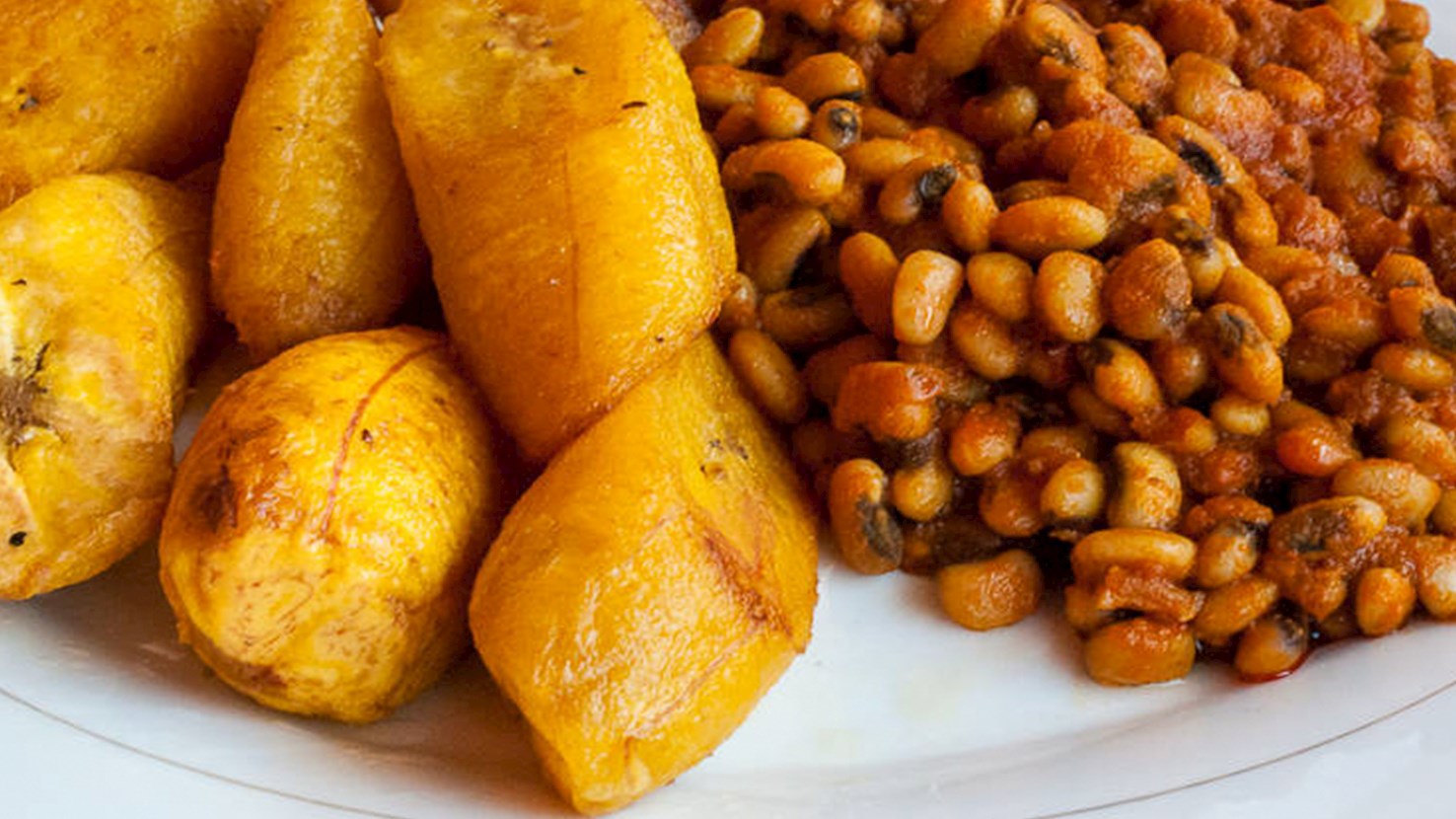
Red red is a popular Ghanaian stew consisting of beans, red palm oil, tomato paste, and flavorings such as garlic, ginger, chili, and onions. Some cooks like to add meat or fish broth into the stew, but it is completely optional. The stew is traditionally served with fried plantains on the side.

06

Texas Caviar

3.5 ·

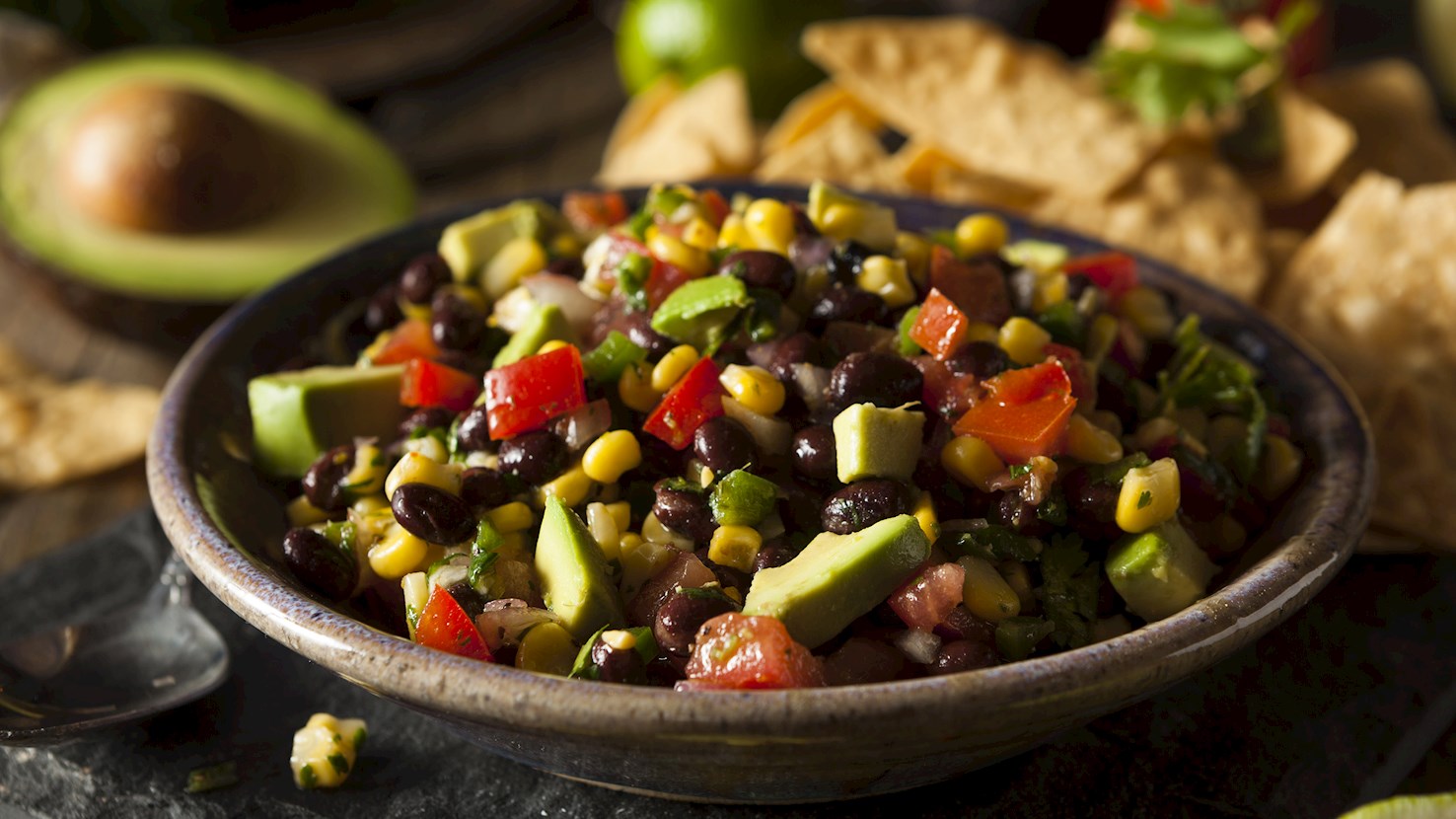
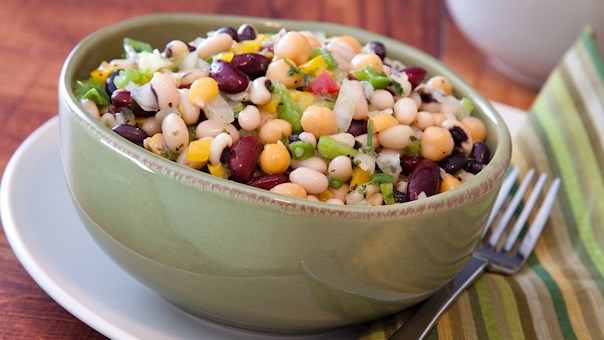
Texas caviar is a traditional salad originating from Texas. Despite the name, there is no roe in Texas caviar – the salad is usually made with a combination of black-eyed peas, garlic, scallions, bell peppers, jalapeños, celery, coriander, parsley, red wine vinegar, vegetable oil, sugar, salt, and pepper. The oil, vinegar, sugar, garlic, salt, and pepper are whisked in a bowl. The remaining ingredients are added to the bowl, and everything is tossed to combine. The salad is seasoned with salt and black pepper to taste, and it's then left to sit for about an hour before serving. Texas caviar was invented in the 1940s by Helen Corbitt. The salad is usually enjoyed as an accompaniment to tortilla chips or grilled meat and fish.

07

Bajan Black Eyed Peas and Rice

n/a ·

Black eyed peas and rice is a savory side dish from Barbados that goes well with a variety of chicken, pork, fish, or vegetable dishes. In Barbados, it is most commonly served as an accompaniment to fried fish dishes. Rice and peas is a staple of the Bajan diet, and many locals believe that a Sunday meal without rice and peas is not a complete meal. Although black eyed peas and rice can be found in almost every Bajan home on Sundays, the dish can also be consumed at numerous Bajan food vans, which are Barbados' version of food trucks.

08

Erissery

n/a ·

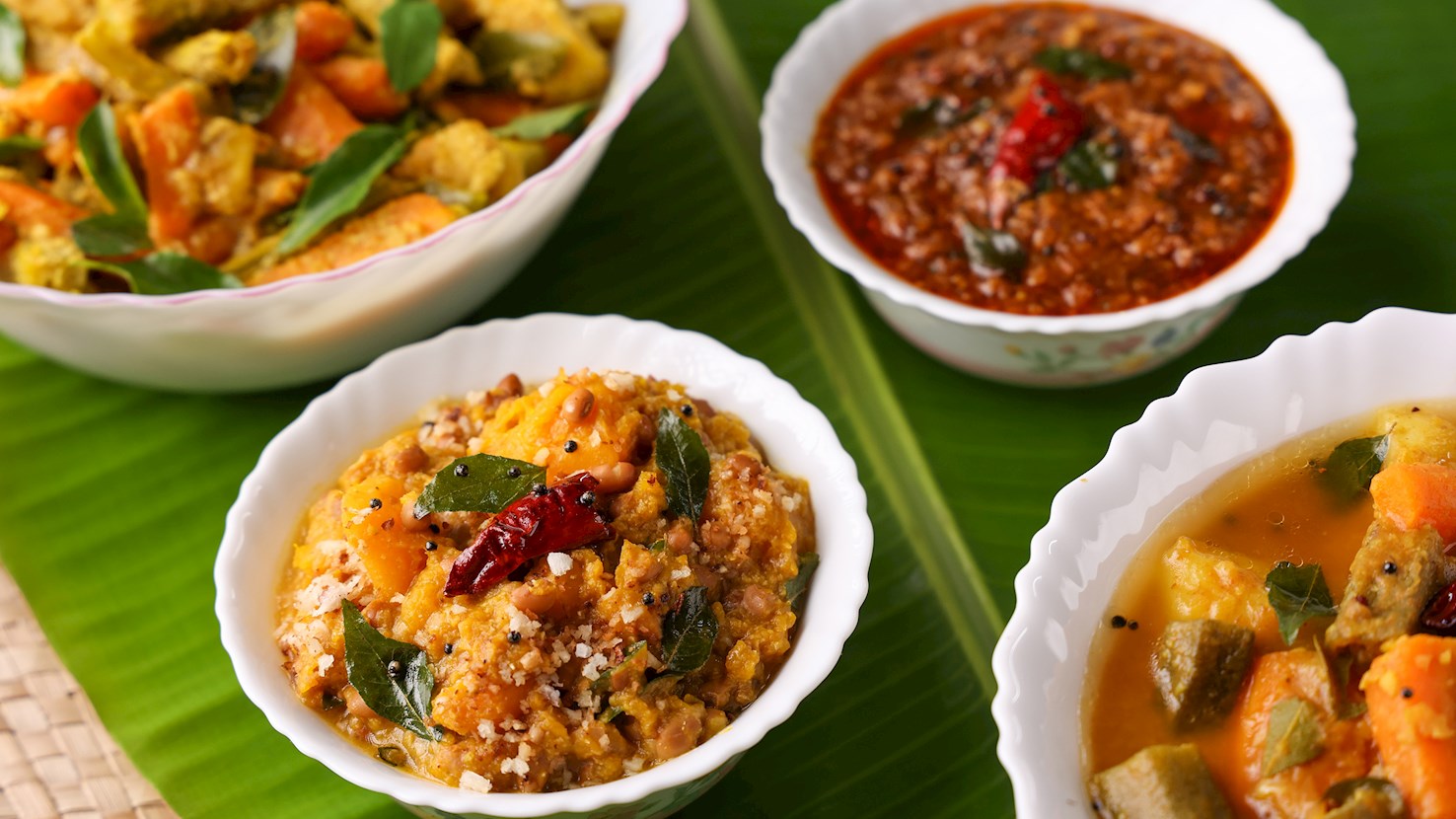
Erissery is a traditional curry originating from Kerala. It's made with a combination of vegetables, legumes, and coconut. This mild curry contains yellow pumpkin, black-eyed peas or cowpeas, onions, grated coconut, cumin seeds, green chili peppers, turmeric powder, curry leaves, mustard seeds, and dry red chili peppers. The spices are dry-roasted, then combined with the other ingredients, and the combination is simmered until the vegetables become tender. Once done, erissery is usually served hot with steamed rice. This is one of the staple dishes served in onam sadya, a banquet-style feast of Kerala origin.

09

Tutu

n/a ·

Tutu is a traditional dish in Curacao, Aruba, and Bonaire. It is prepared with cornmeal, butter, garlic, black-eyed peas, onions, nutmeg, and coconut milk. The combination of these ingredients is mixed with a lélé until the dish becomes thicker and has a stiff consistency. Once it has been prepared, tutu is usually served as a side dish accompanying various dishes and ingredients, such as codfish or cheese.

10

Ekoki

n/a ·

Although it takes a lot of time to prepare this Cameroonian delicacy, it is a staple of street food items in the country, especially the southwestern region. The savory pudding is made with koki beans (black-eyed peas) which are soaked, peeled, ground, then wrapped in banana leaves and steamed. The meal is often enriched with the addition of hot peppers and onions. Although ekokis are regularly sold at street stands, they are also popular in restaurants and bars. It is recommended to pair ekoki with boiled plantains.

11

Salatu niebe

n/a ·
12

Aloo boda tarkari

n/a ·
13

Izinkobe

n/a ·
About this ranking

TasteAtlas food rankings are based on the ratings of the TasteAtlas audience, with a series of mechanisms that recognize real users and that ignore bot, nationalist or local patriotic ratings, and give additional value to the ratings of users that the system recognizes as knowledgeable. For the “13 Best Rated Dishes with Black-eyed Peas” list until May 22, 2026, 989,160 ratings were recorded, of which 646,968 were recognized by the system as legitimate. TasteAtlas Rankings should not be seen as the final global conclusion about food. Their purpose is to promote excellent local foods, instill pride in traditional dishes, and arouse curiosity about dishes you haven’t tried.

Similar lists