



shutterstock

14 Best Rated
Dishes with Brandy

Last updated on May 22, 2026
01

Fondue

4.1 ·

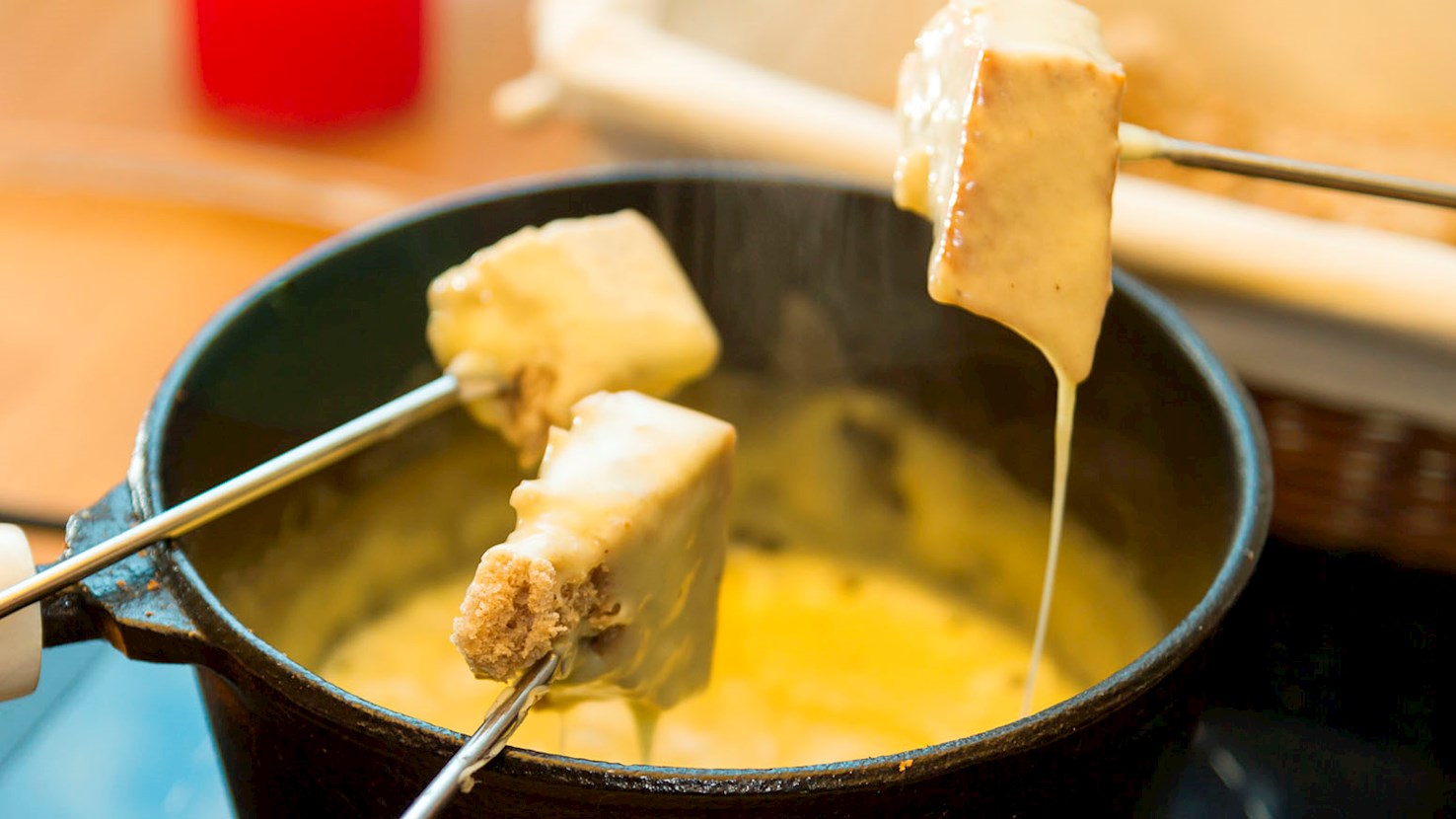
Fondue is Switzerland's national dish, a melting pot of different flavors and aromas, similar to the country itself–a melting pot of people and different cultures. Its name comes from the French word fondre, meaning to melt, and it was first described in Homer's Iliad as a mixture of goat cheese, flour, and wine. Fondue's key ingredient is cheese that is melted over a fire, with a lot of regional varieties and flavorful additions such as cherry brandy, white wine, or a sprinkle of nutmeg. It was invented out of necessity, when the alpine locals and traveling herders relied only on cheese, wine, and bread to get them through the winter. As the summer cheese dried out and bread became stale during the winter months, the people started to melt cheese with wine and dip pieces of stale bread into it. Traditionally, fondue is prepared in a flameproof casserole called a caquelon. The dish varies from region to region: fondue Neuchatel uses Gruyére and Emmental, fondue Vandois adds a lot of garlic, while fondue Fribourg is prepared with ripe Vacherin cheese. Pieces of bread are placed on traditional, long-handled fondue forks used for swirling the bread in cheese. According to local customs, if one loses a piece of bread in the pot, he or she has to buy a round of drinks for everyone involved in this unique and cheesy communal affair.

02

Terrine de foie gras de canard

3.8 ·

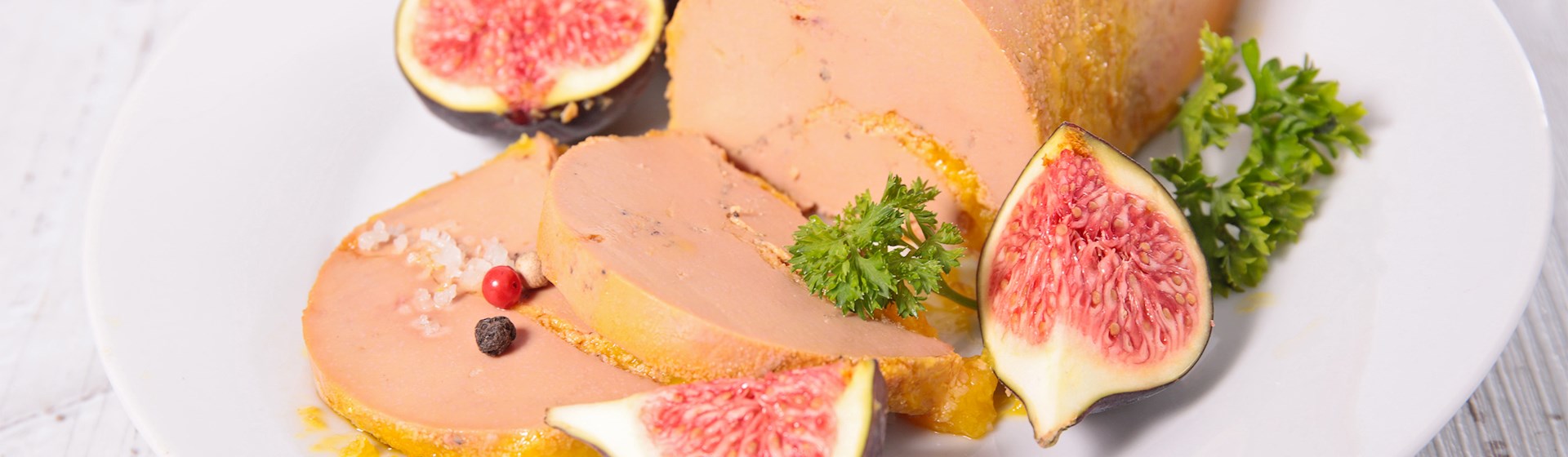
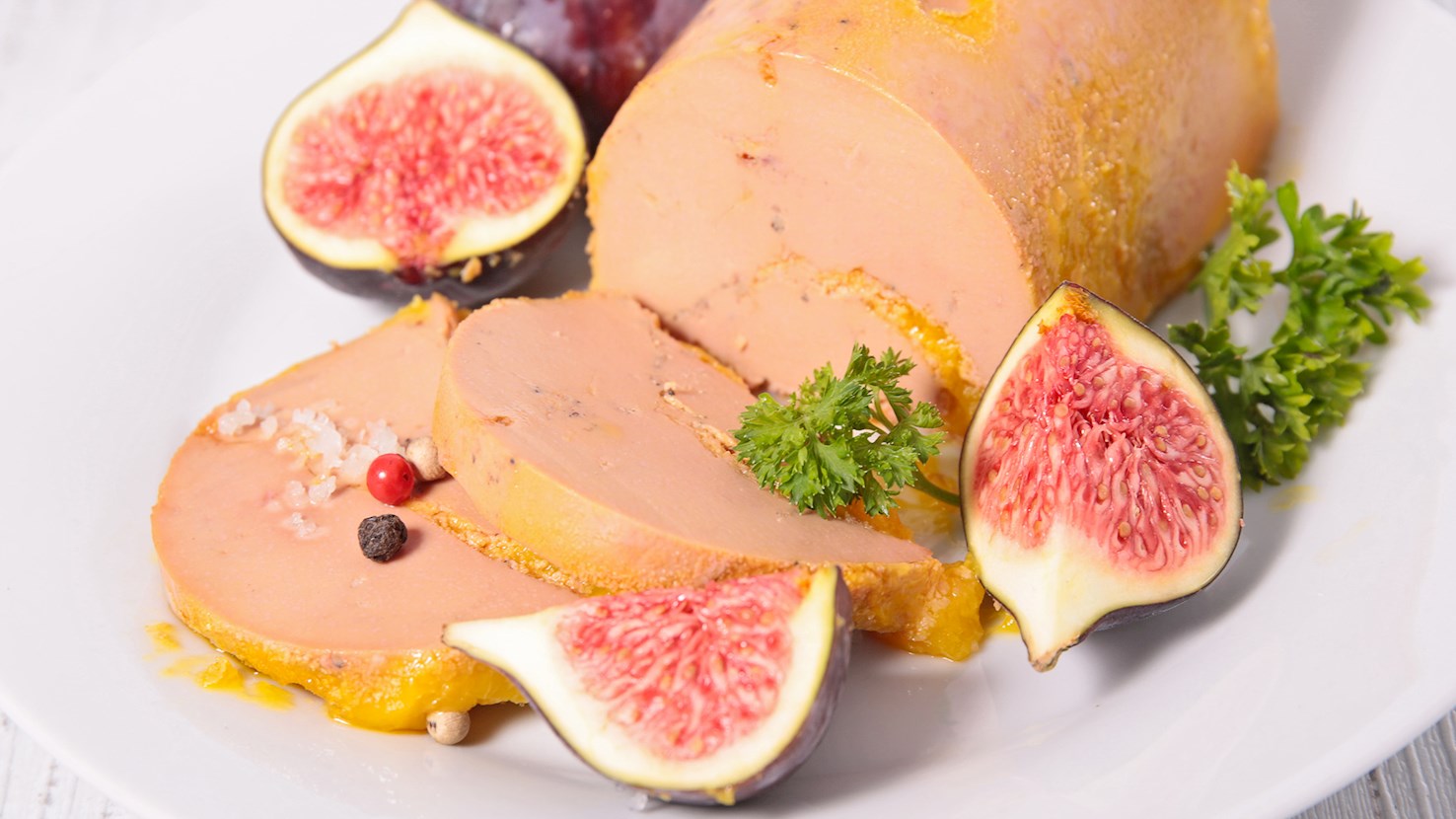
This French delicacy is one of the most common ways to prepare foie gras. In this case, seasoned and raw foie gras de canard or duck foie gras is pressed into a terrine container or any similar container, and it is then left to marinate drizzled with some Sauternes wine or Armagnac on top. After marinating for some time, the terrine is placed inside a water bath and baked before it is weighted down to give the dish its distinctive fatty layer on the surface. It is a common practice to chill the cooked terrine de foie gras for a couple of days or more before consumption. This specialty is usually sliced thinly and accompanied by slices of toasted bread or baguette, fig jam, and a glass of fine French wine on the side.

03

Trifle

3.7 ·

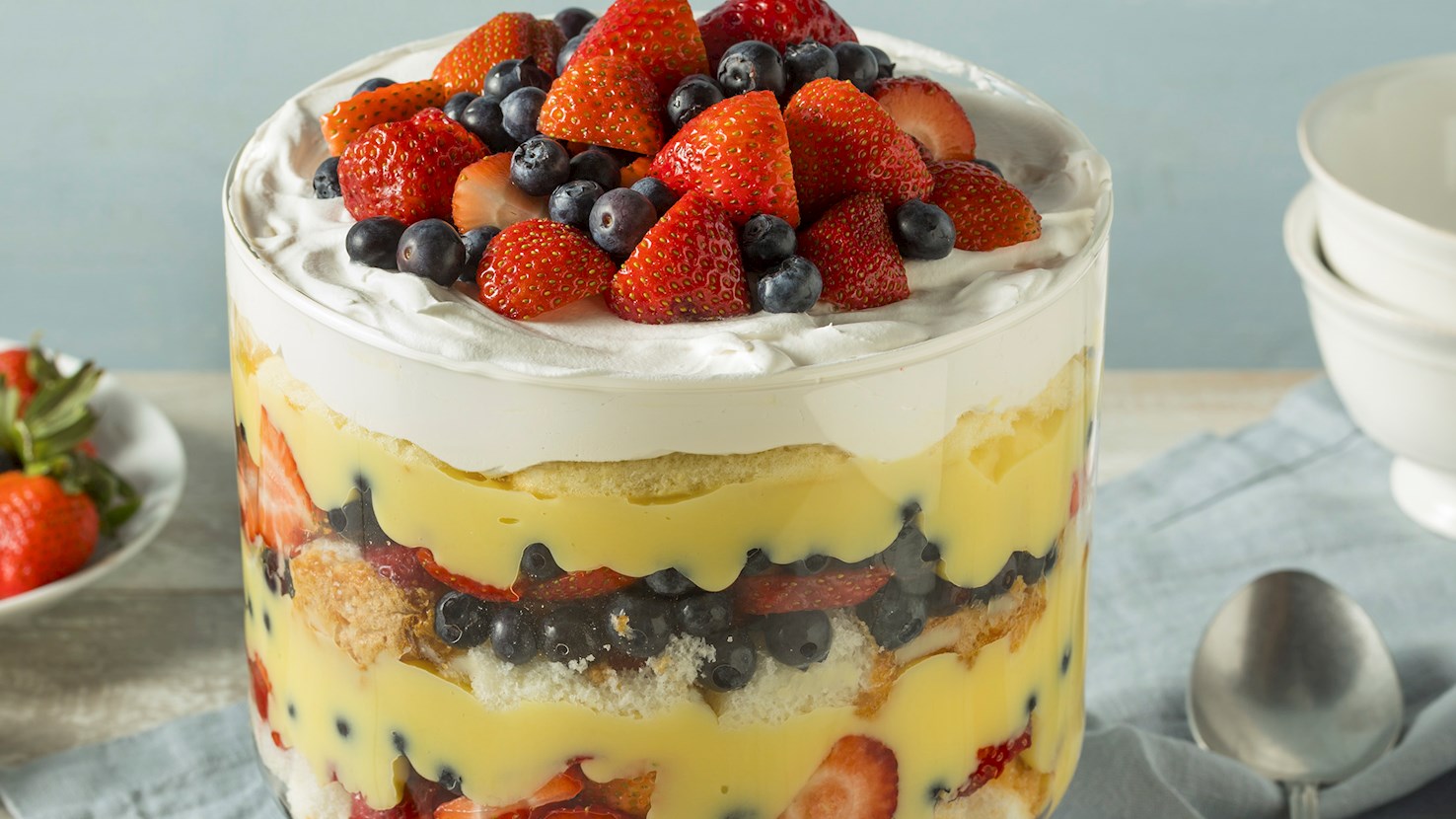
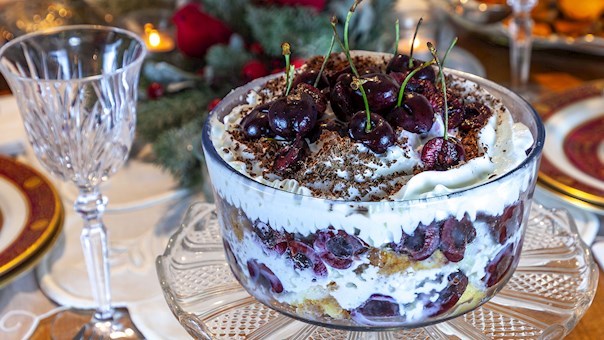
Trifle is a classic British dessert made by layering pieces of sponge cake, fruit jams or fruit purée, and egg custard. The sponge is usually soaked in fortified wine or brandy such as sherry, port, or Marsala, and the whole dessert is commonly topped with whipped cream. Trifle is traditionally prepared in glass bowls, and the classic version is often altered with various flavorings and additions such as chocolate, jelly, nuts, glacé cherries, as well as fruit juice or soft drinks in a non-alcoholic version. The familiar form of trifle was well-known by the Victorian era, but unlike today, it was primarily made to make use of leftover sponge cakes and custards. Similar desserts can be found in Scotland (tipsy laird) and the Southern United States (tipsy cake).

04

Pollo al cognac

3.6 ·

Pollo al cognac is a traditional chicken dish originating from Chile. The dish is usually made with a combination of chicken pieces, cognac, crushed garlic, white wine, butter, bay leaves, salt, and pepper. The skin is removed from the chicken and the meat is then browned in butter and seasoned with salt and pepper. The white wine, cognac, garlic, and bay leaves are added to the pot and the dish is then simmered over low heat for more than an hour, until everything is tender and juicy. It's recommended to serve the dish with fries or rice on the side.

05

Queijo de figo

3.2 ·

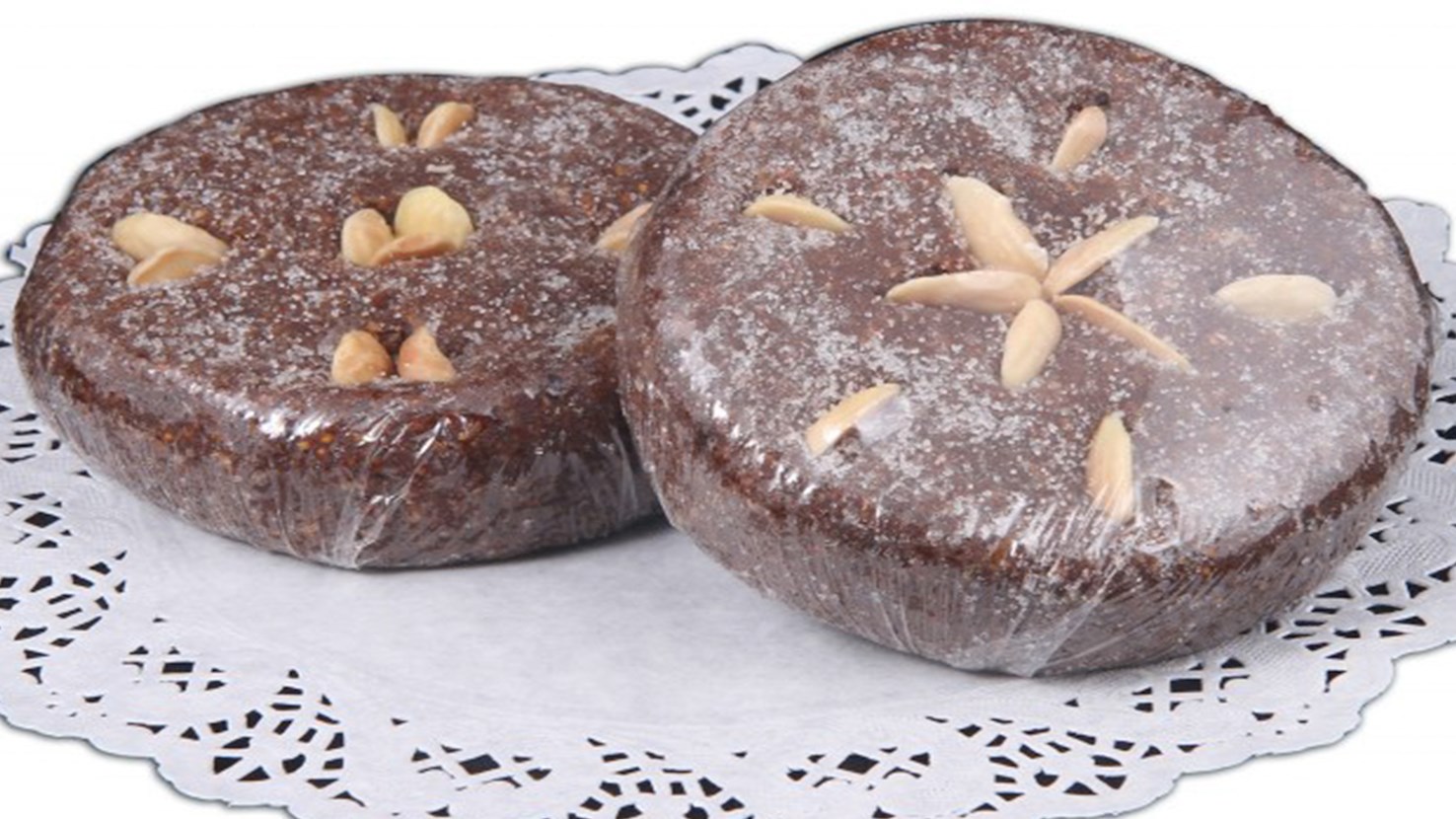
Queijo de figo is a local Algarve specialty that is prepared with dry figs and almonds as the two basic ingredients. Traditionally, sliced figs and almonds were layered into a mold and drizzled with brandy. The combination would then be pressed and stored until the ingredients were combined into a firm cake. Optionally, ground figs and almonds can be mixed with syrup in order to create a compact mixture that is then pressed into a mold. Although these fig cakes are traditionally round, they can be formed into other shapes, but their unusual name, which translates as fig cheese, stems from the classic round form that is reminiscent of a cheese wheel.

06

Tripes à la mode de Caen

2.8 ·

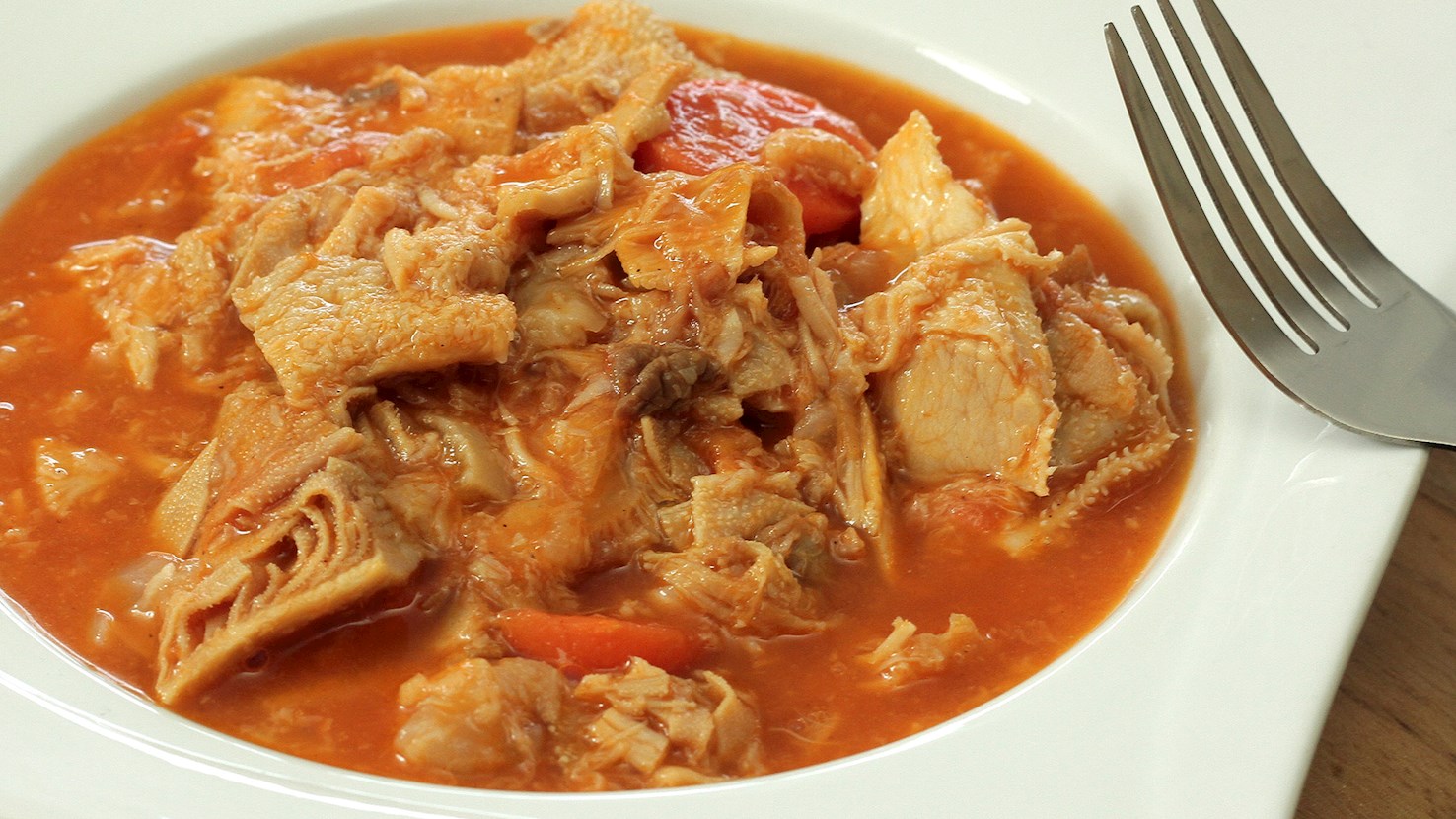
Tripes à la mode de Caen or Caen-style tripe is a popular French stew that has been familiar since the Middle Ages. It combines tripe, a mix of French herbs, spices, cow's feet, apple brandy, cider, and vegetables to produce a flavorful and hearty meal. The ingredients are layered in a traditional clay pot known as tripière–the lid is placed on top of the pot and sealed with a paste made from flour and water. The dish is simmered for hours until all of the flavors combine and the stew is transformed into a delicious and comforting meal. The invention of this succulent dish is usually associated with Sidoine Benoît, a French monk who lived in the French city of Caen in the 14th century. It is believed that he introduced the tradition of using apple brandy in classic French cuisine and was first to use calvados in the dish. Caen-style tripe is usually paired with boiled potatoes and served as a main dish.

07

Pão de ló de Alfeizerão

n/a ·

Pão de ló de Alfeizerão is a traditional sponge cake made with eggs, sugar, flour, and a touch of brandy. Known for its extremely light and fluffy texture, it is round with a concave center, and has a soft, creamy interior. This delicate cake is only sold at the place of production due to its fragility. Its origins are believed to trace back to the Monastery of Santa Maria de Cós in Alcobaça, with the recipe later popularized in Alfeizerão. It has become a sought-after treat, particularly among drivers traveling through the Lisbon and Tagus Valley region.

08

Persimmon Pudding

n/a ·

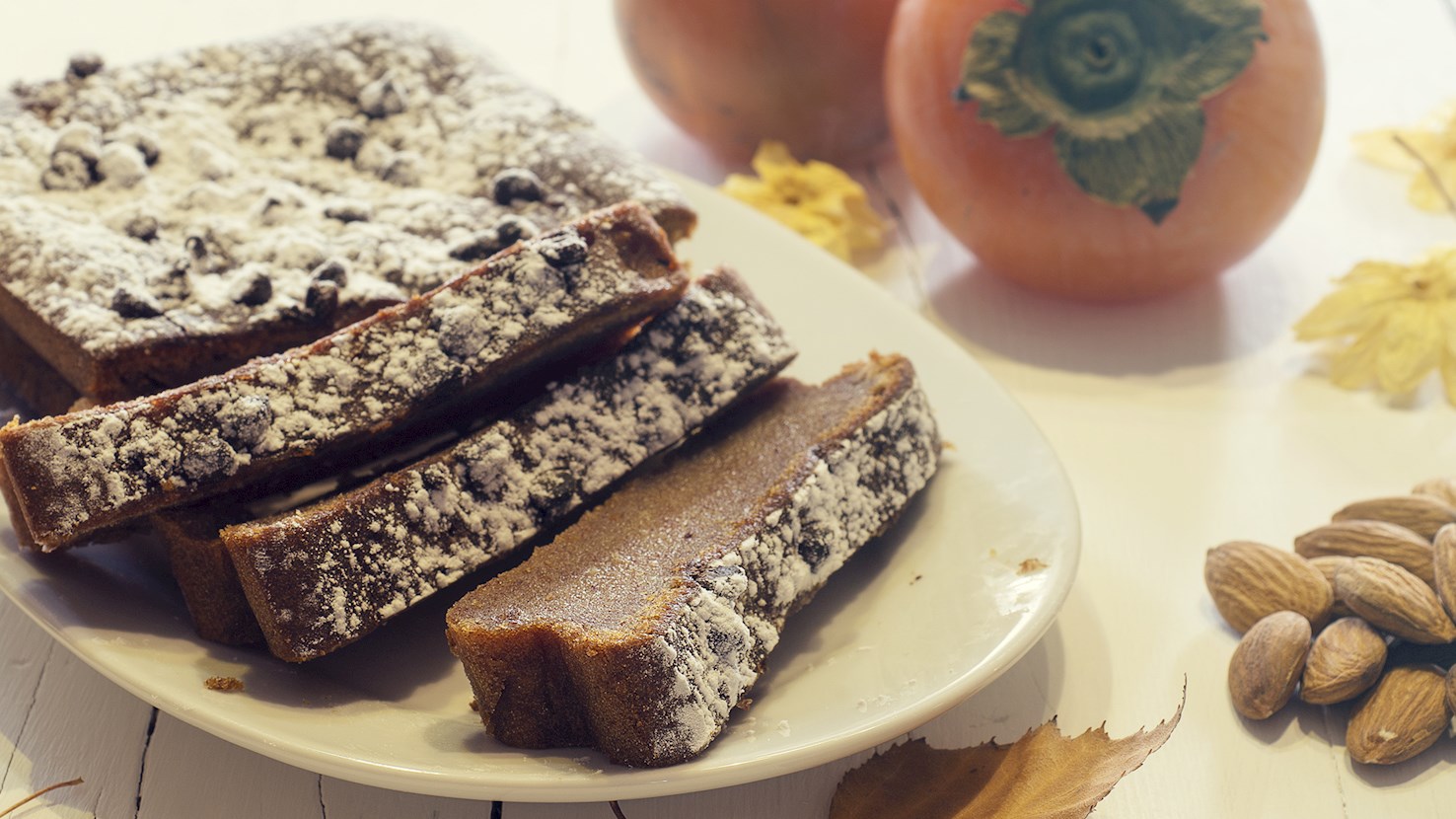
Persimmon pudding is an American dessert made from the pulp of persimmons. The fruit must be completely ripe to avoid astringency, as unripe persimmons can be very bitter due to their high tannin content. The pudding is not a pudding in the conventional, custard-like sense but is more akin to a moist, dense cake or a steamed pudding. Its consistency varies from soft and spoonable to a firmer, cake-like texture that can be sliced. The ingredients typically include persimmon pulp, flour, sugar, eggs, milk, and spices such as cinnamon, nutmeg, and cloves, which complement the sweet and subtly spiced flavor of the persimmons. Some recipes also incorporate nuts or raisins. Persimmon pudding is often baked in the oven, though some variations may call for steaming. The dessert is usually served warm or at room temperature and is frequently topped with whipped cream, a dollop of ice cream, or a drizzle of caramel sauce, enhancing its rich and comforting qualities.

09

Bisciola

n/a ·

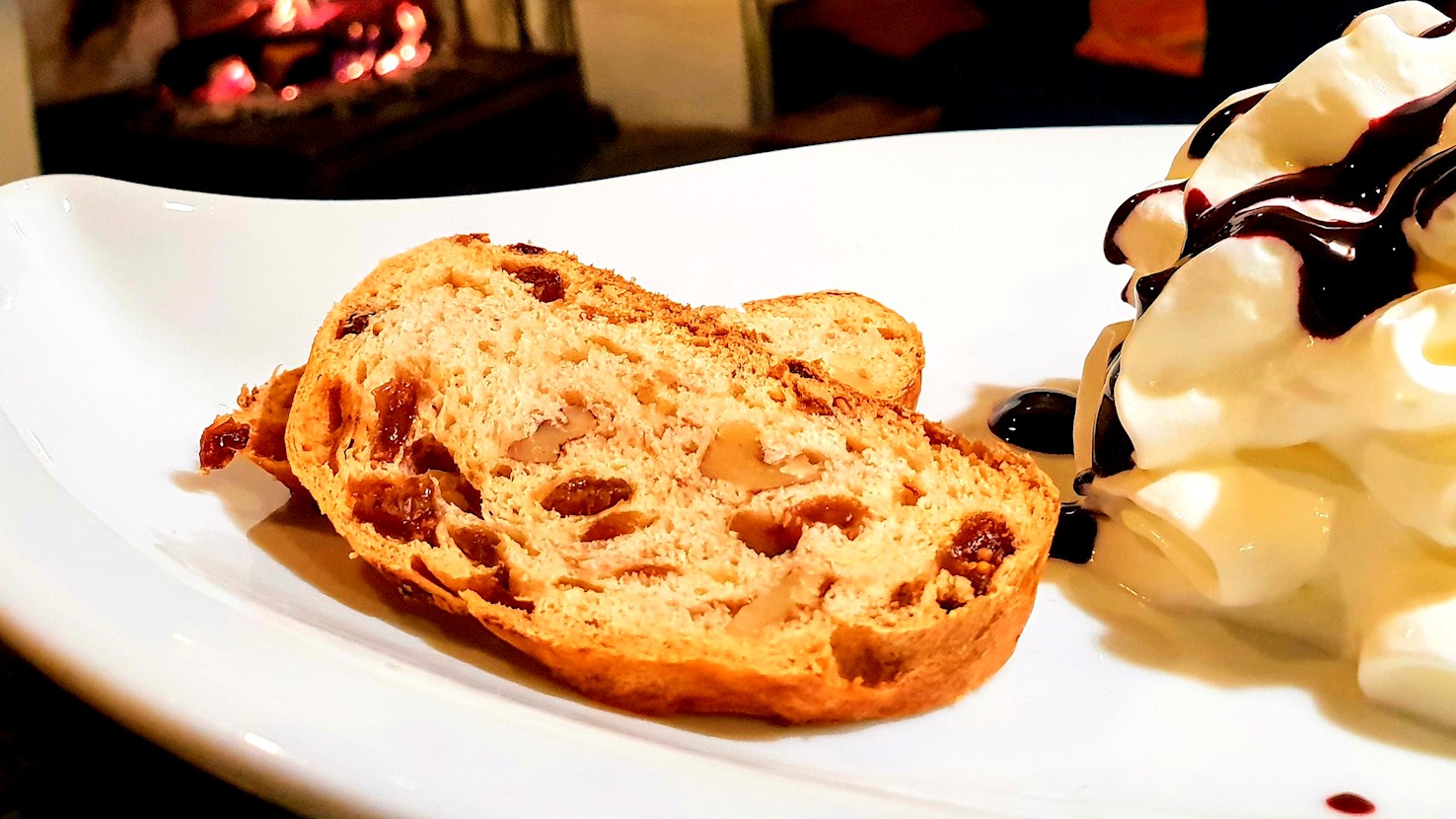
Bisciola is a leavened sweet bread made with a combination of wheat and buckwheat flour, along with eggs, butter, nuts, and dried fruit. Typically, raisins, figs, and walnuts are added to the dough. Bisciola hails from Valtellina, and it probably originated as a simple, peasant dessert. However, the most popular legend says that in 1797, when French troops were in the area, Napoleon requested a dessert with locally available ingredients. Following his demand, the chefs created bisciola. Often called panettone from Valtellina, this aromatic bread is usually served sliced and is best enjoyed with local liqueurs or dessert wines. Though it is a Christmas staple, it is prepared throughout the year.

10

Falculelle

n/a ·

Falculelle are small, round sweet cakes made with fresh brocciu cheese, eggs, sugar, and optionally a bit of flour, often flavored with lemon zest and a splash of eau-de-vie. Their development stems from Corsican cooking where brocciu, a whey cheese made from sheep or goat milk, was used in many desserts, and in the town of Corte these cakes became especially associated with local markets and household kitchens long before widespread commercial baking. Preparation begins with well-drained brocciu that is crumbled or beaten until smooth, then mixed with sugar, whole eggs and sometimes flour to adjust firmness; lemon zest and a small amount of eau-de-vie are added to the mixture for aroma, and large spoonfuls of this batter are placed on sheets of dried chestnut leaves or parchment, then baked until set and pale golden in color. Variations include slight adjustments in the ratio of brocciu to eggs and sugar, the addition of more citrus zest, or a brushing of egg yolk and sugar for a glossier finish. Falculelle are eaten warm or at room temperature as a dessert or a sweet snack, typically served on their own or lightly dusted with powdered sugar, and they pair well with black coffee, mild herbal teas, or a glass of Muscat from Corsica.

About this ranking

TasteAtlas food rankings are based on the ratings of the TasteAtlas audience, with a series of mechanisms that recognize real users and that ignore bot, nationalist or local patriotic ratings, and give additional value to the ratings of users that the system recognizes as knowledgeable. For the “14 Best Rated Dishes with Brandy” list until May 22, 2026, 989,145 ratings were recorded, of which 646,953 were recognized by the system as legitimate. TasteAtlas Rankings should not be seen as the final global conclusion about food. Their purpose is to promote excellent local foods, instill pride in traditional dishes, and arouse curiosity about dishes you haven’t tried.

Similar lists