


shutterstock

10 Best Rated
Dishes with Bratwurst

Last updated on June 17, 2026
01

Nürnberger Bratwürste

4.2 ·

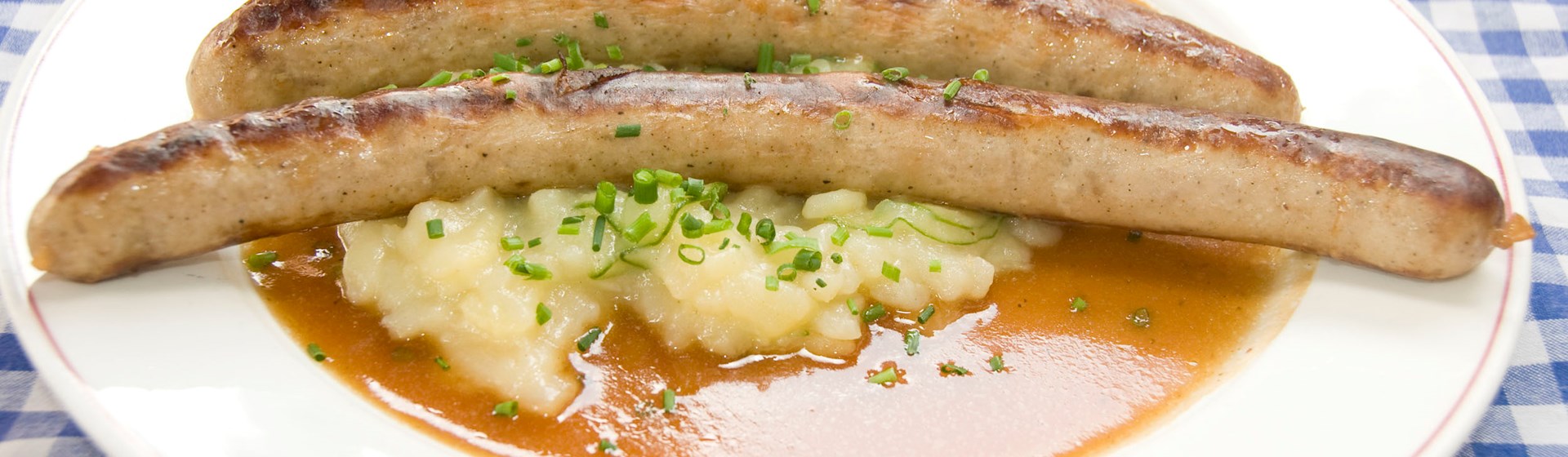
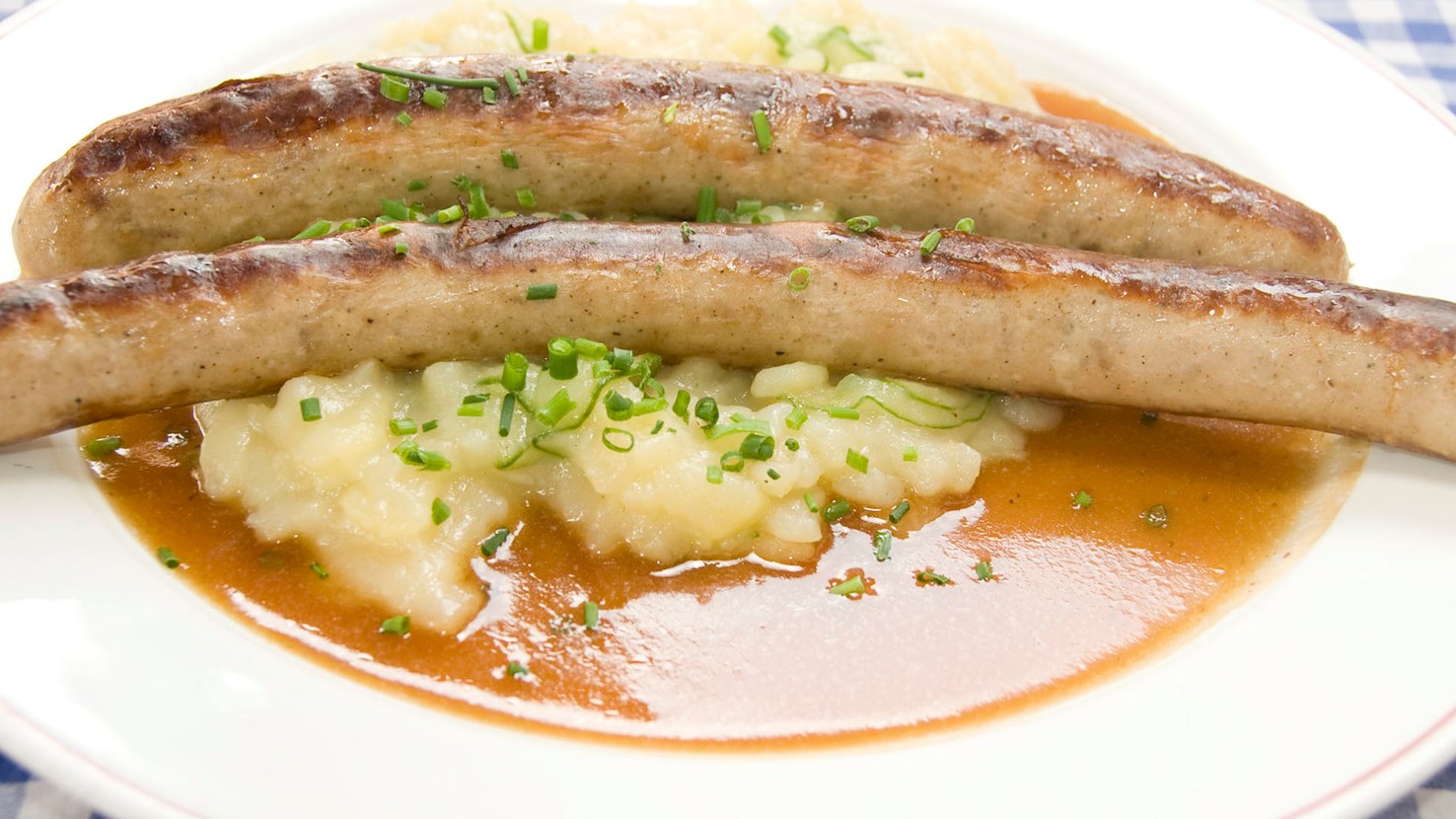
Nürnberger Bratwürste are small, thin sausages originating from the city of Nürnberg in the Franconia region of Bavaria, Germany. They are typically about 7 to 9 centimeters (2.75 to 3.5 inches) long and weigh around 20 to 25 grams each, making them much smaller and thinner compared to other types of German sausages. The sausages are made from finely ground pork, often mixed with a blend of spices that typically includes marjoram, salt, pepper, and sometimes a hint of ginger or nutmeg, with marjoram being a signature ingredient that gives them their distinctive flavor. Nürnberger Bratwürste are usually grilled over a beechwood fire, which imparts a unique, smoky flavor, but they can also be pan-fried or cooked in a skillet. Traditionally, they are served in sets of six, eight, or twelve, often accompanied by sauerkraut or potato salad, or in a bread roll with mustard, known as "Drei im Weckla" (three in a roll). These sausages are a traditional delicacy with a history that dates back centuries, and they are protected under European Union law with a Protected Geographical Indication (PGI), meaning they must be produced within the city of Nuremberg to be labeled as Nürnberger Bratwürste.

02

Thüringer Rostbratwurst

4.1 ·

Thüringer Rostbratwurst is a product with centuries of tradition. The oldest known recipe, held at the Weimar State Archives, dates back to 1613. Martin Luther and Goethe both appreciated it, and it was often praised in literature. Only finely minced pork (sometimes mixed with beef or veal) is used to make this sausage, and the spice mixtures that are added vary depending on the recipes and regional characteristics. These sausages are easily distinguished from other German sausages by their low fat content and a distinctive combination of spices and seasonings – salt, pepper, caraway, marjoram, and garlic. Due to its unique and delicious flavor, Thüringer Rostbratwurst is still very popular in Germany and beyond, and it can be found at most sausage stands in Thuringia.

03

Currywurst

3.9 ·

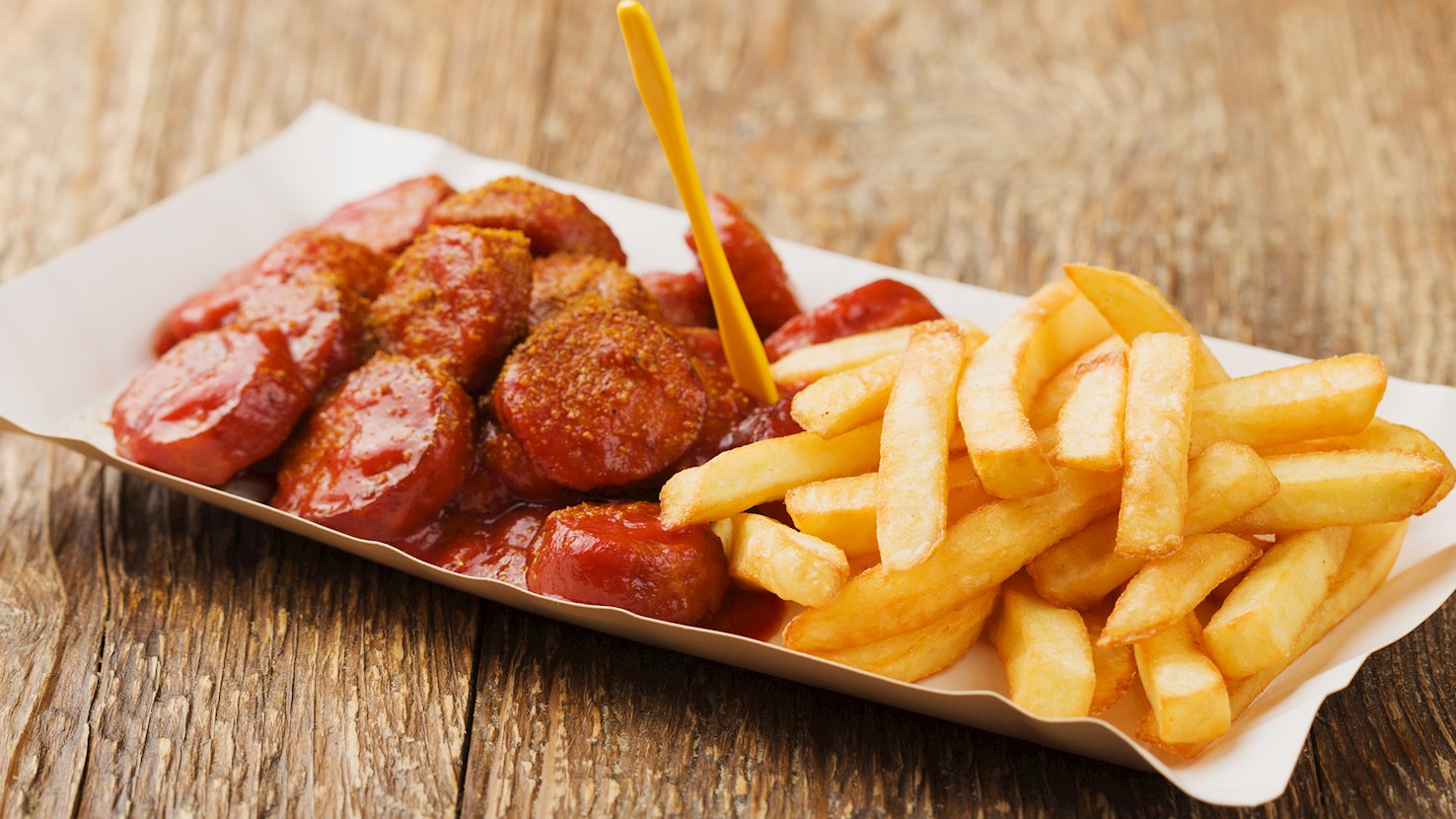
No other dish in Germany is as well known as currywurst, a street snack that has become an indispensable part of Germany’s culinary heritage. The dish is made from two essential parts - boiled and subsequently fried sausage, served whole or sliced, and a smooth and rich curry-spiced tomato sauce. With a portion of french fries or a kaiser roll on the side, the dish is usually lightly dusted with yellow curry powder. A wide range of sausages are used for currywurst, but the famous German bratwurst is the most commonly used variety. The real star of this dish is its gravy-like sauce made with puréed tomatoes and infused with the aromatic curry powder. The popularity of currywurst in Germany has generated numerous legends about its origins. Even though Hamburg is sometimes mentioned as its birthplace, Berlin is the city that is most commonly associated with the invention of this delicious dish. The most famous legend tells the story of Herta Heuwer, a Berlin local who is widely credited as the inventor of the tomato and curry concoction. In 1949, amid the aftermath of World War II, many ingredients were hard to come by and life was tough. However, thanks to Herta’s negotiating skills, she was able to get hold of a hard to come by ingredient – British yellow curry powder. She then mixed it with puréed tomatoes and other spices to create the base sauce, which she served with the sliced sausage. The dish became an instant success. Herta patented her creation and never revealed her original recipe. Later, as currywurst grew in popularity, numerous varieties popped up all over Berlin and the rest of Germany. No two are the same, and every local has their own favorite style and a favorite currywurst place. Germans are so fond of this fast food staple that they have even built a museum in its honor. Located in Berlin, the Currywurst Museum offers a glimpse into the history of the legendary currywurst, as well as a detailed overview of the numerous varieties, cooking styles, and serving options of this famous dish.

04

Beer Brats

3.9 ·

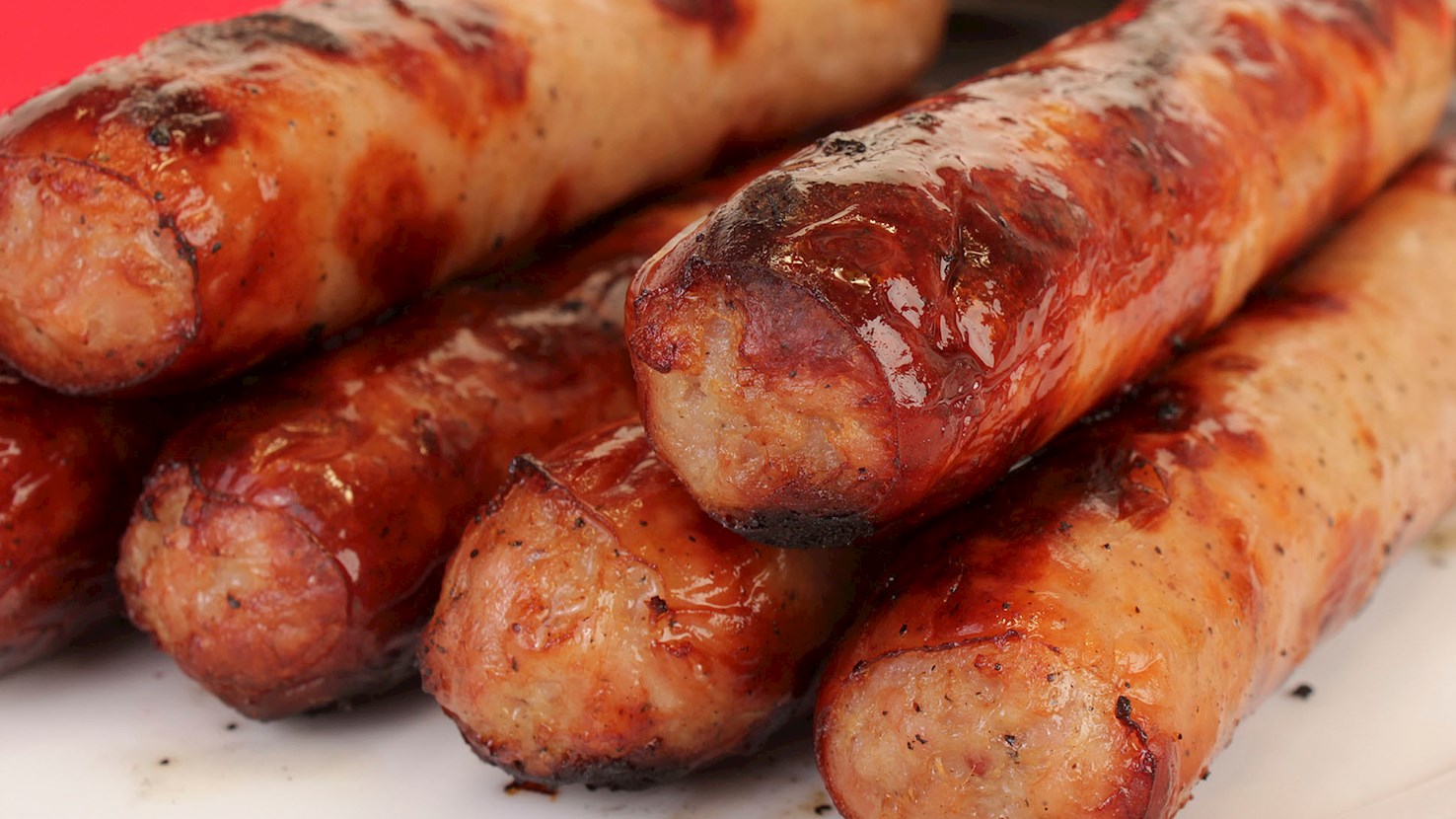
Also known as Wisconsin's soul food, beer brats are a unique American addition to German cuisine. As there was a large number of German immigrants in Wisconsin, the German sausage known as bratwurst became very popular in the region, especially during the 1920s. They quickly became a staple at sports matches. Beer brats are poached in beer before grilling, to seal in the juices so the sausages stay succulent and moist. They are served in brat buns or hard rolls, usually accompanied by potato salads, chopped onions, ketchup, mustard, or sauerkraut. The dish is a common sight at summer cookouts, and every year there is the Brat Fest, which claims to be the world's largest bratwurst festival, held in the city of Madison in Wisconsin during the Memorial Day weekend.

05

Drei im Weggla

3.9 ·

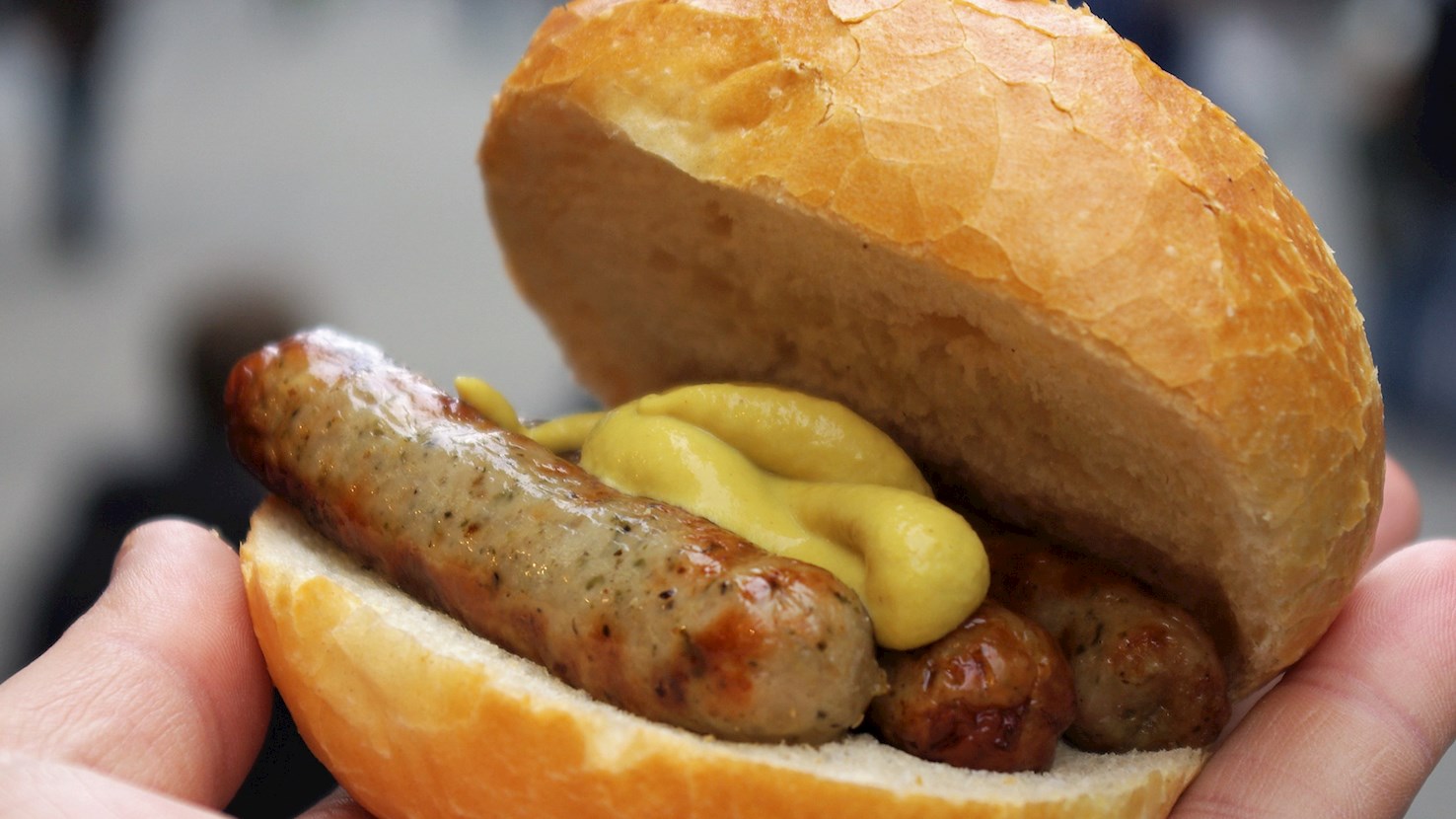
Drei im Weggla is a staple street food in Nuremberg. The sandwich consists of a circular bun that's cut in half and stuffed with three (drei in German) grilled Nürnberger Rostbratwurst sausages with a charred and crunchy skin. The sandwich is completed when the sausages are slathered with sharp yellow mustard. Some vendors even offer sauerkraut on top of it all, but let's be honest, the beauty of this sandwich lies in its simplicity. The bun must be perfectly crisp on the exterior while the inside should be chewy, dense, and yeasty. In the city, Drei im Weggla can be found at restaurants and in numerous food stands, huts, and carts scattered throughout Nuremberg.

06

Bosna

3.7 ·

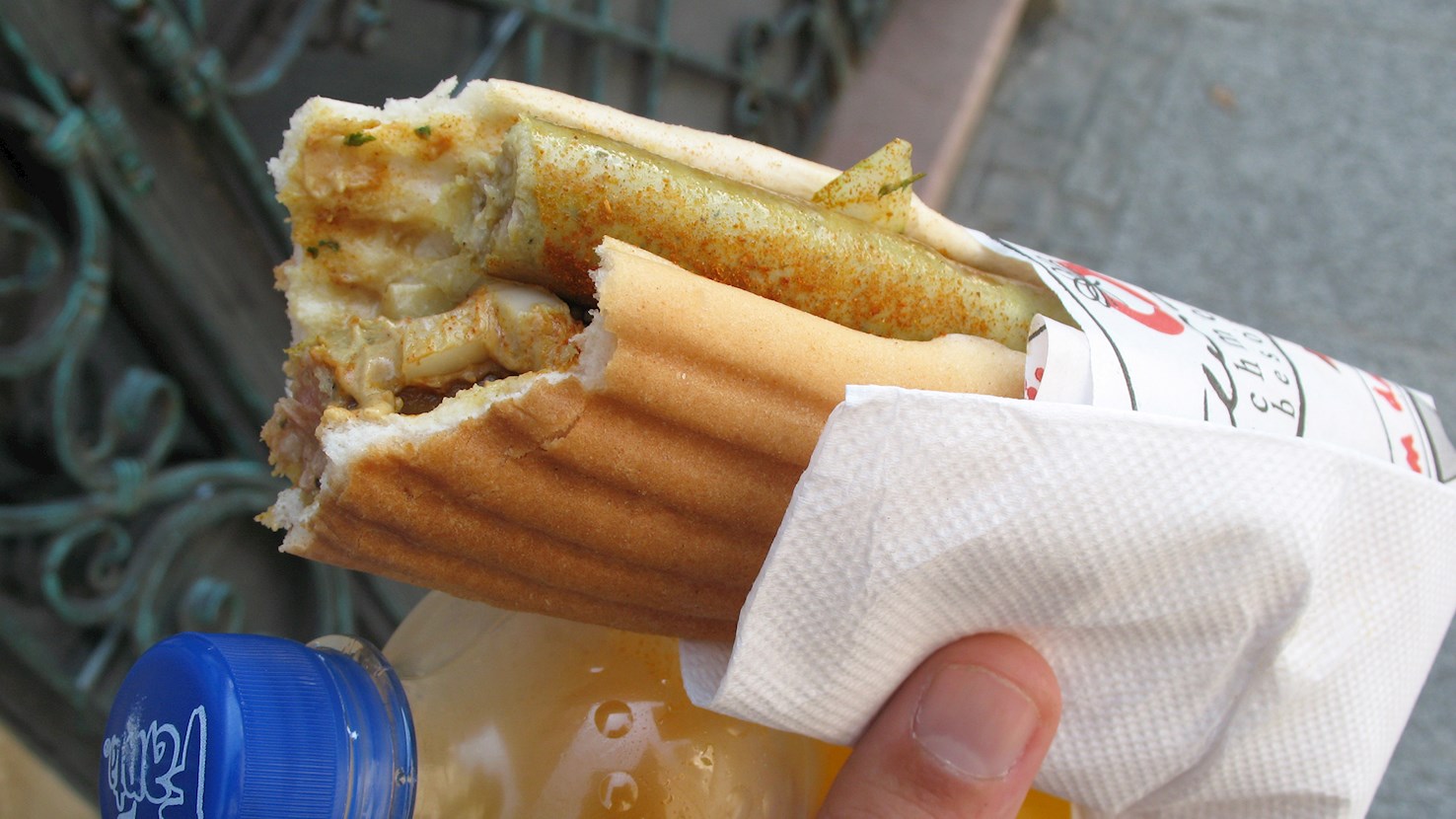
Bosna is an Austrian sandwich originating from Salzburg. It consists of an elongated white bread bun that's filled with a bratwurst sausage, onions, parsley, ketchup, mustard, and curry powder. Bosna with one sausage is called Kleine Bosna, while the version with two sausages is known as Große Bosna. It is believed that the sandwich was invented in 1949 by a Bulgarian named Zanko Todoroff. This sandwich can be easily found at many street vendors in Austria.

07

Saure Zipfel

3 ·

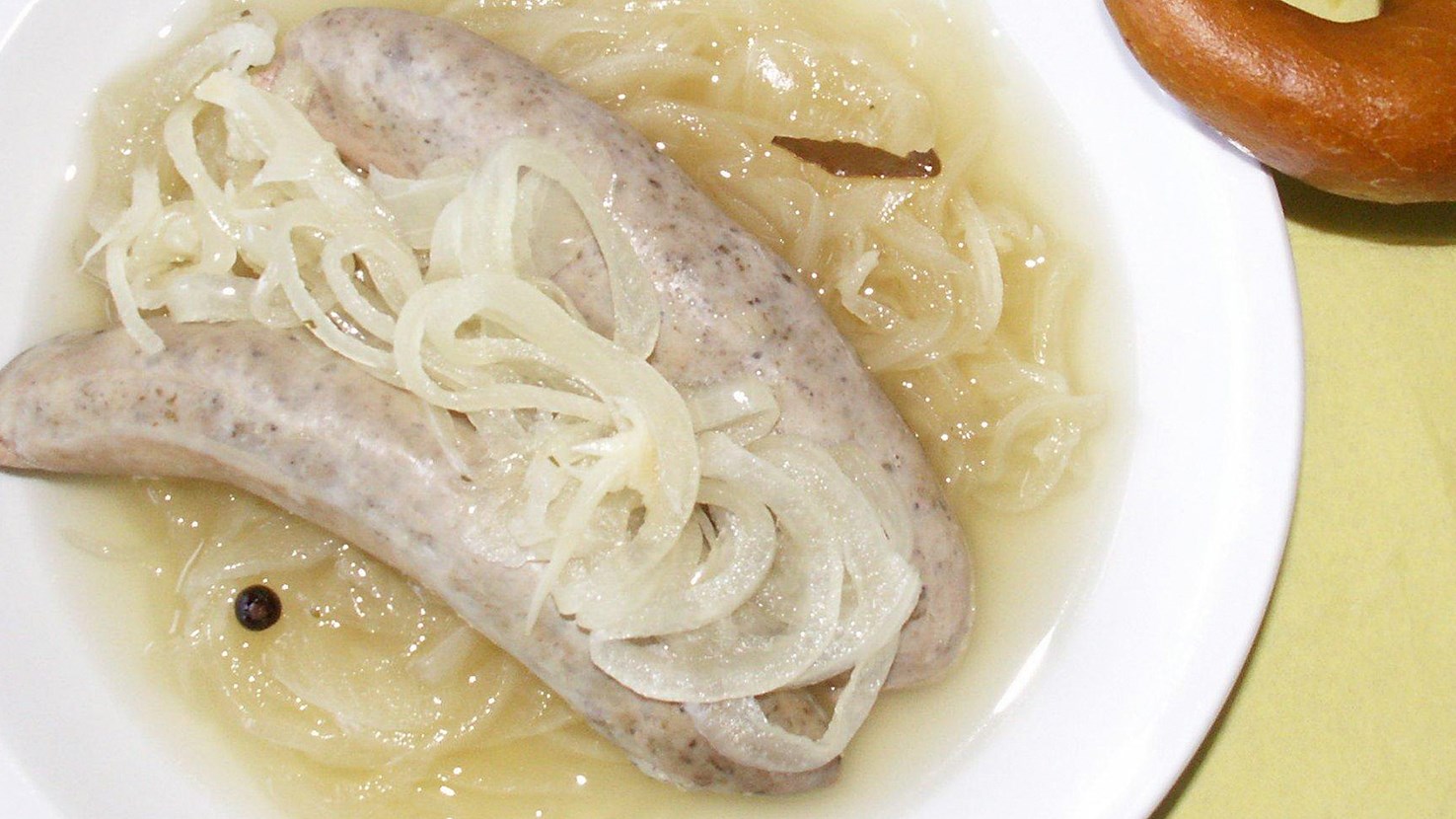
Saure zipfel is a traditional winter dish hailing from Franconia, consisting of bratwurst sausages that are simmered in a vinegar-based broth alongside onions, carrots, sugar, salt, and spices such as juniper berries, pepper, mustard seeds, and bay leaves. The broth is typically enhanced with a splash of white wine, and once ready, it is typically enjoyed piping hot, accompanied by slices of brown bread or a fresh pretzel bun for dipping on the side. When translated, the name of this dish means sour ends, which refers to the sharp flavor imparted to the sausages by the tangy broth. Saure zipfel is also often referred to as blaue zipfel (blue ends) due to the slightly bluish hue the sausages get once they’ve been cooked.

08

Schlachteplatte

2.9 ·

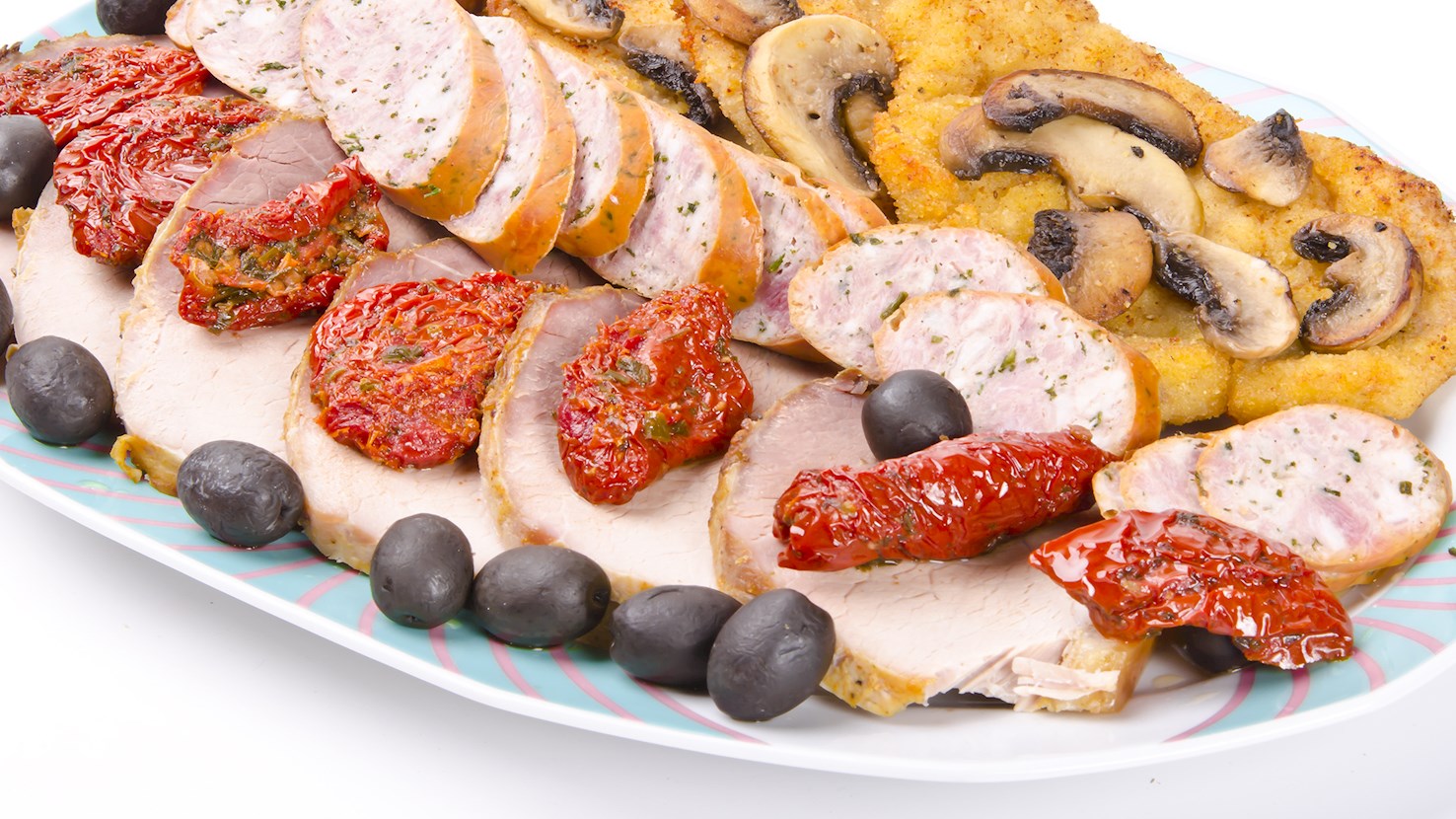
Schlachteplatte is a traditional Bavarian feast that consists of different types of meat and sausages. It typically contains smoked pork chops, slab bacon, bratwurst, blood sausages, liver sausages, bauernwurst, knackwurst, and wienerwurst. Grilled or cooked, the meat varieties are placed on a large serving platter, usually topped with freshly chopped parsley. A typical winter specialty, the dish is traditionally accompanied by cooked sauerkraut, potatoes, gravy, potato dumplings, or bread dumplings. The dish’s name translates as butcher’s plate from the German words Schlachten and Platte, which mean to butcher and platter, respectively. This German meat specialty most certainly got its name after the tradition of preparing it during the slaughter period in Germany.

09

Bratwurst in Biersoße

n/a ·

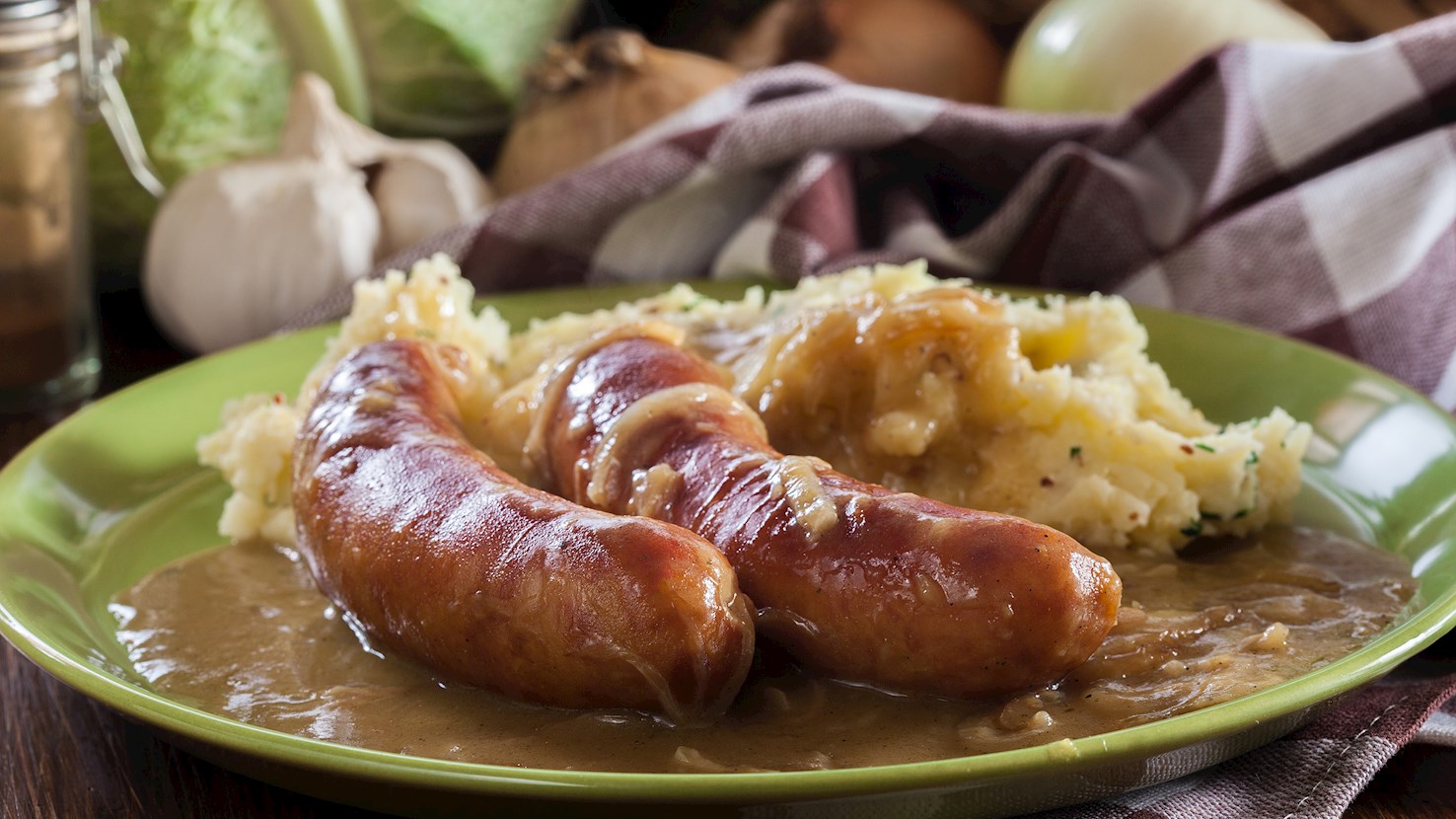
Bratwurst in Biersoße or Stolzer Heinrich (lit. Proud Henry) is a traditional dish originating from East Germany. The dish is usually made with a combination of bratwurst, dark beer, oil, sugar, salt, pepper, and spiced cookies that are used as a thickener for the sauce. The sausages are boiled and sautéed in oil over medium-high heat until browned on all sides. The pan is deglazed with beer, and the cookies are added to the pan. The mixture is simmered until the cookie bits dissolve. The sauce is seasoned with sugar, salt, and pepper, and it's then poured over the bratwurst. The dish is traditionally served with mashed potatoes on the side.

10

Coburger Bratwurst

n/a ·

Coburger Bratwurst is a distinctive type of German sausage originating from the town of Coburg in northern Bavaria. Known for its pale color and fine texture, this sausage is traditionally made from coarsely ground pork and veal combined with a blend of spices including salt, pepper, marjoram and nutmeg. Its unique preparation and seasoning result in a mild but flavorful sausage that stands apart from other regional bratwurst varieties. Coburger Bratwurst is commonly grilled over pinecones or hardwood, which imparts a subtle smoky aroma that complements its delicate taste and adds to its culinary appeal. The history of Coburger Bratwurst dates back several centuries, with the sausage gaining official recognition in the early 15th century. Its recipe has been carefully preserved and guarded by local butchers in Coburg, contributing to its reputation as a specialty of the region. The connection between the sausage and the town is strong, with the sausage serving as a symbol of local pride and craftsmanship. Over time, Coburger Bratwurst has become a popular delicacy not only in Coburg but throughout Bavaria and Germany, enjoyed by those who appreciate the balance of simplicity and flavor in regional sausages. Preparation of Coburger Bratwurst involves selecting high-quality veal and pork shoulder and backfat, grinding the meat coarsely, and mixing it with the signature spice blend. The mixture is then stuffed into natural pork casings and shaped into sausages approximately 15 to 20 centimeters in length. The sausages are traditionally cooked on a grill over pinecones or hardwood, which enhances the flavor with subtle smokiness while ensuring a juicy interior and a lightly crisped exterior. The careful balance of seasoning and the distinctive grilling method contribute to the sausage’s characteristic mild yet aromatic profile. Coburger Bratwurst is typically served hot, often accompanied by mustard, freshly baked bread rolls, and a side of sauerkraut or potato salad. It is a common feature at local festivals, markets, and beer gardens where it is enjoyed as a snack or meal.

About this ranking

TasteAtlas food rankings are based on the ratings of the TasteAtlas audience, with a series of mechanisms that recognize real users and that ignore bot, nationalist or local patriotic ratings, and give additional value to the ratings of users that the system recognizes as knowledgeable. For the “10 Best Rated Dishes with Bratwurst” list until June 17, 2026, 1,000,987 ratings were recorded, of which 657,348 were recognized by the system as legitimate. TasteAtlas Rankings should not be seen as the final global conclusion about food. Their purpose is to promote excellent local foods, instill pride in traditional dishes, and arouse curiosity about dishes you haven’t tried.

Similar lists