

Matija Babić

93 Best Rated
Dishes with Breadcrumbs

Last updated on June 17, 2026
01

Bife a Parmegiana

4.4 ·

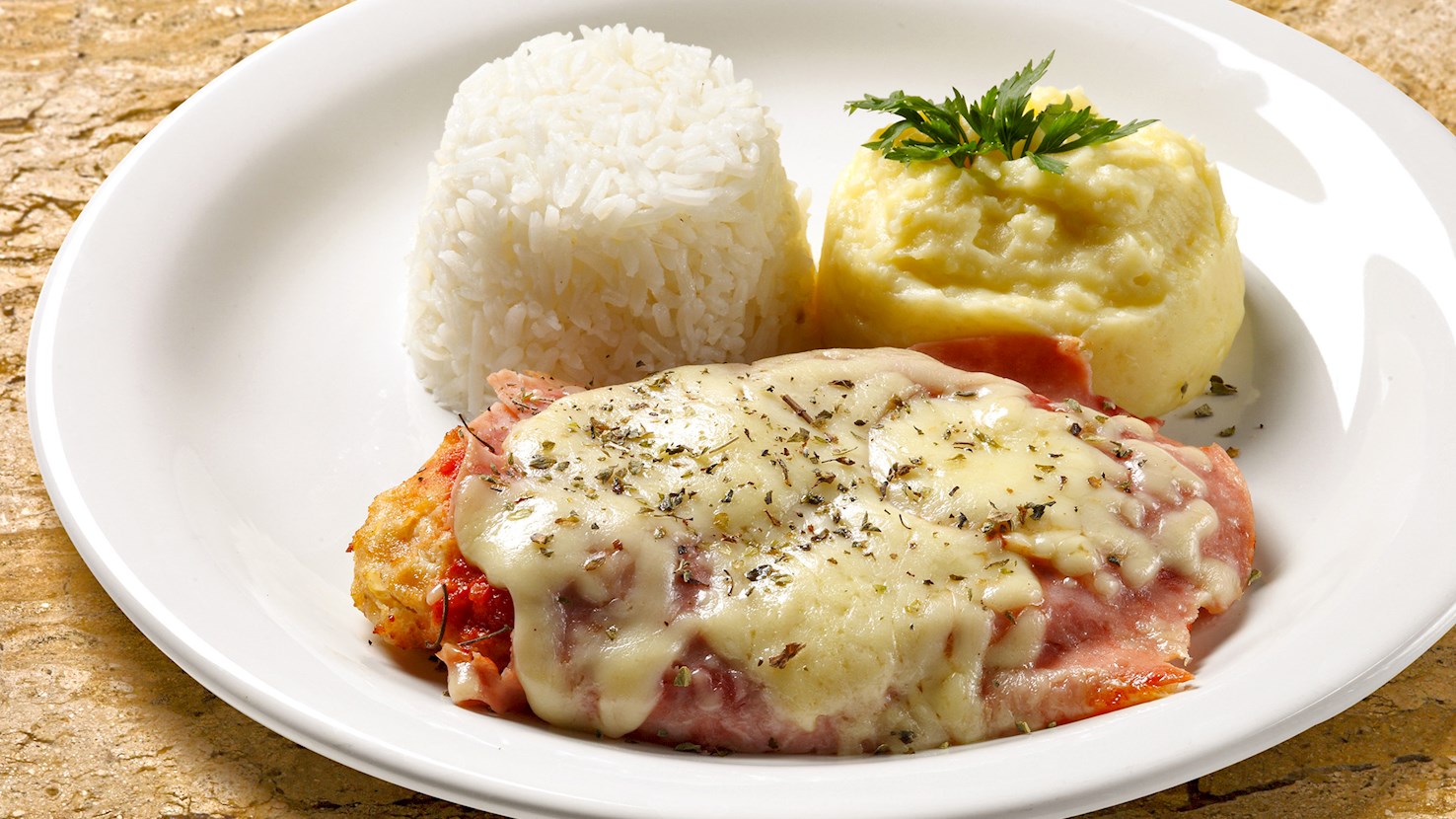
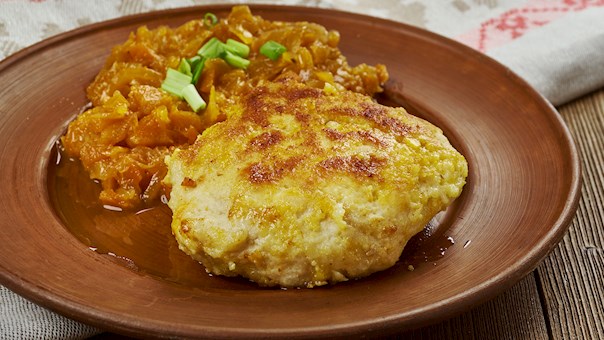
Bife à Parmegiana is a beloved Brazilian dish that draws its roots from Italian cuisine, specifically the Italian classic parmigiana dishes, like chicken parmigiana or veal parmigiana. In this version, the main protein is a tender beef cutlet, typically made from high-quality cuts such as sirloin, filet mignon, or even ribeye. The preparation begins by pounding the beef cutlet to tenderize it, then seasoning it with salt and pepper. The cutlet is coated in flour, dipped in beaten eggs, and finally covered with breadcrumbs before being fried until golden brown and crispy on the outside. Once fried, the beef is topped with a generous amount of tomato sauce (often a rich, homemade marinara sauce) and mozzarella cheese or sometimes Parmesan cheese. The dish is then baked in the oven until the cheese melts and becomes bubbly and golden, creating a flavorful blend of crispy breading, tender beef, savory tomato sauce, and gooey cheese. Bife à Parmegiana is traditionally served with a variety of sides, commonly white rice, French fries, or mashed potatoes, and sometimes accompanied by salad. The dish is hearty, rich, and comforting, making it a favorite in Brazilian homes and restaurants alike.

02

Wachauer Marillenknödel

4.4 ·

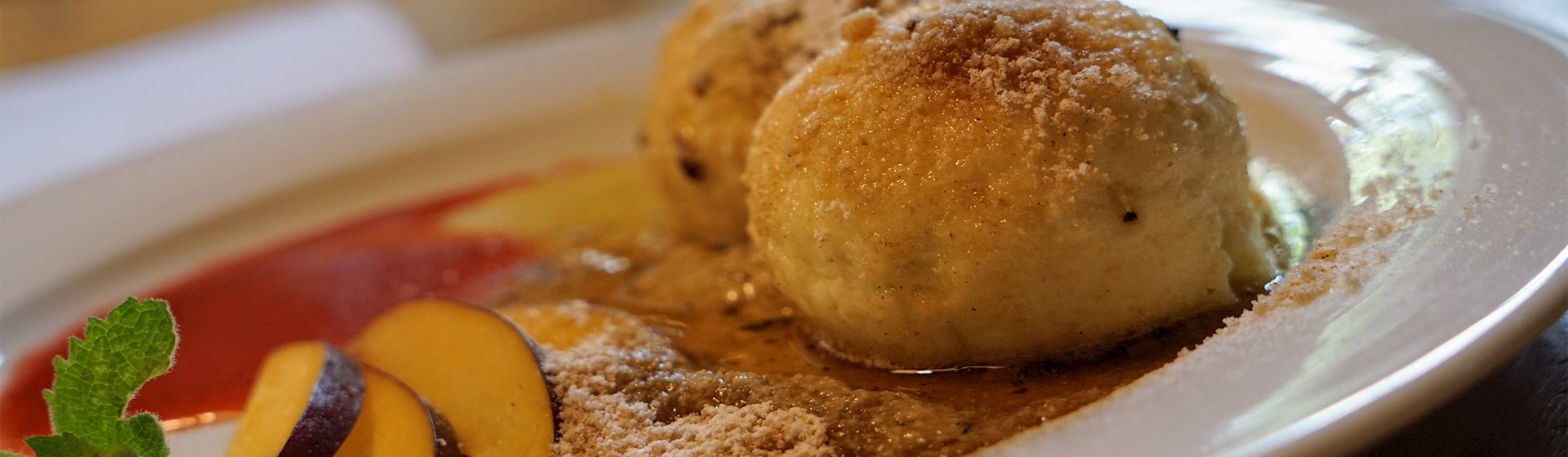
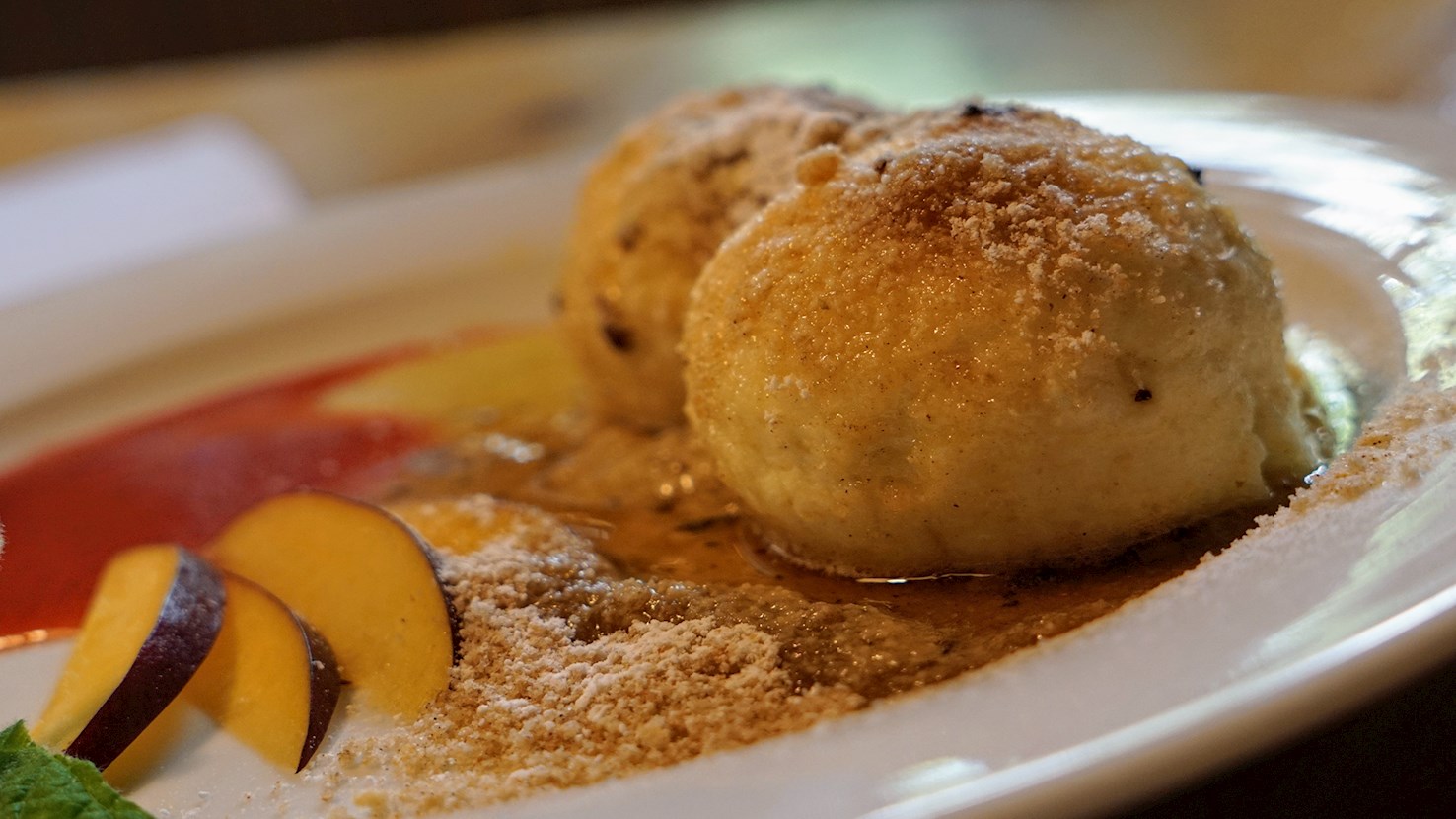
Wachauer marillenknödel is a classic Austrian dish consisting of a depitted Wachau apricot that is encased in a light dough which is then shaped into a dumpling, cooked, and rolled in breadcrumbs that have been fried in butter. The dough can be made either with soft cheese or potatoes, while the breadcrumbs are often seasoned with powdered cinnamon. Although the delectable Wachau apricot dumplings are served generously dusted with icing sugar, some might think that they are served as a dessert, but the dumplings are traditionally consumed as a main dish.

03

Croquetas de jamón

4.2 ·

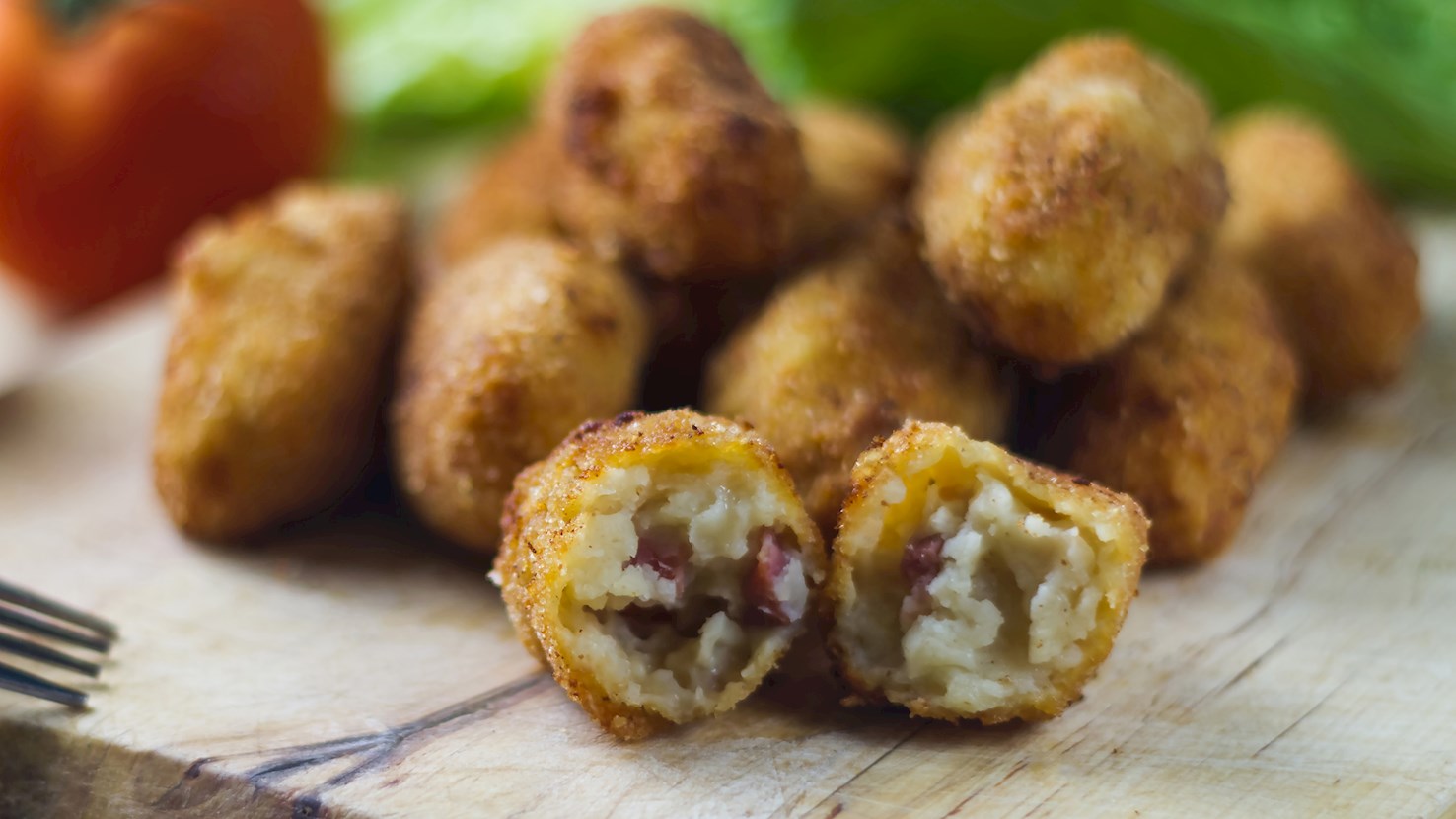
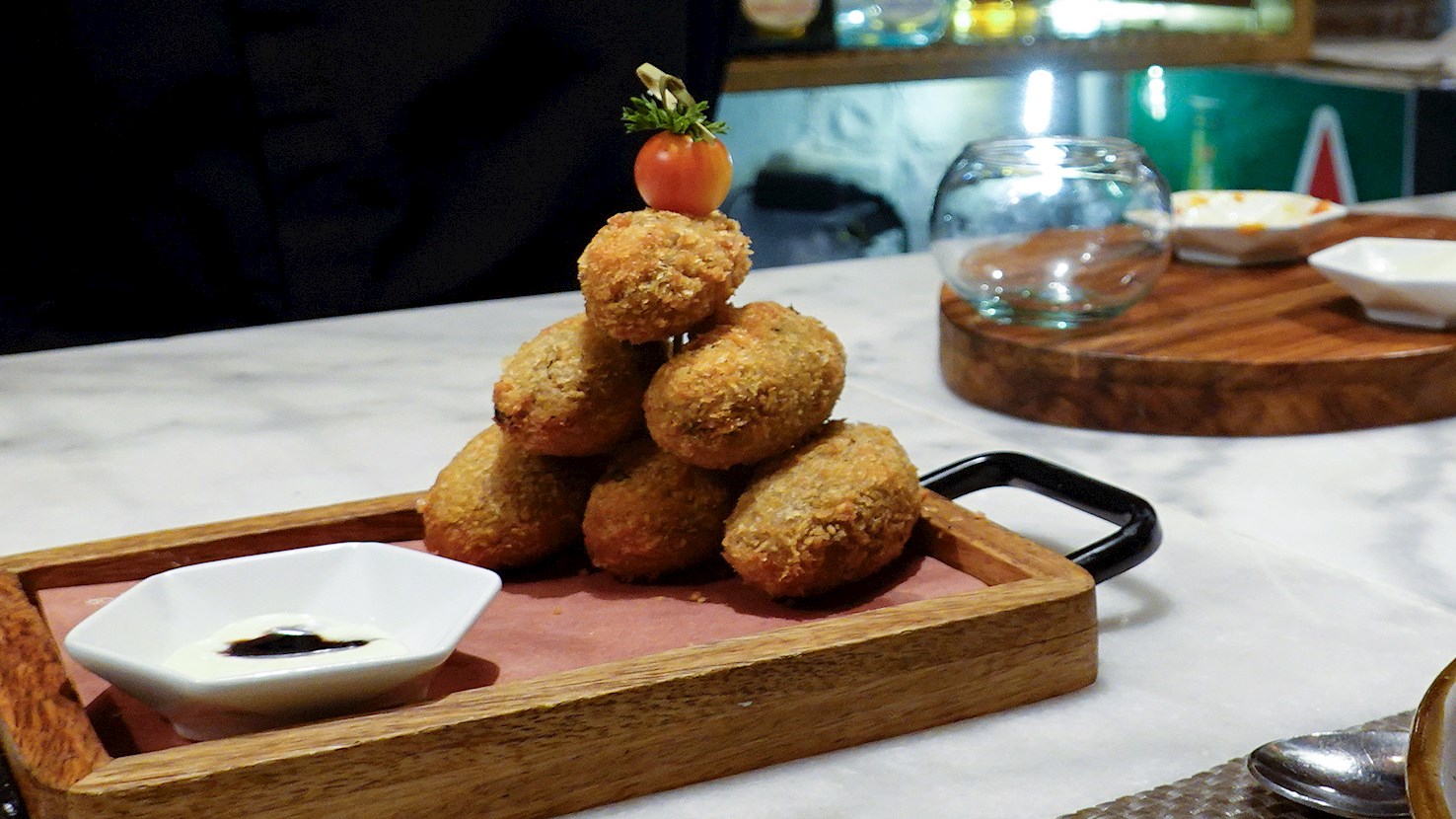
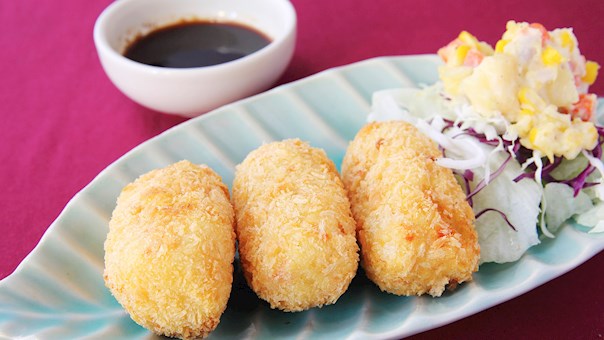
Crispy croquetas de jamón are small and unusual Spanish fritters, which consist of a crispy outer shell and a creamy interior. As the central ingredient, they employ a thick variety of buttery béchamel sauce, which is formed into small logs, coated in breadcrumbs and egg wash, and fried until golden and crunchy. Spanish croquetas are made with a variety of ingredients but the jamón version, which incorporates diced Spanish ham, is the most common and popular of them all. Fragrant and spicy ham is an ideal addition to the lush and mild taste of béchamel. Croquetas are not a decadent food item; they were developed as a poor man’s food, to make use of the cheap or the remaining ingredients. Today, they represent a favorite dish, popular and eaten everywhere in Spain. Whether they are served as a smaller tapas dish or a more substantial individual meal, they are always served fresh and hot, while the center is still hot and partially melted.

04

Milanesa

4.2 ·

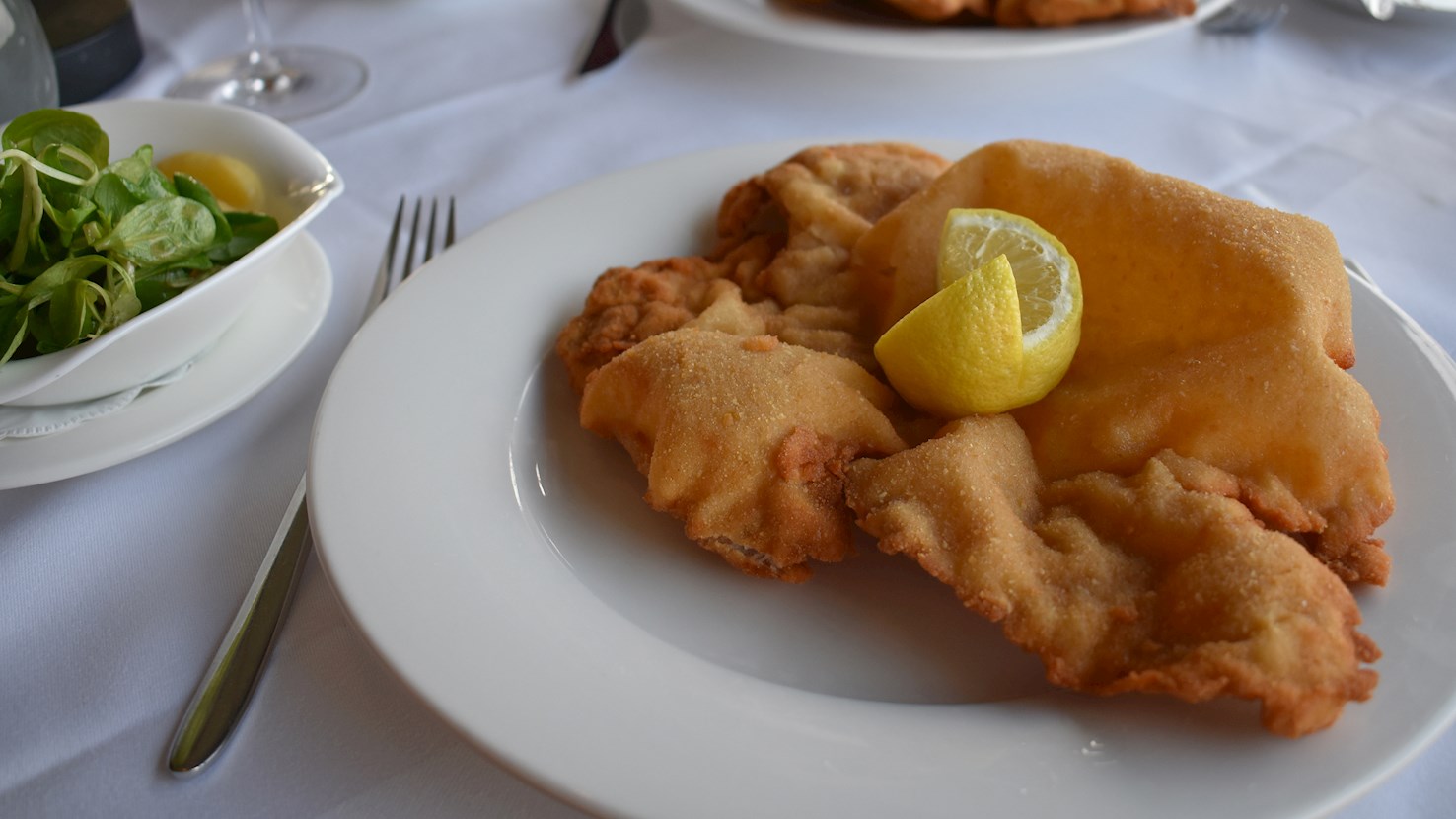
Often referred to as Argentina's unofficial national dish, milanesa is a humble, yet delicious meal consisting of a breaded slice of prime beef that is fried in hot oil, curling up as it cooks, due to the fact that the chosen cuts of meat have less fat and sinew than other cuts. The dish shares many similarities with the Austrian Wiener schnitzel and the American chicken fried steak. However, milanesa has its roots in Italy, and the original dish has been traced to the city of Milan and the famous cotoletta alla milanese. Some claim that the best milanesa in Buenos Aires will always be prepared at home, cooked by someone's mother, although many restaurants also have it on their menus. For the pure, basic experience, it is enough to squeeze some lemon juice over it, but it is often served with a side of creamy mashed potatoes or french fries, while one of the most popular varieties is called a caballo (on horseback), where a fried egg is placed on top of the meat.

05

Capesante alla veneziana

4.2 ·

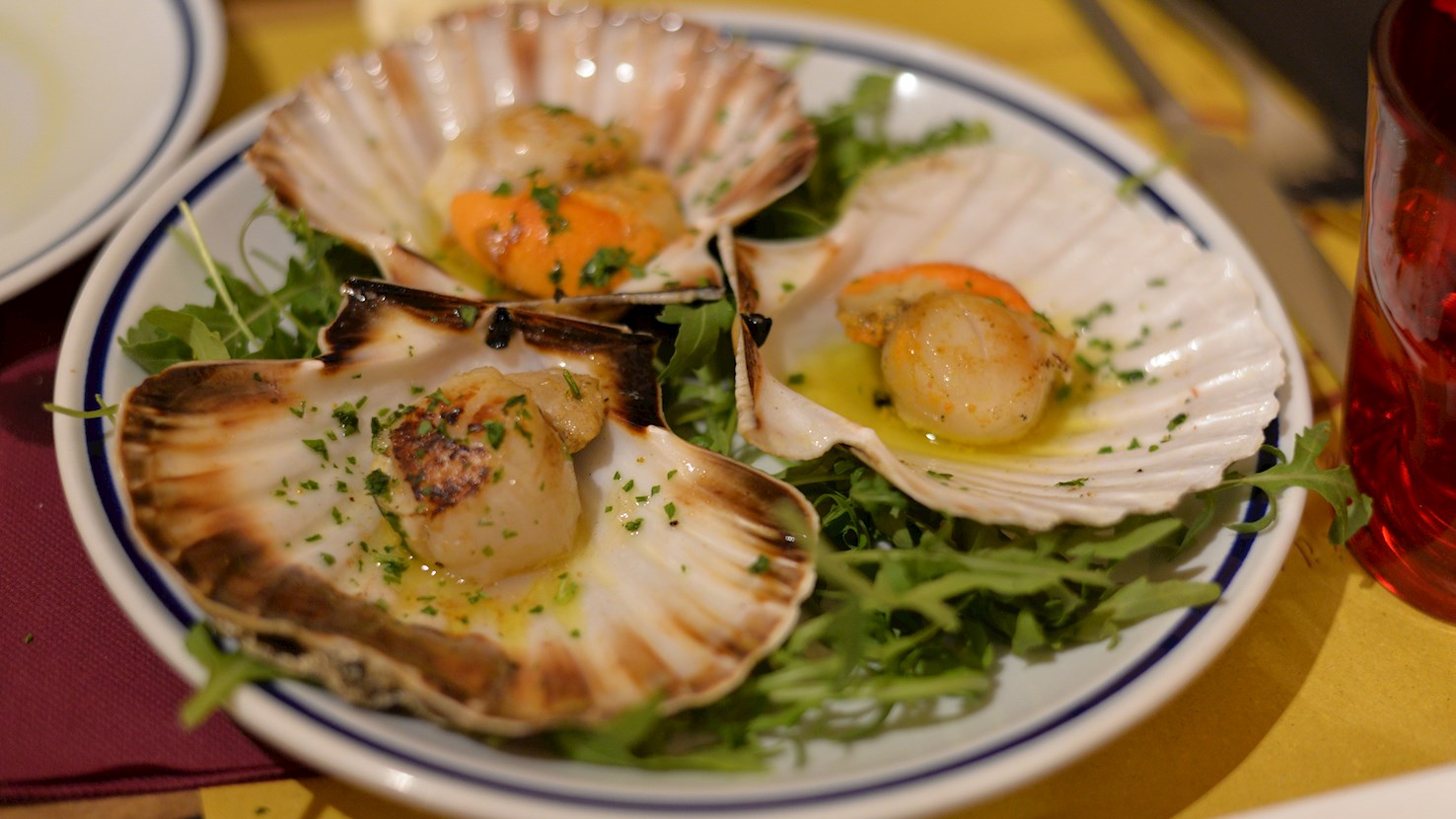
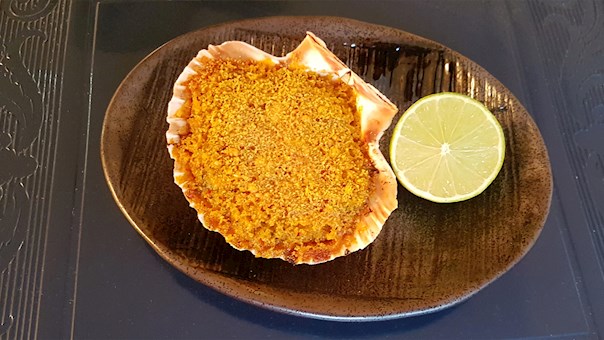
Capesante alla veneziana is a traditional dish originating from Venice. The dish is usually made with a combination of scallops, garlic, breadcrumbs, olive oil, lemon juice, parsley, salt, and pepper. The scallops are cleaned and dredged in breadcrumbs. The garlic and parsley are sautéed in olive oil, and the scallops are then added to the pan and cooked until golden on both sides. The dish is drizzled with lemon juice and seasoned with salt and pepper, then served in half shells.

06

Wiener Schnitzel

4.2 ·

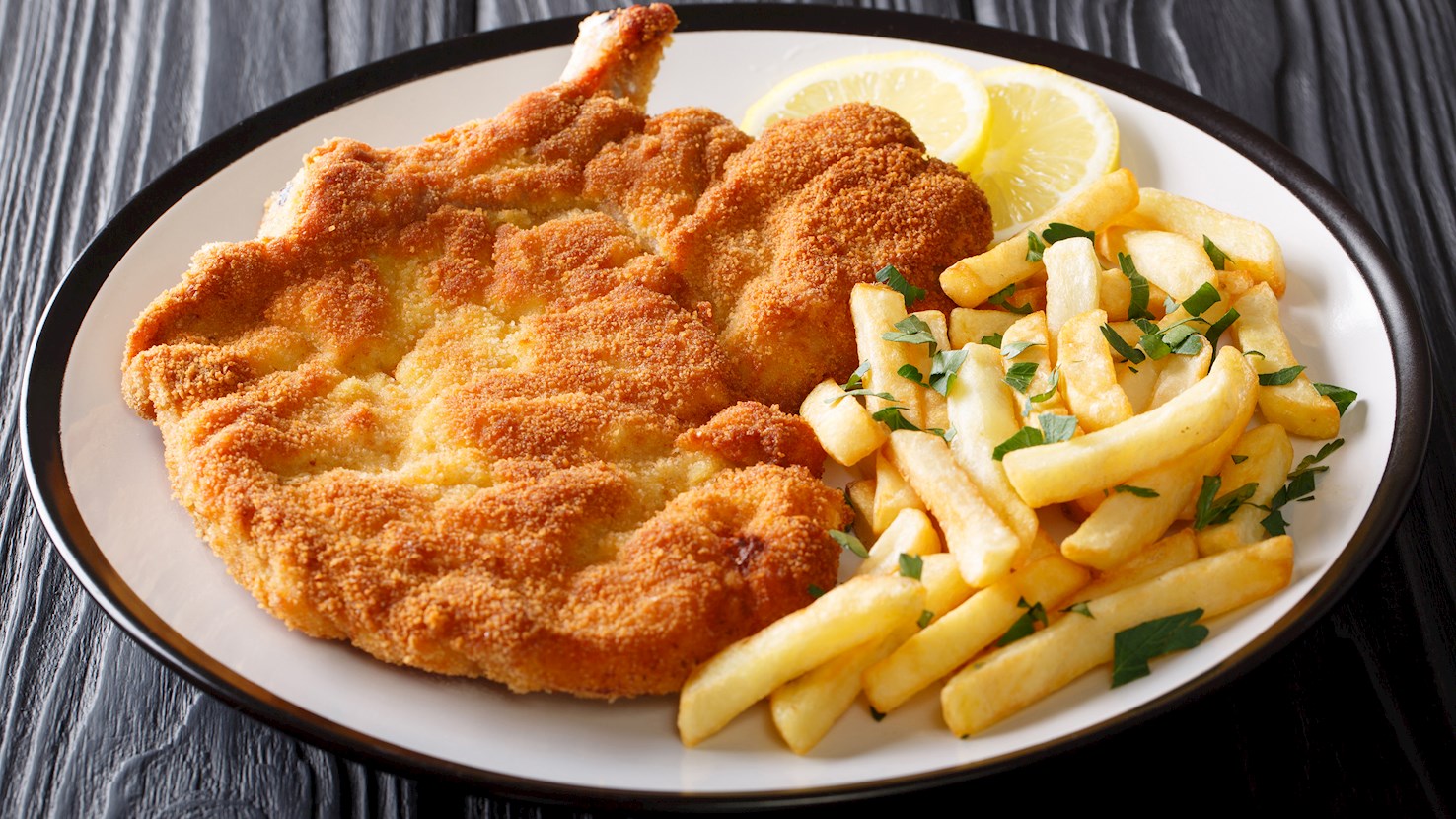
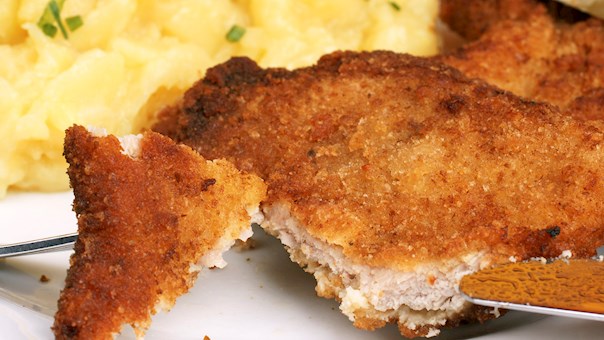
One of the best-known dishes of Austrian cuisine, the Wiener schnitzel is a thinned, breaded, and pan-fried veal cutlet that is traditionally served with a dollop of lingonberry jam, lemon wedges, and either buttered parsley potatoes, a simple potato salad, or french fries. The dish is protected under Austrian law, and—if it is to be called Wiener schnitzel—it must be made with veal. However, pork is often used instead of veal because it's more available and cheaper. Such a schnitzel is not considered a real Wiener schniztel and is referred to as Wiener schnitzel vom schwein (lit. Wiener schnitzel from pork) or schnitzel Wiener art (lit. Viennese style schnitzel). But sadly, these days, the schnitzel made with pork is what most people consider the real-deal Wiener schnitzel. Even Figlmüller, probably the most popular schnitzel spot in Vienna, offers both the Wiener schnitzel made with pork and the one made with veal. Despite this dish being one of Austria's most popular offerings, it has been suggested that this Austrian national dish was actually invented elsewhere. According to one legend, in the 19th century, Austrian field marshal Josef Radetzky supposedly brought the schnitzel to Vienna upon returning home from Italy, where he had enjoyed the Milanese cotoletta, a dish that bears quite a strong resemblance to the Viennese classic. Regardless of its true origins, the crispy yet tender Wiener schnitzel remains a favorite in Austria and beyond.

07

Cotoletta alla Milanese

4.2 ·

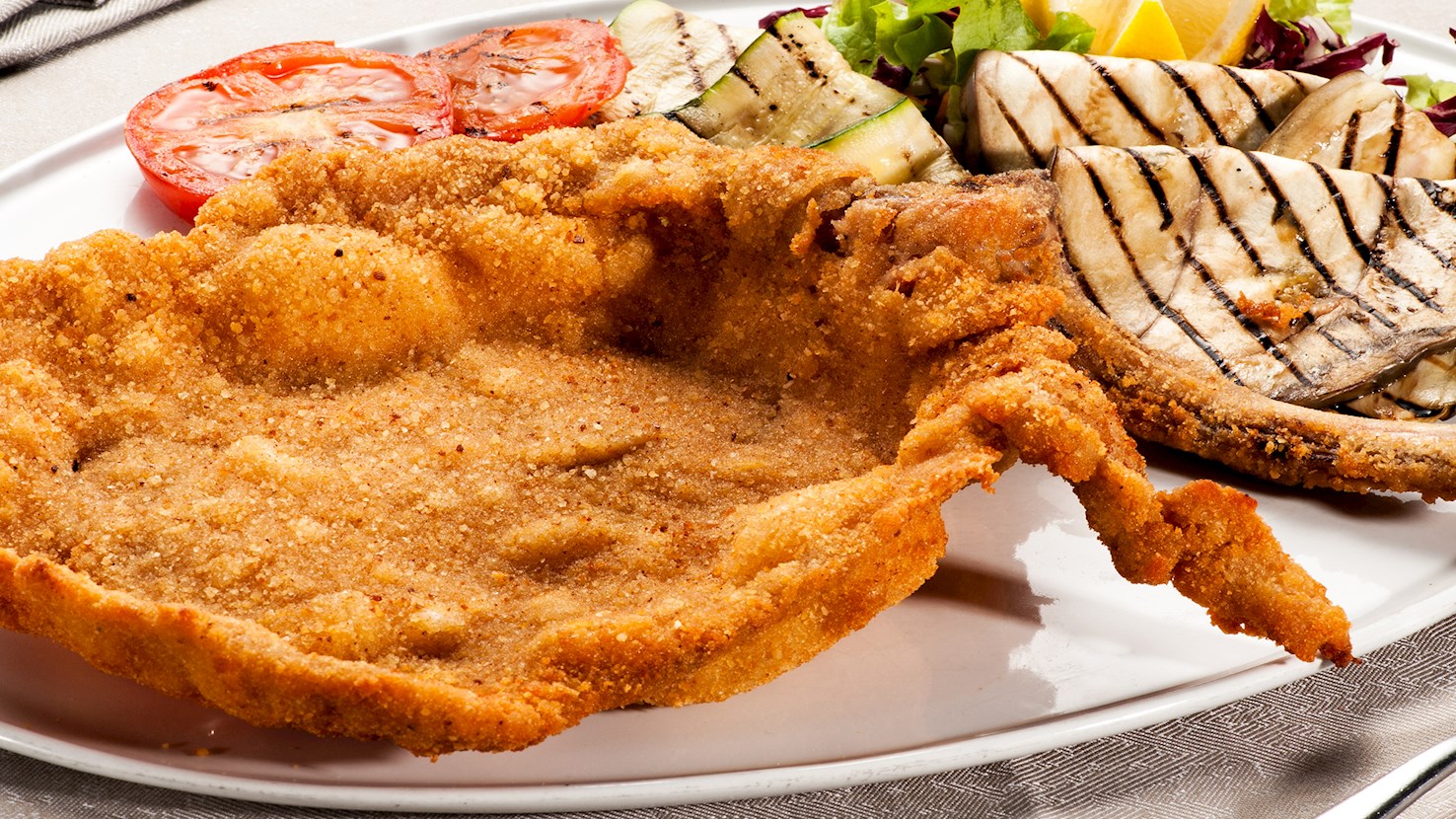
Just like its distant Viennese cousin, cotoletta alla Milanese is a thinly pounded, breaded, pan-fried veal cutlet. Although similar, the two dishes do differ slightly: the Viennese version is traditionally dipped in both flour and bread crumbs before being fried in oil, butter, or a combination of both, while the Milanese version is cooked bone-in and uses only bread crumbs and butter. It is often suggested that the similarities between these two culinary classics are not purely coincidental, as Milan was a part of the Austro-Hungarian Empire in the 17th and 18th century. However, when responding to any superficial comparison between the cotoletta and Wiener schnitzel, the Milanese will proudly point out that their dish has been a specialty of Milan and Lombardy since the 12th century. A recent Milanese invention is a version of the cotoletta called l’orecchia di elefante (lit. elephant's ear) in reference to its size and shape, while the original version gets its name from la costoletta - the cut of meat traditionally used to make it, a nearly inch-thick bone-in veal chop.

08

Croquetas

4.1 ·

These traditional Spanish fritters are usually prepared with a buttery béchamel base that is well chilled and formed into round or cylindrical patties, which are then coated in egg wash and breadcrumbs, and finally fried until crispy and golden. Spain abounds in various types of croquetas, and the most popular versions incorporate ham or shredded chicken in the béchamel base, but other ingredients such as mushrooms, cod, or shrimp are also common. Though they originated as a frugal dish, which made use of leftover ingredients, today they are a classic that is often served as tapas—small finger foods that are usually accompanied by a few drinks.

09

Tirokroketes

4.1 ·

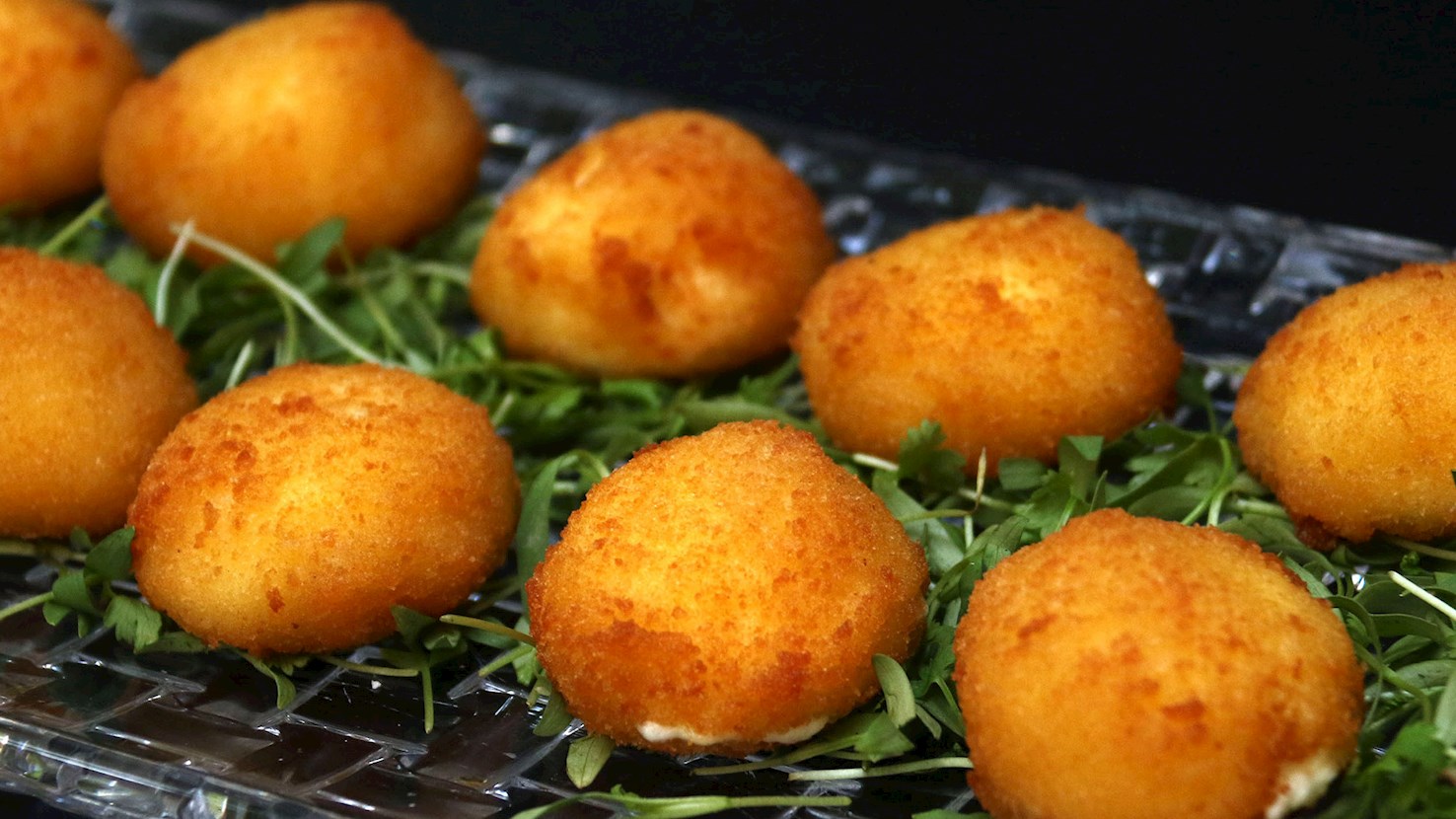
Tirokroketes is a traditional dish consisting of fried cheese balls that have a golden crust on the exterior, while the interior has a melting, oozing texture. This popular meze can be found in almost every Greek tavern. Tirokroketes are actually modern versions of classic spiced meat balls that originated in Ancient Greece and gained popularity throughout Middle East and Balkan countries. The fried balls are usually made with a combination of eggs, breadcrumbs, and three types of cheese – feta, graviera, and gouda. When frying them, it's important not to overcrowd the pan and to place just a few cheese balls at a time into the hot oil. Tirokroketes are served as an appetizer, ideally drizzled with lemon juice while still hot.

10

İnegöl köfte

4.1 ·

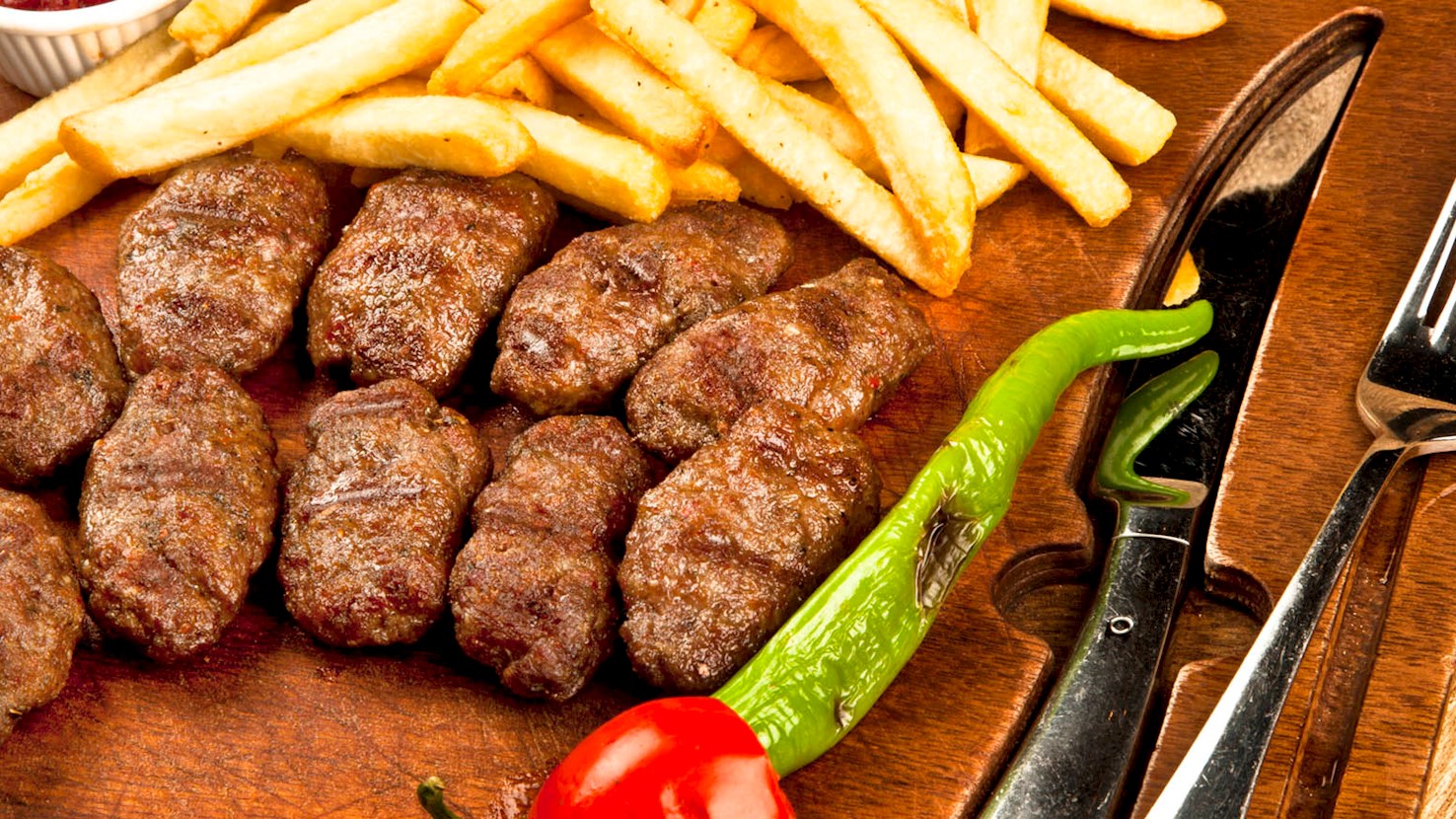
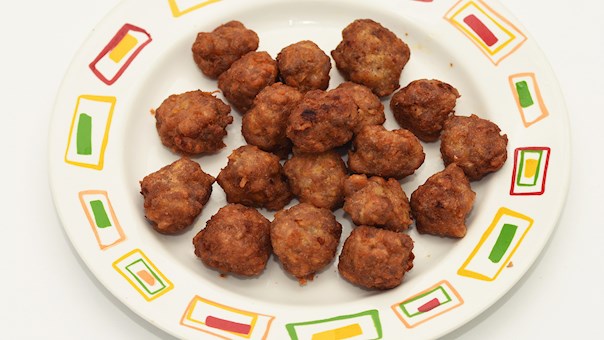
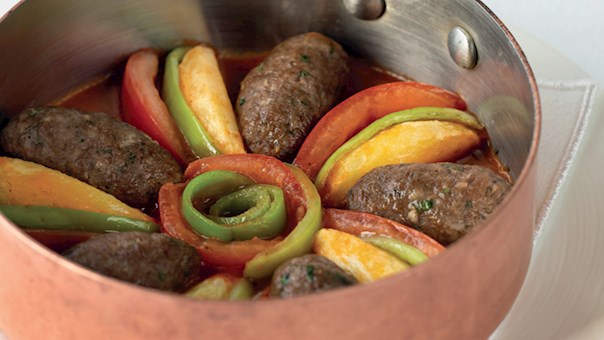
The most famous Turkish meatball dish was invented by Mustafa Efendi, a Turkish immigrant from Bulgaria who came to İnegöl in the late 19th century. İnegöl köfte are made with breadcrumbs and a mixture of ground beef or lamb, seasoned with only onions. They are grilled, and usually served as a main course. Although these delicious meatballs are nowadays found all over the country, it is said that the best ones are prepared in İnegöl.

About this ranking

TasteAtlas food rankings are based on the ratings of the TasteAtlas audience, with a series of mechanisms that recognize real users and that ignore bot, nationalist or local patriotic ratings, and give additional value to the ratings of users that the system recognizes as knowledgeable. For the “93 Best Rated Dishes with Breadcrumbs” list until June 17, 2026, 1,000,987 ratings were recorded, of which 657,348 were recognized by the system as legitimate. TasteAtlas Rankings should not be seen as the final global conclusion about food. Their purpose is to promote excellent local foods, instill pride in traditional dishes, and arouse curiosity about dishes you haven’t tried.

Similar lists