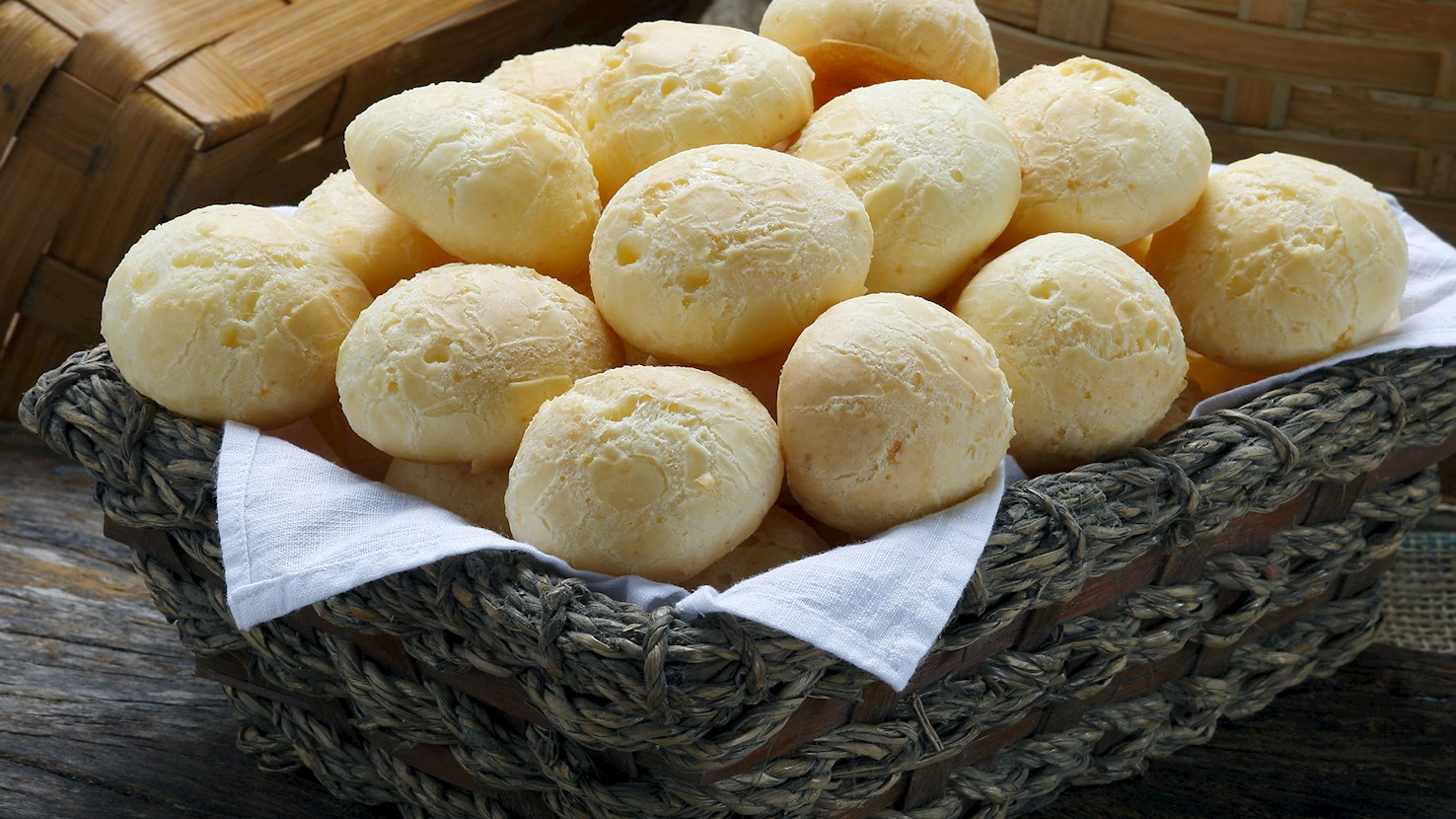
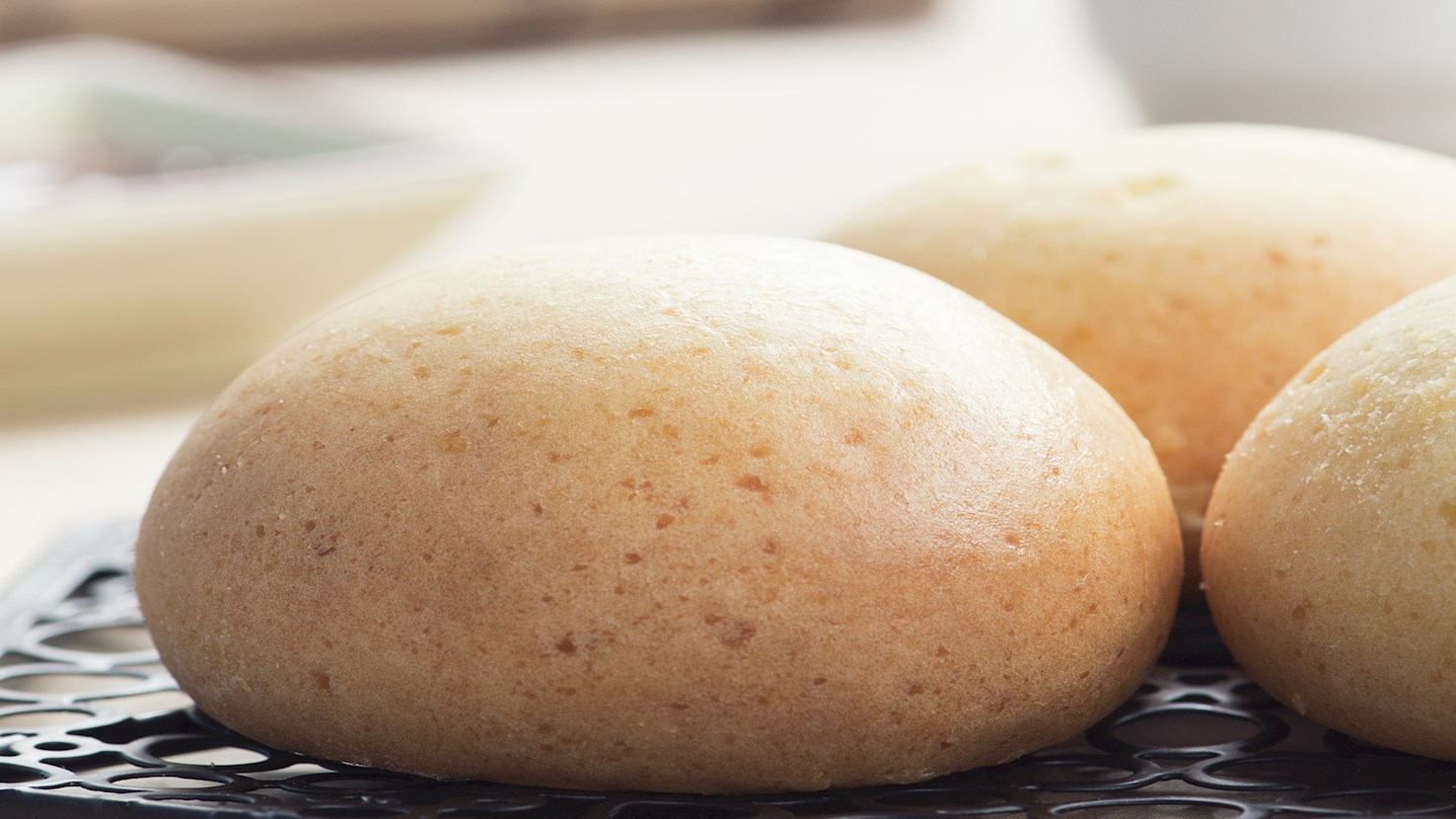
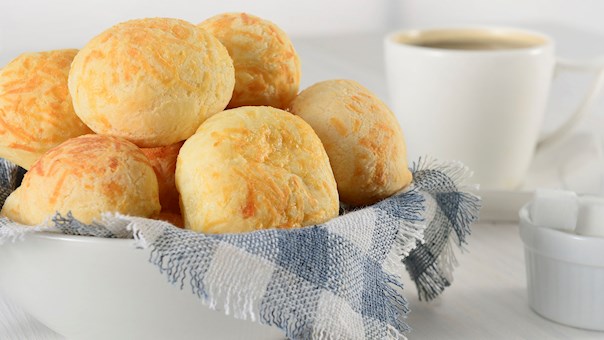
Pan de bono is a traditional bread consisting of cassava starch, cornmeal or corn flour, queso fresco, eggs, and sugar. The bread is shaped into bagels or balls that are slightly larger than golf balls. Pan de bono is similar to other South American cheese breads like pan de queso, difference being added conr flour or cornmeal, and a hint of sweeteness due to the addition of sugar. It is usually served warm with a cup of hot chocolate on the side. Some claim that the name pan de bono was created after an Italian baker in Cali who used to yell pane del buono (good bread), while others say that it is named after a place called Hacienda El Bono, where it was first made.
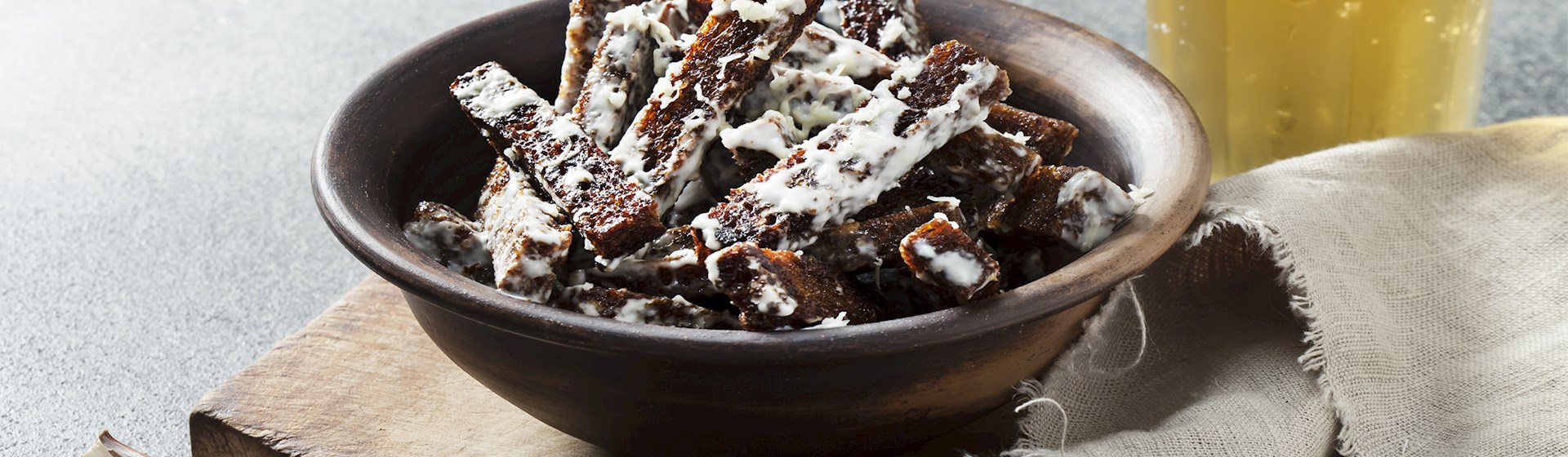
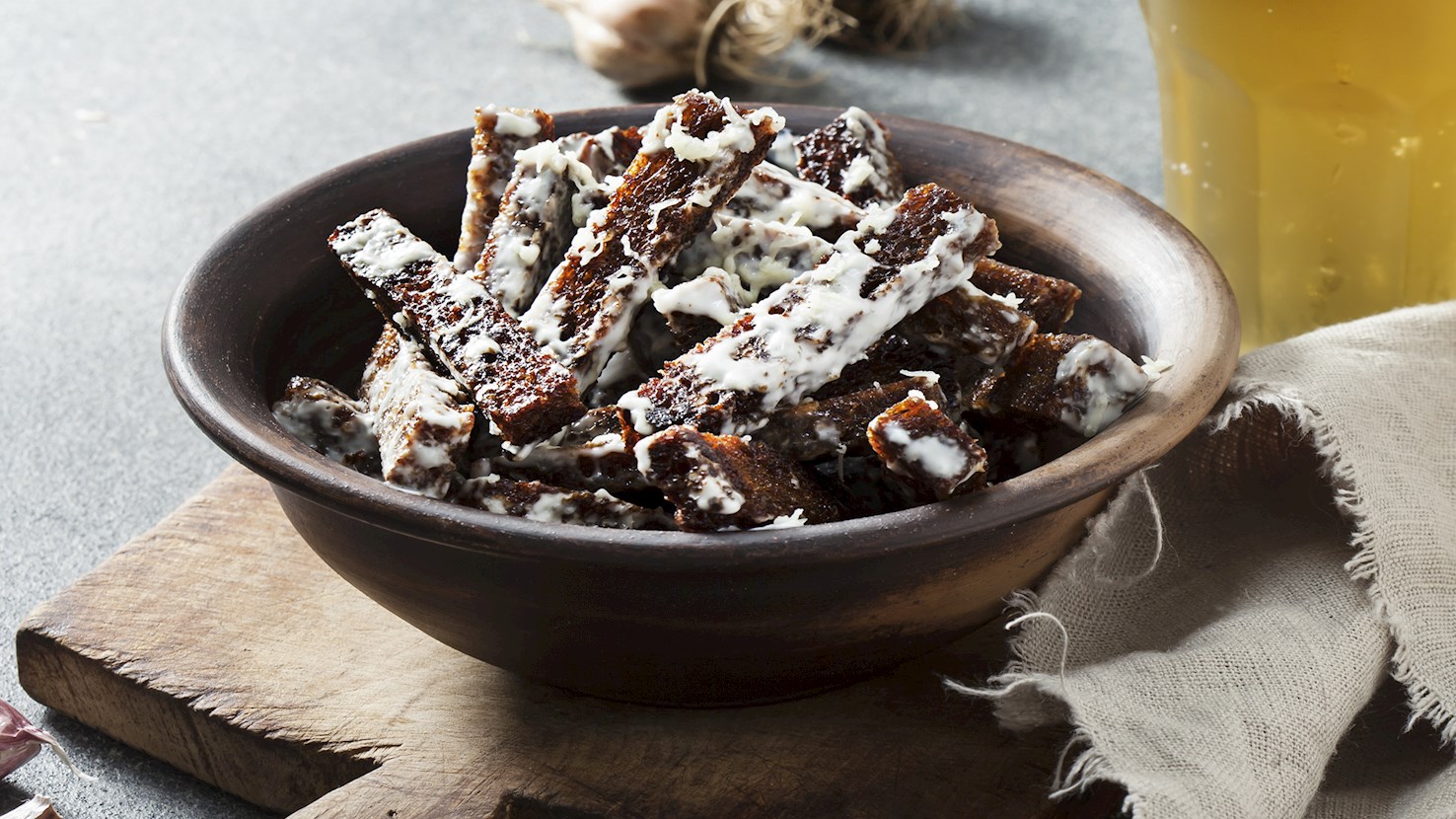
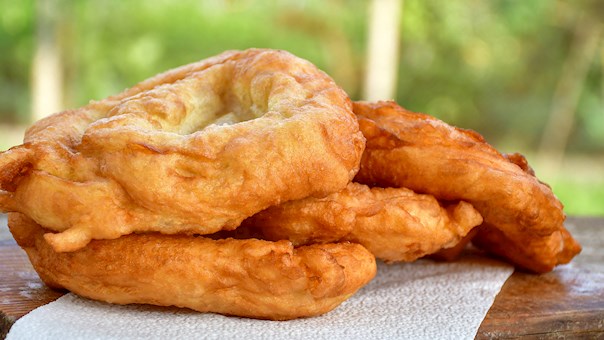
Kepta duona is a simple Lithuanian snack consisting of sliced rye bread that is shortly fried until crispy. The bread is usually sliced into thin strips before it is pan-fried in oil, and it is usually rubbed with garlic (duona su česnaku), while modern varieties often come topped with cheese (duona su sūriu) or mayonnaise. This snack is commonly served in bars, and it is often paired with beer or gira (kvass).
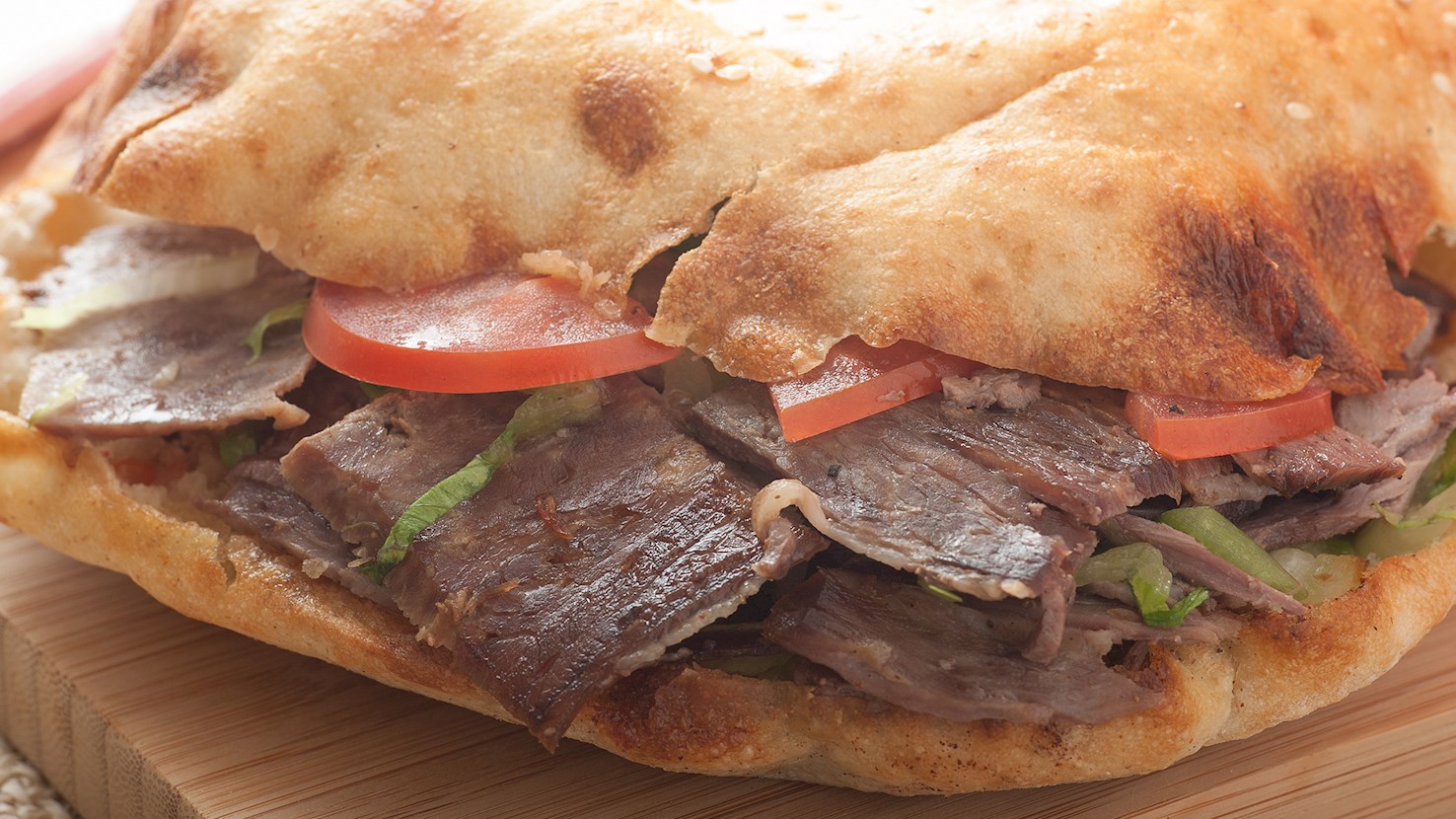
Tombik döner or gobitkebab is a variety of döner kebab where the shredded meat is stuffed in a bun-shaped flatbread known as pide ekmek. The bread has a crispy exterior and a soft interior. This dish is typically served with additional ingredients, depending on the customer's choice, such as tomatoes, onions, lettuce, or other assorted vegetables and sauces.
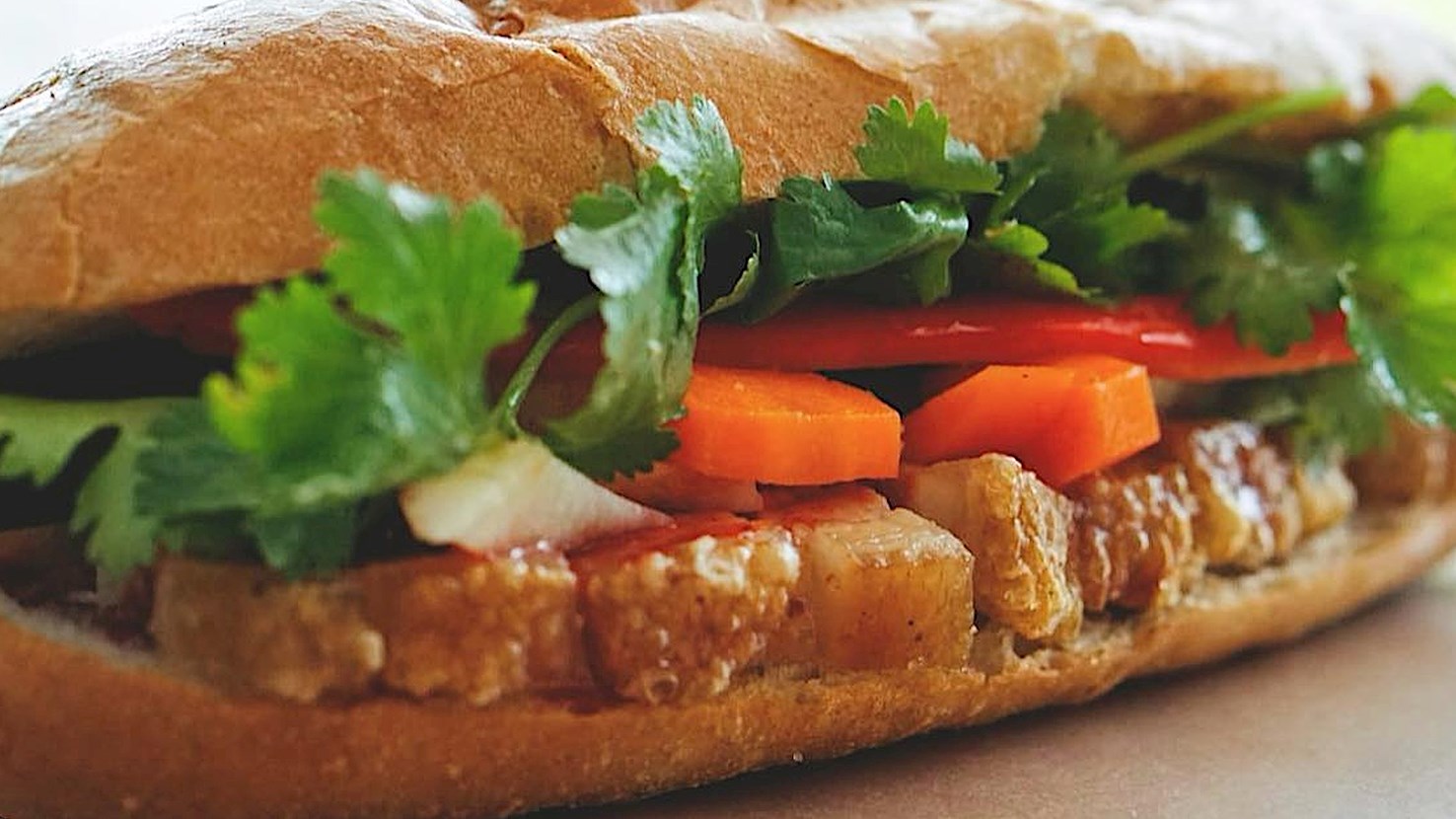
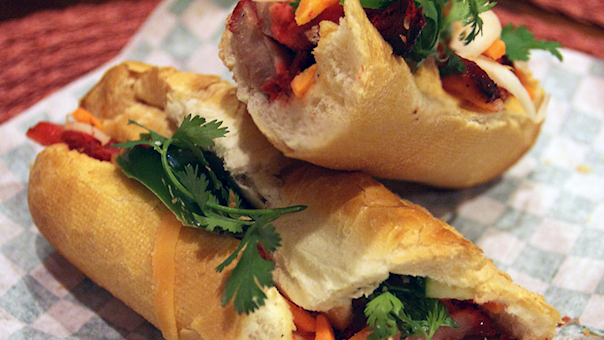
Bánh mì heo quay is a traditional bánh mì sandwich variation made with roasted pork belly as the main ingredient. The pork is roasted with a thick layer of salt and spices. It is sliced and served on a freshly baked bánh mì roll. The sandwich is then dressed with a combination of mayonnaise, pickled carrots and daikon, cucumbers, cilantro, and chives. If desired, sliced chili peppers can be added to the sandwich as a topping, making it very spicy. One side of bánh mì heo quay can also be spread with chicken liver pate before the sliced pork belly is added to the sandwich. This type of bánh mì can be bought at street food stalls and it’s one of the most popular types of bánh mì in the country.
Almojábana is a traditional and Puerto Rican bread (although it is also popular in other countries of Latin America) that is very similar to pandebono. Pandebono is usually made with yuca flour and costeño cheese, while almojábanas are made with cuajada white cheese and cornmeal flour. Almojábanas are baked until they develop a spongy texture and a golden brown color of the exterior. This small, round bread is traditionally served warm.
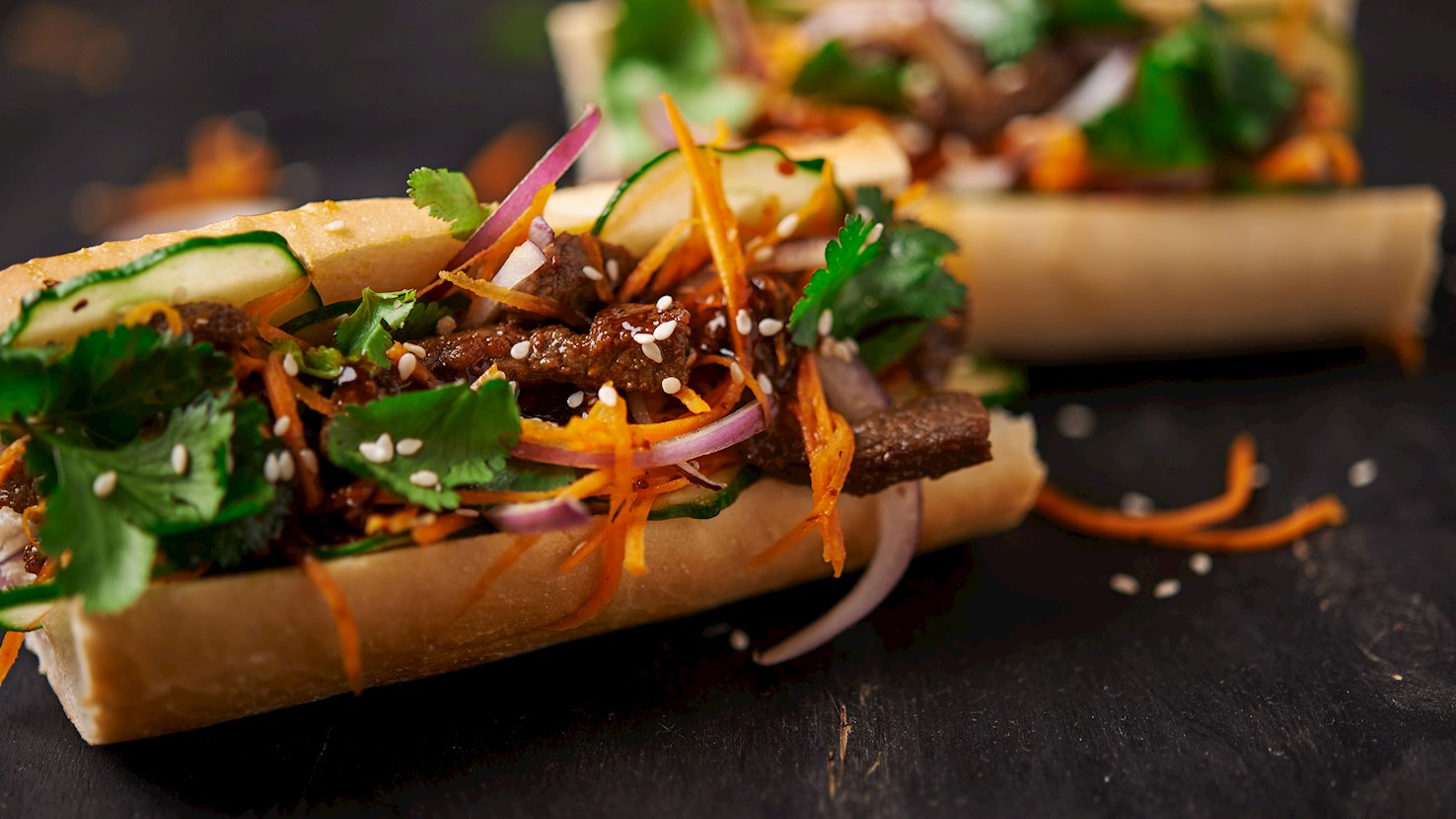
Bánh mì (pronounced 'bun mee') is a popular Vietnamese variety of sandwiches that share the same core ingredient - a baguette. The baguette was brought over to Vietnam during the colonial period, and nowadays it is one of the few happy legacies from the time. The crusty bread, condiments, and meats are all a legacy of French and Chinese colonialism, while cilantro, chili, and pickles reflect the Vietnamese taste for fresh vegetables and bright flavors. In the beginning, most banh mi sandwiches consisted of bread, meat, and seasonings, with no added vegetables. Today, the possibilities are virtually limitless - the sandwiches are stuffed with cold cuts, French butter, fresh mayonnaise, liver pâté, cucumbers, cilantro, pickles, oyster sauce, garlic...and the list goes on. The bread should be light, with a delicate crust and a tender, chewy, and soft interior with a slightly sweet flavor. The meat on the inside can be chicken, pork, beef, seafood, cold cuts, or pâtés, sausages, and terrines, but it is extremely important not to overstuff the sandwich. Most of the fillings and condiments are things that foreigners are unfamiliar with, and that just may be the secret to its popularity. With their cult-like following and savory Vietnamese fillings, these sandwiches have crossed the borders of their native country long ago, and banh mi shops are still popping up all over the world.
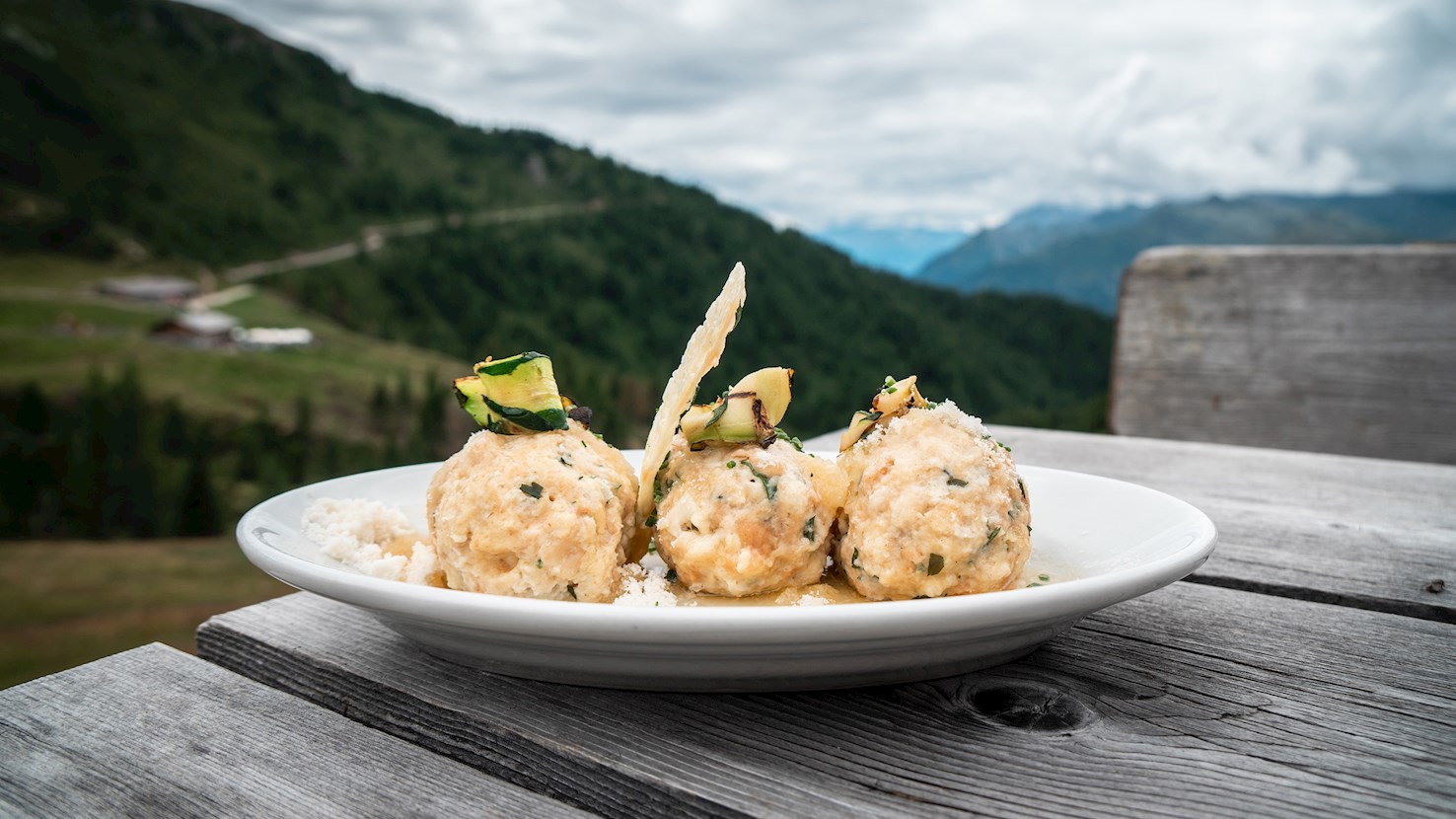
Käseknödel is a traditional dumpling enriched with cheese originating from Tyrol and South Tyrol. These cheese dumplings are typically served as a side dish that shows an inventive way of using leftover stale bread. The stale bread is mixed with cheese, eggs, butter, milk, onions, parsley, salt, and pepper. Käseknödeln are usually boiled in water or fried in butter on both sides until golden brown and then served in a broth or with various salads and stews.
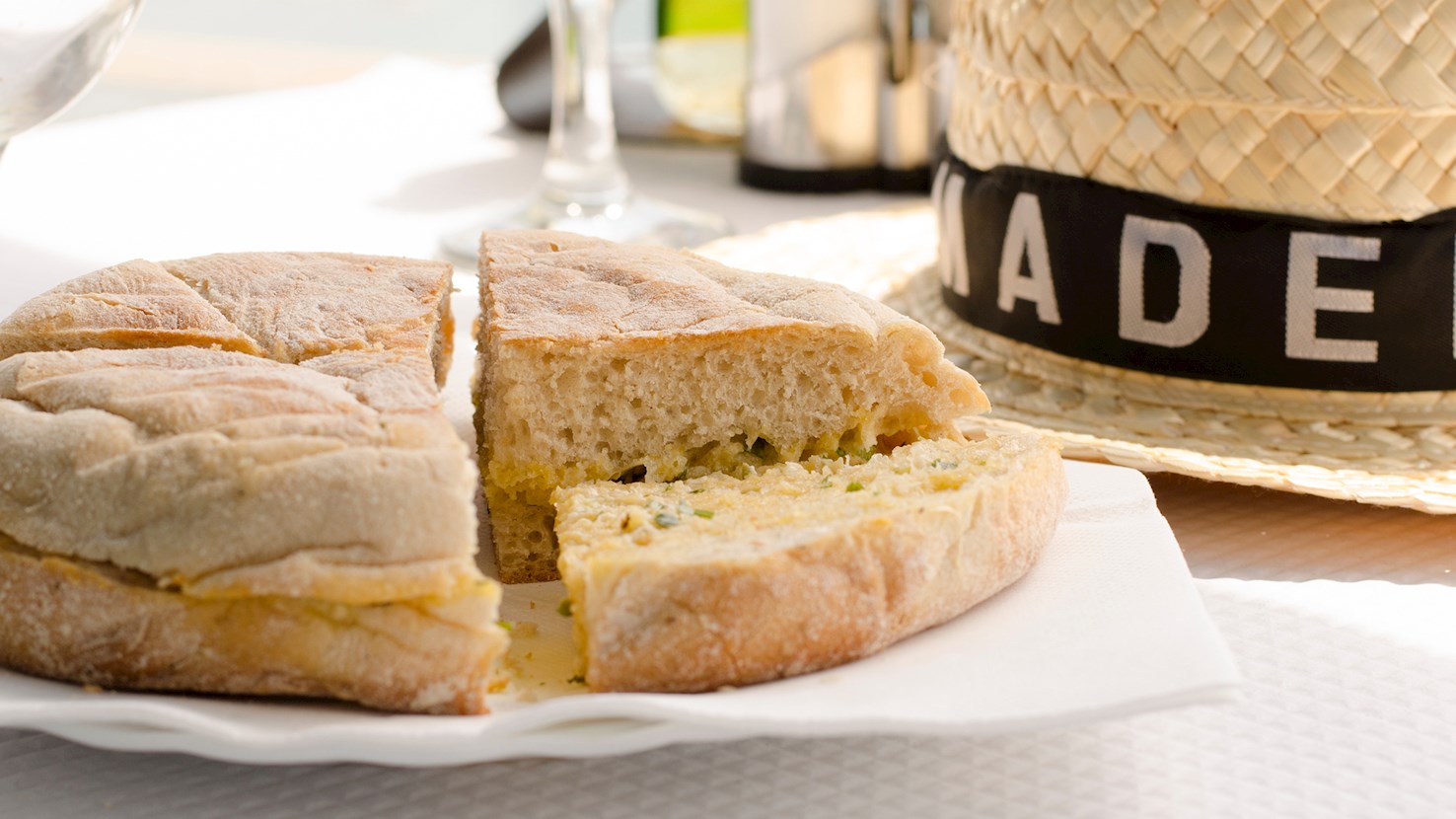
Hailing from Madeira, this rustic, leavened bread is prepared with wheat flour, mashed sweet potatoes, water, and salt. Traditionally baked on large basalt stone slabs, bolo do caco is typically flat and round, though it can vary in size. It is the most common bread variety on Madeira that is usually served as a warm appetizer with garlic butter spread, but it can also be enjoyed as a sandwich or an accompaniment to various traditional Portuguese dishes.
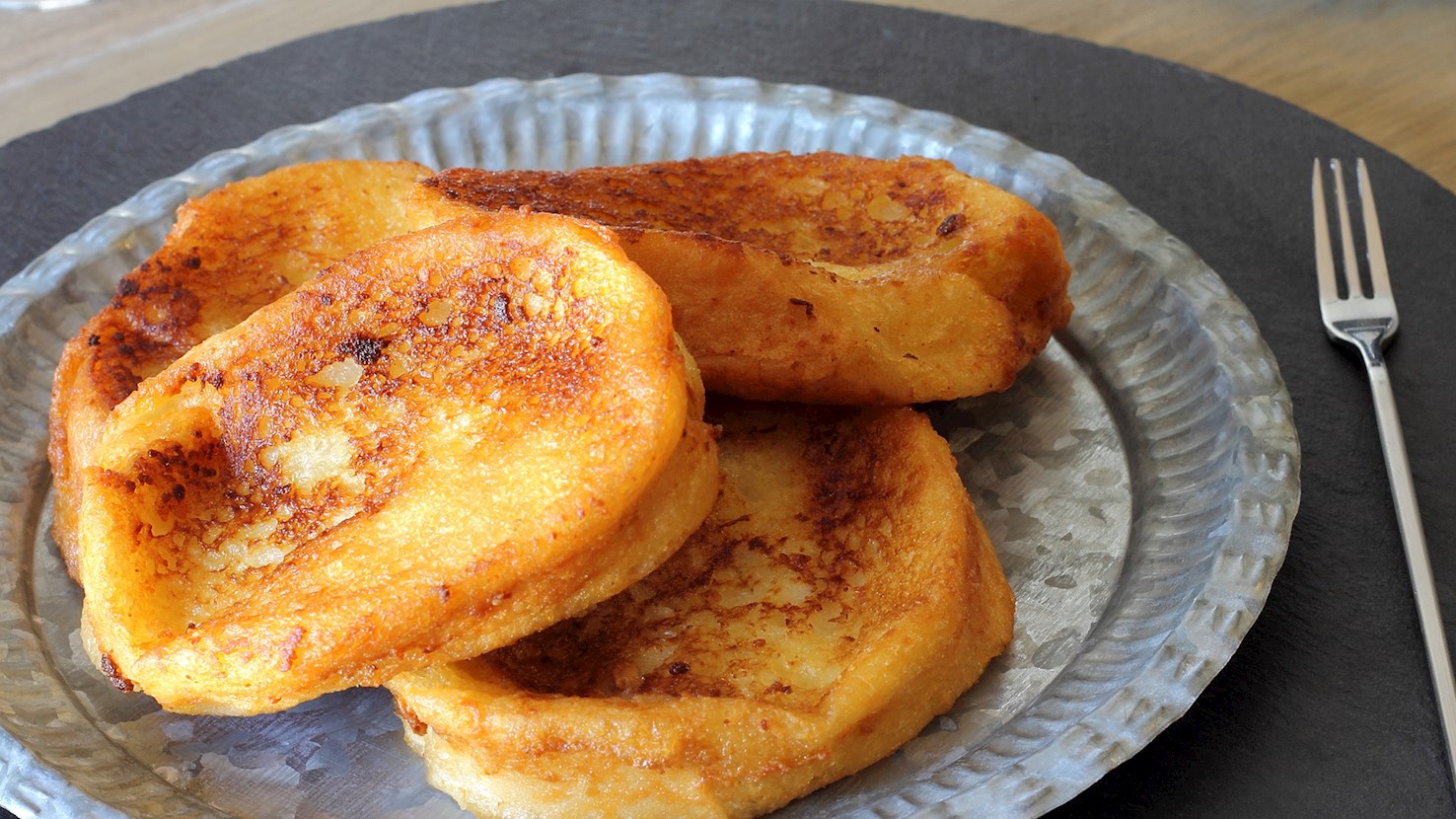
This traditional Hungarian dish is a savory version of the popular French toast. It can be prepared with various types of sliced bread that are coated in lightly beaten eggs, then shortly pan-fried until crispy. The dish is typically enjoyed as breakfast or a light evening snack and is often accompanied by creamy condiments such as mayonnaise and sour cream.
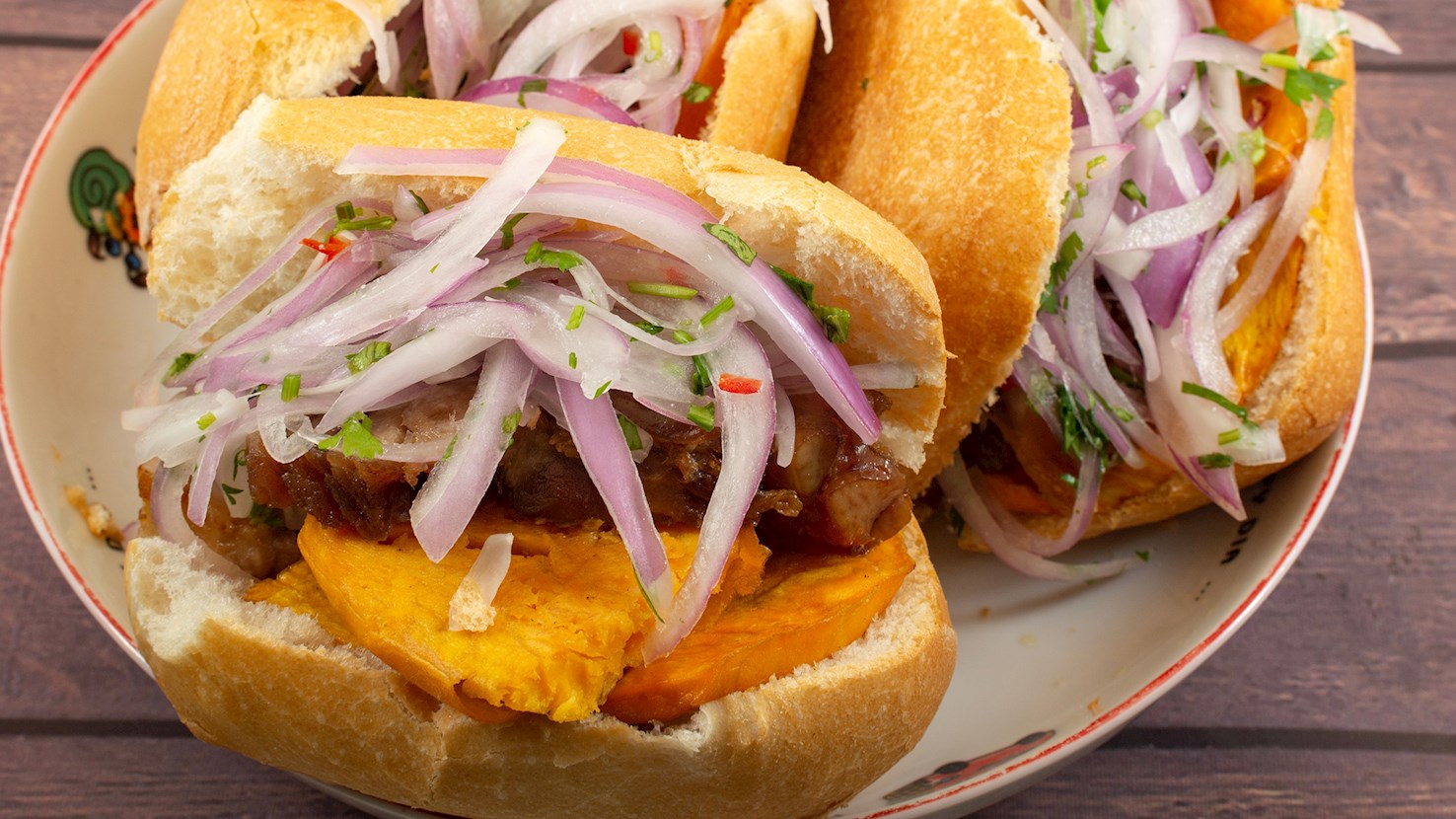
Pan con chicharrón is a traditional Latin American sandwich primarily associated with the culinary heritage of Peru. It is comprised of crispy fried pork belly or pork cracklings placed inside soft bread rolls. The roots of the sandwich can be traced back to the melding of indigenous cooking techniques with Spanish culinary traditions during the colonial period. The preparation of pan con chicharrón involves boiling pork belly and then frying it until the exterior becomes crispy while the interior remains tender. The bread used is often a soft, white roll similar in consistency to a French or Italian loaf. Accompaniments commonly include salsa criolla (a tangy onion salad made with thinly sliced red onions, lime juice, salt, pepper, and occasionally ají peppers) and sweet potatoes.
TasteAtlas food rankings are based on the ratings of the TasteAtlas audience, with a series of mechanisms that recognize real users and that ignore bot,
nationalist or local patriotic ratings, and give additional value to the ratings of users that the system recognizes as knowledgeable.
For the “100 Best Rated Dishes with Bread” list until September 17, 2026, 1,037,815 ratings were recorded, of which 688,105 were recognized by the system as legitimate.
TasteAtlas Rankings should not be seen as the final global conclusion about food. Their purpose is to promote excellent local foods,
instill pride in traditional dishes, and arouse curiosity about dishes you haven’t tried.







What People Say