

shutterstock

43 Best Rated
Dishes with Buckwheat

Last updated on May 22, 2026
01

Galette de Bretagne

4.3 ·

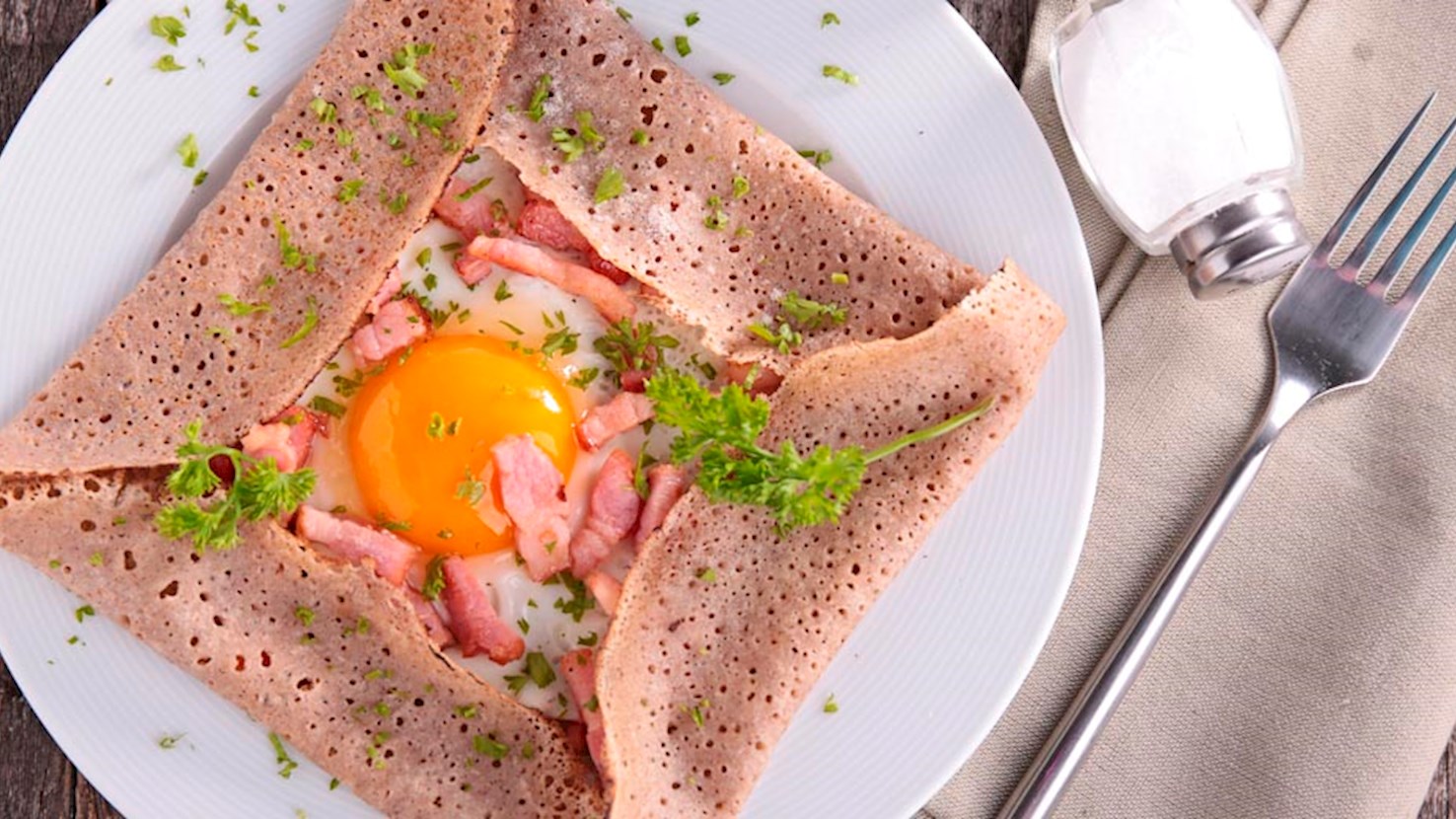
Galettes de Bretagne are generally known as thin buckwheat crépes from Brittany, often filled with ingredients such as eggs, ham, mushrooms, and bacon. However, galettes mean different things in different parts of Brittany. In Lower Brittany, a galette is a thicker crepe made with any kind of flour, while in Upper Brittany, it refers to a crépe made exclusively with buckwheat flour. Also, what is known as galette in Upper Brittany is known in Lower Brittany as crêpes de blé noir (sarrasin) or buckwheat crepes. In Brittany, créperies are so popular that they outnumber cafés, and people regularly use them to eat their galettes with a bit of salted butter. Traditionally, the pancakes are paired with a glass of local cider. According to legend, the Bretagne galette was invented by accident when a farmer spilled buckwheat porridge onto a hot surface. Although people usually associate buckwheat flour with a salty taste, buckwheat crépes are extremely nutritious and contain vitamins B1 and B2, as well as fiber that helps prevent high blood pressure. Buckwheat came to Brittany from the east in the 12th century, so thick, moist, and flavorful galletes were ready to win over even the pickiest palates.

02

Sciatt

4.2 ·

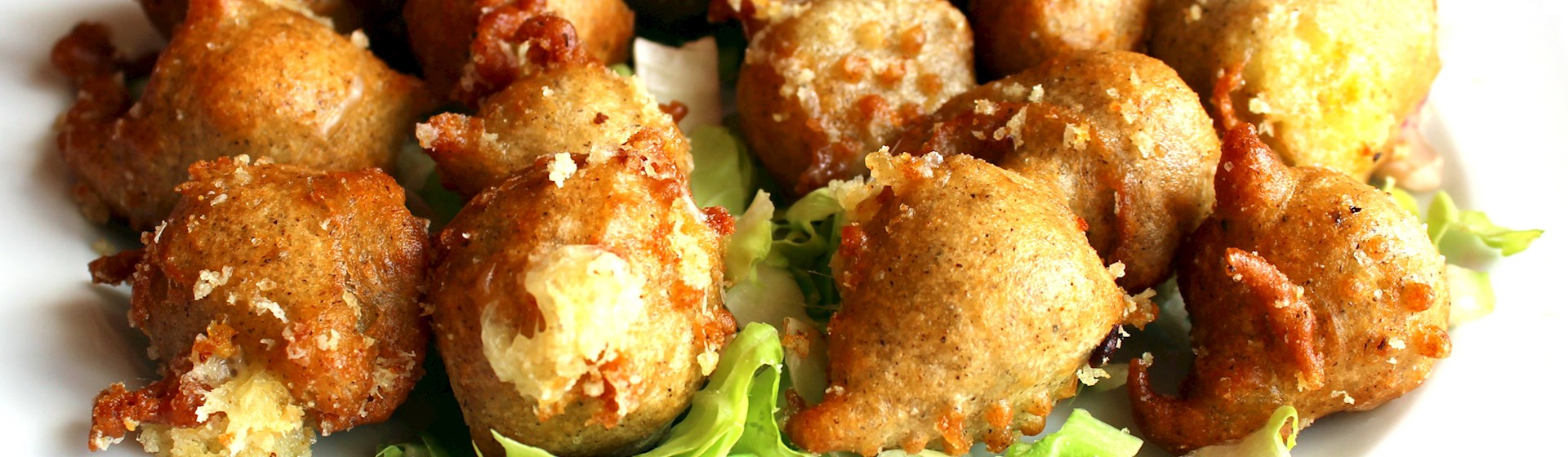
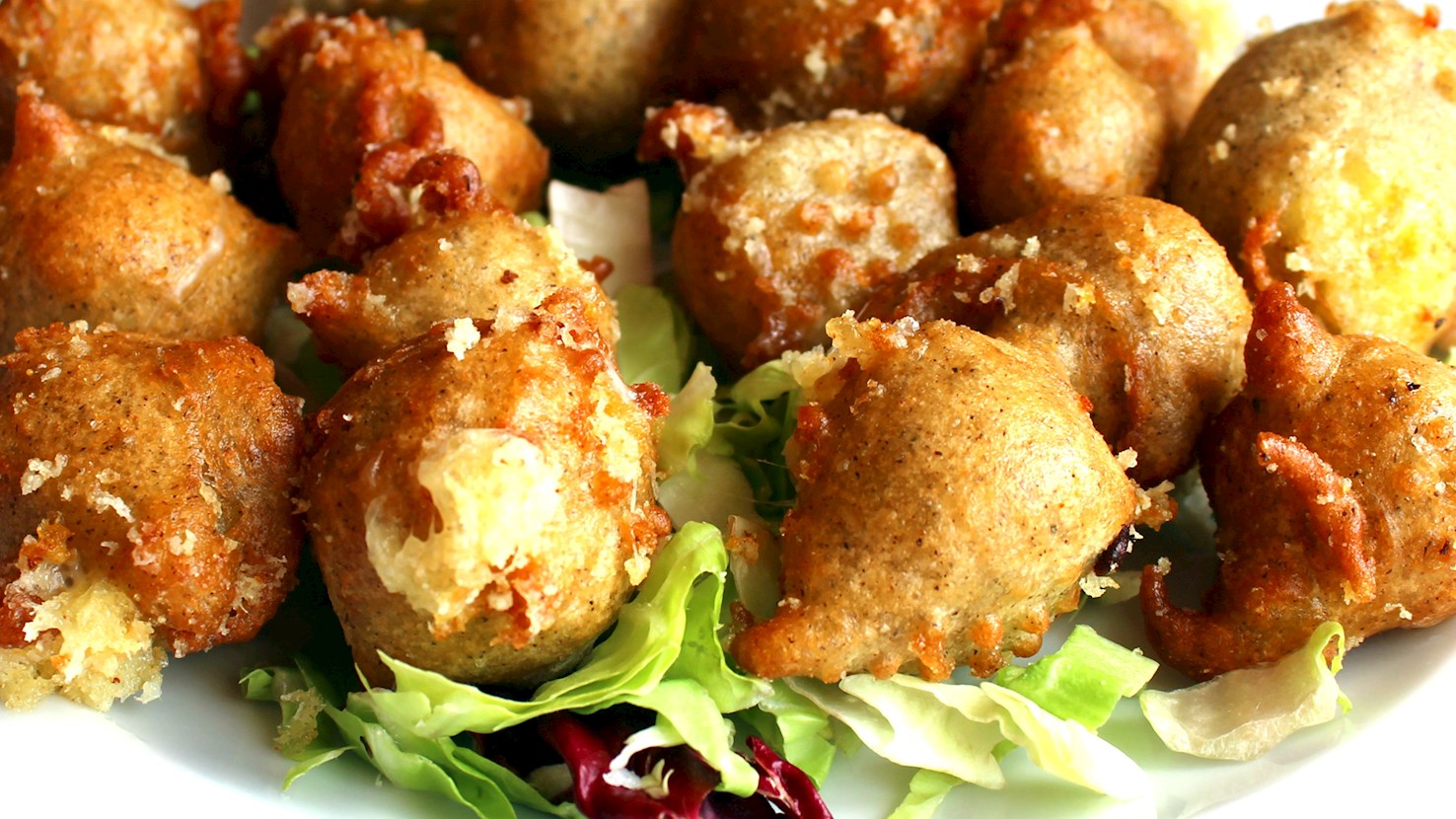
These irregularly-shaped buckwheat fritters are a traditional delicacy of the Valtellina valley, where buckwheat has been used since the 1600s. They are prepared with a thick batter that employs buckwheat, beer, and a splash of grappa, while the final addition is diced cheese, preferably the local Valtellina Casera. It is believed that they were named sciatt, denoting a toad in the local dialect, because of their unusual shape and dark color. They are traditionally served on a bed of fresh seasonal salads and are enjoyed as an appetizer or a snack.

03

Pizzoccheri alla Valtellinese

4.1 ·

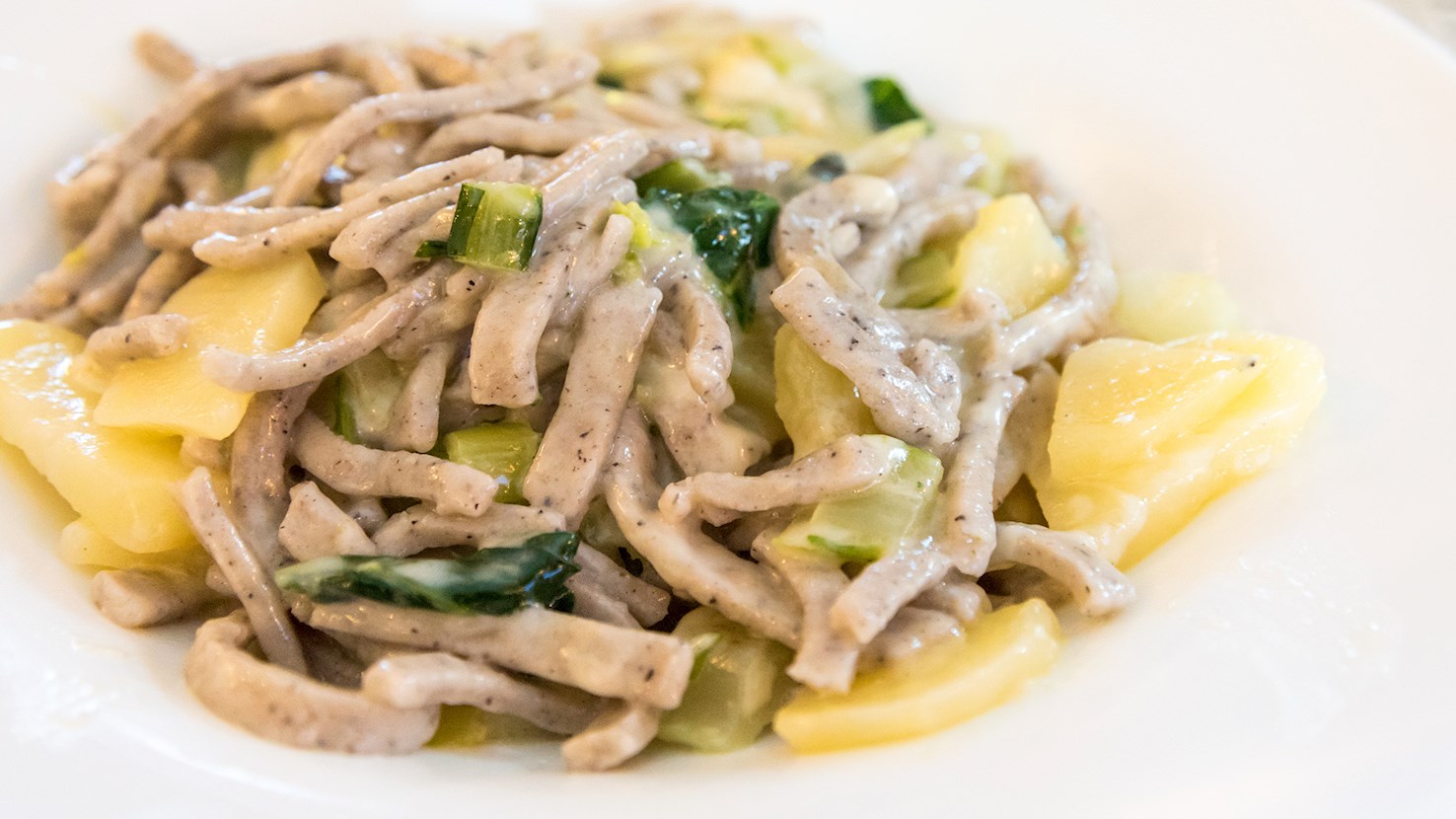
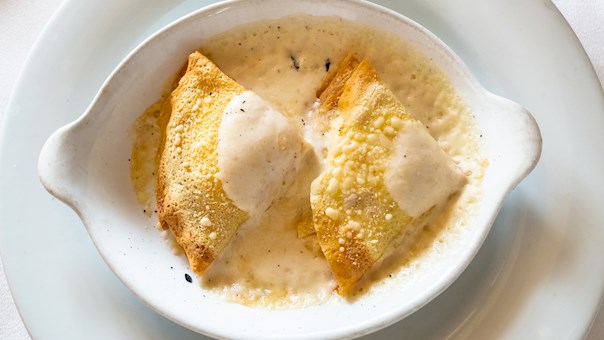
This traditional pasta dish combines buckwheat pizzoccheri pasta with potatoes and cabbage, which is seasonally replaced by swiss chard or green beans. All of the ingredients are cooked together and are typically layered with grated Parmigiano Reggiano and Valtellina Casera cheese and garlicky melted butter. Before serving, pizzoccheri alla Valtellinese is shortly baked, allowing the cheese to melt and all of the ingredients to combine. Not much is known about the origin of this Italian classic, but it is presumed that it was invented following the introduction of pizzoccheri pasta in the 16th century. As the name suggests, the dish originated in the Valtellina valley, from where it spread to other parts of Italy.

04

Polenta taragna

3.9 ·

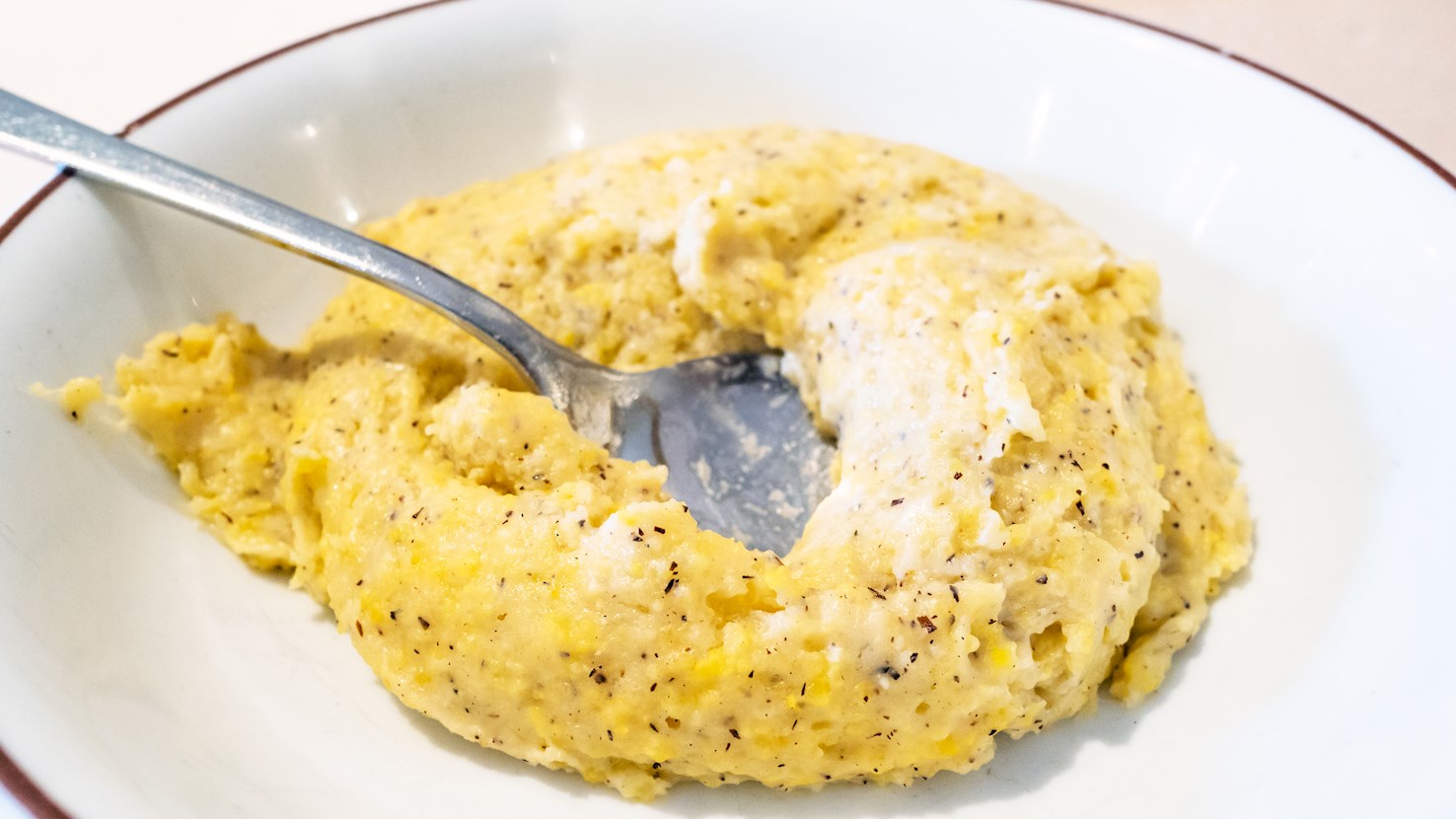
Polenta taragna is an elaborate polenta spin-off made with a mix of yellow cornmeal and buckwheat flour, enriched with butter and cheese that are mixed in right before serving. The name comes from the word tarai or tarel, referring to the wooden tool traditionally used to stir the polenta that's cooked in a copper pot hung inside the fireplace. The main characteristics of polenta taragna are its dark grayish color, due to the use of buckwheat flour, and rich creaminess coming from the cheese. The cheeses used in the dish may vary, but they’re commonly local, semi-fat, medium-ripened cow-milk cheeses such as Valtellina Casera, Bitto, Branzi, or Fontina. Polenta taragna can be enjoyed on its own, as the main course, or served alongside cold cuts and Italian pickles. Buckwheat production in Valtellina dates back to the 1600s, so it is no surprise that it is used in many traditional local dishes such as this one.

05

Tororo soba

3.8 ·

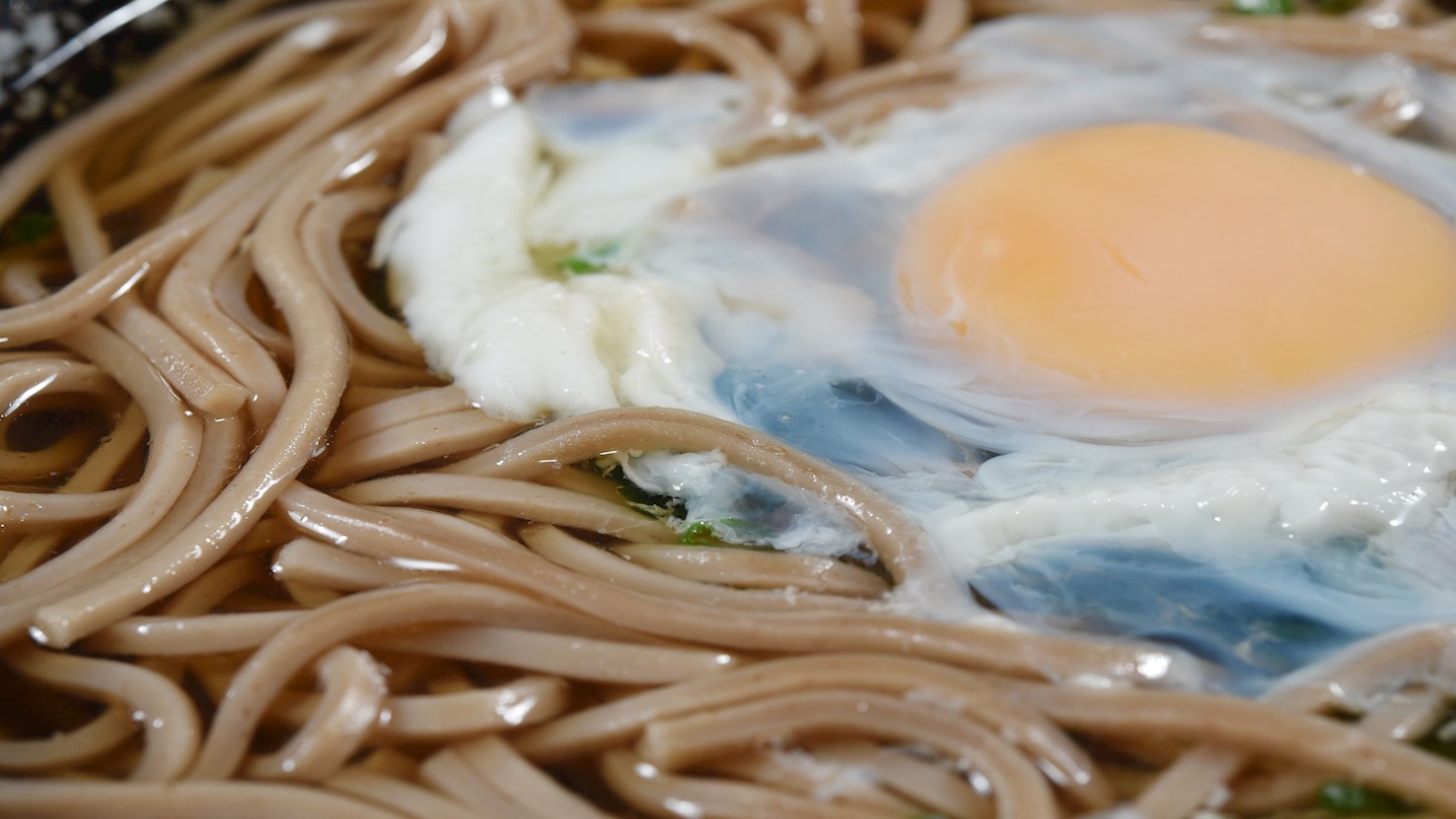
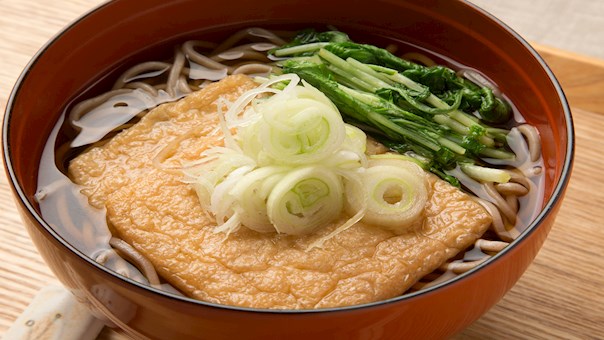
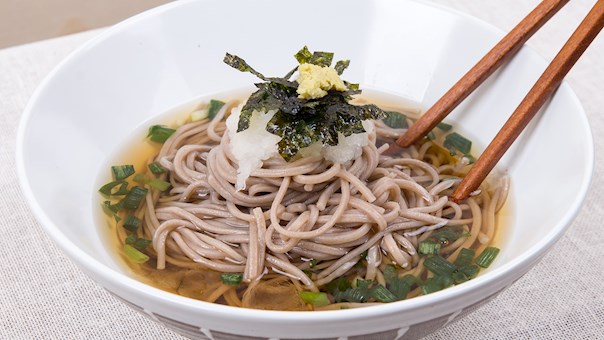
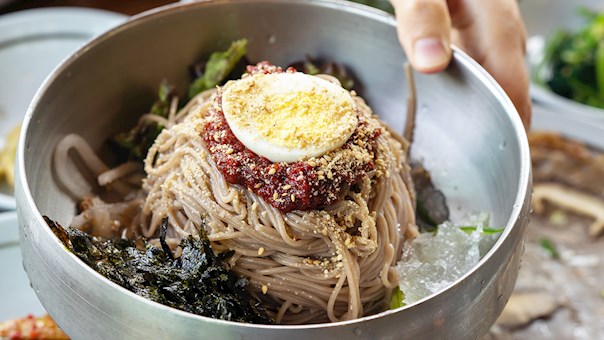
Tororo soba is a Japanese dish which consists of buckwheat noodles topped with grated raw nagaimo yams - a popular ingredient in traditional Japanese cuisine characterized by an unusual gooey texture. Whether it is eaten as a cold summer dish or a nutritious warm winter meal, when served in a flavorful mentsuyu broth, tororo soba is often complemented with raw eggs and sliced scallions.

06

Hrechanyky (Buckwheat Patties)

3.7 ·

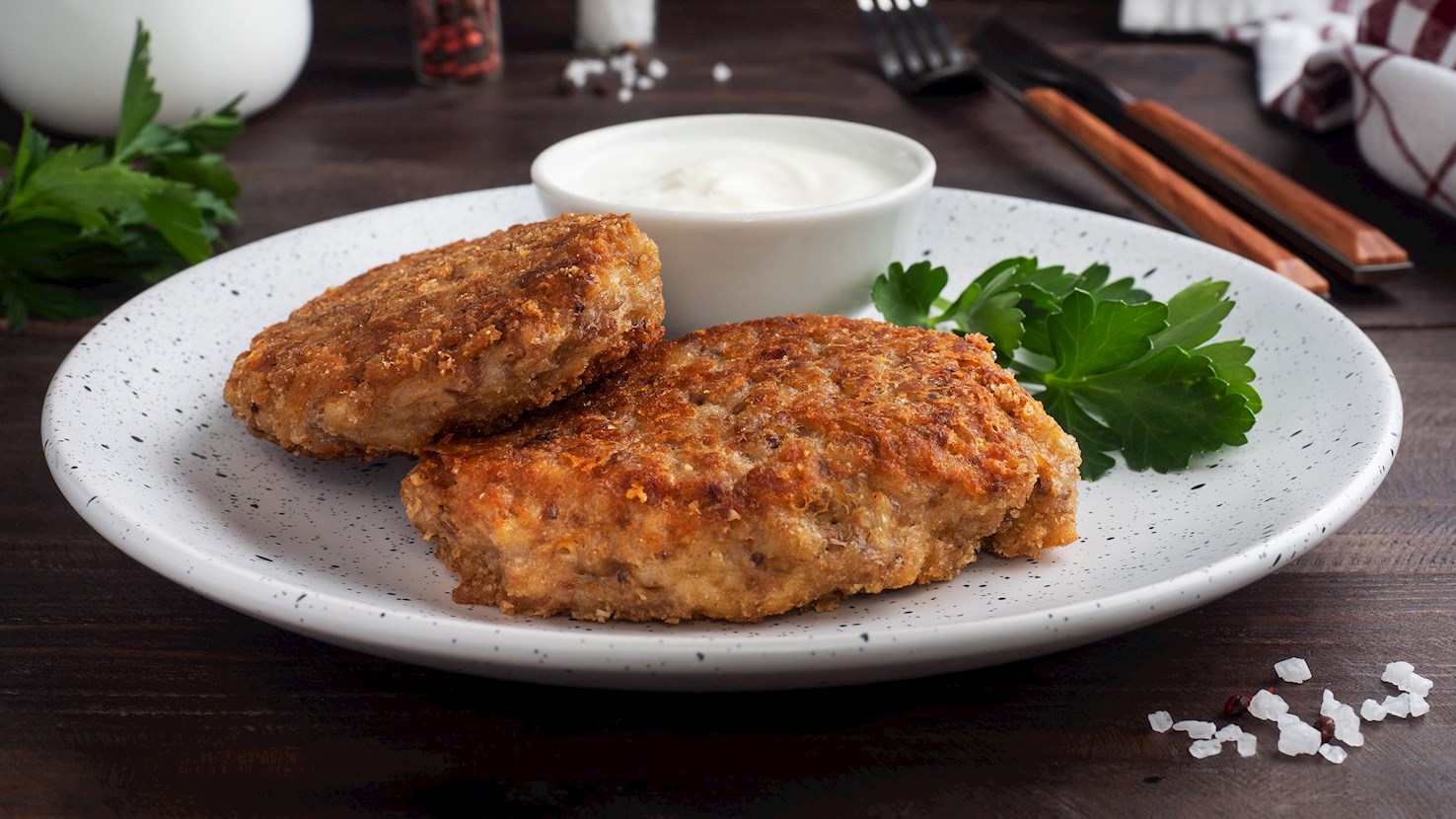
Hrechanyky are traditional Ukrainian patties that are especially popular in the region of Lemko. The patties are usually made with a combination of ground meat (beef, chicken, or pork), boiled buckwheat, eggs, onions, flour, breadcrumbs, coriander, sunflower oil, salt, and pepper. The onions are chopped and sautéed in oil, and then mixed with the ground meat, eggs, breadcrumbs, coriander, and seasonings. The mixture is shaped into patties that are rolled in flour and fried in oil on both sides until golden brown. The patties are then baked in the oven, usually with a sauce based on tomatoes, mushrooms, or sour cream. Hrechanyky are served with stewed or raw vegetables.

07

Griķi

3.6 ·

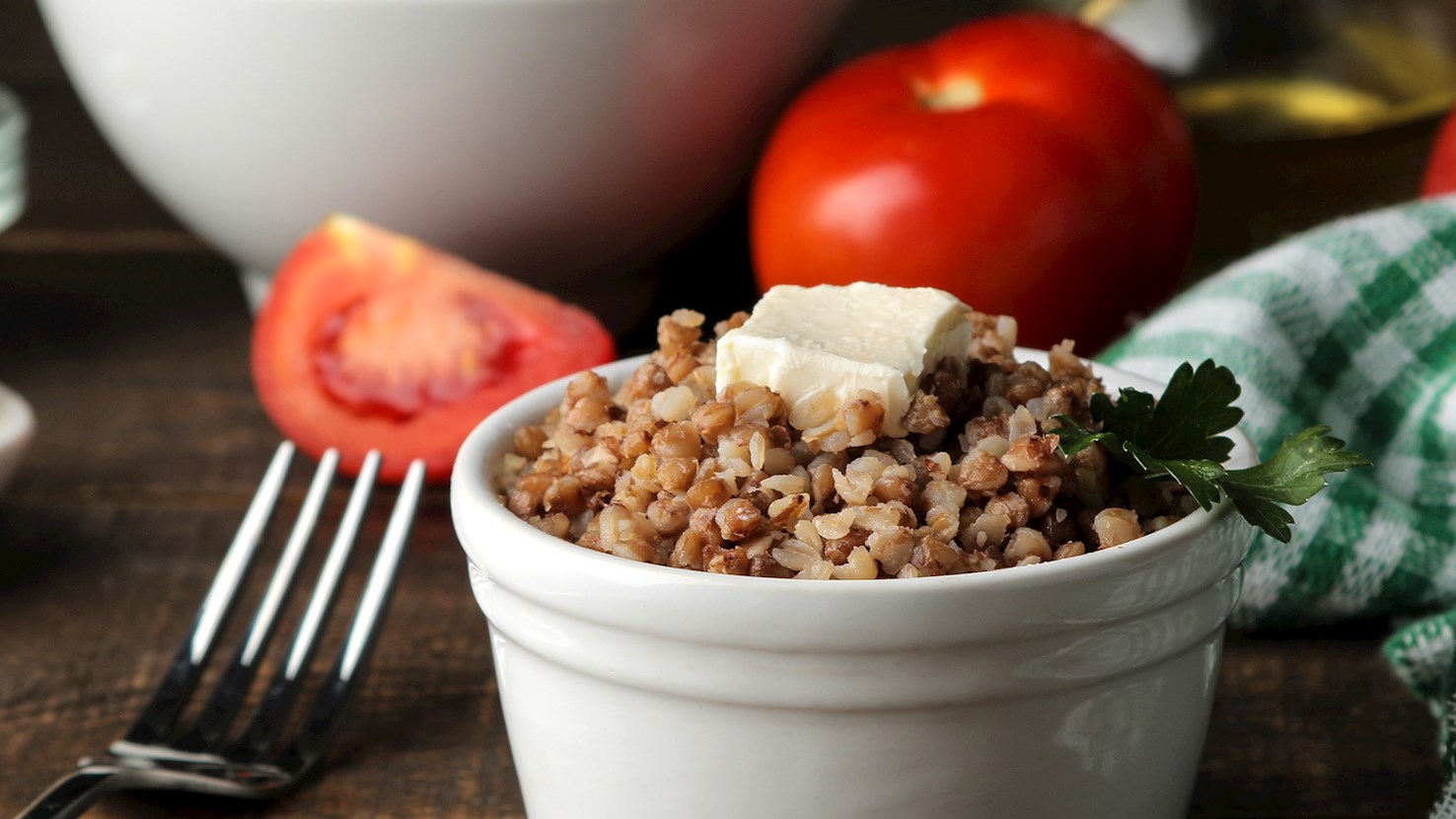
Griķi, which is believed to stem from the term for a Greek person, is the Latvian name for the pseudocereal known as buckwheat. One of the staple ingredients of traditional Latvian cuisine, griķi is also the name of this simple dish consisting of buckwheat groats that have been cooked in water with butter and salt before being enjoyed on their own or as an accompaniment to various Latvian specialties. Boiled buckwheat is typically eaten with butter or sour cream and salads, and it usually accompanies creamy meat sauces or meat specialties such as karbonāde (pork schnitzel) and karbonāde ar kaulu (pork chops).

08

Canederli al grano saraceno (Buckwheat Dumplings)

3.6 ·

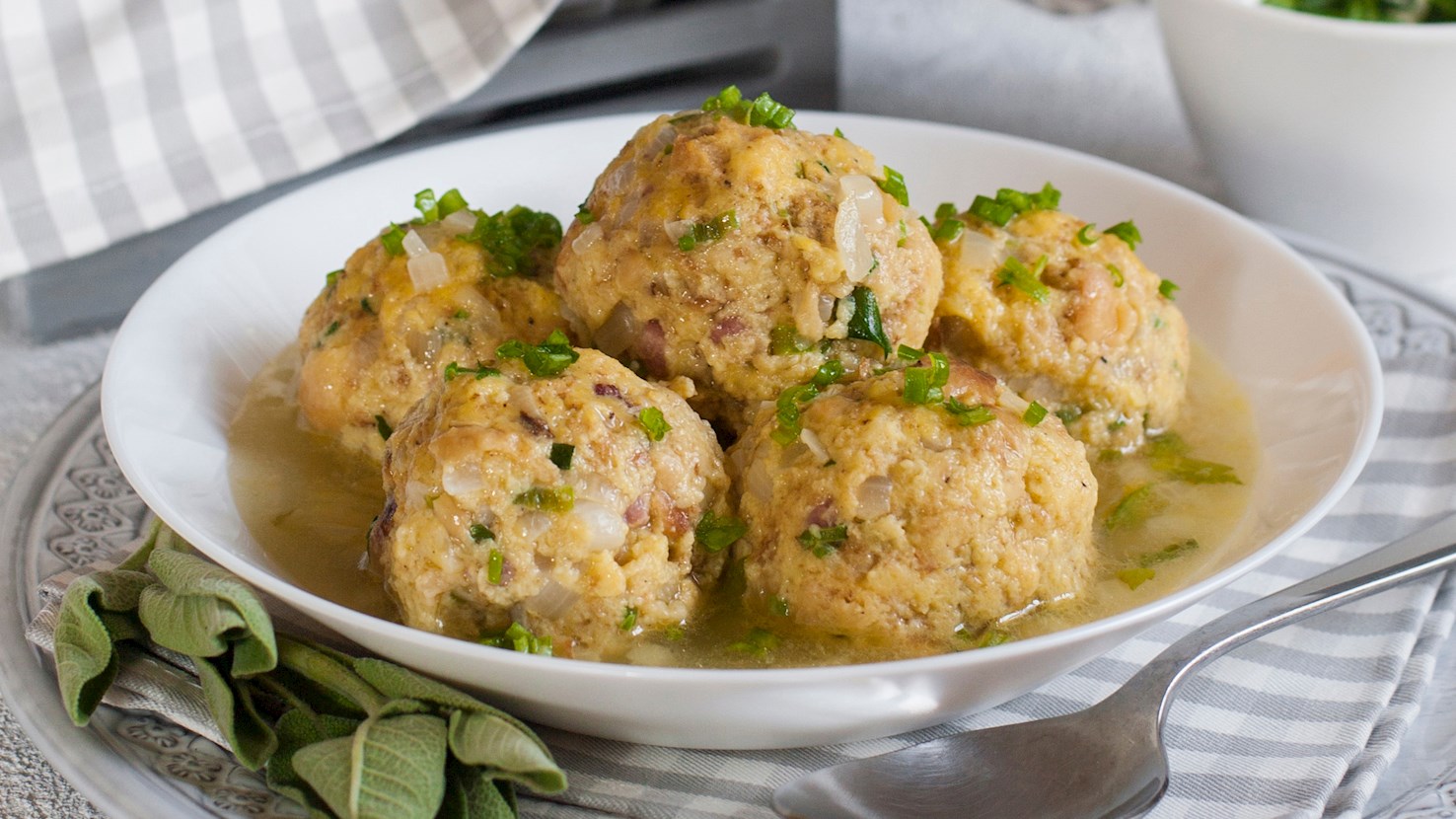
Canederli al grano saraceno are traditional dumplings originating from South Tyrol. The dumplings are typically served as a side dish that displays an inventive way of using leftover stale bread. For this version of canederli (or knödel), the bread is usually mixed with buckwheat flour, wheat flour, onions, milk, eggs, parsley, speck, chives, salt, and black pepper. The speck is chopped and fried with onions, then mixed with diced bread. The eggs are whisked with milk, seasoned with salt and pepper, and both types of flour are then added to the mixture. Bread and speck are mixed with the rest of the ingredients and the dumplings are cooked in boiling salted water. Canederli al grano saraceno can be served in broth or doused in melted butter and sprinkled with grated cheese.

09

Ajdovi žganci

3.4 ·

Ajdovi žganci is the national dish of Slovenia, consisting of buckwheat flour and water. The word žganci is derived from žgati, meaning to burn. Originally, the dish was a basic meal for most people, a breakfast used to provide the daily nutrients and energy to farmers for their hard work during the day. Žganci was consumed as a substitute for bread, while the leftovers used to be toasted with lard the following day, so that no food went to waste. Today, the dish can be found throughout the country, but it is prepared differently in each region of Slovenia. It is commonly served with sauerkraut and grilled sausages on the side. Ajdovi žganci are considered the ultimate comfort food on cold winter days.

10

Ajdova kaša

3.4 ·

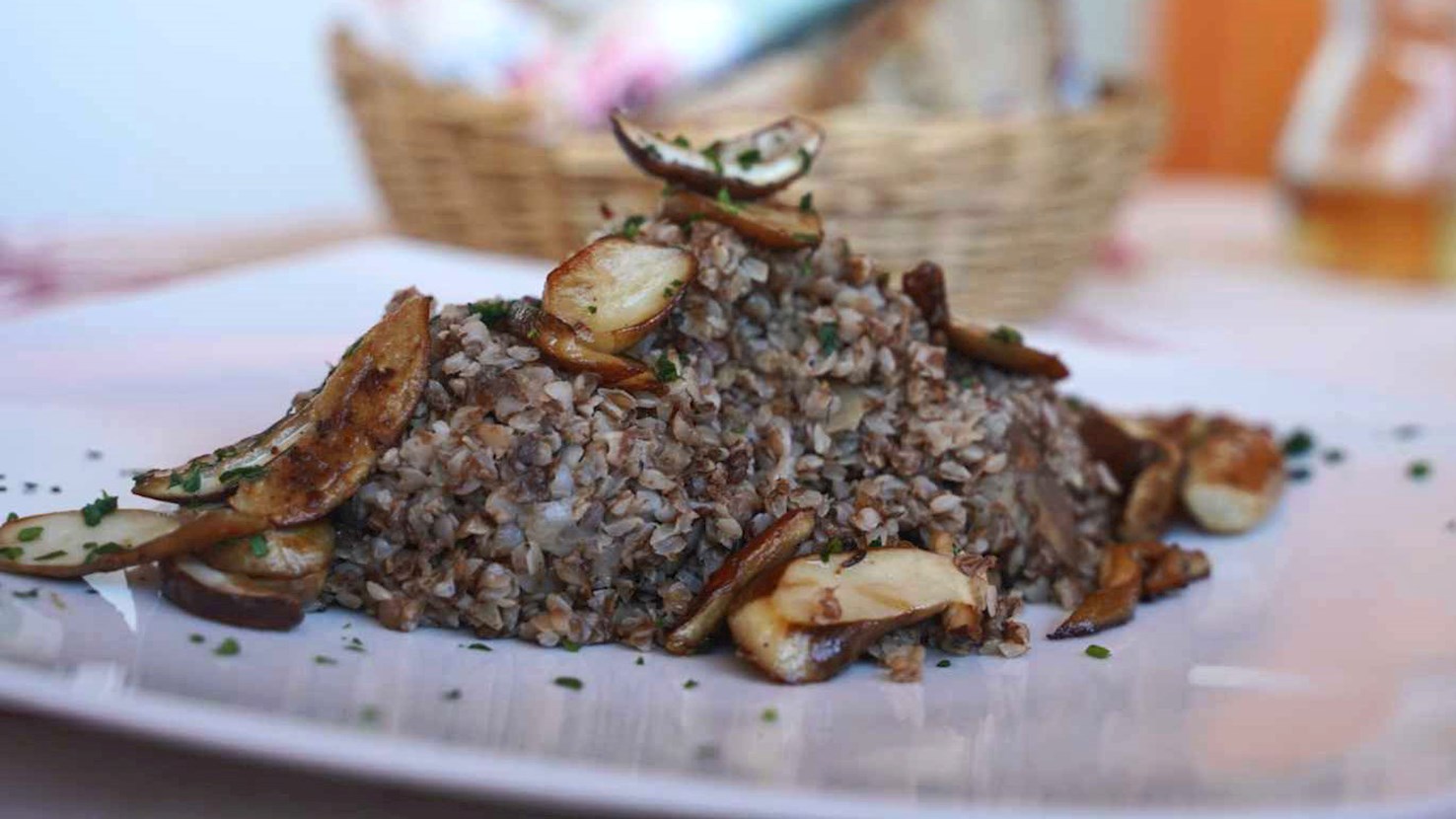
Ajdova kaša is a traditional dish originating from Slovenia. Although there are many variations, it's usually made with a combination of buckwheat, vegetable stock, onions, garlic, mushrooms, bay leaves, fat, parsley, salt, and pepper. The buckwheat groats are covered with the stock and slowly simmered in a pot with bay leaves and salt. The onions are sautéed in oil or butter and mixed with the mushrooms, garlic, salt, and pepper. The mixture is cooked until the water evaporates and it's sprinkled with chopped parsley. It is then mixed with the buckwheat, and ajdova kaša is typically served with roast meat or sauerkraut.

About this ranking

TasteAtlas food rankings are based on the ratings of the TasteAtlas audience, with a series of mechanisms that recognize real users and that ignore bot, nationalist or local patriotic ratings, and give additional value to the ratings of users that the system recognizes as knowledgeable. For the “43 Best Rated Dishes with Buckwheat” list until May 22, 2026, 989,158 ratings were recorded, of which 646,966 were recognized by the system as legitimate. TasteAtlas Rankings should not be seen as the final global conclusion about food. Their purpose is to promote excellent local foods, instill pride in traditional dishes, and arouse curiosity about dishes you haven’t tried.

Similar lists