




11 Best Rated
Dishes with Capers

Last updated on May 22, 2026
01

Bagel and Lox

4.2 ·

Bagel and lox is a classic New Yorker sandwich consisting of a freshly baked bagel that's split in half, then topped with cream cheese and cured salmon. The sandwich can be additionally garnished with capers or thinly sliced red onions, while the plain cream cheese can be replaced with dill and chive cream cheeses. Both the bagels and lox were introduced to America by European Jewish immigrants at the turn of the 20th century, and by the 1950s, the bagel became a staple food in America. Traditionally, they could be found at New York's Jewish delis, but today they're available throughout the country. However, if you're a purist that wants only the authentic bagel and lox sandwich, stick with New Yorker delis.

02

Sugo alla puttanesca

4 ·

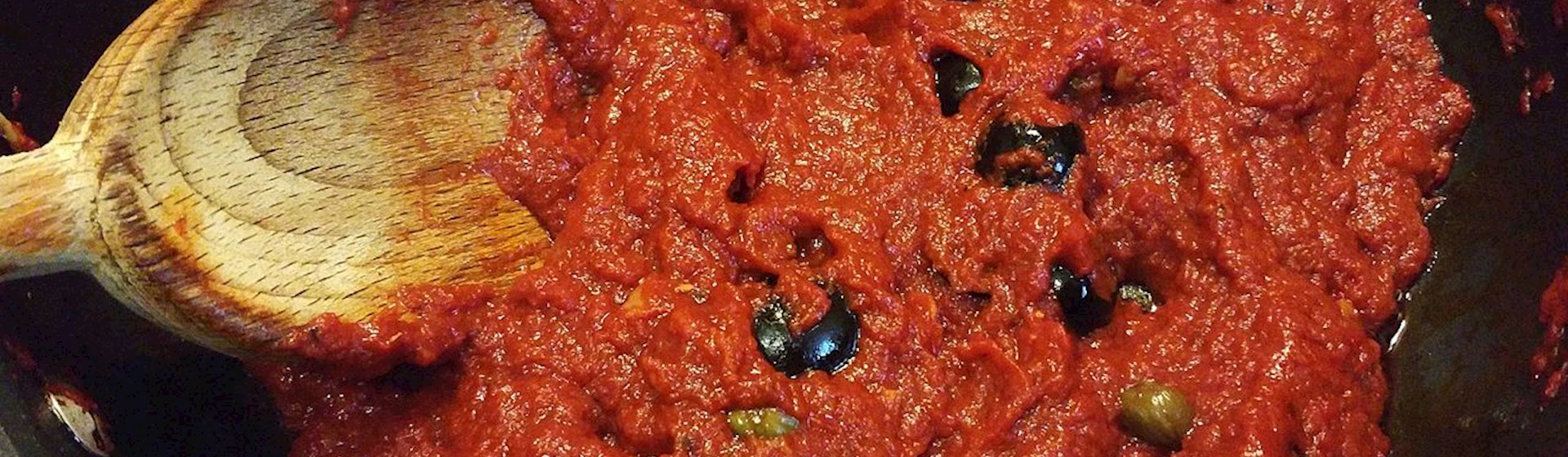
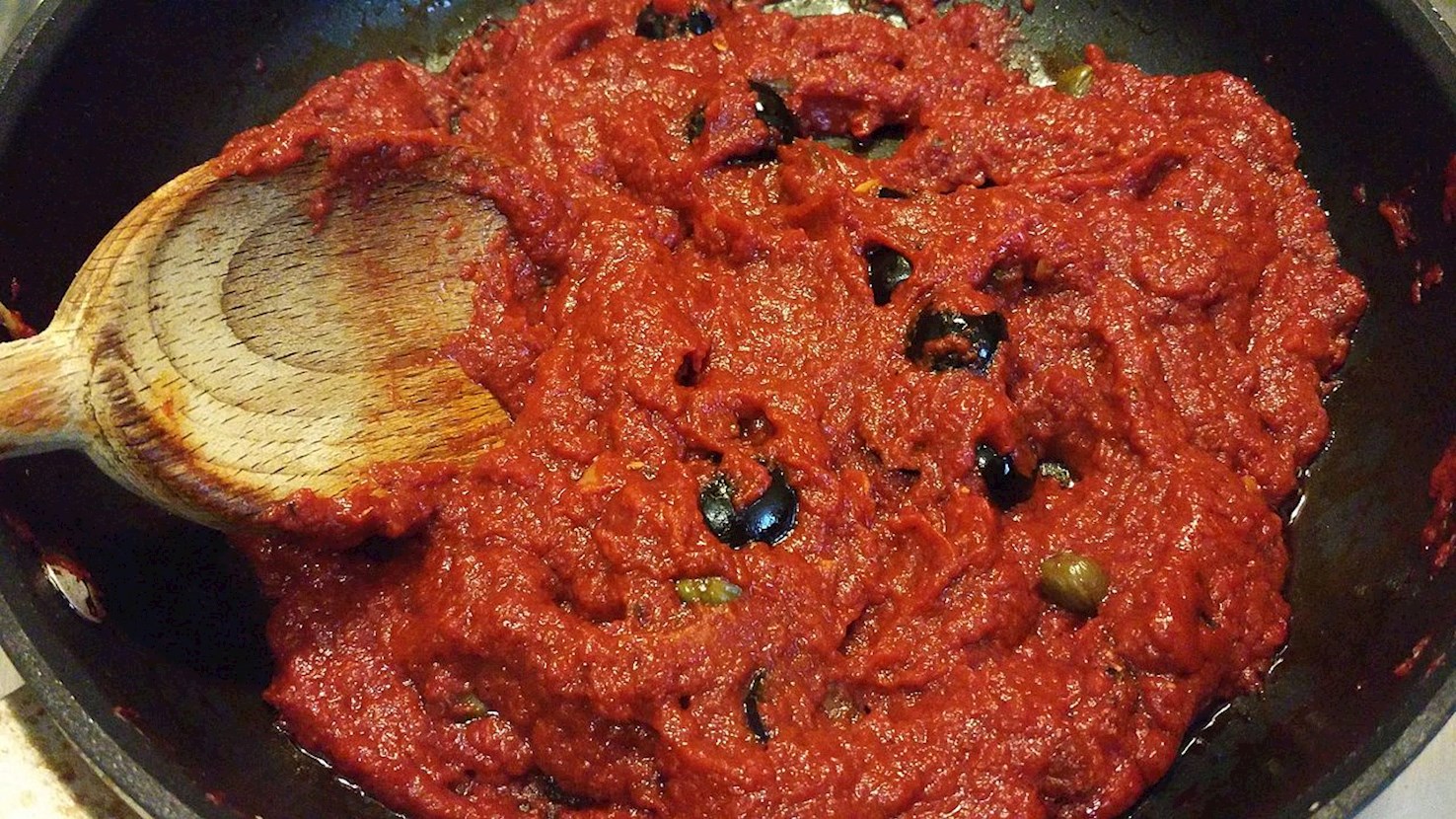
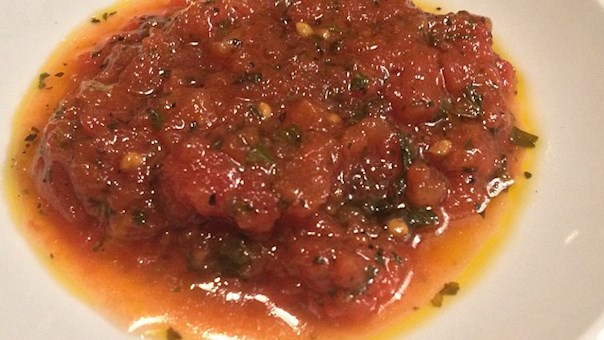
Sugo alla puttanesca is a robust Italian sauce typically made with kalamata olives, capers, anchovies, tomatoes, and crushed red pepper flakes. The combination is sautéed in olive oil until thick and fragrant, and it is usually seasoned with salt and pepper, with the optional addition of sugar, garlic, and herbs such as parsley, dried oregano, or basil. Although its origins are not entirely clear, the sauce is believed to have originated in Naples in the mid-20th century. Interestingly, when translated from Italian, the name alla puttanesca means in the style of a prostitute from the Italian word puttana, meaning prostitute or whore. Traditionally, the sauce is enjoyed with spaghetti, but it can also be used with other pasta types such as penne, linguine, or bucatini.

03

Rémoulade

3.8 ·

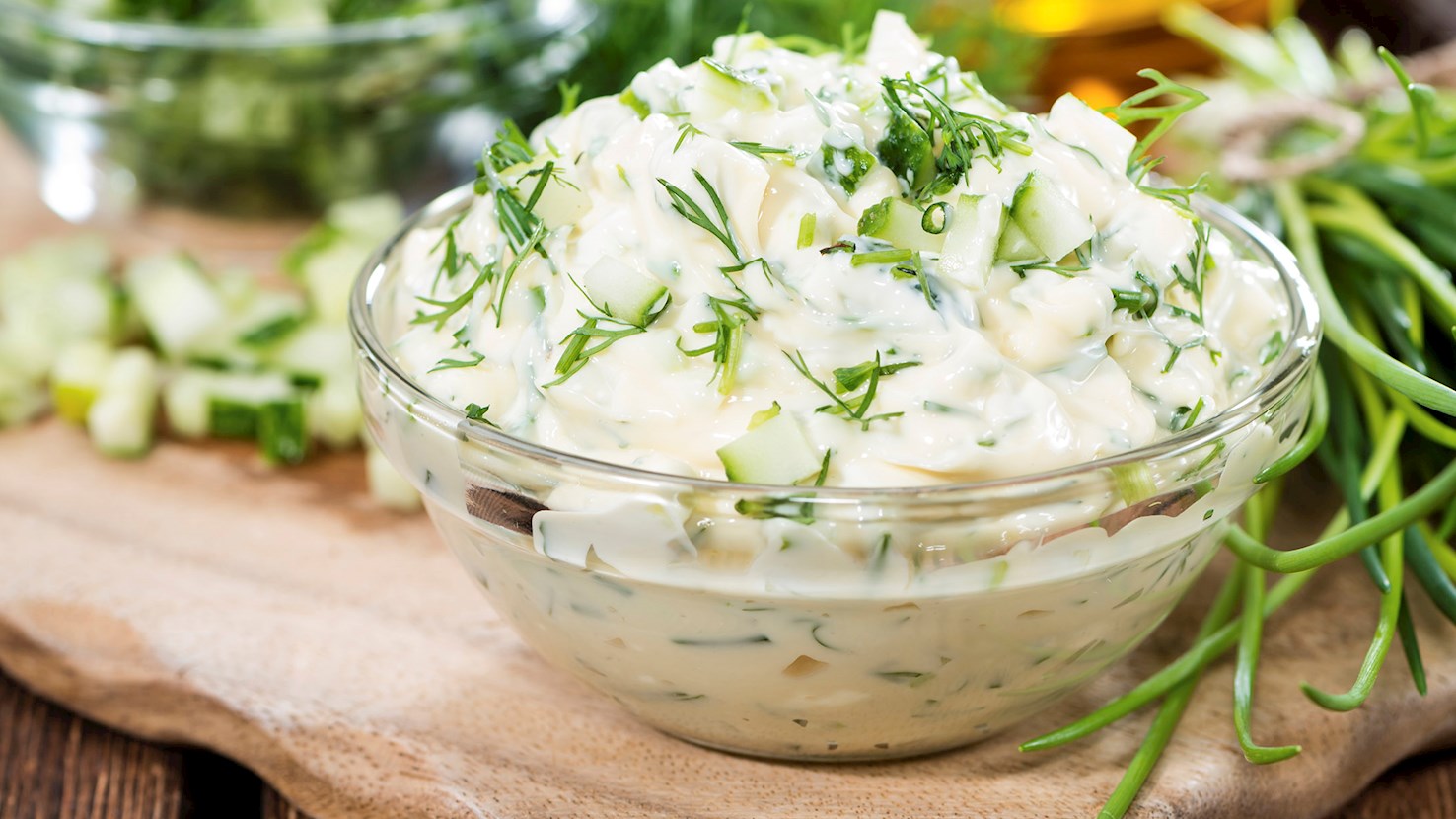
This simplest version of this French sauce is nothing more than a base of mayonnaise mixed with herbs, capers, pickles, and a few optional drops of anchovy oil. The word rémoulade is thought to have originated from the word remolat, the word for “horseradish” in the dialect spoken in France’s Picardy region, as the original version of the sauce may have been made with the spicy root. In France, rémoulade stars most famously as the dressing for céleri rémoulade, a simple salad made with julienned celery root. While it was originally served as a sauce with meat dishes, today it is found far more often alongside fish. A regional variation of the sauce is heavily used in Louisiana Creole cuisine. Shrimp remoulade is a famous dish using the sauce from Arnaud’s restaurant in New Orleans’ French Quarter, where the sauce is mixed with horseradish, spicy Creole mustard, and diced celery hearts.

04

Pollo con capperi

3.7 ·

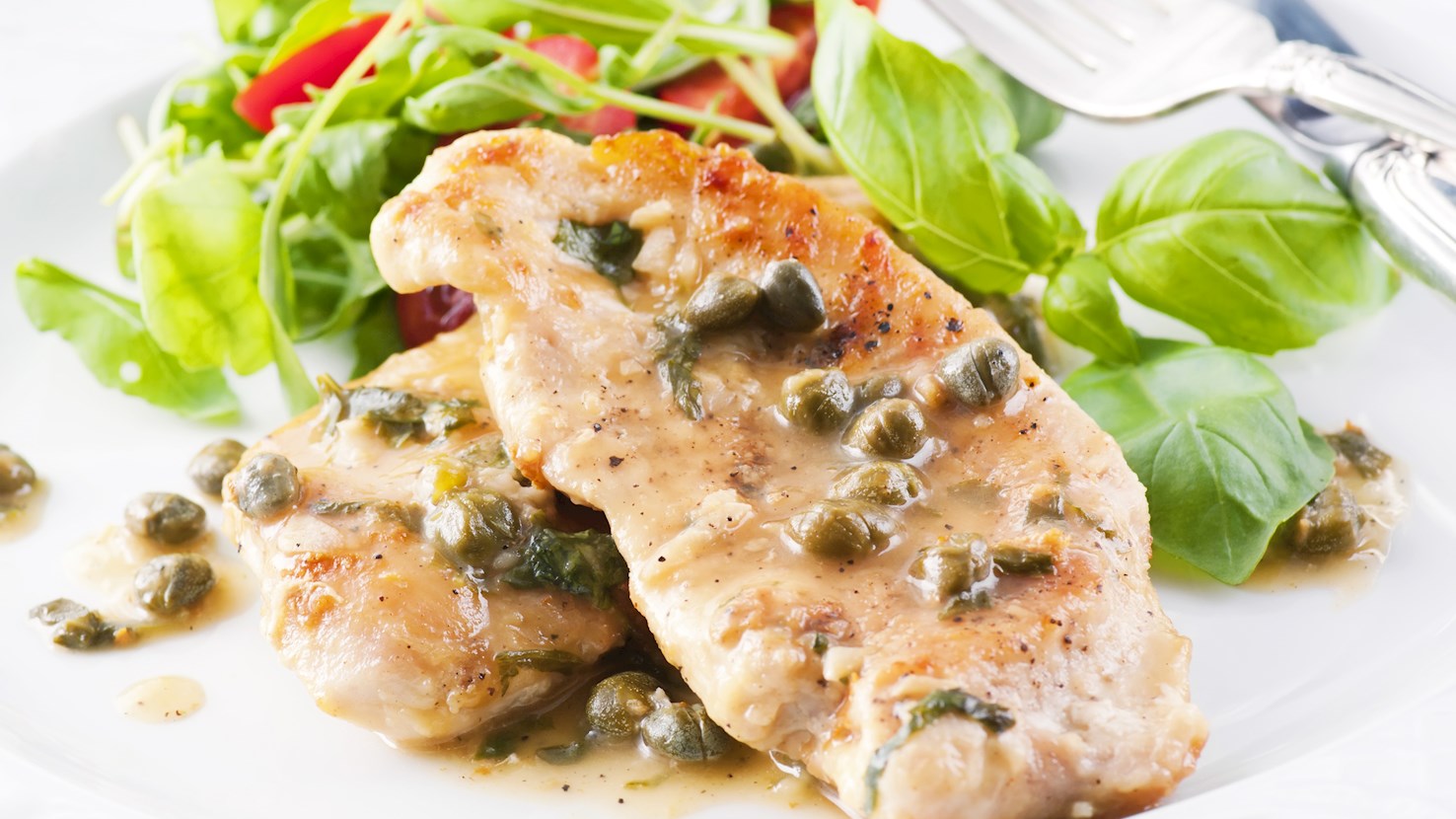
Pollo con capperi is a traditional dish originating from the Lazio area. The dish is usually made with a combination of a whole chicken, capers, dry white wine, anchovies, garlic, pine nuts, parsley, olive oil, and pepper. The chicken is cut into pieces that are browned in olive oil. White wine is added to the pan and the combination is cooked until the alcohol evaporates. The anchovies, capers, parsley, garlic, and pepper are processed until smooth, and the sauce is then spooned over the chicken pieces. The pan is covered and the dish is cooked for a bit longer with the addition of water to keep everything succulent. The pine nuts are added near the end of cooking and the dish is then served warm.

05

Schnitzel Holstein

3.7 ·

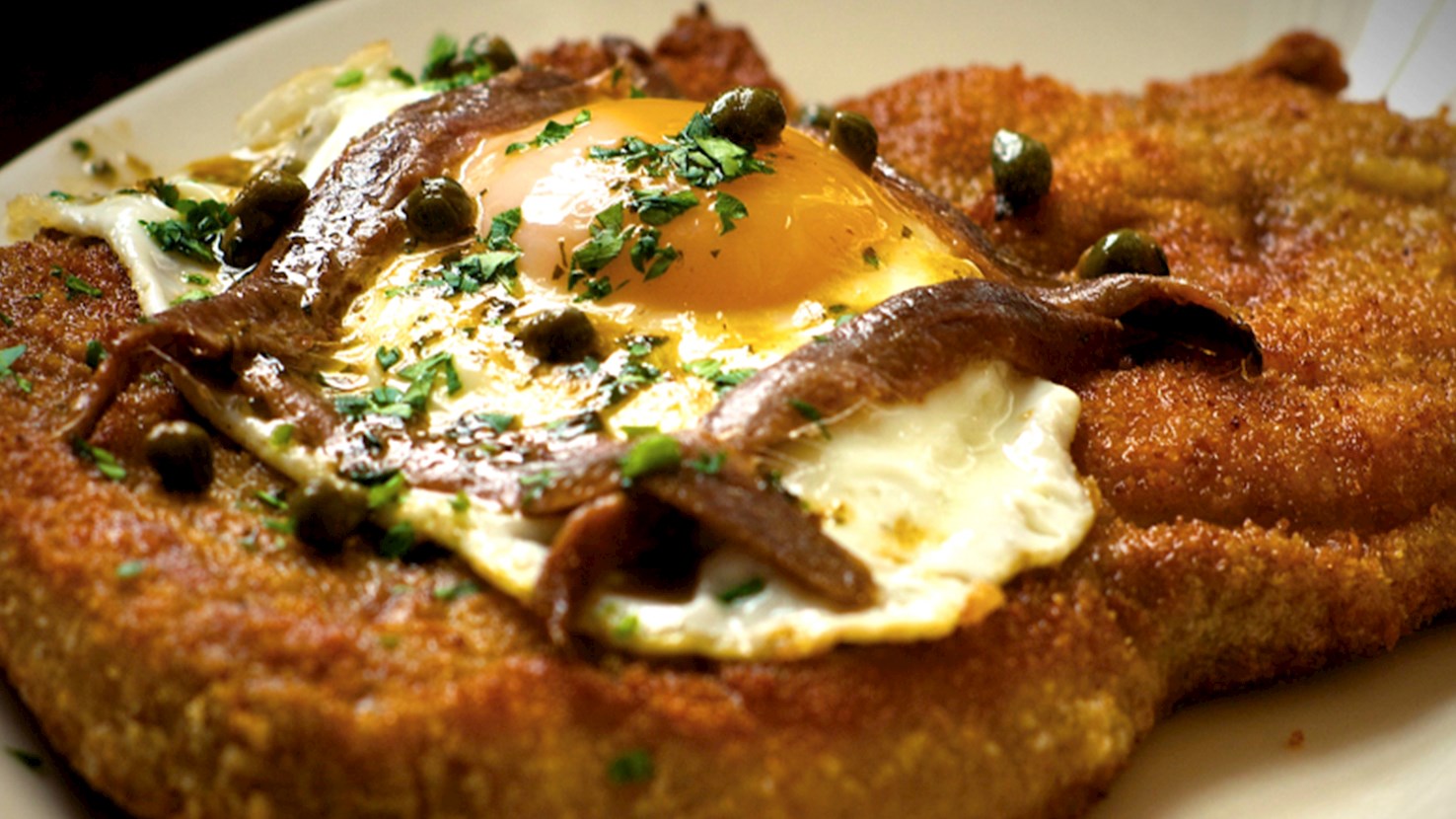
This German dish is a variation of the well-known Wiener schnitzel that originated sometime in the late 19th century. Though it appears in slightly different regional variations, Holstein schnitzel predominantly consists of a breaded and lightly fried veal cutlet that comes served with various additions. A fried egg is always served on top of the schnitzel, while other additions traditionally include smoked salmon, caviar, sardines, capers, or anchovies. The dish is said to have been created at a Berlin restaurant Borchardt’s, and many believe it was named after a German statesman Friedrich von Holstein rather than the Holstein region. This filling main course is usually paired with fried slices of bread or croutons, fried potatoes, red cabbage, gherkins, or beetroot.

06

Sauce ravigote

3.4 ·

Sauce ravigote is a French classic that is made as a chilled or warm sauce. The cold version is based on vinaigrette (a combination of oil and vinegar), while the other additions usually include capers, parsley, tarragon, chervil, and onions. The other version is made with velouté—a combination of veal stock and roux—and it also incorporates white wine, vinegar, shallots, and different herbs. This versatile sauce can accompany various dishes and can be adapted with other ingredients.

07

Biff à la Lindström

3 ·

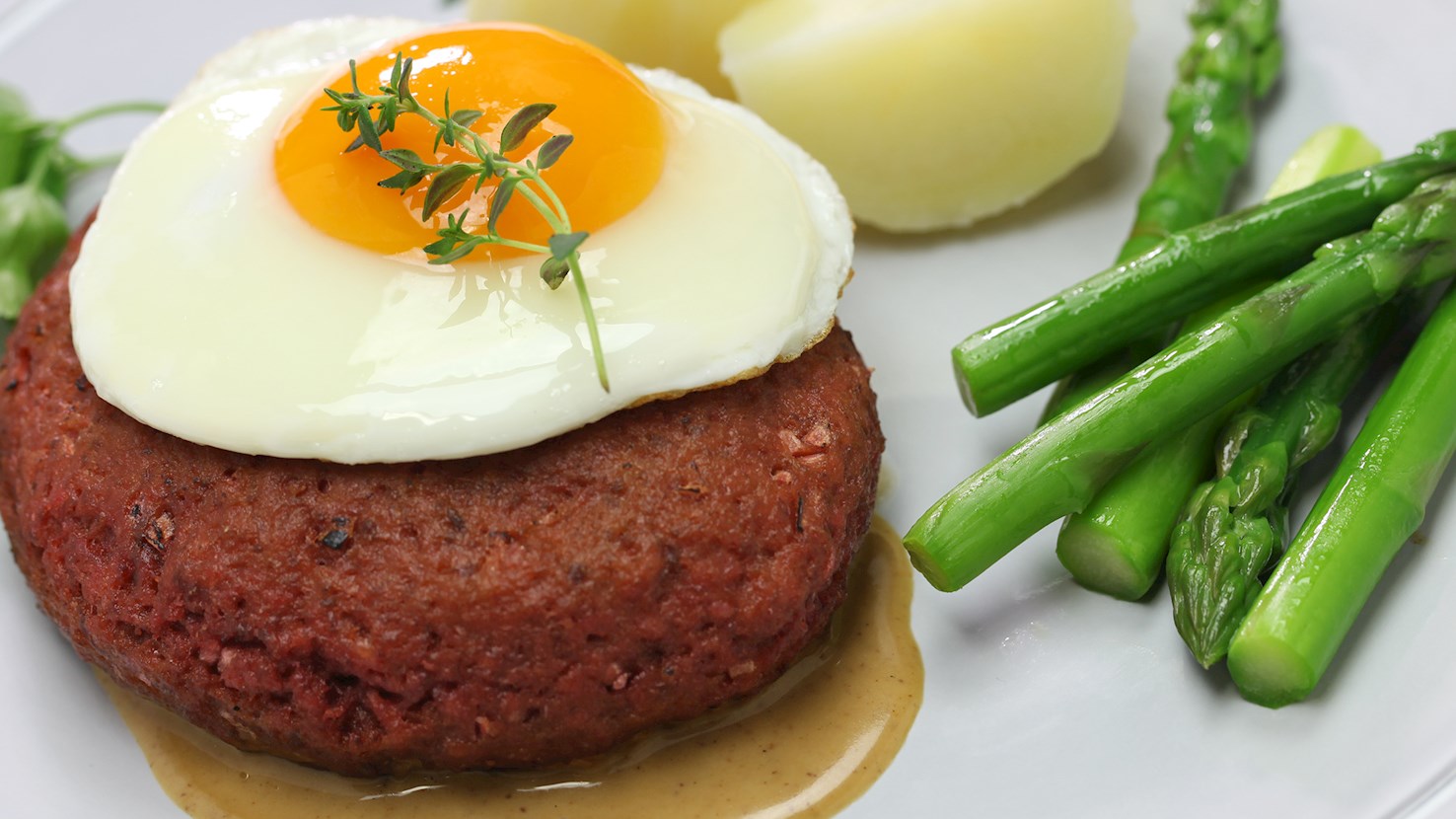
A classic Swedish dish, biff à la Lindström is a piquant Swedish burger, which distinguishes itself from other burgers in its use of pickled beets and capers that add a unique flavor to it. Minced beef, eggs, chopped onions, pickled beetroots, capers, and seasonings are combined together and then formed into flat burgers, which can be either fried or grilled. The burgers are served hot, usually for lunch, alongside boiled or roasted potatoes, green salad, kale, asparagus, or dark gravy. They can sometimes be topped with a fried egg or garnished with pickled beets and mustard. As with many classic dishes, this one also has several variations that call for mashed potatoes, breadcrumbs, heavy cream, or juice to be added to the meat mixture. Small-sized versions of this burger are often served at Swedish buffets.

08

Kaparosalata

2.9 ·

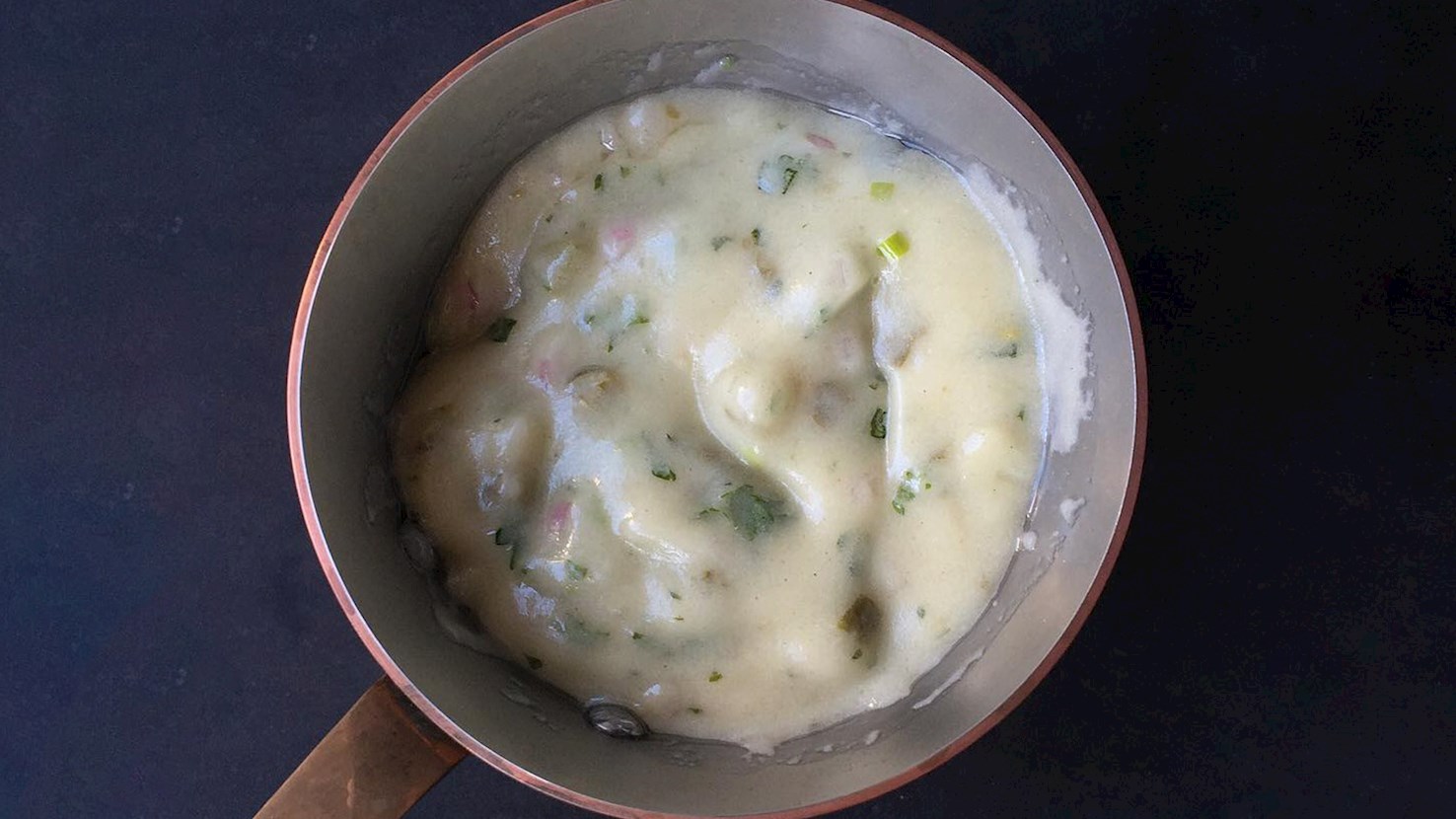
Brined or dried capers are the main ingredient in this creamy Greek dip. They are usually incorporated in a neutral base that is made with soaked bread or mashed potatoes, which is additionally enriched with garlic, onions, vinegar, olive oil, and the choice of spices and fresh herbs. Kaparosalata is traditionally associated with the Cyclades island group, namely Syros and Sifnos, and it is usually served as a bread spread or a fragrant dip that accompanies roasted or grilled meat.

09

Pizzetta cagliaritana

n/a ·

Pizzetta Cagliaritana, also known as pizzetta sfoglia, is a small, round snack is crafted from layers of pasta sfoglia (puff pastry) and topped with a simple yet flavorful tomato sauce, often garnished with a caper and a touch of anchovy paste. Its diameter typically ranges from 6 to 10 centimeters (2.5-4"), with a thickness of 1.5 to 3 centimeters (0.6-1.2"). The origins of pizzetta cagliaritana are somewhat obscure, with various legends suggesting it emerged around the mid-20th century. Some narratives attribute its creation to traveling chefs or foreign recipes introduced during historical invasions, while others speak of a fortunate culinary mishap. Despite the mystery surrounding its inception, the pizzetta has become an integral part of Cagliari's gastronomic identity. Traditionally enjoyed at any time of day, from breakfast to late-night snacks, pizzetta cagliaritana is a staple in local bars and pastry shops. Its popularity is so profound that it has been recognized as a Prodotto Agroalimentare Tradizionale (PAT), underscoring its cultural and historical significance in Sardinian cuisine. The preparation involves cutting puff pastry into small discs, adding a dollop of seasoned tomato sauce—sometimes enhanced with a caper or a hint of anchovy—then covering with another pastry disc. The edges are sealed, and the top is often brushed with beaten egg to achieve a golden hue upon baking. The result is a crispy, flaky exterior encasing a savory filling, offering a delightful contrast of textures and flavors.

10

Fagiano alla ghiotta

n/a ·

Fagiano alla ghiotta is a traditional dish originating from Umbria. The dish is usually made with a combination of pheasant meat, salt, pepper, olive oil, shallots, celery, sage, olives, capers, and white wine. The pheasant is seasoned with salt and pepper and browned in olive oil. The shallots, celery, sage, and capers are cooked until tender and slightly brown. White wine is added to the pan and the sauce is reduced before the pheasant is returned to the pan with some water. The dish is covered and simmered over low heat until the pheasant is fully cooked and tender. The olives are stirred in as a final touch, and the dish is then served while still hot.

11

Ammoghiu

n/a ·
About this ranking

TasteAtlas food rankings are based on the ratings of the TasteAtlas audience, with a series of mechanisms that recognize real users and that ignore bot, nationalist or local patriotic ratings, and give additional value to the ratings of users that the system recognizes as knowledgeable. For the “11 Best Rated Dishes with Capers” list until May 22, 2026, 989,154 ratings were recorded, of which 646,962 were recognized by the system as legitimate. TasteAtlas Rankings should not be seen as the final global conclusion about food. Their purpose is to promote excellent local foods, instill pride in traditional dishes, and arouse curiosity about dishes you haven’t tried.

Similar lists