



27 Best Rated
Dishes with Carp

Last updated on July 17, 2026
01

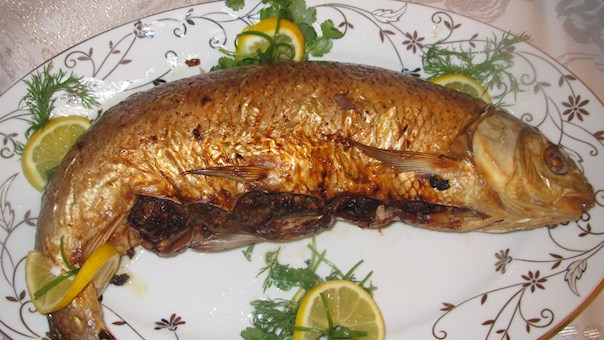
Šaran u rašljama

4.1 ·

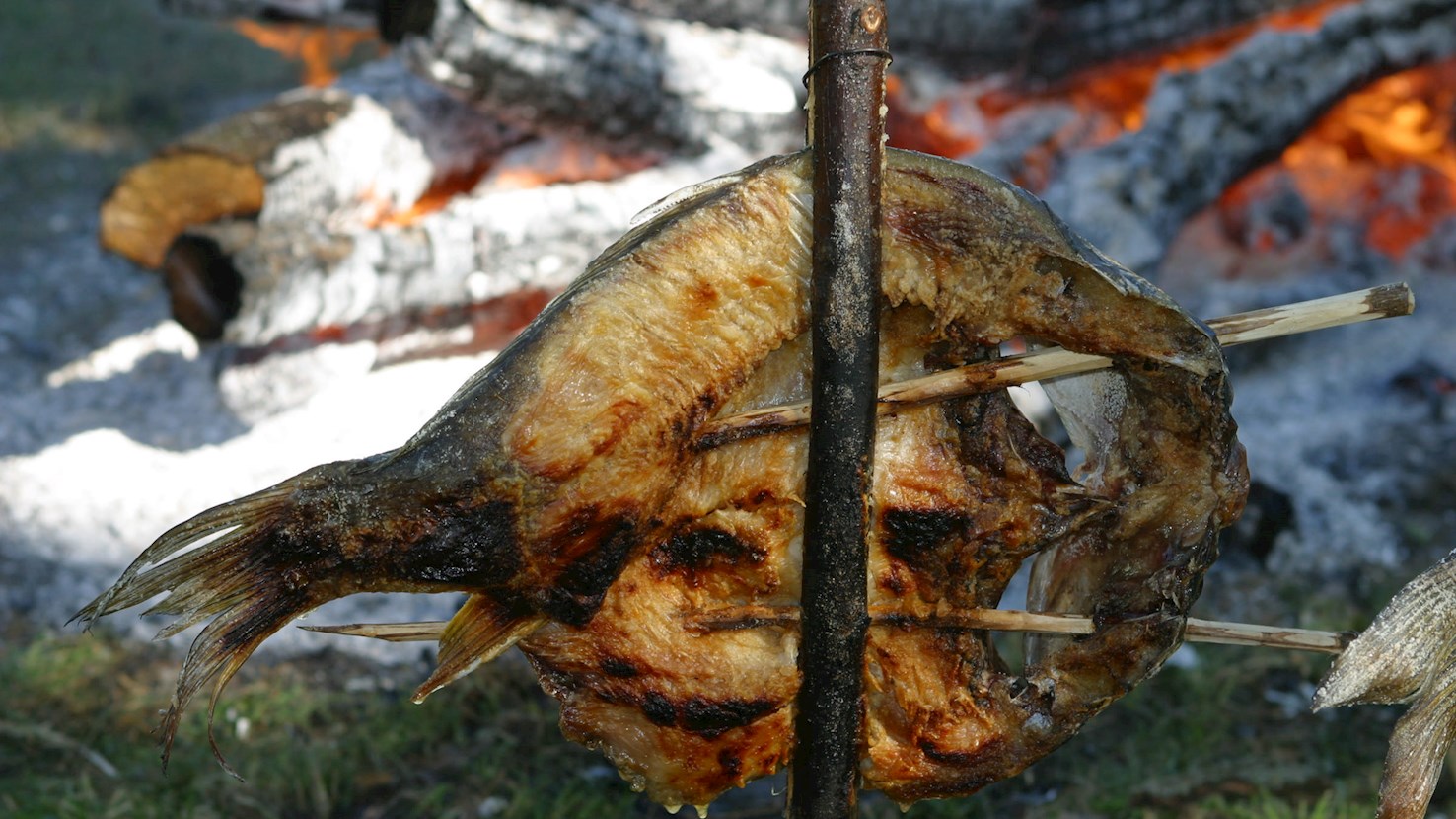
Šaran u rašljama is a traditional dish that is a specialty of the Croatian region of Baranja. It consists of a large carp that is placed in a divining rod and slowly cooked over a wood fire, giving it a unique smokiness and aroma. About ten minutes before the carp is fully cooked, it is sprinkled with salt and ground red paprika for extra flavor. It is recommended to serve the carp with spring onions, a potato salad, and a glass of white wine on the side.

02

Ciorbă de pește "ca-n Deltă"

3.9 ·

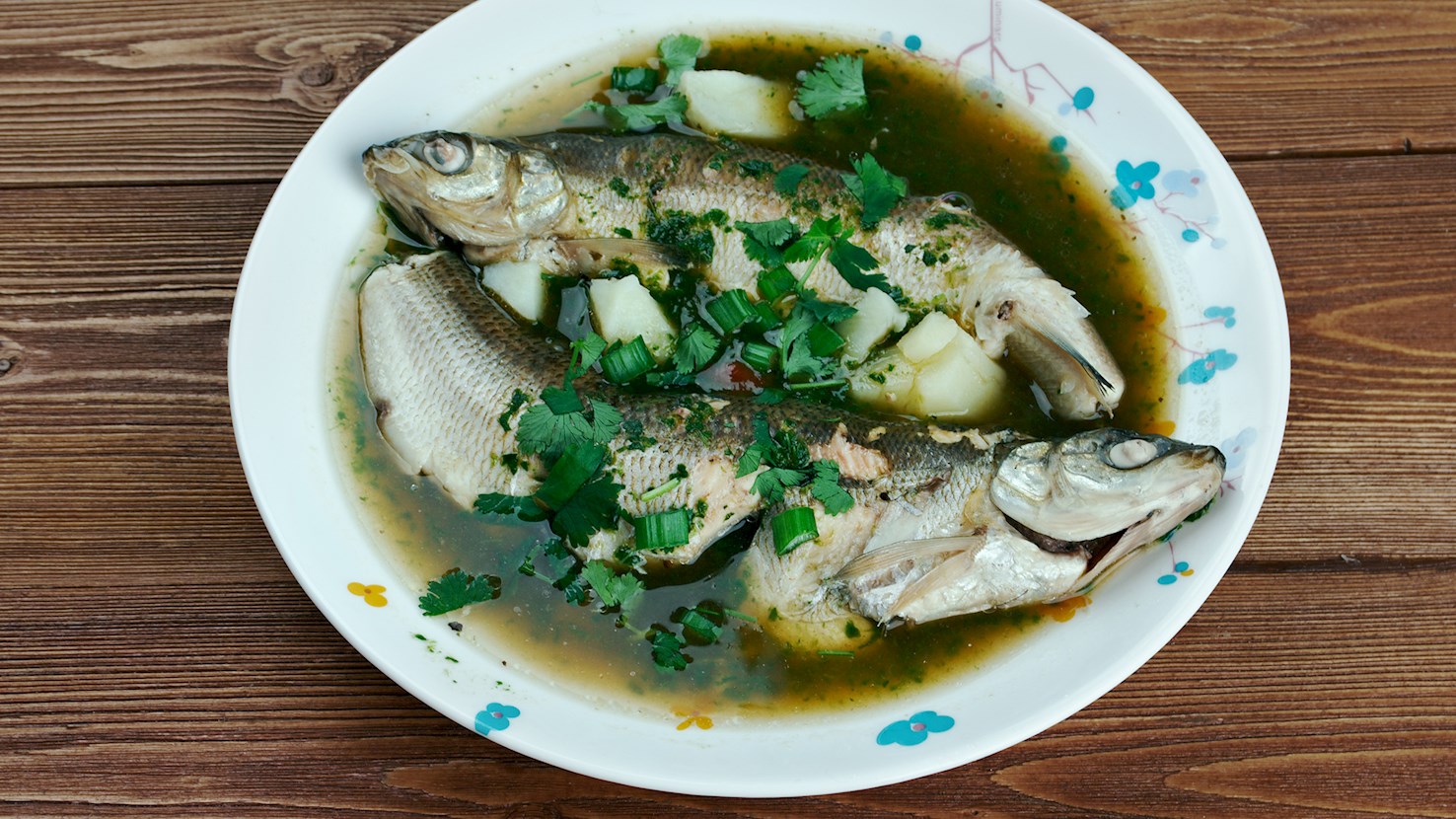
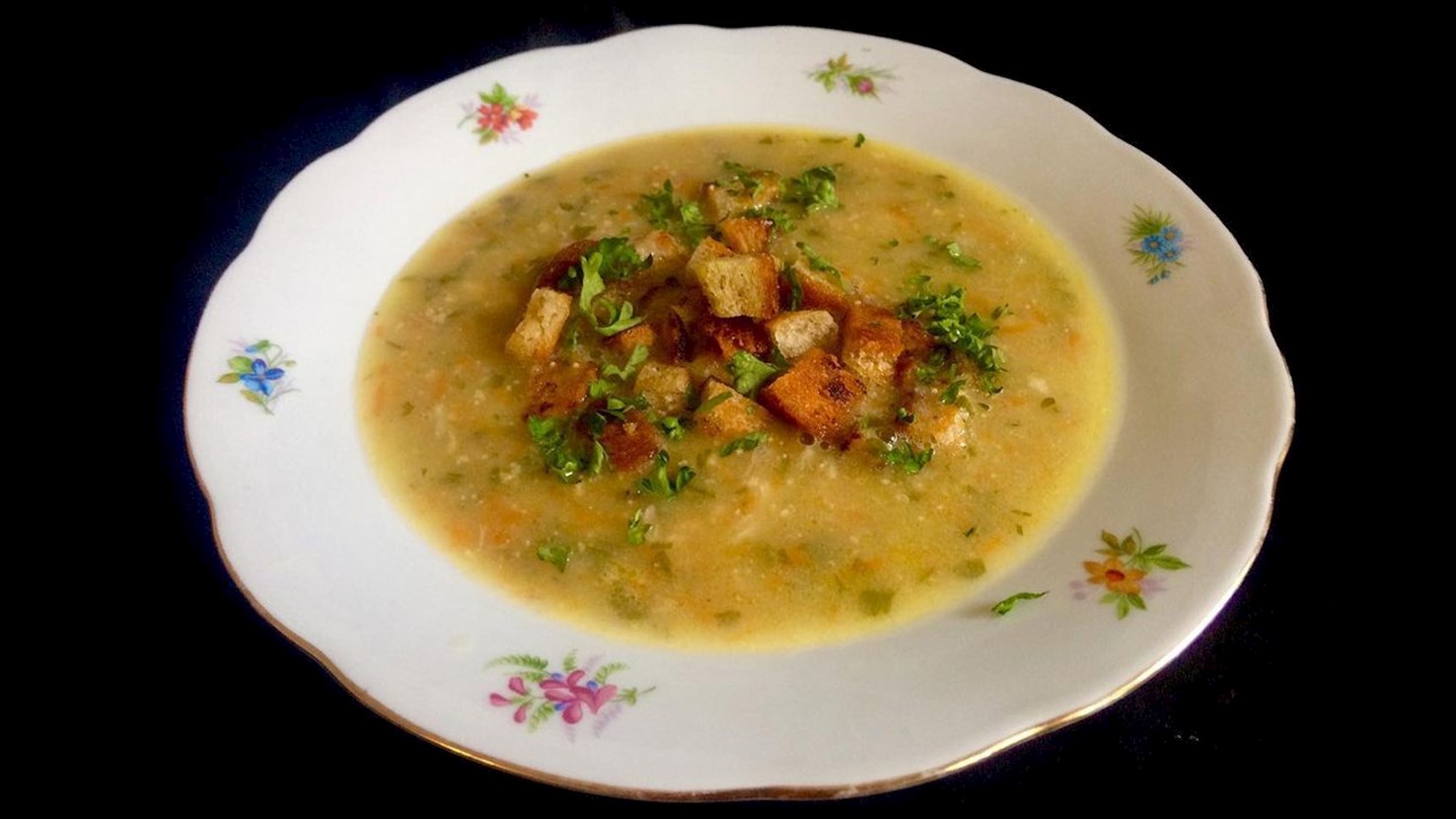
Ciorbă de pește "ca-n Deltă," or fish soup in the fashion of the Danube Delta, is a traditional sour soup that is made with a combination of fish stock, fresh fish (both saltwater and freshwater fish can be used), vegetables, herbs, and borş. The fish are either left whole or cut into large chunks before they are cooked in a rich fish stock alongside vegetables such as potatoes, carrots, onions, tomatoes, parsnips, and peppers. The soup is seasoned with borş and aromatic herbs such as lovage, parsley, and chives, and it is typically enjoyed while still hot. What makes this fish soup unique is the way it is traditionally consumed; the fish soup and the fish chunks are eaten separately as a first and second course. After the soup’s preparation, the pieces of fish are transferred to a serving platter and served with accompaniments such as mujdei de usturoi (a spicy garlic sauce) and fresh or pickled hot peppers. The fish soup, on the other hand, is poured into a serving bowl and consumed with garlic sauce, hot peppers, and warm, rustic bread or even more traditionally - with freshly prepared mămăligă (Romanian-style cornmeal mush).

03

Halászlé

3.8 ·

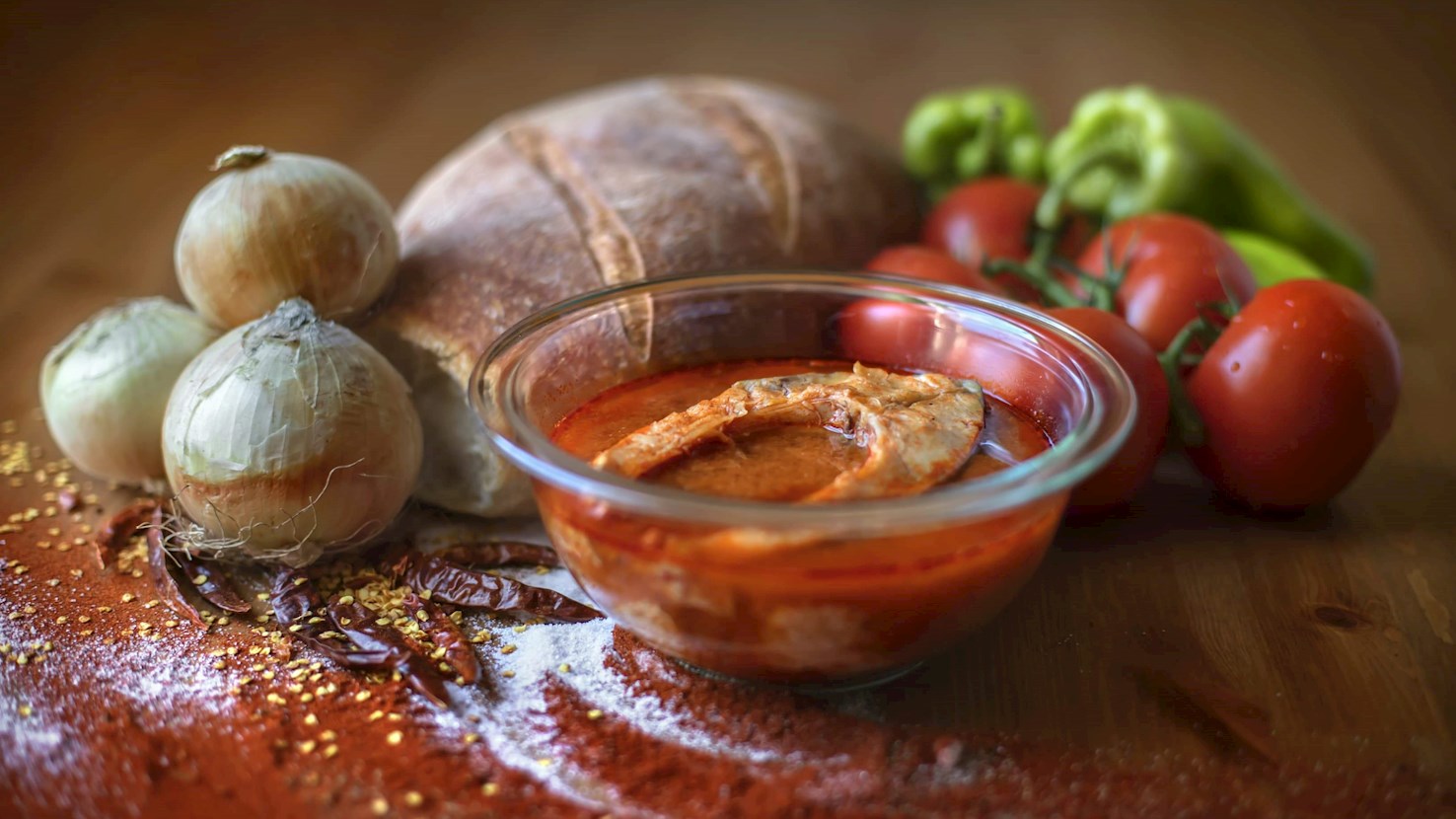
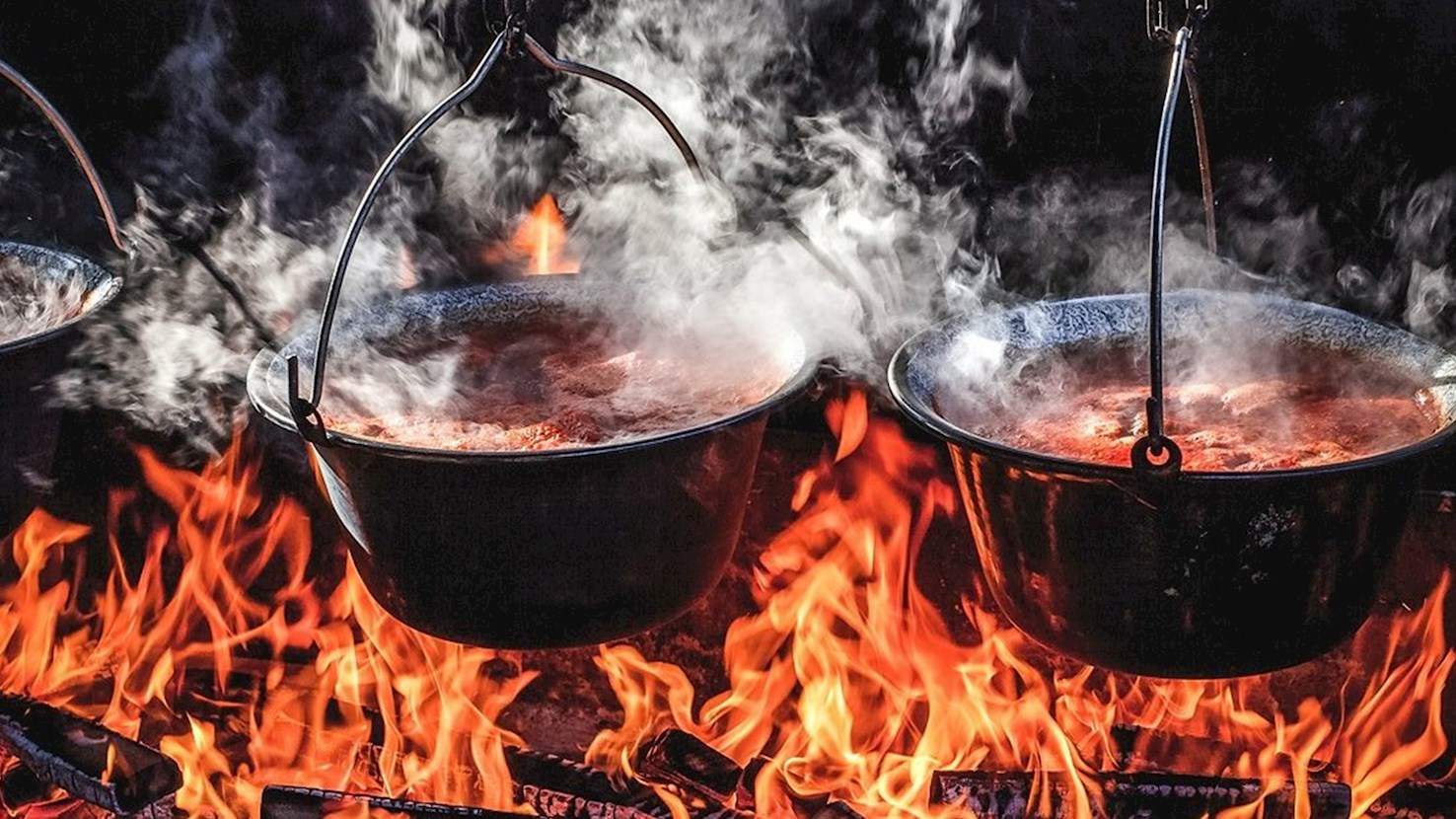
Halászlé or fisherman's soup is made with mixed river fish cooked in a broth that is heavily spiced with hot paprika. The fish—mainly carp, catfish, perch, or pike—is locally sourced from the Tisza and Danube rivers, and though halászlé may seem like a simple dish, this rich soup is traditionally prepared outside and cooked in a kettle over an open fire. Every region has their own version, but the two most popular are Szeged halászlé, made with four types of fish, and Baja halászlé, made mainly with carp and served with homemade pasta called gyufatészta.

04

Masgouf

3.7 ·

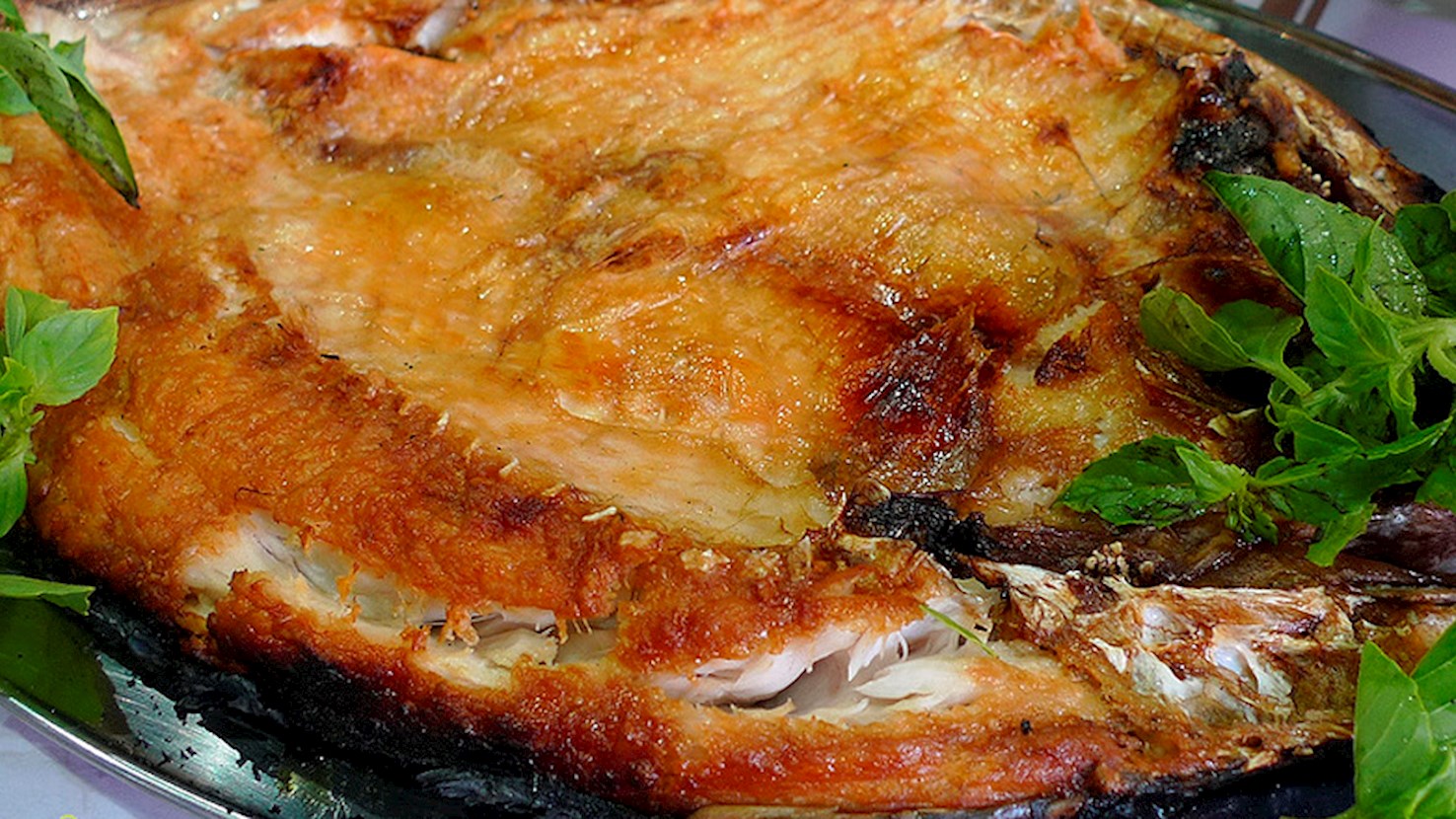
Masgouf is a fish dish eaten all around Iraq and often referred to as the national dish of the country. The fish used to prepare masgouf is usually freshwater carp, which is butterflied, marinated, set on skewers, then grilled next to an open fire. To give it a crispy exterior, the fish is commonly covered with salt before cooking, while the marinating step may be omitted if the fish is fresh and of good quality. Although it is eaten throughout Iraq, the dish is especially popular in cities along the river Tigris. Originally, masgouf referred to the cooking technique, but today it is interchangeable with the dish. For the Iraqi people, eating is a ritual, and masgouf is an important part of that ritual. Because of the lengthy procedure and the complexity of the dish, it is usually eaten in restaurants. Each restaurant has their signature recipe, but they all share the same basic procedure principles. Due to the size of the carp, masgouf is commonly shared among family and friends. It is usually accompanied by freshly baked naan bread, tomatoes, grilled vegetables, and onion sauce.

Best restaurants
05

Hal paprikás (Fish paprikash)

3.7 ·

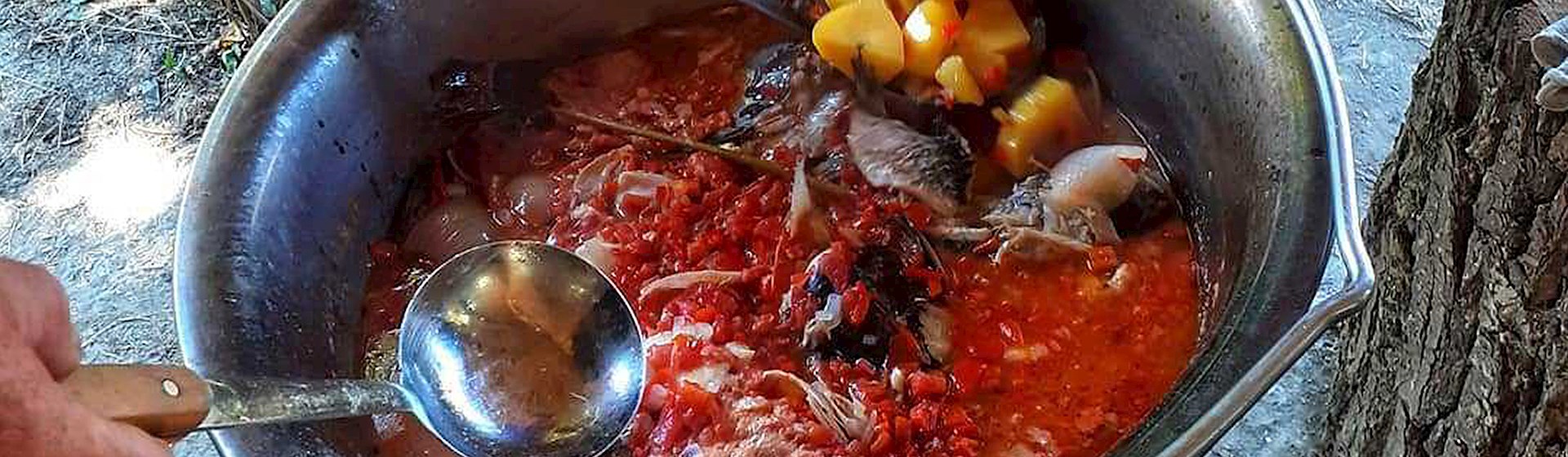
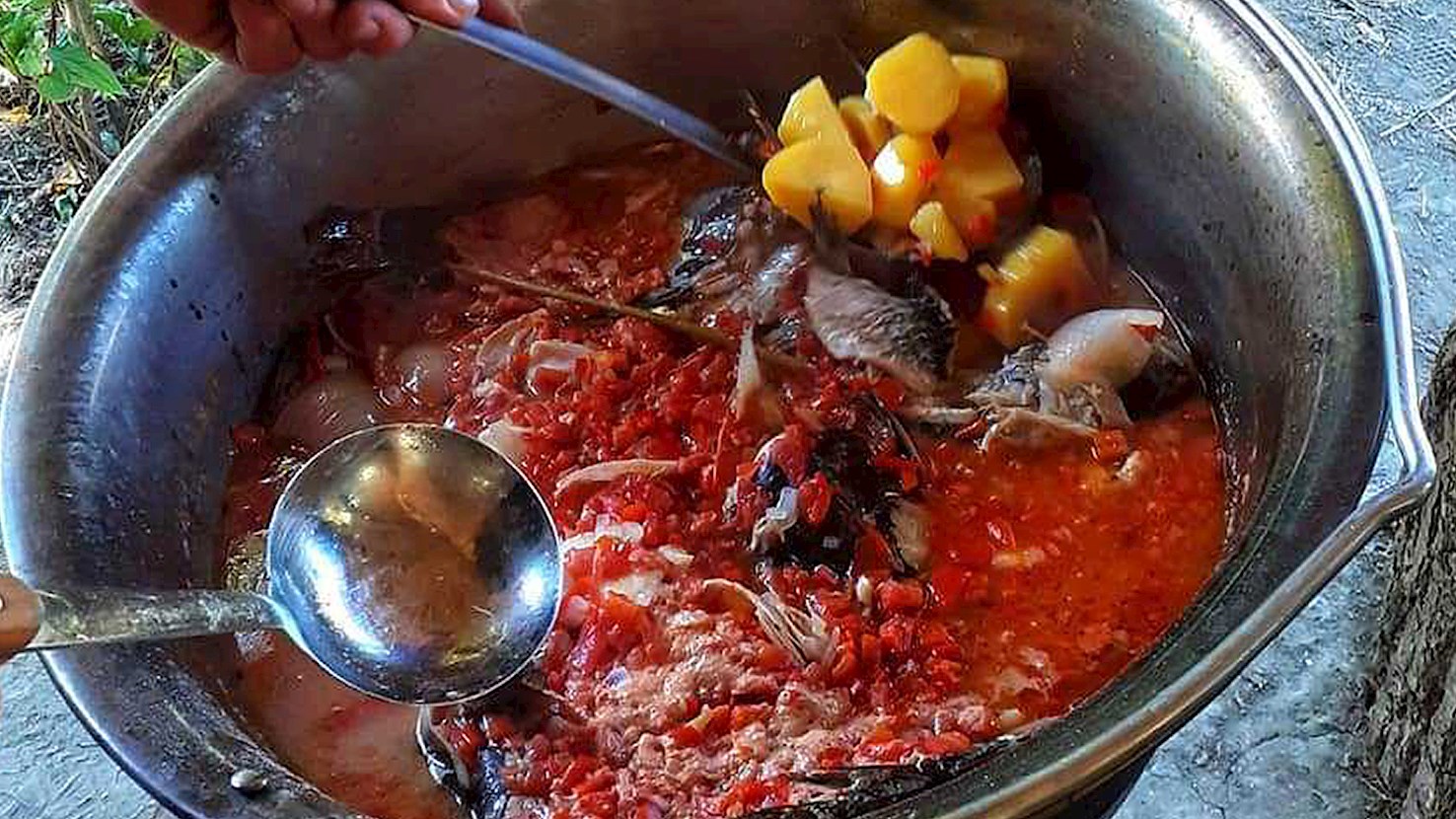
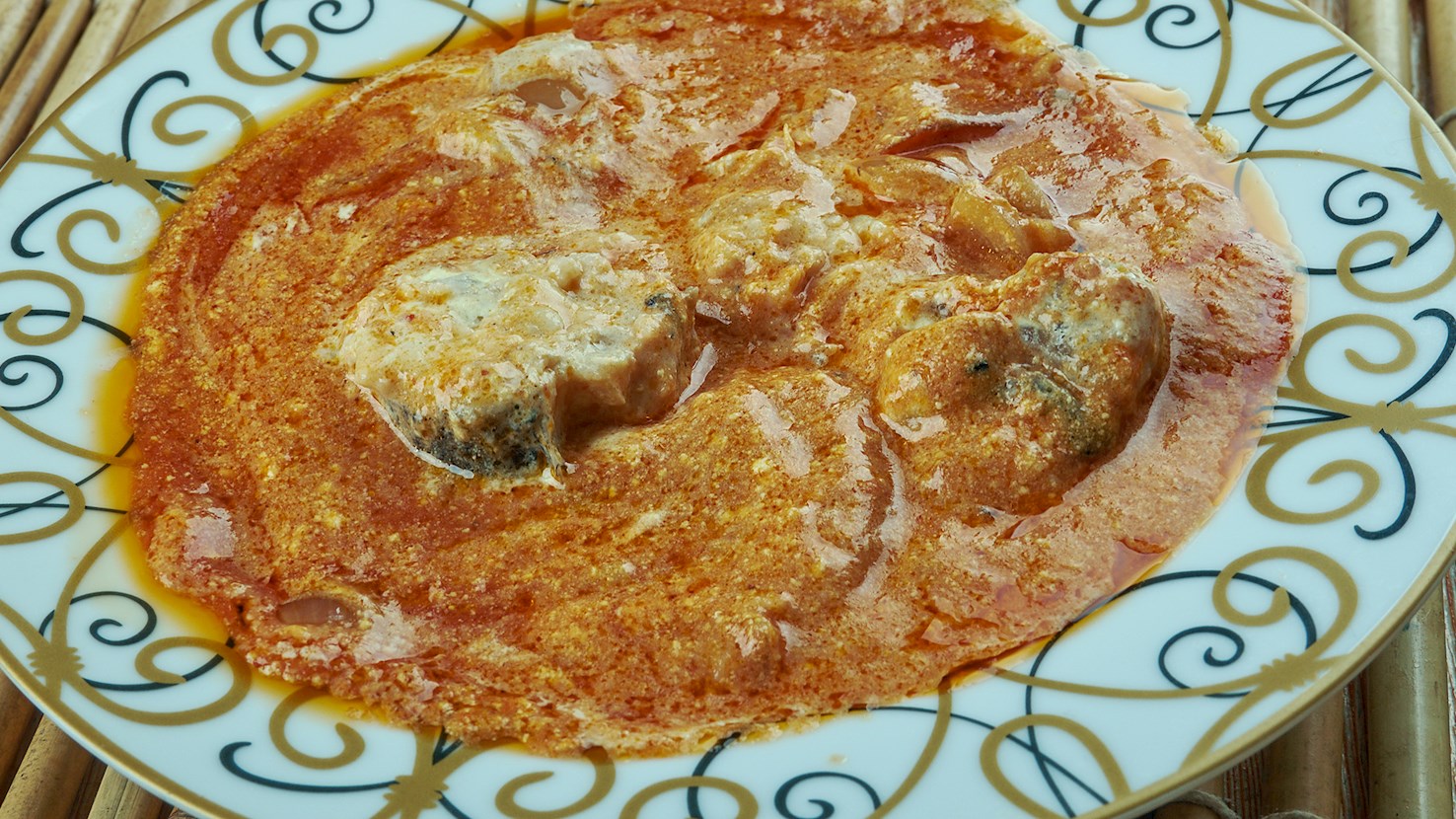
Fiš paprikaš (or hal paprikas in Hungary, with the addition of sour cream) is a traditional stew cooked in a big cauldron over an open fire. This spicy fish stew is traditionally made with a variety of freshwater fish such as catfish, starlet, pike, and carp. The stew is heavily flavored with large amounts of the region's staple – ground red paprika, which can range from mild to very hot. Fiš paprikaš is often served with homemade noodles, and it is so popular in the region that there are numerous fiš cooking competitions organized throughout the year. The dish is traditionally accompanied by hot ground paprika on the side so each person can increase the spiciness according to personal preferences.

06

Ciorbă de peşte

3.5 ·

Ciorbă de peşte is a type of traditional Romanian sour soup made with vegetables, rice, fresh fish, and borş. The fish, 3 or 4 types (either sea bass, bream, halibut, carp, crucian, catfish, gray mullet, or luce), is boiled with a handful of rice and vegetables such as onions, carrots, potatoes, and a thick slice of celery root. It’s seasoned with borş, parsley, and lovage, then served while still hot.

07

Macher jhol

3.4 ·

Macher jhol is a Bengali and Odia spicy fish stew, similar to curry. It consists of chunks or slices of fish that are slowly simmered in a flavorful broth that is usually enriched with onions, turmeric, chili peppers, ginger-garlic paste, coriander, nigella seeds, cumin, and mustard seeds. The most common fish varieties used in the dish include ilish (hilsa), rohu, and bhakura (catla), and the dish often incorporates potatoes, as well as tomatoes or tomato purée. Macher jhol is usually served with rice, and it is occasionally garnished with coriander leaves.

08

Pijani šaran (Drunken carp)

3.1 ·

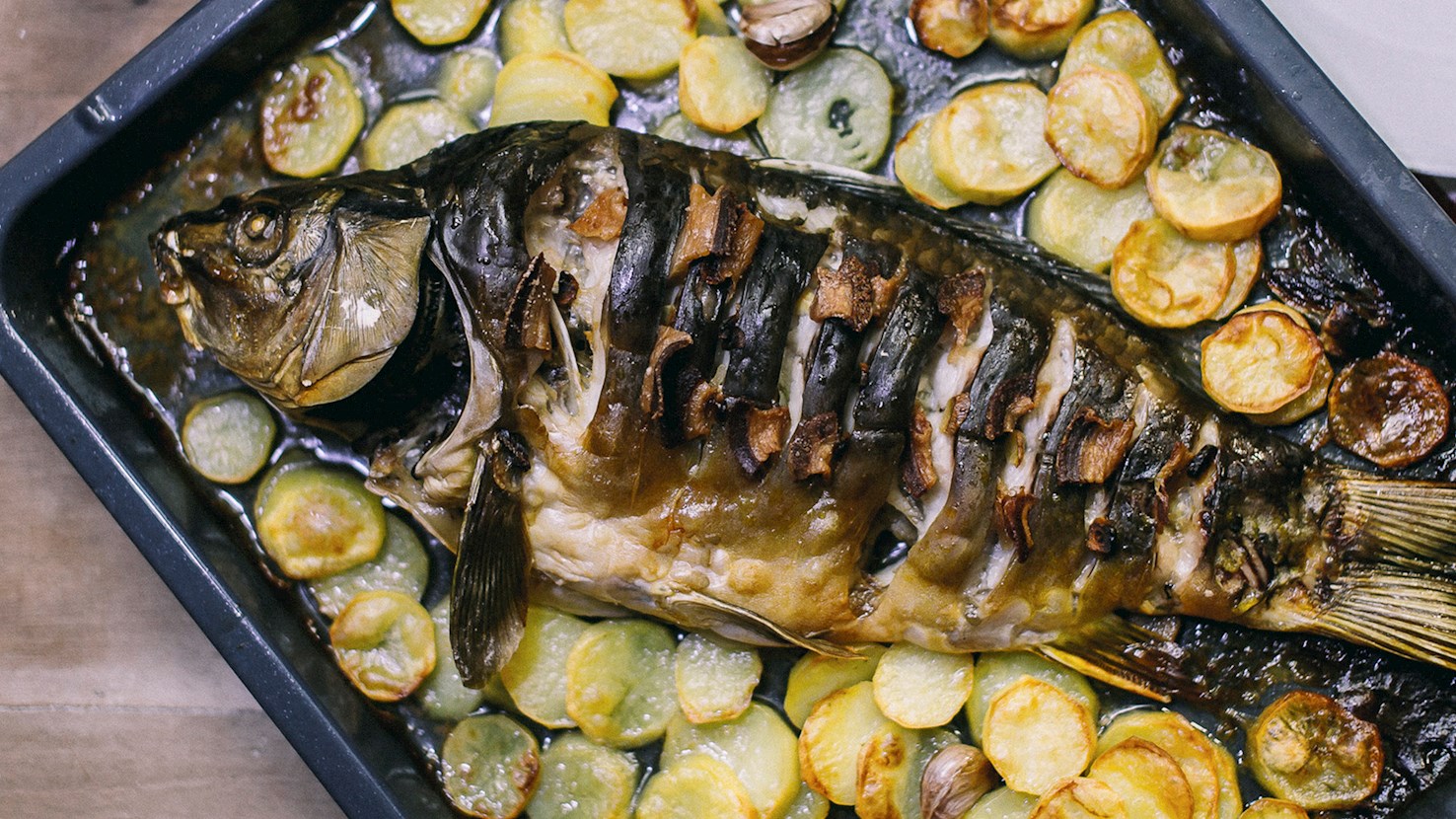
Pijani šaran (lit. drunken carp) is an unusually named, traditional dish of the Croatian region of Slavonia and Baranya. The gutted, cleaned carp is traditionally salted and stuffed with numerous garlic cloves, then baked in an oven with flavorings such as lemon juice, wine, oil, and rosemary. The dish is typically garnished with lemon slices and parsley, while baked potatoes are often used as an accompaniment to this delicious and healthy meal. Although drunken carp is not a common restaurant staple outside of the region, it is quite easy to prepare the dish at home.

Best restaurants
09

Chiftele de pește

3.1 ·

Chiftele de pește are Romanian meatballs made with fish instead of meat. The fish balls are typically prepared with a mixture of minced, boneless fish fillets, slices of bread soaked in milk, onions, garlic, and eggs, seasoned with chopped parsley, dill, salt, and pepper. The fish mixture is shaped into balls or patties, which are rolled in flour or breadcrumbs, and then fried in hot oil. Soft and crispy, these fish balls can be served with a sauce based on garlic and cream on the side. They are usually consumed as snacks or appetizers, but they can also be added to sandwiches. The fish balls can also be served as a main course, accompanied by pasta, rice, or mashed potatoes on the side.

10

Gefilte Fish

2.9 ·

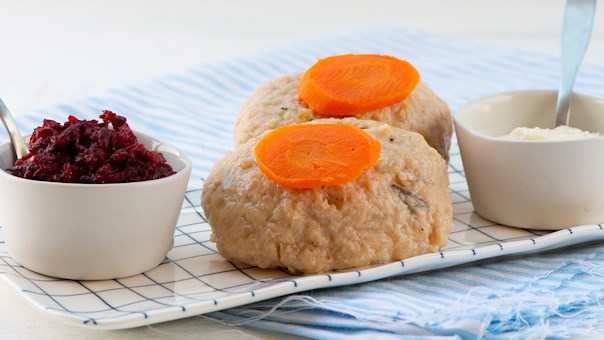
Gefilte fish, or stuffed fish (from gefilte, which means filled or stuffed in Yiddish), is a ubiquitous Jewish appetizer that is based on chopped or ground fish. This dish is typically prepared with ground carp, pike, or whitefish that is combined with a variety of other ingredients before it is shaped into balls or oval patties, which are then usually simmered in fish stock. Typical ingredients that go into gefilte fish include matzo meal, eggs, onions, carrots, leeks, parsley, goose fat or oil, and various seasonings and spices such as salt, pepper, allspice, sugar, cinnamon, or bay leaves. Gefilte fish may be more on the savory side, with a distinctive peppery flavor, as it is usually prepared in countries such as Lithuania and Russia, or sweet, a version that is typical of Polish cuisine. Believed to date back to medieval Germany, this specialty has been attributed to the Ashkenazi Jews, and despite the many different theories regarding its creation, the dish has most likely been invented out of poverty and the need to feed many people with as little expense as possible. Today, gefilte fish balls or patties are available in jarred or frozen versions, though many people prefer the homemade versions over the store-bought ones as these are almost always rather bland-tasting and unappetizing. The dish is usually enjoyed chilled or at room temperature, topped with boiled carrots and onions, and accompanied by a side of chrain (ground horseradish, often mixed with beets). Gefilte fish has been traditionally consumed for Shabbat, although it is also eaten for a number of Jewish holidays such as Passover Seder and Rosh Hashanah, the Jewish New Year.

About this ranking

TasteAtlas food rankings are based on the ratings of the TasteAtlas audience, with a series of mechanisms that recognize real users and that ignore bot, nationalist or local patriotic ratings, and give additional value to the ratings of users that the system recognizes as knowledgeable. For the “27 Best Rated Dishes with Carp” list until July 17, 2026, 1,011,265 ratings were recorded, of which 666,015 were recognized by the system as legitimate. TasteAtlas Rankings should not be seen as the final global conclusion about food. Their purpose is to promote excellent local foods, instill pride in traditional dishes, and arouse curiosity about dishes you haven’t tried.

Similar lists