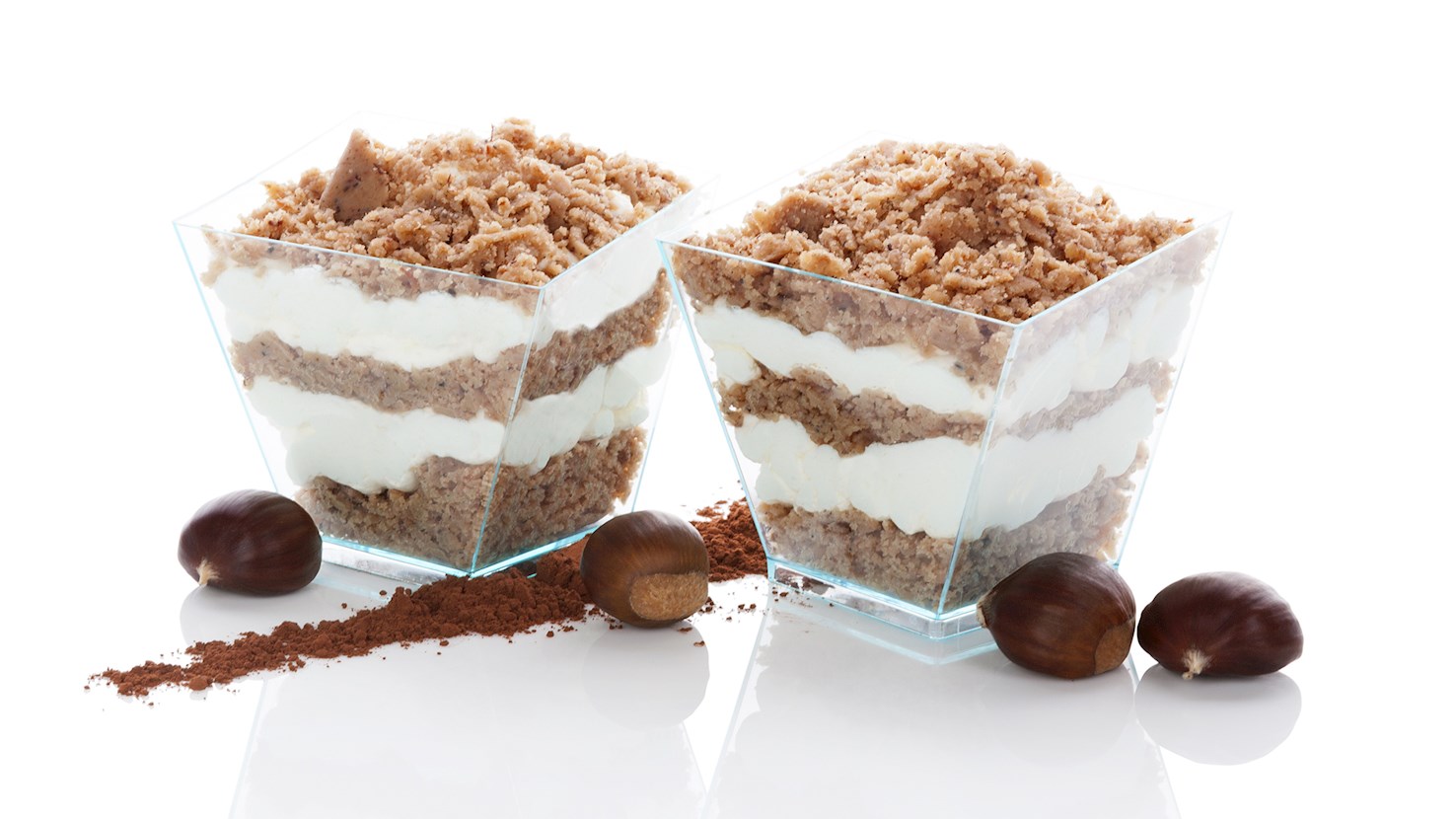
Gesztenyepüré is a sweet treat consisting of puréed, sweetened chestnuts topped with whipped cream. It is very popular in Hungary, but it was first discovered in an Italian cookbook from 1475. This dish is made by mixing chestnut purée, sugar, and rum together and then placing it in a ricer. Besides whipped cream, it can also be topped with cocoa powder and cherries. The original version was later adapted into a traditional, seasonal French dessert named Mont Blanc, while Hungarians introduced their variation in the 18th century.
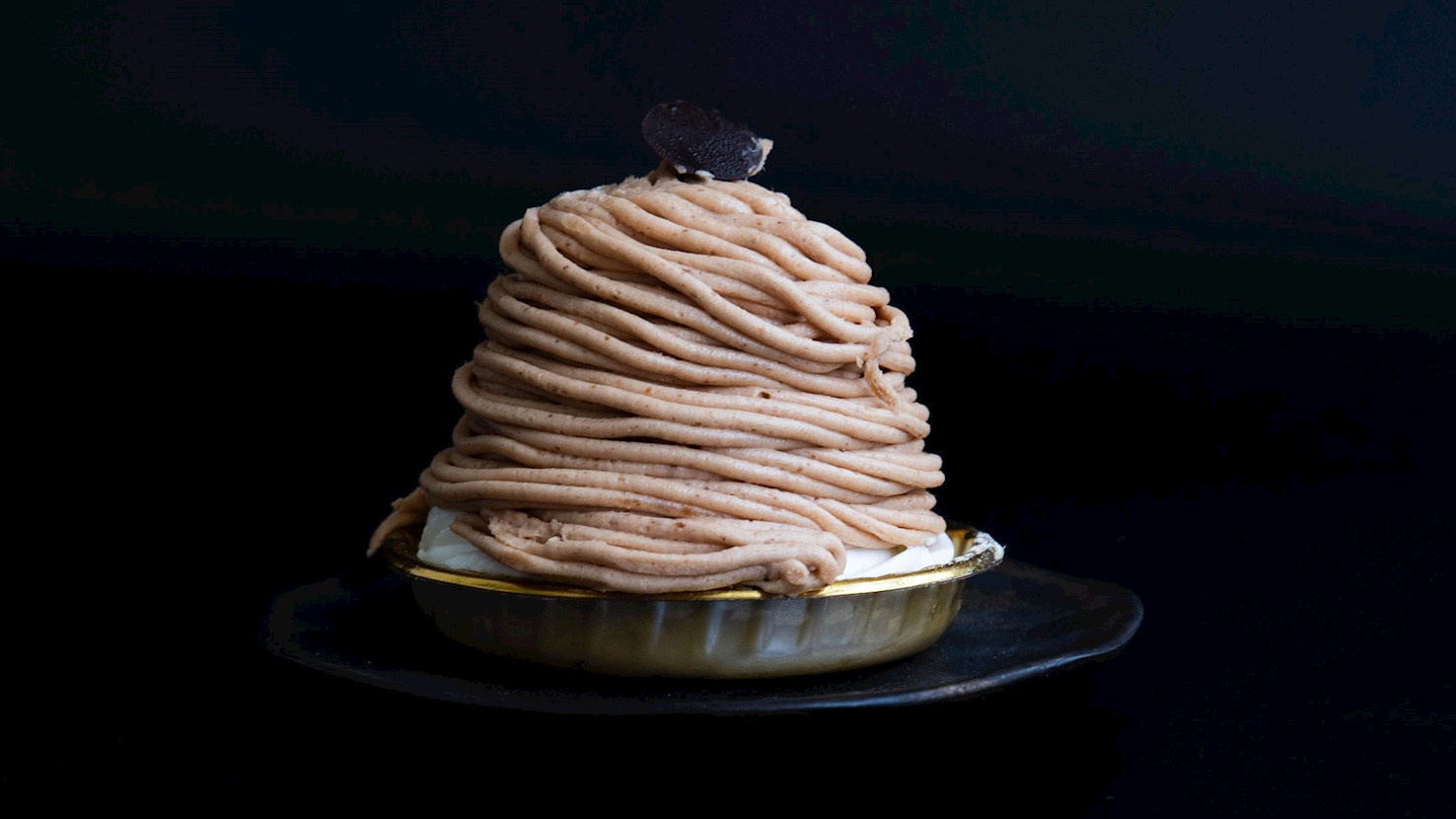
Mont Blanc (or Montebianco, as known in Italy) is a dessert made with puréed, sweetened chestnuts, topped with lightly whipped cream. Due to its resemblance to a snow-capped mountain, this dessert was named after Mont Blanc, the highest mountain in the Alps, shared by France and Italy - the latter could also apply for the sweet version, whose origin is still disputed between these two countries. According to one of the legends, it was a favorite dessert of the Borgia family, and the recipe can be found in Italian cookbooks from 1475. Other sources suggest that it was invented under the Kingdom of Savoy, when the Piedmont region and France were united - the Mont Blanc is located right on the border between Italy and France, so the recipe was probably invented in the common territory from where it spread throughout Europe and further. The third, and most probable theory is that it was invented sometime in the mid-19th century in Paris, as an elaborate upgrade of some previous, similar desserts. The traditional French version is made with puréed boiled chestnuts flavored with milk, cocoa, vanilla, rum, sugar, and a dash of salt, decorated with whipped cream, additionally enriched with a crispy meringue base, which the Italian version does not have. It was the French version that inspired a certain Mr. Sakota to create Monburan, the Japanese take on this dessert. He tasted it during his visit to Paris and was so overwhelmed that he opened a pastry shop in Tokyo offering the Japanese variety, made with chestnuts in syrup. Nowadays, Monburan is a staple dessert in every Japanese pastry shop, offered in numerous varieties in all possible colors, due to the addition of strawberries, sweet potatoes, matcha tea, or pumpkins.
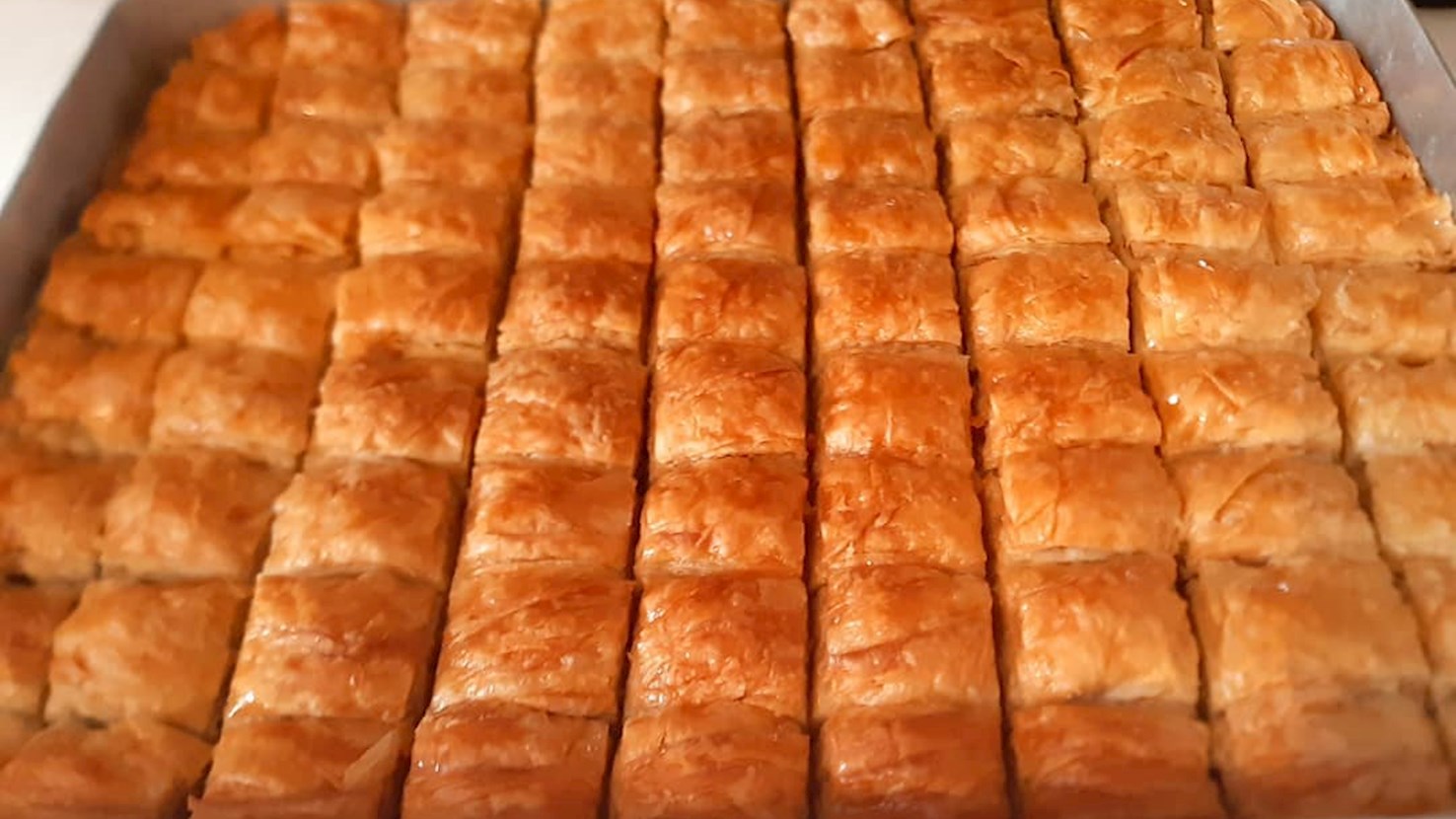
Although the plump and round chestnut baklavas are mostly associated with the city of Bursa and Marmara region, they are a nationwide favorite nevertheless. This delightful treat is made by wrapping phyllo pastry sheets around whole candied chestnuts—kestane şekeri in Turkish. Like most others, kestaneli baklava is typically topped with ground pistachios.
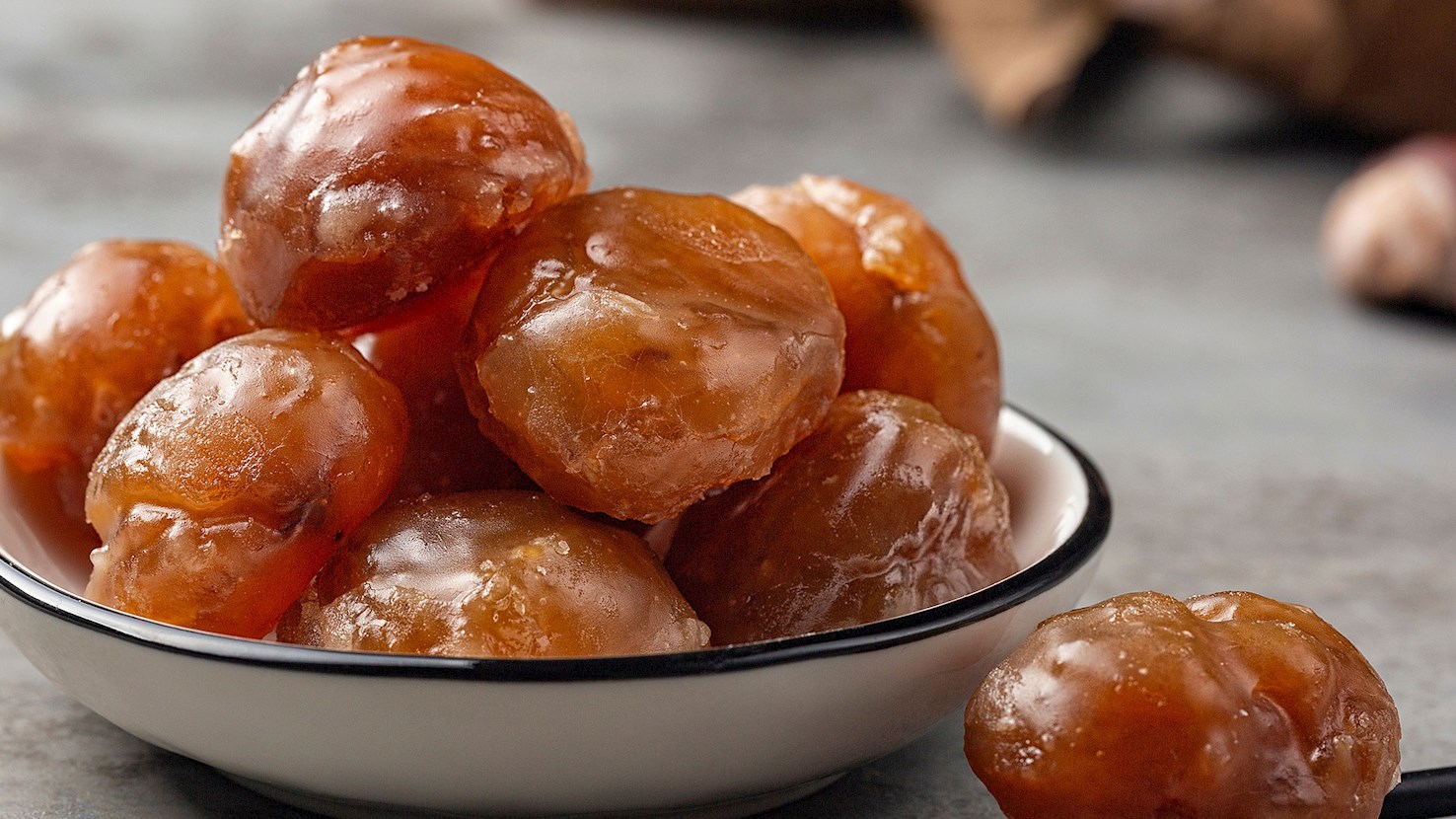
Marron glacé is a dried and candied chestnut, a French sweet treat that is extremely popular during the festive Christmas season. Preparing the candied chestnuts is a time-consuming process, so it is considered an expensive treat. The chestnuts have a unique, soft texture, and a slightly sweet flavor. They are often wrapped individually in order to preserve their shape. The first recipe for marron glacé appeared in the 16th century around the city of Lyon. Marron glacé enthusiasts say that the dessert is best when consumed on its own, ideally accompanied by a cup of warm tea.
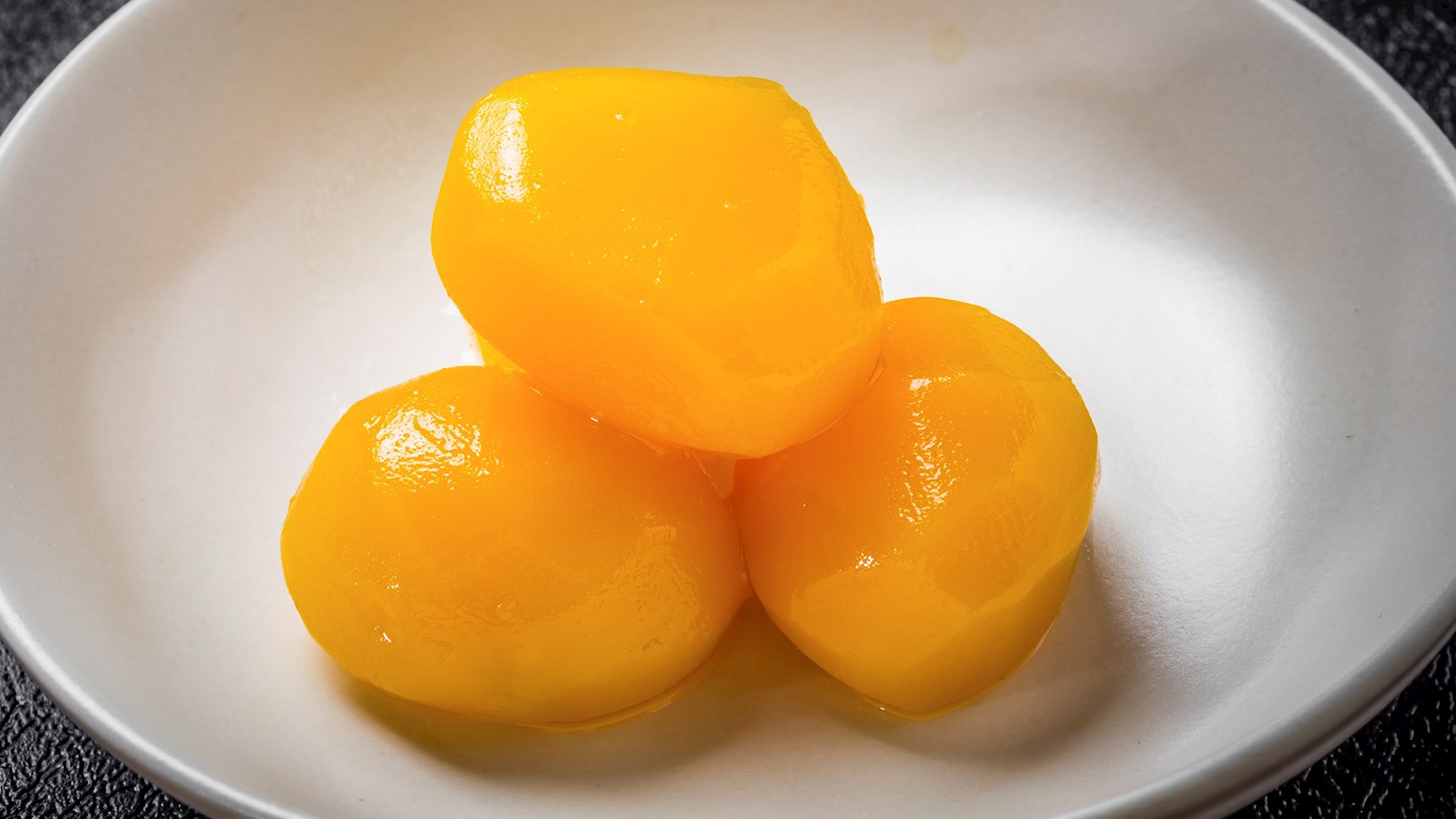
Kuri kinton is a traditional meal consisting of mashed sweet potatoes and chestnuts in chestnut syrup and mirin. Literally translated, it means chestnut gold mash, its bright, golden yellow color symbolizing economic prosperity and wealth, which is the reason why kuri kinton is traditionally consumed on New Year. Although the dish is quite sweet, it is not considered a dessert in Japanese cuisine. It is recommended to use Japanese sweet potatoes called satsumaimo instead of regular sweet potatoes, since they are much sweeter than the regular variety. Dried gardenia pods are a welcome addition to the dish, giving it a more intense yellow color.
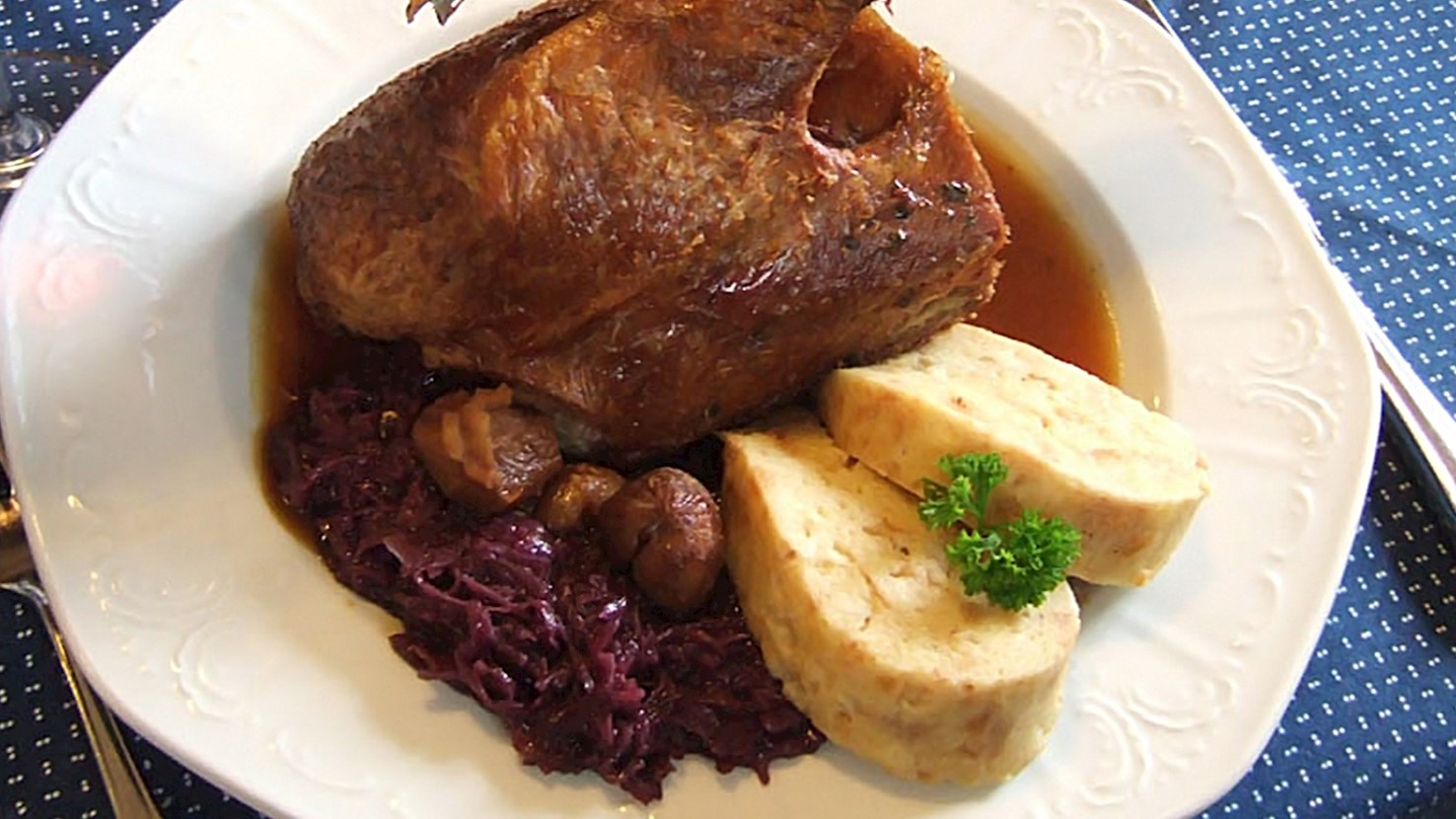
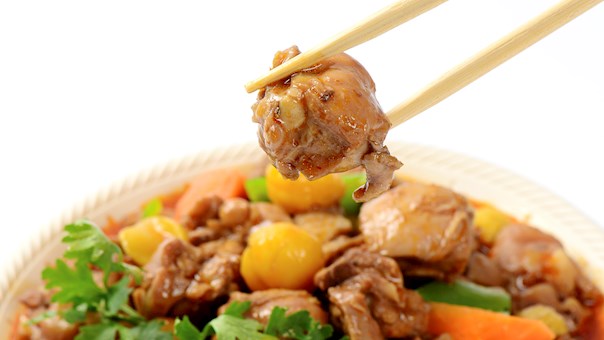
On St. Martin’s Day, November 11, stuffed goose is prepared as a traditional dish throughout Austria. The dish has many variations, but the goose is typically stuffed with chestnuts and dried plums, then roasted. When served, it is traditionally accompanied by red cabbage, potatoes, or knödel dumplings. Martinigans is sometimes drizzled over with a gravy made with a combination of stock (made from giblets) and pan drippings.
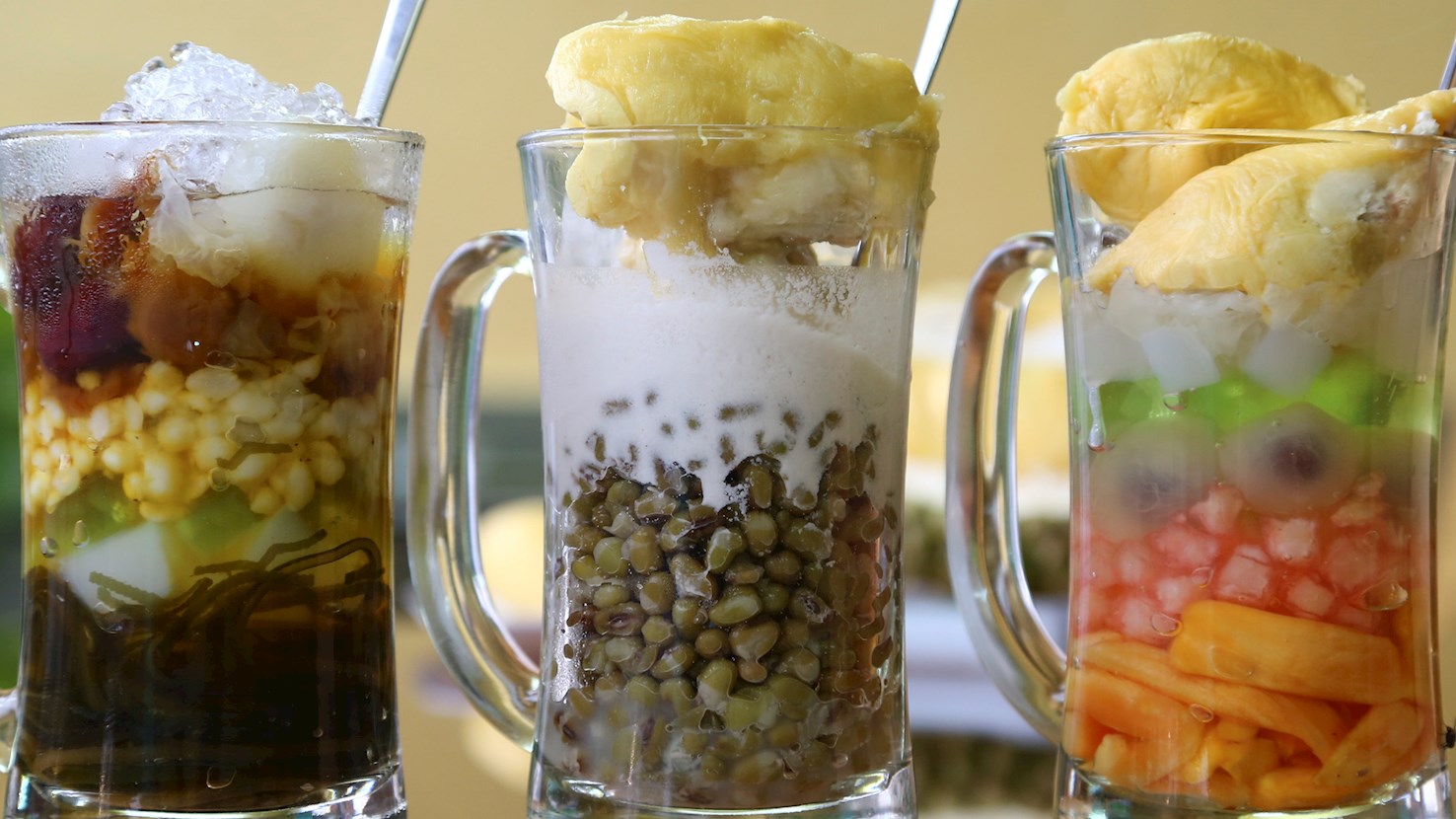
This versatile dessert usually consists of a cream base that is enriched with various ingredients. Typical additions include various types of canned fruit such as lychee, jackfruit, longan, or red-colored water chestnuts, as well as coconut milk, pandan-flavored jelly, and the sweet liquid in which the fruit was preserved. The dessert is finished off with the addition of ice cubes and should be served immediately.
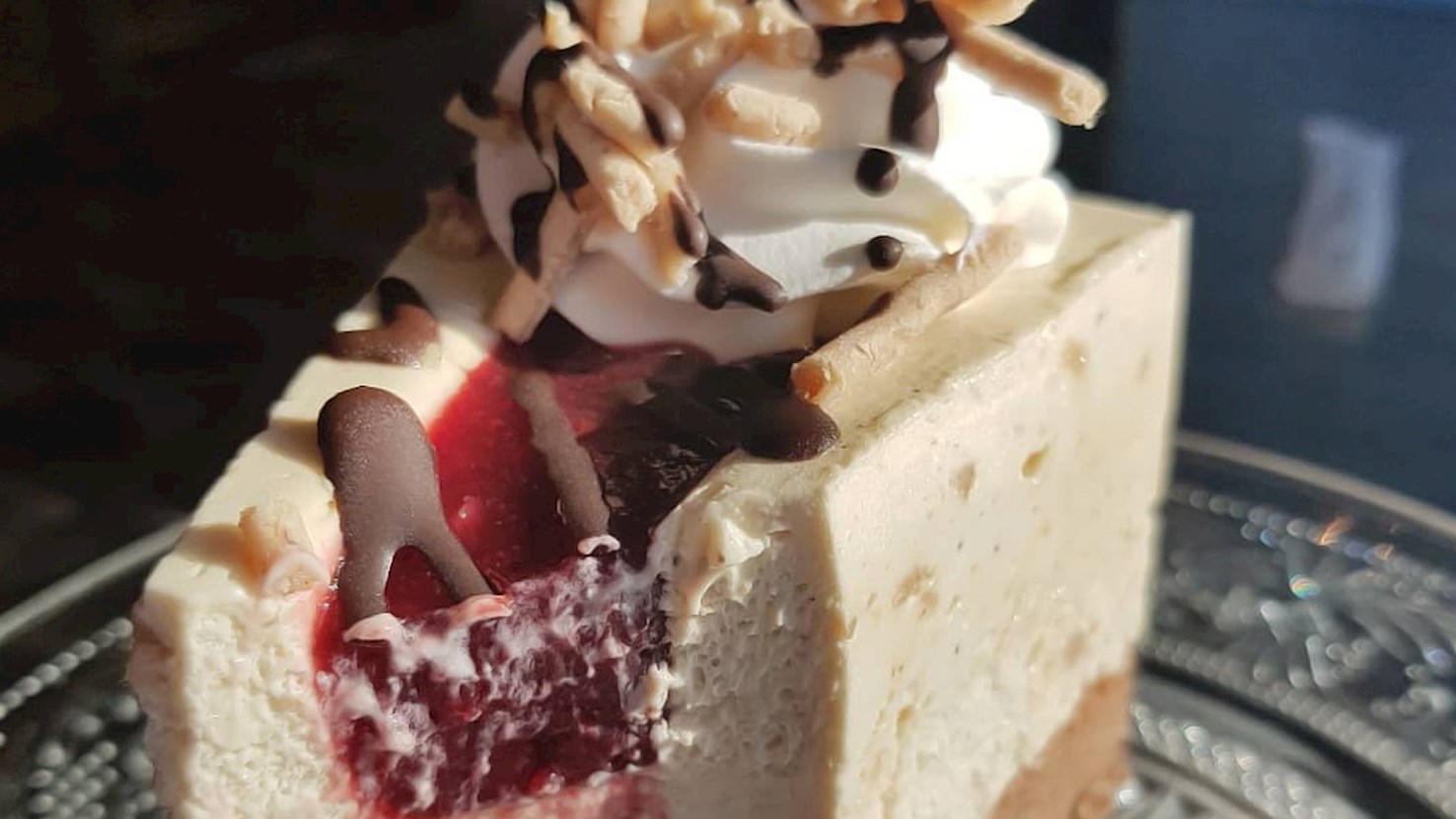
Gesztenye szelet is a traditional cake originating from Hungary, where it's a coffeehouse staple. The cake is usually made with a combination of chestnut purée, eggs, sugar, vanilla extract, flour, salt, brandy, heavy cream, and dark chocolate. The eggs are mixed with sugar over a pot of simmering water until it's tripled in volume, light, and fluffy. Chestnut purée, vanilla, salt, and flour are folded in, and the batter is spread evenly in a greased baking pan. The cake is baked until golden, and then left to cool. It's brushed with a syrup consisting of water, sugar, and brandy. The cake is topped with a mixture of chestnut purée, sugar, vanilla, and heavy cream, while dark chocolate is grated over the top. Once chilled, the cake is cut into rectangles and it's ready to be enjoyed.
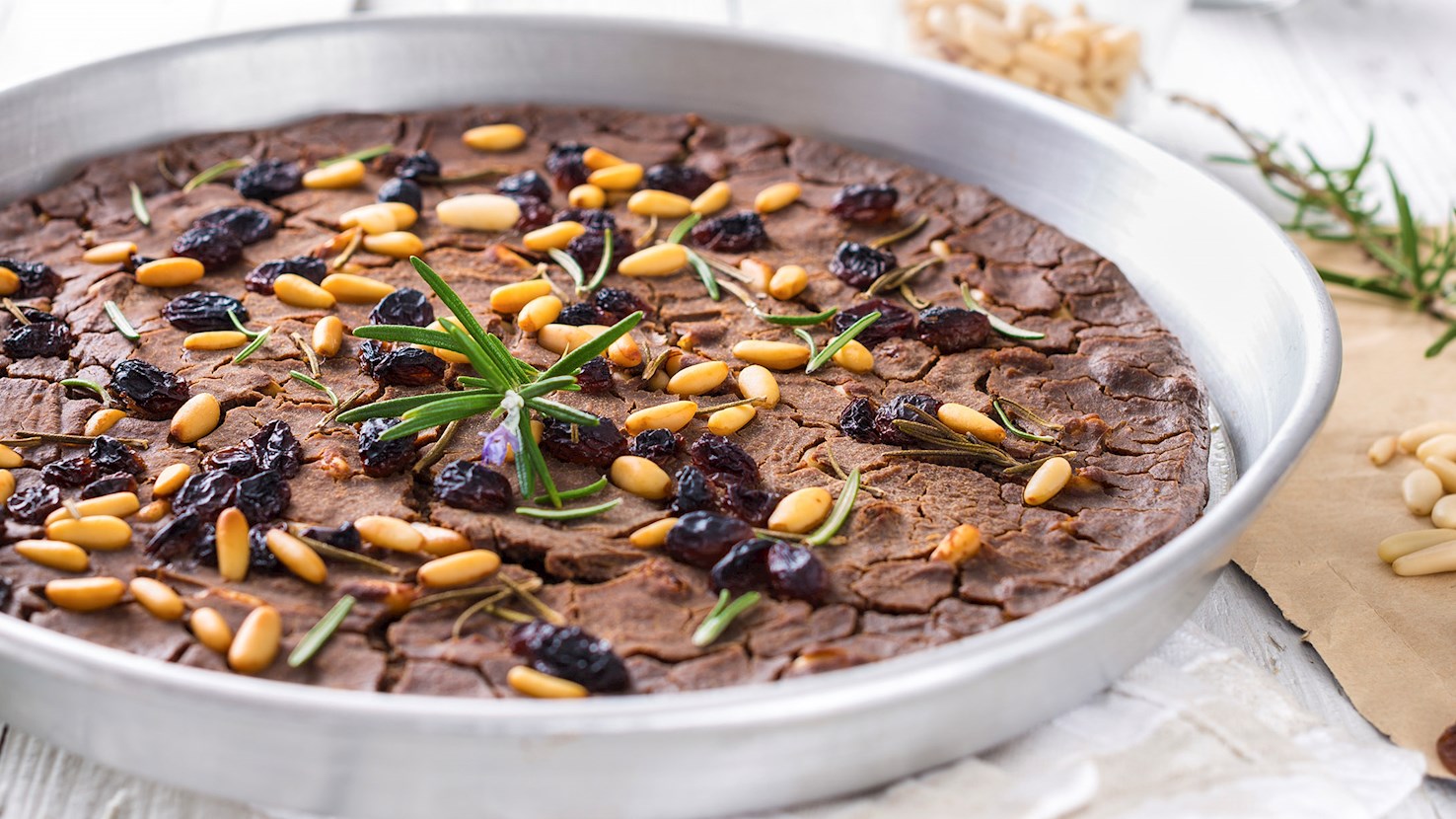
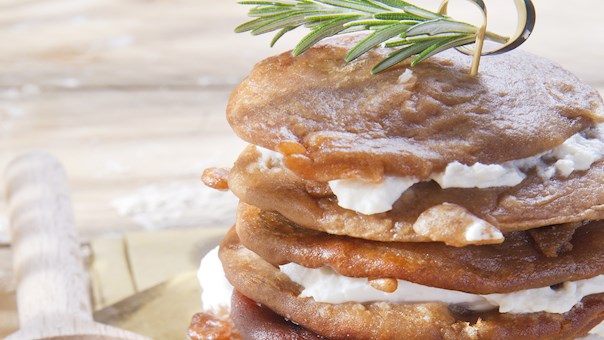
This traditional Italian chestnut cake is prepared with chestnut flour, olive oil, rosemary, raisins, and (occasionally) pine nuts. The recipe does not call for any other type of flour or sugar, making this cake a gluten-free and sugar-free delicacy. Some varieties may use other dried fruits, but the traditional version only includes raisins. All the ingredients used in castagnaccio create a dense, not overly sweet cake with a crunchy exterior and chewy interior. Originally, the cake was created as a poor man's dessert and was prepared seasonally, most commonly in winter months, when chestnuts are at their peak. Castagnaccio has been present in Italian culinary history since Roman times, with Tuscany believed to be the place of its origin. The cake is best when made with local ingredients, and it is typically paired with Italian dessert wines.
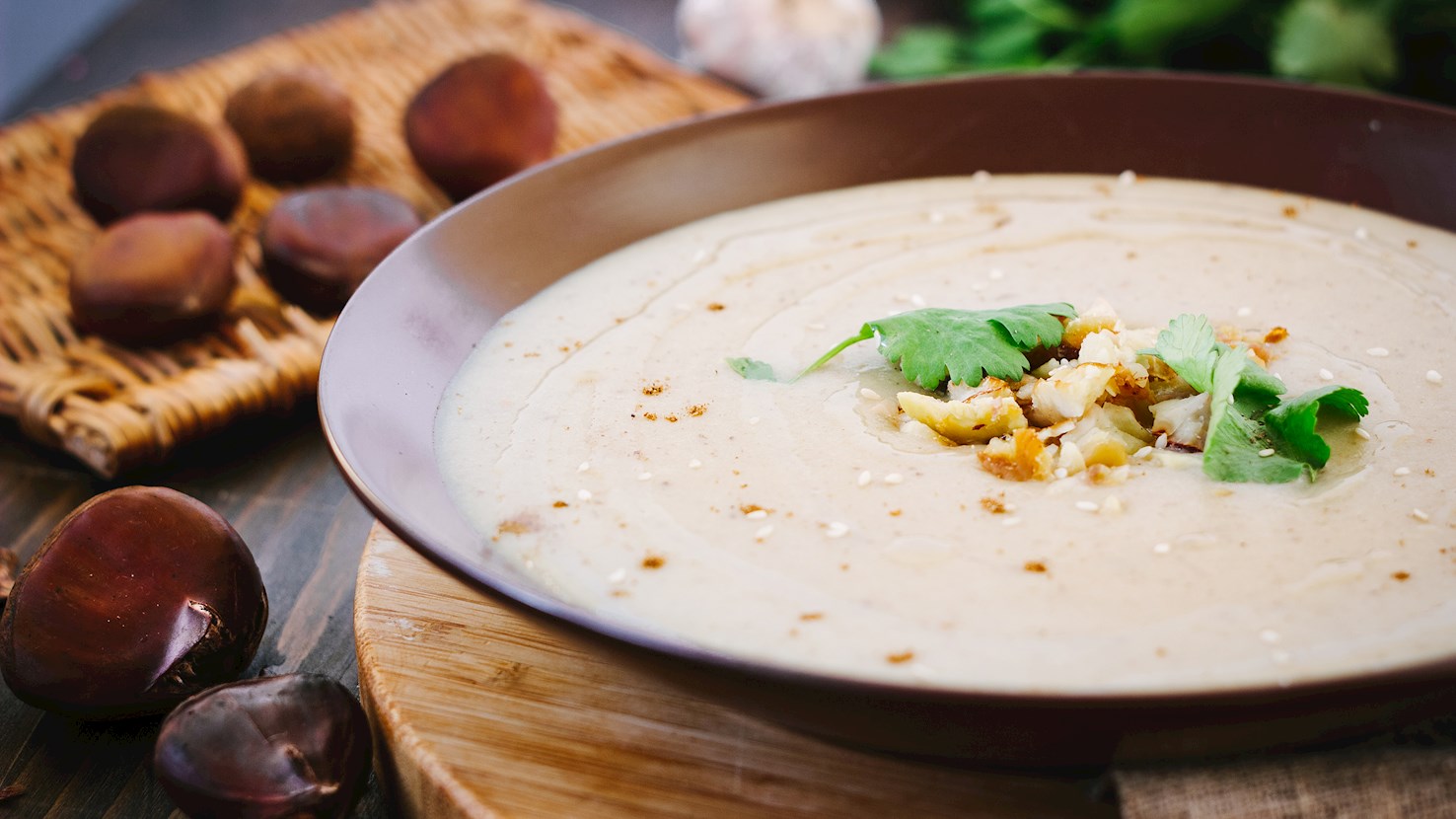
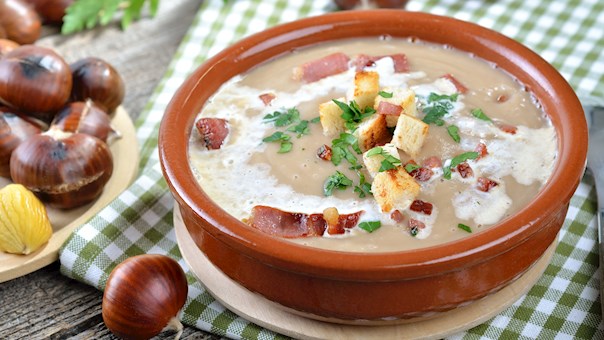
Kastaniensuppe is a traditional soup originating from Germany. Although there are variations, the soup is usually made with a combination of chestnuts, butter, beef stock, heavy cream, port, nutmeg, salt, and pepper. The boiled and peeled chestnuts are sautéed in butter until light golden. They're covered with the stock, simmered until soft, and then puréed. The cream, port, salt, pepper, and nutmeg are added to the pot, and the soup is then served piping hot. If kastaniensuppe becomes too thick, it's recommended to add more stock.
TasteAtlas food rankings are based on the ratings of the TasteAtlas audience, with a series of mechanisms that recognize real users and that ignore bot,
nationalist or local patriotic ratings, and give additional value to the ratings of users that the system recognizes as knowledgeable.
For the “34 Best Rated Dishes with Chestnuts” list until June 17, 2026, 1,000,987 ratings were recorded, of which 657,348 were recognized by the system as legitimate.
TasteAtlas Rankings should not be seen as the final global conclusion about food. Their purpose is to promote excellent local foods,
instill pride in traditional dishes, and arouse curiosity about dishes you haven’t tried.