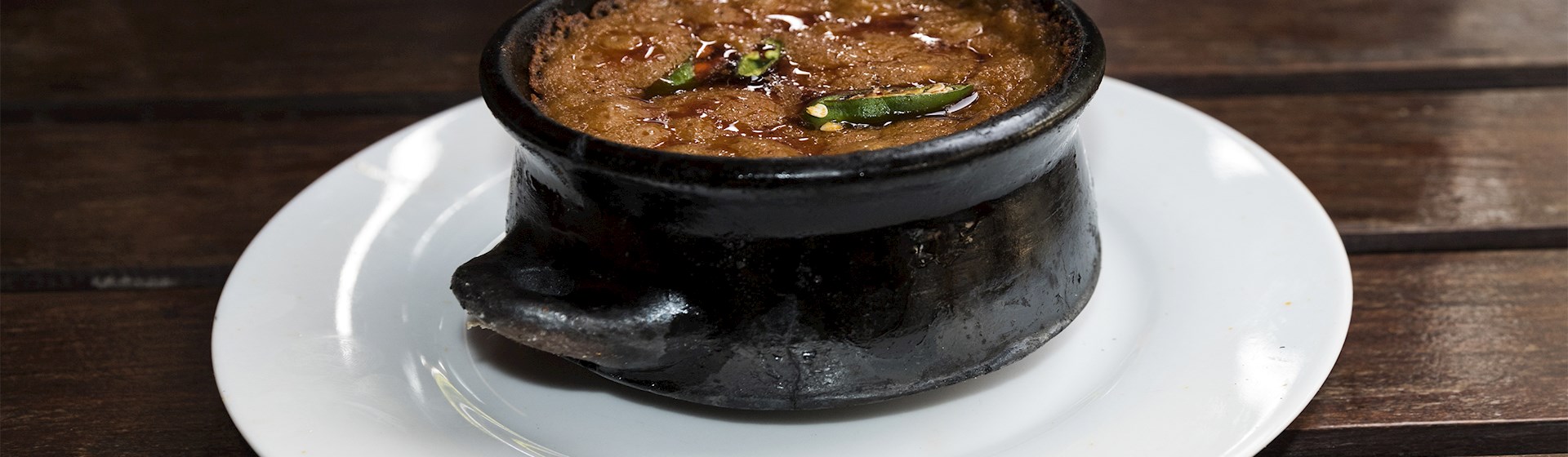
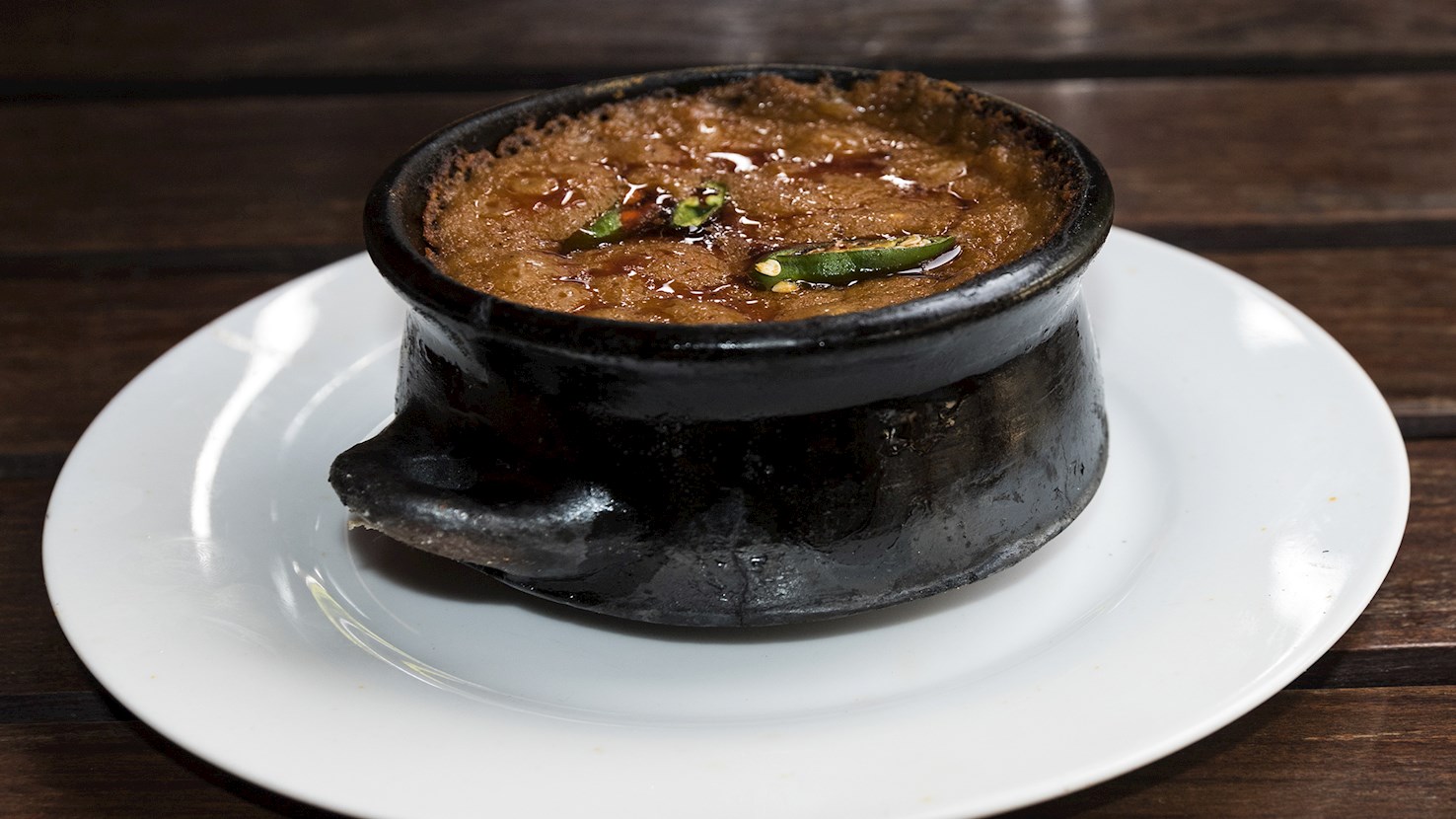
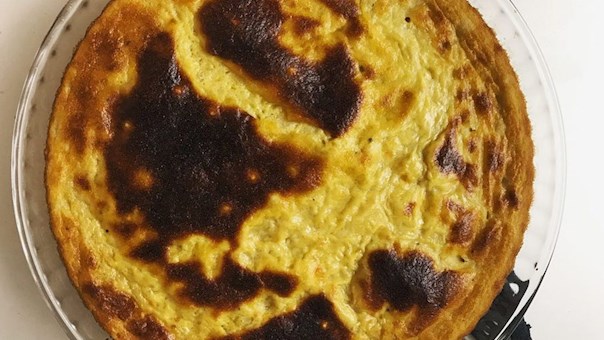
Known as karantika in Algiers and calienté in Morocco, this beloved traditional dish traces its origins back to Spanish influence during the colonial period, as its name is derived from the Spanish word calentita, which means "warm." Over time, what began as a humble, filling meal for the working class evolved into one of Algeria’s and Morocco's most cherished street foods, often enjoyed by people of all ages and backgrounds. The essence of the dish lies in its simplicity and rich, comforting flavor. It is made from a smooth batter of chickpea flour, water, oil, salt, pepper, and eggs, which is then baked until it develops a golden, slightly crisp crust on top while remaining creamy and custard-like inside. Some variations of the recipe include a pinch of cumin or a hint of chili to enhance its depth and warmth. When it comes out of the oven, the dish is traditionally cut into generous squares or wedges and often served tucked into a piece of crusty bread, making it perfect for eating on the go. It is common to find street vendors offering it with a dollop of harissa or a smear of mustard to add a spicy or tangy kick that beautifully complements its mild, nutty flavor. Part of what makes karantika or calienté so beloved is its versatility: it can be enjoyed as a snack, a light lunch, or even a comforting dinner.
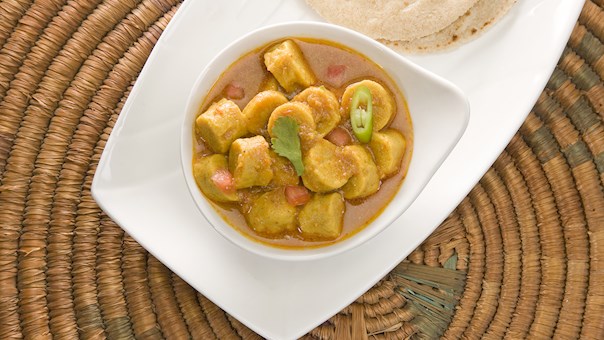
Shiro wat or tsebhi shiro is an Ethiopian and Eritrean stew made with chickpeas or broad beans as main ingredients, along with garlic, onions, ginger, tomatoes, and chili peppers. The chickpeas give this stew a nice texture and nutty flavor, but they can be replaced by shiro powder, which is a combination of chickpea flour and various spices. The dish is traditionally prepared for special occasions such as Ramadan and Tsom. It is recommended to serve shiro with injera flatbread on the side.
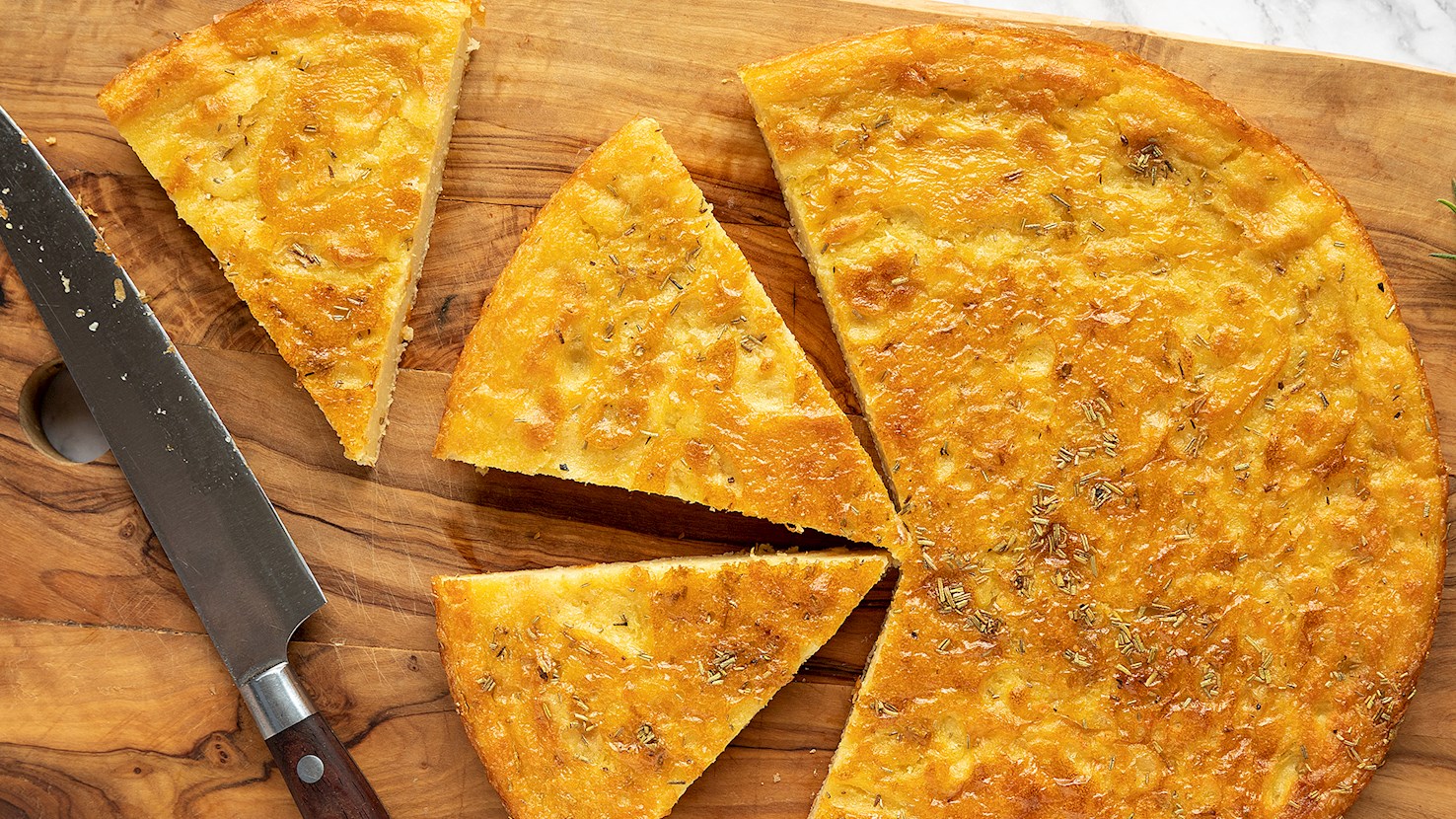
This traditional Ligurian dish is a simple, oven-baked flatbread made only with chickpea flour, water, extra virgin olive oil, and salt. Its origins can be traced to Roman times, but according to legend, farinata as we know it today is said to have been invented in August of 1284, when the Republic of Genoa defeated Pisa in the battle of Meloria in the Ligurian Sea. On their way back home, the Genoese ships were hit by a tempest, and some of the olive oil and chickpea flour barrels broke, they were mixed together, then moistened by salty sea water. After the tempest, realizing they didn’t have anything else to eat, the sailors put this mixture to dry in the sun and consumed it. Often flavored with rosemary, farinata di ceci can be eaten plain or enjoyed with creamy stracchino or crescenza cheese and a touch of pesto alla Genovese.
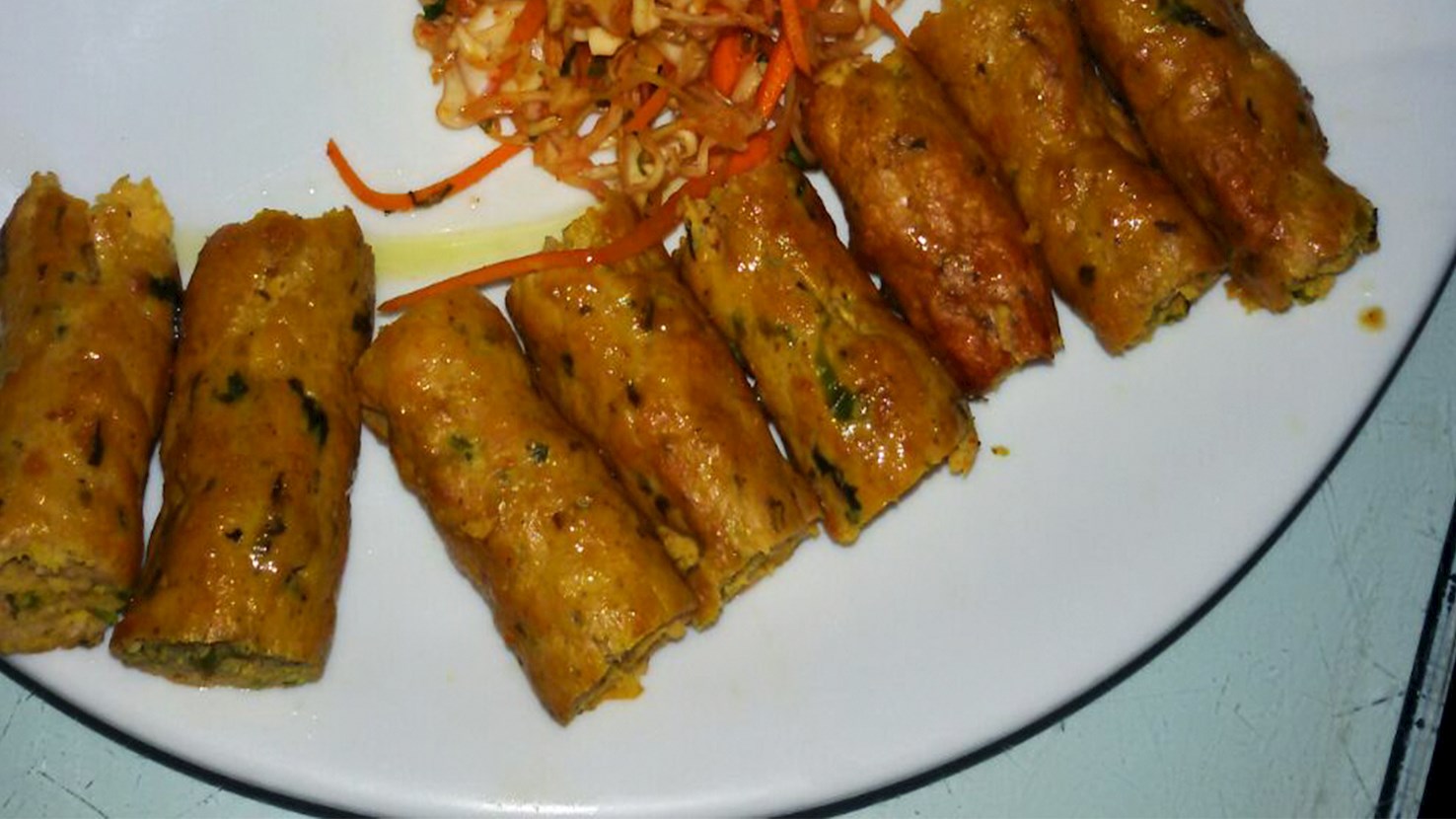
Muthia, also spelled muthiya, are savory dumplings made from flour, vegetables or leafy greens, and spices. They can be steamed or deep-fried and are eaten as a snack, breakfast food, or as part of dishes such as undhiyu. The name comes from the Gujarati word muthi, meaning “fist,” and refers to the traditional way the dough is squeezed or shaped by hand. Depending on the recipe, muthia can be formed into small fist-shaped dumplings, oval pieces, or longer logs that are steamed and sliced. There is no firmly documented account of when muthia were first created. They belong to Gujarat's large family of savory snacks known as farsan and use ingredients common in Gujarati home cooking, particularly grain and pulse flours, leafy vegetables, gourds, herbs, and spices. The flour mixture varies considerably. Chickpea flour, or besan, is especially common and is often combined with whole wheat flour. Coarse wheat flour, millet flour, sorghum flour, or semolina may also be included. Fresh fenugreek leaves produce methi muthia, while grated bottle gourd is used for dudhi na muthia. Spinach, amaranth, purslane, cabbage, and even bitter-gourd peel can also be used. The dough is usually seasoned with ginger, green chili, turmeric, red chili powder, sesame seeds, carom seeds, coriander, cumin, and salt. Gujarati versions often include a little sugar or jaggery along with lemon juice or another sour ingredient, creating the sweet, sour, and spicy balance common in the region's cooking. Oil is worked into the mixture for tenderness. Some recipes also contain yogurt. The amount of water depends on the vegetables being used. Fenugreek and other less watery vegetables generally require some water or yogurt to bring the flour together. The dough should be soft enough to shape but firm enough to hold its form during cooking. For the typical steamed version, the dough is shaped into thick logs or cylinders and steamed until firm and fully cooked. After cooling slightly, the logs are cut into rounds. The slices can be eaten as they are, but they are especially good after being tempered in hot oil with mustard seeds, sesame seeds, curry leaves, and sometimes asafoetida. They are tossed in the pan until the edges become lightly browned while the centers remain soft. Muthia can also be fried. Fried methi muthia are usually shaped into smaller dumplings and placed directly into moderately hot oil without steaming first. They develop a crisp, browned exterior and a softer center. This fried version has an important place in undhiyu, Gujarat's famous winter mixed-vegetable dish. Small fenugreek muthia are cooked with vegetables such as purple yam, potatoes, green beans, eggplant, and unripe banana in a mixture flavored with coconut, coriander, sesame, peanuts, green garlic, and spices. The dumplings absorb some of the seasoning and cooking juices while retaining their shape. The steamed version is usually sliced and tempered before serving as a snack, while the smaller fried version works particularly well when later cooked with vegetables or gravy. Muthia are commonly served warm with green coriander, mint chutney, or sweet-and-sour tamarind chutney. A squeeze of lemon can also be added. They pair well with tea and can be eaten for breakfast, as an afternoon snack, or as part of a larger Gujarati meal.
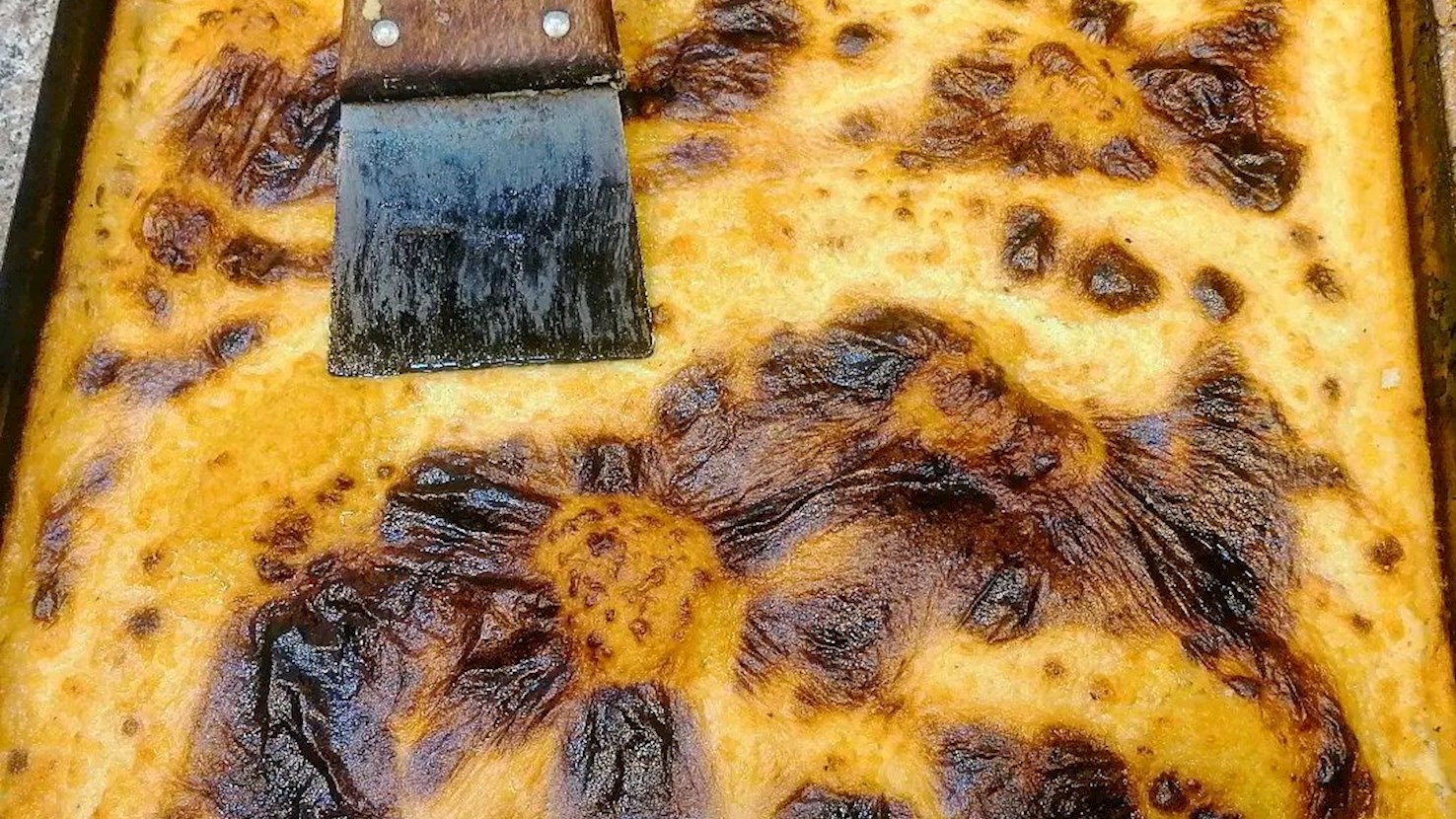
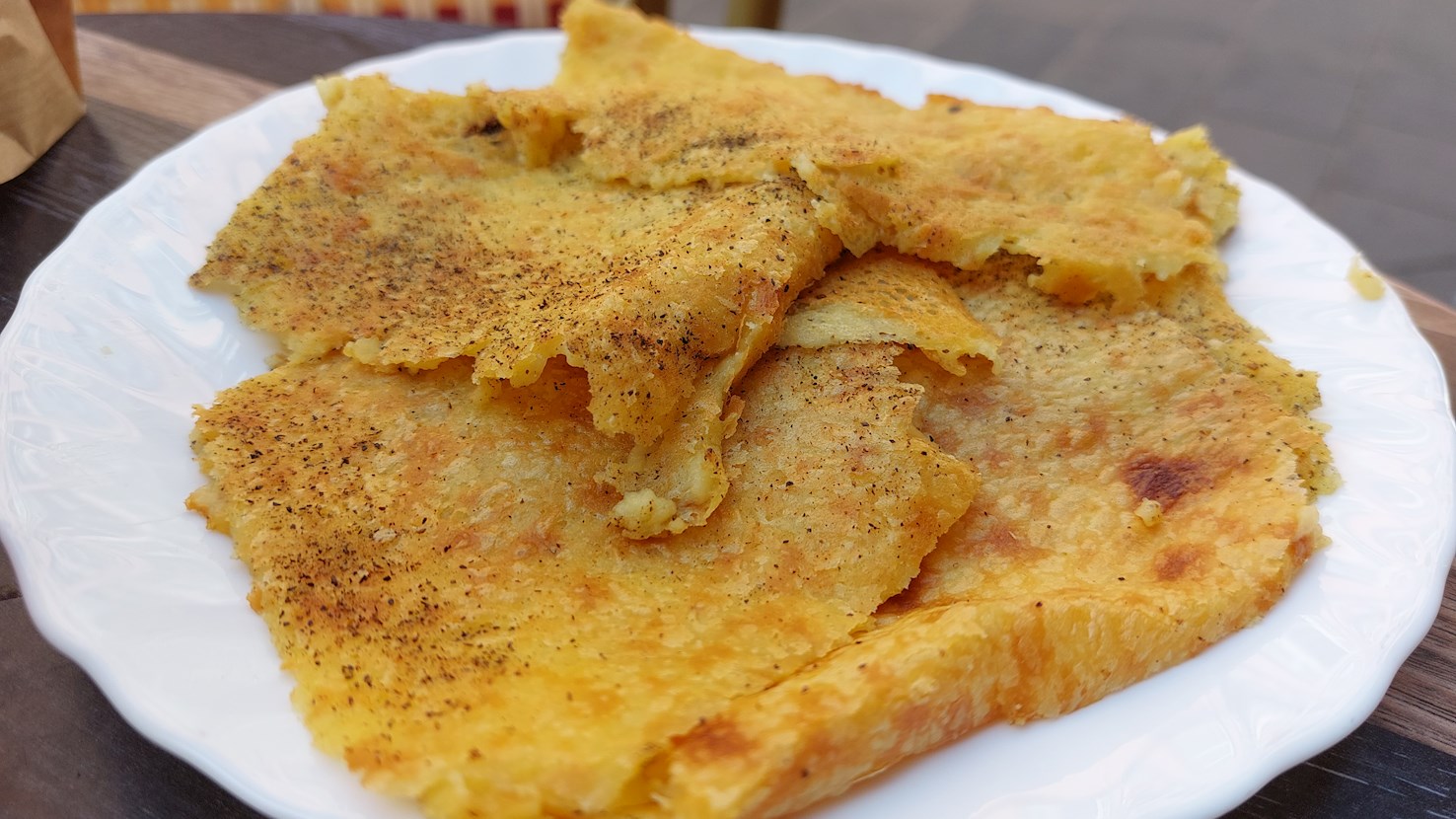
Originally derived from the Genovese farinata, socca eventually became the specialty of Nice, France, where it is a street food staple. This traditional flatbread is made with chickpea flour, olive oil, salt, and pepper. Once the batter is prepared, it is transferred to a wide pan or a skillet, which is placed in the oven at very high temperature. The batter is then baked until the socca hardens and begins to slightly burn on the edges. Once baked, socca is sliced into pieces and seasoned with salt, pepper, and a drizzle of olive oil. It can be served as an appetizer with cheese, olives, and a glass of rosé on the side.
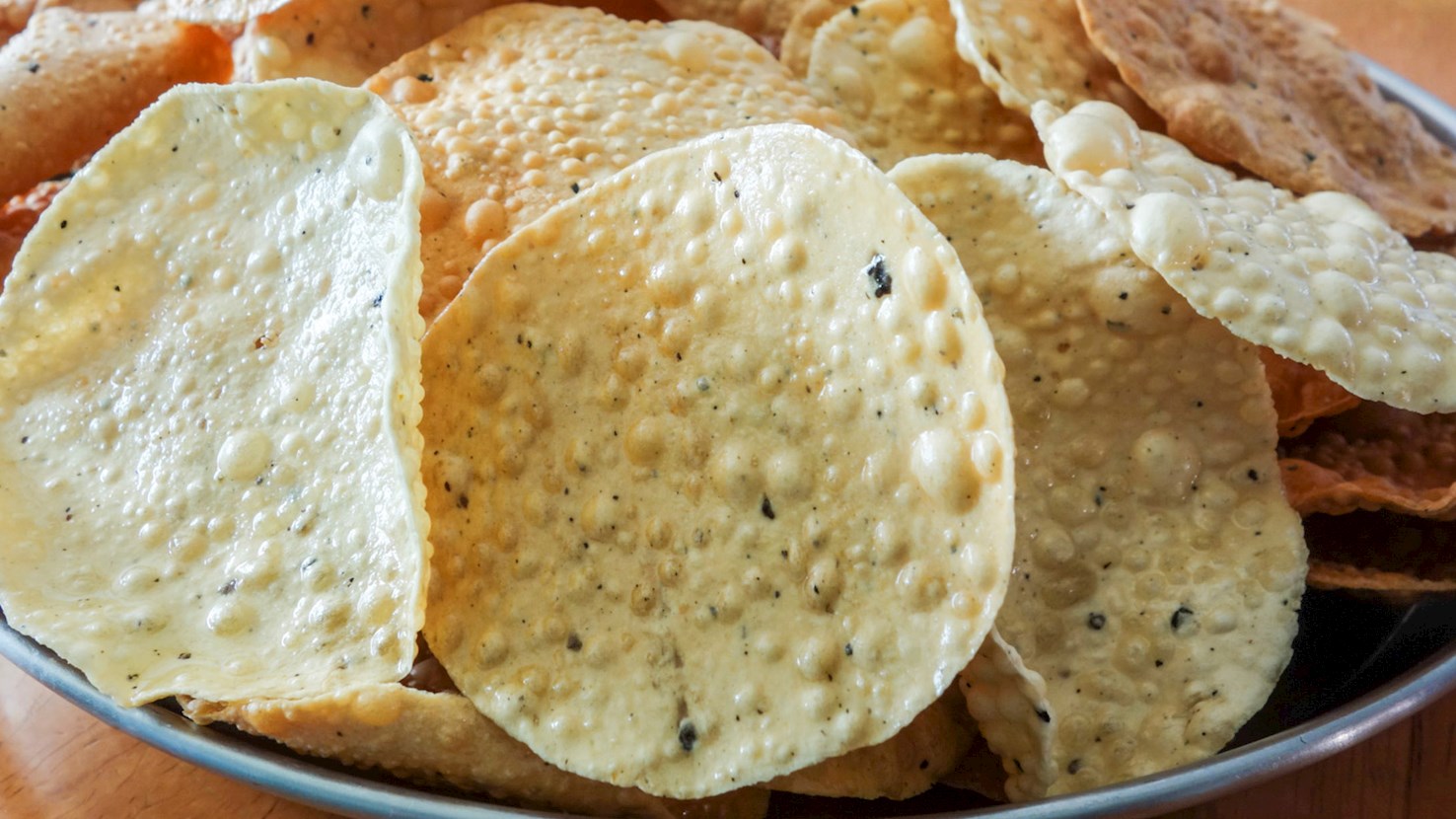
Papadum is a snack made with either gram, rice, or chickpea flour that is baked into a thin, crispy cracker bread. It can be consumed on its own, with pickles, or served with other dishes such as curries, when it's used as a utensil for scooping the dish up. Papadum can also be topped with chutneys or raita sauce and accompanied by hot tea. With its popularity, there are some variations on the dish, such as rice papadum which is boiled in water and dried in the sun, masala papadum with spices such as black pepper, chili, cumin, and garlic, or jackfruit papadum from Karnataka, which combines jackfruit with chickpea flour. Papadums are also quite popular in the United Kingdom and Australia, where the bread is served as an appetizer, and it's usually accompanied by mango chutney and lime pickle dips.
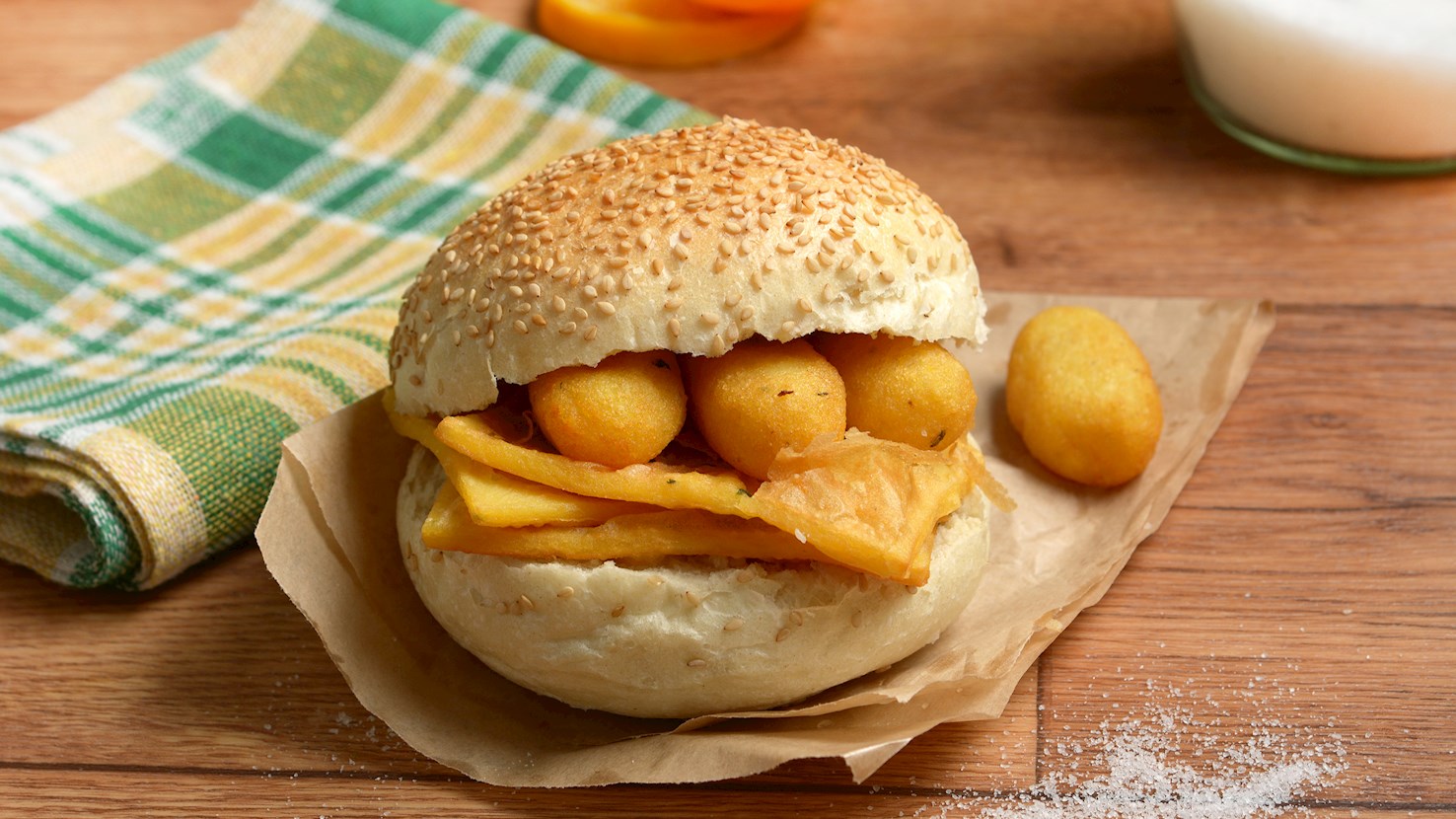
These delectable chickpea fritters are believed to have been introduced to Sicily by the Arabs who dominated the area between the 9th and the 11th century. Today, panelle are one of the most popular street foods on the island, especially in Palermo where they are traditionally served in a round bun with sesame seeds on top. Best enjoyed warm, the crunchy fritters are typically drizzled with lemon juice and, for a more substantial snack, they can be topped with fresh ricotta cheese.
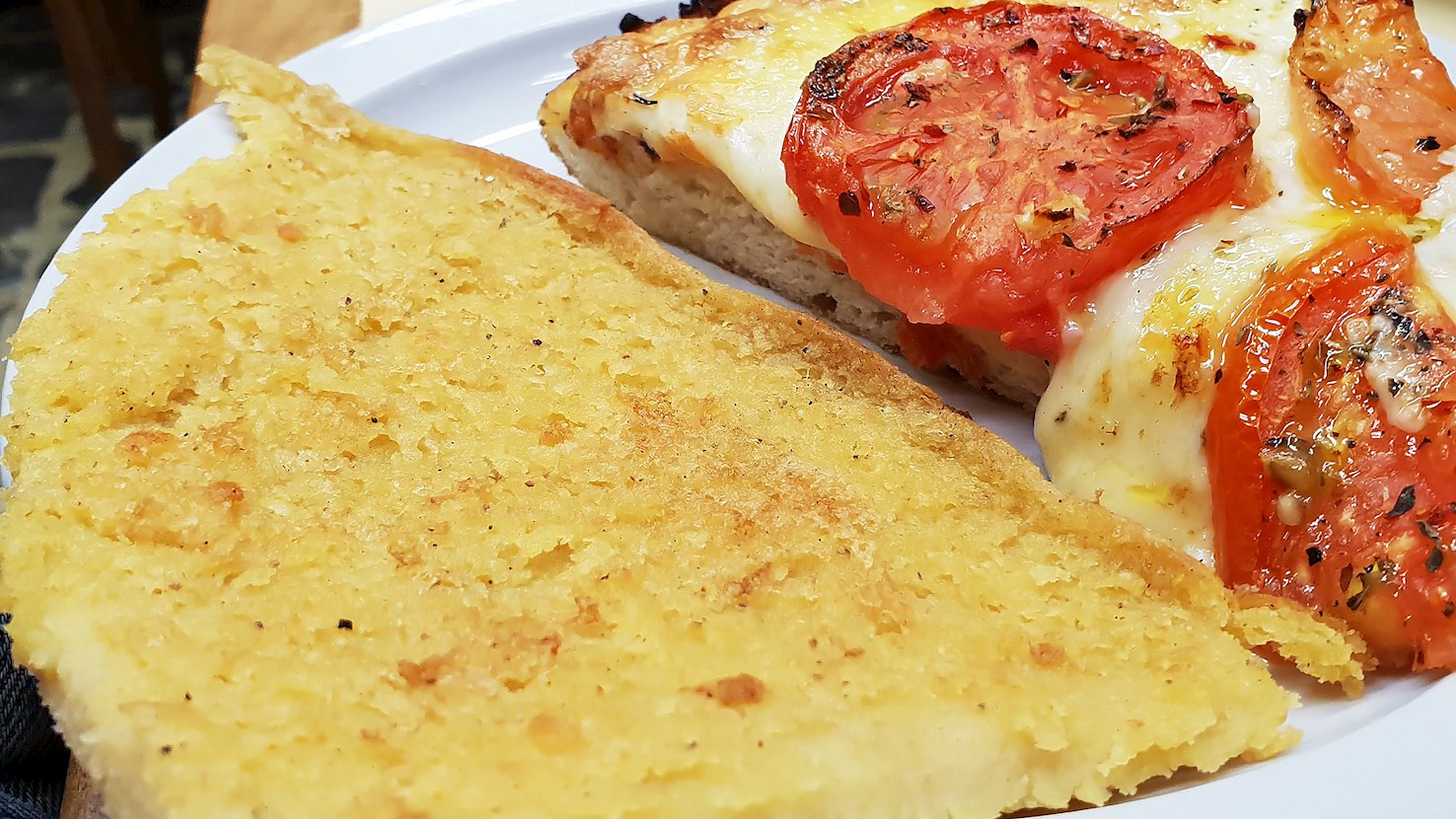
Fainá is a unique flatbread made with chickpea flour, black pepper, and lots of fresh herbs. It is extremely popular throughout Argentina and Uruguay. The most prevalent theory about its origin says that Genovese immigrants brought it to Buenos Aires and Montevideo in the early 20th century, and over time it became a popular food item in the country. Fainá is typically served as an accompaniment to pizza, in a way that pizza slices are topped with a piece of fainá. When paired this way, the dish is then known as pizza a caballo or horseback pizza.
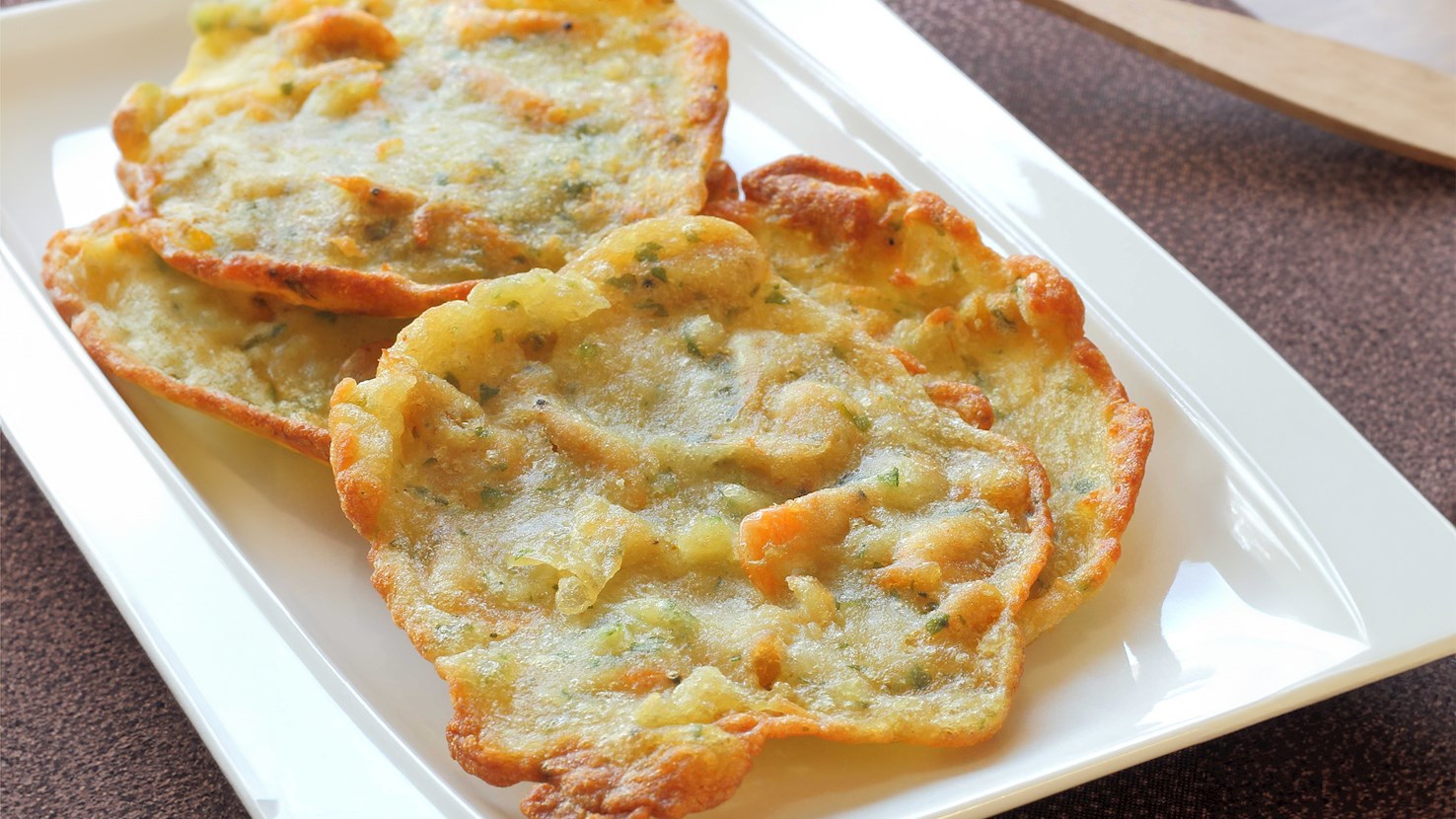
Tortillitas de camarones are a traditional Spanish dish particularly popular in the province of Cadiz and especially associated with the city of San Fernando. These are fritters made with a batter of chickpea flour (though sometimes a mix of wheat and chickpea flour is used), water, fresh shrimp, onion, and parsley. The mixture is fried in olive oil until crisp. The shrimp used in this dish are often tiny, and they are used whole, including the shell. The result is a thin, crispy pancake loaded with small shrimps, traditionally served as a tapa. It's a simple dish, but it's packed with flavor and has a unique texture due to the crispness of the pancake combined with the shrimp. It's a typical dish you might find in fried fish shops or freidurias throughout Andalusia, particularly in coastal towns and cities.
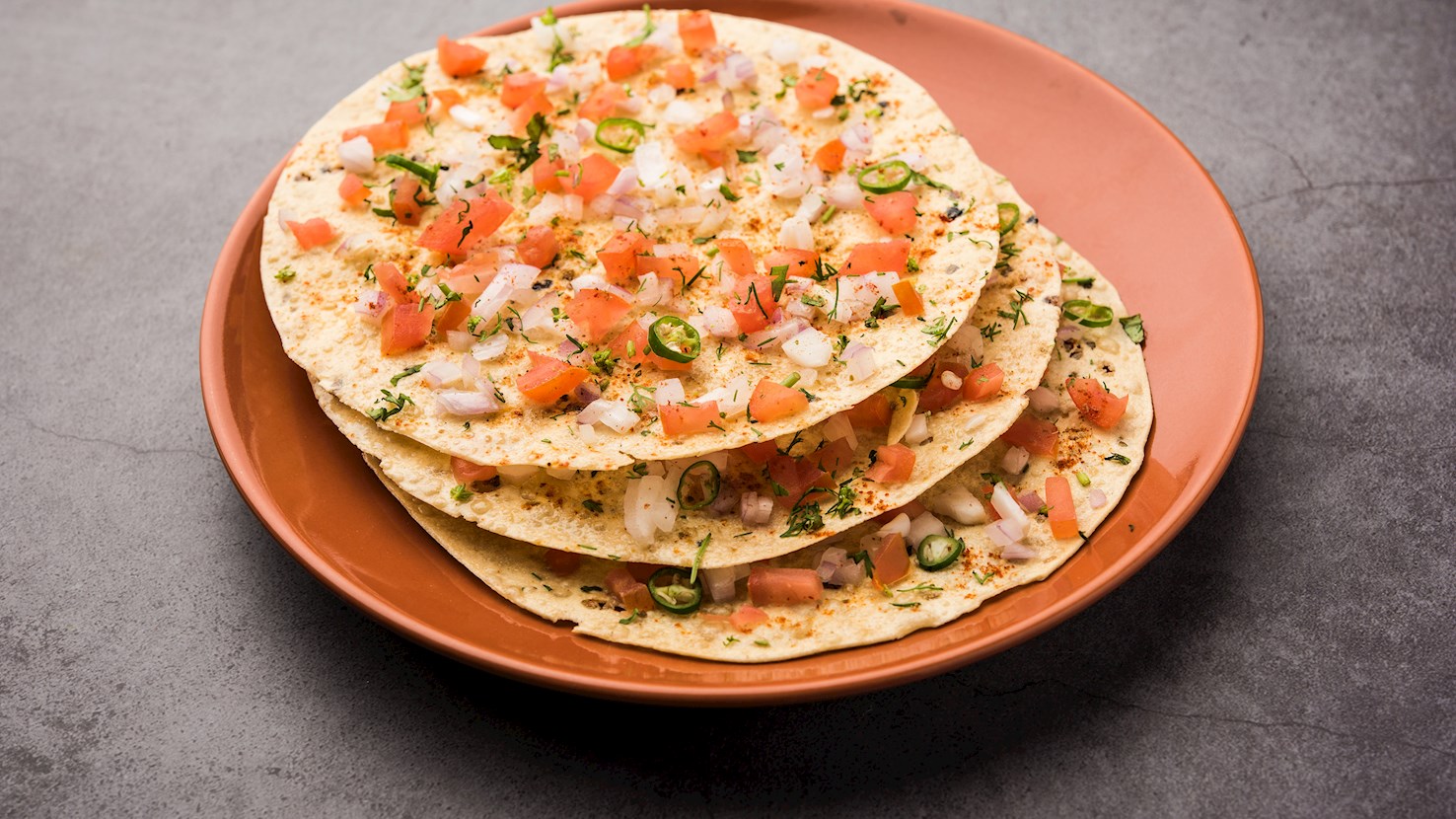
Masala papad is a traditional snack and a version of papadum flatbread that’s topped with a mix of tangy and spicy ingredients. The flatbread is roasted or fried and it’s usually made with lentil, chickpea, or rice flour. After it’s been roasted or fried until crunchy, it’s topped with a mixture of onions, tomatoes, coriander, hot chili powder, lemon juice, chaat masala, and salt. It’s important to add the topping after the flatbread has been fried or roasted, otherwise it will get soggy. If desired, additional ingredients can be added to the topping, such as cucumbers, mint leaves, carrots, or raw mango. Masala papad is traditionally served as a snack or an appetizer, but it can also be served as an accompaniment to various Indian meals.
TasteAtlas food rankings are based on the ratings of the TasteAtlas audience, with a series of mechanisms that recognize real users and that ignore bot,
nationalist or local patriotic ratings, and give additional value to the ratings of users that the system recognizes as knowledgeable.
For the “19 Best Rated Dishes with Chickpea Flour” list until September 17, 2026, 1,037,815 ratings were recorded, of which 688,105 were recognized by the system as legitimate.
TasteAtlas Rankings should not be seen as the final global conclusion about food. Their purpose is to promote excellent local foods,
instill pride in traditional dishes, and arouse curiosity about dishes you haven’t tried.













What People Say