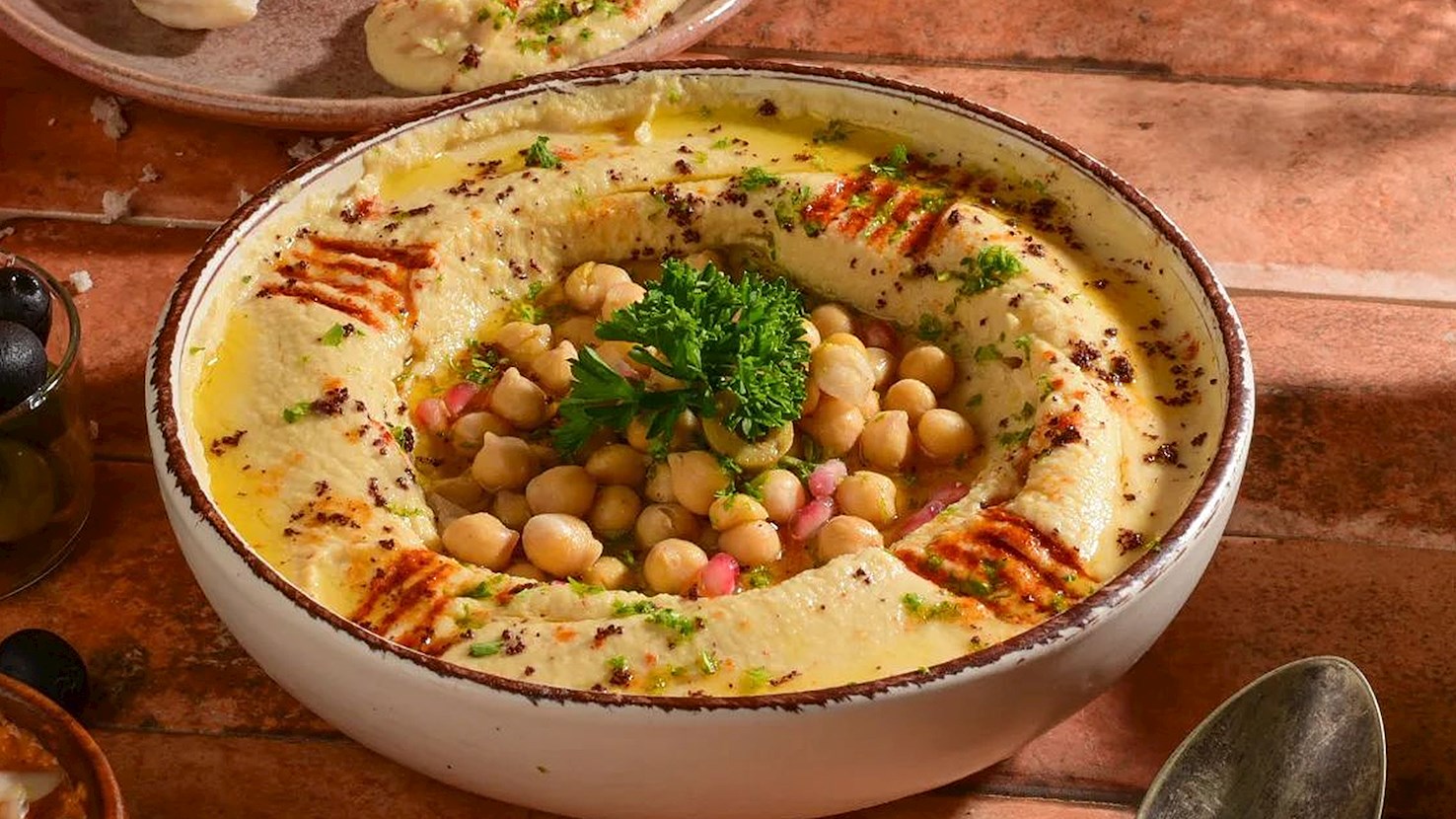
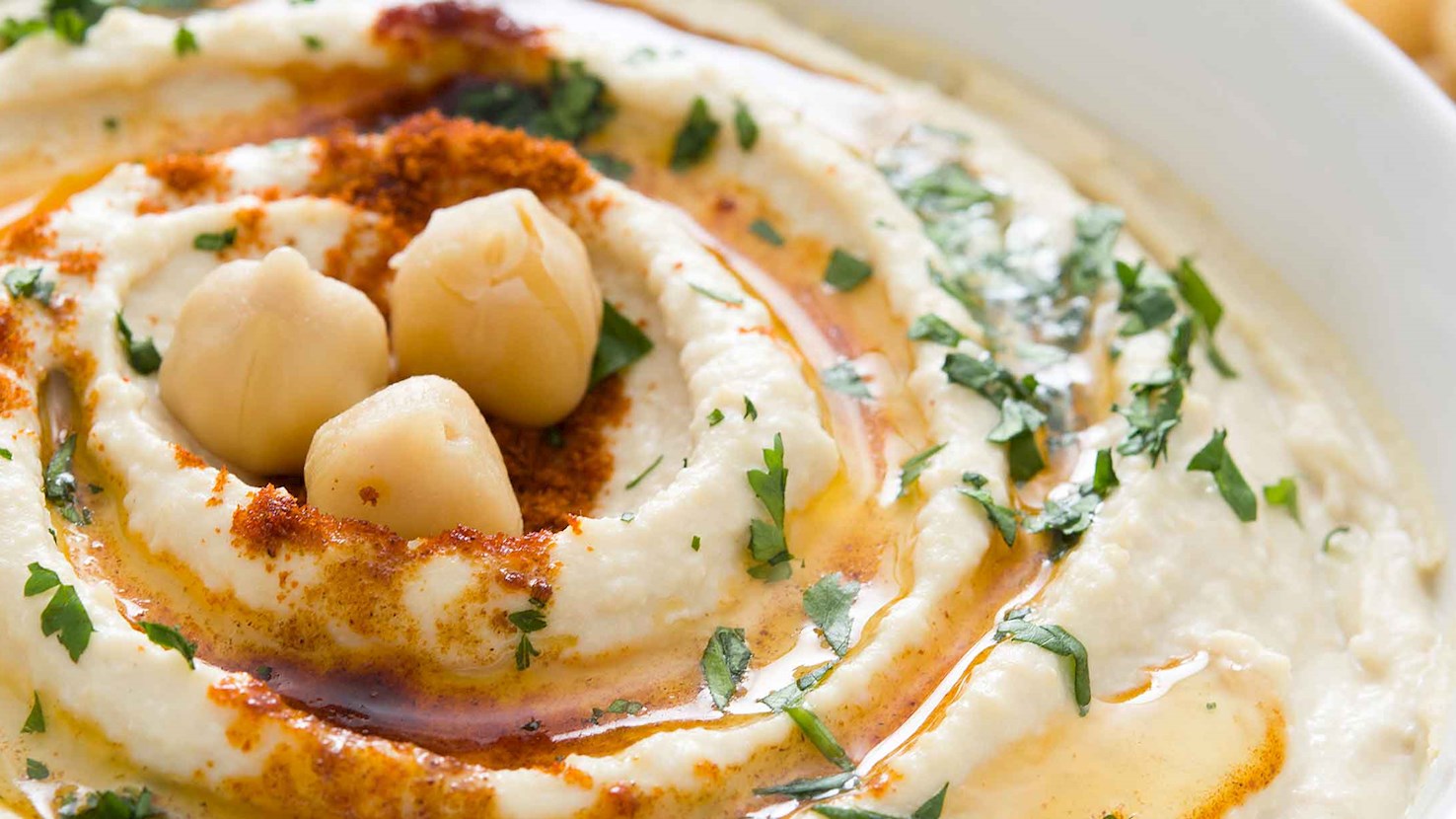
Hummus Beiruti is a Lebanese version of hummus, the famous chickpea-based dip. This version adds a large amount of garlic and spices to it. It’s usually made with a combination of chickpeas, olive oil, garlic, yogurt, tahini, cold water, cumin, lemon juice, chili peppers, chopped parsley, and paprika. Once prepared, this hummus version is plated and garnished with a drizzle of olive oil, chopped parsley, and mint leaves. Hummus Beiruti is served with freshly baked pita or lavash flatbread.
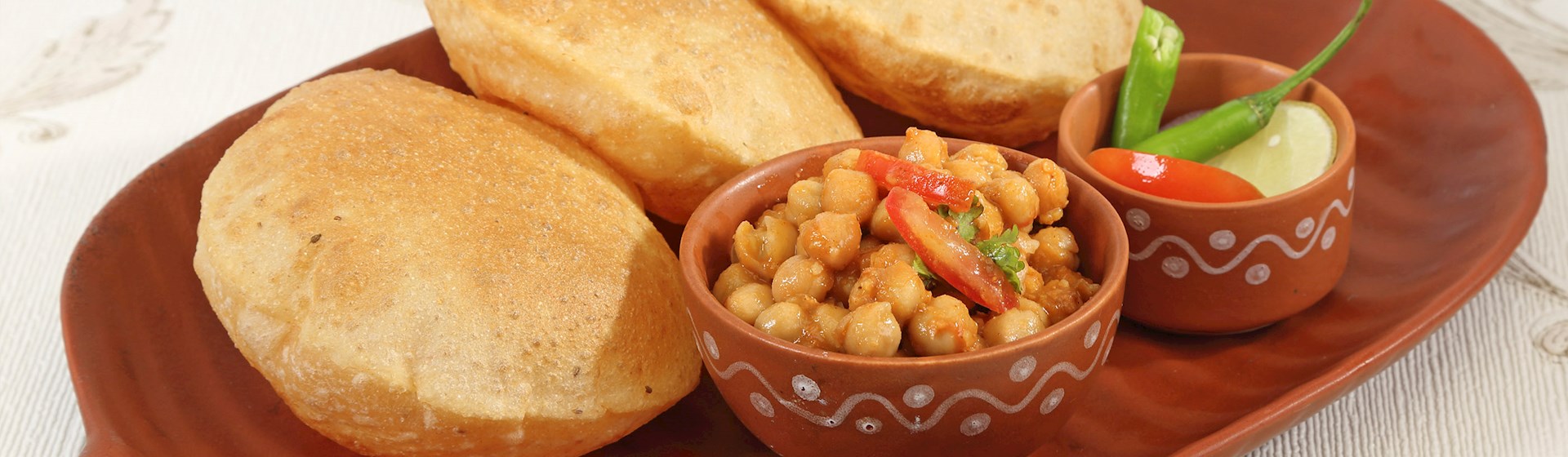
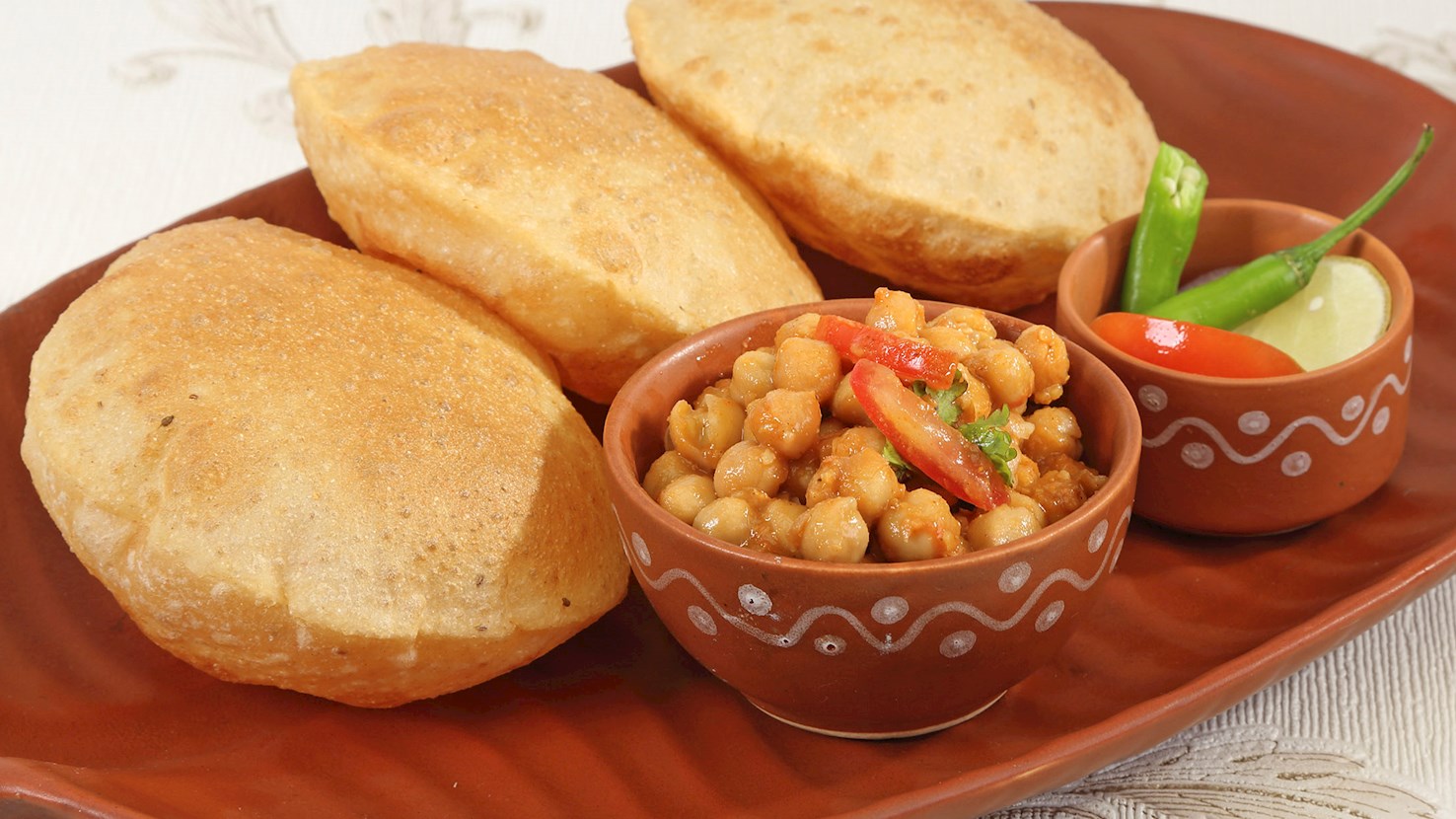
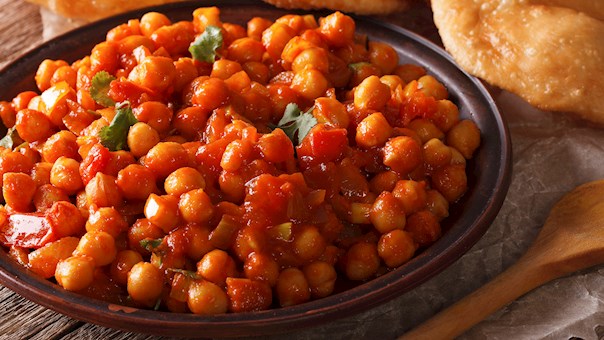
At its core, chole bhature is a combination of two dishes: chole - a spicy chickpea curry, and bhature - a type of fried bread made with maida flour. Popular throughout North India, the dish was invented in Delhi in the 1940s. It is commonly accompanied by onions, pickles, mint chutney, and chilled lassi. Chole bhature can be found at most street carts in North India, but it can also be easily prepared at home. Although it can be eaten any time of the day, chole bhature is especially popular in the morning, when bhature are filled with potatoes or cottage cheese, making it a heavy, nutritious breakfast.
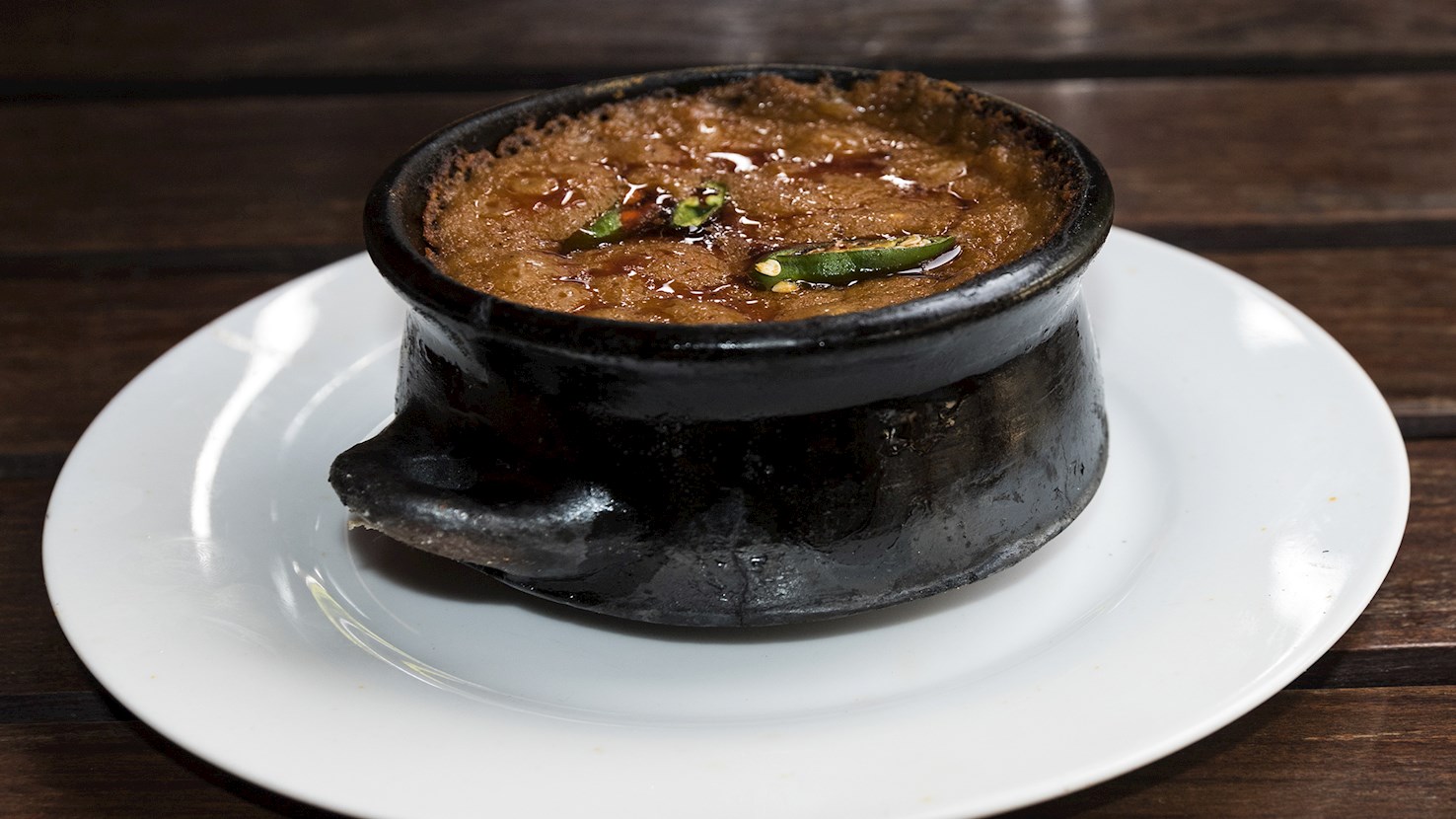
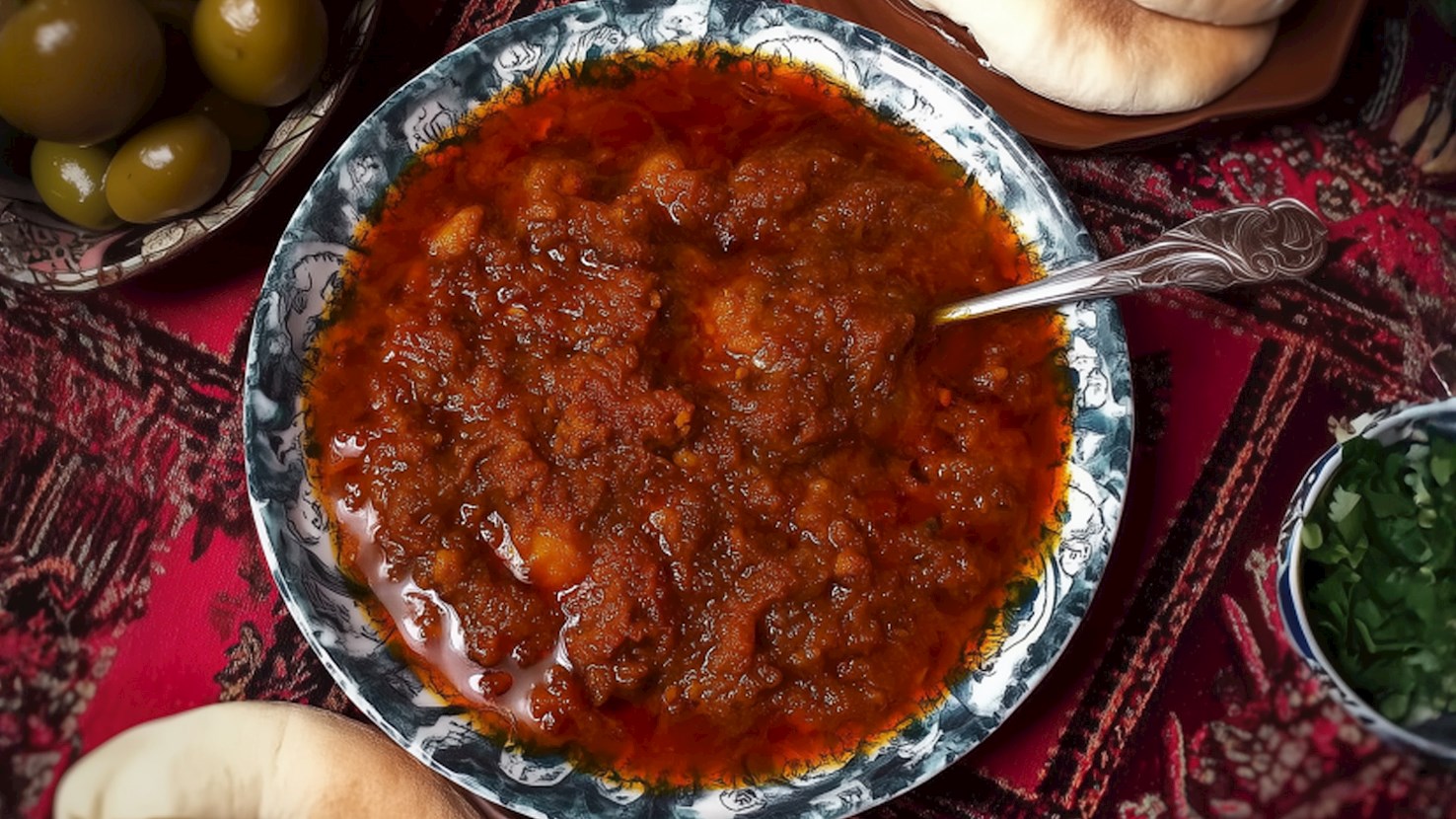
Shiro wat or tsebhi shiro is an Ethiopian and Eritrean stew made with chickpeas or broad beans as main ingredients, along with garlic, onions, ginger, tomatoes, and chili peppers. The chickpeas give this stew a nice texture and nutty flavor, but they can be replaced by shiro powder, which is a combination of chickpea flour and various spices. The dish is traditionally prepared for special occasions such as Ramadan and Tsom. It is recommended to serve shiro with injera flatbread on the side.
Hummus is a creamy dip made primarily from cooked and mashed chickpeas blended with tahini, olive oil, lemon juice, and garlic. It originates from the Middle East, where it has been a dietary staple for centuries, especially in countries like Lebanon, Palestine, Israel, Syria, and Jordan. Hummus’s roots can be traced back to ancient times (earliest mention of hummus dates back to 13th-century Egypt), when legumes and seeds were common sources of nutrition in the Levant. Over time, the combination of chickpeas and tahini evolved into a dish that balances earthy, nutty, and tangy flavors. While recipes vary slightly across regions, the core ingredients remain consistent, emphasizing freshness and quality. The smooth texture and rich taste make hummus both versatile and widely appealing, able to serve as a simple snack or a complement to more elaborate meals. Preparation involves soaking and cooking dried chickpeas until tender, then blending them with tahini paste, freshly squeezed lemon juice, crushed garlic, and extra virgin olive oil to create a velvety consistency. Salt is added to enhance the flavors, and the mixture is often garnished with a drizzle of olive oil, a sprinkle of paprika or sumac, and sometimes fresh herbs or whole chickpeas. Hummus can be served chilled or at room temperature, paired with pita bread, vegetables, or as part of a larger mezze platter. Hummus enjoys widespread popularity not only in the Middle East but globally, embraced as a healthy and flavorful dish. It is commonly found in homes, restaurants, and markets, representing both everyday nourishment and a dish for social gatherings.
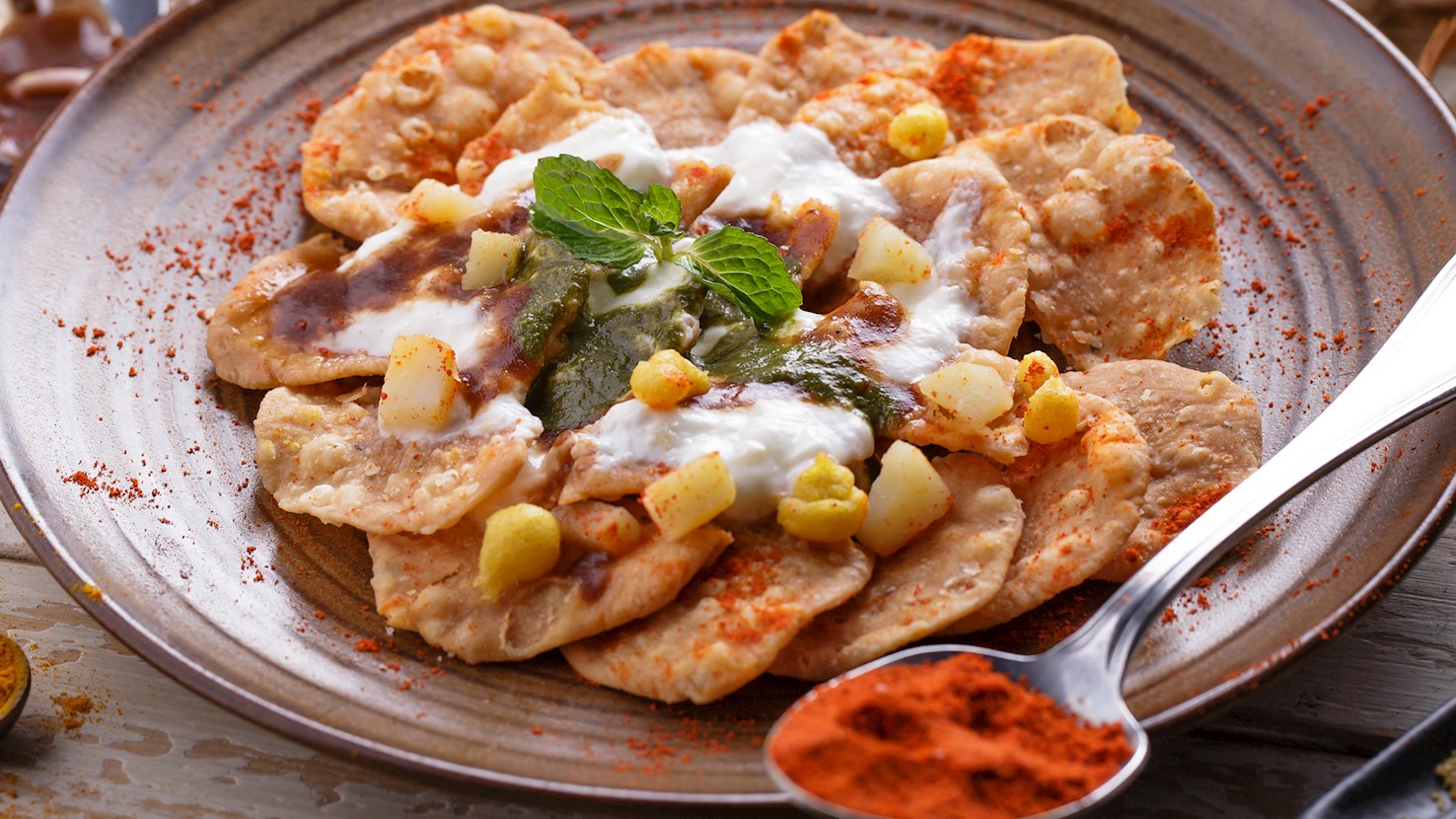
Papri chaat is an Indian dish consisting of deep-fried wafers (papri), tamarind and mint chutney, black grams, potatoes, and dahi. The ingredients are layered, and the dish is usually sprinkled with sev—fried chickpea noodles—and chaat masala—a spice mix which combines cumin, coriander, dried mango and ginger, as well as chili, asafoetida, and black pepper. The dish is a common street food item, and it is usually enjoyed as a filling, convenient snack. It is mainly found in North India, Pakistan, and Bangladesh.
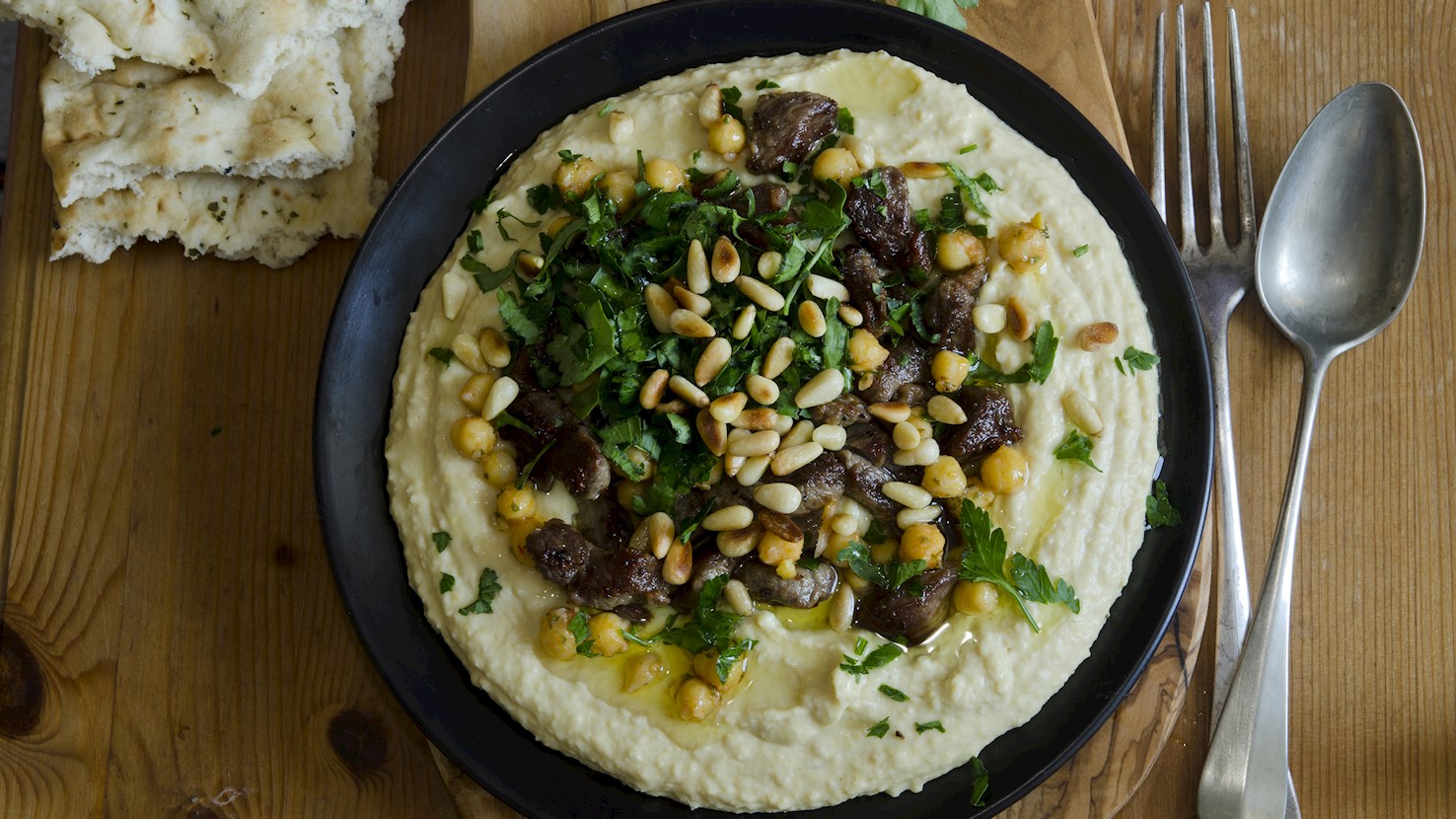
Hummus kawarma is a traditional version of hummus. In order to prepare it, freshly made hummus is topped with fried pieces of lamb. The hummus is made from chickpeas, tahini, lemon juice, crushed garlic, and cold water, while the kawarma consists of chopped lamb, white vinegar, olive oil, and spices such as pepper, allspice, cinnamon, nutmeg, oregano or za’atar, mint, and parsley. Once prepared, hummus kawarma is often garnished with chopped parsley and toasted pine nuts.
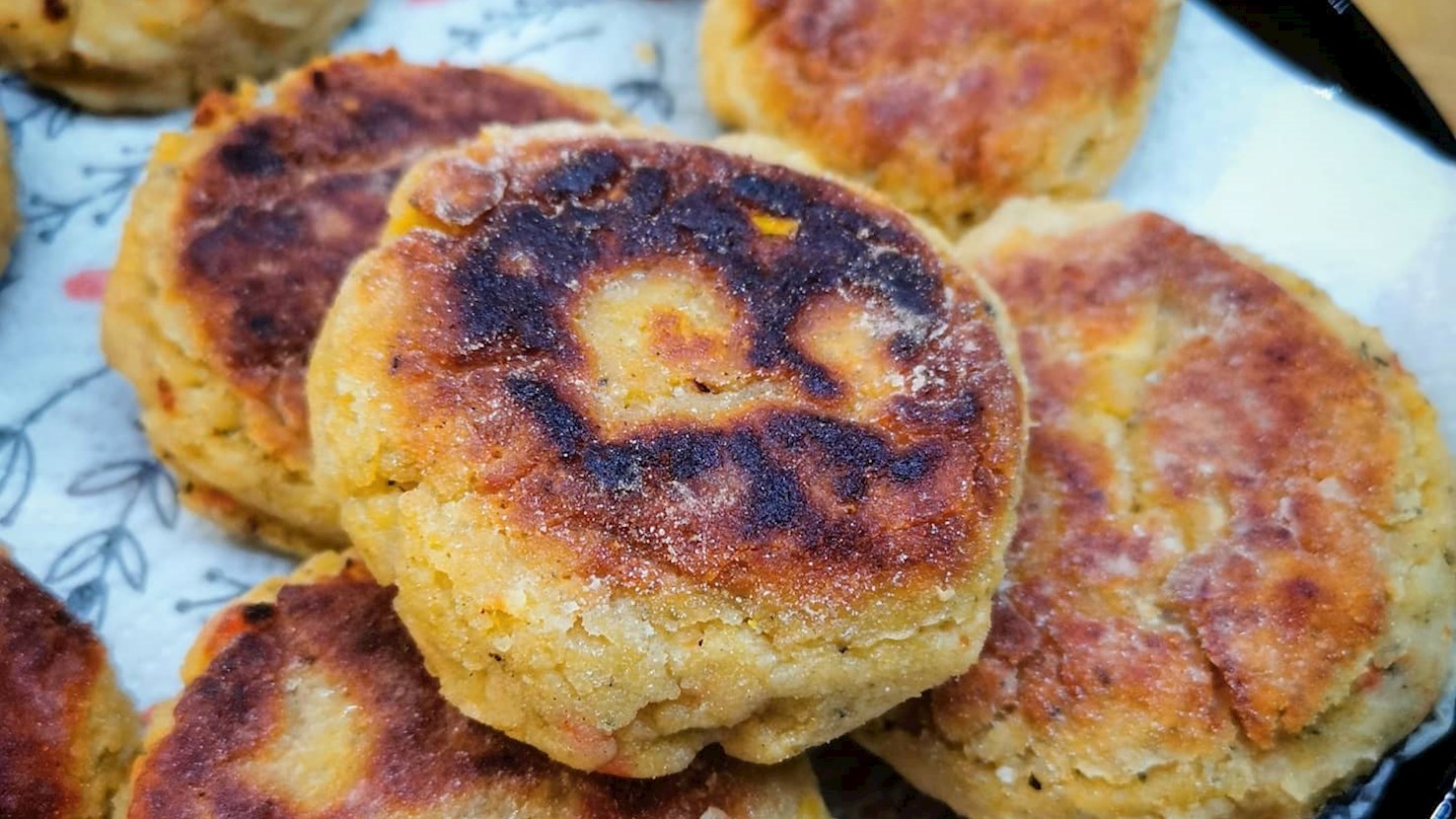
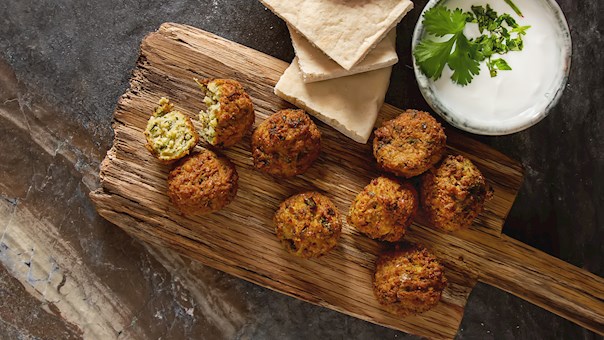
Pitaroudia is a traditional dish originating from Rhodes. These fritters are made with a combination of chickpeas, onions, tomatoes, mint, cumin, and seasonings. The dried chickpeas are soaked, boiled, then coarsely ground and mixed with onions, grated tomatoes, mint, salt, pepper, and cumin. The fritters are fried in olive oil until golden brown. Once done, pitaroudia is often served with tzatziki dip on the side.
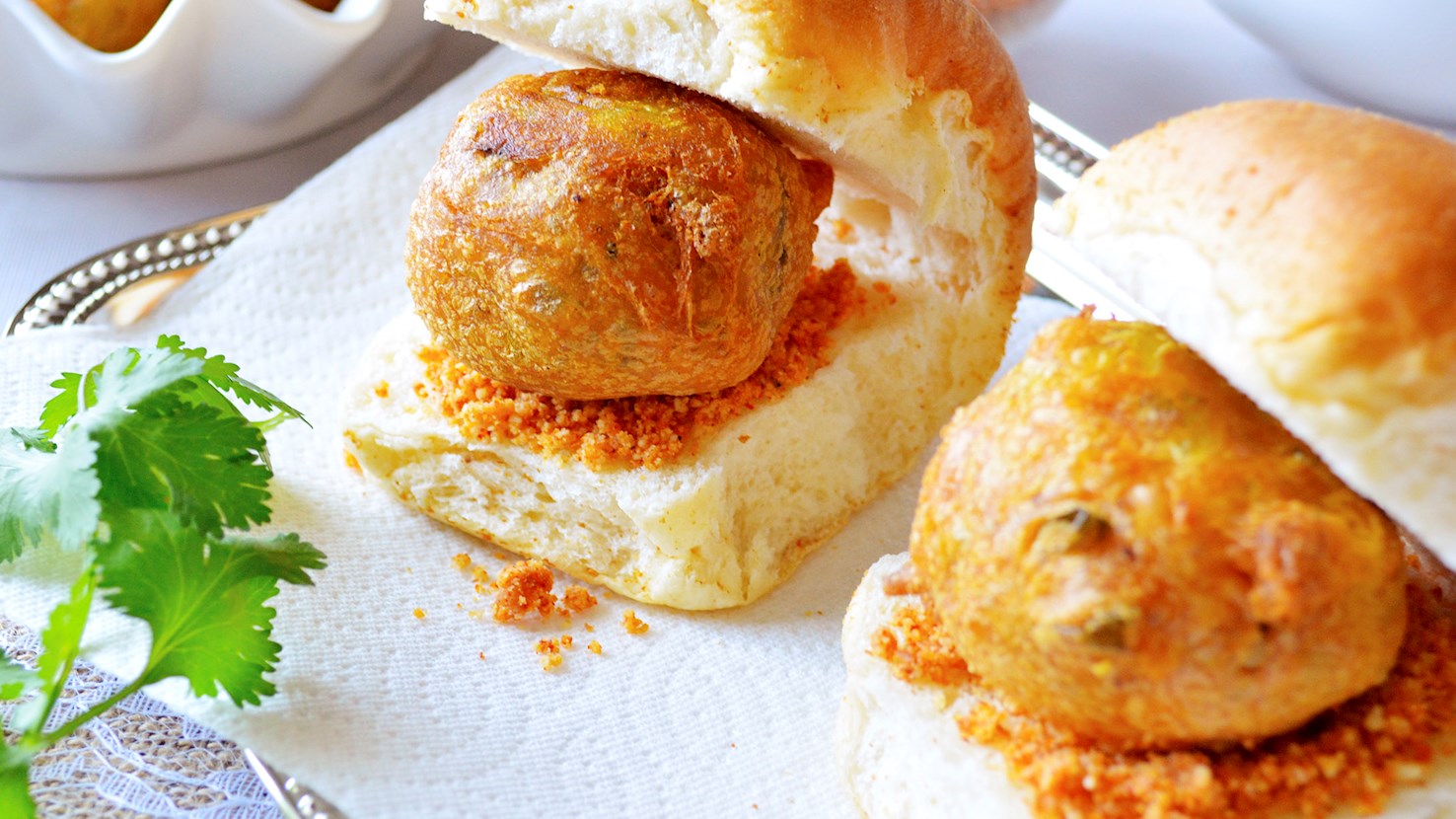
Vada pav is one of Mumbai's favorite sandwiches, its name referring to the key ingredients: vada, or spicy mashed potatoes that are deep-fried in chickpea batter, and pav, or white bread rolls. This iconic street food is said to have originated from a street vendor named Ashok Vaidya, who worked near the Dadar train station in the 1960s and 1970s. He thought of a way to satiate the hungry workers, and concluded that the ideal dish should be portable, affordable, and easy to prepare. Ashok made vada pav, and its popularity skyrocketed, especially after the Shiv Sena, a Marathi-Hindu nationalist political party, started to promote the sandwich as an ideal working class snack. Today, the sandwich is sold throughout Mumbai, both on street stands and in elegant restaurants, ideally accompanied by a hot red chutney with coconut, peanuts, garlic, tamarind, and chiles.
Vavishka is a hearty Iranian stew originating from the northern regions of Iran, particularly popular in the Gilan province along the Caspian Sea coast. This dish is distinguished by its rich blend of herbs, legumes, and tender meat, usually lamb or beef, simmered together to create a thick, flavorful stew that reflects the agricultural abundance and culinary heritage of the area. Vavishka embodies the region’s preference for fresh, green ingredients and the use of local herbs such as parsley, cilantro, and chives, which impart a distinctive aroma and vibrant character to the dish. The history of vavishka is closely connected to the rural communities of northern Iran, where stews have long been a staple due to their ability to combine available produce and proteins into nourishing meals. The dish developed as a way to utilize the region’s fertile land and diverse herbs, integrating them with pulses like chickpeas or white beans to create a filling and balanced dish. Over generations, vavishka has been passed down through families, adapting slightly with local tastes and ingredient availability, but maintaining its essential qualities of freshness and depth of flavor. Preparation of vavishka involves slow-cooking ground meat with an assortment of finely chopped herbs and legumes in a seasoned broth. The herbs are often sautéed before being added, helping to release their oils and intensify the stew’s fragrance. The legumes contribute to the stew’s texture and nutritional value, thickening the broth as they soften. The cooking process allows the flavors to meld over several hours, resulting in a stew that is rich, aromatic, and comforting. Vavishka is traditionally served with steamed rice, which balances the intensity of the stew and provides a complete meal.
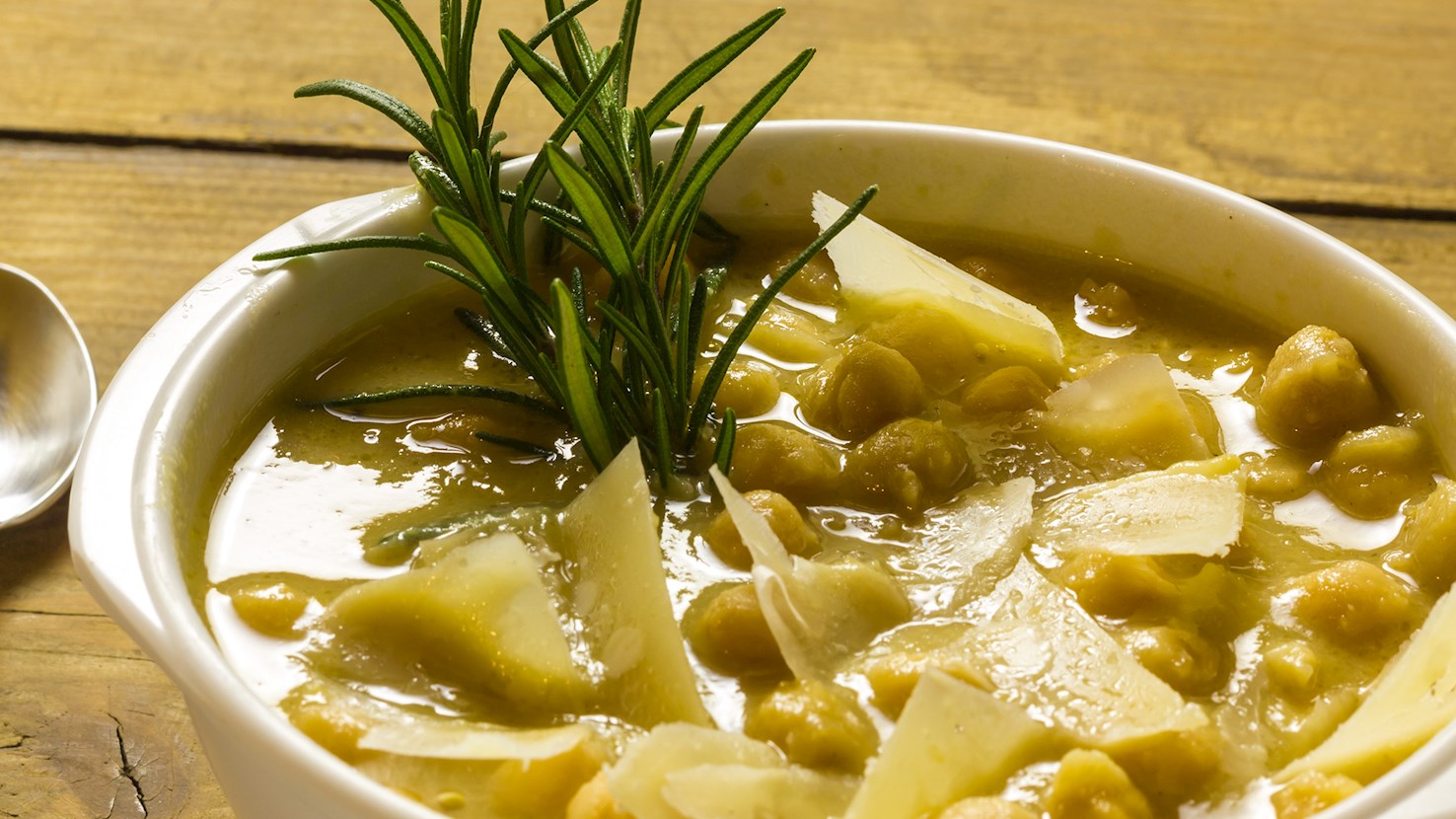
Pasta e ceci is a thick Italian soup featuring pasta and chickpeas as the main ingredients. Any kind of pasta can be used in the soup, from maltagliati to cannolicchi. The dish is usually prepared with a soffrito of onions and celery that is simmered in a chickpea broth, while the pasta is added later. This classic, comforting dish is traditionally served on Friday throughout Italy.
TasteAtlas food rankings are based on the ratings of the TasteAtlas audience, with a series of mechanisms that recognize real users and that ignore bot,
nationalist or local patriotic ratings, and give additional value to the ratings of users that the system recognizes as knowledgeable.
For the “96 Best Rated Dishes with Chickpeas” list until September 17, 2026, 1,037,815 ratings were recorded, of which 688,105 were recognized by the system as legitimate.
TasteAtlas Rankings should not be seen as the final global conclusion about food. Their purpose is to promote excellent local foods,
instill pride in traditional dishes, and arouse curiosity about dishes you haven’t tried.









What People Say