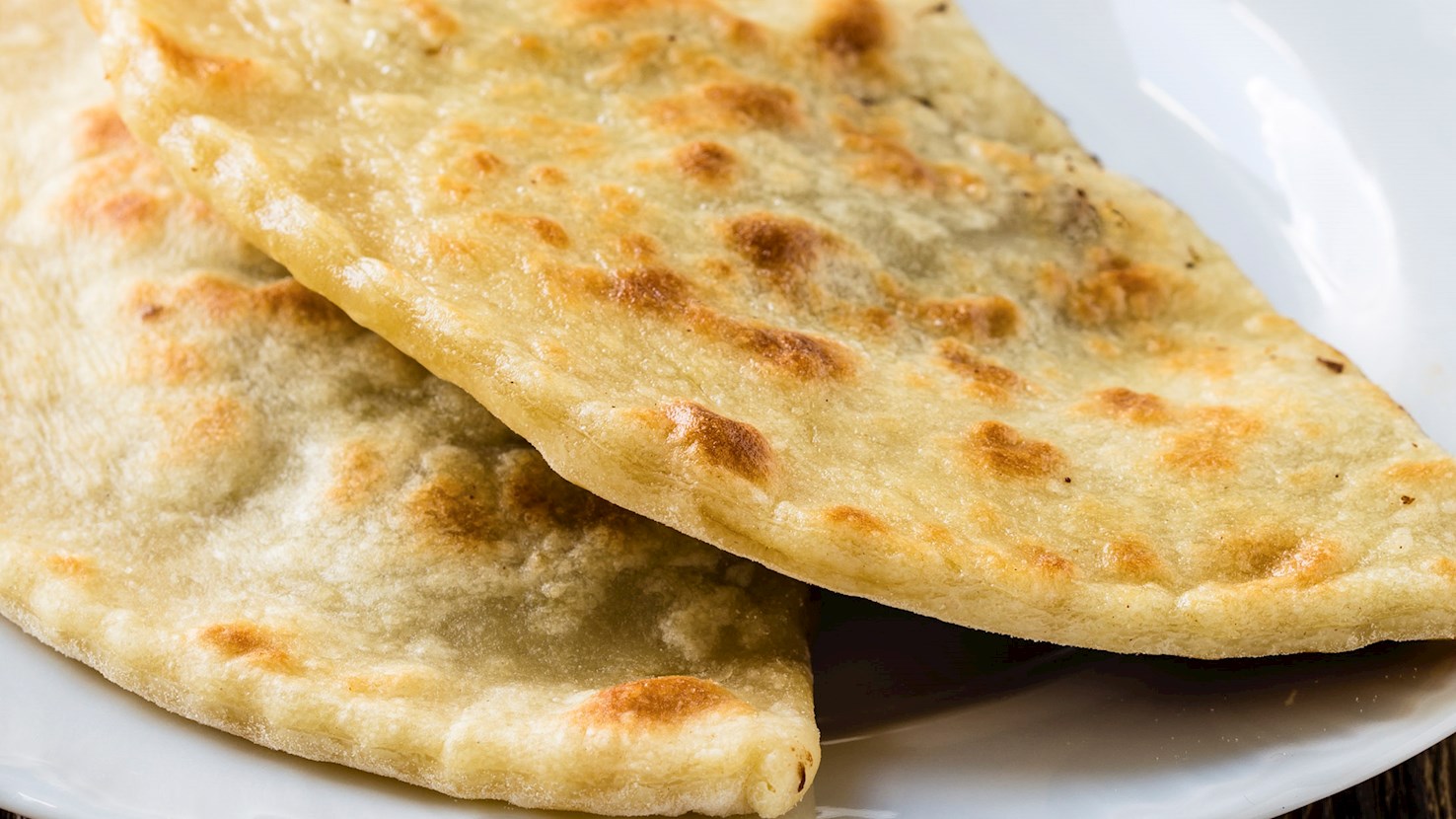
The Afghan bolani is a stuffed, pan-fried flatbread made with unleavened dough that is typically filled with a mixture of potato mash and various other ingredients such as spinach, spring onions, pumpkin, or even green or red lentils. In Afghanistan, bolani is not only a popular street snack but it is also often prepared at home and usually served as a side dish. It is traditionally enjoyed warm, accompanied by coriander chutney and a creamy, mint-flavored Afghan yogurt dip called chakkah.
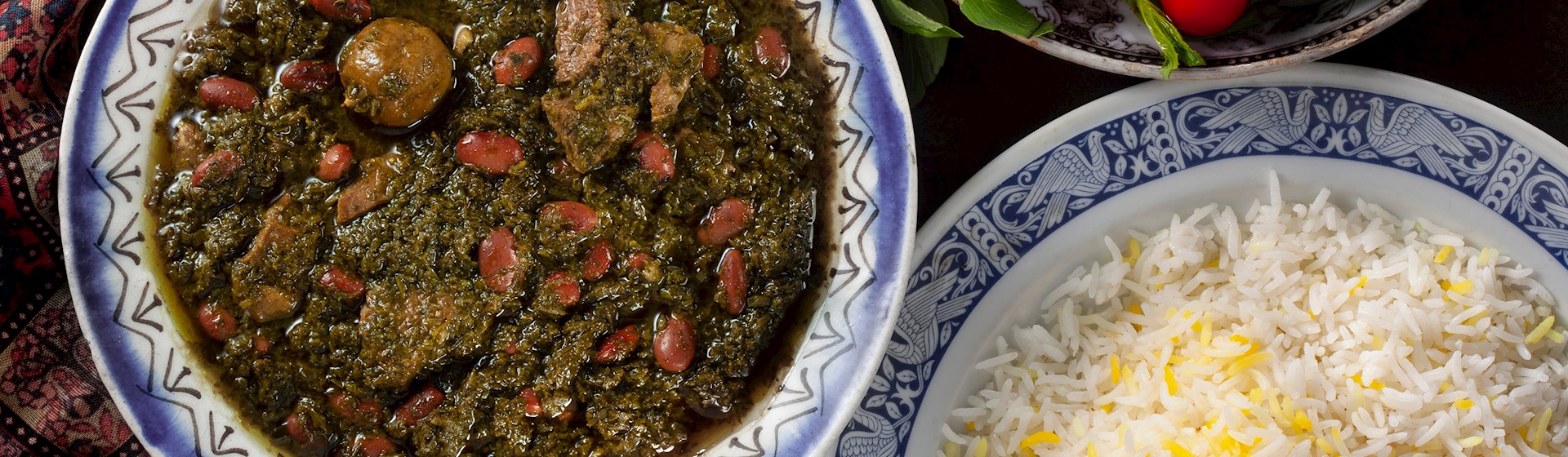
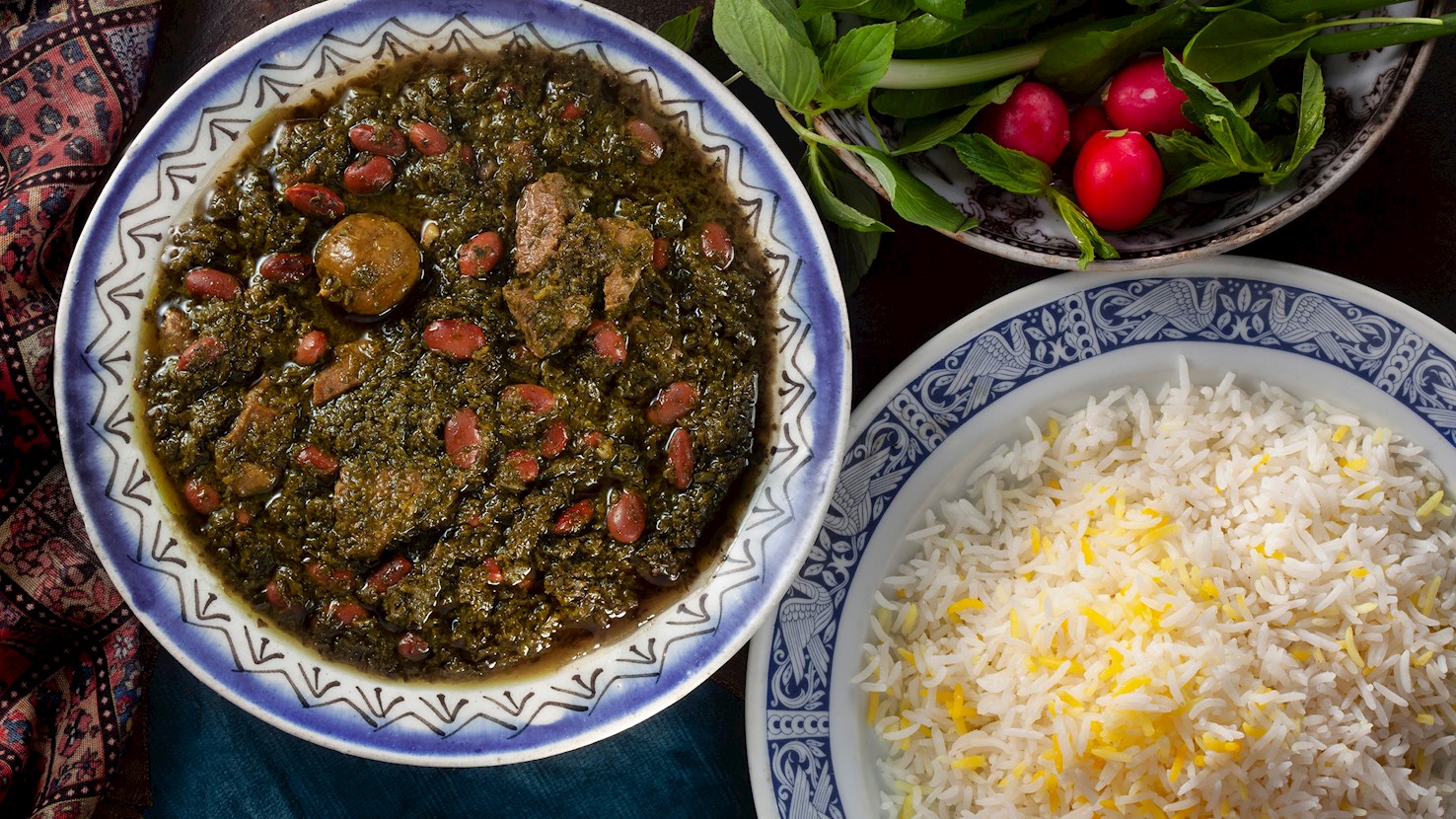
Ghormeh sabzi is an Iranian herb stew that has become one of the country’s most widely prepared and recognized dishes, appreciated for its complex flavor that combines aromatic greens, tender meat, and a signature tang from dried limes. The name translates simply as “fried herbs,” reflecting the preparation of finely chopped greens that form the core of the dish. Its origins are rooted in Persian home cooking, where it has long been a familiar part of family meals and gatherings. The preparation of ghormeh sabzi begins with a generous quantity of fresh herbs, primarily parsley, cilantro, and fenugreek, sometimes supplemented with spinach or chives. These greens are chopped finely and then sautéed slowly until their raw flavor mellows and their aroma intensifies. Cubes of lamb or beef are browned with onion and turmeric to build a savory base. Red kidney beans, either dried and pre-cooked or canned, are added along with water or broth. The mixture is left to simmer gently until the meat softens and the flavors meld together. Dried limes, known as limoo amani, are pierced and simmered in the stew, releasing a distinct sourness that balances the richness of the meat and herbs. Ghormeh sabzi is usually served hot with steamed Persian rice, allowing the rice to absorb the fragrant juices. The contrast between the fresh, slightly bitter herbs and the acidity of the limes is the hallmark of the dish. Though recipes vary by region and household, most agree that the herb frying step is essential, as it defines both the taste and the characteristic dark green color. Some cooks prefer more fenugreek, while others adjust the amount of kidney beans or substitute black-eyed peas. Across Iran, ghormeh sabzi holds a place of pride and is often viewed as a measure of a cook’s skill. Preparing it well requires patience, particularly in the slow sautéing and long simmering that bring out the stew’s depth of flavor. It is considered both a celebratory and an everyday dish, appearing in restaurants and homes alike.
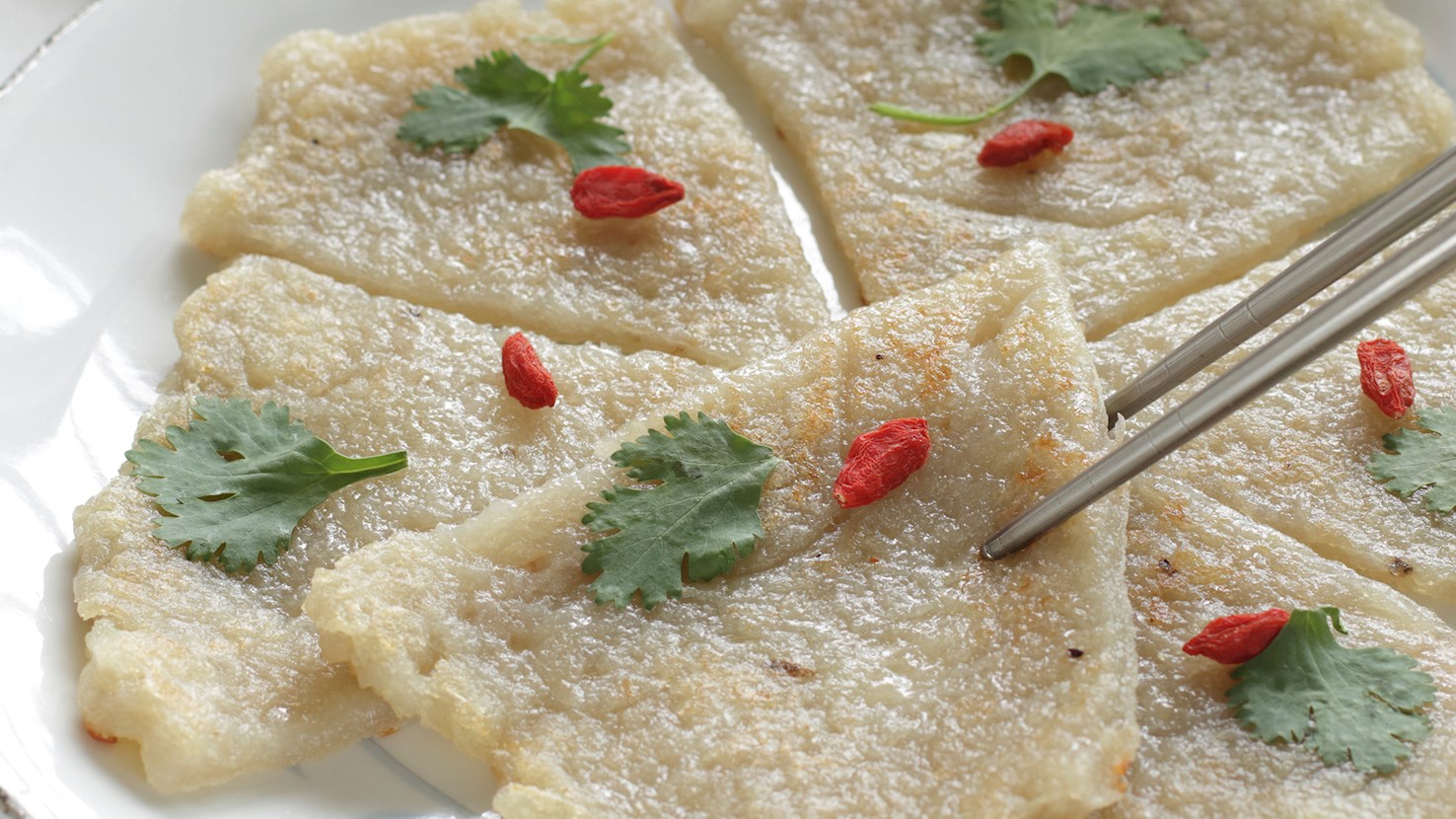
Gamjajeon is a type of Korean pancake prepared with grated or puréed potatoes, while some varieties may include scallions, chives, carrots, or onions. The pancakes are usually small and round and should be pan-fried until perfectly crispy on the outside. They make for an excellent snack, side dish, or an appetizer, as well as a light main course. Gamjajeon are usually served with choganjang dipping sauce that combines soy sauce, vinegar, sugar, and water, or optionally gochujang chili paste, chili flakes, and sesame seeds.
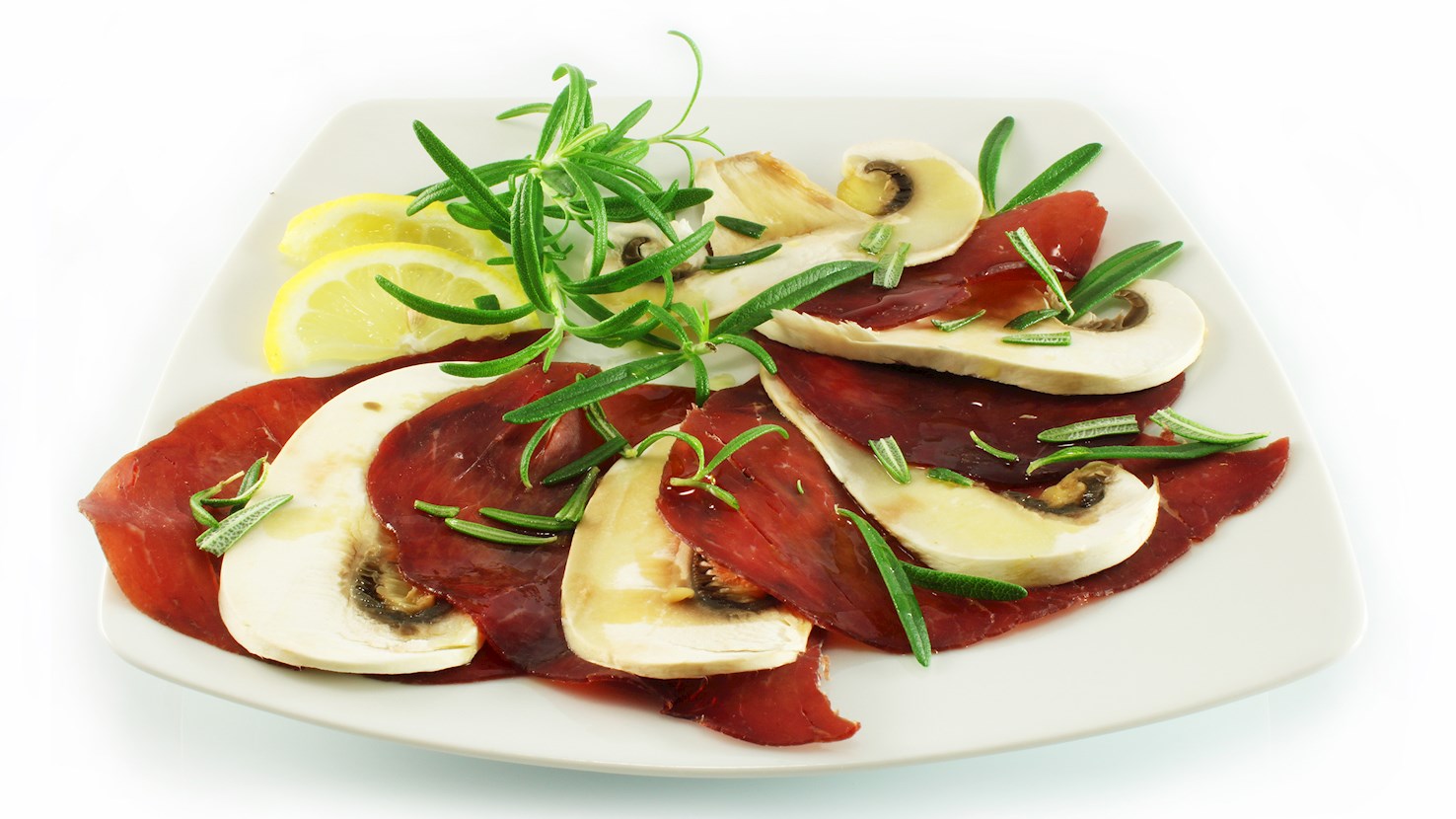
This simple antipasto known as bresaola e porcini is prepared throughout Valtellina, and it's the best proof that there is no need to complicate when prime ingredients are locally available. Thinly sliced bresaola topped with fresh porcini mushrooms is generously drizzled with a mixture of freshly squeezed lemon juice, extra virgin olive oil, chives, salt, and pepper. Served with slices of hearty bread, it is more than enough to satisfy any palate, but for those wanting even more local flavors, flakes of Bitto cheese can be added as a final touch.
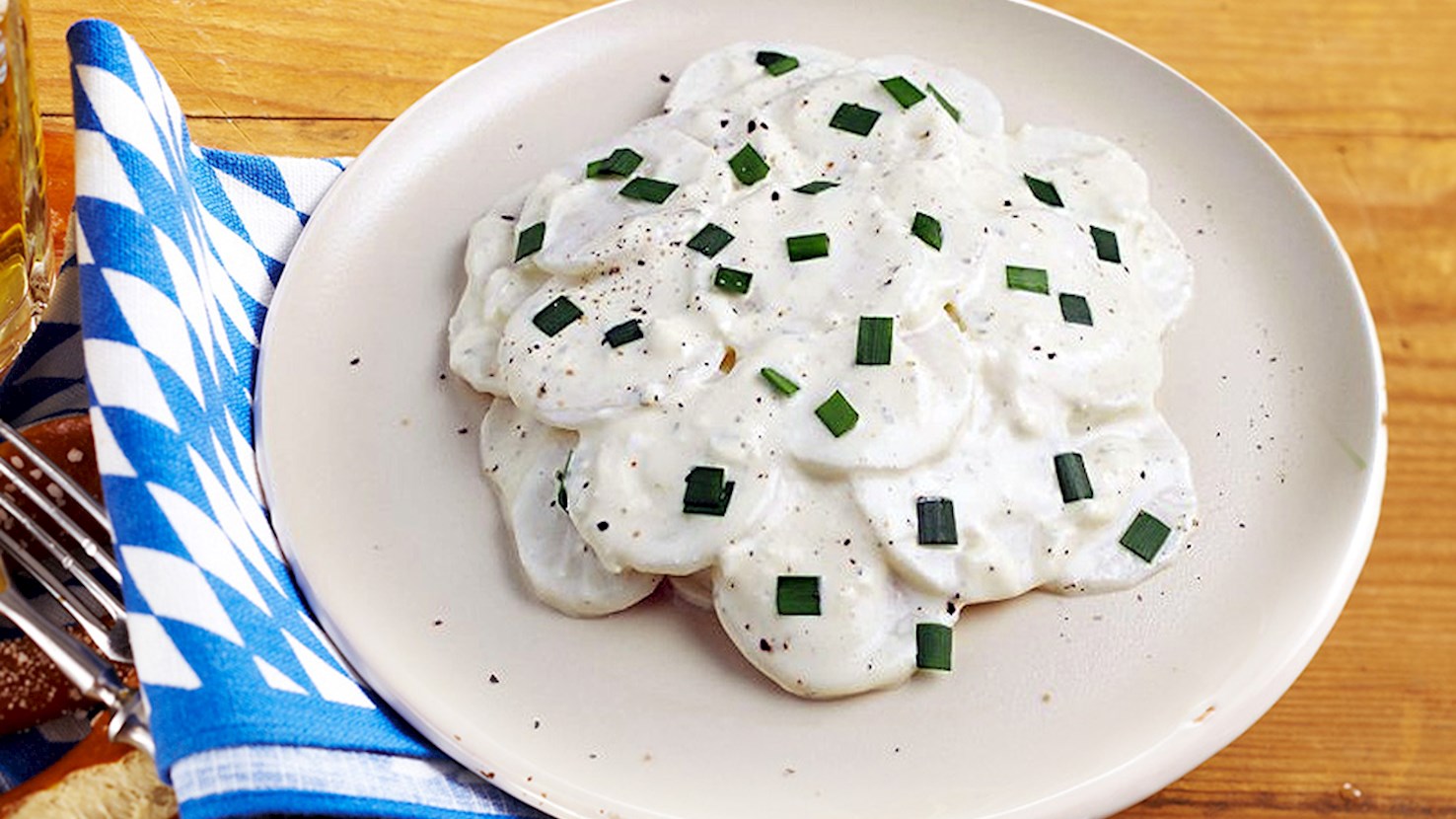
Rettichsalat is a traditional salad originating from Bavaria. This Bavarian classic is made with a combination of white radish, chives, white wine vinegar, vegetable oil, salt, and black pepper. The radish is peeled and sliced into thin disks. The vinegar is mixed with salt, pepper, and oil. The radish slices are simply tossed with the dressing and then garnished with chives before serving. Rettichsalat is often served as an accompaniment to meat dishes.
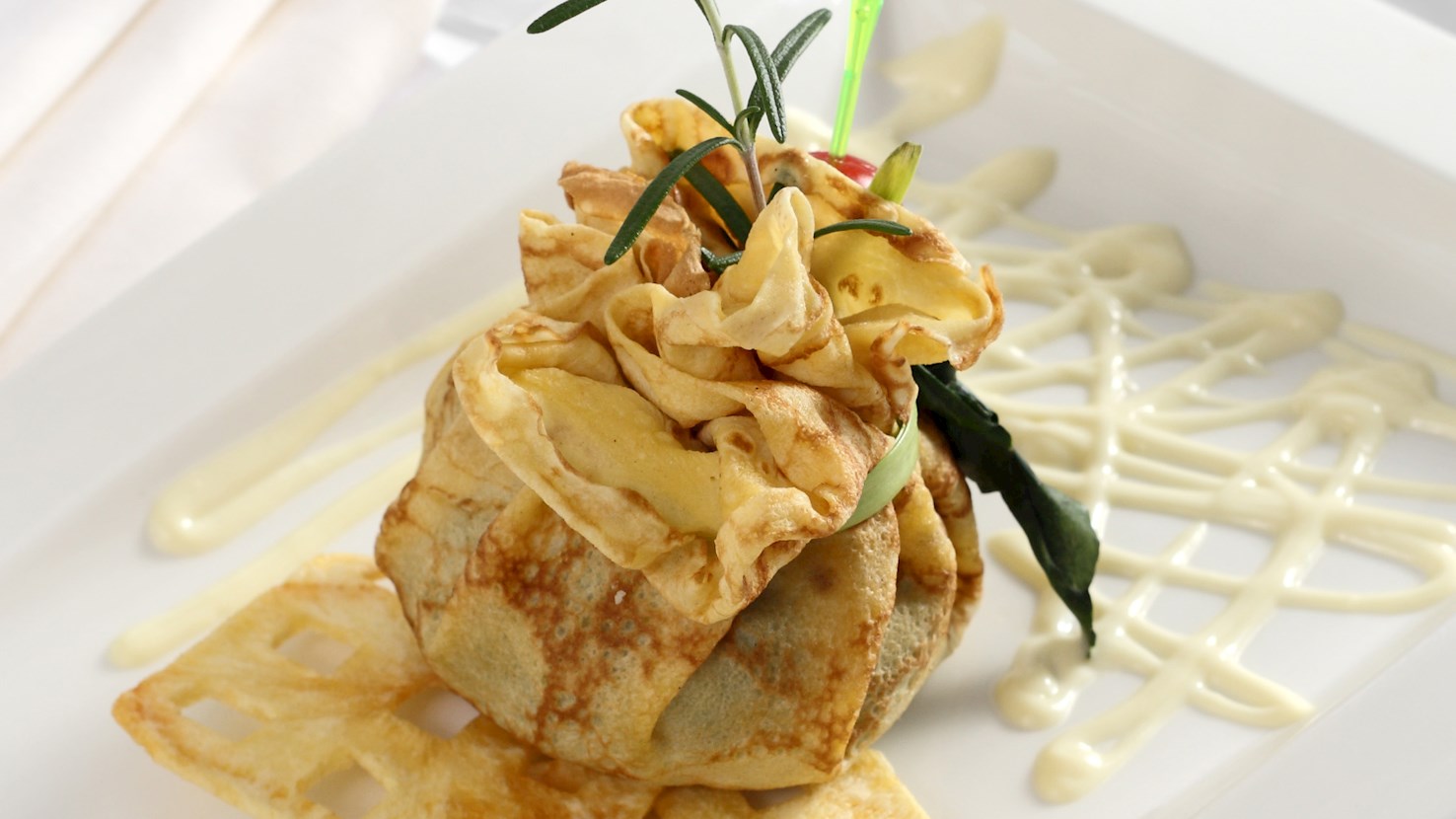
Beggar's purse is an American bite-sized appetizer originating from New York City. The appetizer consists of a small crêpe that's topped with a teaspoon of fine caviar and a dab of crème fraiche. The edges of the small crêpe are pulled up around the filling, then tied with strips of chive in order to resemble a purse. The dish was invented by Barry and Susan Wine in their restaurant The Quilted Giraffe during the 1980s. They were inspired by a dish they'd tried in France. Ever since, their dish was copied throughout the world, so the term beggar's purse has become somewhat generic that's applied to most filled dishes tied in a similar fashion.
Dublin Bay prawns with mayonnaise is a cold seafood dish originating from the east coast of Ireland, centered around the use of langoustines, locally known as Dublin Bay prawns. The dish consists of boiled or steamed langoustines served chilled, accompanied by a simple mayonnaise or a light mayonnaise-based sauce. Dublin Bay prawns, though widely distributed across northern European waters, were first commercially identified and named in relation to the Dublin Bay area, where they were fished in abundance during the nineteenth and early twentieth centuries. As the city’s dining culture developed, local hotels and seafood establishments began featuring cold prawn dishes, following European service patterns that emphasized simple presentation of high-quality shellfish with minimal seasoning. The pairing of prawns and mayonnaise draws influence from French and British cold seafood plates, introduced into Irish cooking through hotels, ocean liners, and urban restaurants in the late Victorian and Edwardian eras. Dublin’s location as a port city with access to fresh shellfish encouraged chefs to adopt such preparations using local catch. By the mid-twentieth century, Dublin Bay prawns with mayonnaise had become a hallmark of refined yet uncomplicated Irish seafood dining, served in coastal restaurants and at formal luncheons. Preparation involves cooking whole langoustines in salted boiling water or lightly seasoned court bouillon for a few minutes until the shell turns bright pink and the meat firms. They are then drained and cooled rapidly, often in ice water, to retain texture. Once chilled, the prawns are shelled and arranged neatly on a plate, sometimes leaving a few heads or tails for presentation. The mayonnaise is prepared from egg yolks, mustard, oil, vinegar or lemon juice, and salt, whisked to a smooth emulsion. Some versions include herbs or a small amount of mustard powder for sharper flavor. The finished dish is served cold, with the prawns lightly coated or accompanied by the mayonnaise on the side. The goal is to highlight the natural sweetness and delicacy of the langoustine meat rather than to disguise it with strong seasoning. Dublin Bay prawns with mayonnaise are eaten throughout Ireland, particularly in seafood restaurants in Dublin, Howth, and Dalkey, where fresh langoustines are readily available. The dish pairs best with crisp, light wines such as Sauvignon Blanc or Chablis, or with a dry sparkling wine. For non-alcoholic options, sparkling water with lemon or a cold herbal tea provides a similar refreshing contrast.
Geröstete knödel mit ei is a traditional dish made from leftover bread dumplings. The dumplings are sliced and fried in butter until they are crispy and golden brown. Eggs are then added to the pan and scrambled with the dumplings, creating a hearty and flavorful combination. This dish is often seasoned with salt, pepper, and chives, and can be served with a side salad or pickles. It's a popular and economical way to use up leftovers, transforming them into a delicious and satisfying meal.
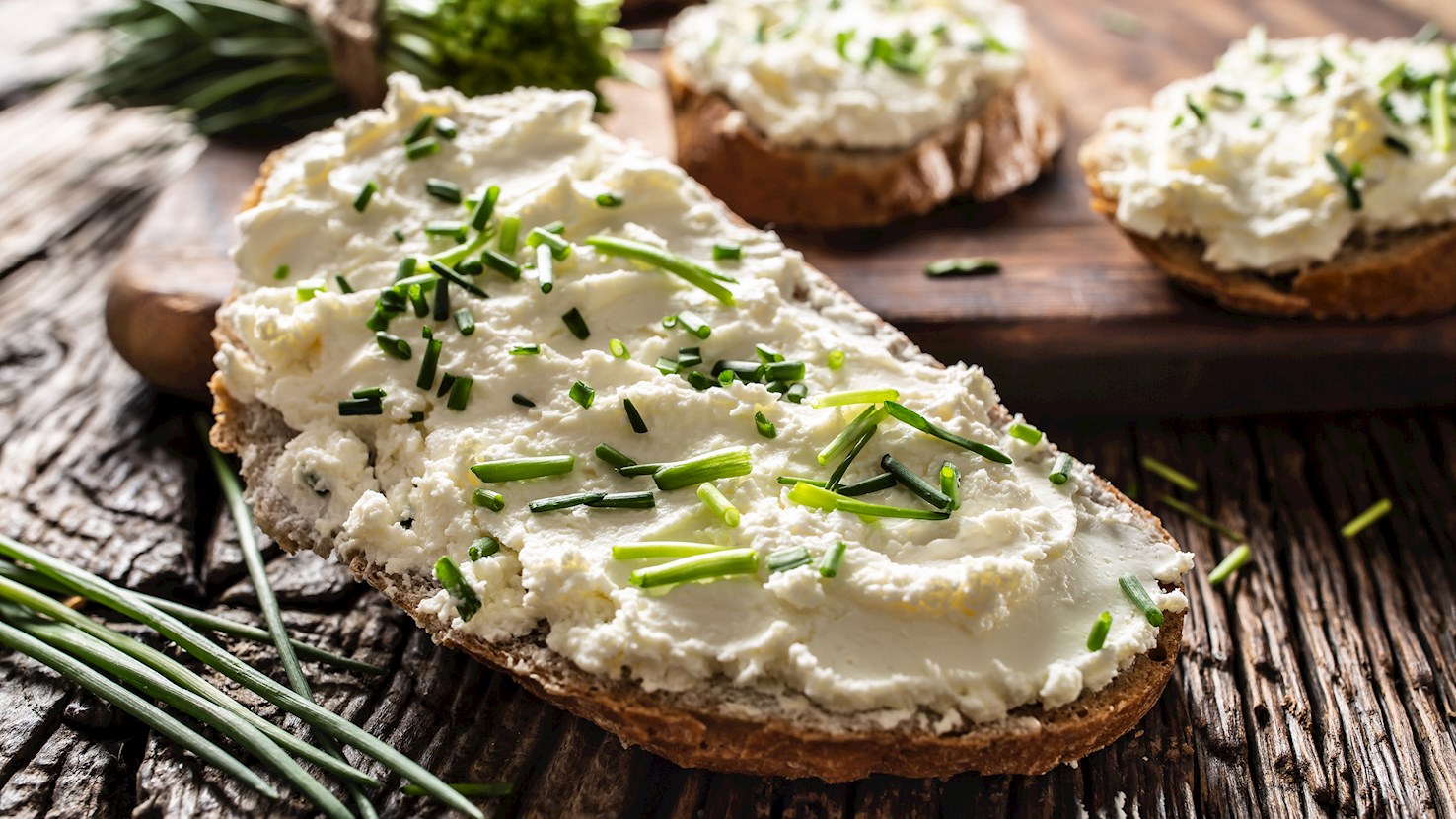
Luckeleskäs is a regional specialty from Swabia, a cultural and linguistic region in southwestern Germany, encompassing parts of Baden-Württemberg and Bavaria. It is typically a soft to semi-soft fresh cheese spread made from quark and various herbs and seasonings. The cheese is often homemade or produced on a small scale by local dairies. Luckeleskäs is commonly eaten with rustic bread, potatoes, or cold cuts, and is sometimes served as part of a larger meal. It may also be used as a filling for savory pastries or dumplings in local cooking. Its low production volume and focus on direct consumption within farming communities mean it is not widely available commercially, though it is occasionally sold at regional farmers' markets or featured in agritourism settings.
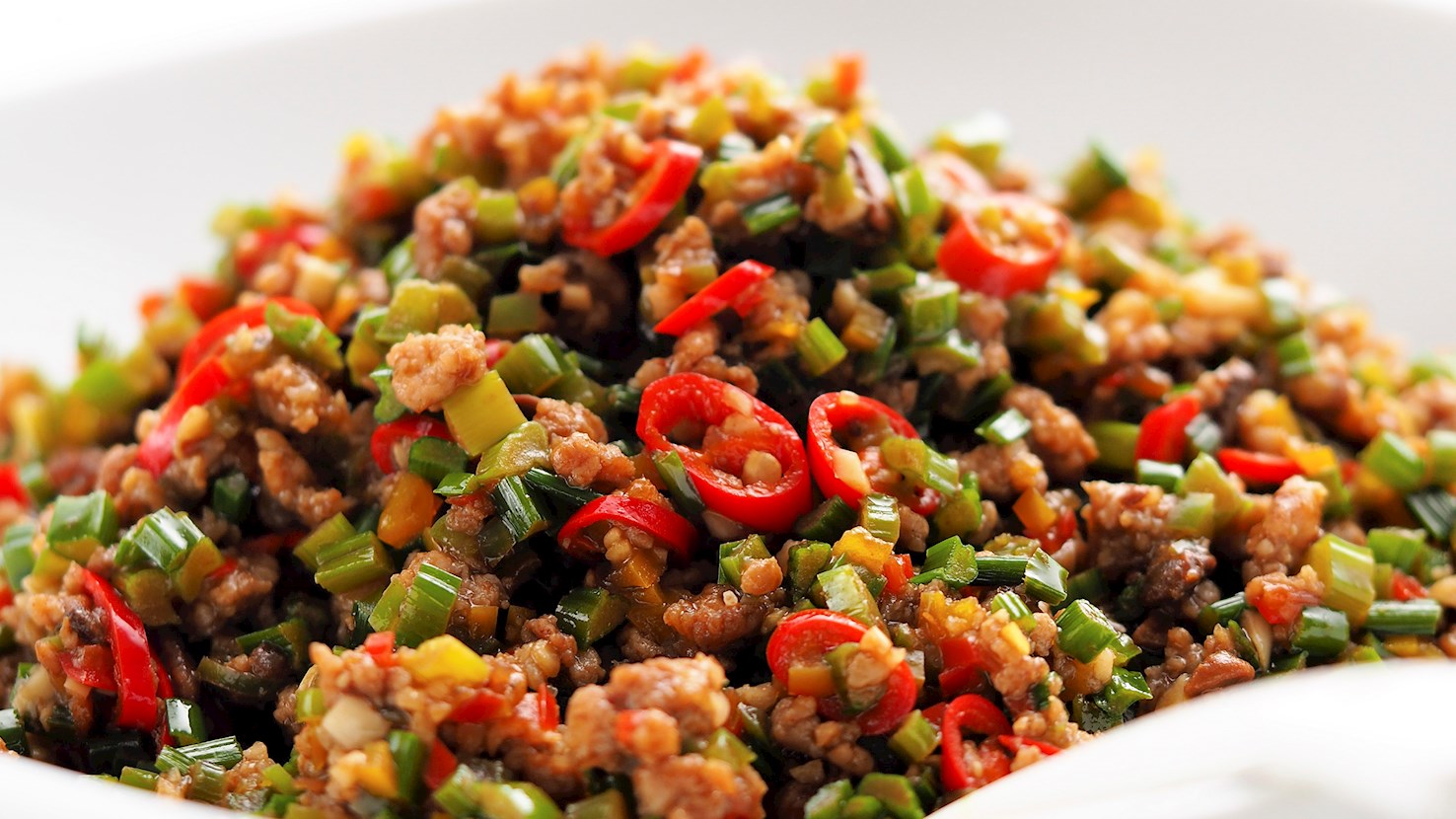
Chang ying tou is a classic Taiwanese stir-fry whose name translates as flies' heads, due to the addition of fermented black beans (dousi). Apart from beans, the dish incorporates ground pork, garlic chives, chili peppers, and various seasonings. It is a typical home cooked meal that is best served with rice or congee.
TasteAtlas food rankings are based on the ratings of the TasteAtlas audience, with a series of mechanisms that recognize real users and that ignore bot,
nationalist or local patriotic ratings, and give additional value to the ratings of users that the system recognizes as knowledgeable.
For the “13 Best Rated Dishes with Chives” list until June 17, 2026, 1,000,987 ratings were recorded, of which 657,348 were recognized by the system as legitimate.
TasteAtlas Rankings should not be seen as the final global conclusion about food. Their purpose is to promote excellent local foods,
instill pride in traditional dishes, and arouse curiosity about dishes you haven’t tried.