Frejol colado is a traditional Afro-Peruvian dessert consisting of black beans, sugar, milk, and spices. The beans are skinned, mashed into a purée, then cooked with sugar, milk, and spices such as cloves, sesame seeds, and anise seeds until the dish develops a thick texture. Before serving, frejol colado is usually garnished with toasted sesame seeds. The dessert was first prepared over 400 years ago, and it is believed that it originates from Chincha and Cañete. Nowadays, it's traditionally prepared for Easter, though it can be consumed at any time of the year.
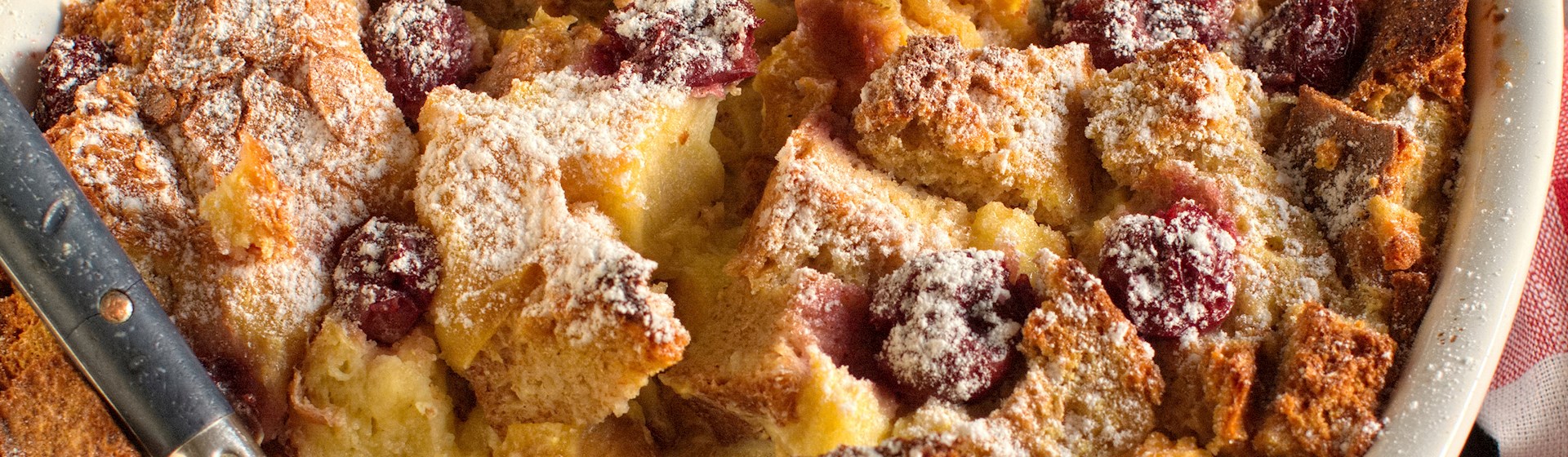
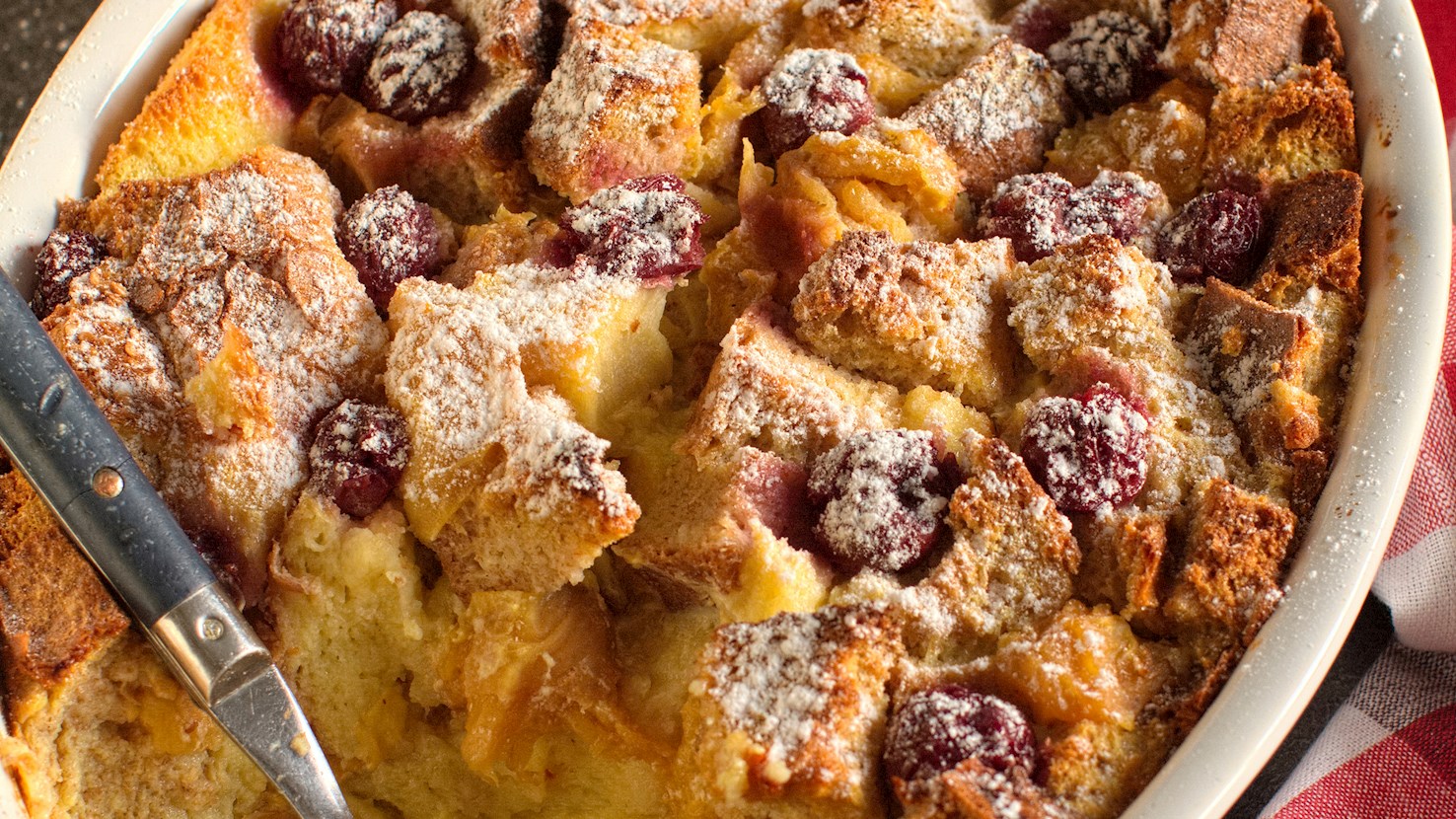
Kirschenmichel is a buttery German bread pudding enriched with sweet cherries. A common dessert in southern Germany, this sweet treat is typically flavored with cinnamon, cloves, Kirsch liqueur, vanilla extract, or almond extract. Moist and sweet, this bread pudding can be enjoyed warm, at room temperature, or chilled. It is usually dusted with powdered sugar and accompanied by vanilla custard, whipped cream, or ice cream. Kirschenmichel is generally consumed as a simple after-lunch dessert, but it is sometimes eaten for lunch as well.
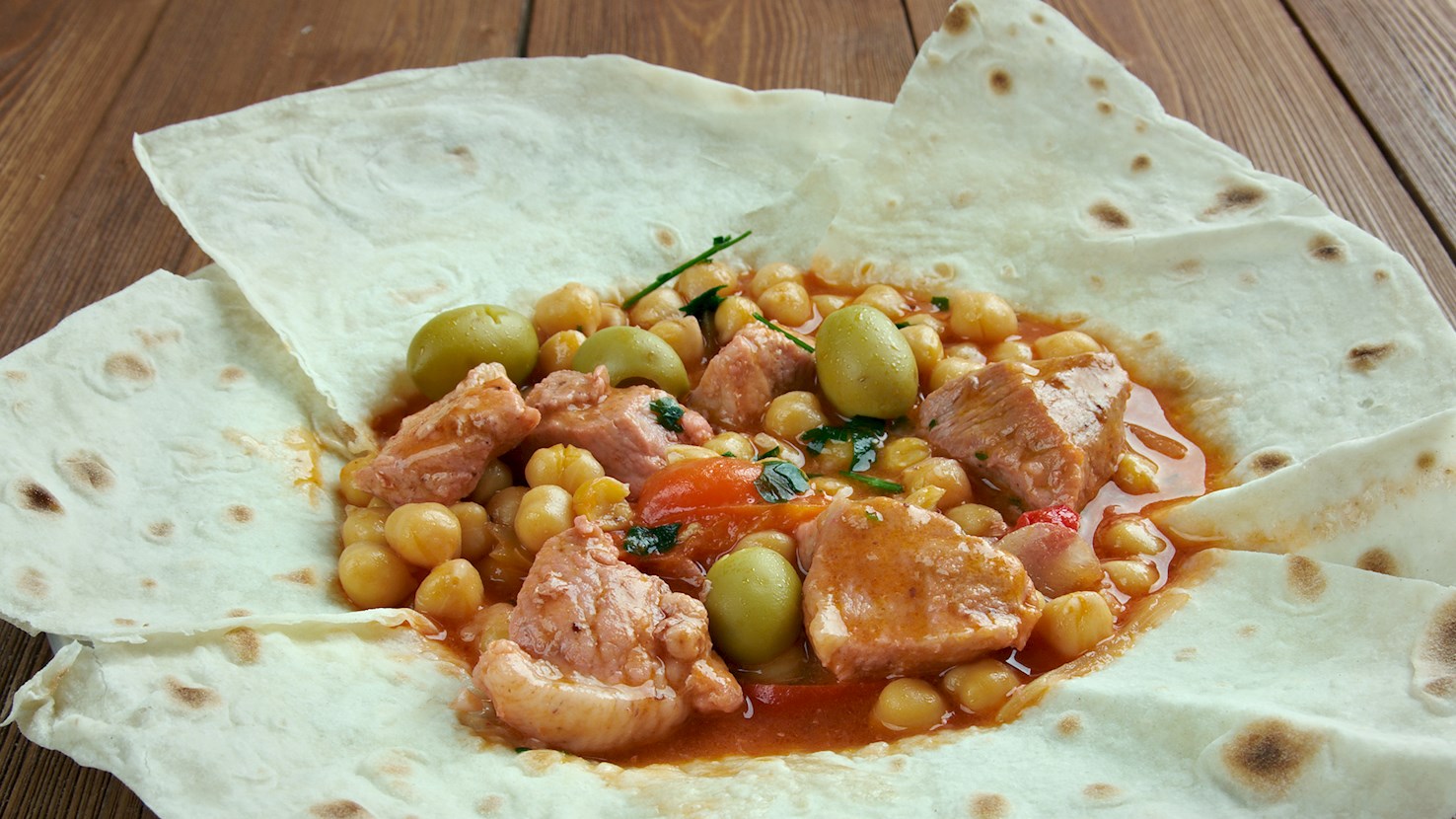
This traditional Arabian dish is most often described as a spicy lamb stew thickened with barley bread, though the word tharīd also refers to a large earthenware bowl. According to legend and several Hadith teachings, tharīd was one of the Prophet Muhammad’s favorite dishes, even though its origins are said to date back to the pre-Islamic times. Today, this satisfying dish is prepared with a variety of halāl meats which are stewed with vegetables and ladled over thin, unleavened bread. In Islamic countries, tharīd is typically enjoyed for al'iiftar, the evening meal served at sunset when Muslims end their daily Ramadan fast.
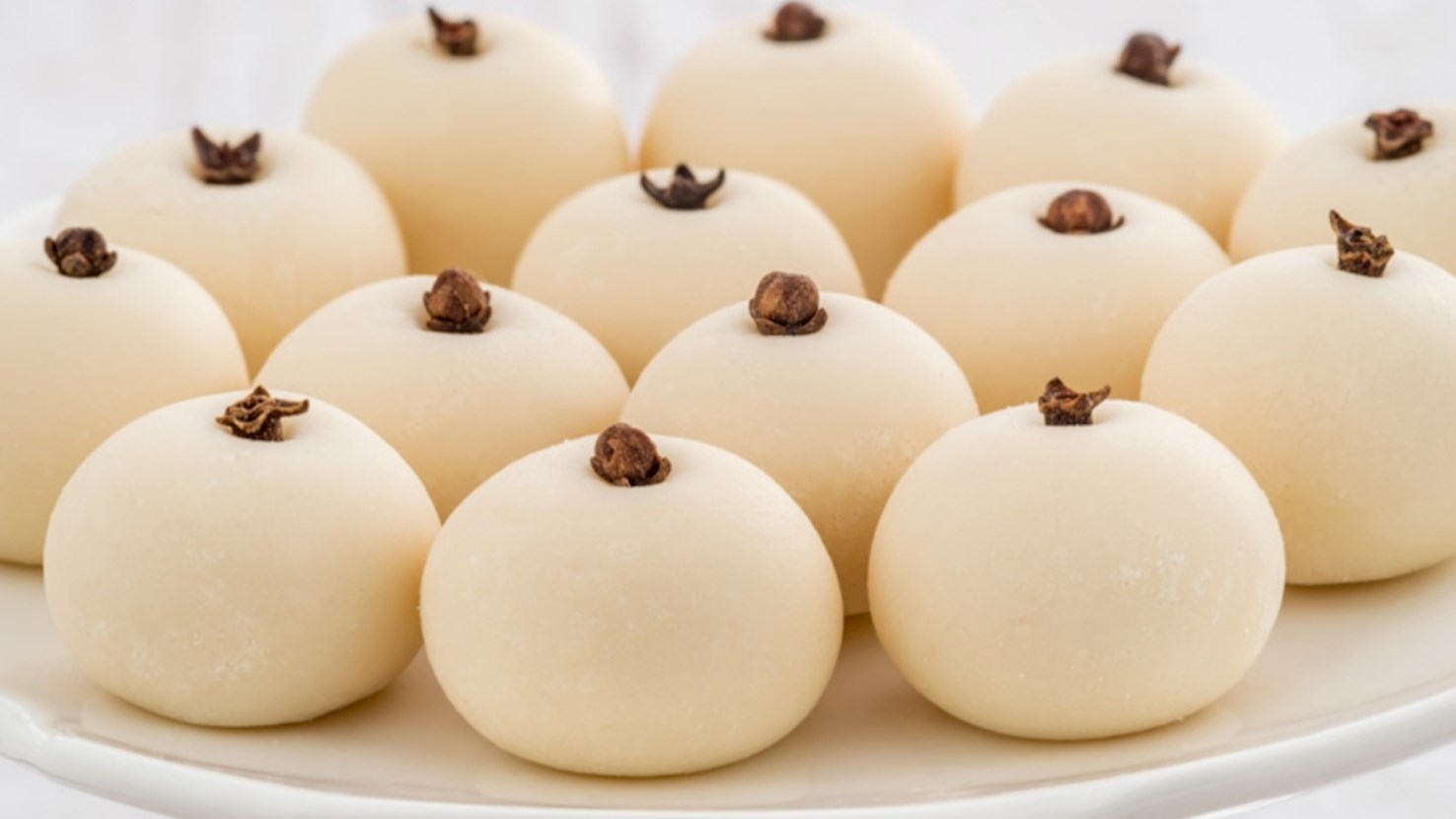
Papitas de leche are traditional sweet treats (or milk truffles) originating from Venezuela. These small desserts are made with simple ingredients such as sugar, condensed milk, powdered milk, and cloves. Papitas de leche are instantly recognizable due to the cloves that are studded into the center of each papita. The dry ingredients are first mixed in a bowl, and the condensed milk is added after that. The mixture should be smooth and firm. It’s rolled into small balls, and a clove is stuck into each papita de leche before they’re enjoyed. These small desserts are ideal for festive events and gatherings.
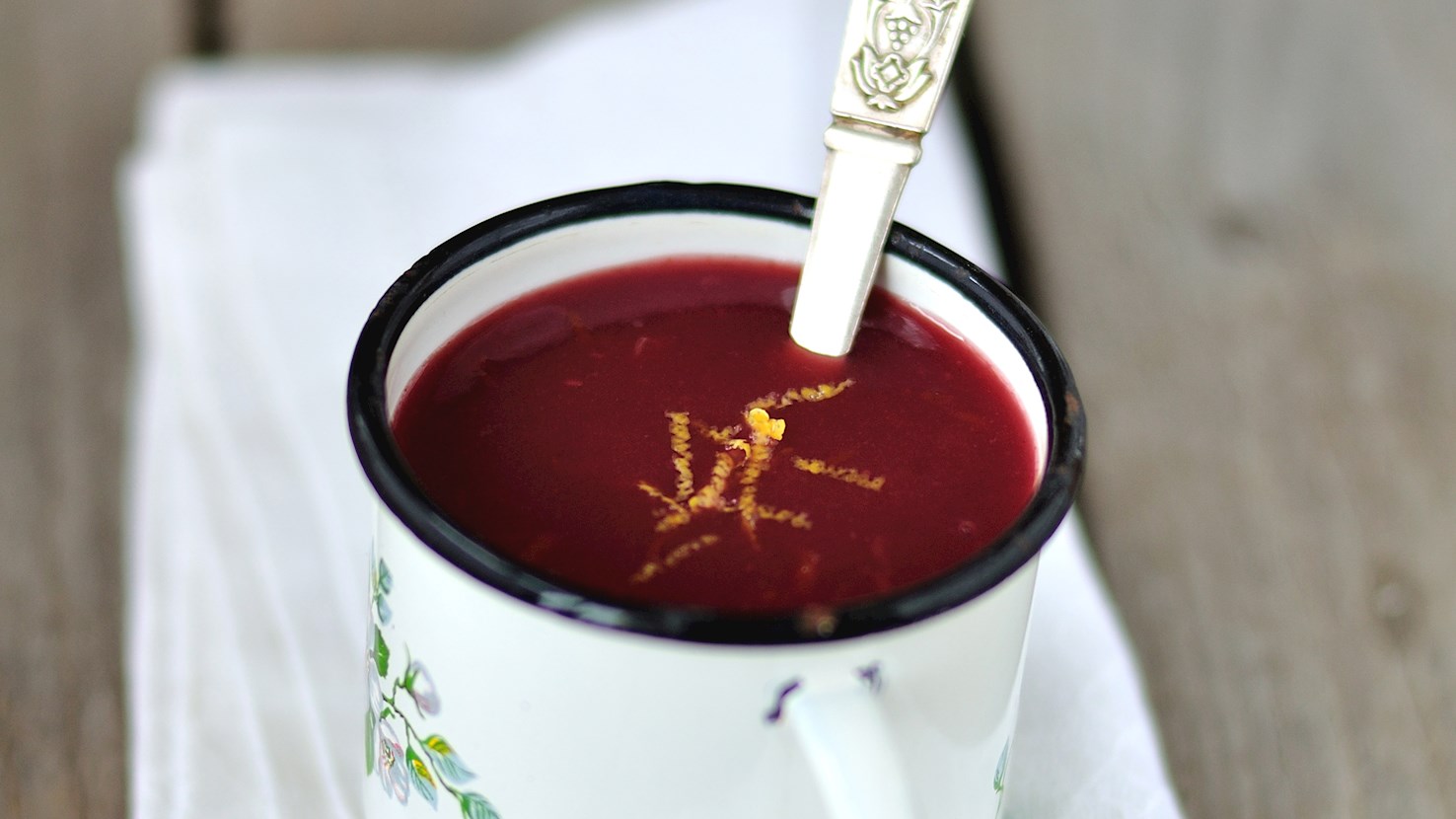
Cumberland sauce is a traditional sauce originating from the historic county of Cumberland. This sweet and spicy sauce is usually made with a combination of orange juice, lemon juice, port, orange zest, lemon zest, mustard powder, cloves, raisins, and currant jelly. The jelly, port, orange juice, and lemon juice are heated and stirred until they all blend together and the jelly becomes liquid. The mustard powder, ground cloves, raisins, orange zest, and lemon zest are mixed in and stirred until the cloves dissolve in the sauce. The mixture is simmered over low heat for a bit more until the raisins become plump. The sauce is then chilled or used warm over slices of cooked ham, roast chicken, or salmon.
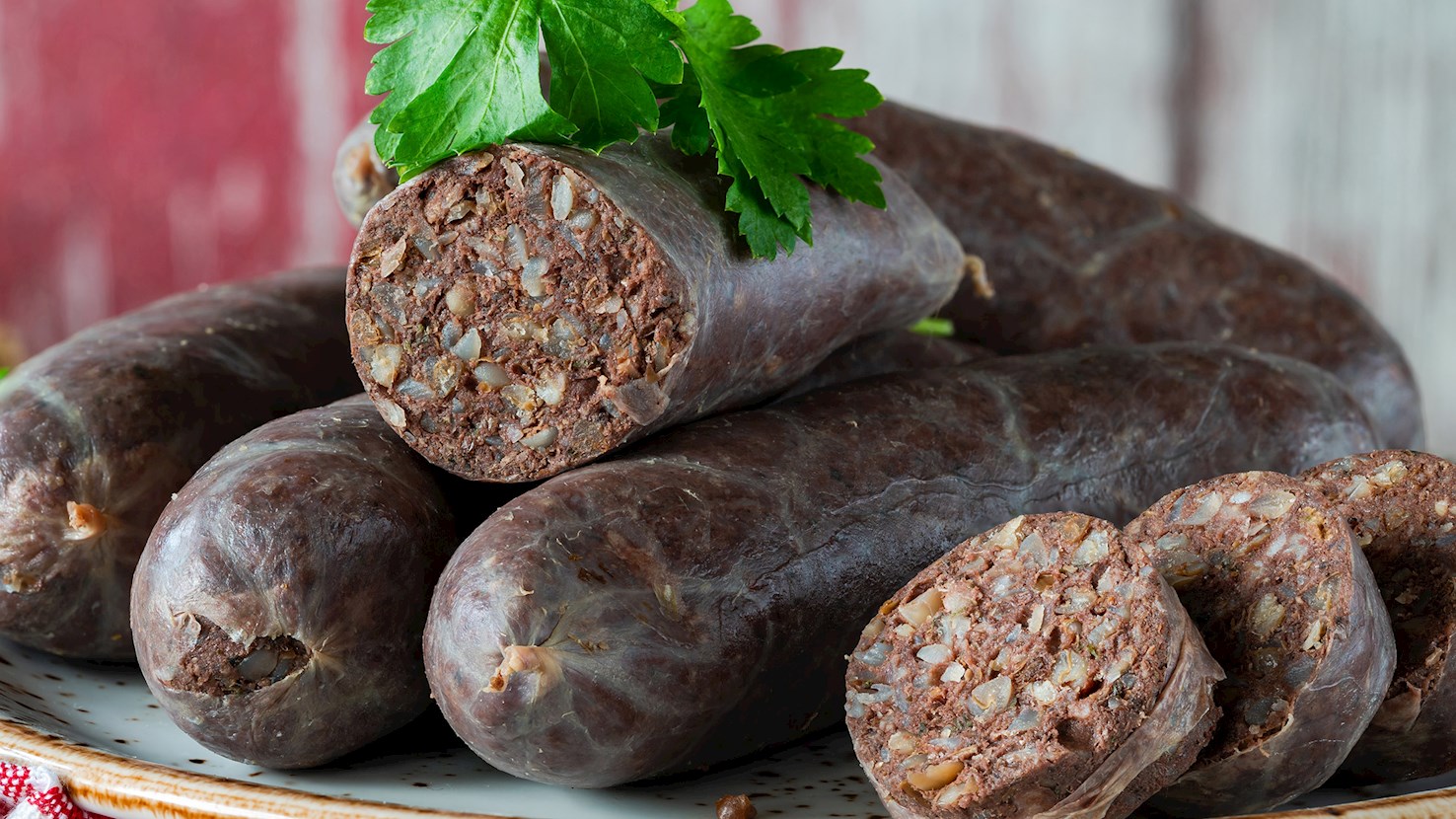
Boudin noir is a traditional French blood sausage, celebrated for its rich, velvety texture and deep, savory flavor. Made primarily from pork blood, fat, and finely ground meat, this delicacy has been a staple of French charcuterie for centuries, with historical roots tracing back to medieval Europe. Unlike coarser blood sausages, boudin noir has a smooth, almost creamy consistency, achieved by blending the ingredients with onions, bread or rice, milk, and a variety of warming spices such as black pepper, nutmeg, and cloves. Each region of France offers its own interpretation of boudin noir, with variations incorporating apples, chestnuts, cream, or even Armagnac to balance the iron-rich, earthy notes of the blood with a touch of sweetness. The most famous versions can be found in Normandy, Brittany, and Alsace, where the sausage is often paired with caramelized apples, mashed potatoes, or sautéed onions, creating a perfect harmony of sweet and savory flavors. Traditionally, boudin noir is cooked before serving, either pan-fried until crispy, grilled, or gently poached, enhancing its deep, complex taste while maintaining its delicate interior. It is often served as part of a rustic meal, but also finds its way into refined French cuisine, where chefs elevate it with modern techniques and gourmet pairings.
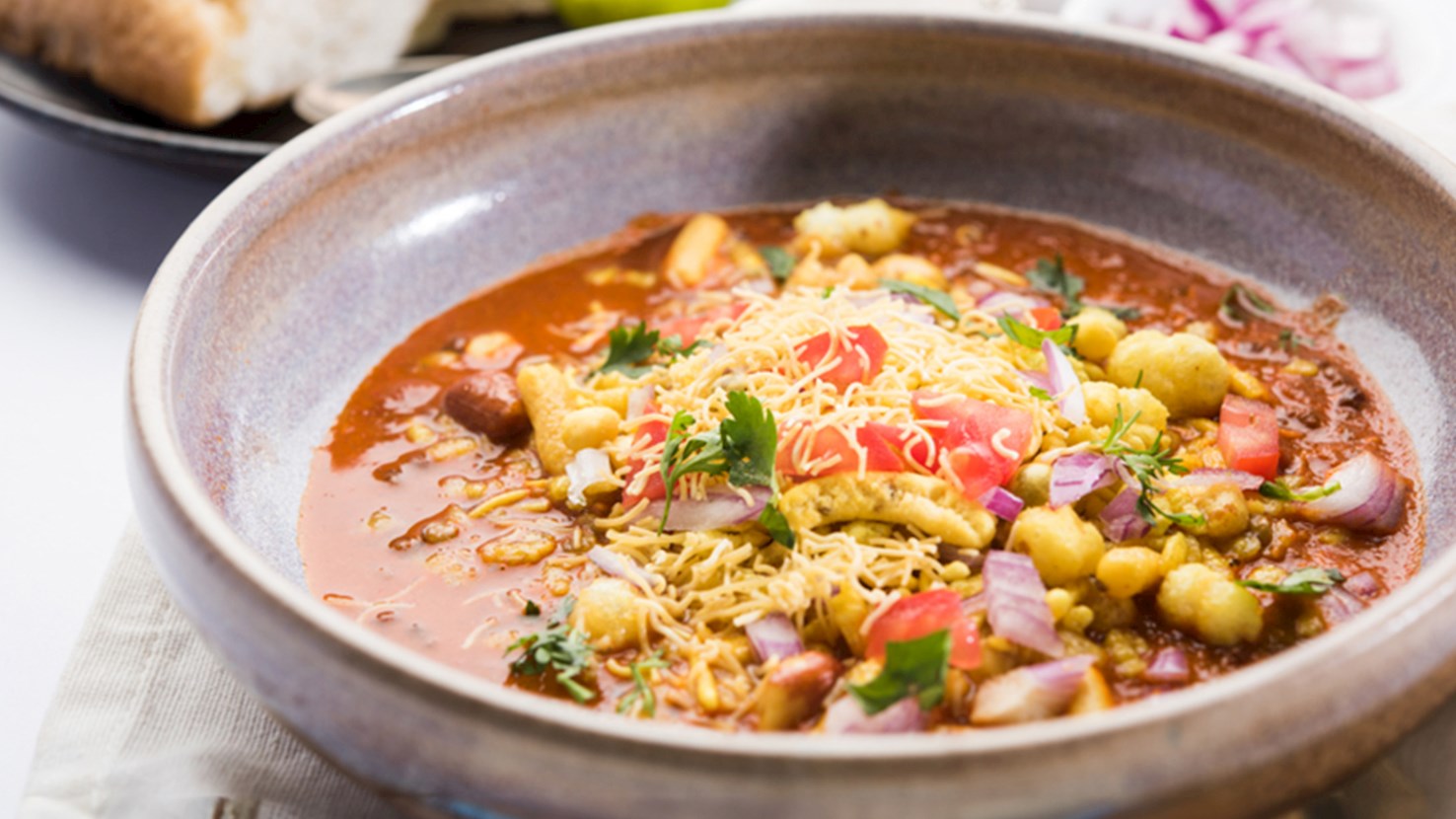
Usal is a traditional dish originating from Maharashtra. The dish can be prepared with sprouted beans, dried beans, or lentils as the main ingredient, but in Maharashtra it's usually made with sprouted moth or matki beans. A combination of coriander seeds, sesame seeds, cloves, cardamom, coconut, cinnamon, bay leaves, and peppercorns is roasted until fragrant, and the combination is then added to sautéed onions, garlic, tomatoes, chili powder, and turmeric powder. The sprouted beans are then added to the pot, and the mixture is cooked in water or coconut milk until tender, but not mushy. If desired, potatoes can be added to the dish for extra texture and flavor. Once done, usal is often garnished with coriander leaves, and the dish is typically served piping hot. There are many variations on usal, made with different additional ingredients such as curry leaves or fennel. It's recommended to serve usal with chapati, pav, or rice on the side.
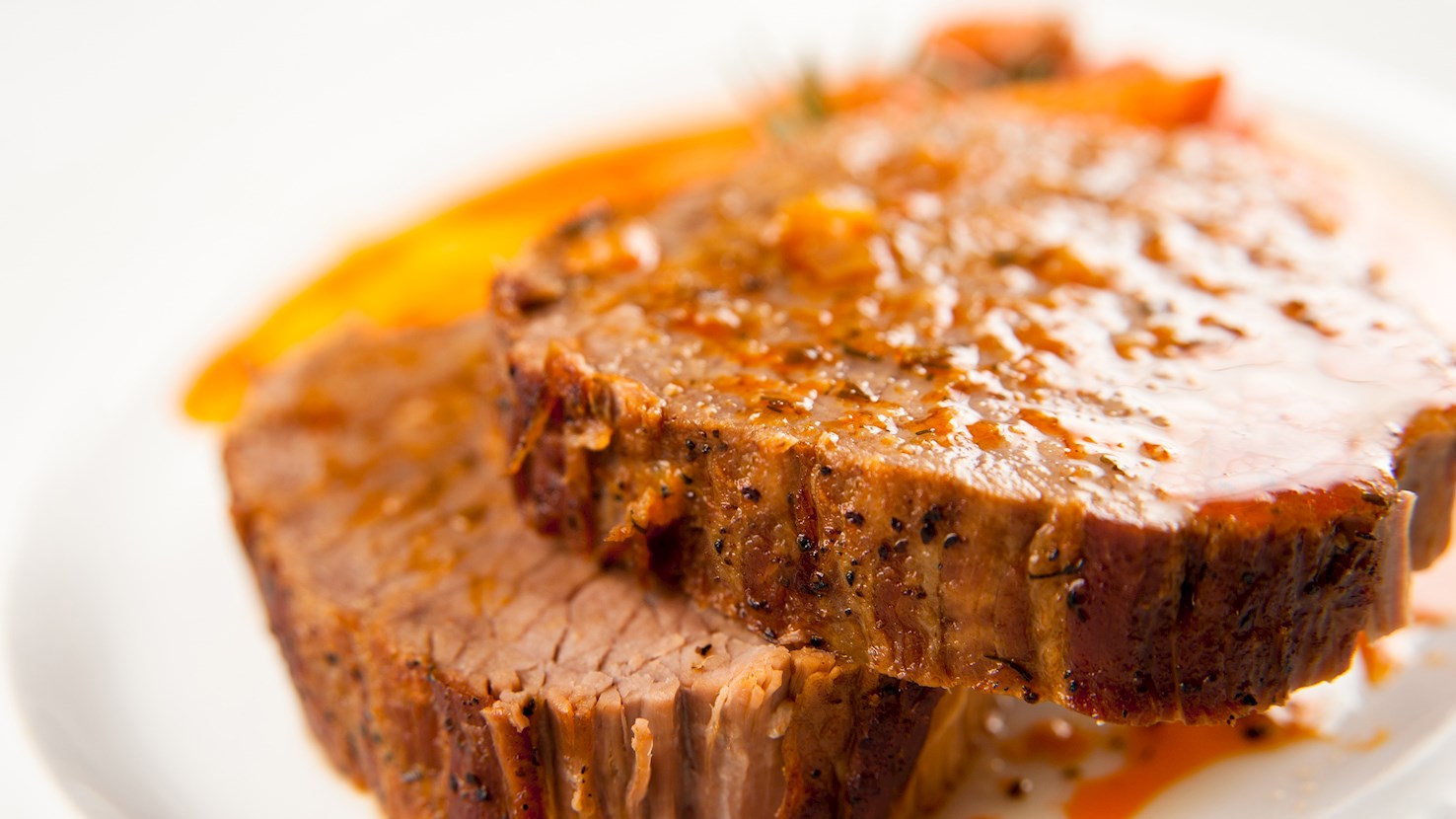
Garofolato is a traditional dish originating from Rome. This pot roast is prepared with a combination of beef, cloves, lard, onions, carrots, celery, garlic, parsley, red wine, tomatoes, and seasonings. The meat is studded with the cloves and it's roasted in a terracotta pot. Once browned, other ingredients are added and the combination is then slowly simmered until the meat becomes tender, but not falling apart. The pot roast is served sliced, and the slices are arranged on a platter and topped with the sauce. Garofolato is usually made with a beef cut called girello, which coresponds to the eye round or silverside. The name of the dish is a reference to the abundance of cloves used to prepare it, called garofalo in Roman dialect.
Kozuli are hard, heavily spiced cookies from the Russian North, especially associated with the Arkhangelsk region and Pomor culture. Modern Arkhangelsk kozuli are usually flat, cut into decorative shapes, and covered with brightly colored royal icing. Older Pomor kozuli are three-dimensional baked figures with a much simpler appearance. The exact age of kozuli is uncertain, and there is no firm evidence that they originated specifically in the twelfth century. The older Pomor form came before the flat decorated cookies now associated with Arkhangelsk. These early figures were made from rye-based dough and shaped by hand into animals such as goats, sheep, cows, and reindeer. They were closely connected with Christmas and carried symbolic meaning. Animal figures represented the livestock around the Christ Child in the Nativity scene and were also interpreted as “heavenly herds,” or clouds. The name kozuli is linked instead to a Pomor word meaning a curl or small snake, referring to the curved shapes found in older forms. Two main styles developed. Pomor kozuli, made in villages along the Tersky Coast of the Kola Peninsula, are three-dimensional ceremonial figures shaped by hand. Arkhangelsk kozuli are flat, cut-out pryaniki made with caramelized sugar and decorated with icing. The flat Arkhangelsk style appeared much later and is more than two centuries old rather than clearly traceable to the medieval period. Its development was connected with Arkhangelsk’s importance as a northern trading port. Greater access to sugar and imported spices helped transform the older ritual form into a sweeter and more heavily spiced cookie. European merchants living in Arkhangelsk also brought decorated Christmas gingerbread, which influenced the later cut-out style. The dough begins with zhzhyonka, a caramelized sugar syrup. White sugar is heated until it turns a deep amber-brown color, then hot water is carefully added to create a dark syrup. Butter, cinnamon, cloves, cardamom, and other spices are mixed into the warm liquid. Once the syrup has cooled, egg yolks and wheat flour are added to form a very stiff, dark dough. Recipes vary widely between families, and many have been passed down privately for decades. The dough is left in a cold place to rest before being rolled into thin sheets. Metal cutters or sharp knives are used to make shapes such as reindeer, goats, sheep, cows, birds, horses, stars, angels, Christmas trees, cats, and houses. The cookies are baked until firm and crisp. The caramelized sugar gives them their characteristic dark brown color and a mild burnt-caramel bitterness. Replacing the caramelized sugar with dark molasses or honey produces a softer, stickier dough with a different flavor and less of the characteristic burnt-sugar note. Honey is especially associated with versions made in the Urals, where kozuli were adopted from northern Pomor customs. The older three-dimensional rye-based Pomor figures are still made in some northern communities. These versions rely mainly on their sculpted shapes rather than elaborate icing and preserve the earlier ceremonial character of kozuli. Once the flat cookies have cooled, they are decorated with royal icing made from whipped egg whites and powdered sugar. White icing is common, but pink, blue, and other colors are also used. Natural coloring agents have also been used to create different shades. The icing is piped directly onto the dark surface to outline the animals and add geometric or decorative details. The decorated cookies are then left undisturbed for several hours until the icing becomes completely hard. Kozuli were originally associated especially with Christmas, while modern versions are also made for Kolyada and New Year celebrations, as well as weddings, housewarmings, and the birth of a child. They became symbols of Pomorye and are now found across much of the Russian North and in the Urals. The cookies have also been used as decorations and toys. In the Urals, baked figures were hung from Christmas trees with string, while animal-shaped kozuli could be kept in the home instead of being eaten immediately. They were regarded as protective objects and were not casually thrown away. Because the cookies are hard and dry, they are usually eaten in small pieces. Hot black tea helps soften the dense, heavily spiced crumb and dissolve the hardened sugar icing.
Camoscio in salmì is a slow-cooked alpine game stew made from chamois marinated in red wine with vegetables, herbs, and spices, then braised until tender in a dark, concentrated sauce. Chamois is exceptionally lean and develops firm muscle from life on steep mountain terrain, so long marination and slow cooking help soften the meat and balance its pronounced game flavor. Chamois hunting has a long history across the European Alps, where wild game supplied valuable meat in remote mountain communities. Hunting also became closely associated with aristocratic sport. The House of Savoy maintained important hunting territories across Piedmont and the Aosta Valley, although the claim that it established extensive reserves there during the 16th and 17th centuries is not well supported. The best-documented royal reserve was created much later, in 1856, when Vittorio Emanuele II established the Gran Paradiso Royal Hunting Reserve. The territory extended between Piedmont and the Aosta Valley and included both ibex and chamois among its alpine wildlife. The term salmì comes from the French salmis and refers to game cooked in a rich, seasoned sauce. Rather than being clearly documented as a medieval technique, the word appears in French culinary records by the early eighteenth century and in the Académie française dictionary of 1740. In its modern use in Italy, salmì describes game marinated with wine, vegetables, herbs, and spices before being slowly cooked in the aromatic liquid. The meat is commonly cut into pieces or, in some versions, left as a whole boned leg. It is placed in a deep container with a robust red wine and aromatic ingredients such as juniper berries, cloves, bay leaves, black peppercorns, carrots, celery, onions, thyme, rosemary, garlic, cinnamon, or nutmeg. In Piedmont, Nebbiolo-based wines may be used, while Valtellina versions can call for local reds such as Sassella or Inferno. Barolo is possible but is by no means required. The marinating time varies considerably. Twenty-four to forty-eight hours is common, although older formulas may leave the meat in wine for several days. The acidic wine flavors the exterior and helps moderate the strong aroma of mature game, but it does not literally dissolve the muscle fibers or draw all residual blood from the meat. Its tenderizing effect is relatively limited compared with the much greater softening produced by prolonged braising. After marinating, the chamois is drained and browned in a heavy pan with butter, oil, pancetta, lardo, or another cooking fat. Searing develops a deeper roasted flavor before the strained marinade and aromatic vegetables are returned to the pot. The meat then cooks slowly for one to several hours, depending on the cut and age of the animal, until it becomes tender. Broth may be added if the liquid reduces too quickly. As the meat cooks, the red wine concentrates with the vegetables, fat, meat juices, herbs, and spices to form a dark sauce. The cooked carrots, onions, and celery may be passed through a sieve or blended into the liquid, creating a thick, smooth gravy without relying heavily on flour or other added starches. Some versions deepen the sauce with unsweetened cocoa powder or dark chocolate. A documented Valtellina formula for chamois leg in salmì includes optional bitter cocoa, along with juniper, cloves, cinnamon, pepper, red wine, cream, and grappa. The cocoa is not universal and has even been described as less faithful to older local formulas, but it adds bitterness, color, and an earthy quality that works well with strongly flavored game. Other adaptations emphasize the alpine setting through resinous aromas. Pine, spruce, or other conifer notes may occasionally be introduced through needles, tips, or locally gathered herbs, although adding crushed pine needles directly to the marinade should be regarded as a specialized variation rather than a defining feature of camoscio in salmì. Juniper remains a far more established aromatic for the meat. Older versions can be even richer. One formula marinates the chamois with its heart, liver, and lung, later passing the organs through a sieve to enrich the sauce. Another includes chamois liver, or lamb liver as a substitute. Grappa may also be stirred into the finished sauce, adding warmth and aromatic intensity. Camoscio in salmì is most commonly paired with hot yellow polenta, whose mild corn flavor and soft texture absorb the concentrated wine sauce. In Valsesia, chamois in salmì is specifically associated with polenta during hunting season, while other versions may be accompanied by slices of dark mountain bread. Pan-roasted wild mushrooms seasoned with garlic and parsley also make a natural accompaniment, especially when the stew is served as part of a larger alpine meal, although they are not a universal side. The mushrooms reinforce the earthy character of the game and wine sauce. A robust red wine is often served alongside the stew. Using the same type of wine chosen for the marinade creates a natural connection between the glass and the sauce, though an exact match is not required. Nebbiolo-based reds, Valtellina wines, or other structured mountain reds have enough acidity and tannin to balance the concentrated sauce, the cooking fats, and the deep flavor of the chamois.
TasteAtlas food rankings are based on the ratings of the TasteAtlas audience, with a series of mechanisms that recognize real users and that ignore bot,
nationalist or local patriotic ratings, and give additional value to the ratings of users that the system recognizes as knowledgeable.
For the “12 Best Rated Dishes with Cloves” list until September 17, 2026, 1,037,815 ratings were recorded, of which 688,105 were recognized by the system as legitimate.
TasteAtlas Rankings should not be seen as the final global conclusion about food. Their purpose is to promote excellent local foods,
instill pride in traditional dishes, and arouse curiosity about dishes you haven’t tried.













What People Say