




shutterstock

9 Best Rated
Dishes with Coconut Cream

Last updated on June 17, 2026
01

Bicol Express

4.2 ·

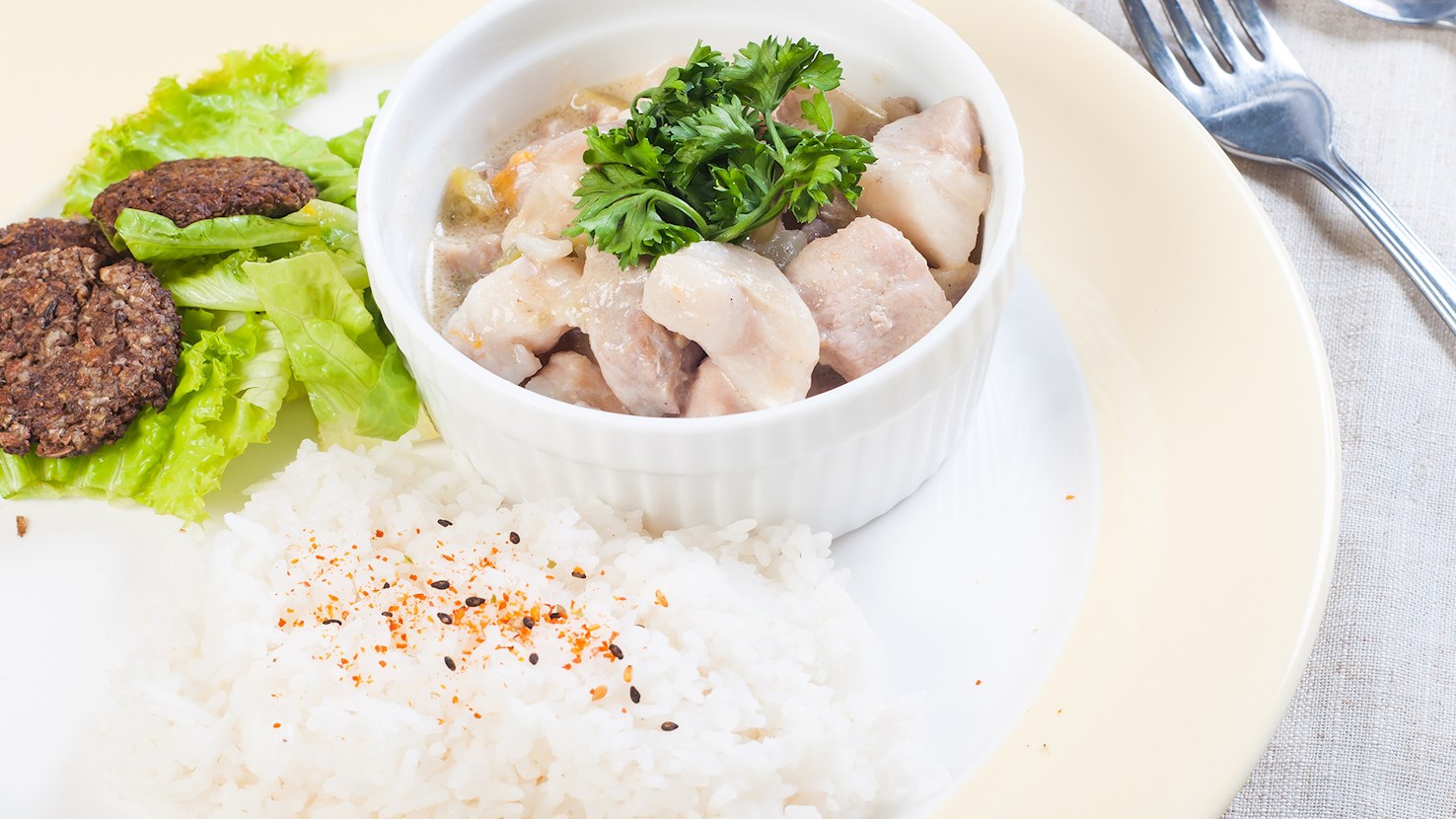
Bicol express is a popular Filipino dish consisting of sliced pork that is doused in a creamy coconut-based sauce and seasoned with shrimp paste and spicy chili peppers. According to popular belief, Cely Kalaw invented the dish in her Manila restaurant. She was inspired by the traditional Bicolano coconut-infused dishes and named the new invention after a Filipino train service operating from Manila to the Bicol region. Creamy and spicy Bicol express is usually served with plain steamed rice on the side.

02

Latik

3.6 ·

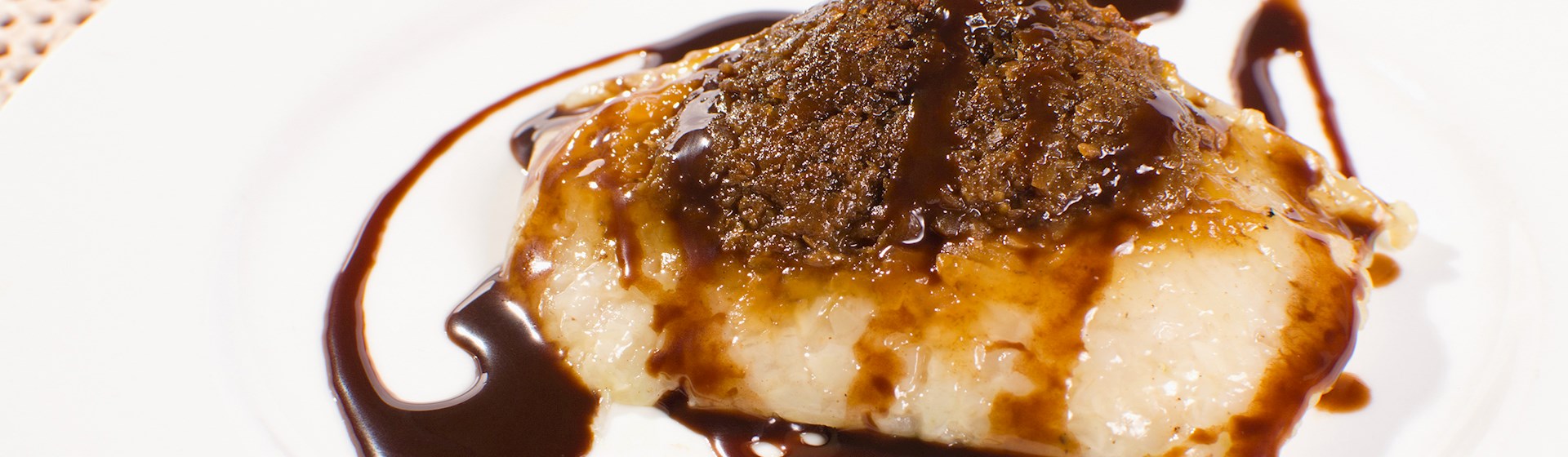
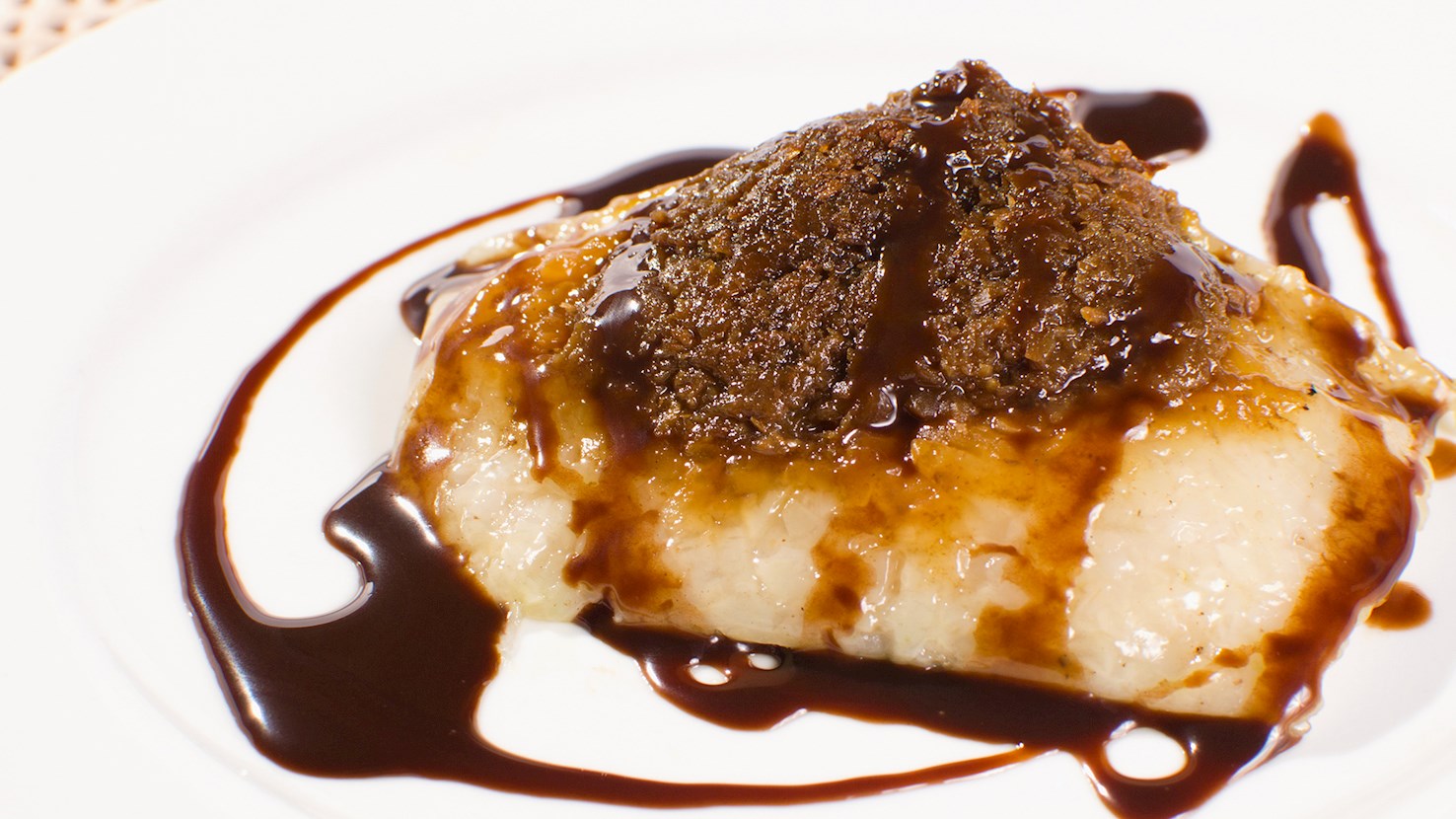
Depending on the region, the Filipino term latik can refer to two separate dishes: either coconut curds produced by heating coconut milk to separate the oil, or a thick and sweet coconut syrup made by reducing a combination of coconut cream and sugar. The golden brown curds are usually used as a crunchy topping on creamy desserts, while the syrup can be utilized as a condiment or even as a sweetener in hot or cold beverages.

03

Fish Head Curry

3.3 ·

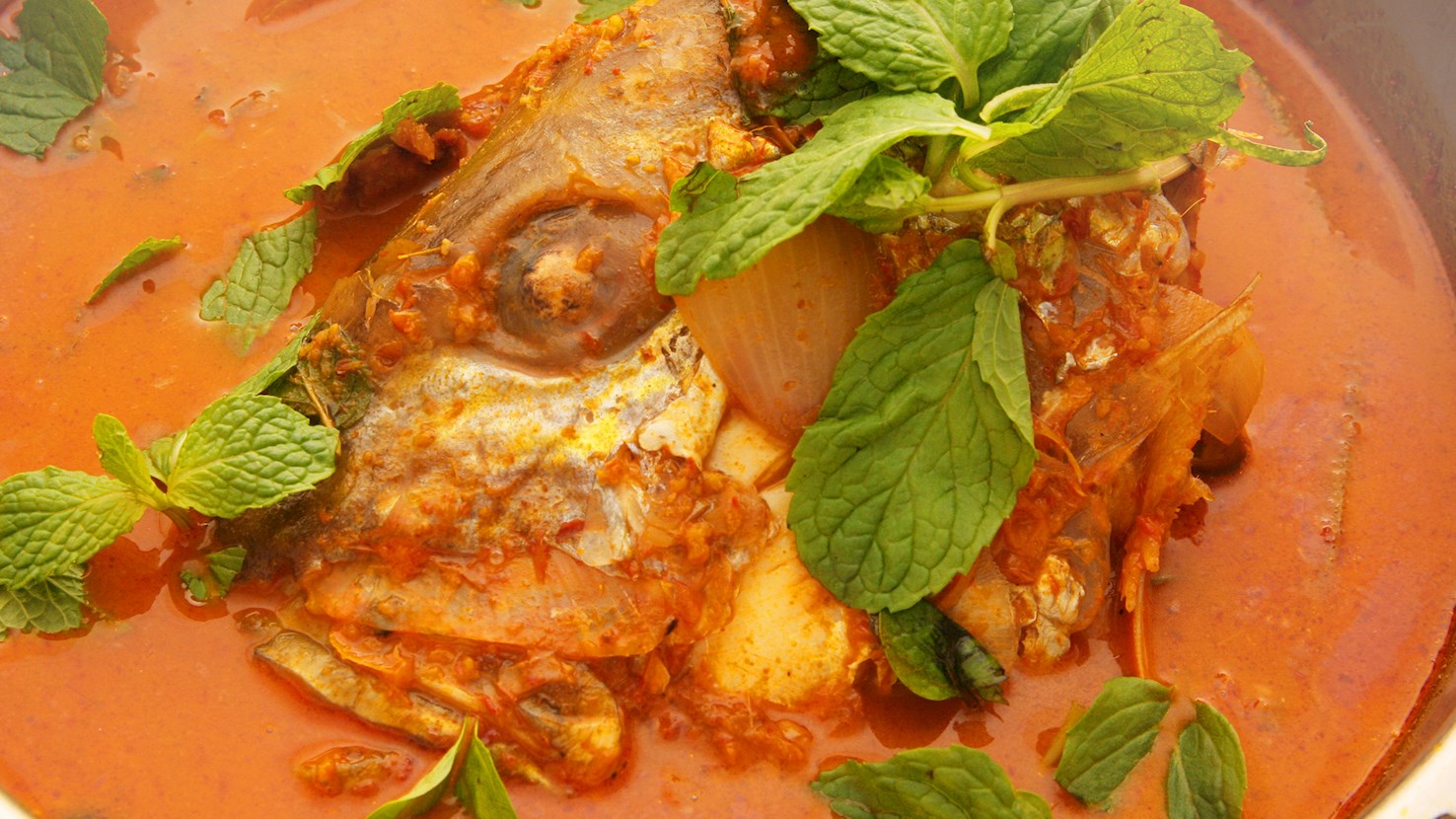
Fish head curry is a Singaporean specialty dish consisting of fish heads, coconut cream, tomatoes, and an array of seasonings such as curry leaves, garlic, chili, coriander, cumin, turmeric, pepper, and tamarind. The dish was invented during the 1970s as a way to use up unwanted fish heads. Today, it is served with bread or rice on the side, and one simmering pot of fish head curry can easily feed a few people.

04

Batata mash

n/a ·

Batata mash is a dense vegetable purée made from sweet potatoes, which are known locally as kumara or batata depending on regional linguistic influences. While the sweet potato is not indigenous to the central Pacific, it was introduced to the Gilbert and Ellice Islands through Polynesian migration and later reinforced by 19th-century whaling and trading vessels that transported tubers across the Pacific as durable sea rations. In the nutrient-poor coral atoll soils of Kiribati, the plant is cultivated in raised beds or specialized pits enriched with organic compost to overcome the high salinity and alkalinity of the environment. Preparation of the mash involves peeling the tubers and boiling them in a mixture of water and fresh coconut milk until the starches undergo complete gelatinization. Once softened, the tubers are crushed using a wooden pestle or heavy spoon and integrated with additional thick coconut cream and a small amount of sea salt. A specific property of the Kiribati preparation is the inclusion of te karewe (fresh coconut spathe sap), which is occasionally stirred into the mash to increase the sugar content and provide a distinct caloric boost. Unlike versions found in the Caribbean, this mash often has a stiffer consistency because it is frequently used as a portable food source. It is served in communal settings, often presented on a large platter or folded into individual portions using softened pandanus leaves. It is eaten by hand or with utensils as a foundational starch during family meals or botaki celebrations. The dish is paired with protein sources harvested from the surrounding reefs, such as roasted lobster tails with coconut curry or grilled bonefish, where the sweetness of the mash provides a counterpoint to the salt-heavy profile of the seafood. Beverage pairings include fresh coconut water or te kimaimai (boiled coconut sap syrup diluted with water), which complements the high lipid content of the coconut cream used in the mash.

05

Yaohon

n/a ·

Yaohon is a Cambodian hot pot that contains a variety of vegetables, meat, and seafood. The broth is based on a mixture of coconut milk or cream, chicken broth, and coconut soda, and it is typically flavored with barbecue sauce, fish sauce, soybean curd sauce, makrut lime leaves, lemongrass, and palm sugar. Typical vegetables include watercress, spinach, and bok choy, while the selection of meat and seafood usually includes beef, chicken, shrimps, squids, oysters, and mussels. Other ingredients featured in this flavor-packed broth are crushed peanuts, quail eggs, mushrooms, and (optionally) beer. Sweet, spicy, and savory, yaohon is commonly enjoyed with rice noodles or steamed rice.

06

Sankhya lapov

n/a ·

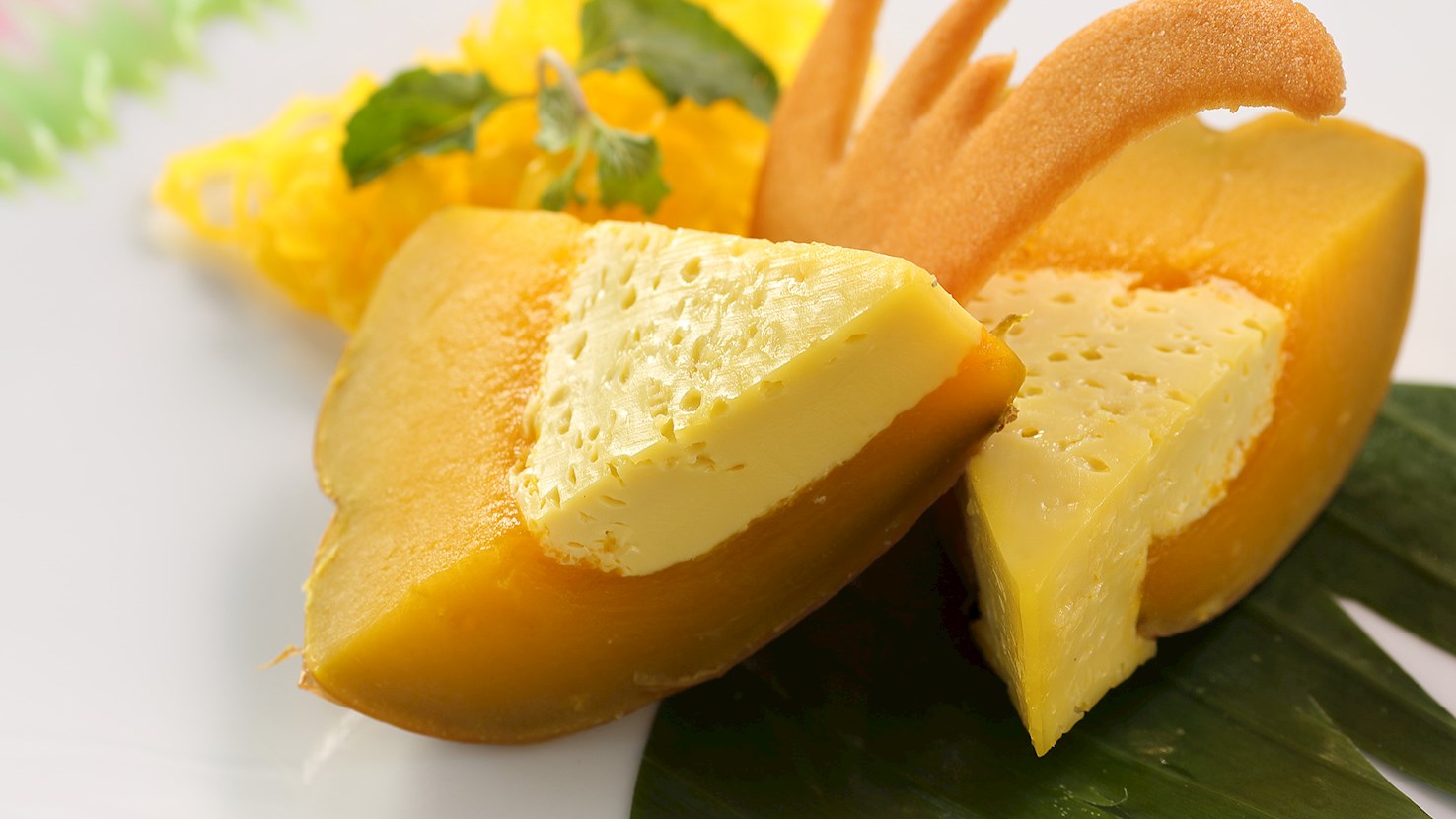
Sankhya lapov is a traditional dessert that consists of a small pumpkin filled with creamy custard containing coconut milk or cream, palm sugar paste, eggs, and salt. It is usually prepared with kabocha squash, which is dark green on the outside and has a bright orange interior with a sweet flavor. The top of the squash is cut off, its seeds are removed, and the cavity is filled with the custard. The pumpkin’s top is then replaced, and the pumpkin custard is steamed until it is thoroughly cooked. Sankhya lapov can be enjoyed warm or chilled, and it is traditionally prepared for special occasions and religious festivals. In the Khmer language, sankhya means custard, while lapov translates to pumpkin. This sweet treat is also a typical dessert in Thailand and Laos, where it is known as sangkhaya fak thong and sangkhaya maryu, respectively.

07

Roasted lobster tails with coconut curry dipping sauce

n/a ·

Roasted lobster tails with coconut curry dipping sauce is a culinary preparation originating from the Republic of Kiribati. The development of this dish is a direct result of the geographic availability of the spiny lobster, which inhabits the seaward edges of coral reefs, and the ubiquitous presence of the coconut palm across the archipelago. The integration of curry powder into the local diet stems from historical trade routes and British colonial influence in the Gilbert Islands during the late 19th and early 20th centuries, which introduced processed spice blends to the region. Preparation begins with the selection of fresh lobster tails, which are split longitudinally and seasoned with salt and lime juice before being roasted over open flames or in an oven at approximately 200°C until the flesh reaches an internal temperature of 60°C. The dipping sauce is constructed by extracting the liquid from grated coconut meat and simmering it with curry powder, minced garlic, and bird's eye chilies until the emulsion thickens. The lobster is served in its own shell to retain heat and is presented alongside the warm curry reduction. It is eaten as a significant protein source during communal gatherings known as botaki in local maneaba (meeting houses), or increasingly in hospitality venues catering to tourism. The dish is eaten by dipping pieces of the roasted tail into the sauce, often accompanied by local starches such as boiled breadfruit (te mai), taro, or te babai (giant swamp taro) which serve to neutralize the heat of the curry. Beverage pairings include fresh coconut water served directly from the shell, which provides an electrolyte-rich and cooling counterpoint to the spice, or a dry white wine, which possesses the acidity required to balance the saturated fats of the coconut cream.

08

Nanē pia

n/a ·

Nanē pia in Niue is a starch-based food prepared from the rhizomes of the arrowroot plant, which are processed to extract a fine white starch that is cooked into a clear, gel-like paste. It is made and eaten throughout Niue, where arrowroot grows reliably in the island’s porous limestone soil and has long served as a stable source of carbohydrate. The dish appears at home meals and community gatherings and is also prepared for events where locally grown foods are emphasized. Its development is connected to the use of arrowroot as a digestible starch for both everyday eating and for people who require mild, simple foods. As the processing of arrowroot became consistent in Niuean households, through repeated washing, grating, and straining of the rhizomes, nanē pia became a recognizable preparation that uses the starch not just as a thickener but as the central component of the dish. Preparation begins by peeling and washing the arrowroot rhizomes, which are then grated or pounded into a pulp. The pulp is mixed with water and strained through cloth to separate fibrous material from the starchy liquid. The starch settles at the bottom of the container, and the water is poured away, leaving a fine sediment. This starch is combined with fresh water and heated gently while being stirred until it becomes translucent and thick. The texture can be adjusted by altering the proportion of starch to water. Some versions are served plain, while others have coconut cream poured over the finished paste or stirred in lightly to give a richer flavor. The clarity and smoothness of the final dish depend on thorough straining and careful control of heat. Nanē pia is eaten across Niue as a mild, filling food that can be part of breakfast, lunch, or shared meals. It is often served warm in bowls but may also be cooled until firm and then cut into pieces. It pairs well with coconut cream, fresh fruit, or cooked dishes such as fish or taro-based preparations. Common beverage pairings include coconut water, light fruit juices, or simple tea, all of which complement the clean flavor and soft texture of the arrowroot starch.

09

Lechen biringhenas

n/a ·

Lechen biringhenas is a traditional Chamorro dish consisting of eggplants in coconut cream. The dish is typically seasoned with local hot peppers and lemon juice. Coconut cream is made by squeezing grated coconut flesh in water, which is then combined with the eggplants. The skin should be stripped off the eggplants, and then each eggplant is mashed and layered with coconut cream. Since this is a vegetable dish, in Guam it is usually consumed after the meat dishes.

About this ranking

TasteAtlas food rankings are based on the ratings of the TasteAtlas audience, with a series of mechanisms that recognize real users and that ignore bot, nationalist or local patriotic ratings, and give additional value to the ratings of users that the system recognizes as knowledgeable. For the “9 Best Rated Dishes with Coconut Cream” list until June 17, 2026, 1,000,987 ratings were recorded, of which 657,348 were recognized by the system as legitimate. TasteAtlas Rankings should not be seen as the final global conclusion about food. Their purpose is to promote excellent local foods, instill pride in traditional dishes, and arouse curiosity about dishes you haven’t tried.

Similar lists