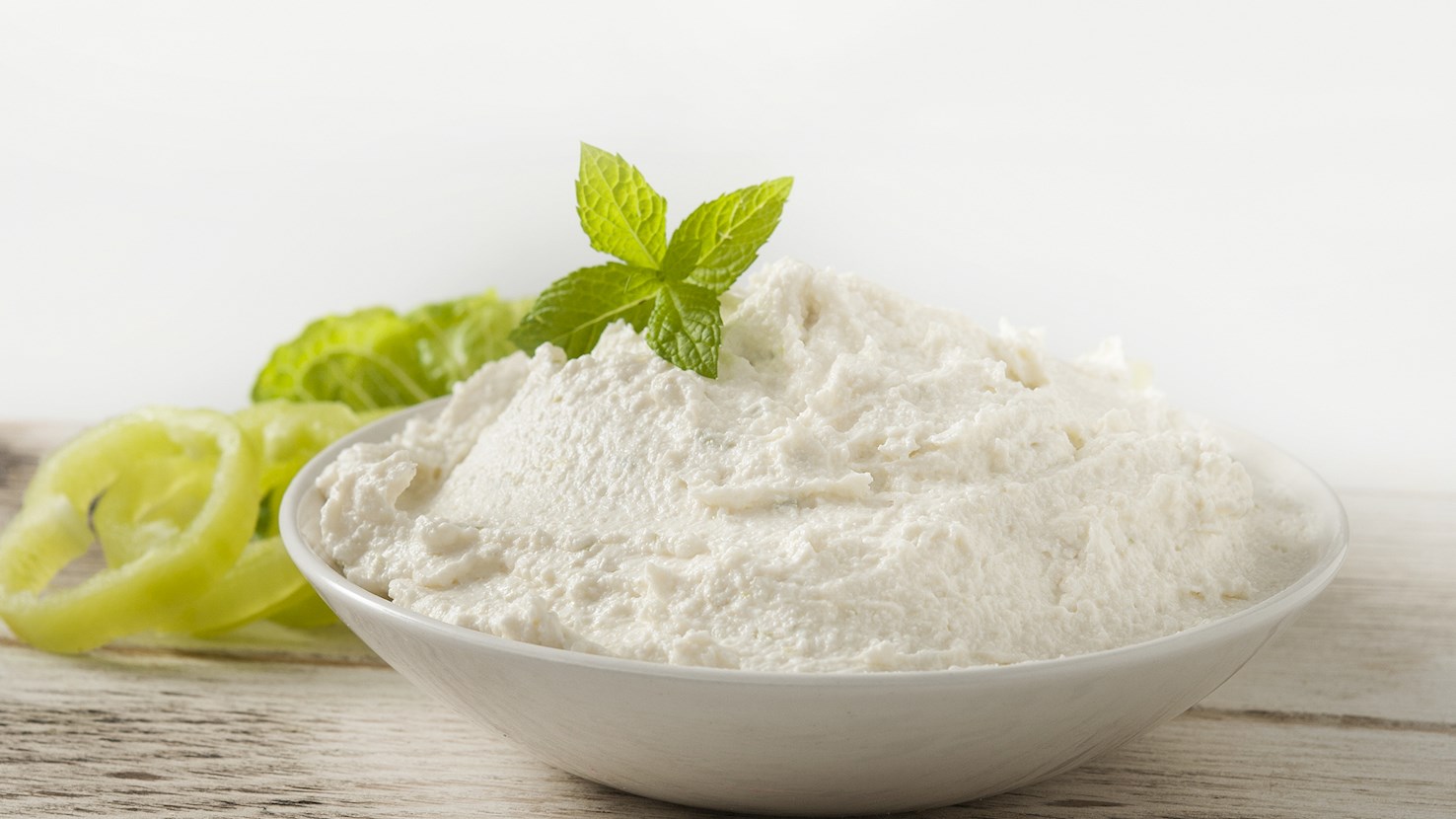
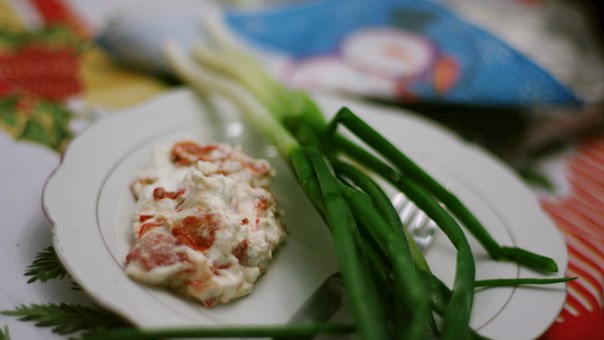
This creamy Greek dipping sauce is usually prepared with a combination of feta cheese, milk or yogurt, hot peppers, garlic, and olive oil. Although it is a traditional dish, it is regionally influenced and may contain anything from roasted red peppers to other types of cheese. Tirokafteri is a standard Greek appetizer and a typical meze dish that is usually accompanied by warm pita bread.
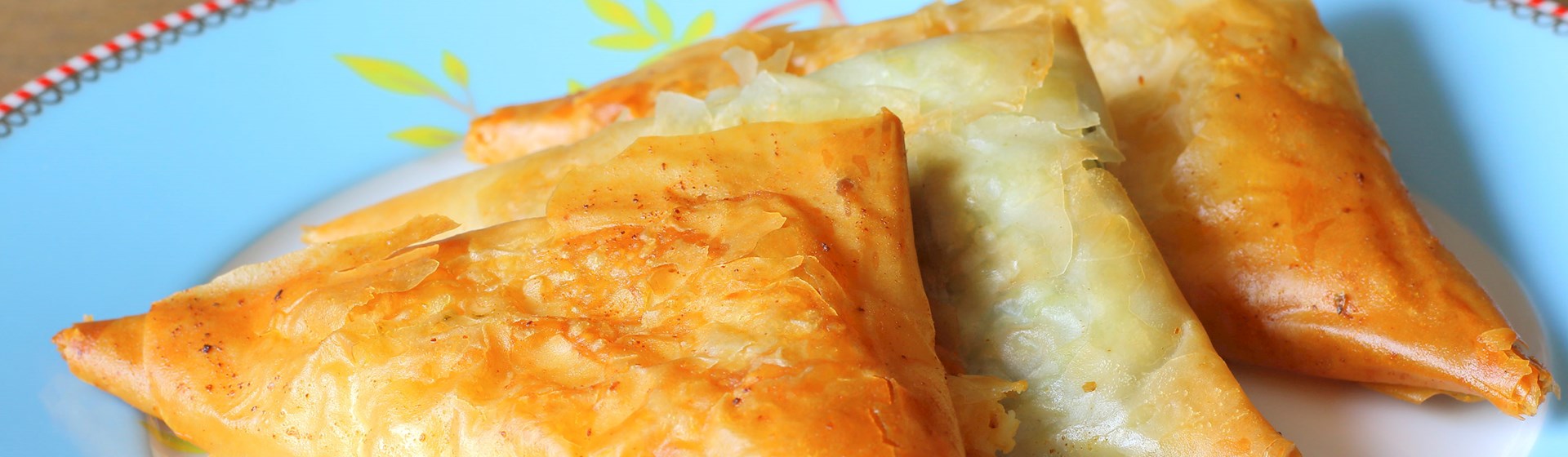
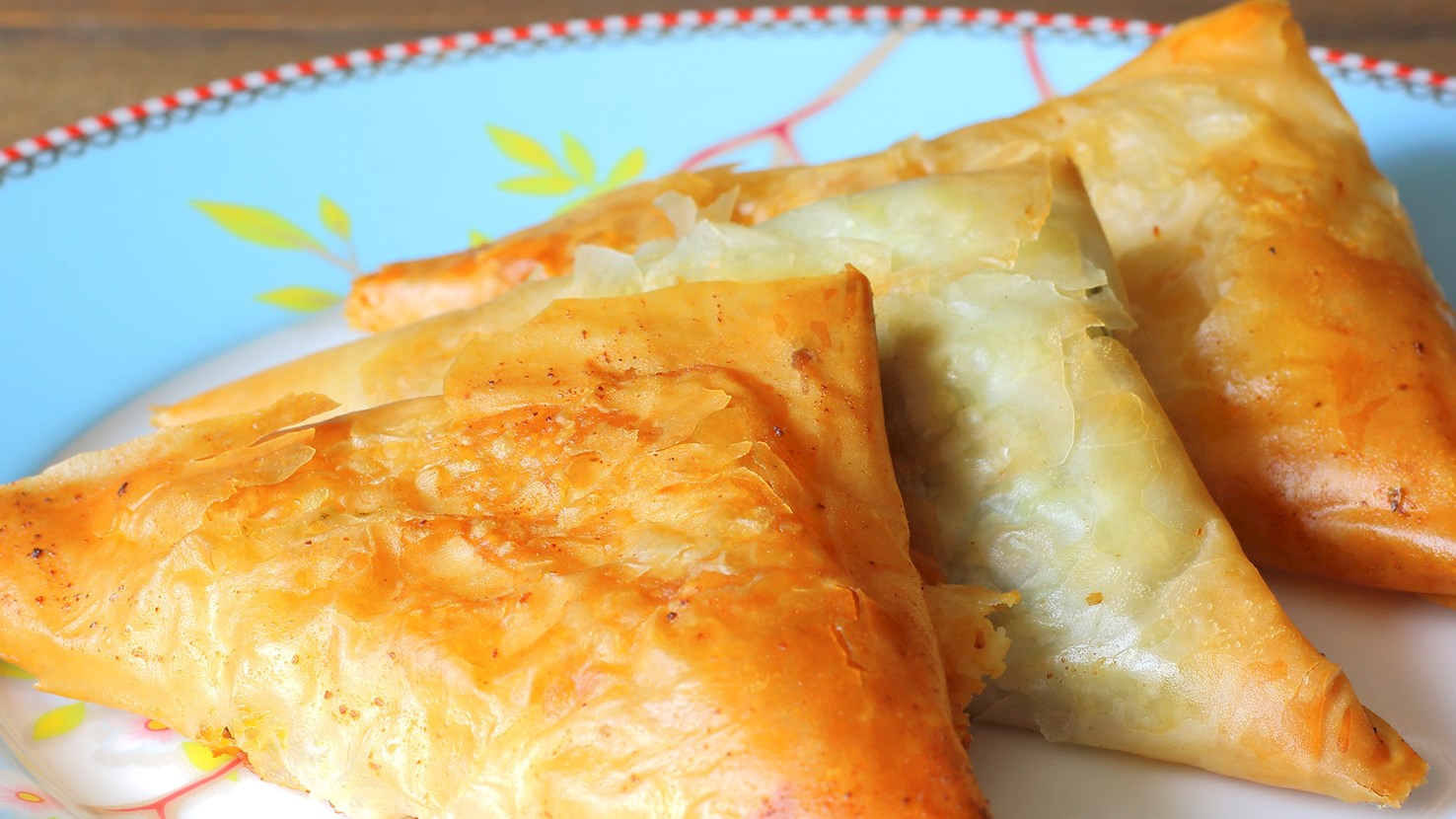
Tiropita is a popular Greek snack consisting of sheets of phyllo dough that are filled with a combination of cheese (usually feta) and eggs. The dish is typically wrapped in triangular pieces and brushed with melted butter before baking. This tasty pastry is found in almost every Greek bakery, although it is commonly served as an appetizer, when it is accompanied by numerous dips on the side. There are several theories about its origin, but most link the dish with either Byzantine, Roman, or Turkish cuisine. Tiropita is mostly consumed in the mid-morning in Greece, since breakfast is usually reserved only for bread with butter and a cup of coffee. With its huge popularity, there are also some other variations of tiropita, such as kasseropita, which is filled with kasseri cheese, or spanakopita, a spinach-filled variety.
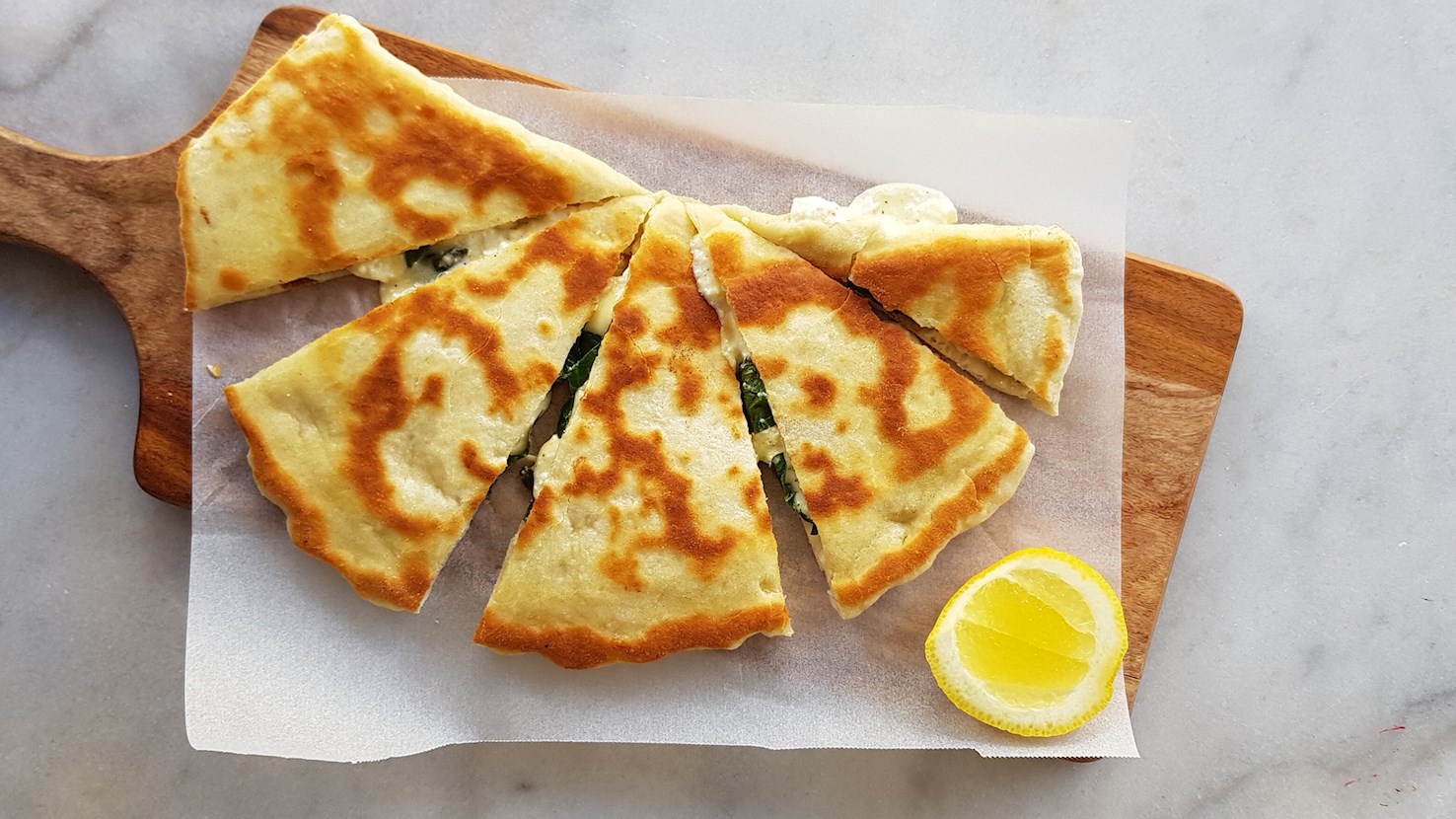
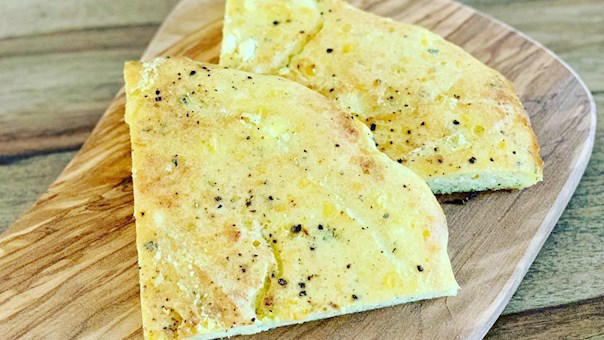
Tiganopsomo is a Greek version of fried bread. It is usually prepared with leavened dough consisting of wheat flour, olive oil, and salt that is rolled into a circle while the center is filled with crumbled feta and herbs such as oregano, rosemary, parsley, mint, or sage. Large disks are then fried in olive oil until golden and crispy. This bread is traditionally served for breakfast, and it is usually sprinkled with sesame seeds or drizzled with honey or balsamic vinegar. Some varieties may come without a filling, and feta can be replaced with mizithra cheese. Translated from Greek, tiganopsomo means fried bread.
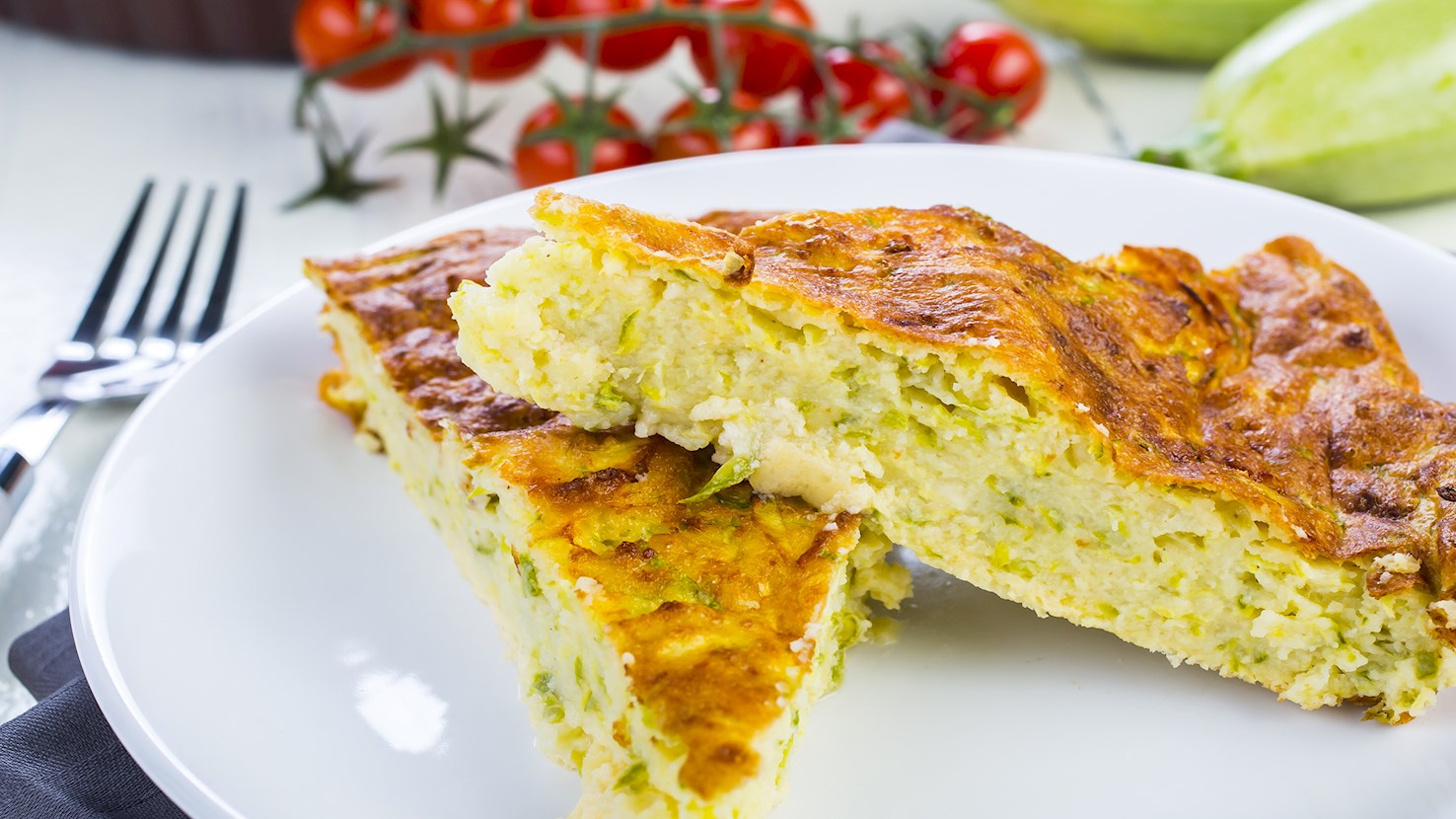
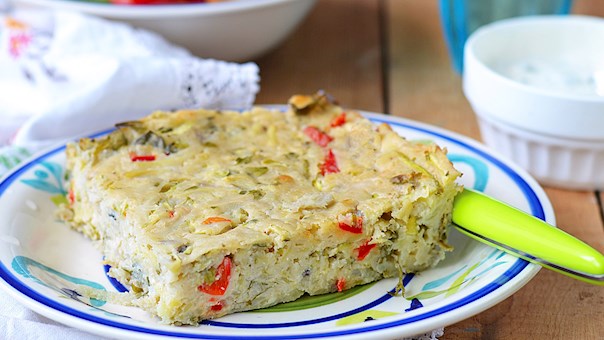
The traditional version of this savory Greek pie employs a flavorful zucchini and feta filling which is placed between two layers of phyllo pastry, usually the homemade type that is slightly thicker than the store bought varieties. Similar versions of kolokithopita can be layered or prepared without the crust, while the filling can be adapted with additional ingredients and zucchinis can be replaced with winter squash. The pie comes in numerous shapes and sizes, and they can be enjoyed as a snack, an appetizer, or a light main course. The varieties prepared with winter squash are occasionally transformed into desserts, in which feta is left out, and the pie is doused in sugar syrup.
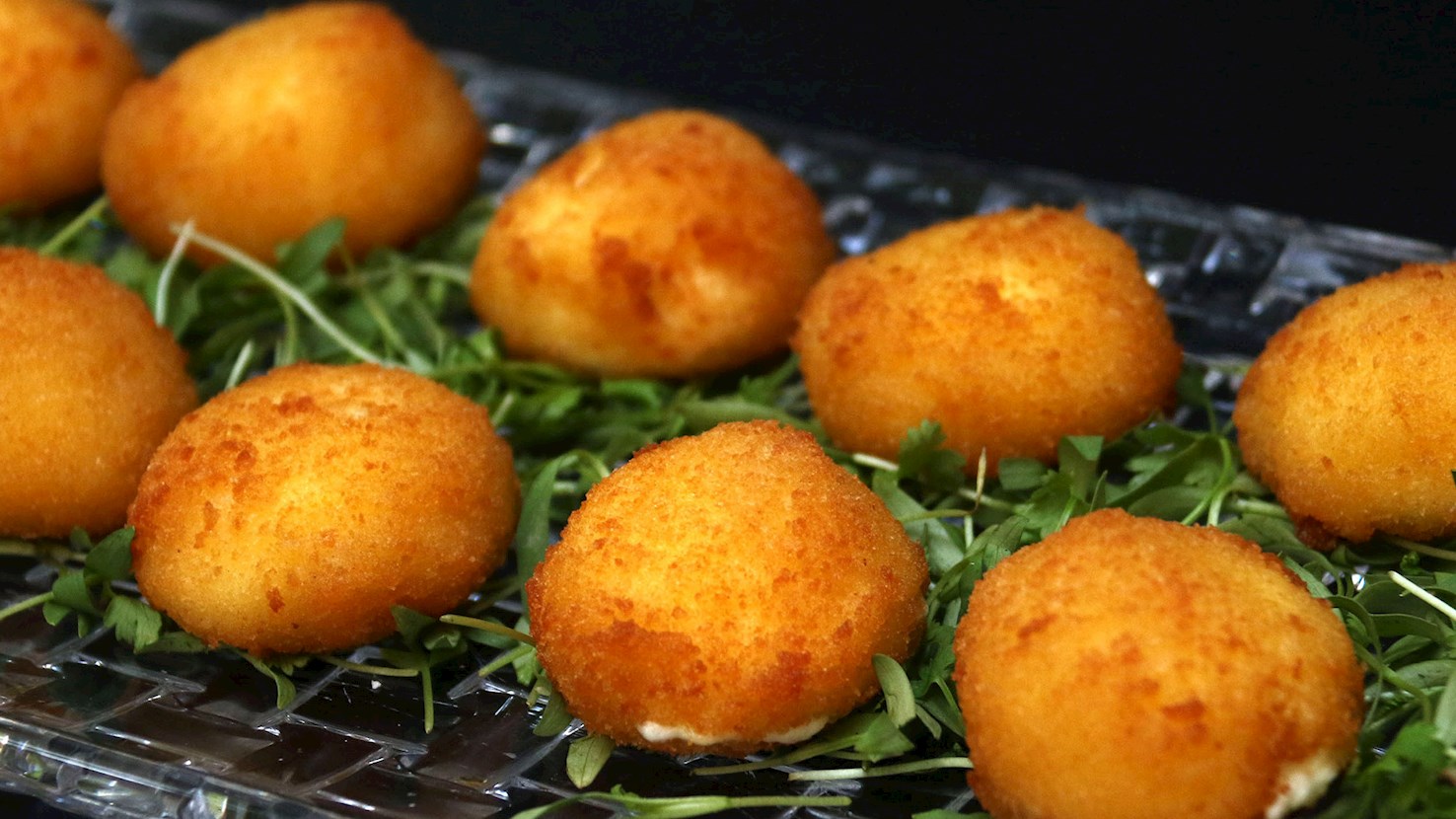
Tirokroketes is a traditional dish consisting of fried cheese balls that have a golden crust on the exterior, while the interior has a melting, oozing texture. This popular meze can be found in almost every Greek tavern. Tirokroketes are actually modern versions of classic spiced meat balls that originated in Ancient Greece and gained popularity throughout Middle East and Balkan countries. The fried balls are usually made with a combination of eggs, breadcrumbs, and three types of cheese – feta, graviera, and gouda. When frying them, it's important not to overcrowd the pan and to place just a few cheese balls at a time into the hot oil. Tirokroketes are served as an appetizer, ideally drizzled with lemon juice while still hot.
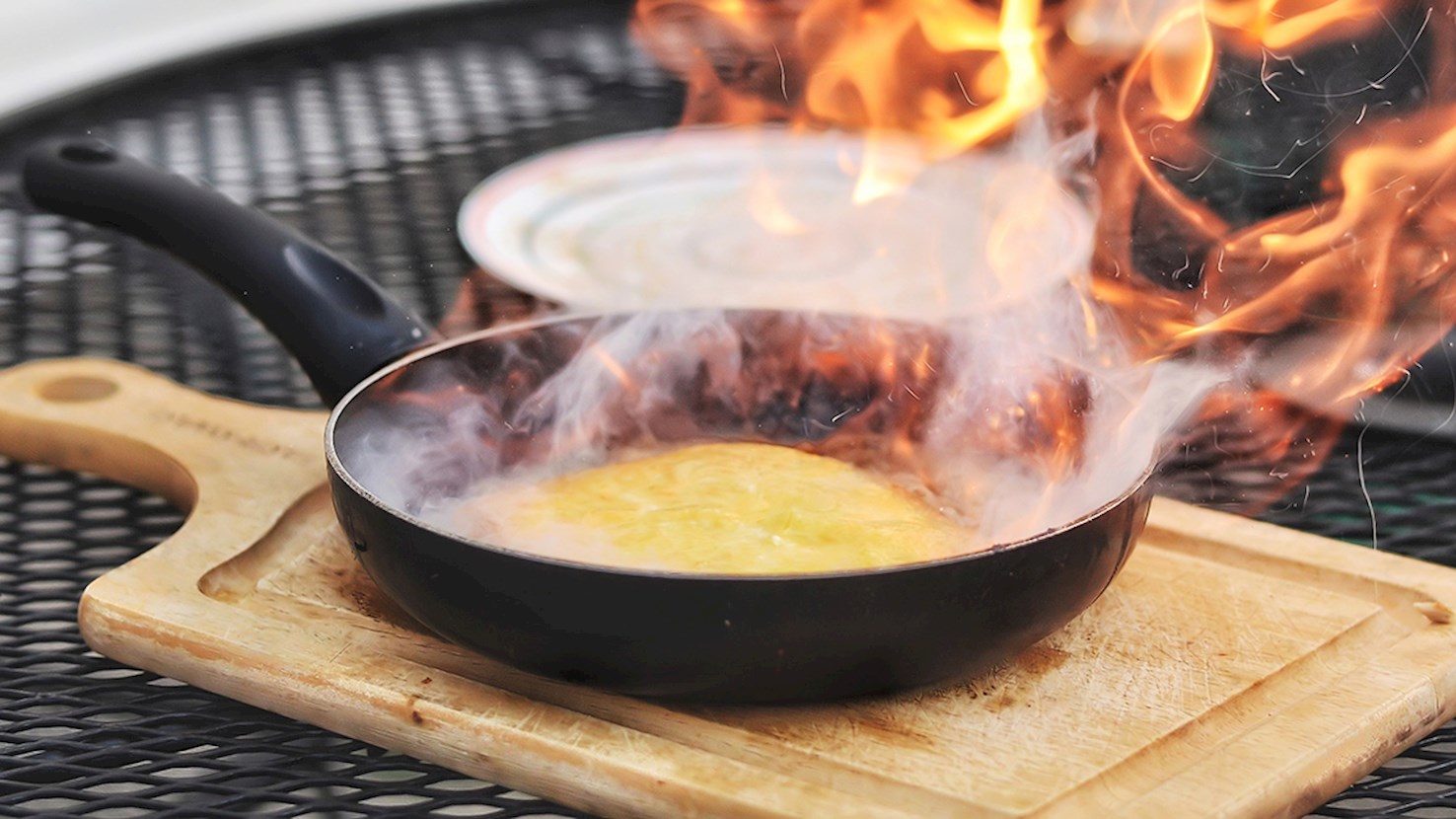
Flaming saganaki is an American appetizer originating from Chicago's Greektown. Essentially, it's a different way of preparing saganaki – a dish that's originally from Greece, made by frying cheese in a small pan. Flaming saganaki was invented in 1968 at The Parthenon restaurant – after it has been fried, the cheese is flambéed with Metaxa or Ouzo and the flames are extinguished with a squeeze of lemon juice. The cheese used in this dish is usually sheep's milk feta, halloumi, graviera, kasseri, or kefalotyri. This appetizer is traditionally prepared tableside.
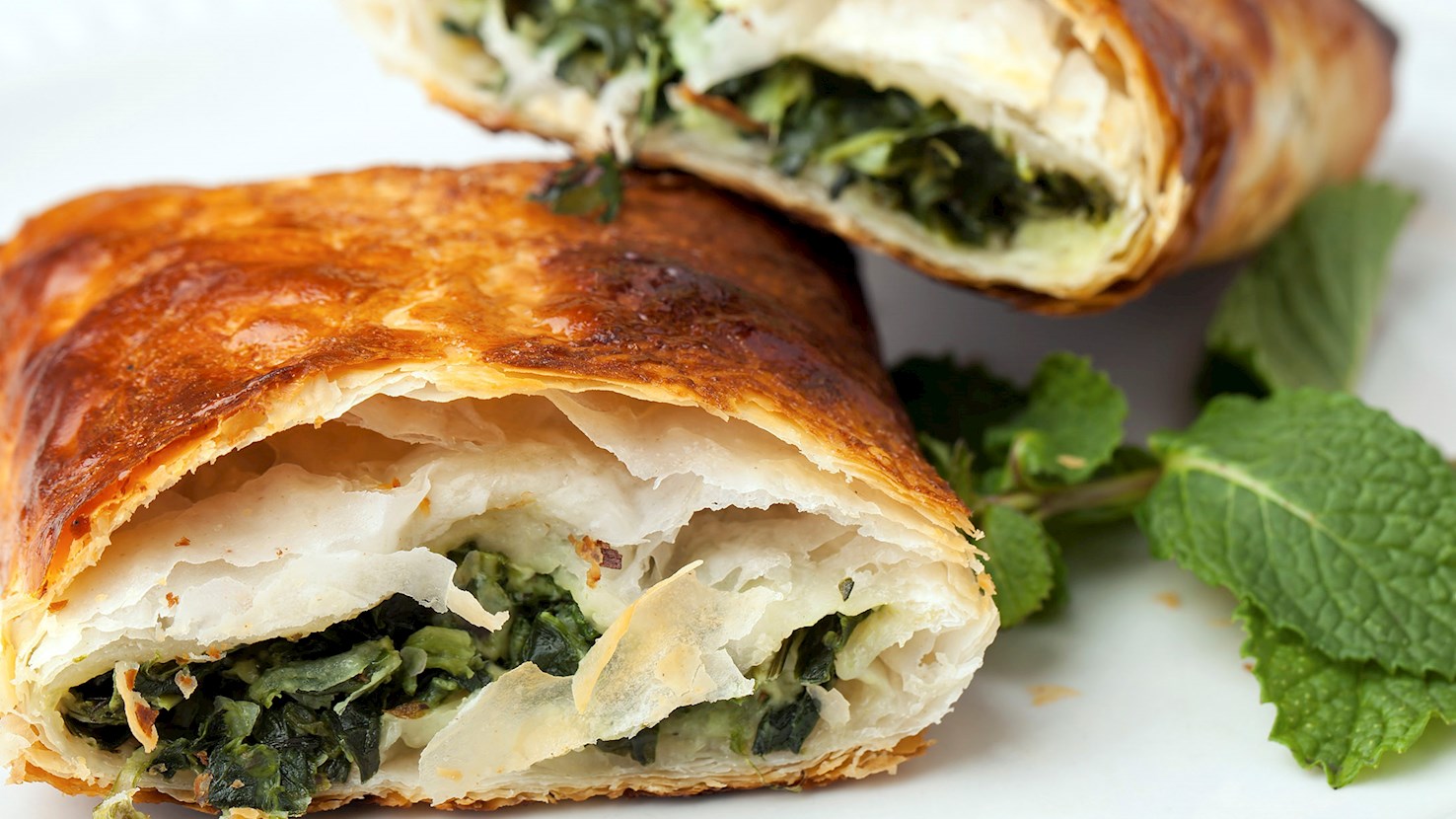
Spanakopita is a Greek spinach pie consisting of a buttery, flaky phyllo pastry with a filling of cooked spinach, lemon juice, feta cheese, and sometimes dill. It can be served either as a small snack, an appetizer, or a light main course. Due to a farming tradition of handheld foods, the pies were originally invented for the field workers who would carry them in their pockets and consume them while working. Although spanakopita has humble beginnings, it has risen to greater gastronomic heights, so today it can be found in most Greek diners, taverns, and upscale restaurants. It is likely that the dish originated 400 years ago, during the Turkish occupation of Greece, since a Turkish dish called ispanaki is almost identical in presentation. The traditional way to serve the pie is to cut it into small triangles and consume it while slightly warm, accompanied by tzatziki sauce - a flavorful dip consisting of yogurt, garlic, and cucumbers.
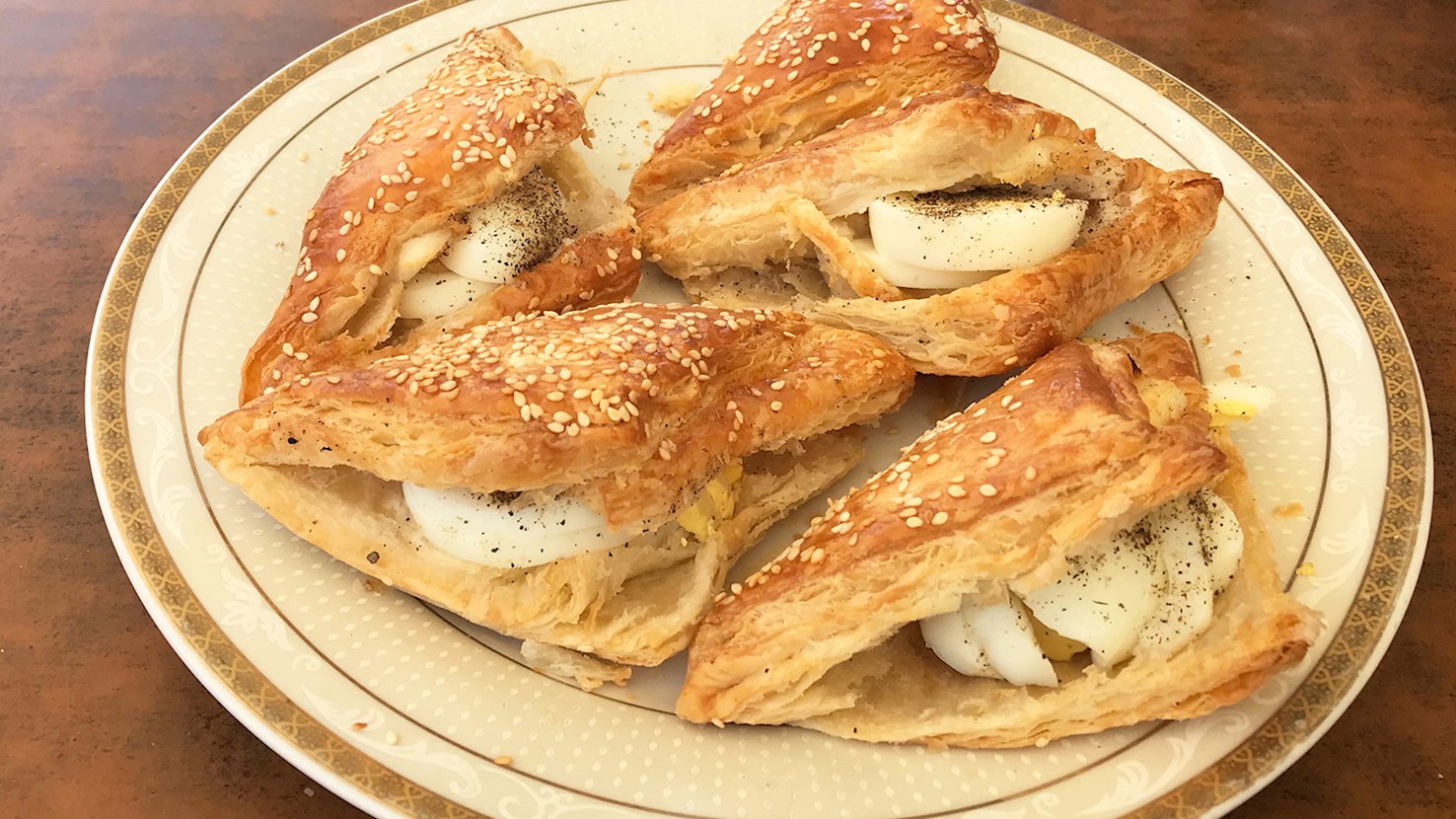
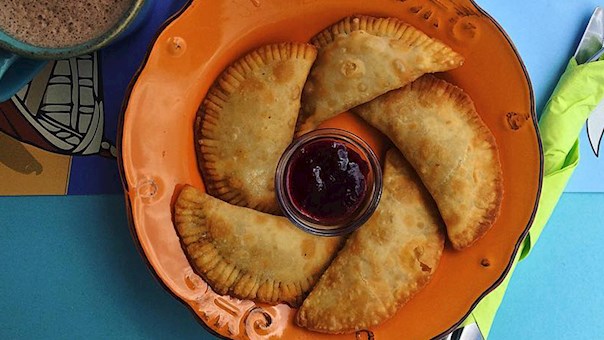
Bourekas are savory pastries popular throughout Israel and other parts of the Middle East, made from thin layers of dough filled with cheese, potatoes, spinach, mushrooms, or meat. They are typically prepared with phyllo or puff pastry, producing a crisp exterior and soft, flavorful filling. Bourekas are found in bakeries, markets, and cafés across Israel, where they are commonly eaten as breakfast, snacks, or light meals. Their name and form trace back to the Ottoman-era pastries known as börek, which spread across the Balkans, North Africa, and the Levant through Turkish influence. The pastry was introduced to Israel primarily by Sephardic and Mizrahi Jewish immigrants from Turkey, the Balkans, and North Africa during the 20th century. Each community brought variations reflecting local ingredients and culinary customs. In Ladino-speaking communities, they were called bourekas, a name derived from the Turkish börek. Over time, these pastries were adapted to Israeli tastes, often made with neutral fillings like cheese or potato and standardized shapes that indicated their contents: triangular for cheese, square for potato, and rectangular for spinach. In Israeli bakeries, bourekas became a familiar and accessible street food, appreciated for their portability and long shelf life. To prepare bourekas, dough is rolled thin or purchased pre-made as phyllo or puff pastry. The filling is typically made by combining ingredients such as mashed potatoes, feta or white cheese, sautéed mushrooms, or spinach seasoned with salt, pepper, and herbs. A small amount of filling is placed on a square or triangle of dough, which is then folded, sealed, and brushed with beaten egg. The pastries are sprinkled with sesame or nigella seeds before baking until golden brown and flaky. Some versions include an egg wash mixed with a touch of yogurt or milk for extra color and sheen. The texture depends on the dough used: phyllo-based bourekas are crisp and layered, while puff pastry versions are lighter and airier. Bourekas are typically served warm or at room temperature, often accompanied by hard-boiled eggs, pickles, and fresh vegetables. In Israeli cafés and convenience stores, they are sold as quick meals, sometimes with a cup of thick yogurt or a glass of ayran-style drink on the side. They also appear in family meals, picnics, and gatherings, reflecting their versatility and ease of preparation. They are eaten throughout the day, from breakfast to late-night snacks. The most common pairings include Turkish coffee, mint tea, or cold soft drinks. In bakeries, bourekas are often displayed alongside other pastries like sambusak and rugelach, forming part of Israel’s broader hybrid baking culture that blends European and Middle Eastern influences.
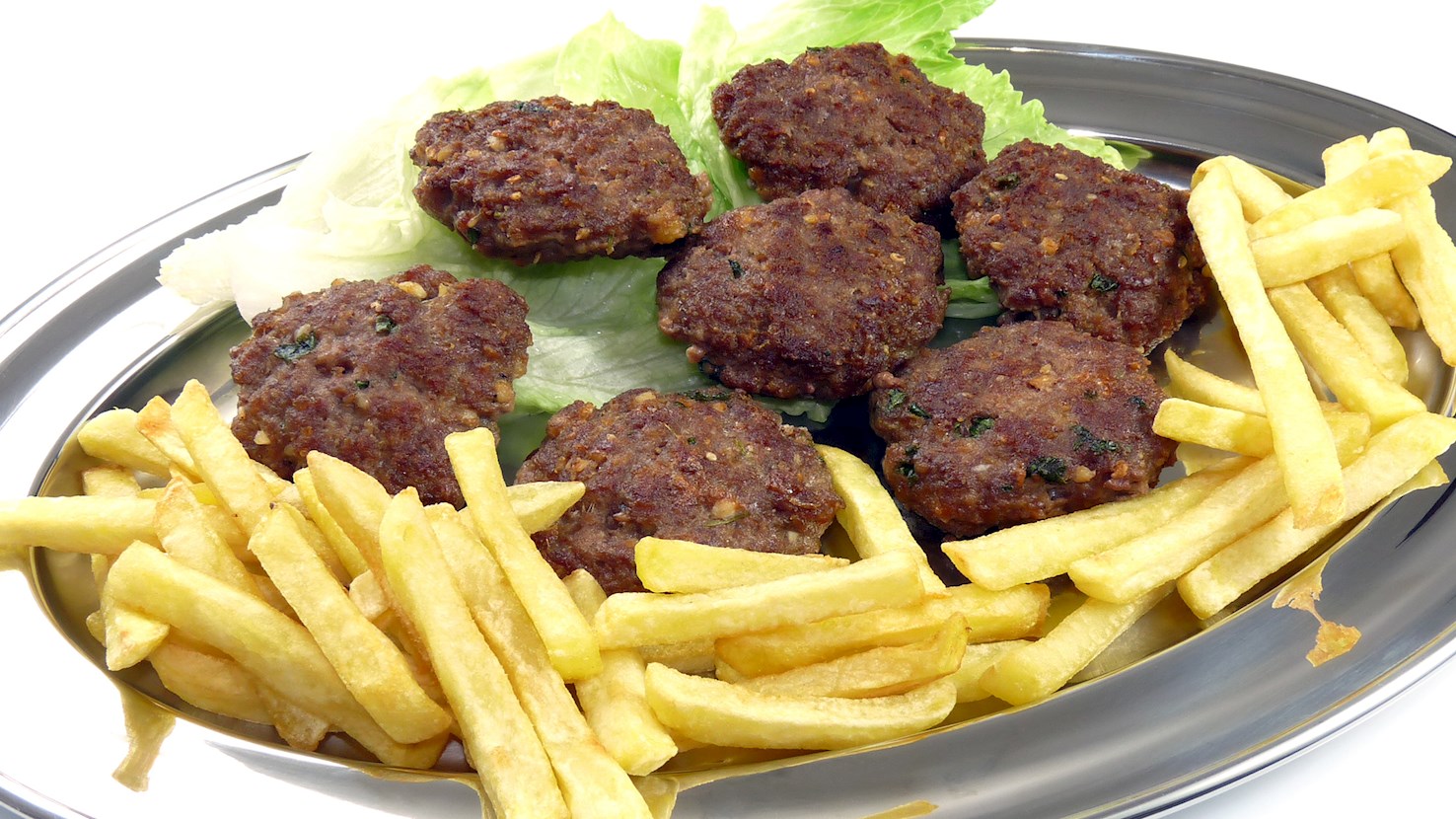
These delectable fried meatballs are prepared in both Albania and Kosovo either as a main dish or an appetizer. The origin of qofte fërguara can be ascribed to Turkish and Middle Eastern influence on the region, evident in both the ingredients and the method of preparation. The mixture for the meatballs is made by combining either minced lamb or beef, and sometimes even chicken meat with feta cheese, garlic, onions, breadcrumbs, and mint leaves. The mixture is seasoned with salt, pepper, often oregano, and sometimes cinnamon. The resulting mass can be shaped into balls, patties, ovoids, or even sausages, which are fried and served warm with potato fries and rice pilaf, or roasted vegetables, accompanied by a yogurt-based dip.
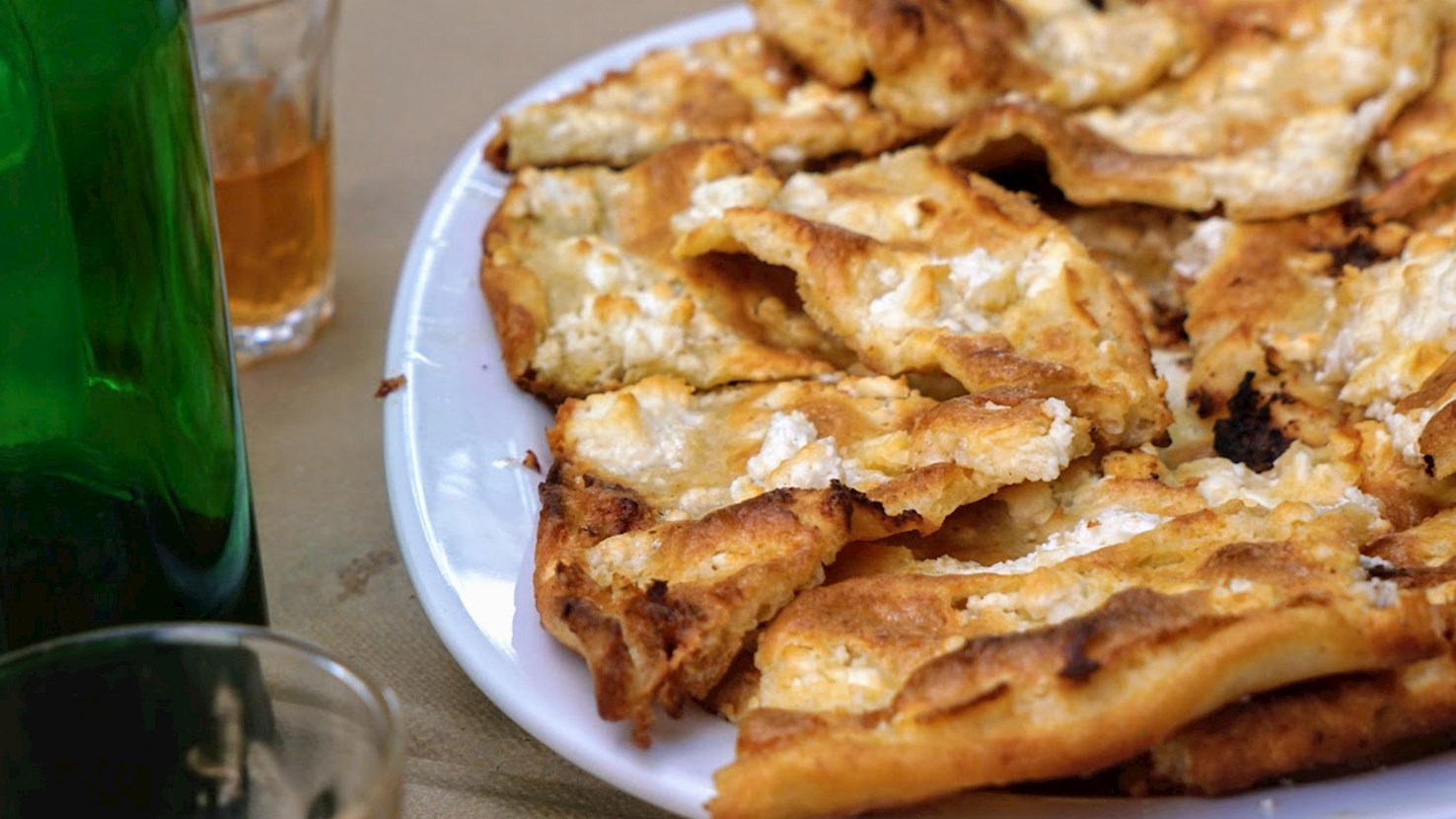
This crispy feta pie is a specialty of Epirus. It is one of the simplest Greek pies consisting of a thin batter that is sprinkled with feta cheese. Traditionally, it is never leavened, and the dough is usually prepared with wheat flour, milk or yogurt, and eggs. Optional additions sometimes include herbs, while less common versions add vegetables or replace feta with other types of cheese. The pie is baked in a large round or rectangular pans, and it is usually served drizzled with olive oil. It is enjoyed as a filling breakfast or a convenient snack.
TasteAtlas food rankings are based on the ratings of the TasteAtlas audience, with a series of mechanisms that recognize real users and that ignore bot,
nationalist or local patriotic ratings, and give additional value to the ratings of users that the system recognizes as knowledgeable.
For the “25 Best Rated Dishes with Feta” list until June 17, 2026, 1,000,987 ratings were recorded, of which 657,348 were recognized by the system as legitimate.
TasteAtlas Rankings should not be seen as the final global conclusion about food. Their purpose is to promote excellent local foods,
instill pride in traditional dishes, and arouse curiosity about dishes you haven’t tried.