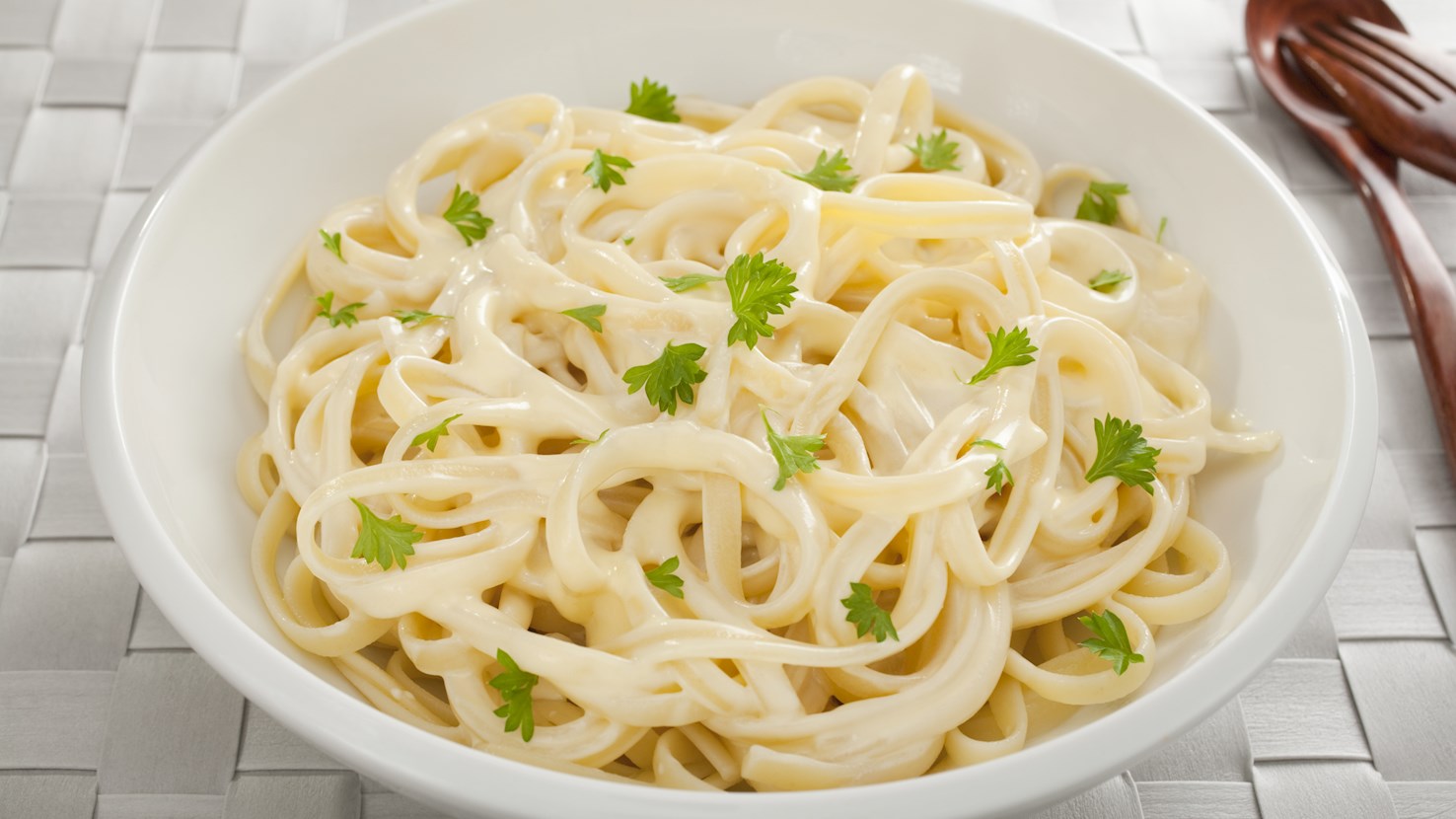
The dish that's known in the United States as fettuccine Alfredo is just an extra-buttery version of pasta al burro, an Italian classic made with fettuccine, butter, and Parmigiano-Reggiano cheese. The story of fettuccine Alfredo dates back to 1908 in Rome. Chef Alfredo Di Lelio first created this dish for his pregnant wife out of a desire to create something simple, yet tasty and nutritious, and he subsequently began serving it at his restaurant. He added more butter and cheese to the original recipe for pasta al doppio burro, and created a hearty triple butter sauce in the process. Legend has it that the American silent movie stars Mary Pickford and Douglas Fairbanks discovered this dish in the late 1920s during their honeymoon in Rome. They loved it so much that they started serving it to their friends upon returning to Hollywood. Soon afterward, fettuccine Alfredo was on its way to becoming an Italian-American classic, and it is incomparably more popular in the United States than in its homeland - it's served in Rome, but usually to tourists, while most Italians don't accept the dish as their own. The American version known as fettuccine Alfredo is usually much richer and heavier than its Italian counterpart (fettuccine al burro).
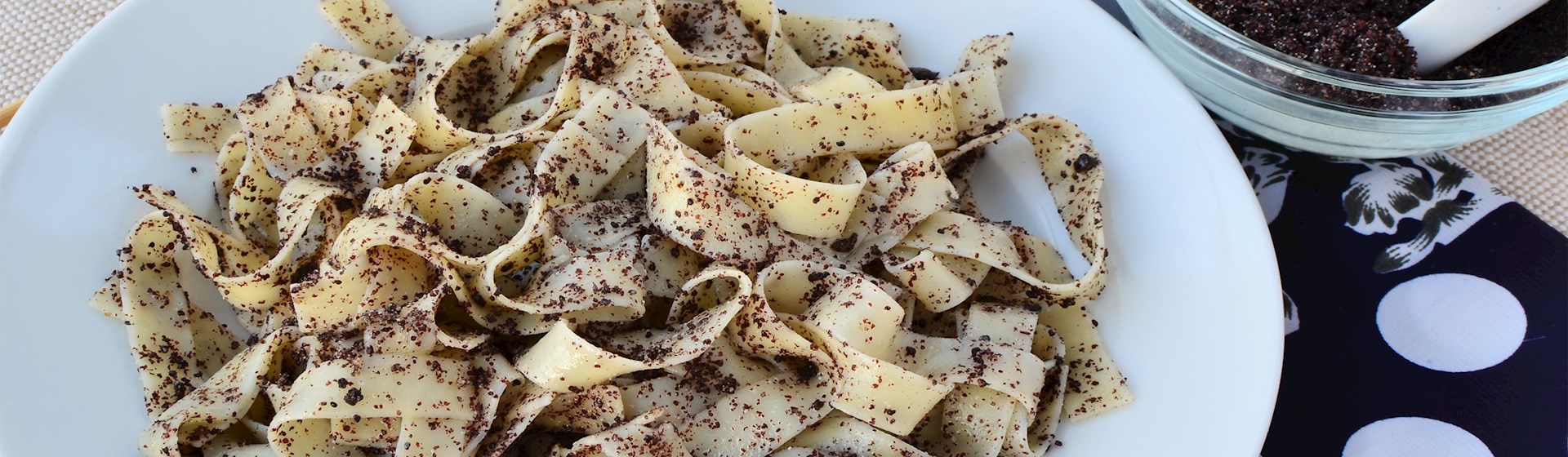
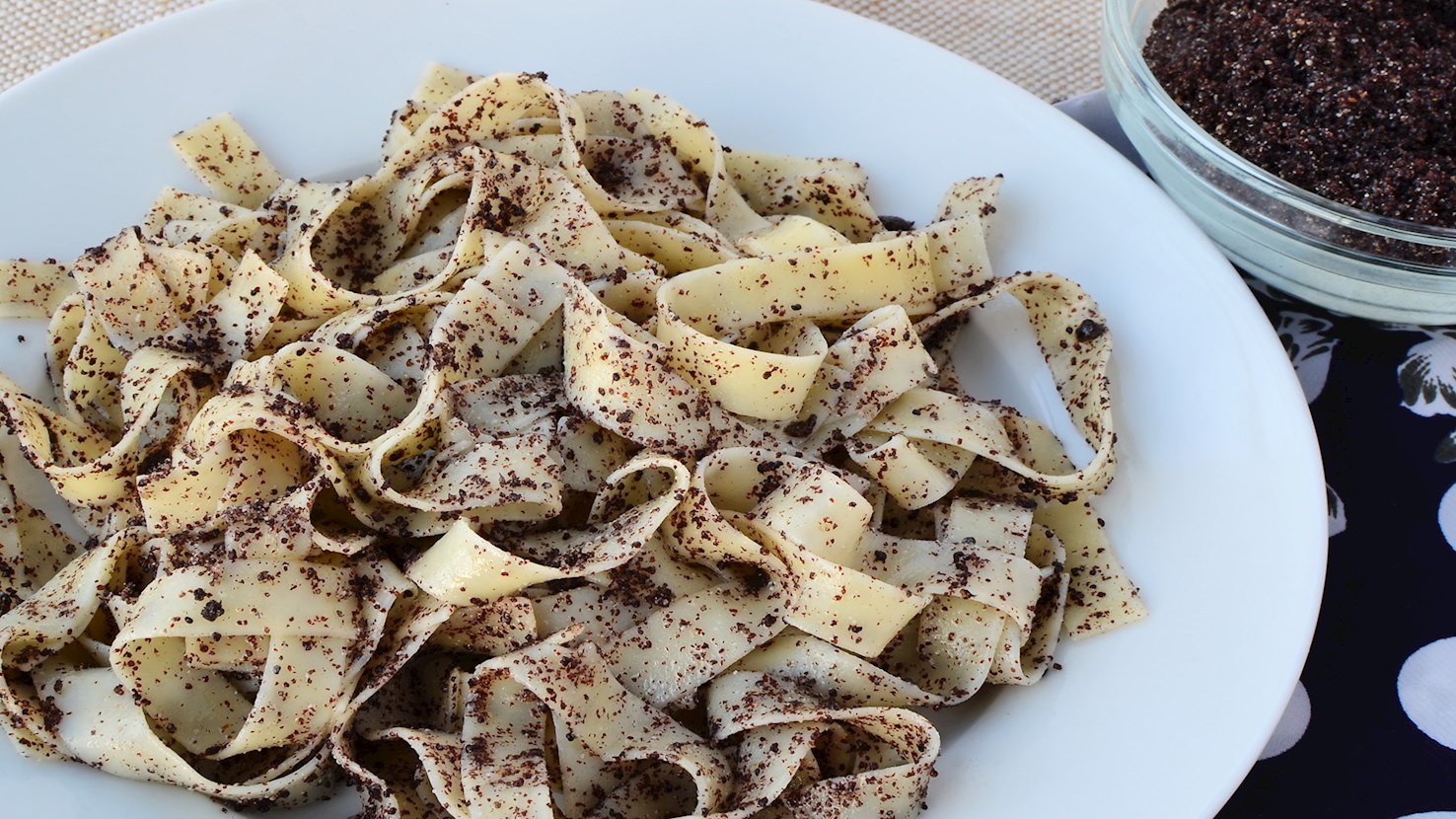
The simple and nutritious nudle s mákem is a dish consisting of wide, thin wheat pasta that is doused in copious amounts of melted butter, and then dusted with poppy seeds and sugar. Once considered a rich and luscious meal, today it represents a frugal, but a beloved dish that is enjoyed as a sweet main course or a filling dessert. Even though it is usually associated with the Czech Republic, the exact origin of the dish is still unknown, while similar varieties are found in many Central and Eastern European countries under various names. In Austria, a similar dish is known as mohnnudeln, prepared with thick and short potato noodles, while the Serbian version from Vojvodina is called rezanci s makom.
Fettuccine con la ricotta is a traditional pasta dish originating from Umbria. The dish is made with a combination of fettuccine pasta, fresh ricotta, olive oil, heavy cream, grated Parmigiano-Reggiano, salt, and pepper. In order to prepare it, the ricotta is mixed with heavy cream, salt, pepper, olive oil, and some grated Parmigiano-Reggiano, and the creamy combination is then tossed with cooked fettuccine. Before it's served on hot plates, the dish is usually topped with grated cheese.
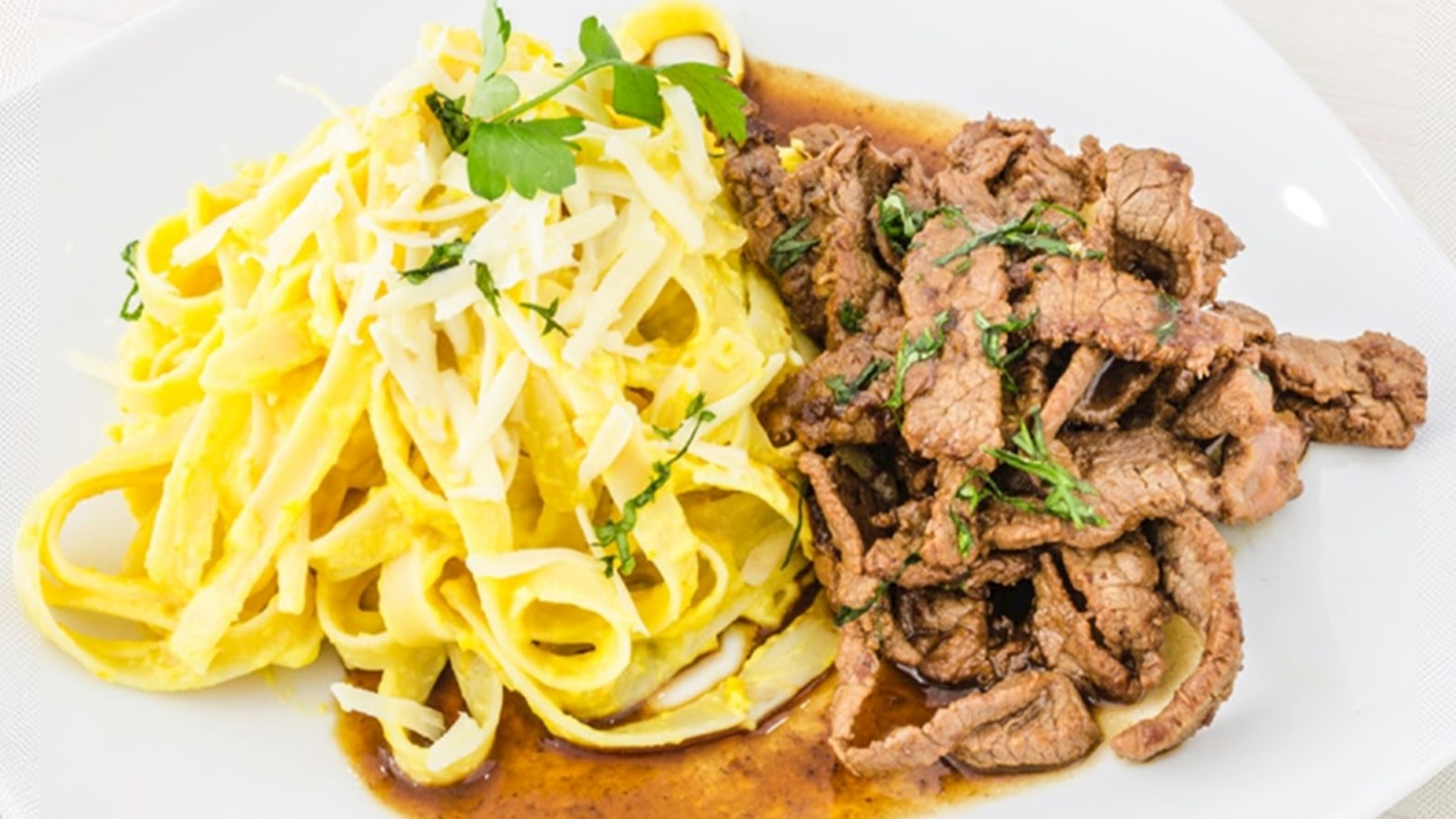
Fettuccine a la huancaína is a delicious Peruvian fusion dish that combines the creamy and spicy salsa a la Huancaína, a traditional Peruvian sauce, with Italian-style fettuccine pasta. The dish is a creative blend of Italian culinary influence in Peru with one of the country's most famous sauces. The pasta component is usually fettuccine, a flat, thick noodle made from egg and flour, which pairs well with creamy sauces. The pasta is cooked al dente and serves as the base of the dish. The signature feature of this dish is the huancaína sauce, which originates from the city of Huancayo in the Peruvian highlands. It is typically made from aji amarillo (a yellow chili pepper native to Peru), queso fresco (fresh white cheese), evaporated milk, garlic, and, sometimes, saltines or bread to thicken the sauce. The result is a creamy, slightly spicy, and flavorful sauce with a distinctive yellow color. The first step in the preparation is to cook the pasta and drain it. Meanwhile, the huancaína sauce is made by blending aji amarillo, cheese, garlic, and evaporated milk until smooth and creamy. The sauce is then gently heated and poured over the cooked fettuccine, combining the creaminess of the sauce with the richness of the pasta. The dish is nowadays often served either with a piece of lomito al jugo (beef in a juice, stewed and stir-fried with onion and tomato) or lomo saltado (stir-fried marinated slices of sirloin or beef tenderloin, onions, yellow Peruvian chilis, and tomatoes).
Fettuccine Nassau is a pasta dish originating from Nassau, the Bahamas. The dish is usually made with a combination of fettuccine pasta, shrimp, lobster or crawfish, garlic, olive oil, fish stock, basil, parsley, and almonds. The garlic is sautéed in olive oil with the shrimp and lobster or crawfish. The fish stock, basil, and parsley are then added to the pot, and the combination is simmered for a short while before it's served over cooked pasta. As a final touch, the dish is garnished with parsley and almonds, if desired. It's recommended to serve fettuccine Nassau with a fresh green salad on the side and pair it with a glass of white wine.
Fettuccine alla papalina is a Roman pasta dish composed of egg-based pasta ribbons, prosciutto crudo, onions, butter, eggs, and Pecorino Romano or Parmesan cheese. It is native to Rome, specifically associated with the Vatican City and the surrounding Borgo district. The dish is characterized by a creamy, pale sauce that adheres to the wide surfaces of the fettuccine, resulting in a flavor profile that is richer and more delicate than the more common spaghetti alla carbonara. While it shares a structural logic with other Roman egg-and-cheese pastas, its use of butter and cured ham instead of pork jowl provides a distinct, less aggressive salinity. The emergence of the dish is attributed to the mid-1930s, specifically created to satisfy a request from Cardinal Eugenio Pacelli, who would later become Pope Pius XII. Pacelli requested a pasta dish that was more refined and lighter than the standard carbonara for a meal at a restaurant near the Vatican. The chef responded by substituting the heavy, smoky guanciale with delicate prosciutto crudo and replacing the sharp sheep's milk Pecorino with a gentler Parmigiano-Reggiano or a mild Pecorino blend. Additionally, the base of the sauce was shifted from rendered pork fat to butter and sautéed onions. By 2026, the recipe remains a staple of high-end Roman trattorias that cater to the clerical and diplomatic communities of the Prati and Borgo neighborhoods. Preparation begins with the sautéing of finely minced onions in a generous amount of butter until they are translucent and soft. Thinly sliced prosciutto crudo, often the "gambuccio" or the end-cut of the ham, is julienned and added to the pan just long enough to warm through without becoming crisp or overly salty. Fresh egg fettuccine is boiled in salted water until al dente and then transferred directly to the pan with the onion and ham mixture. A separate emulsion of beaten eggs and grated cheese is prepared and folded into the pasta away from direct heat, using the residual warmth of the noodles and a small amount of starchy pasta water to create a smooth, velvet-like coating. It is eaten primarily as a "primo piatto" or first course during lunch or dinner in Rome. The dish is frequently paired with dry, white wines from the Castelli Romani, such as Frascati Superiore, as the acidity and mineral notes of the wine cut through the richness of the egg yolk and butter. Regarding food pairings, it is served alongside saltimbocca alla Romana or sauteed artichokes (carciofi alla Romana), which align with the buttery and herbal flavors of the Roman kitchen.
Pasta burro e parmigiano is an Italian pasta dish made by coating freshly cooked pasta with butter and finely grated Parmigiano Reggiano. In Italy, pairing pasta with butter and cheese can be traced back to at least the fifteenth century, when Martino da Como, a northern Italian cook working in Rome, described a preparation known as Roman macaroni, in which pasta was boiled in broth or water and finished with butter, cheese, and mild spices. Today, it is rooted in home cooking and everyday meals, and has gained particular importance as a dish prepared for children or for recovery from an illness. Preparation begins with boiling pasta (usually fettuccine, spaghetti, or tagliatelle) in well-salted water, reserving a small amount of the starchy cooking liquid, then tossing the drained pasta off the heat with butter cut into pieces and gradually adding finely grated Parmigiano Reggiano, using the residual heat and pasta water to form a cohesive emulsion that coats each strand evenly. Common variations adjust the ratio of butter to cheese, incorporate a splash of pasta water to loosen, or add a minimal amount of black pepper, nutmeg, or lemon zest. A distinctive aspect of the dish is its reliance on temperature control and emulsification rather than added ingredients, where improper heat can cause separation and graininess, making technique more important than complexity. Pasta al burro e parmigiano is eaten immediately after preparation, served as a main or first course in small portions, commonly paired with simple vegetables or light proteins, and enjoyed at home rather than in restaurants.
TasteAtlas food rankings are based on the ratings of the TasteAtlas audience, with a series of mechanisms that recognize real users and that ignore bot,
nationalist or local patriotic ratings, and give additional value to the ratings of users that the system recognizes as knowledgeable.
For the “7 Best Rated Dishes with Fettuccine” list until May 22, 2026, 989,159 ratings were recorded, of which 646,967 were recognized by the system as legitimate.
TasteAtlas Rankings should not be seen as the final global conclusion about food. Their purpose is to promote excellent local foods,
instill pride in traditional dishes, and arouse curiosity about dishes you haven’t tried.