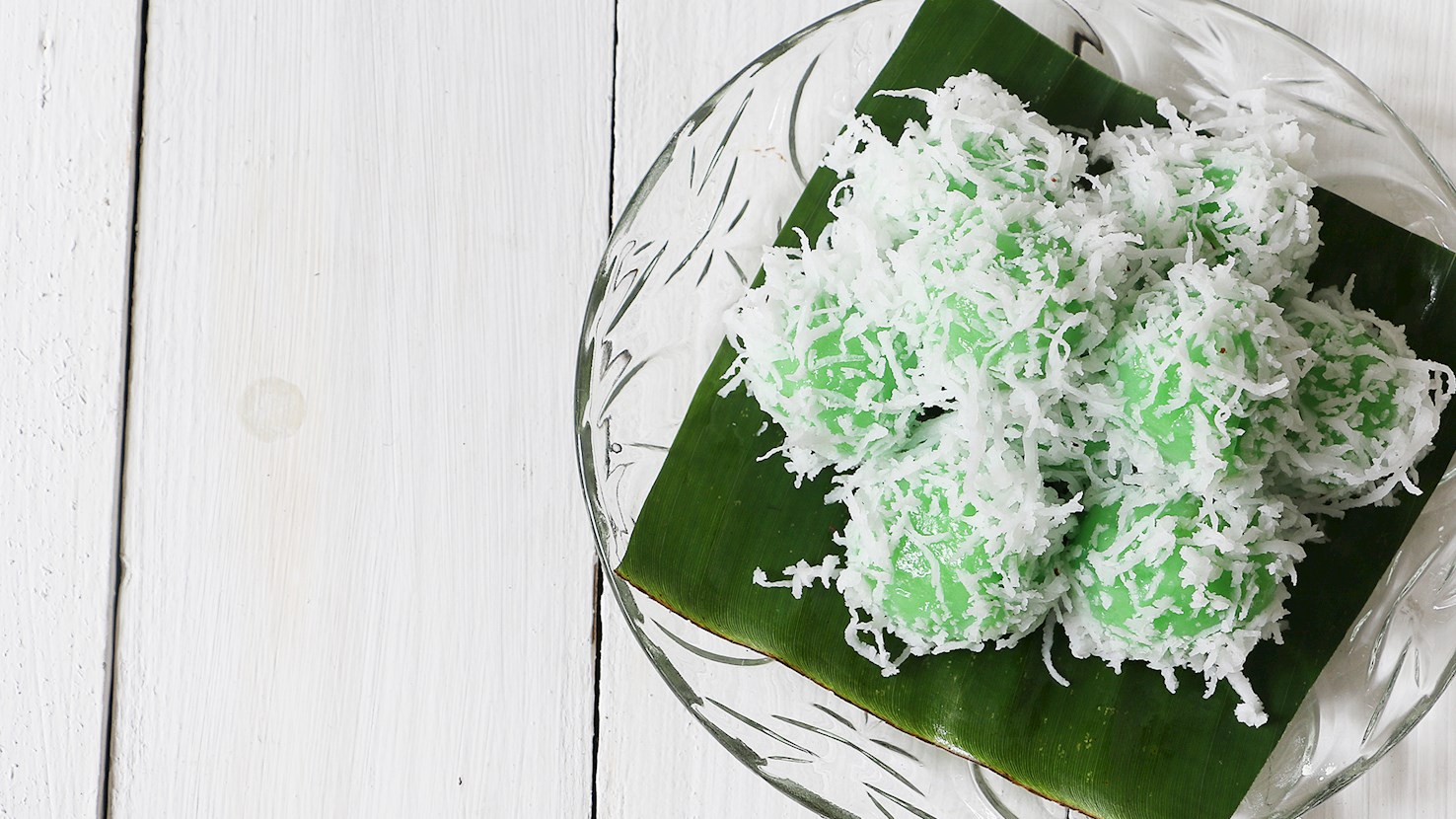
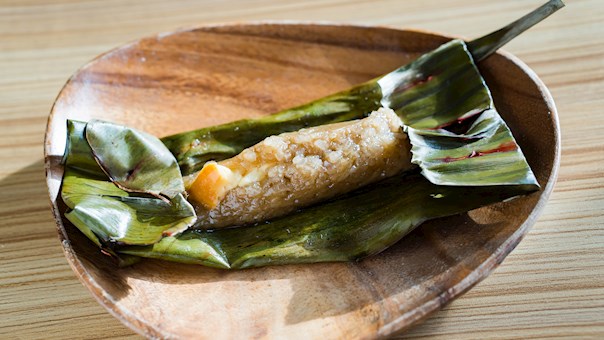
These Indonesian rice balls are prepared with glutinous rice flour shell that is wrapped around a palm sugar filling. The outer shell is usually colored green, traditionally with the help of pandan or dracaena leaves, while the whole cake is coated with desiccated coconut. The origin of klepon is typically associated with Java, while the same treat is better known as onde-onde or buah melaka in some parts of Sulawesi, Sumatra, and Malaysia. It should be noted than on Java, the term onde-onde typically refers to Chinese jin deui rice balls. Klepon balls are traditionally served in banana leaves, and when freshly prepared, the filling is liquid and should be consumed with care.
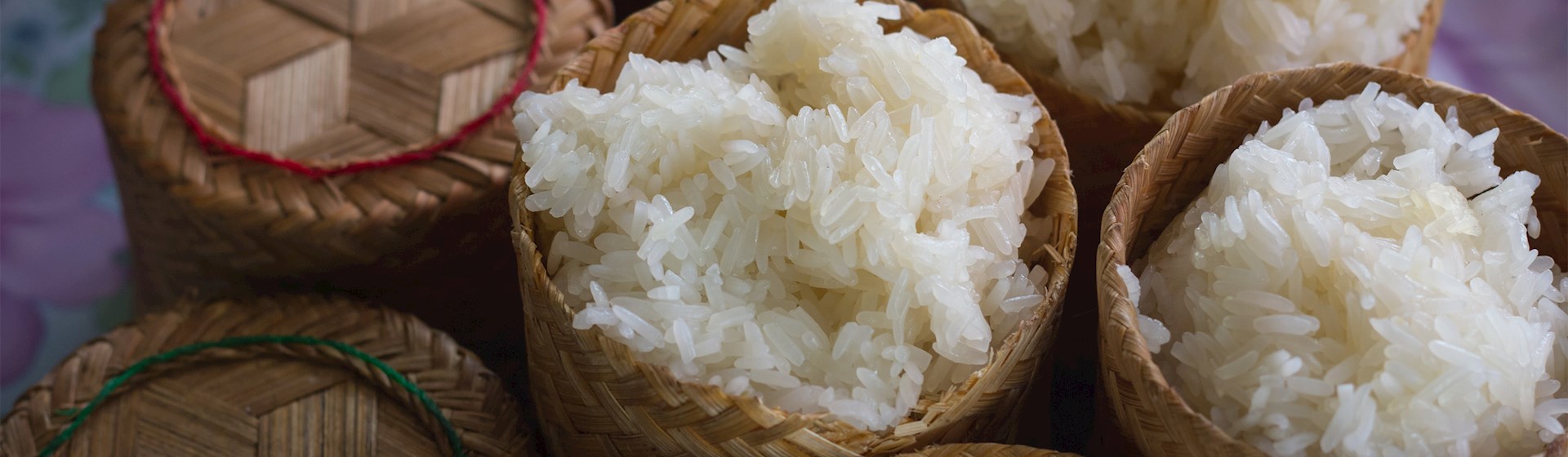
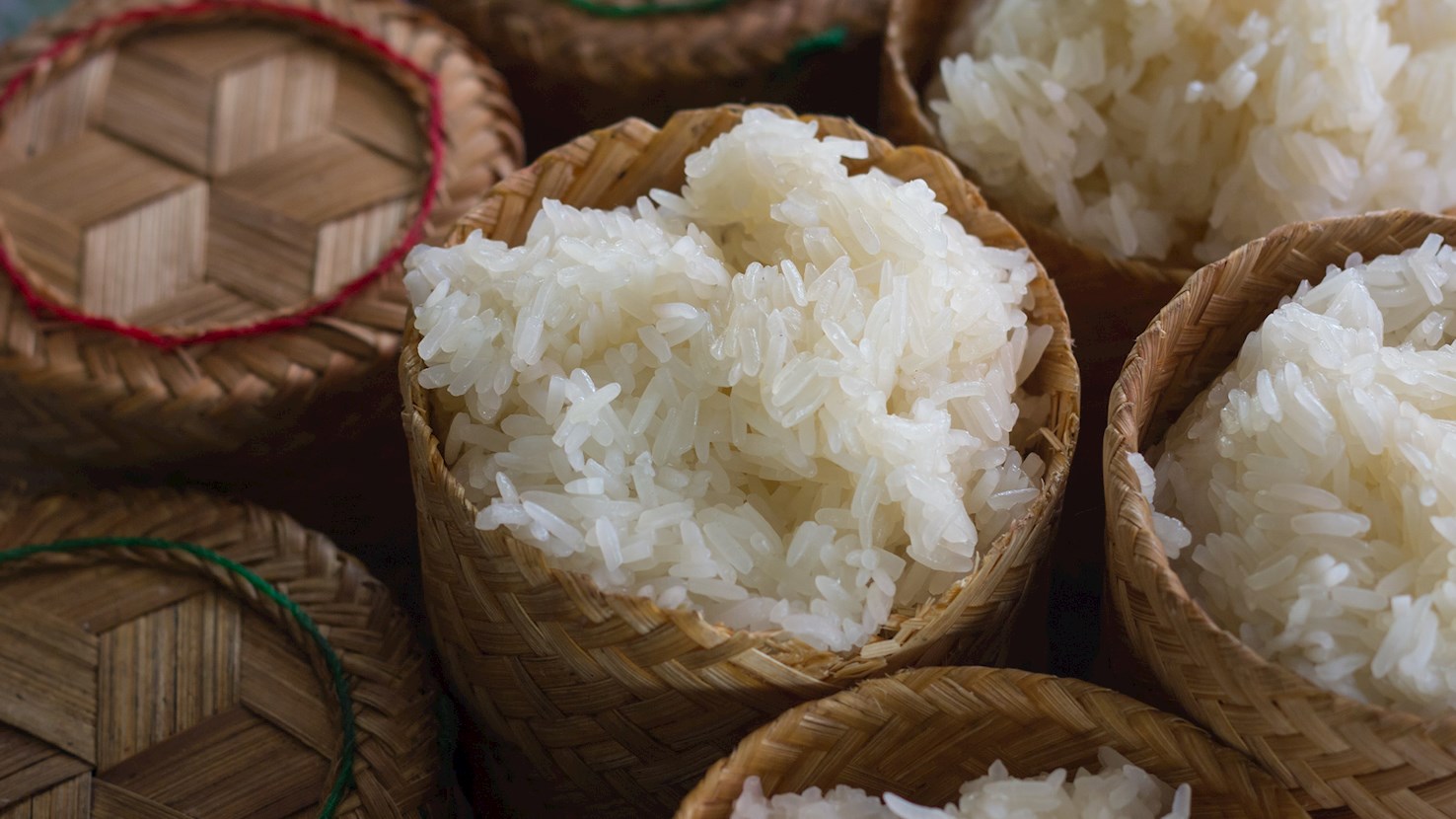
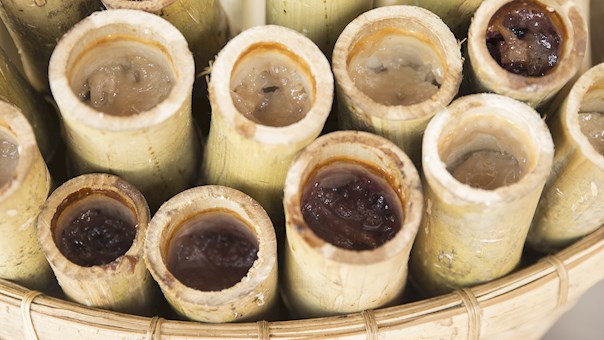
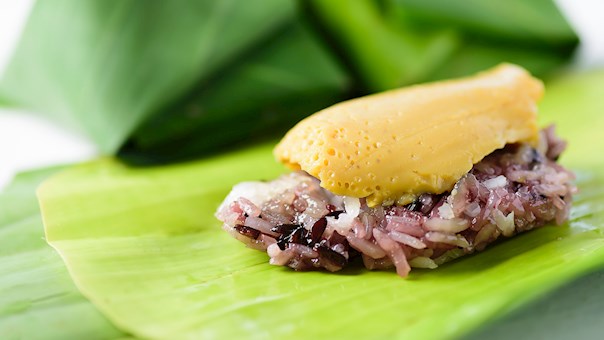
Khao niao, also known as glutinous rice or sticky rice, is a steamed, short-grain staple food originating from Laos and the Isan region of northeastern Thailand, where it serves as the primary dietary carbohydrate. Archaeological evidence indicates that agricultural societies in the Mekong River basin domesticates and cultivated glutinous rice varieties over four thousand years ago, favoring them due to their high caloric yield and adaptability to rain-fed upland terracing and riverbed farming. Preparation requires soaking the opaque, raw grains in cold water for four to eight hours to soften the outer endosperm, draining the water, and placing the soaked rice into a cone-shaped woven bamboo basket (huat) set over a pot of boiling water (maw neung) to cook purely by steam for twenty to thirty minutes without direct contact with liquid water. Following steaming, the hot rice is turned out onto a flat wooden tray or mat and kneaded briefly with a paddle to release excess steam, preventing condensation from making the grains soggy, before being transferred into small, tightly woven bamboo containers (kratip) that retain warmth and moisture. Khao niao is eaten at domestic meal tables, street vendor stalls, and communal agricultural field lunches across Laos and northern and northeastern Thailand. Diners eat the rice by reaching directly into the bamboo container with their right hand, pinching off a small portion, rolling it into a compact ball between the fingertips, and using it as an edible utensil to scoop up minced meat salads like larb, spicy papaya salad (som tam), grilled chicken (kai yang), or chili dipping pastes (nam phrik), pairing the meal with cold lagers, Thai iced tea, or fresh sugarcane juice.
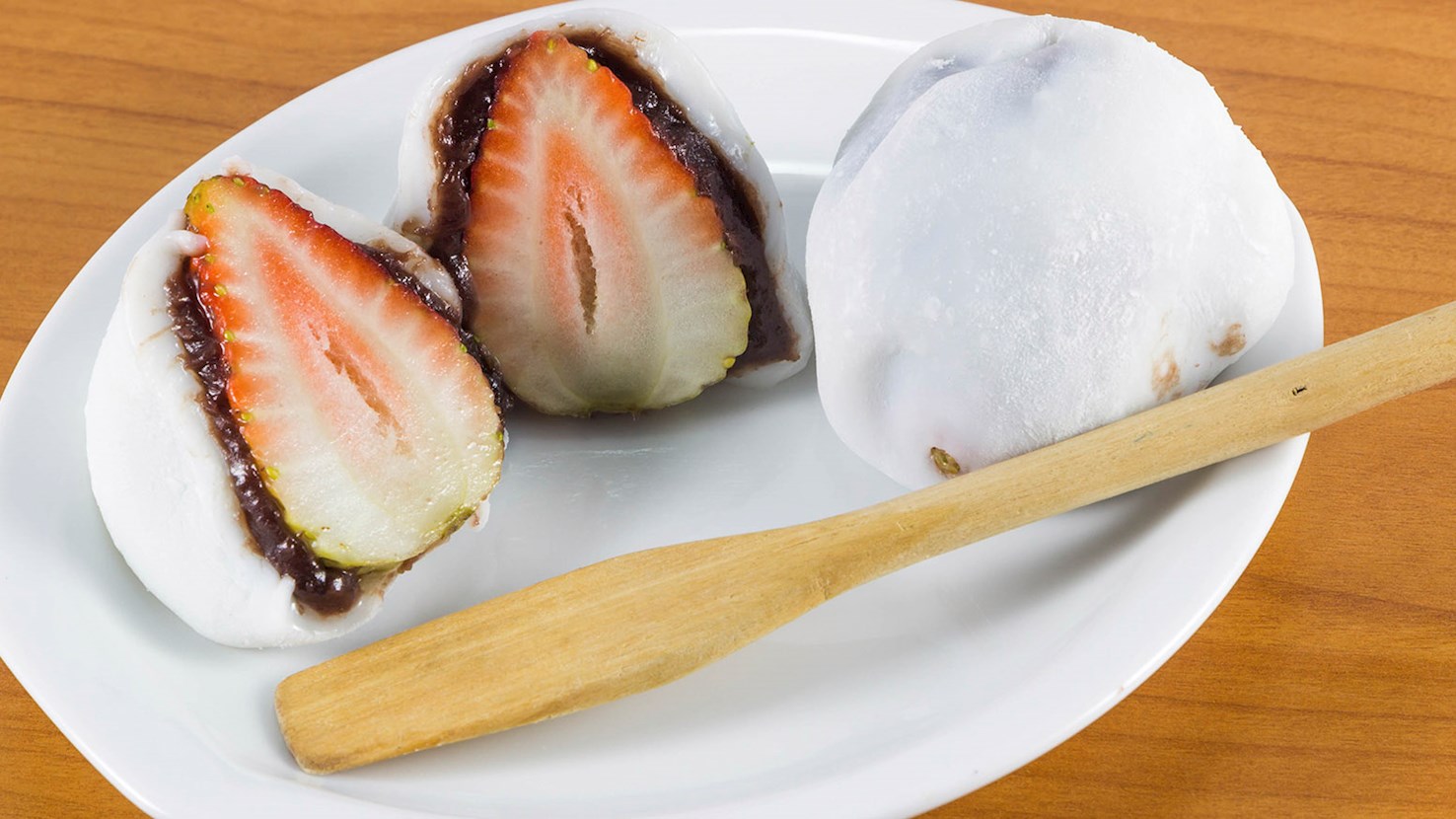
Ichigo daifuku is one of the most interesting versions of the traditional Japanese daifuku sweets. All daifuku varieties consist of a chewy mochi shell, made with pounded glutinous rice and various fillings which are hidden inside the shell. Ichigo stands out as one of the unique types since it uses whole strawberries as fillings. In the most traditional type, the strawberry is first wrapped in a thin layer of sweet red bean paste, referred to as anko in Japanese, and then in a layer of soft white mochi. Modern variations occasionally switch anko with white bean paste, and the mochi shell is sometimes colored pale red to signify the color of the strawberry. Ichigo daifuku is a seasonal confectionery, usually consumed in the spring when strawberries are in season. When cut, this sweet treat showcases a beautiful and visually appealing combination of red berries, dark anko paste, and a pale white layer of mochi. Although it is a staple dessert in Japan, ichigo daifuku first appeared in the 1980s. Many famous confectionery shops claim that they created the first ichigo, but the real history is unknown. Just like other daifuku varieties, ichigo is always enjoyed freshly prepared.
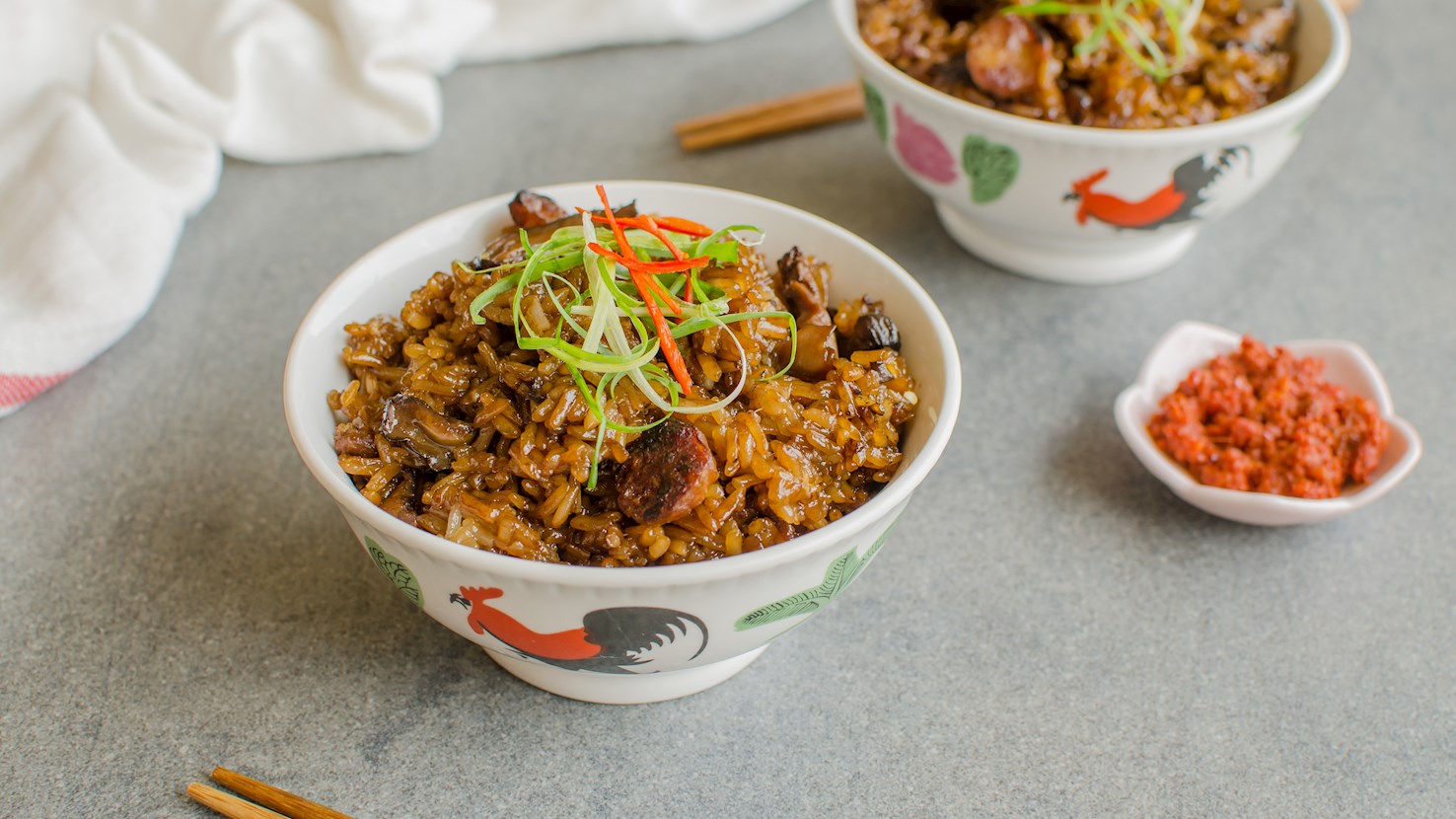
Lo mai fan is a traditional rice dish originating from China. It’s often served as a part of dim sum meals. Chinese sticky rice, as it’s also known, is made with a combination of glutinous rice, shiitake mushrooms, shrimps, soy sauce, Chinese sausage, scallions, salt, pepper, sugar, and sesame oil. The ingredients are usually stir-fried in a large wok until the rice becomes translucent, soft, and slightly chewy. Once prepared, lo mai fan is garnished with chopped scallions, then served hot or at room temperature. If desired, the dish can be enriched with peanuts and eggs.
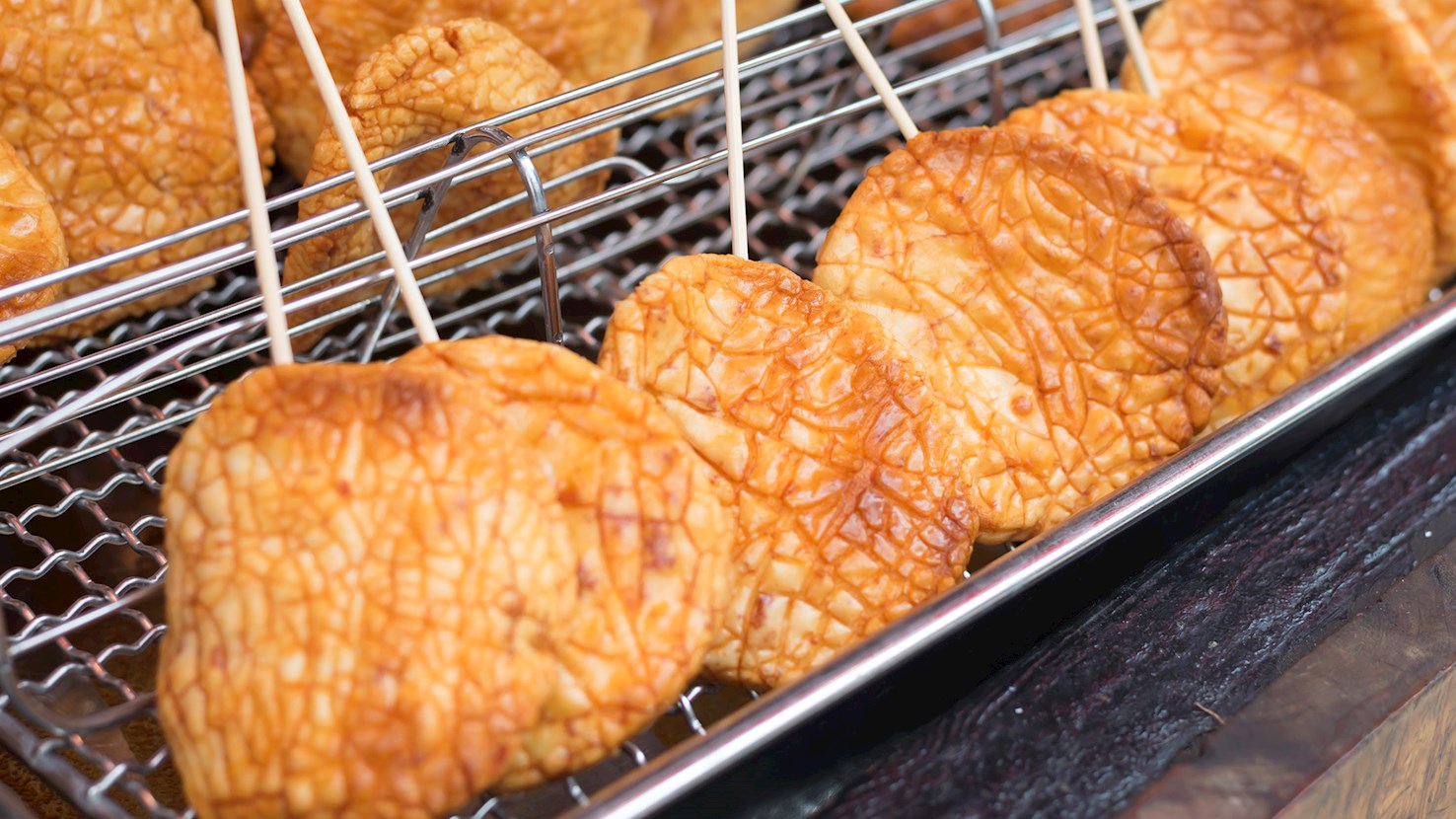
Senbei are crispy rice crackers from Japan, coming in a wide variety of colors, shapes, and flavors. It is believed that the crackers originated during the Tang Dynasty in 737 AD, when they were made with potatoes, glutinous rice, or wheat flour. Soy sauce-flavored senbei was the first one to be popularized, but later, other varieties of senbei were invented. Traditional types of senbei include sweet senbei and rice candy senbei (savory). Rice-based senbei can be either baked or fried. Baked senbei includes salted senbei, soy sauce senbei, chili pepper senbei, and sarame senbei, characterized by a coating of granulated sugar. Fried senbei are most often flavored with a combination of soy sauce and sugar. Today, senbei are traditionally served alongside green tea and consumed as a snack.
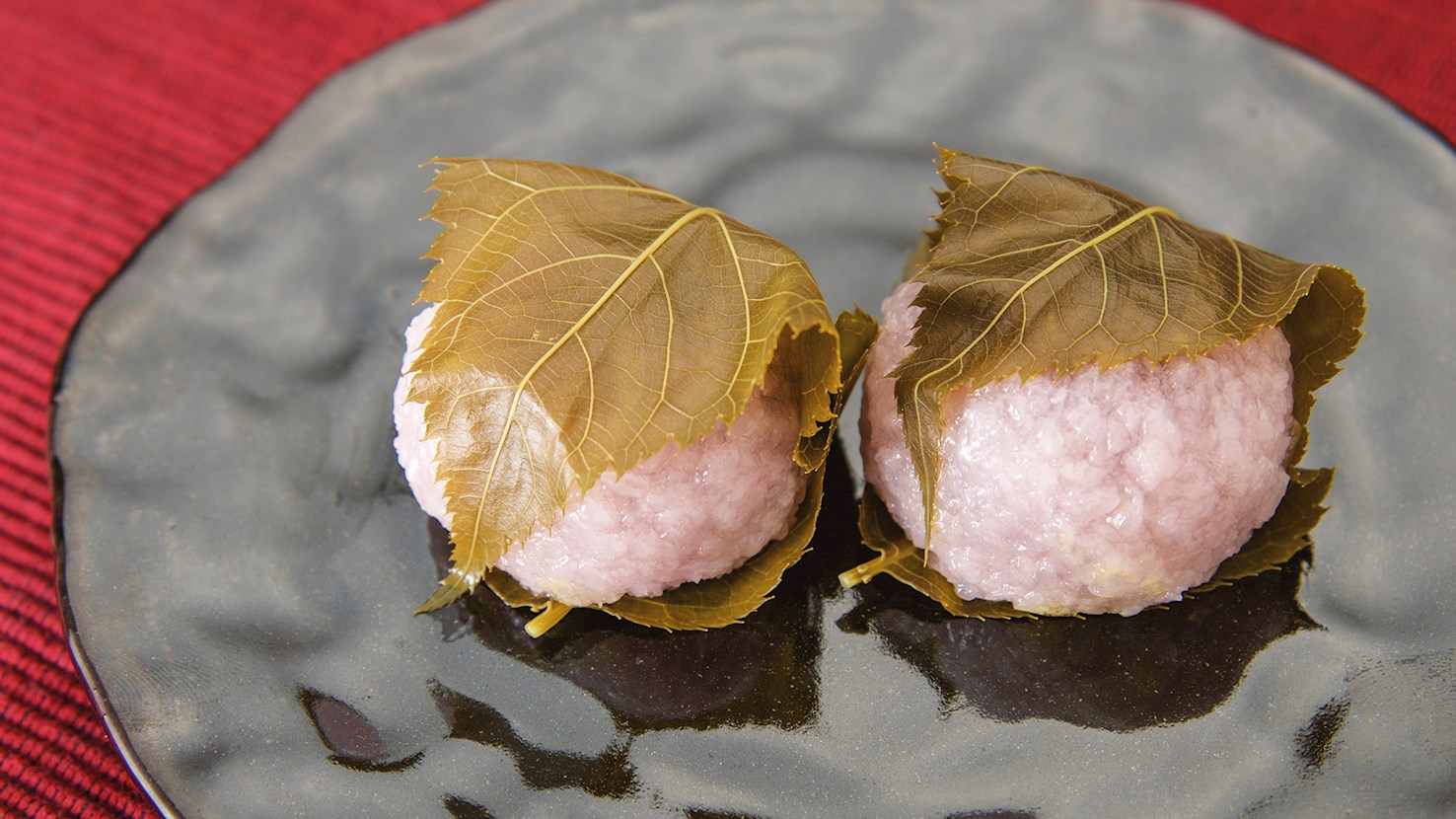
Sakuramochi is a traditional dessert that is made to depict sakura (cherry blossom), so the rice cake is usually pink in color. Most of the times, sakuramochi contains red bean paste and it is covered with a salty cherry blossom leaf, which some people consume together with the rice cake, and some don't. Although the sweet treat is sold throughout the year, it can be found most easily in spring, when cherry blossoms are in season. It is believed that sakuramochi was invented in 1717 in Edo by a guard named Yamamoto Shinroku, using the leaves from the trees along the Sumida River. He started to sell his new treats; people loved them, and that is how sakuramochi was born. Today, there are two versions of sakuramochi, the domyouji mochi from Kansai, consisting of steamed rice filled with anko and wrapped with a leaf, and the chomeiji mochi from Kanto, made with a pink crepe instead of rice.
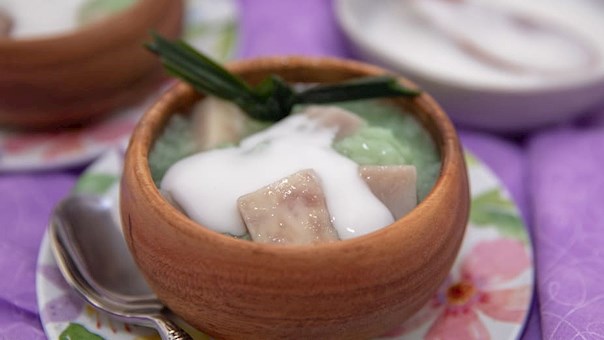
Chè ba màu is a colorful Vietnamese dish that belongs to the category of desserts, drinks, puddings, porridges, and soups regarding its consistency. It might include sticky rice, tapioca pearls, lotus seeds, sweet beans, water chestnuts, or agar jelly. Regardless of the wide variety of ingredients used in chè, they are almost always drenched in coconut milk and additionally garnished with bananas, crushed peanuts, or other toppings. The dish is served either hot or cold, although it is especially popular as a chilly treat on hot summer days. It is believed that the Cantonese dessert soup called tong sui is chè ba màu's predecessor. The dish is sometimes referred to as three-layered dessert or rainbow dessert due to its three distinct layers: yellow (mung beans), red (azuki beans), and green (agar jelly with pandan extract). There are also some other varieties of chè such as chè bap, chè ba ba, and chè dau den, but chè ba màu still holds the number one spot in terms of popularity.
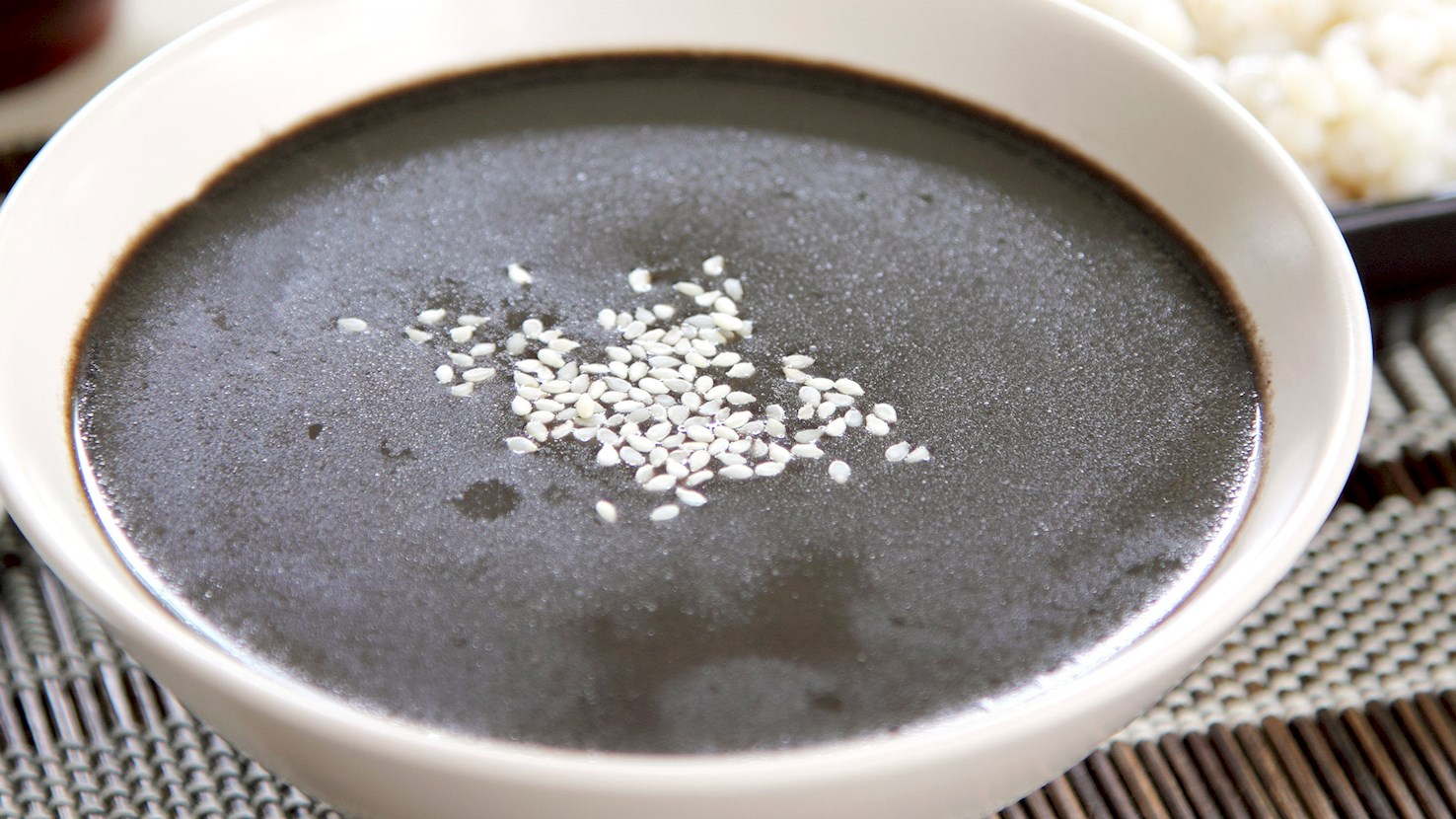
The smooth, velvety zhi ma hu or black sesame soup is a variety of Chinese tong sui (lit. sugar water), a dessert soup commonly enjoyed for breakfast, after meals, or served for teatime accompanied by dim sum, the traditional Cantonese bite-sized tea snacks. Particularly popular in southern China and Hong Kong, this dessert boasts numerous health benefits, thanks to the extremely nutrient black sesame seeds which are rich in vitamin B, magnesium, calcium, manganese, and iron. Zhi ma hu is known to improve digestion, kidney function, prevent gallstones, and reduce blood fat. The Chinese also believe that it helps to darken and strengthen hair. A simple but elegant dessert, black sesame soup is not only pleasing to the eye, but an amazingly fragrant mélange of earthy and nutty flavors with a distinctive peppery finish.
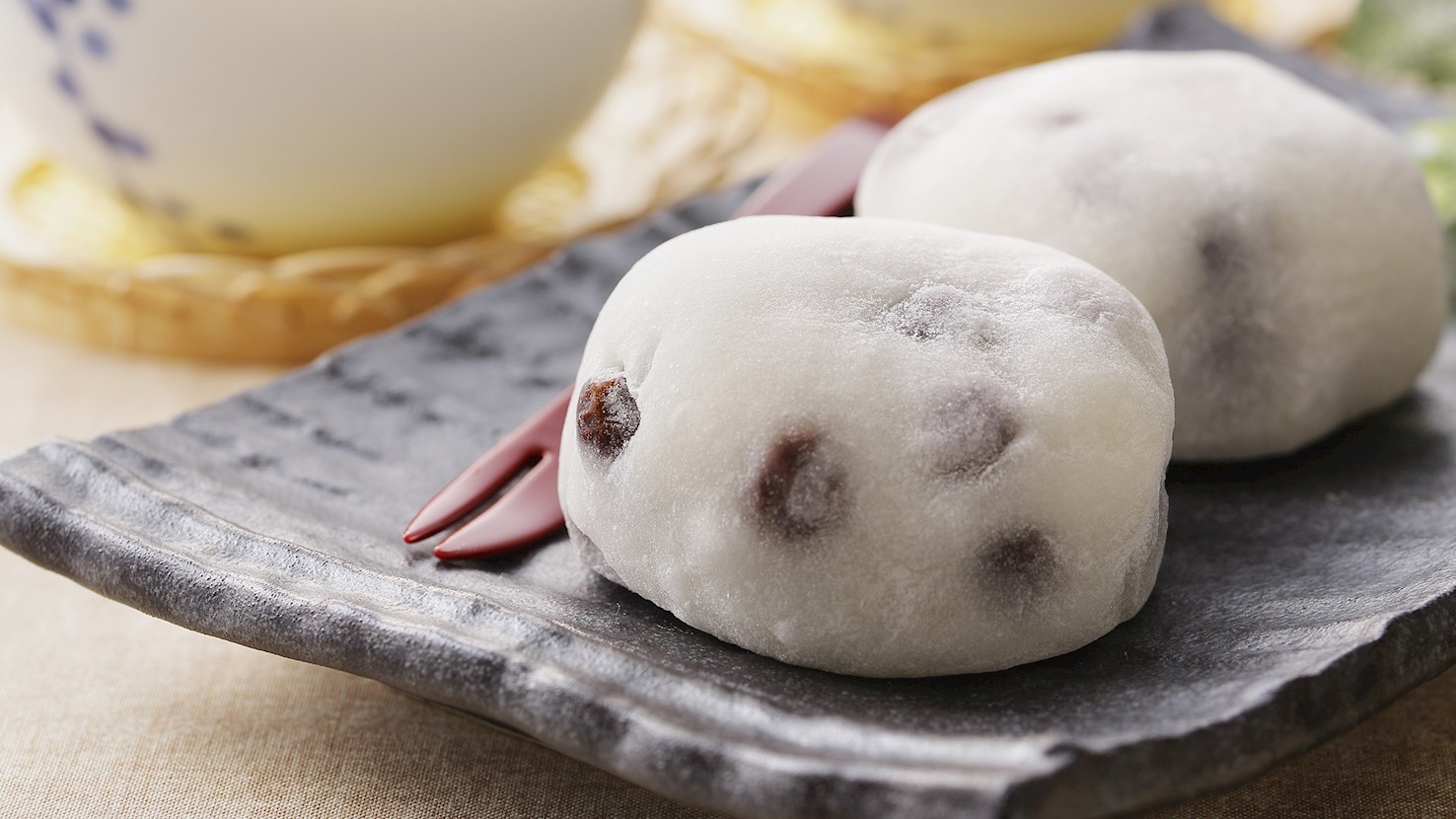
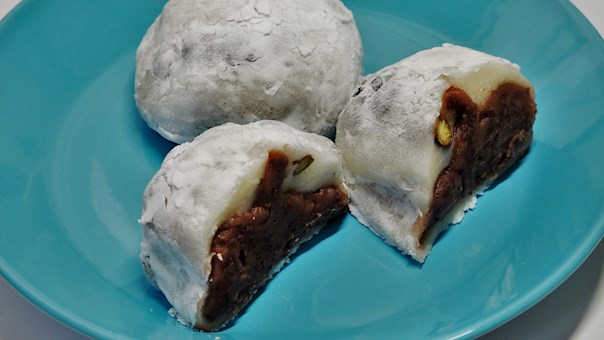
Mame daifuku is a beloved Japanese sweet dating back to the Edo period. The sweet consists of a rice cake filled with anko, soybeans, or azuki beans. Mame daifuku is commonly served at Japanese tea ceremonies, although it can also be served alongside coffee. Many believe that it is a morning snack and should be consumed on the same day that it was produced.
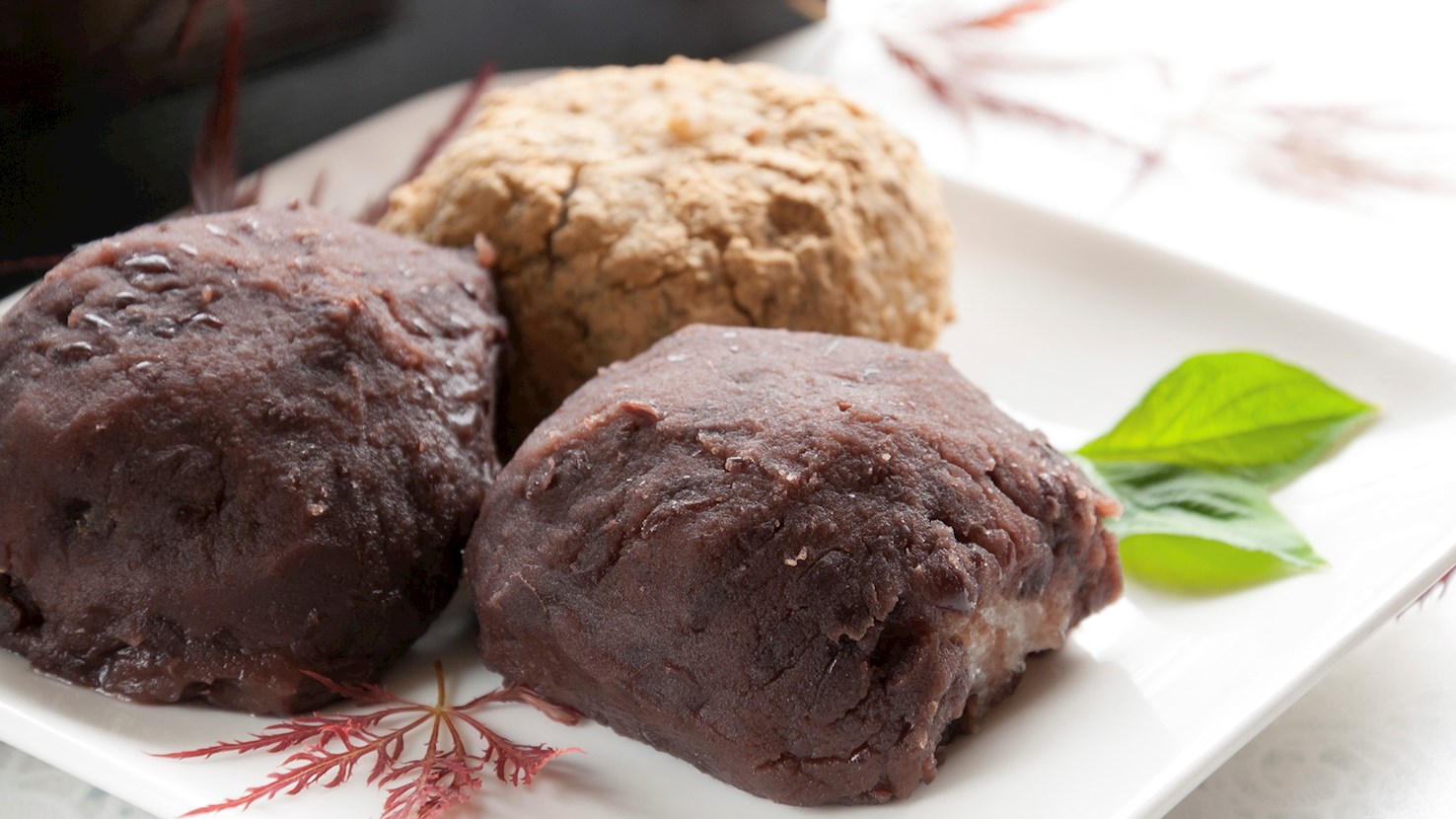
Botamochi or ohagi is a sweet Japanese confection consisting of glutinous rice stuffed inside a ball of azuki bean paste. The name of this treat consists of two words: bota, which is derived from botan, meaning tree peony, and mochi, meaning sticky, pounded rice. The shape of botamochi is supposed to resemble a tree peony flower. Although botamochi and ohagi are the same, botamochi is served in spring, while ohagi is served in autumn, and is supposed to resemble hagi, also known as bush clover flower. These sweets are especially popular around spring and autumn equinox, when numerous Japanese people visit ancestral graves and make offerings such as flowers, incense, botamochi, and ohagi. There are some variations on the sweets, so they can also be coated with black sesame or toasted soy bean powder, depending on personal preferences.
TasteAtlas food rankings are based on the ratings of the TasteAtlas audience, with a series of mechanisms that recognize real users and that ignore bot,
nationalist or local patriotic ratings, and give additional value to the ratings of users that the system recognizes as knowledgeable.
For the “40 Best Rated Dishes with Glutinous Rice” list until August 17, 2026, 1,026,063 ratings were recorded, of which 678,656 were recognized by the system as legitimate.
TasteAtlas Rankings should not be seen as the final global conclusion about food. Their purpose is to promote excellent local foods,
instill pride in traditional dishes, and arouse curiosity about dishes you haven’t tried.







What People Say