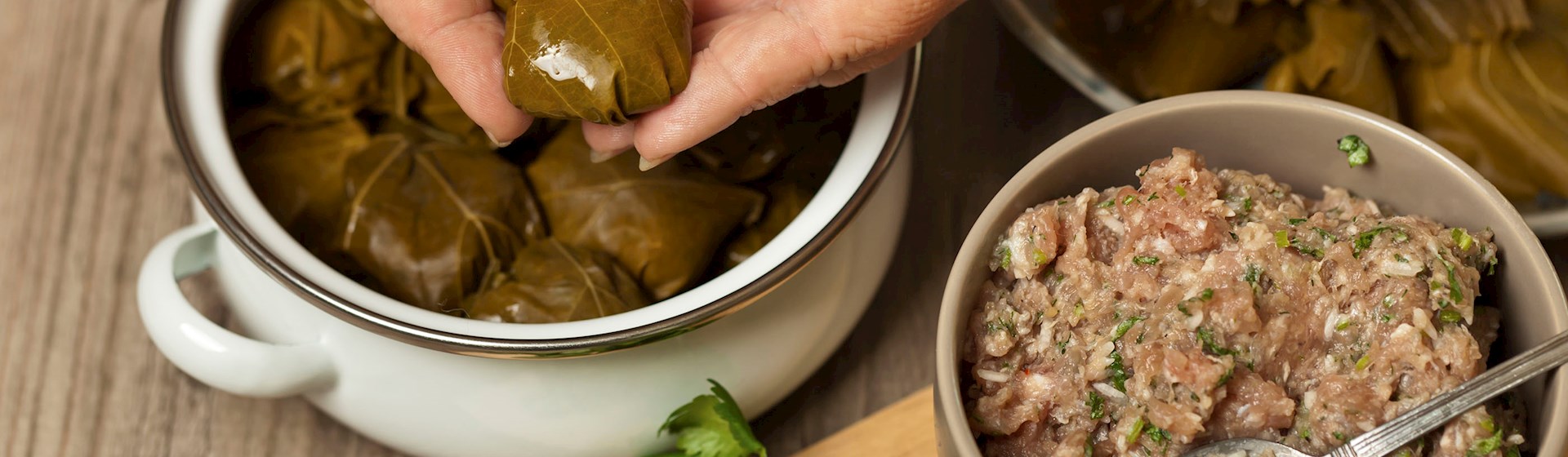
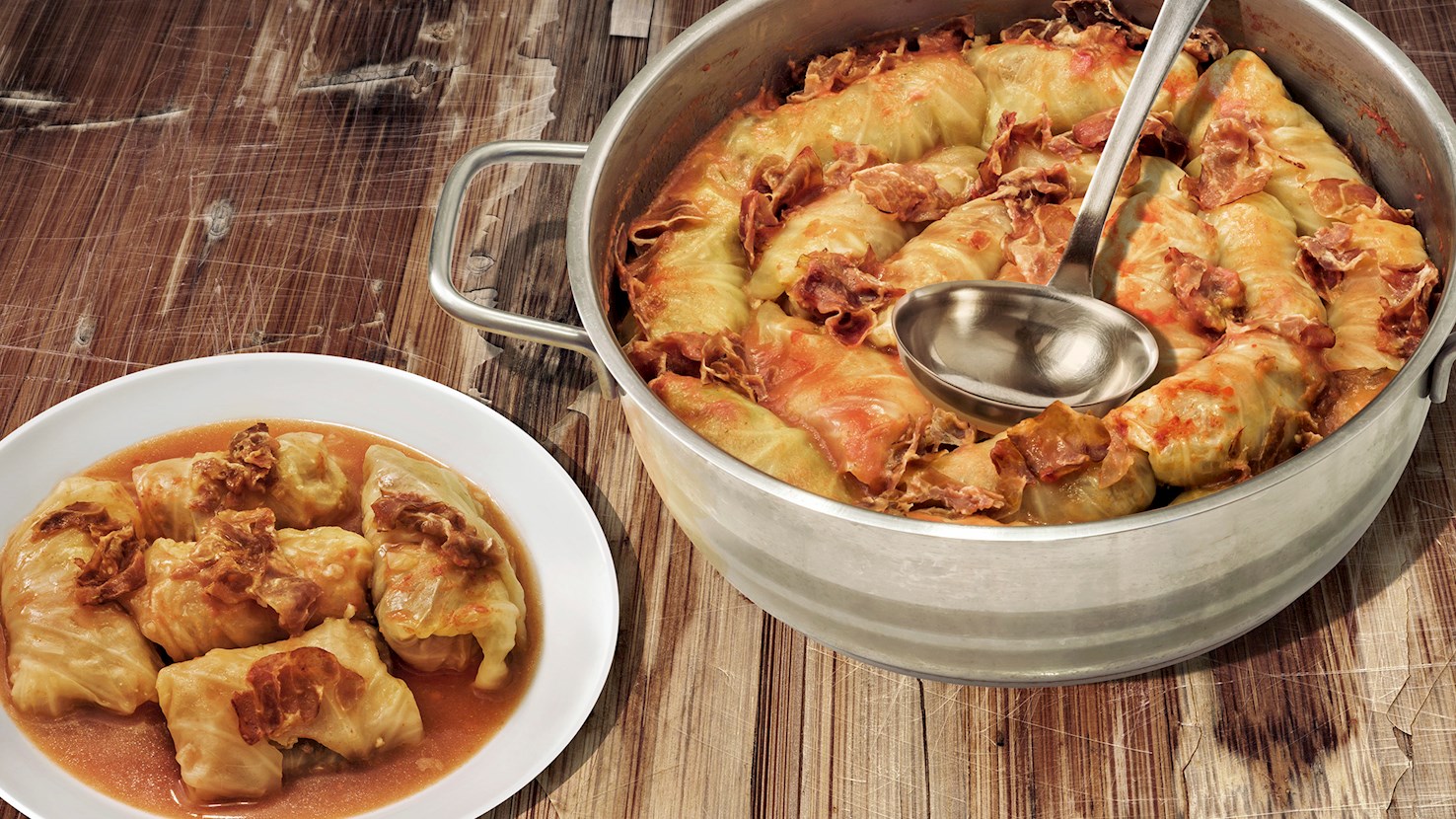
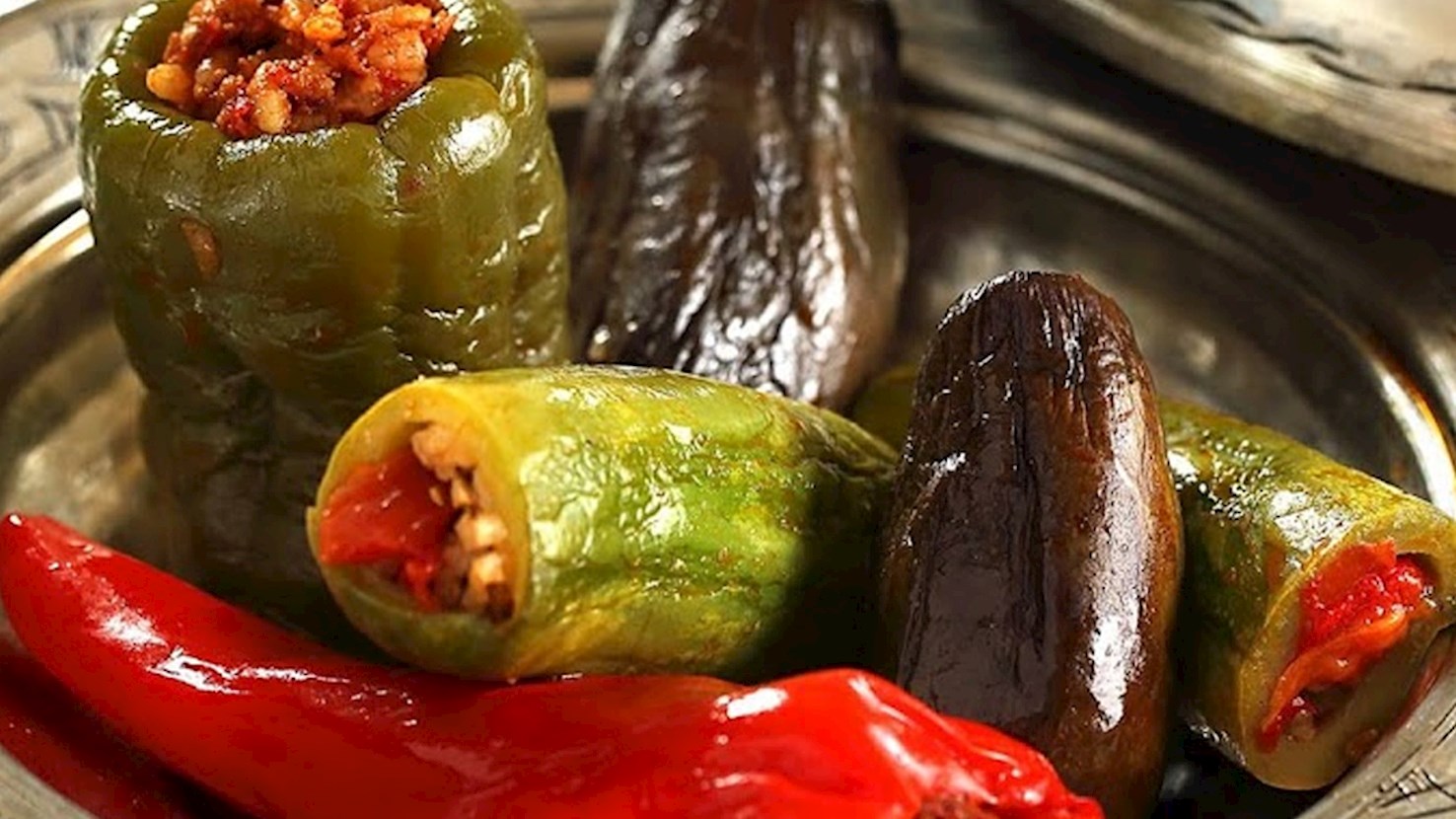
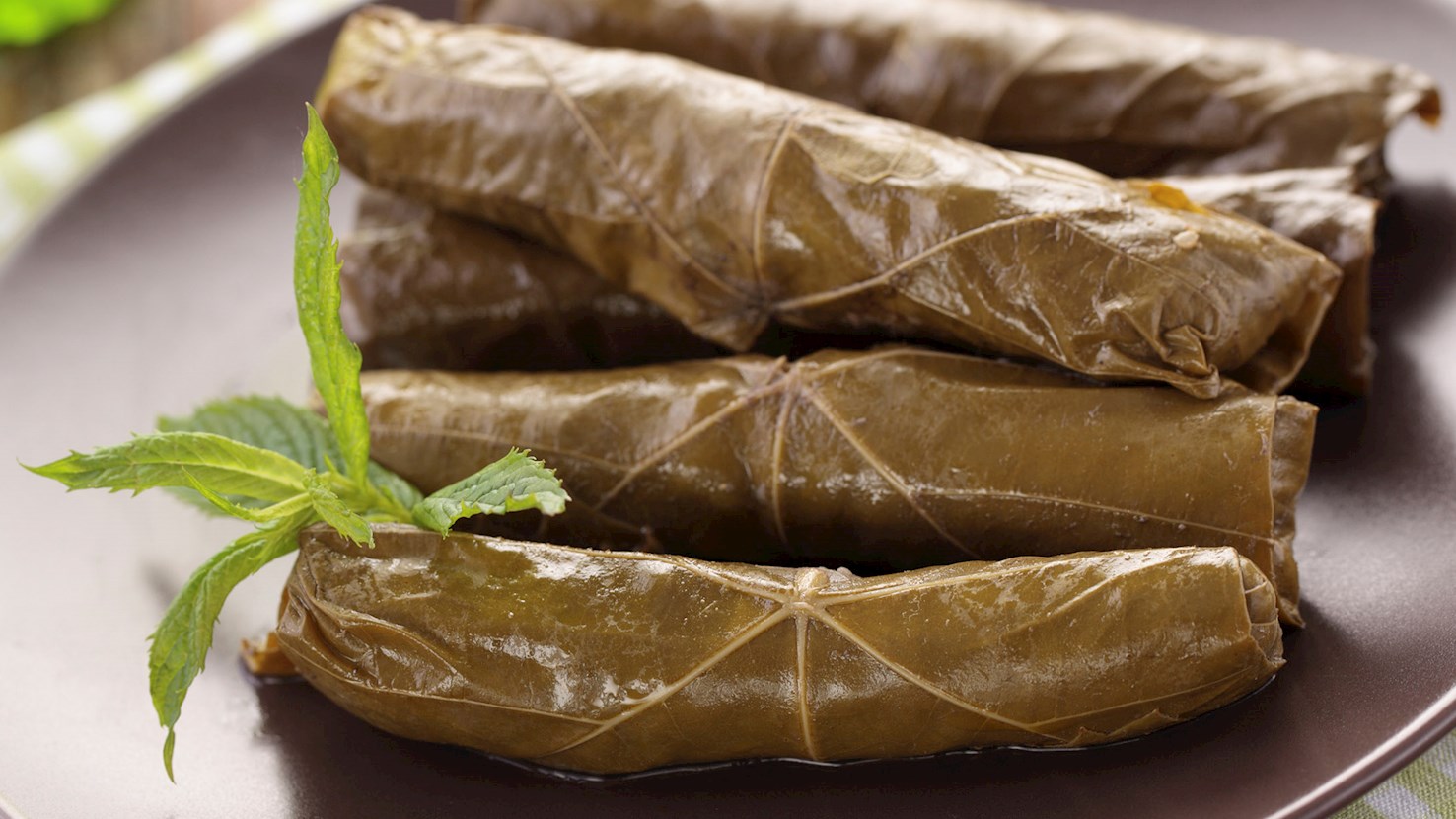
One of the staples of traditional Turkish cuisine, sarma consists of a filling that is snugly surrounded by leaves or leafy vegetables. There are numerous versions of this dish but the mixture typically combines ingredients such as minced meat, rice or bulgur, various herbs, seasonings, red pepper, paprika, ground sumac, or tomato sauce, while the typical wrapping usually includes vine, cabbage, or sauerkraut leaves, or a variety of leafy vegetables such as collard greens and swiss chard. Having its roots in the Ottoman Empire, sarma is also traditionally consumed in the Balkans, the countries of Central Europe, the South Caucasus, and the Middle East. Although it is commonly enjoyed as a filling lunch or dinner (typically during the winter season), sarma is often prepared on special occasions and holidays. The dish is usually accompanied by plain yogurt, mashed potatoes, and crusty bread on the side.
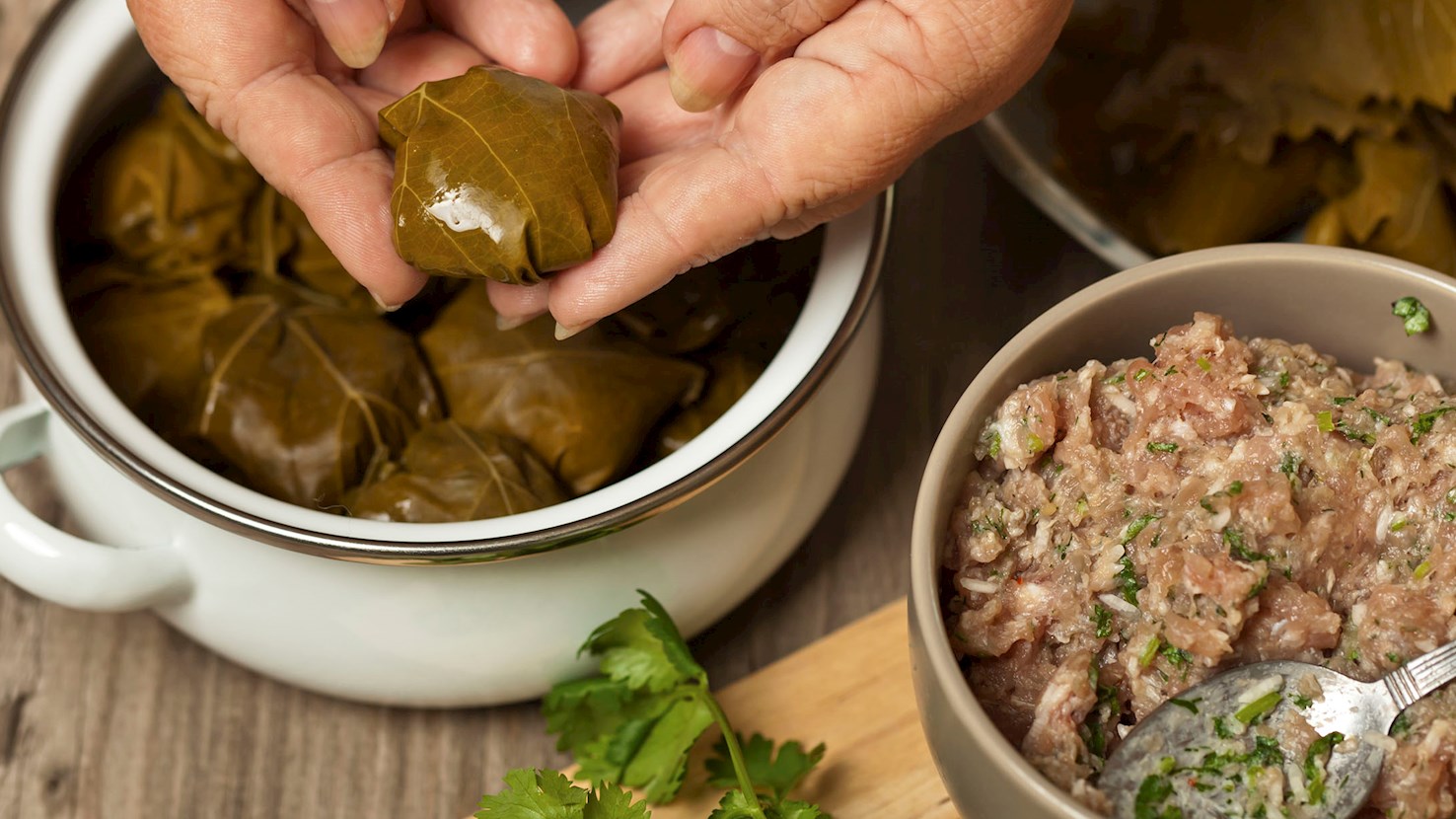
Azerbaijan's national dish is called yarpaq dolmasi, a savory meal consisting of vine leaves stuffed with chopped meat, onions, rice, salt, pepper, butter, and fresh herbs such as coriander, dill and mint. Dolma belongs to a family of stuffed dishes from the cuisines of the former Ottoman Empire and neighbouring regions such as Russia, Middle East, the Caucasus, and Central and South Asia. Locals claim that Azerbaijan has the best dolma in the world, and the reasoning behind it is that the grape vines originated in the mountainous valleys of their country. Yarpaq dolmasi is usually consumed in the afternoon or evening, for late lunch or dinner. It is an everyday dish, popular in equal measure at parties and weddings. Azerbaijani dolma differs from all the others because of its shape - it is small and round, unlike the elongated Turkish version. Enjoyed as a main course once or twice a week, yarpaq dolmasi is usually accompanied by a sauce based on yogurt and garlic, or clotted sour milk.
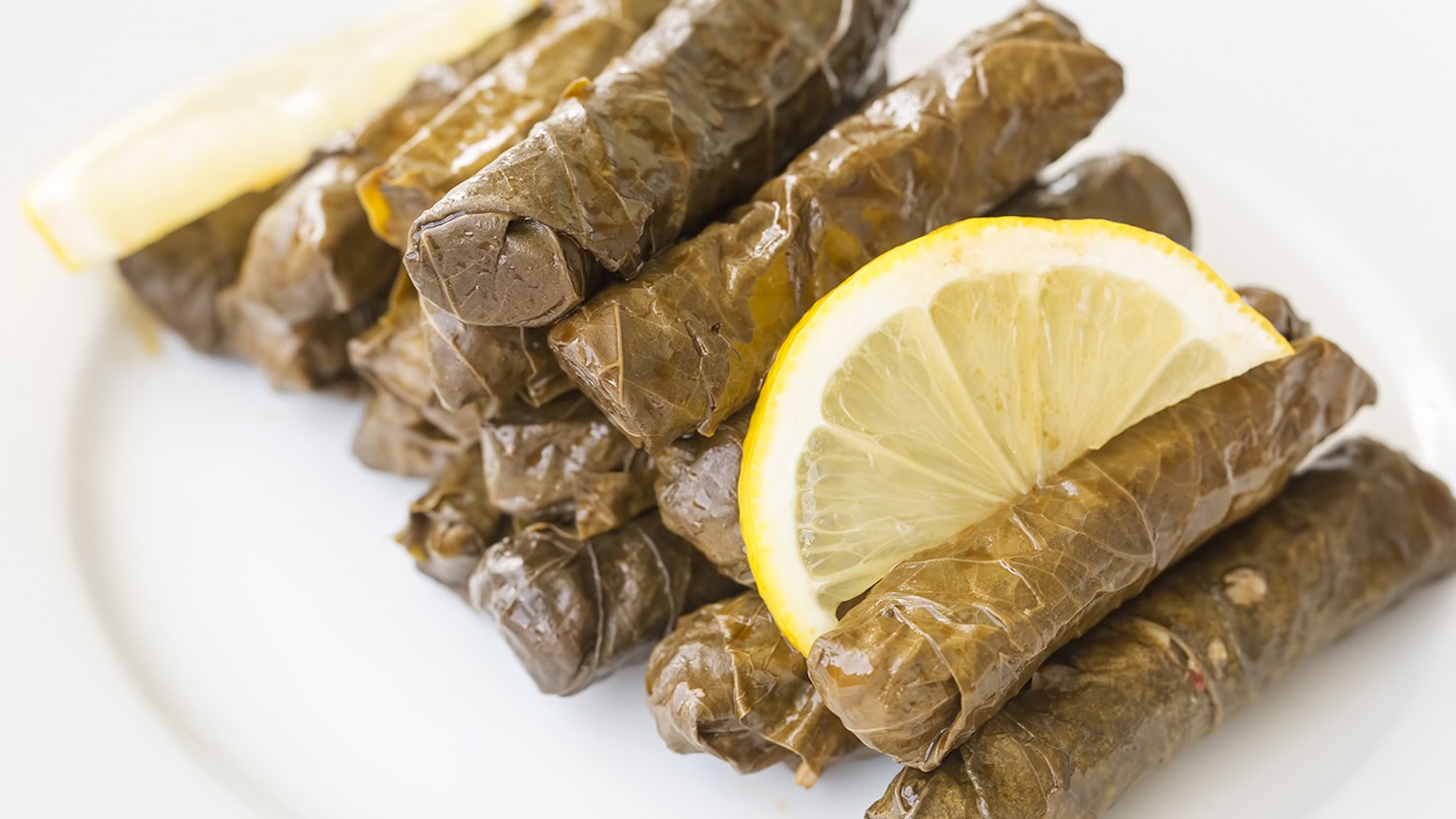
Warak enab is a dish of stuffed grape leaves prepared across the eastern Mediterranean and Middle East, especially in Lebanon, Syria, Jordan, and Palestine, consisting of tender vine leaves wrapped around a filling of rice, and in many versions minced meat, then gently cooked in a lightly acidic liquid. Its development is tied to long-established viticulture in the Mediterranean basin, where grape leaves were readily available alongside grapes and wine production, and where cooking practices evolved to make use of seasonal leaves by blanching and preserving them for later use, with references to stuffed leaves appearing in Byzantine and early Arabic culinary records that describe similar techniques applied to vegetables and leaves across the region. Preparation involves blanching fresh or preserved grape leaves to soften them, placing a small amount of filling made from short-grain rice, minced lamb or beef if used, salt, and mild spices near the base of each leaf, rolling them tightly into compact cylinders, and arranging them snugly in a pot layered to prevent movement during cooking, after which they are simmered slowly in water or stock with lemon juice until the rice is fully cooked and the leaves tender but intact. Warak enab is served warm or at room temperature, often drizzled lightly with olive oil and presented neatly arranged to emphasize uniformity rather than volume. A defining characteristic of warak enab is the balance between acidity from lemon and the neutral absorbent quality of rice, which allows the grape leaf itself to remain the dominant flavor rather than the filling. It is eaten in homes, restaurants, and social gatherings as part of shared meals, commonly alongside yogurt, grilled meats, or other vegetable dishes, and it pairs well with water, unsweetened black or mint tea, arak diluted with water, or dry white wines, fitting naturally into tables where multiple dishes are eaten slowly and in combination rather than in isolated courses.
Dolma is Türkiye's national dish, and it signifies any sort of vegetable stuffed with a mixture based on rice. For traditional dolma, grape leaves are stuffed with rice and ground meat. Stuffed leaves were first made at the court of King Khusrow II in the early 7th century. The popularity of dolma spread throughout the Muslim world, so there are numerous variations of the dish. Dolma is divided into two groups: dolma without meat and dolma with olive oil. Those without meat and cooked with olive oil are called yalanci, meaning imitation. Meat dolmas must always include rice, or sometimes bulgur. As explorer Pietro della Valle wrote, "If it doesn't contain rice, it is not a Turkish dish." Nevertheless, the end result is always the same–delicious and flavorful stuffed rolls.
Yalanchi is an Armenian dish made by stuffing grape leaves with a meatless filling. Translated from Turkish, the word yalanchi means fake or liar, referring to the fact that the filling contains no meat. The basic ingredients for the stuffing include rice, onions, lemon juice, pine nuts, and currants, as well as fresh herbs such as dill, parsley, and mint. These grape rolls are always served cold, and it is recommended to pair them with a salad or matzoon (Armenian yogurt) on the side.
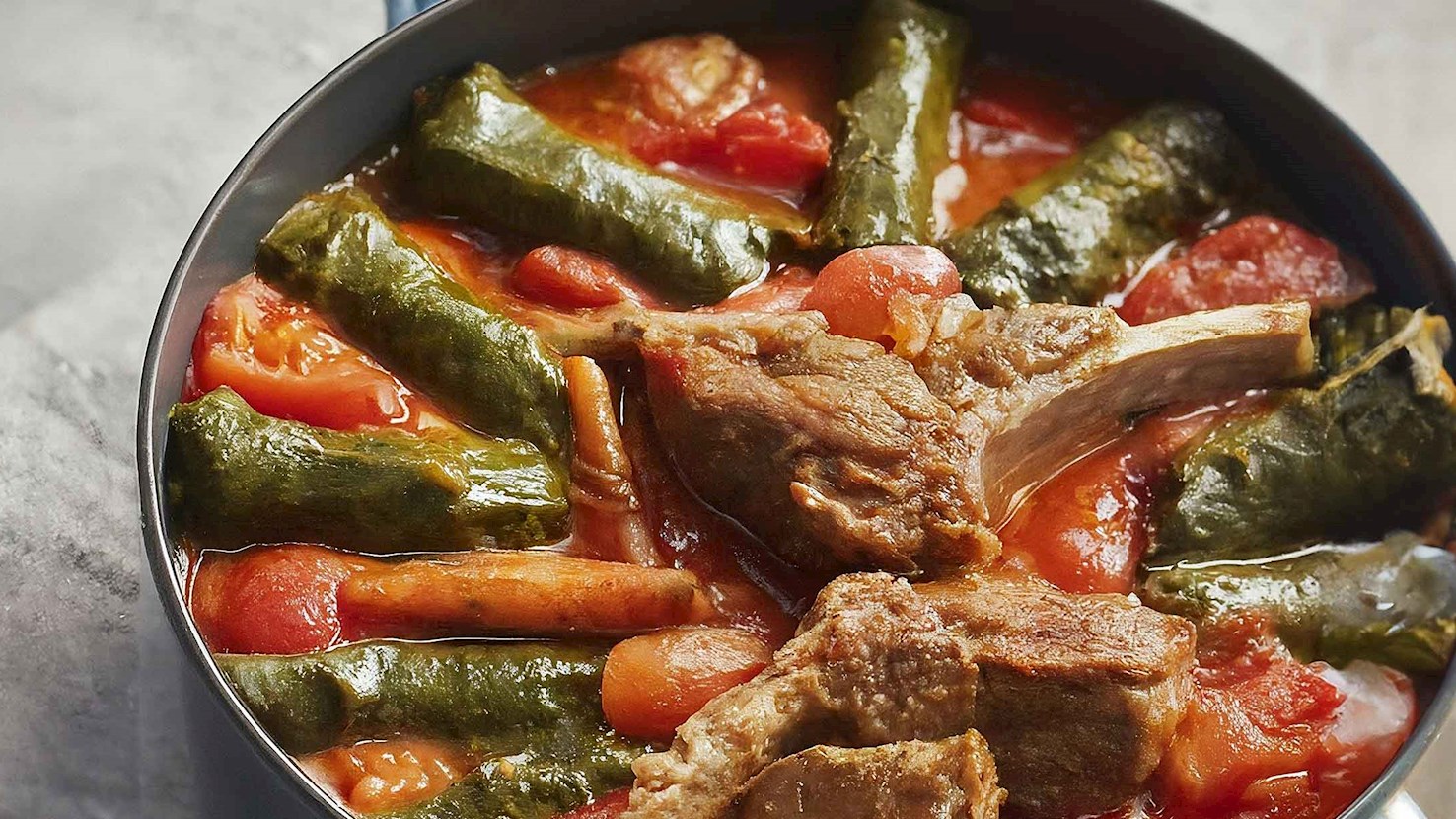
Keubaibat Hail is a rice and meat dish from Saudi Arabia's Ha'il Province. The pre-soaked tameen rice (basmati) is mixed with onions, tomatoes, green onions, green peppers, and spices such as Hail sarar, turmeric, cumin, and mixed spices, then wrapped in grape leaves. The stuffed grape leaves are then arranged into a pot with bone-in lamb, tomatoes, and peppers, and everything is poured over with a tomato broth and topped with grape leaves. It is simmered long and slow until done, served in a clay pot, and can be topped with lemon slices and pomegranate seeds.
TasteAtlas food rankings are based on the ratings of the TasteAtlas audience, with a series of mechanisms that recognize real users and that ignore bot,
nationalist or local patriotic ratings, and give additional value to the ratings of users that the system recognizes as knowledgeable.
For the “6 Best Rated Dishes with Grape Leaves” list until May 22, 2026, 989,158 ratings were recorded, of which 646,966 were recognized by the system as legitimate.
TasteAtlas Rankings should not be seen as the final global conclusion about food. Their purpose is to promote excellent local foods,
instill pride in traditional dishes, and arouse curiosity about dishes you haven’t tried.