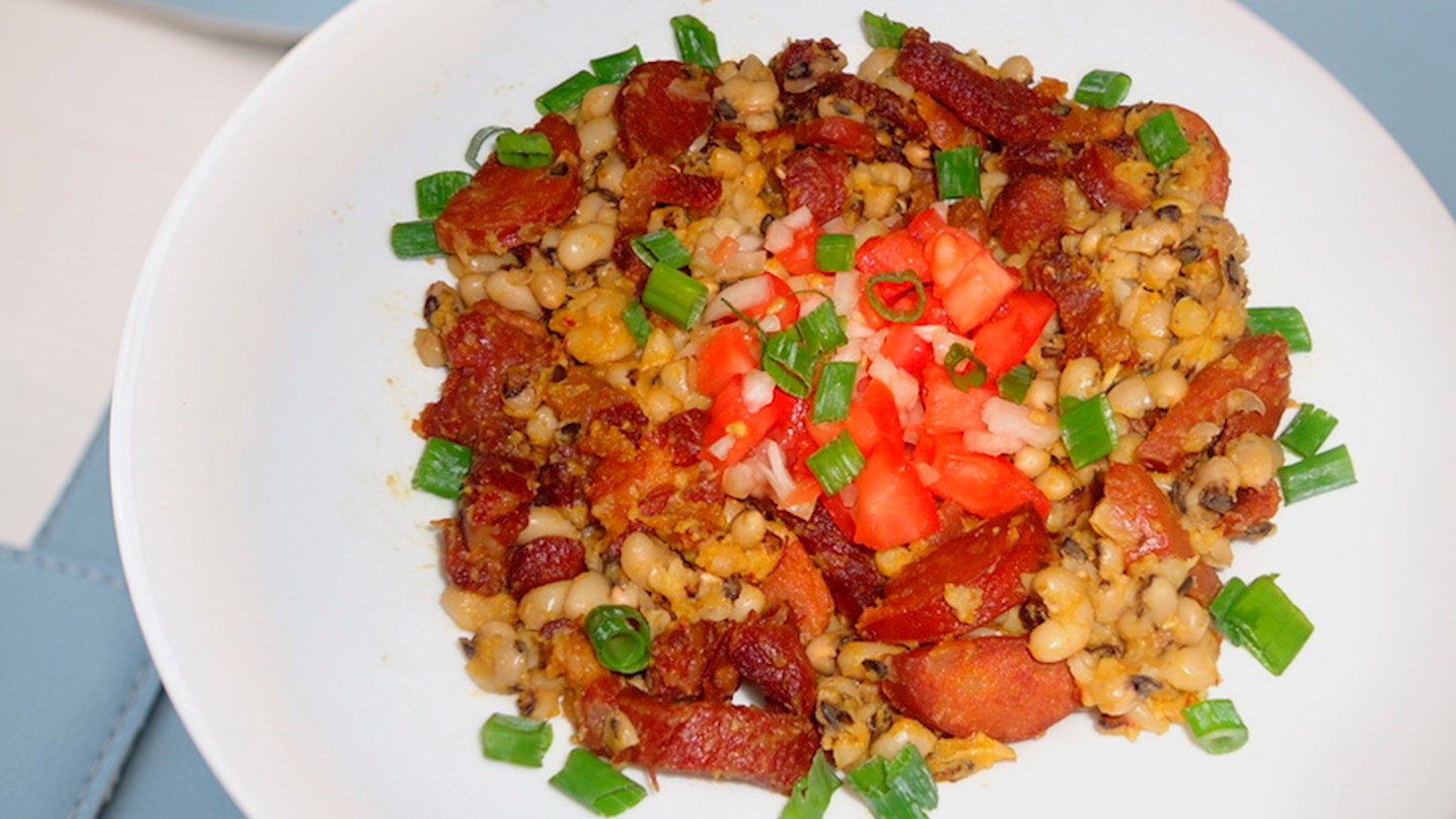
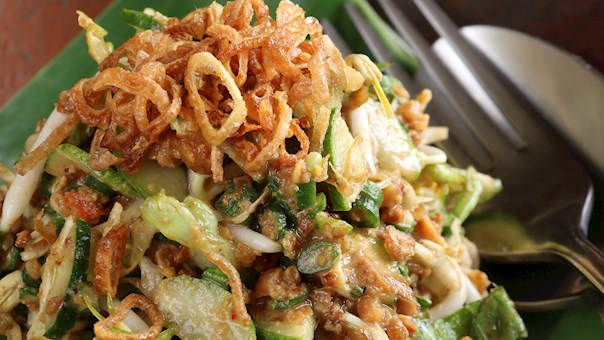
Arrumadinho is a complex Brazilian dish that is usually served as an appetizer. The dish is a combination of four elements that are neatly organized and served together as a complete meal. The essential parts are sliced, sun-dried beef, diced and mixed vegetable vinaigrette, beans, typically black eyed peas, and farofa – a toasted cassava flour mixture. All of the ingredients are seasoned with clarified butter, neatly arranged and served on a plate. The four elements of arrumadinho can either be mixed or consumed as individual dishes. A plate of arrumadinho is usually shared by a couple or a group of people, typically followed by a glass of cold beer or a freshly prepared caipirinha. The dish can usually be found in the northeast of Brazil, more precisely in the state of Pernambuco, where it is believed to have originated. It is often sold at food stands as a snack, but it is also commonly served as an appetizer in elegant restaurants.
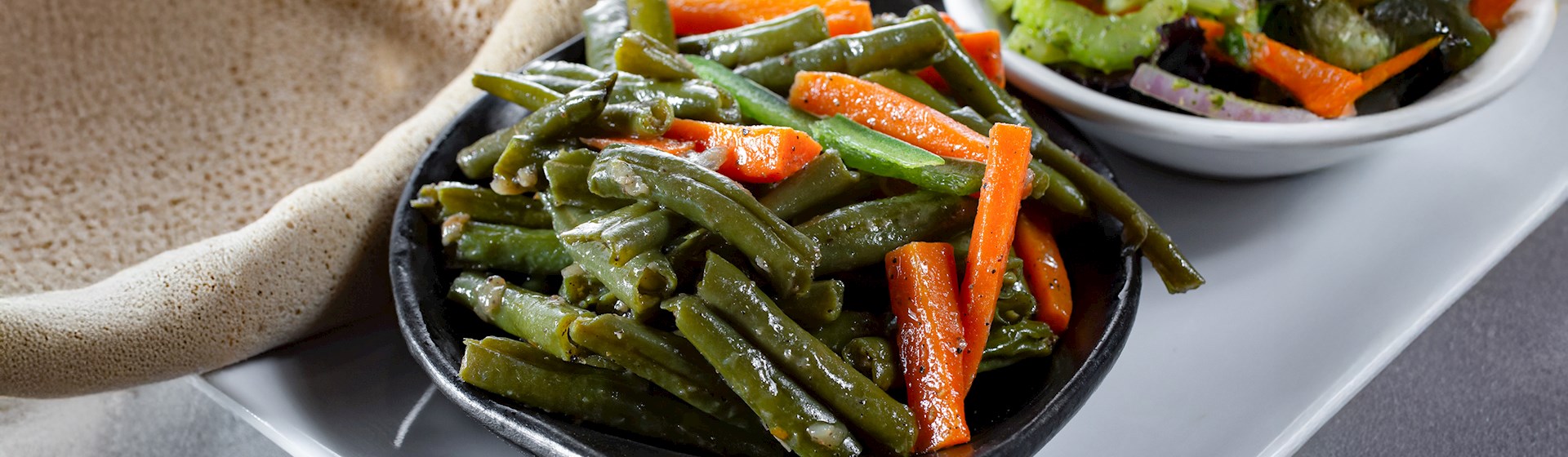
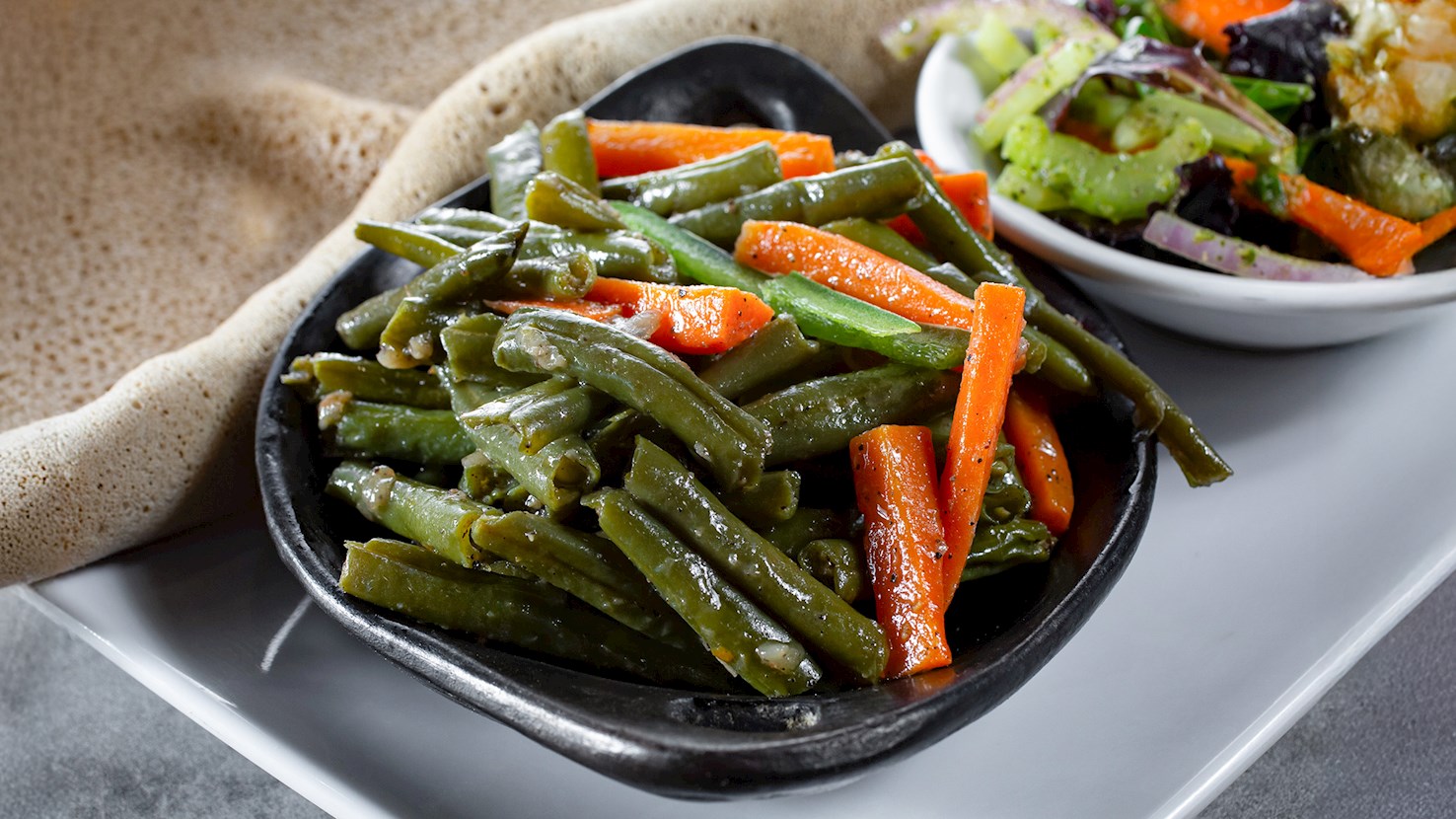
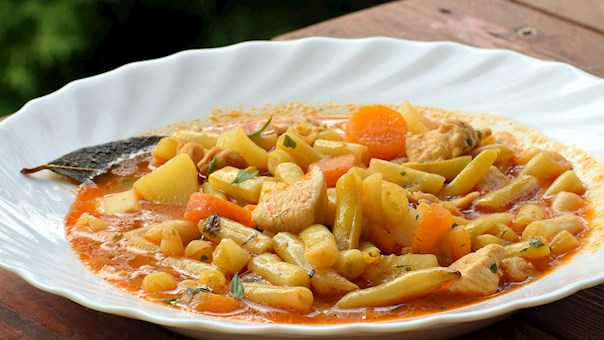
Fossolia is a traditional dish made with green beans as the primary ingredient. Apart from the green beans, the dish also contains onions, garlic, ginger, carrots, and tomatoes. Fossolia is cooked for a long time until the liquids evaporate and the vegetables become very tender. Once cooked, the dish is seasoned with ground pepper, then served as a side dish or on a piece of injera flatbread.
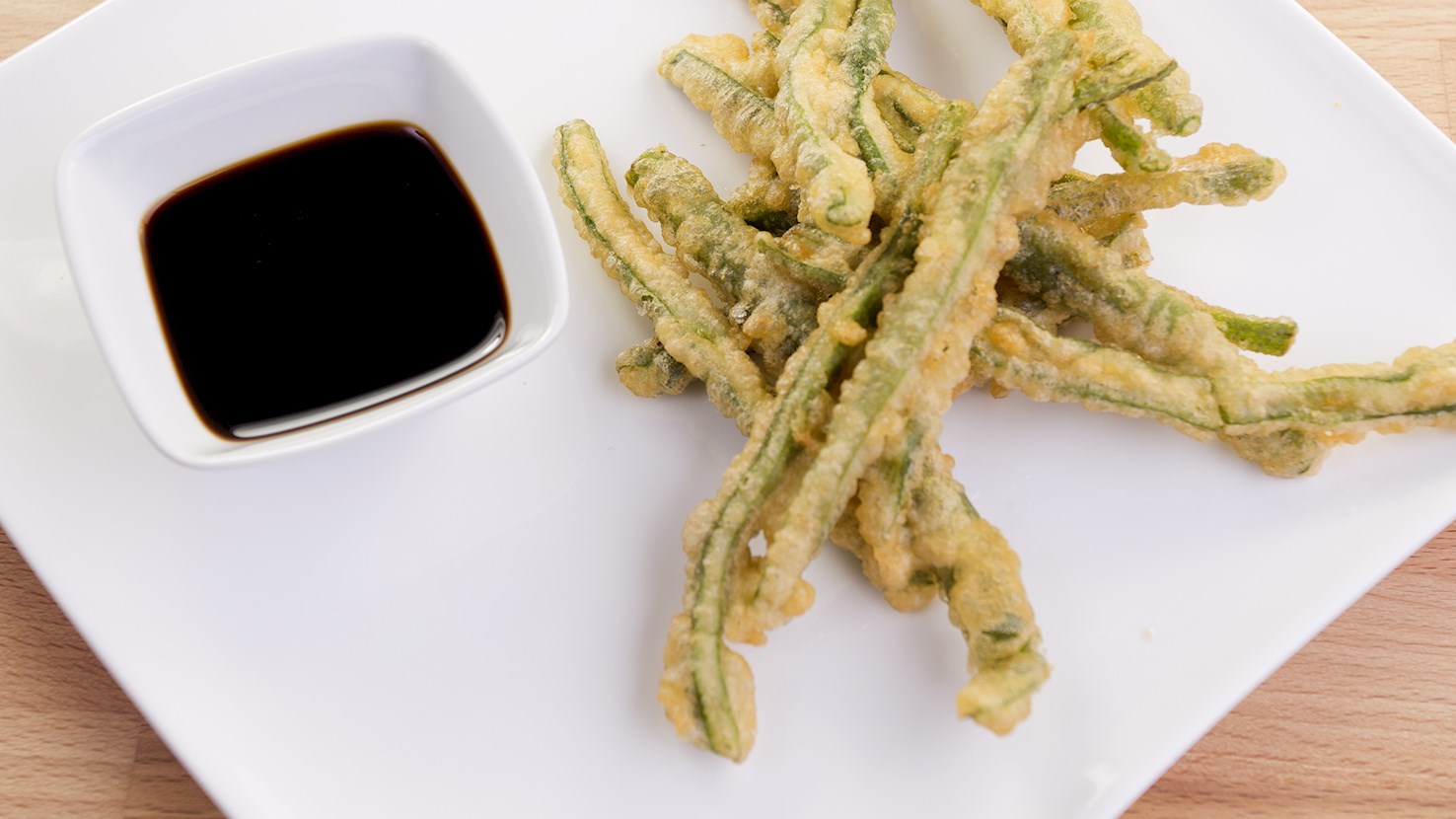
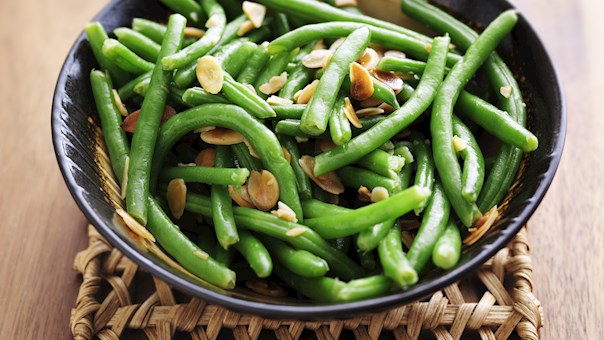
Peixinhos da horta is a Portuguese dish consisting of green beans that are dusted in flour, then fried. The name means fish from the garden because it resembles small fried fish. Although the dish is traditionally prepared with green beans, some might use red peppers or sweet potatoes instead. Interestingly, peixinhos da horta was introduced to Japan in the 16th century, and over time it evolved into one of the Japanese staples – the popular tempura!
Saltado de vainitas is a traditional stir-fry dish originating from Peru. It's usually made with a combination of chicken or beef, green beans, onions, bell peppers, hot peppers, garlic, spices and herbs, salt, and pepper. The beef or chicken is cut into strips and stir-fried in oil and then mixed with hot peppers, bell peppers, onions, garlic, and boiled green beans. The mixture is stir-fried with herbs, spices, and soy sauce, seasoned with salt and pepper, and then served with fried potato batons and white rice on the side.
Mtsvane lobio is a traditional dish originating from Georgia. It's usually made with a combination of green beans, eggs, olive oil, onions, butter, tomatoes, coriander, salt, and pepper. The green beans are steamed or boiled until tender and chopped into smaller pieces. The onions are browned in oil and mixed with the tomatoes and coriander until the tomatoes are soft. The green beans are added to the pot and the mixture is cooked until everything is tender. The eggs are whisked, seasoned with salt and pepper, and then poured over the vegetables and herbs. The mixture is stirred until the eggs have set, and mtsvane lobio is then served while still hot. The dish is especially popular in the summer as a light lunch.
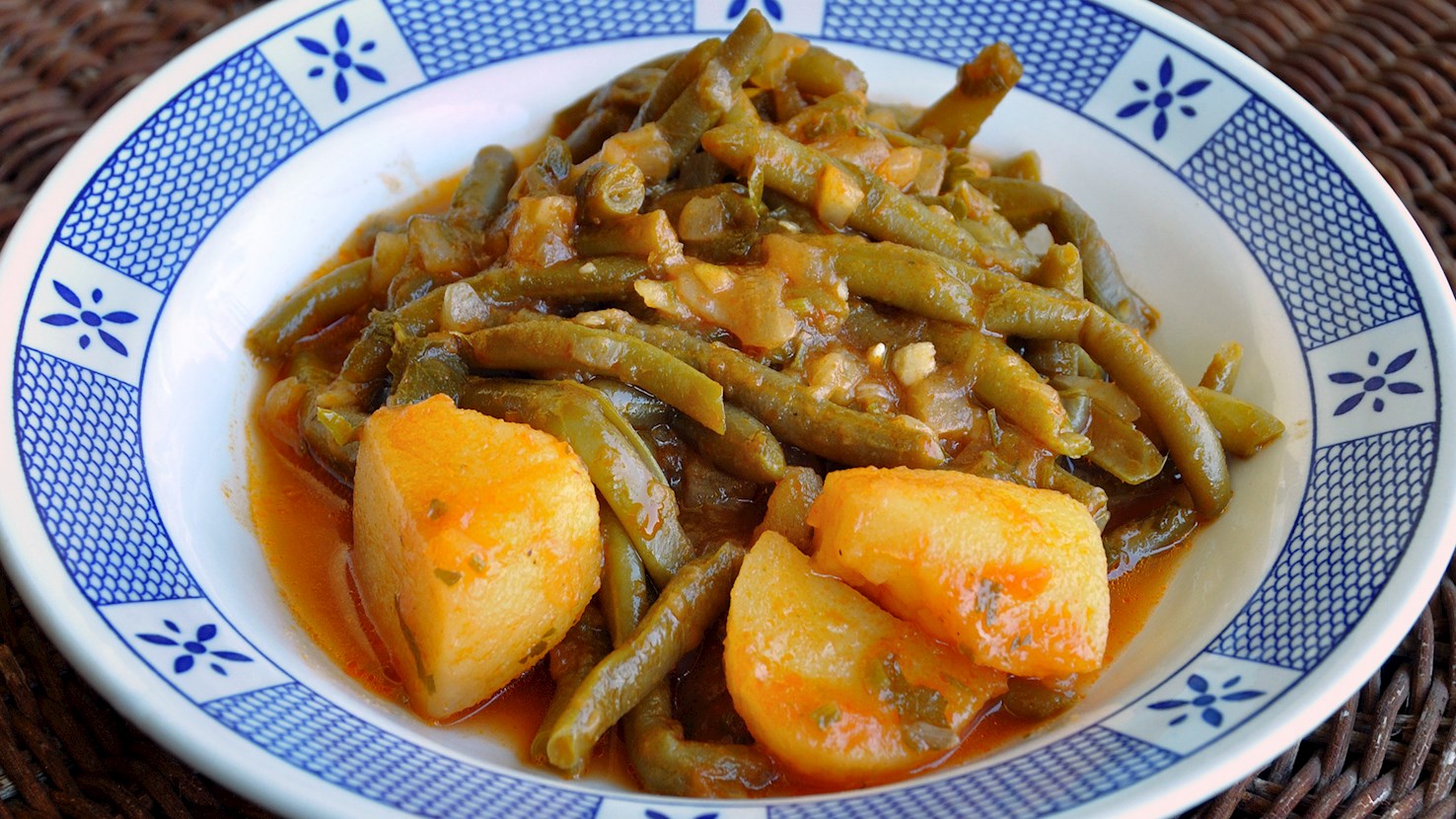
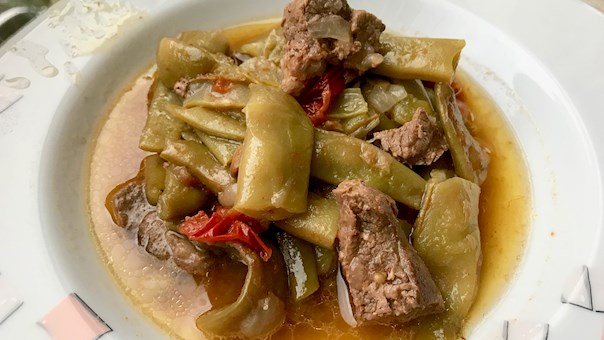
A traditional summer staple in Greece, fasolakia is a simple, one-pot dish consisting of green beans that are simmered in olive oil alongside fresh, ripe tomatoes. It is occasionally enriched with other vegetables, such as onions, zucchini, or potatoes, and is usually seasoned with a variety of fresh herbs. Traditionally enjoyed as the main course, fasolakia is often served topped with crumbled feta cheese and accompanied by bread.
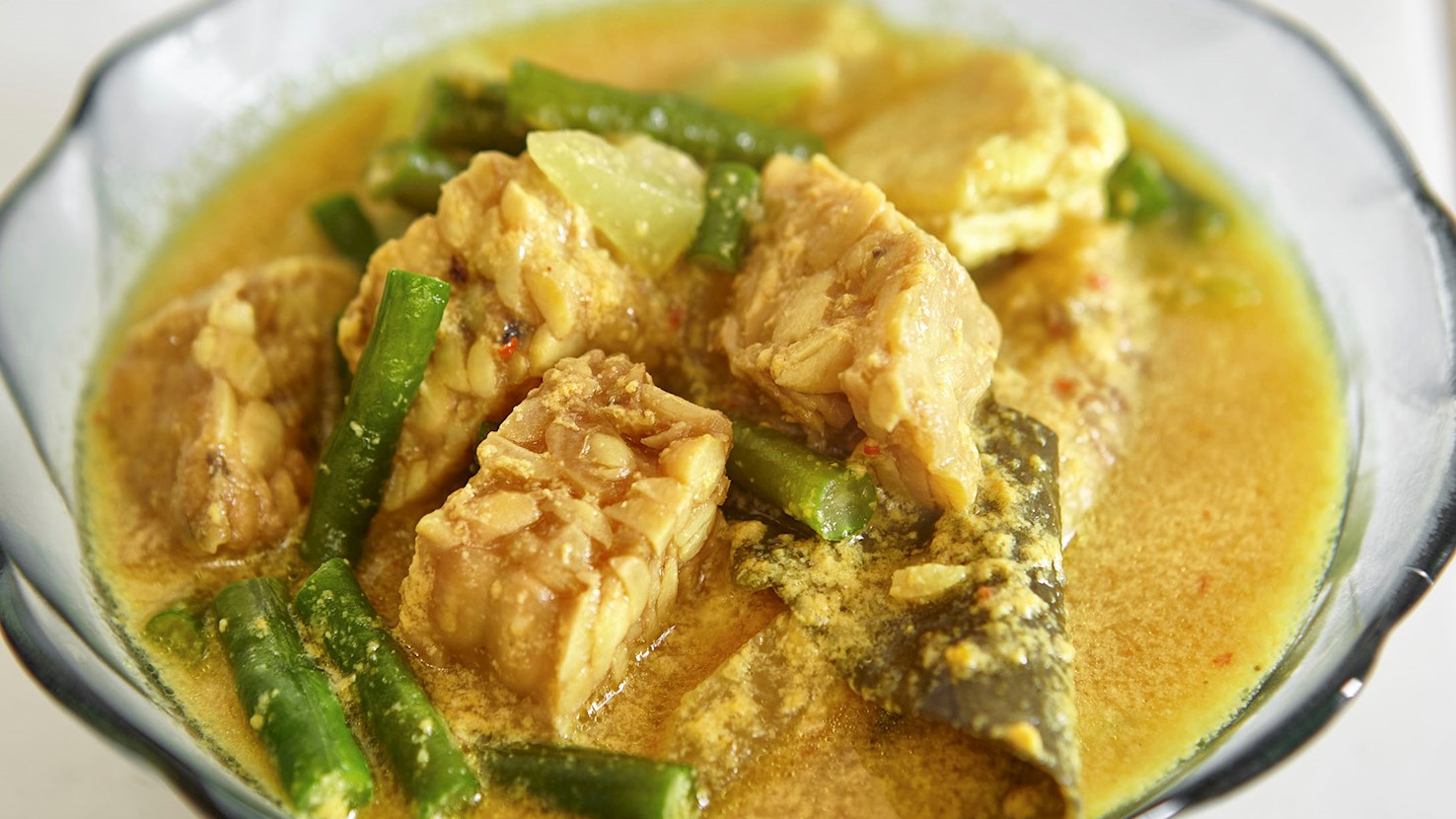
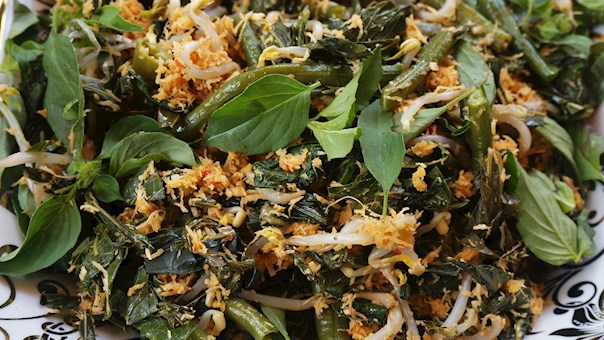
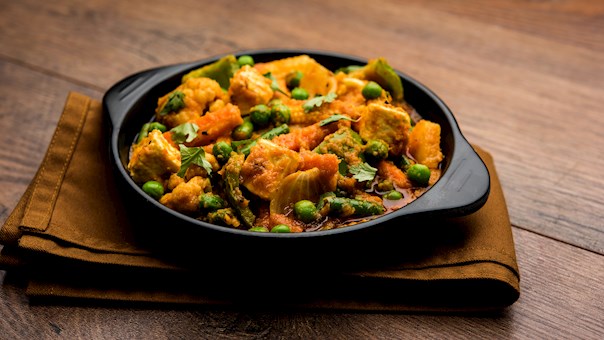
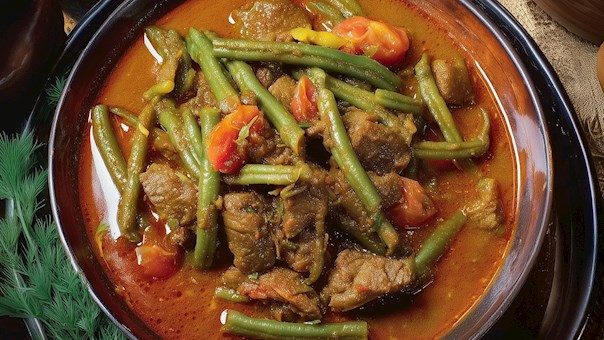
Sayur lodeh is a traditional dish made with vegetables stewed in coconut milk. Eggplant, jackfruit, melinjo, long beans, and carrots are the most common vegetables used in the dish. However, sayur lodeh is so versatile that any vegetable can be utilized. The spices can also be adjusted, but sayur lodeh should always be generously seasoned and spiced. The origin of sayur lodeh is the Indonesian island of Java, and it is traditionally served on slametan - Javanese feasts celebrating certain special occasions. From Java, the dish has spread throughout Indonesia, and it can be found in numerous traditional Indonesian restaurants or at hawker centers. It is commonly eaten alongside rice and sliced lontong rice cakes. The most frequent accompaniments include salted fish, chicken or beef, and spicy serundeng - a dish made with fried coconut flakes. Sayur lodeh is typically served as the main dish or an appetizer, and it is usually eaten warm. Although traditionally an Indonesian dish, it is also frequently prepared in Singapore and Malaysia.
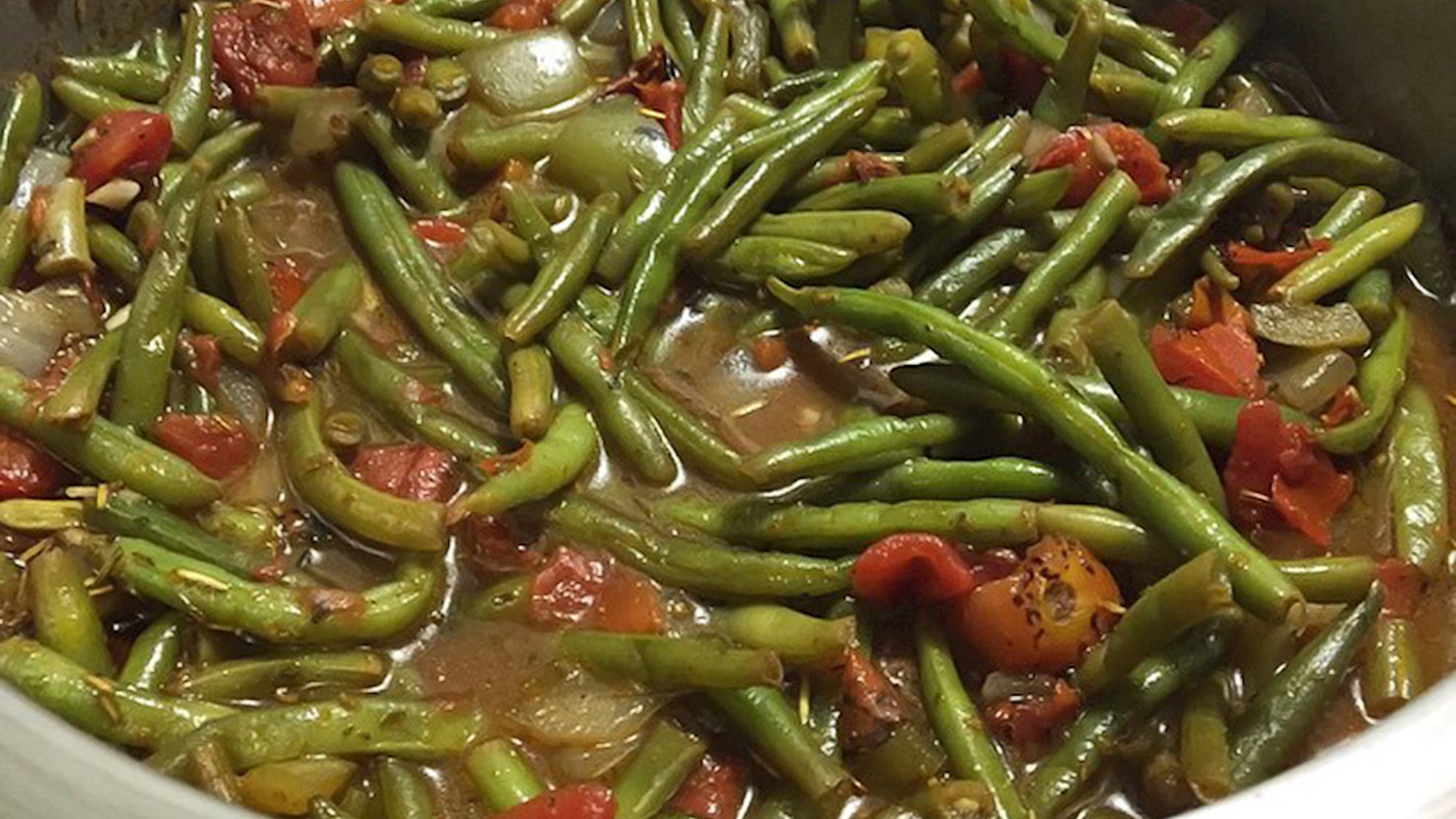
Southern-style green beans is a traditional dish originating from the southern parts of the country. The dish is characterized by its slow (4 or more hours) cooking and a salty, smoky flavor. The dish is usually made with a combination of green beans, onions, bacon, garlic, salt, pepper, and sugar. The bacon is fried in a pot until crisp, and then removed. The onions and garlic are sautéed in the same pot until soft and mixed with green beans, water, salt, and sugar. A few slices of bacon are added to the pot and the dish is simmered until the green beans are very tender. The bacon is discarded and the dish is cooked until the liquid is slightly reduced. It's then seasoned with salt and pepper and served, often with crumbled bacon on top. Southern-style green beans make for a great accompaniment to fried chicken, beef, smoked sausages, barbecued ribs, or fried catfish.
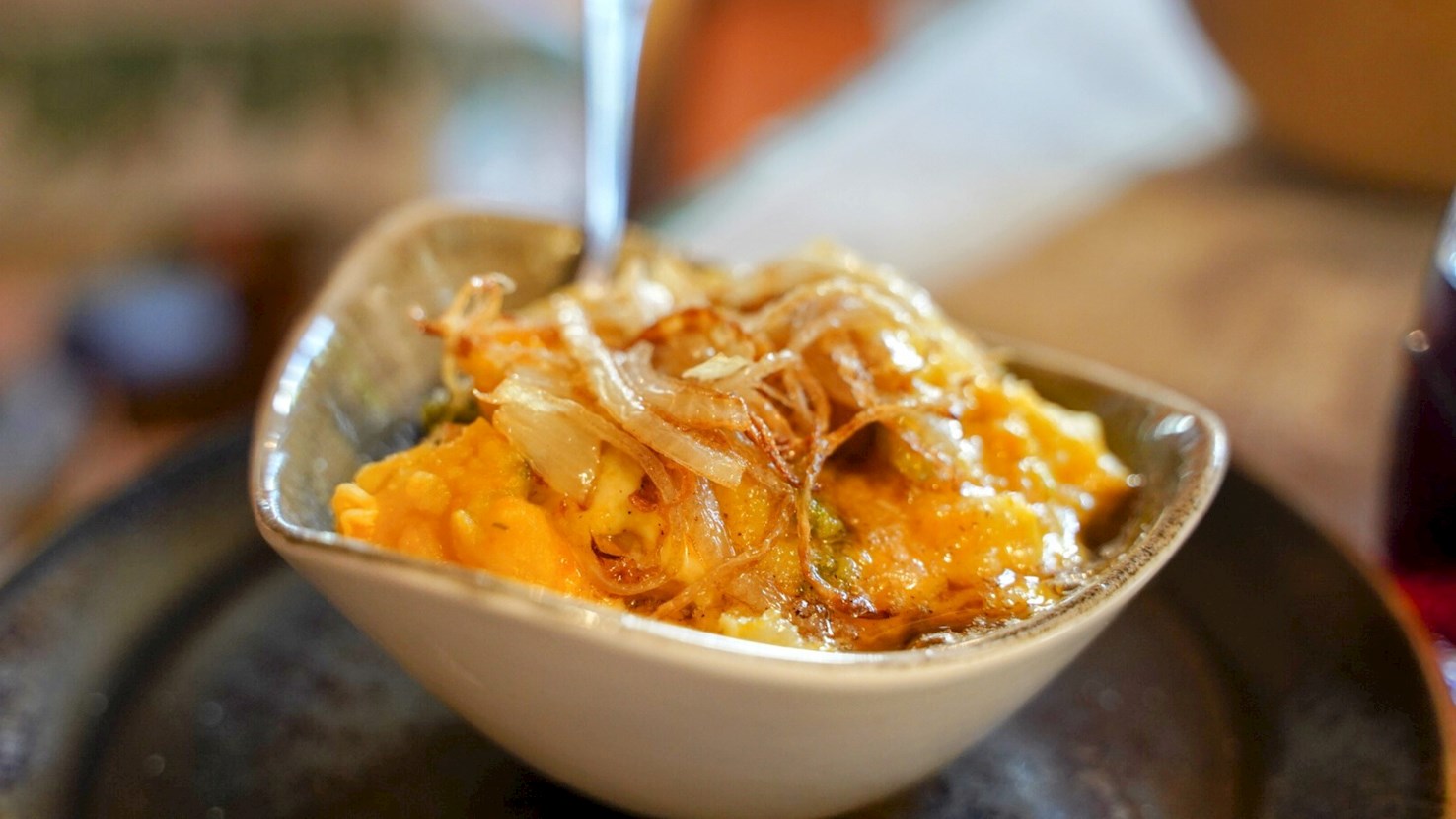
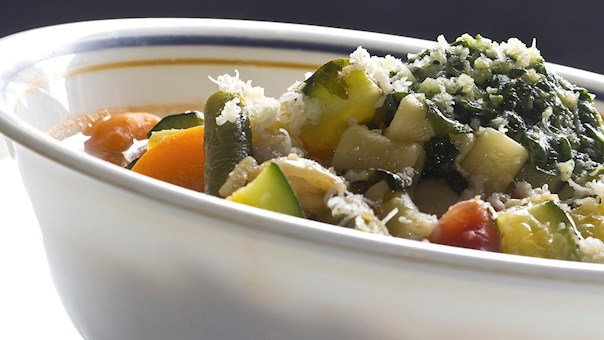
Taròz is a fulfilling, traditional dish from Valtellina that truly highlights several wonderful local products, from the potatoes and beans that are easily grown near the surrounding mountains to the renowned Valtellina Casera cheese. This hearty purée is prepared with potatoes and runner beans, first boiled, then fried in butter with onions and garlic. The mixture is flavored with Casera cheese which has been previously cut into small cubes, and it is then mashed with a fork until all ingredients are blended together. This basic, original recipe developed over time, so nowadays it is often enriched with pancetta, while Casera can be substituted with some other cheese, such as another famous local treat, Bitto. Taròz is usually served as an appetizer, but it is both delicious and nutritious enough to be consumed on its own as a main dish.
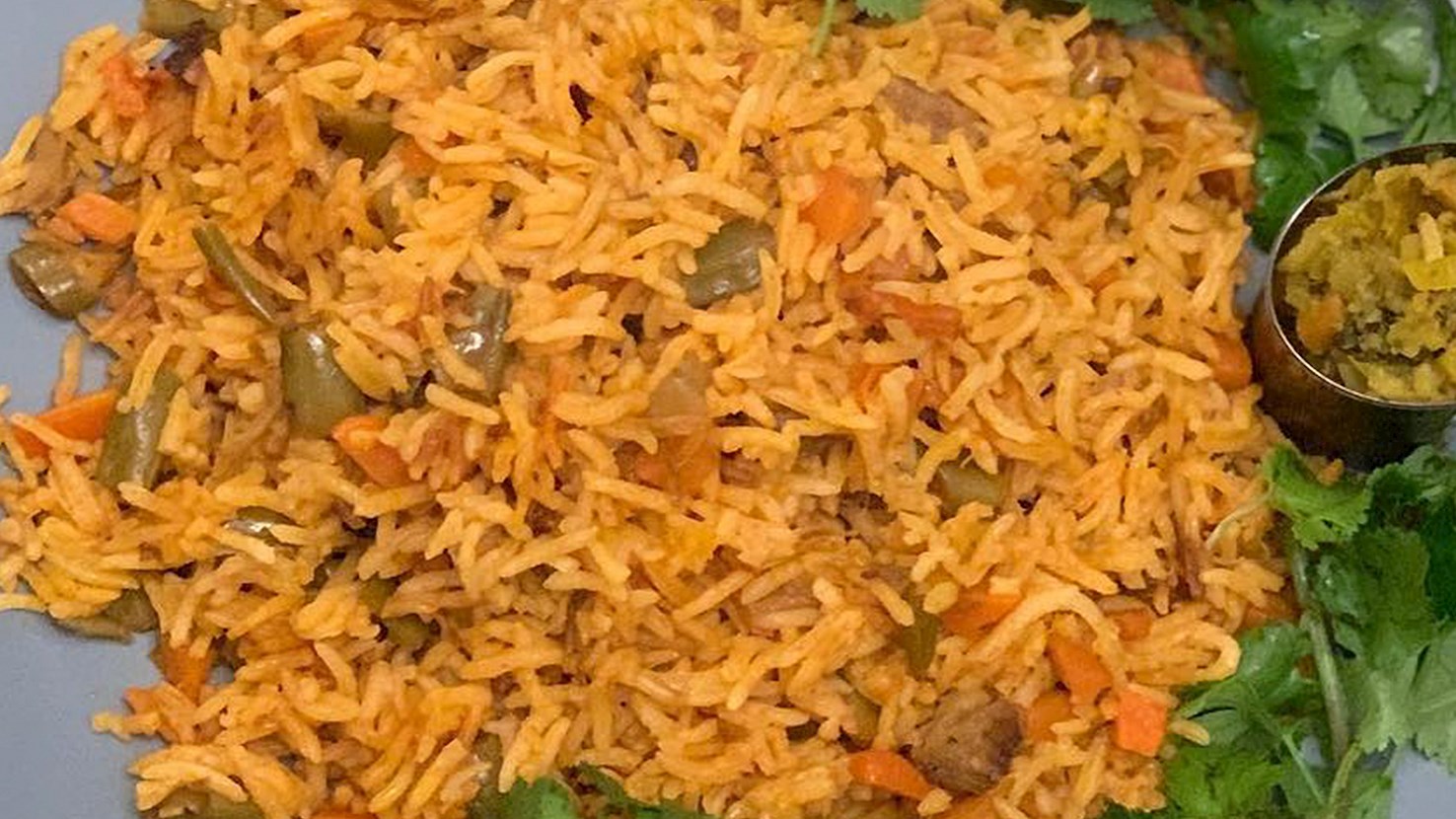
Estanboli polo is a Persian rice dish that originates from Iran and is particularly associated with the cuisine of the southern and southwestern regions of the country. It is a one-pot meal composed of rice cooked with tomatoes, potatoes, and often green beans, sometimes including meat such as lamb, beef, or chicken. The name suggests a connection to Istanbul, but the dish is firmly rooted in Iranian culinary practice and reflects the country's approach to rice-based meals layered with vegetables and spices. The history of Estanboli polo points to regional exchanges in the broader Middle East, where Persian cuisine interacted with Ottoman and other Mediterranean influences. While its exact origins are not fully documented, the use of tomatoes and potatoes indicates a more modern evolution, likely developing during the 19th or early 20th century, when these ingredients became more common in Iranian markets. Despite its name referencing Istanbul, there is no equivalent dish in Turkish cuisine under the same name, and the Iranian version stands as its own distinctive creation. It likely adopted the name due to a general fascination with Istanbul as a cosmopolitan cultural center during the Qajar period. Preparing Estanboli polo involves layering and simmering, typical of Iranian rice dishes. The base is long-grain rice, commonly Iranian varieties like domsiah or sadri, soaked and parboiled before being cooked again with a mixture of sautéed onions, chopped tomatoes, tomato paste, and sometimes garlic. Green beans are added either chopped fresh or blanched beforehand, and cubed potatoes provide additional texture and flavor. If meat is used, it is browned separately and then combined with the vegetables before being layered with the rice. The pot is often covered with a cloth under the lid to trap steam and ensure even cooking. The bottom layer, known as tahdig, becomes crisp during the final steaming and is considered a prized part of the dish. Estanboli polo is usually served hot, straight from the pot, often accompanied by plain yogurt, pickled vegetables, or fresh herbs. The tomato-rich base gives the rice a reddish hue and a slightly tangy flavor, setting it apart from more neutral Persian rice dishes. In some variations, turmeric, cinnamon, or saffron may be used to deepen the aroma and color. The presence or absence of meat varies by household preference, and in many homes, it is often made as a vegetarian dish. Although commonly prepared in Iranian homes, Estanboli polo is also found in local eateries and picnic meals, especially during family outings or casual gatherings. It is frequently cooked in large quantities for group settings, as it stores and reheats well.
TasteAtlas food rankings are based on the ratings of the TasteAtlas audience, with a series of mechanisms that recognize real users and that ignore bot,
nationalist or local patriotic ratings, and give additional value to the ratings of users that the system recognizes as knowledgeable.
For the “37 Best Rated Dishes with Green Beans” list until May 22, 2026, 989,157 ratings were recorded, of which 646,965 were recognized by the system as legitimate.
TasteAtlas Rankings should not be seen as the final global conclusion about food. Their purpose is to promote excellent local foods,
instill pride in traditional dishes, and arouse curiosity about dishes you haven’t tried.