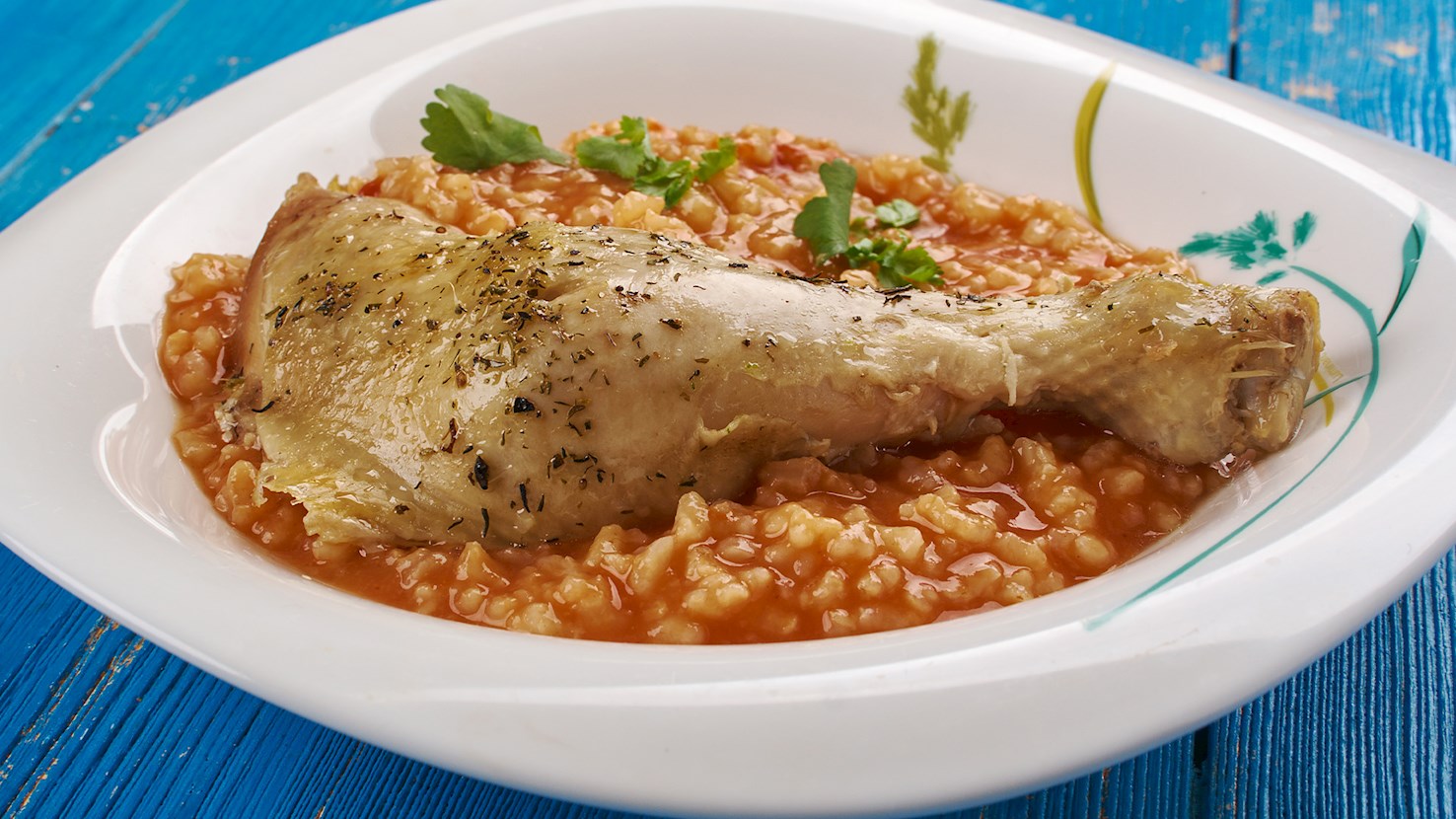
Locrio is a traditional rice dish that combines seasoned rice with various proteins, such as chicken, pork, or seafood, cooked together in a single pot. This method allows the flavors to meld, resulting in a savory and aromatic meal. Locrio is considered a Dominican adaptation of Spanish paella, reflecting the island's rich culinary heritage. One of the most popular variations is Locrio de Pollo, which features marinated chicken pieces cooked with rice, vegetables, and spices. The preparation often begins by searing the chicken, sometimes in caramelized sugar to enhance depth of flavor, followed by adding a homemade sofrito—a blend of sautéed onions, peppers, garlic, and herbs. The mixture is then simmered with rice and broth until the rice is tender and the chicken is fully cooked. Locrio is a versatile dish with numerous regional and familial variations. Beyond chicken, it can include ingredients like Dominican salami, pork chops, or seafood such as dried herring or sardines. Each version reflects local tastes and available ingredients, showcasing the adaptability of this beloved Dominican staple. Traditionally, Locrio is served as a hearty main course, often accompanied by side dishes like tostones (fried plantains), avocado slices, or a simple green salad. Its one-pot preparation and rich, comforting flavors make it a favorite for family gatherings and everyday meals alike. In summary, Locrio is a quintessential Dominican dish that brings together rice, proteins, and spices in a harmonious and flavorful way, embodying the island's culinary traditions and cultural influences.
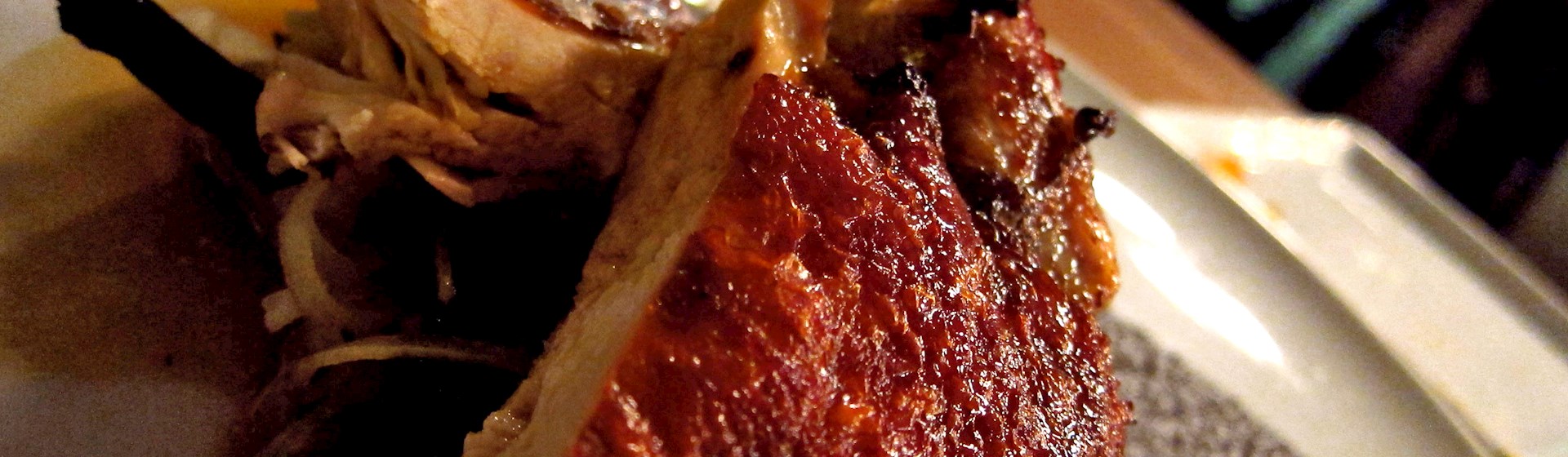
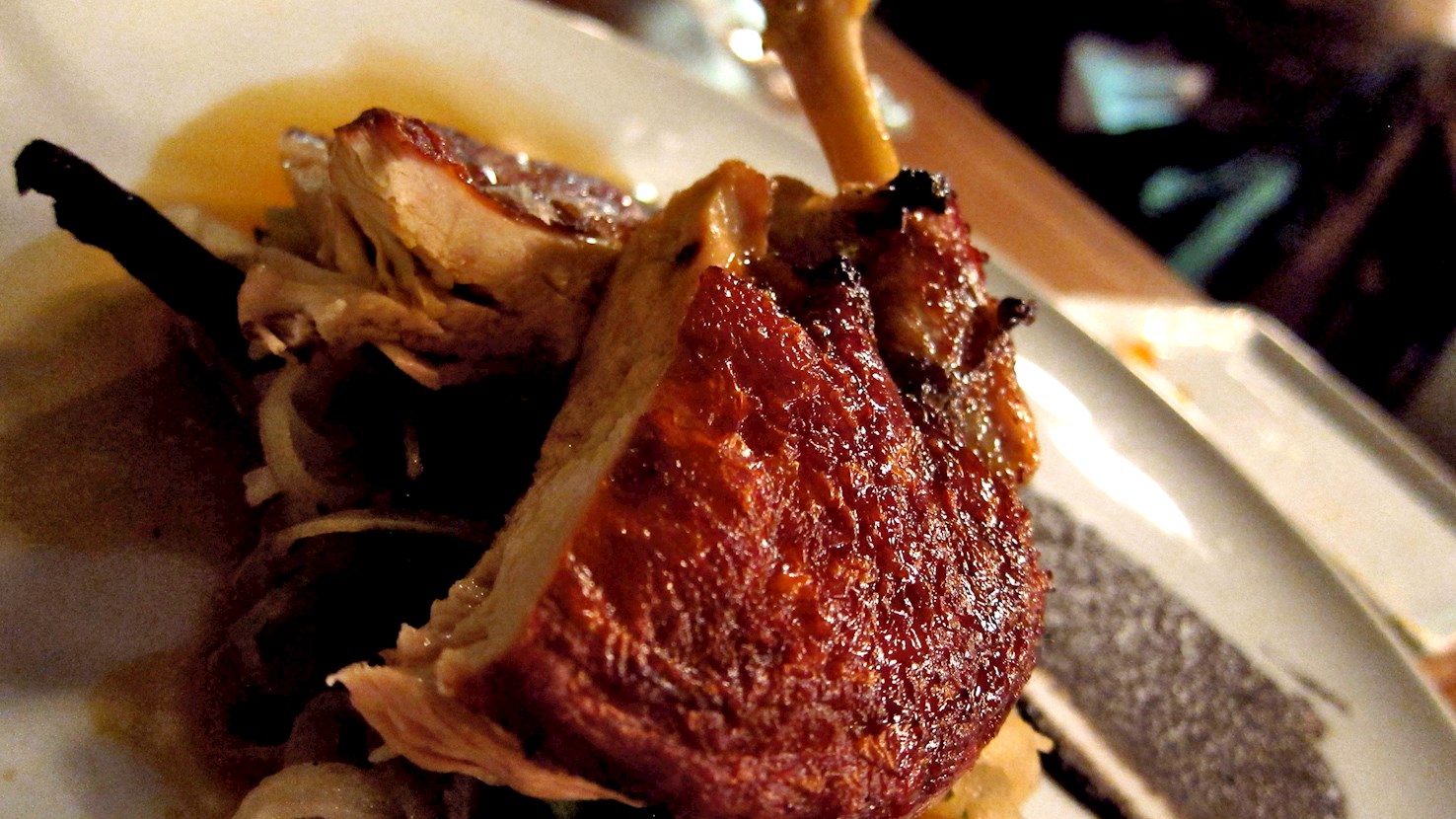
Faraona al Barolo is a traditional game dish originating from Piedmont. The dish is usually made with a combination of guinea fowl, porcini mushrooms, pork fat, butter, shallots, flour, Barolo wine, luganega sausage, nutmeg, salt, and pepper. The onions are cooked in pork fat and butter until soft. The guinea fowl is jointed and added to the pan. It's browned on all sides, sprinkled with flour, and covered with wine. The meat is seasoned with salt and pepper and flavored with nutmeg, and it's then simmered until tender. The sauce is reduced, mixed with the porcini and sausage, and it's then cooked until thick. The guinea fowl is typically served on a bed of mashed potatoes, drizzled with the sauce and garnished with parsley.
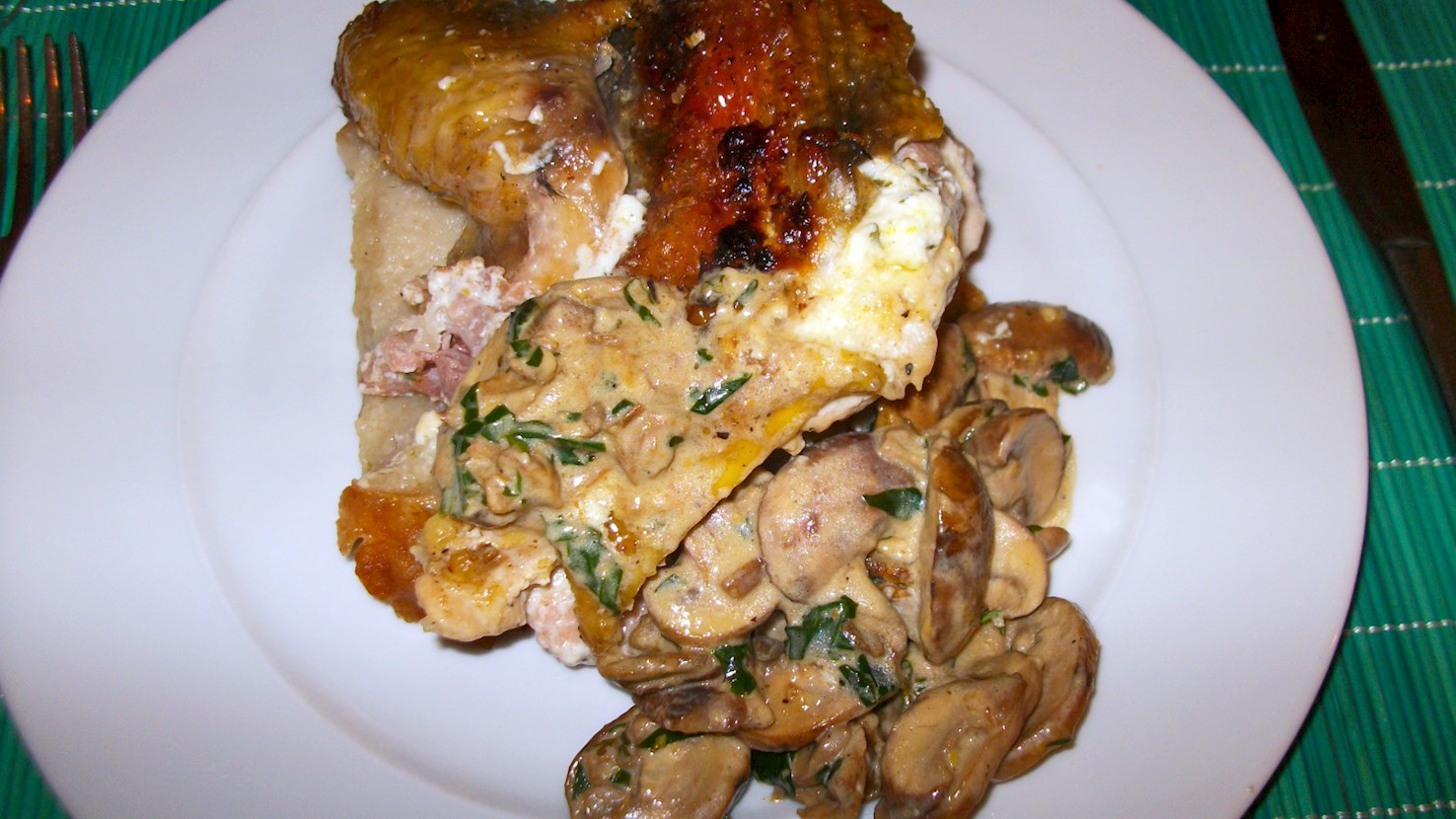
Faraona al Mascarpone is a traditional dish originating from southern Lombardy, the birthplace of Mascarpone cheese. The dish is usually made with a combination of guinea fowl, Mascarpone, celery, carrots, shallots, white wine, milk, butter, olive oil, salt, and pepper. The guinea fowl is seasoned with salt and pepper and the Mascarpone is placed inside the bird. The oil, butter, carrots, shallots, and celery are placed into a pot, and the guinea fowl is placed on the vegetables. White wine, salt, and pepper are added to the pot, and it is then covered and simmered slowly over low heat until the guinea fowl is fully cooked. If the dish looks dry, a couple of spoons of hot milk are added to the mix. Once prepared, the bird is removed from the pot and served warm, while the cooking liquid is usually puréed and served separately.
TasteAtlas food rankings are based on the ratings of the TasteAtlas audience, with a series of mechanisms that recognize real users and that ignore bot,
nationalist or local patriotic ratings, and give additional value to the ratings of users that the system recognizes as knowledgeable.
For the “3 Best Rated Dishes with Guinea Fowl” list until May 22, 2026, 989,163 ratings were recorded, of which 646,971 were recognized by the system as legitimate.
TasteAtlas Rankings should not be seen as the final global conclusion about food. Their purpose is to promote excellent local foods,
instill pride in traditional dishes, and arouse curiosity about dishes you haven’t tried.