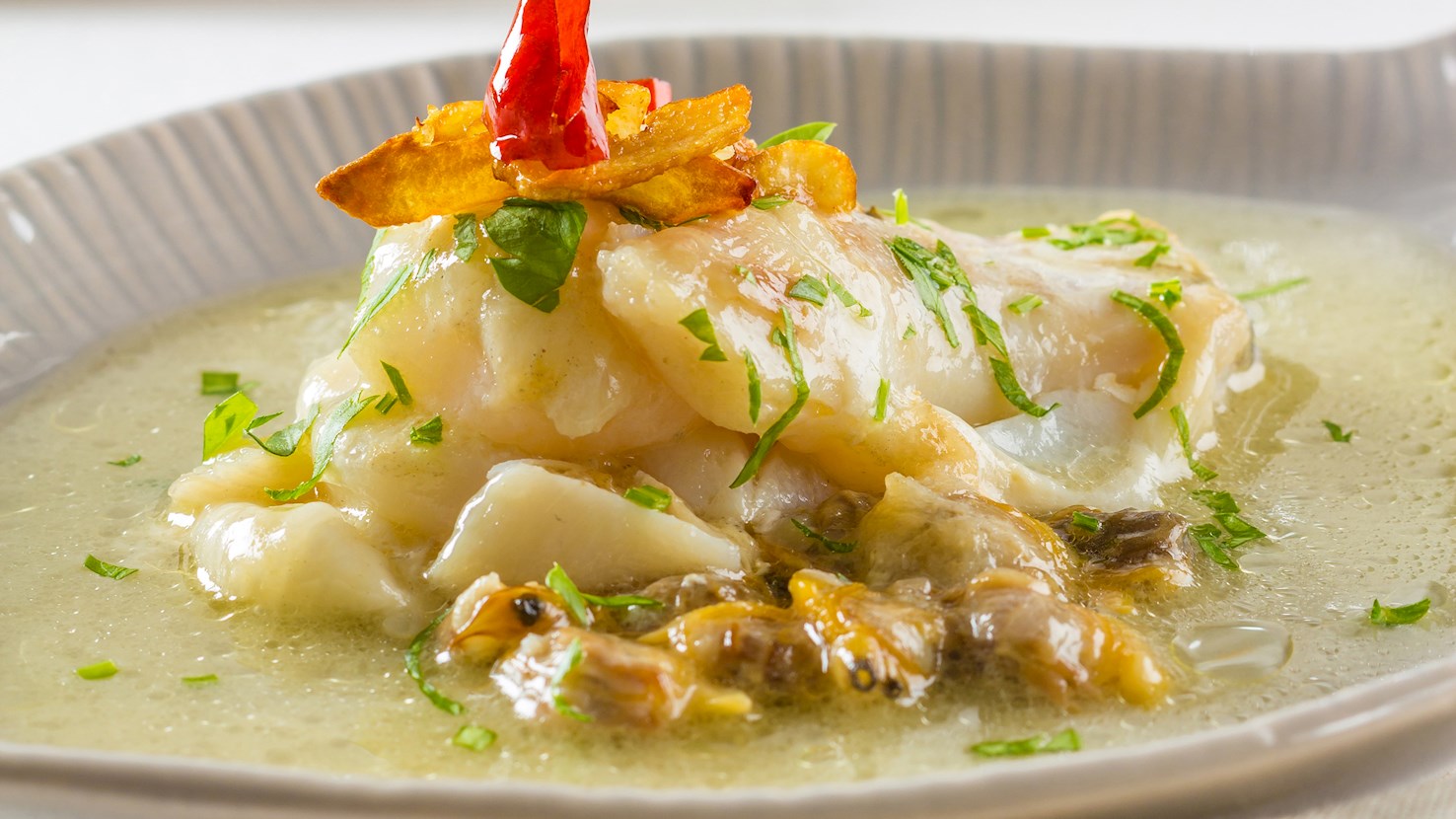
Gelatinous fish heads known as kokotxas are a key ingredient for this classic Basque dish. Kokotxas usually come from the flashy cheeks (lower part of chin) of hake or cod. The dish is sometimes served in a sauce consisting of white wine, garlic, flour, and olive oil. A more traditional way of serving kokotxas is in salsa verde sauce, consisting of olive oil, flour, fish stock, garlic, and finely chopped parsley. The kokotxas are lightly fried in a clay casserole pot, then combined with the sauce. It's recommended to serve the dish with crusty bread on the side for mopping up the sauce.
Poisson à la bordelaise is a traditional fish dish originating from Bordeaux. The dish is usually made with a combination of hake, cod or halibut, breadcrumbs, butter, white wine, lemon juice, garlic, shallots, olive oil, salt, and black pepper. The garlic and shallots are chopped and sautéed in butter. White wine, breadcrumbs, lemon juice, salt, and pepper are added to the pan and simmered over low heat. The fish is placed into an ovenproof pan, and the fillets are covered with the mixture from the other pan and drizzled with olive oil. The dish is baked in the oven until everything is fully cooked, and it's then ready to be enjoyed.
Merluza a la gallega is a traditional fish dish originating from Galicia. The dish is usually made with a combination of hake, garlic, potatoes, paprika, bay leaves, onions, olive oil, salt, and pepper. The pieces of fish, onions, bay leaves, and potatoes are boiled in salted water over low heat. The garlic is sautéed in olive oil with paprika, and the mixture is then poured over the fish and vegetables. Before serving, the dish is simply reheated for a few minutes and it's then ready to be enjoyed.
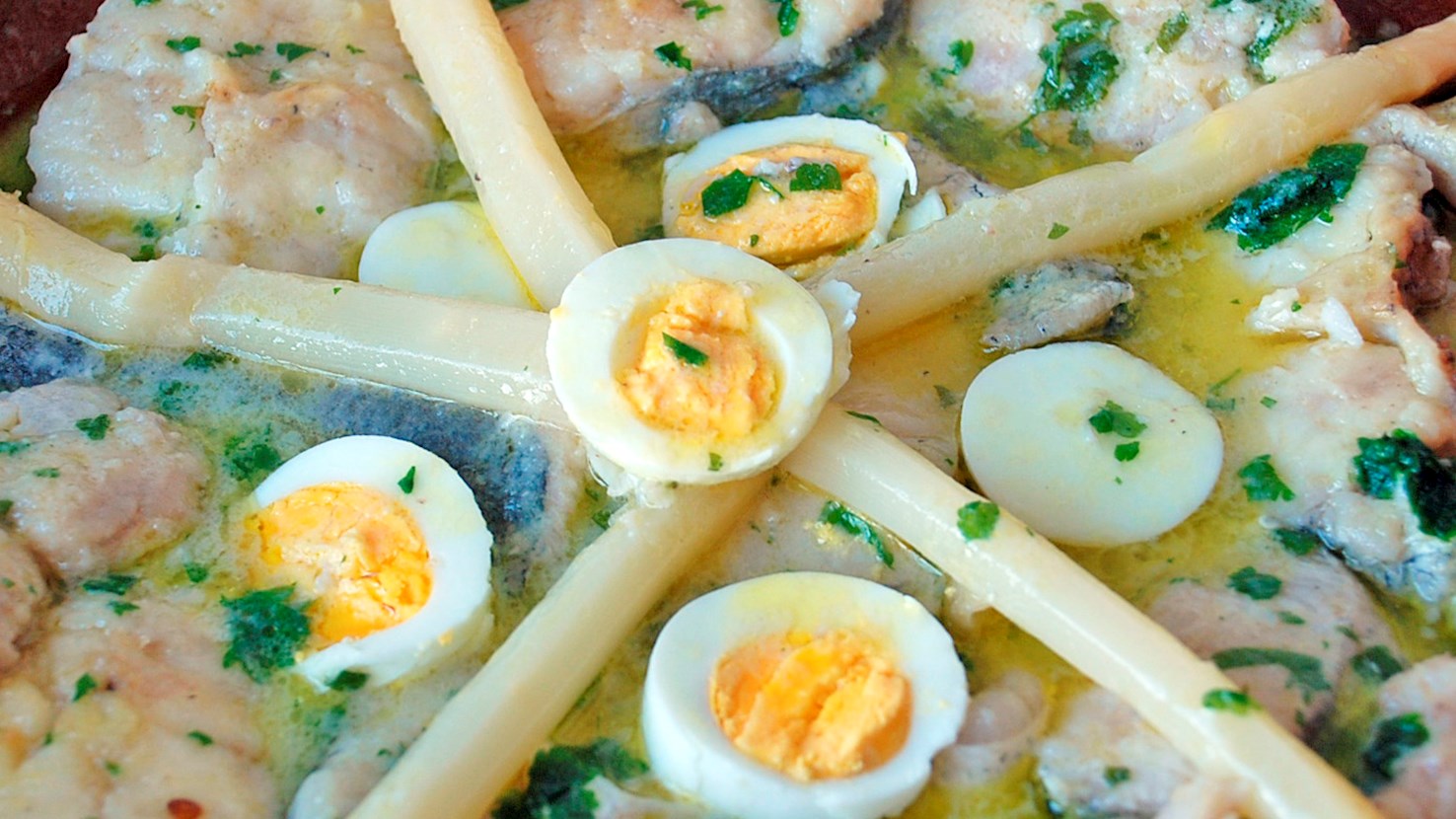
Merlu koskera is a traditional dish originating from the Basque region. The dish is prepared with hake (merlu), peas, mussels, asparagus, carrots, shallots, white wine, butter, garlic, eggs, thyme, bay leaves, and parsley. The hake is cut into fillets, then cooked with other ingredients. When served, the hake is usually placed on the bottom and topped with hard-boiled eggs, peas, asparagus, and mussels. It is recommended to serve merlu koskera with crusty bread or new potatoes on the side.
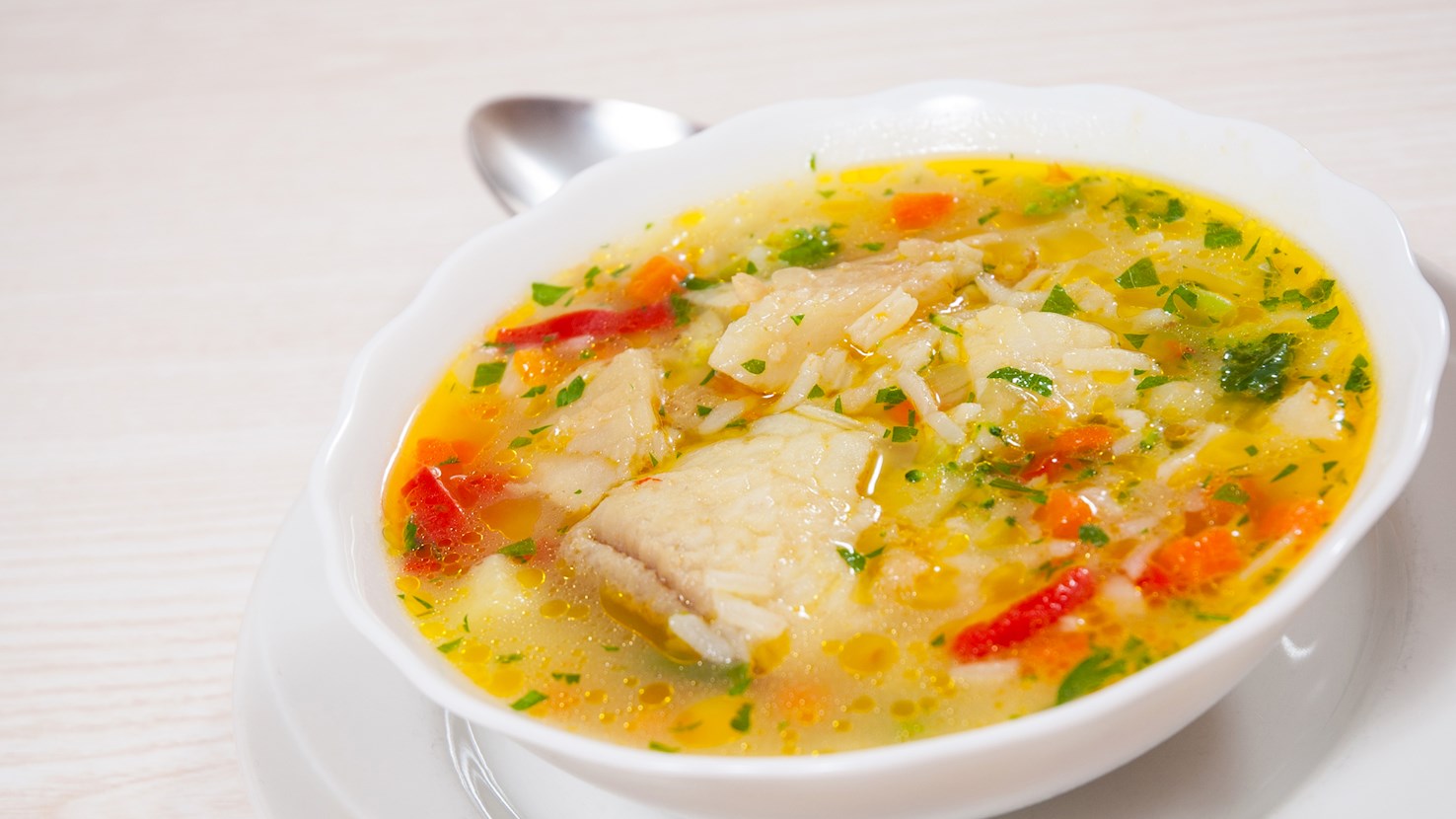
Juha od oslića is a traditional fish soup originating from Dalmatia. Although there are many recipes, it's usually made with a combination of hake, garlic, tomatoes, lemon juice, rice, olive oil, bay leaves, parsley, salt, and pepper. The garlic, halved tomatoes, bay leaves, parsley, salt, pepper, lemon juice, and hake are placed into cold water, then cooked. After about twenty minutes, when the fish is cooked, it's taken out of the pot. Rice is added to the pot and cooked, and the soup is then served with pieces of the hake.
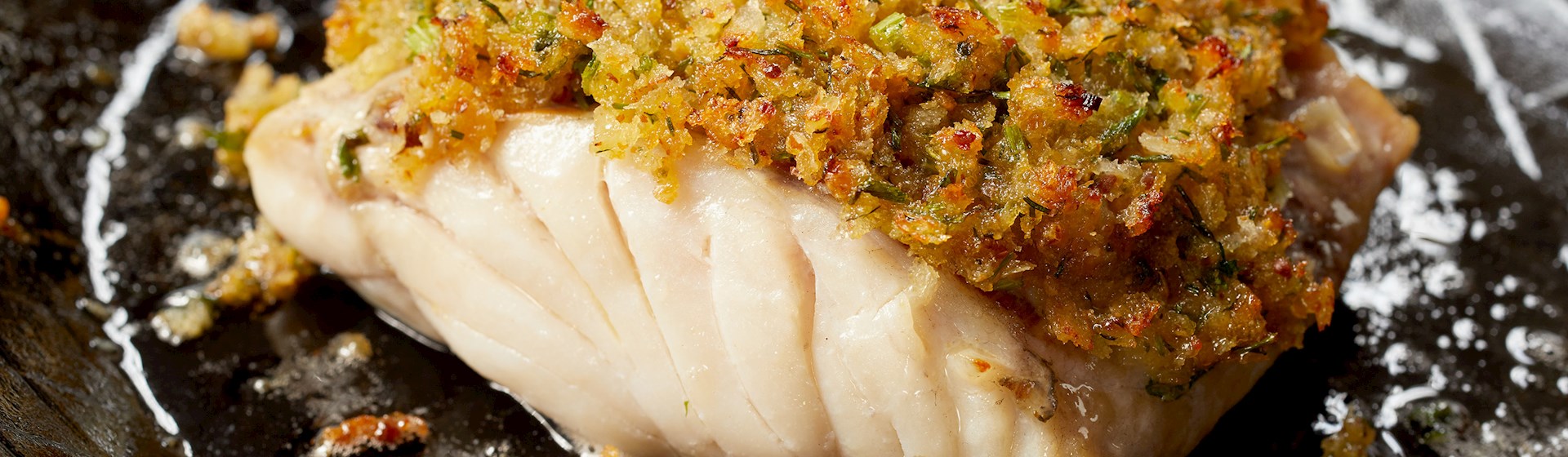
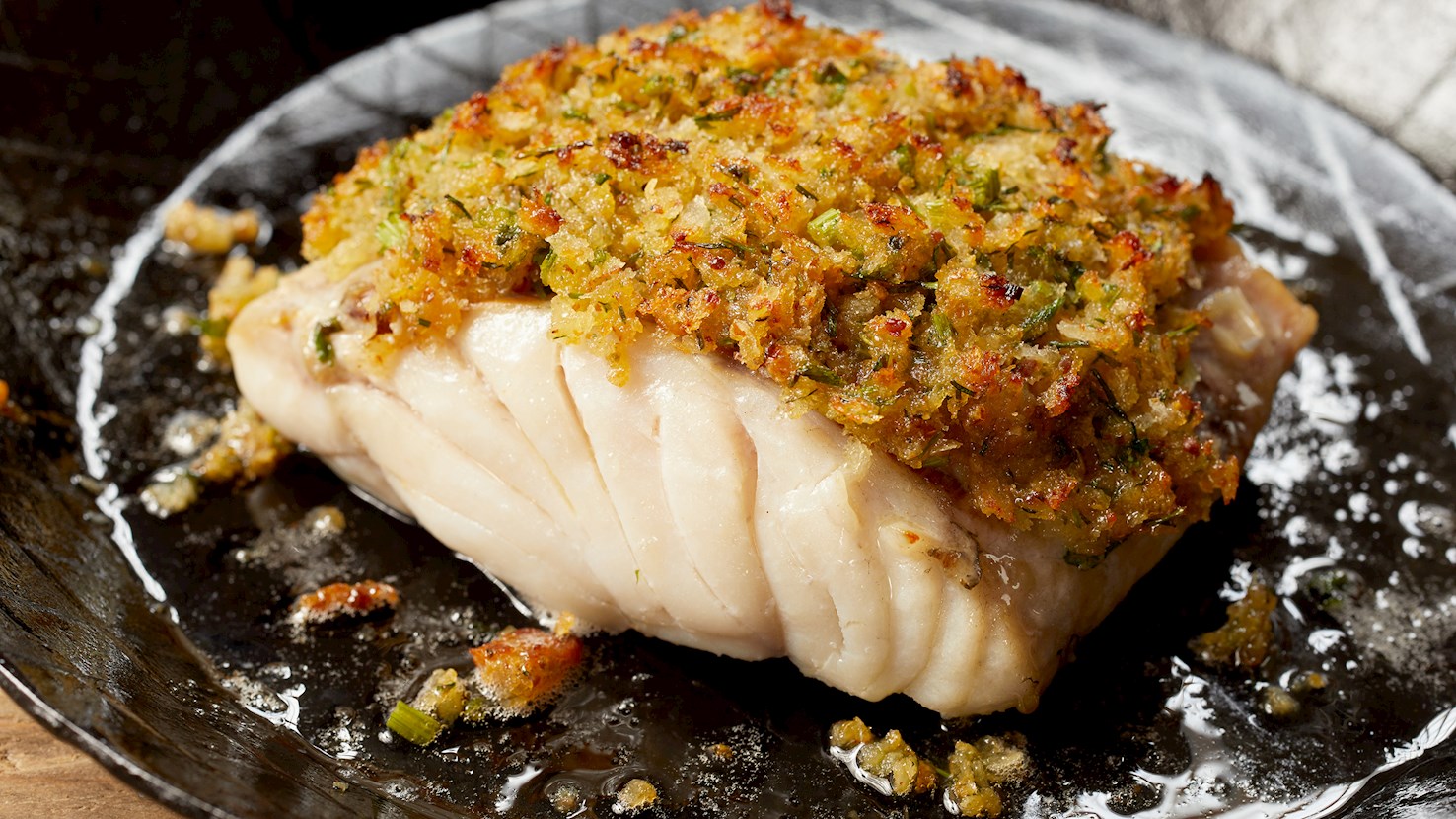
Nasello alla palermitana is a traditional fish dish originating from Palermo. The dish is usually made with a combination of hake, garlic, anchovies, breadcrumbs, rosemary, lemon juice, olive oil, salt, and black pepper. The garlic and anchovies are sautéed in olive oil until the anchovies dissolve (they can also be mashed with a fork). The fish is seasoned with olive oil, salt, and pepper, then rubbed with the anchovy mixture and coated with breadcrumbs. The hake is then baked in an oven until fully cooked, and a few minutes before the dish is ready, the fish is sprinkled with lemon juice. If properly prepared, a golden crust should form around the hake.
Pesce alla pizzaiola is a traditional fish dish originating from Italy. Although there are a few variations, the dish is usually made with a combination of fillets of fish such as sole, cod, or hake along with oregano, olive oil, parsley, garlic, and cherry tomatoes. The fillets are arranged in a baking pan over parchment paper, seasoned with salt, then drizzled with olive oil. The parsley, garlic, and oregano are added to the pan, and the dish is then baked in an oven for about half an hour. If desired, add capers, anchovies, breadcrumbs, toasted pine nuts, or black olives to further enrich the flavors.
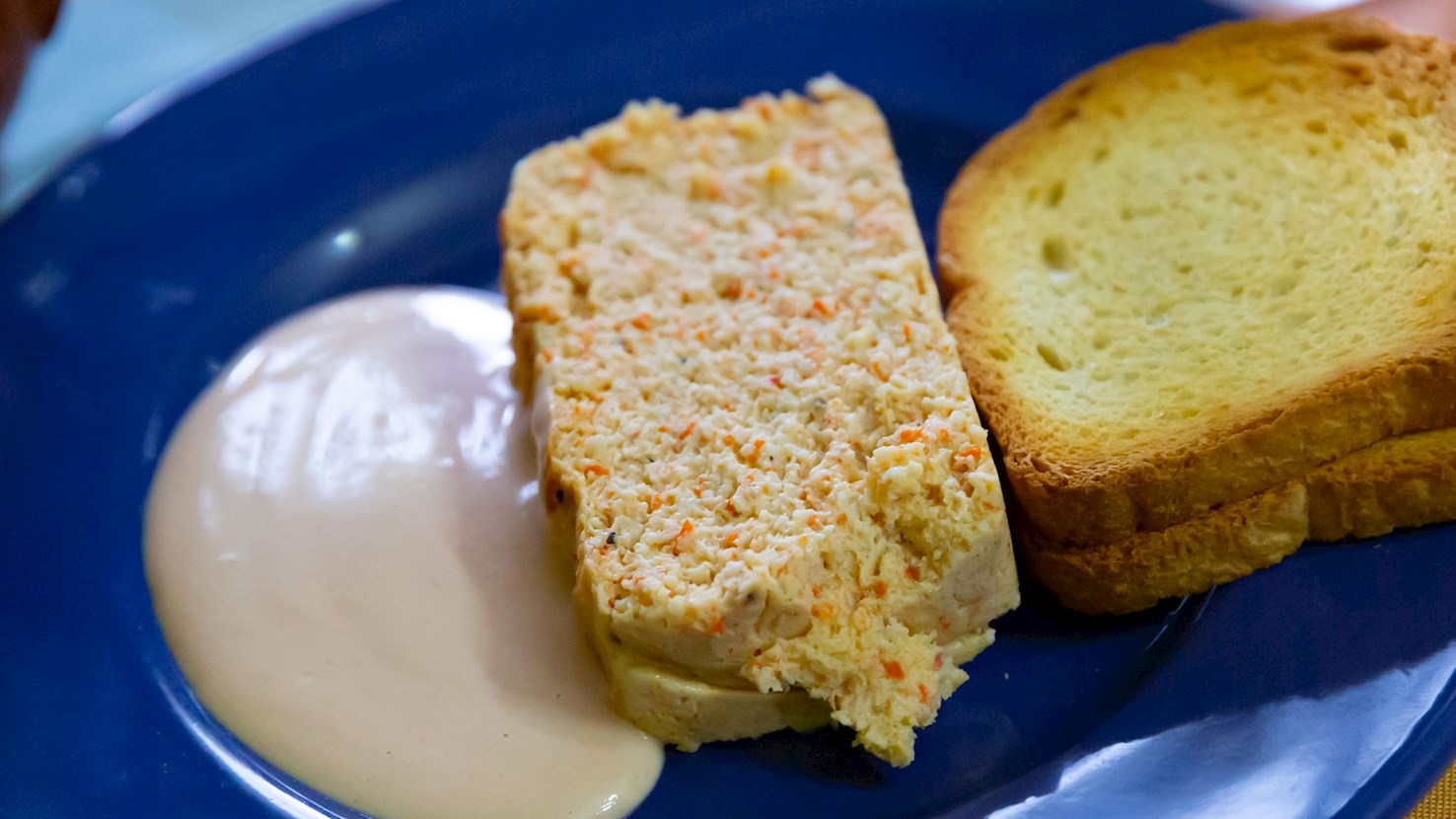
Paté de cabracho is a scorpionfish paste or a terrine from the Basque Country, Cantabria, and Asturias along the Cantabrian coast. It is made from cabracho, the Spanish name commonly used for red scorpionfish, a rocky-bottom fish with firm white flesh, many bones, and a strong seafood taste. The terrine version is from the Basque version created by Juan Mari Arzak in San Sebastián in 1971. Arzak called it pudin de kabrarroka, using the Basque name for the fish, and built it on an older idea of fish pudding rather than a raw-liver-style pâté. His version changed the status of cabracho in restaurant cooking. The fish had good flavor but was awkward to serve whole because of its spines, head, and bones. Turning the cooked flesh into a smooth, molded mixture solved that problem, made the fish easy to portion, and gave the dish a clean restaurant format. From there, it moved into home kitchens, taverns, ready-made seafood counters, and northern Spanish seafood menus. Scorpionfish is well-suited to this recipe because its flavor holds up during cooking and blending. It is not a neutral white fish. The flesh has a marked marine taste, partly because the fish feeds on smaller fish, crustaceans, and mollusks. The practical drawback is the same feature that made the dish useful: cabracho must be handled carefully. The fish has hard spines, and after cooking, it needs patient cleaning so that no bones, skin, or rough pieces end up in the mixture. Many cooks use hake, monkfish, or other white fish when cabracho is unavailable, but the result is milder and should be understood as an adaptation, not the same dish. The work begins by gently cooking the fish. The scorpionfish may be simmered in salted water with onion, leek, carrot, bay leaf, or parsley, or steamed so the flesh retains more flavor. Once cooked, it is cooled just enough to handle, then picked apart by hand. This is the slowest and most important part of the work. The flesh is separated from the head, skin, fins, and bones, and the cook checks it more than once. The cooking liquid can be kept and reduced for another use, but it is usually not added in large amounts because the pâté needs structure. The cleaned fish is then mixed with eggs, cream, and tomato sauce or tomato purée. The tomato is not there to make a red sauce; it gives color, acidity, and a slight sweetness that rounds the fish. The eggs set the mixture, while the cream gives it a softer texture. Some recipes include sautéed onions, leeks, or shallots, along with a small amount of pepper, brandy, white wine, or cayenne. The seasoning should stay controlled. If the mixture tastes mainly of tomato, alcohol, or spice, the scorpionfish has been pushed into the background. Once blended, the mixture is poured into a buttered or oiled mold. A loaf shape is common because it slices neatly, but round molds and small ramekins also work. It is usually baked in a water bath, which keeps the heat gentle and prevents the outside from setting too quickly while the center remains loose. When cooked, it should be firm enough to unmold and cut, but not rubbery. After baking, it is cooled and refrigerated, often for several hours or overnight, so the texture settles, and the flavor becomes cleaner. Served warm, it can feel heavy and eggy; served properly chilled or cool, it cuts better and spreads more smoothly. Paté de cabracho can be brought to the table in two main ways. In the molded version, it is unmolded, sliced, and served on a plate with toasted bread, crackers, or small pieces of plain white bread. In the softer jarred version, it is served as a spread, often with a knife and a small bowl of mayonnaise, salsa rosa, or a light tomato-based sauce nearby. Lettuce, boiled egg, roasted pepper, or a few pickles may appear on the plate, but the best versions do not need much decoration. The texture should be smooth but not pasty, with enough body to hold on toast and enough moisture to avoid dryness. Several details separate a good version from a weak one. The fish must be present in both aroma and taste. Too much cream makes it dull, too much egg makes it bouncy, and too much tomato turns it into a seafood-flavored flan. The color should be pale orange to salmon pink, depending on the tomato and the fish, not bright red. The surface may be plain or lightly glazed, but it should not be wet. A clean slice should show a fine, even interior without visible bones or large vegetable pieces unless the cook has deliberately left some texture. Today, paté de cabracho is eaten mostly as a starter, tapa, pintxo, or seafood spread in northern Spain. In San Sebastián and the Basque Country, it fits naturally into pintxo bars and restaurant starters. In Asturias and Cantabria, it is common on seafood menus, holiday tables, and shop-bought assortments of fish pâtés and conservas. It is practical food for sharing: a small plate, a basket of toast, and a cold drink are usually enough. Dry white wine is the safest pairing, especially Txakoli, Albariño, Godello, or a young white from coastal northern Spain. Cider also works well in Asturias because its acidity cuts through the cream and egg. Fino or manzanilla sherry suits the briny side of the fish, while a clean lager is a good casual match. On the plate, the best partners are crisp toast, plain bread, lightly dressed salad, pickled piparras, roasted red peppers, olives, boiled egg, or a small spoonful of mayonnaise sharpened with lemon.
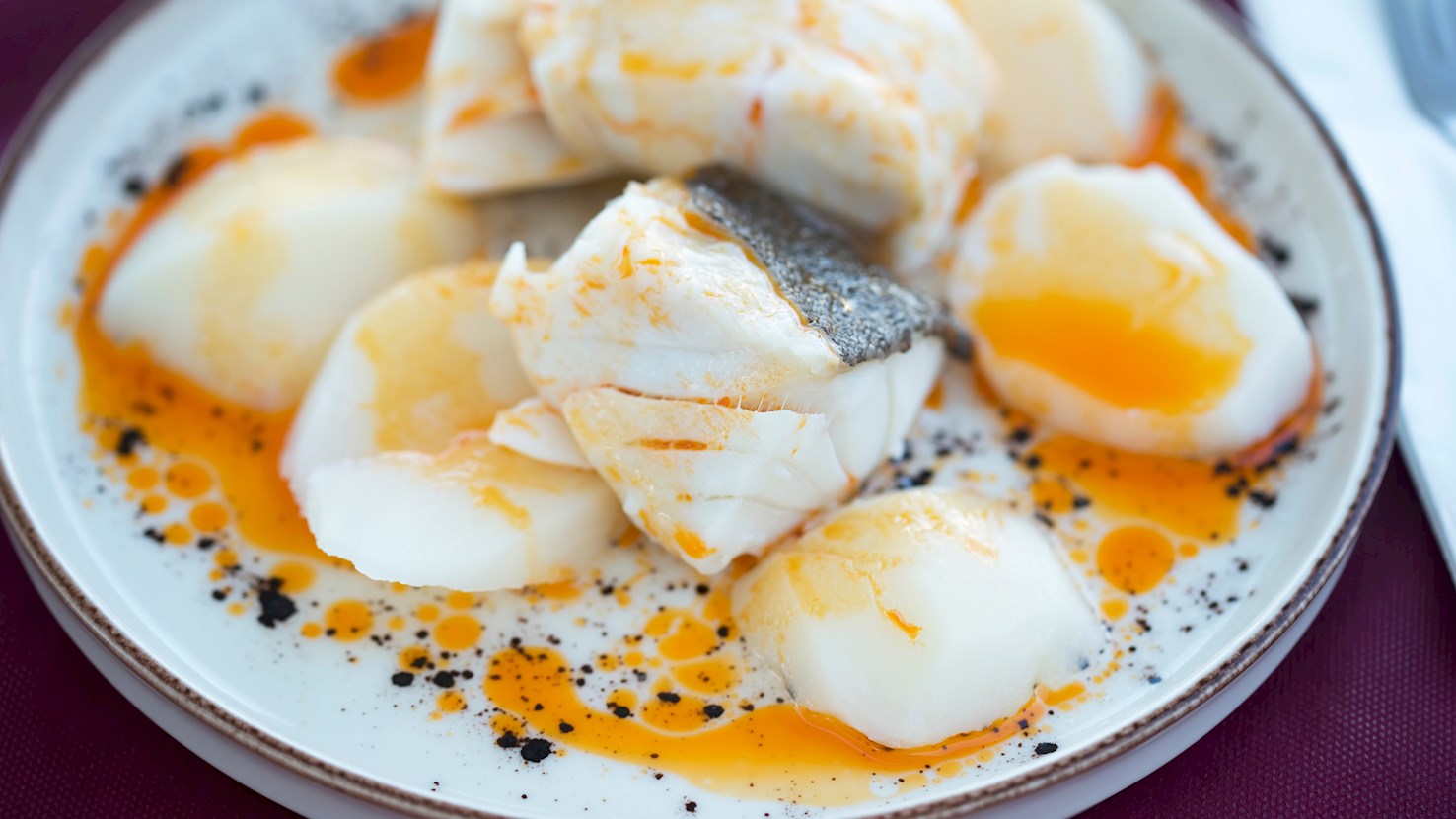
Kokotxas al pil-pil are made with the gelatin-rich throat or lower jaw pieces of hake or cod, cooked gently in olive oil with garlic and guindilla until the fish releases enough natural gelatin to form a thick, glossy sauce. The dish comes from the Basque Country in northern Spain, where kokotxas are highly valued in seafood restaurants, home cooking, and pintxo bars, especially in coastal areas with strong links to hake, cod, and salt-cod cookery. The word kokotxa comes from the Basque and refers to the fleshy part under the chin of the fish, a small cut that sits near the gills and has a soft texture when cooked correctly. Cod pil-pil is one of the best-known Basque preparations, and kokotxas fit naturally into the same technique because they contain enough collagen to bind with warm olive oil and create an emulsion without flour, cream, or butter. Fresh hake kokotxas are common, while cod kokotxas may be fresh or salted and then desalted before cooking. The first step is to carefully clean the kokotxas, removing loose skin, blood, and rough edges without damaging the delicate pieces. Garlic slices are usually warmed in olive oil with a small piece of guindilla, then removed or left aside so they do not burn. The kokotxas are placed in the flavored oil over low heat and cooked slowly, often with the skin side down first. The pan or cazuela is moved in small circular motions so the gelatin from the fish joins with the oil, building the pil-pil sauce little by little. The heat must stay moderate, as frying the fish too hard can tighten the flesh and prevent the sauce from forming properly. Some cooks remove the fish once it is cooked and finish the emulsion by moving the pan, using a small strainer, or working the oil and juices together off the heat, then return the kokotxas to the sauce. The finished plate should have tender fish, lightly fragrant oil, soft garlic, a mild chili note, and a sauce that coats the pieces without feeling heavy. What makes the dish stand apart is that the sauce comes mainly from the fish itself; the cook is not adding a separate thickener but drawing out gelatin and controlling the temperature until the oil and fish juices combine. Kokotxas al pil-pil are usually served hot in a shallow plate or a small earthenware dish, sometimes garnished with parsley and browned garlic slices. They are eaten in Basque restaurants, seafood houses, pintxo bars, cider houses, and homes, often as a starter, a shared plate, or a more refined seafood course. Bread is almost always useful because the sauce is part of the dish, not a garnish. Good pairings include txakoli, dry white wine, fino, manzanilla, sparkling water, or light cider, while suitable foods alongside them include grilled peppers, simple green salad, clams, hake, bacalao, mushrooms, crusty bread, potato dishes, asparagus, or mild vegetable plates that do not compete with the pil-pil sauce.
Fileti oslića u umaku od vina is a traditional dish originating from Istria. The dish is usually made with a combination of hake, flour, butter, oil, white wine, heavy cream, parsley, salt, and black pepper. The hake fillets are seasoned with salt and pepper, and dredged in flour. The fillets are fried in a mixture of hot butter and oil until golden. The pan juices are mixed with white wine, heavy cream, and parsley in order to make a sauce. The sauce is poured over the fish fillets, and the dish is then typically served with mashed potatoes on the side.
TasteAtlas food rankings are based on the ratings of the TasteAtlas audience, with a series of mechanisms that recognize real users and that ignore bot,
nationalist or local patriotic ratings, and give additional value to the ratings of users that the system recognizes as knowledgeable.
For the “10 Best Rated Dishes with Hake” list until June 17, 2026, 1,000,987 ratings were recorded, of which 657,348 were recognized by the system as legitimate.
TasteAtlas Rankings should not be seen as the final global conclusion about food. Their purpose is to promote excellent local foods,
instill pride in traditional dishes, and arouse curiosity about dishes you haven’t tried.