





shutterstock

8 Best Rated
Dishes with Kaymak

Last updated on June 17, 2026
01

Komplet lepinja

4.5 ·

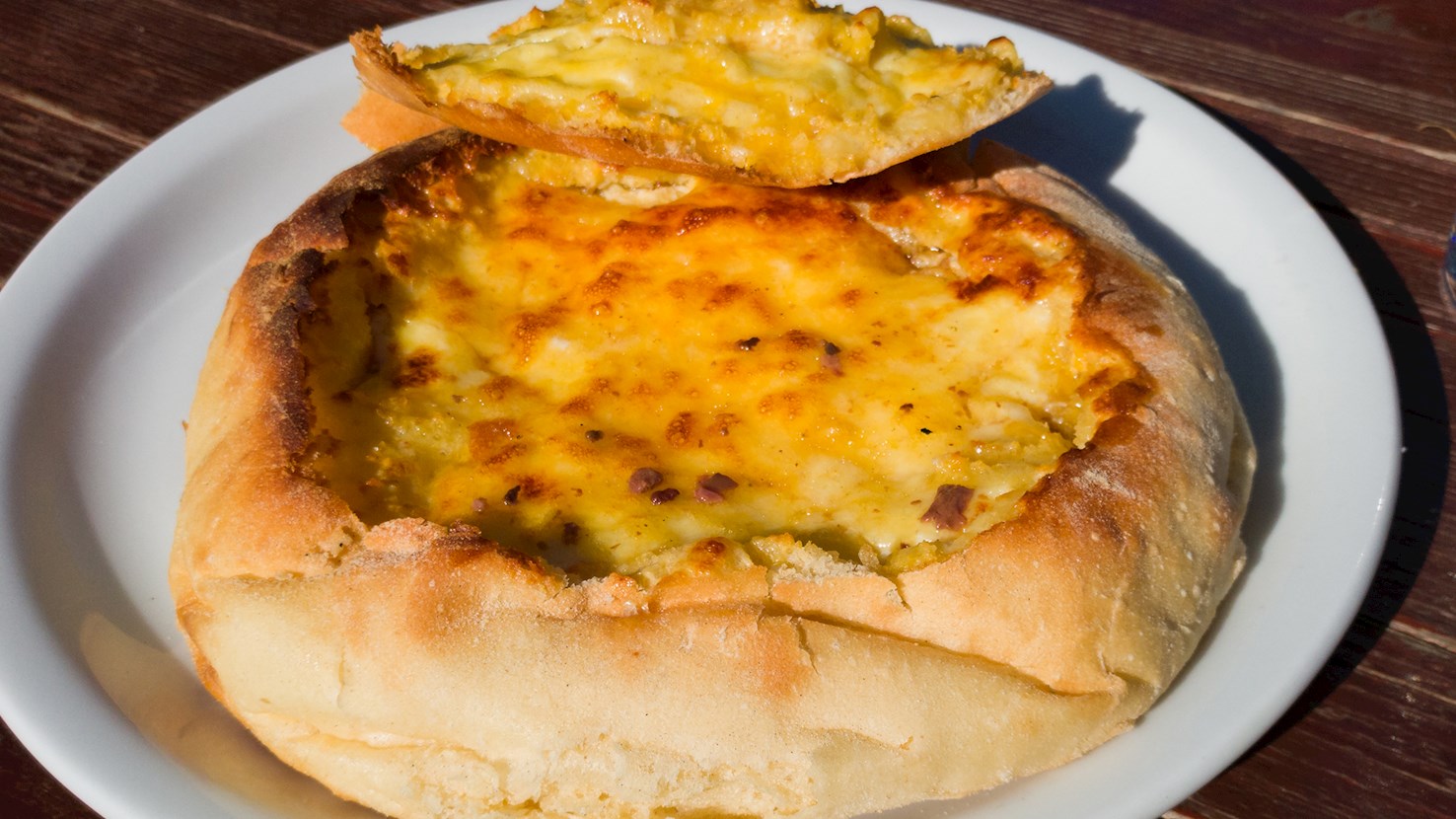
This delicacy consists of a traditional flatbread (lepinja) that is cut in half, coated in thick cream (kajmak), and topped with an egg. The combination is shortly baked and should be doused with a mixture of warm meat drippings, which is locally known as pretop. Komplet can be loosely translated as with everything in it, and is traditionally associated with Užice and Zlatibor. It is believed to have originated sometime before WWII, and the name was officially registered by Dragan Lazić, a current owner of the bakery Kod Šuljage in Užice. Although it is nutritious and highly caloric, the dish is commonly enjoyed for breakfast and is best paired with a glass of yogurt or sour milk on the side. For the most authentic experience, it is recommended to eat it with your hands.

02

Bal kaymak

4.3 ·

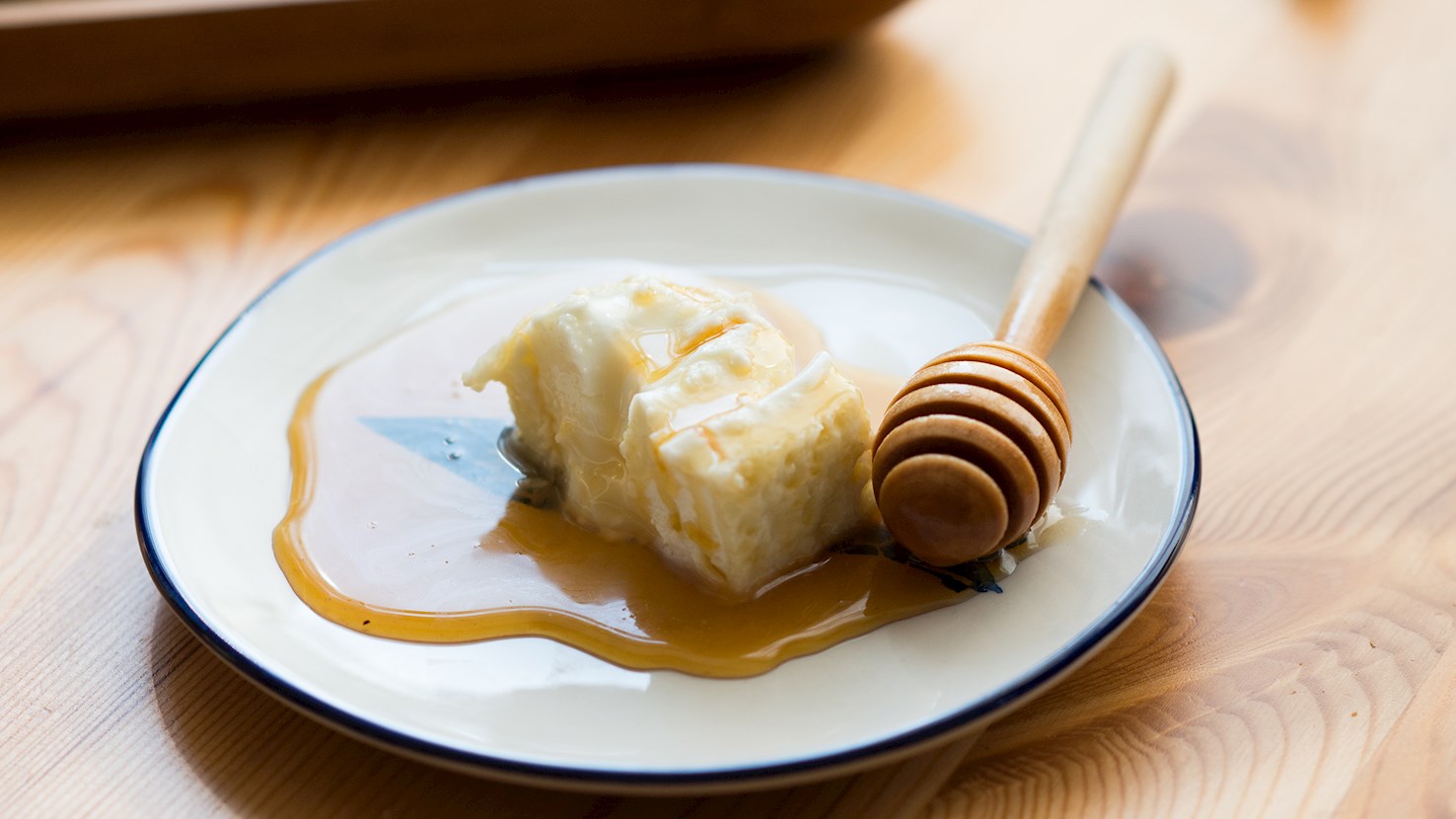
A staple breakfast dish in Turkey, bal kaymak is a delicious combination of kaymak - a traditional dairy product produced from water buffalo milk, very similar to clotted cream - that is generously doused with honey. The dish is served as a spread or a sweet dip alongside tea or a variety of other traditional breakfast dishes and is typically paired with bread. Rarely, it is served as a dessert and it sometimes comes garnished with ground, chopped, or whole walnuts.

03

Karađorđeva šnicla

4.0 ·

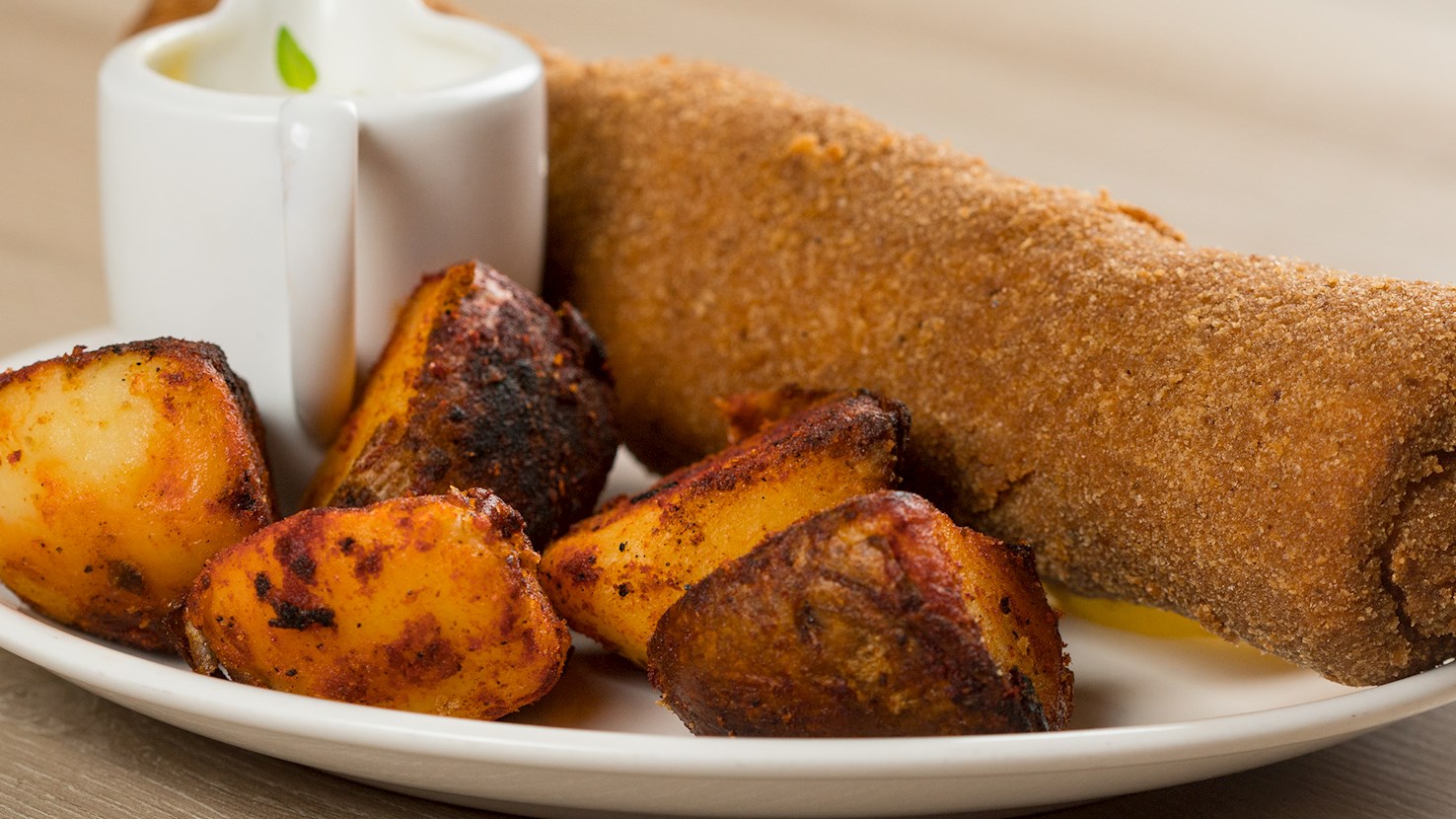
Karađorđeva šnicla is a traditional dish consisting of veal or pork cutlet that is filled with kajmak, then rolled in breadcrumbs and fried in hot oil. The cutlet was created in 1956 by a chef Mića Stojanović, who would later become a personal chef to Josip Broz Tito, the president of the former republic of Yugoslavia. The chef claims he invented it out of necessity at the restaurant Golf in Belgrade, and named it after the Serbian Prince Karađorđe. Today, the dish is a staple at many traditional restaurants and is typically accompanied by roasted potatoes, a lemon wedge, and tartar sauce on the side. The other name, devojački san (maiden's dream) refers to the phallic shape of the dish.

04

Prijesnac

3.0 ·

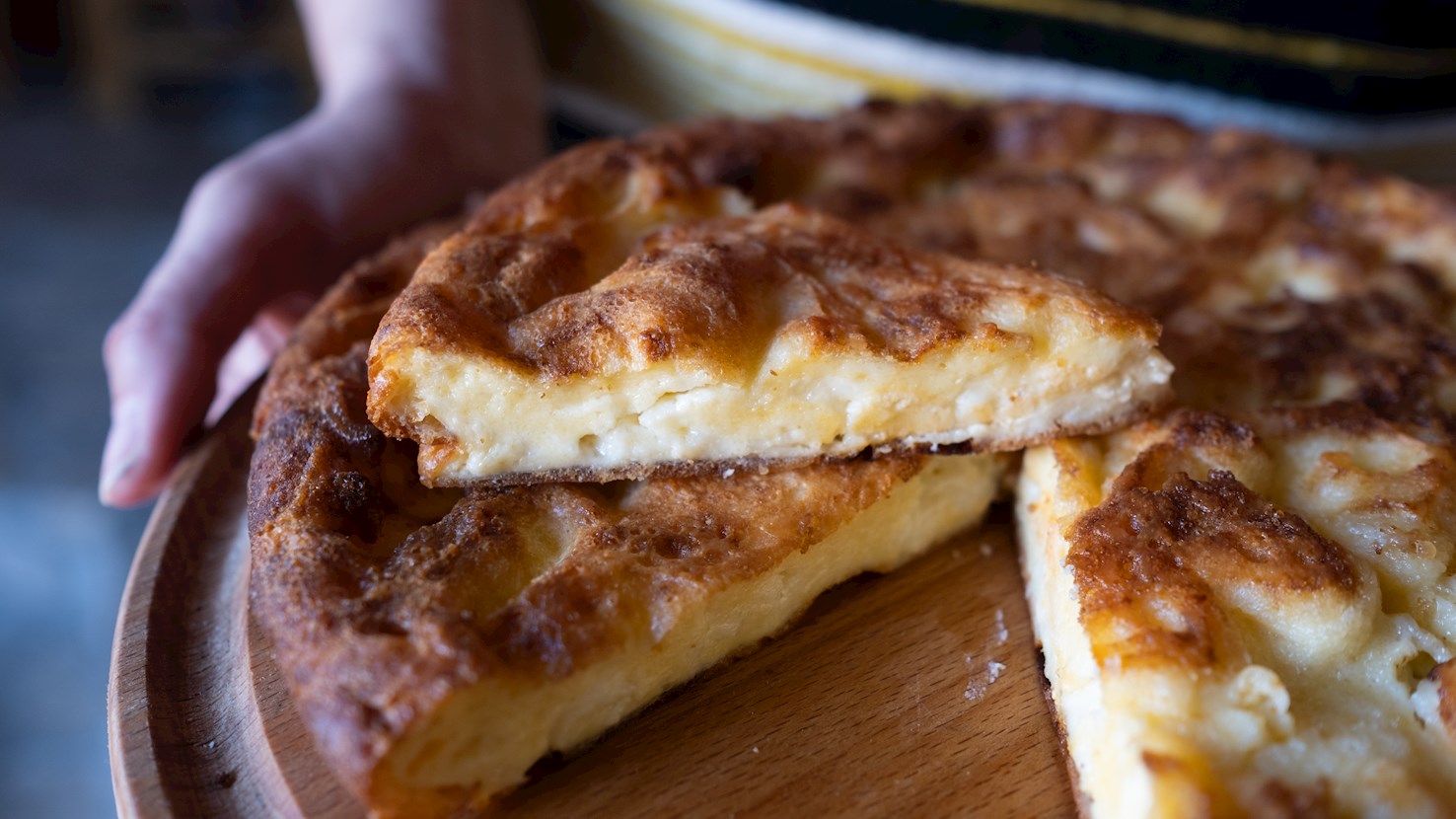
Prijesnac is a traditional cheese pie originating from the Trebinje area of Herzegovina and the northern parts of Montenegro, but it is also eaten in the entire Bosnia and Herzegovina. The pie is made with a combination of cottage cheese, kaymak or sour cream, eggs, milk, flour, oil, salt, and baking powder. The batter is placed into an oiled baking tray and the pie is then baked until golden brown. Once done, prijesnac is served immediately while still warm. Although there is not much information about this simple peasant dish, it is believed that the locals had originally prepared it in order to make use of leftover cheese.

05

Kaymaklı kayısı

2.9 ·

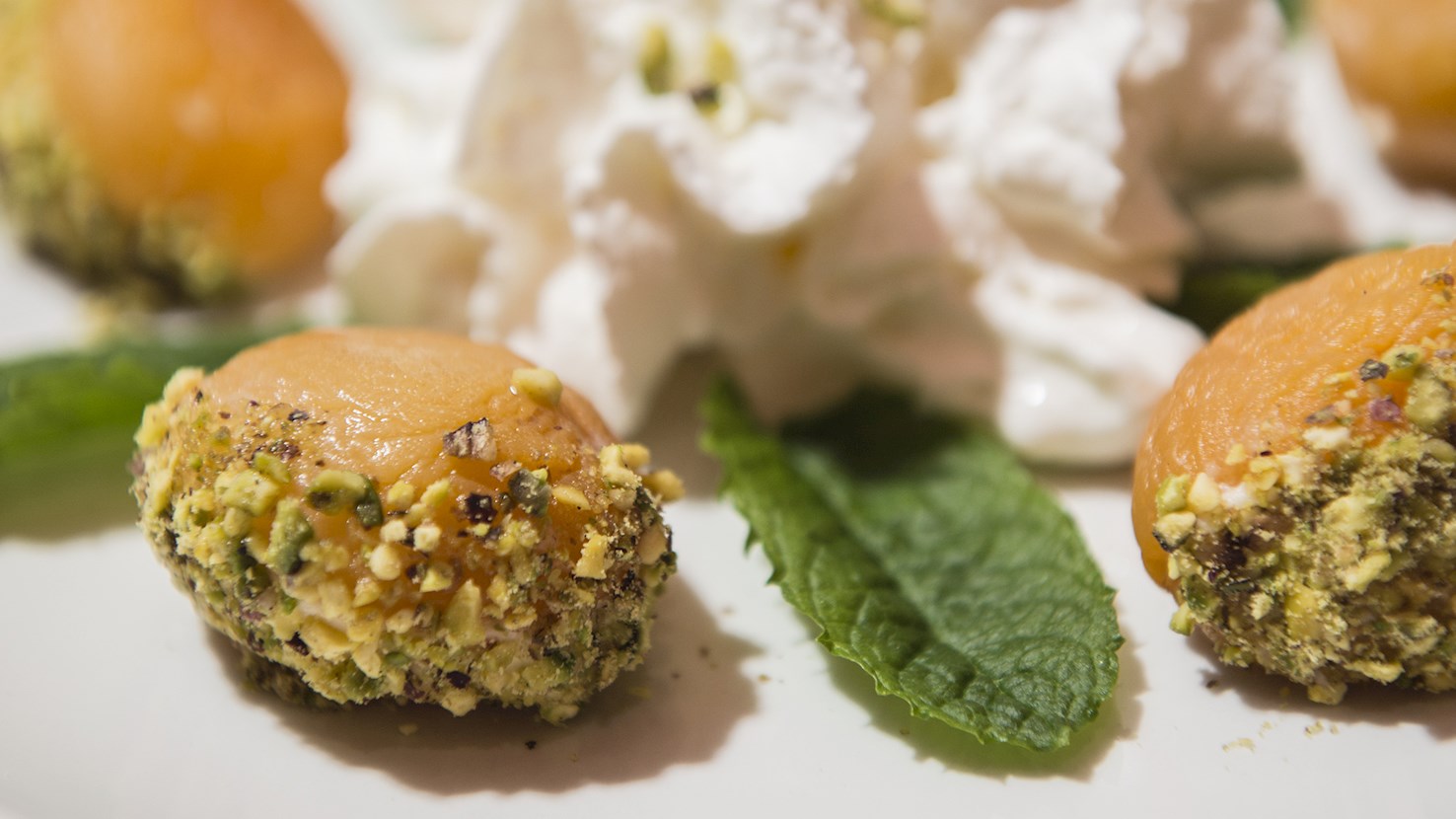
This unique Turkish dessert consists of dried apricots that are first cooked in a lemon-flavored syrup until soft, then stuffed with kaymak—a type of clotted cream made with water buffalo milk. In the end, the apricots are rolled in ground pistachios. Fruity, creamy, and nutty all at once, kaymaklı kayısı delivers an interesting combination of textures and flavors. To enhance their color, the apricots can also be simmered in red wine, and alternatively garnished with walnuts or hazelnuts, while blanched almonds can also be added to the cream filling.

06

Sevdiđah

n/a ·

Sevdiđah is also the name of a traditional Bosnian soft and moist cake that has jabukov pekmez and kaymak as one of its main ingredients. The cake is made by baking a sponge base, which is then soaked with the syrup after it cools. This soaking process is similar to other traditional Bosnian desserts that emphasize syrupy textures, such as hurmašice or tufahije. The syrup or agda, made with cooking sugar, water, and lemon, imparts a moist, melt-in-your-mouth quality to the cake. Recipes vary. Although the original recipe will also include a sheet of yufka at the top and bottom, often it is not included; some go only for corn flour, some a mix of wheat flour and semolina, and some just wheat flour that has been baked beforehand. After baking, the cake is soaked in syrup, but powdered sugar, a spread of kaymak, or a bit of ground nuts on top are often added for flavor and texture. Sevdiđah cake may be enjoyed during festive occasions or as an everyday treat with coffee or tea, fitting in with the broader tradition of Bosnian hospitality.

07

Ćevapi u kajmaku

n/a ·

Ćevapi u kajmaku is a traditional Balkan dish consisting of ćevapi (grilled minced meat sausages) served with kajmak, a creamy, dairy spread similar to clotted cream. Originating from Bosnia and Herzegovina and popular throughout the Balkans, this dish combines the smoky, grilled flavor of the ćevapi with the rich, buttery taste of the kajmak. The combination is often accompanied by flatbread, onions, and sometimes ajvar (a roasted pepper relish), making it a hearty and flavorful meal.

Best restaurants
08

Maslanica

n/a ·

Maslanica is a traditional savory pastry from Bosnia and Herzegovina. It is made with thin layers of dough made with wheat flour, salt, and water, similar to phyllo dough. A version of maslanica made with whole wheat flour is also very popular. The layers are stacked and sometimes filled with a mixture of butter and kaymak. The pastry is baked until golden and crispy and is usually served warm, either as a main dish or as a hearty snack, often paired with roasted chicken. Maslanica is a beloved comfort food known for its rich, buttery flavor and satisfying texture. It is commonly prepared for family gatherings and special occasions, reflecting Bosnian culture's importance of simple, home-cooked meals.

About this ranking

TasteAtlas food rankings are based on the ratings of the TasteAtlas audience, with a series of mechanisms that recognize real users and that ignore bot, nationalist or local patriotic ratings, and give additional value to the ratings of users that the system recognizes as knowledgeable. For the “8 Best Rated Dishes with Kaymak” list until June 17, 2026, 1,000,987 ratings were recorded, of which 657,348 were recognized by the system as legitimate. TasteAtlas Rankings should not be seen as the final global conclusion about food. Their purpose is to promote excellent local foods, instill pride in traditional dishes, and arouse curiosity about dishes you haven’t tried.

Similar lists