

shutterstock

4 Best Rated
Dishes with Kecap Manis

Last updated on June 17, 2026
01

Tongseng

4 ·

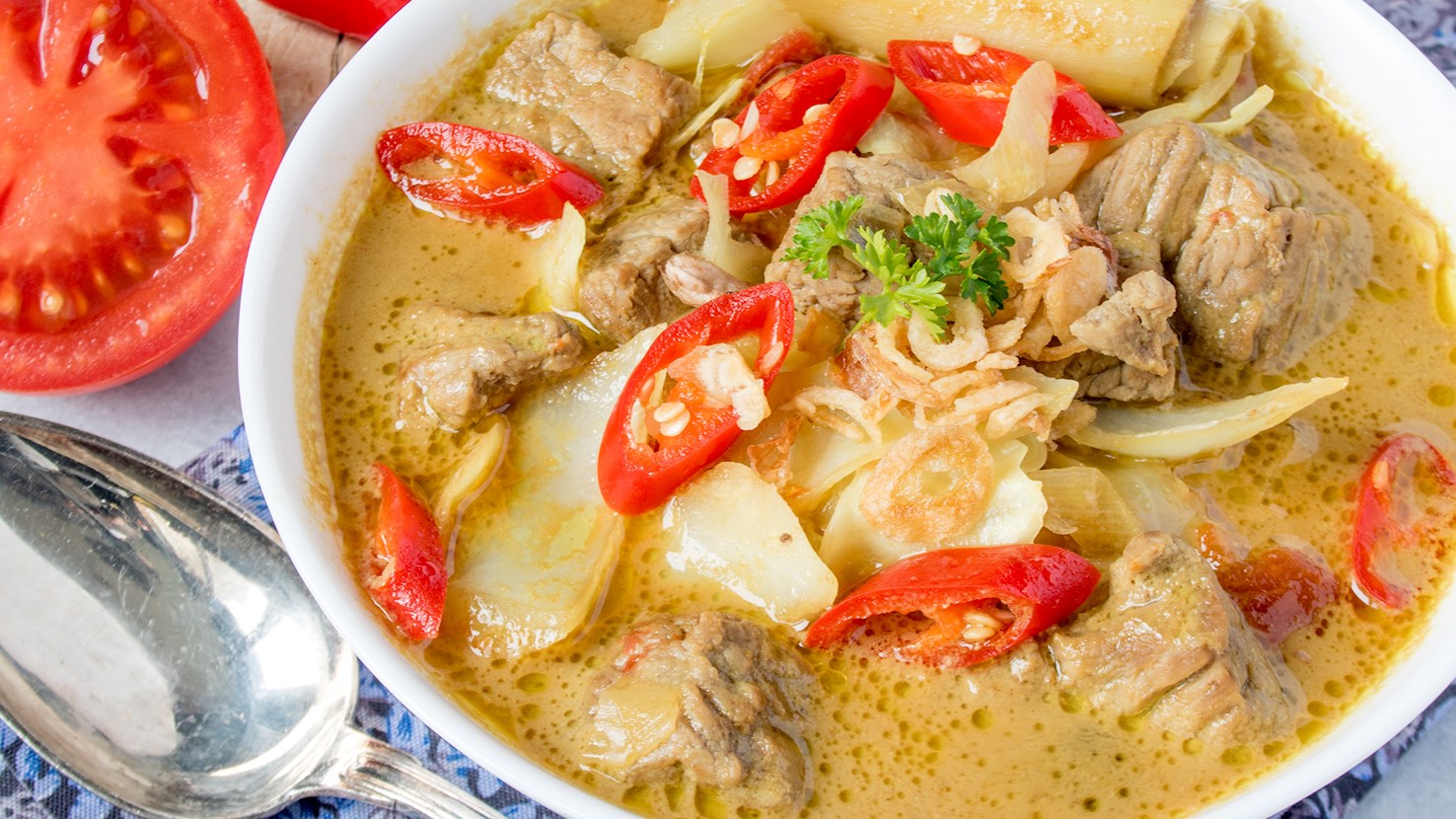
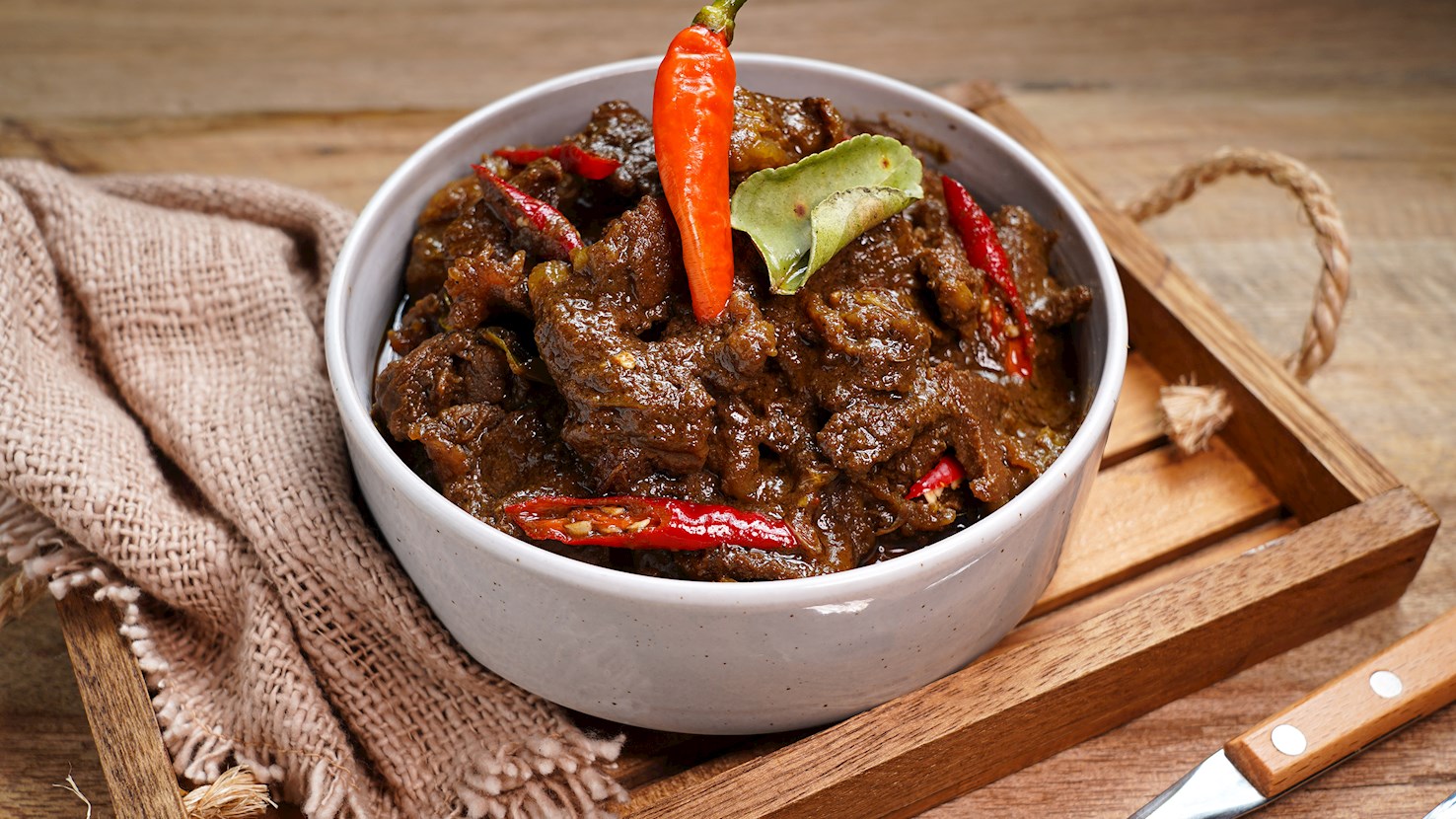
Predominantly sweet, slightly robust, and deliciously spicy, tongseng is an authentic Indonesian meat stew, typically goat, cooked with kecap manis (sweet soy sauce), shredded cabbage, tomatoes, and coconut milk. It is commonly regarded as a combination of satay, meat skewers, and gulai, Indonesian curry. This Javanese delicacy is replete with exotic herbs and spices that give it an exquisite flavor, while the coconut milk gives it a smooth, creamy texture. Beef, mutton, and even chicken are alternatives to the goat meat. Also, it is not uncommon to leave the bones and offal of the meat while cooking the dish for a richer flavor. Traditionally, tongseng is cooked on a charcoal stove that lends the dish a pleasant, smoky taste. This specialty is believed to have been inspired by Arab and Indian cuisines, and it is commonly associated with Surakarta, better known as Solo. Tongseng has become a popular food sold all over the island of Java, from warungs and street stalls to fancy restaurants. Street stalls in Jakarta, Bandung, and Surabaya are said to offer the best tongseng.

02

Tempe orek

3.8 ·

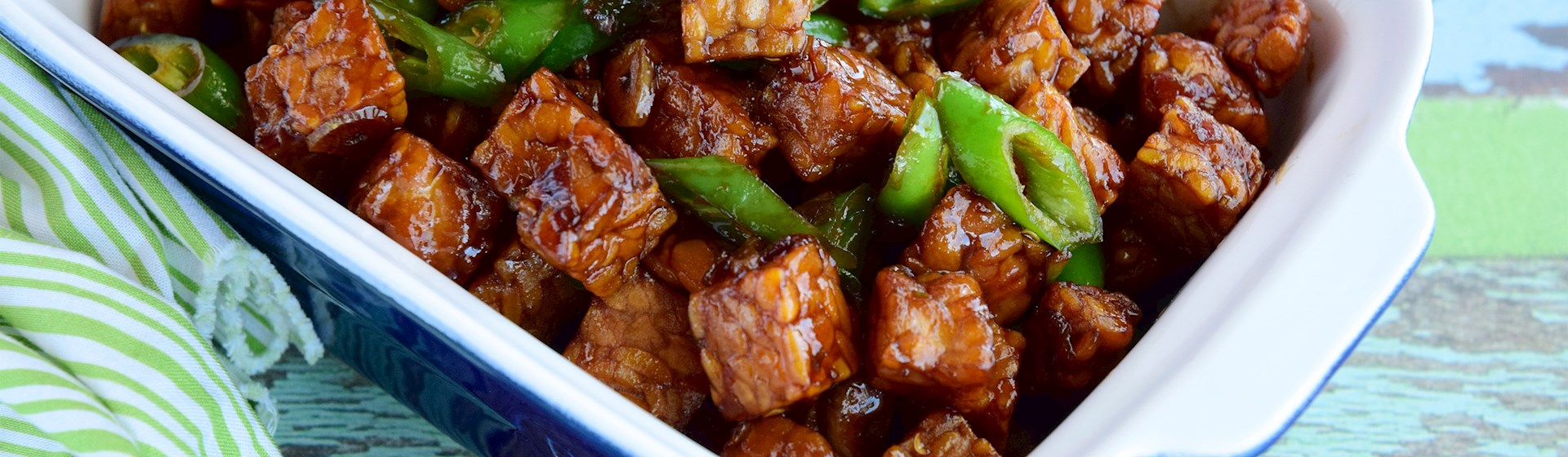
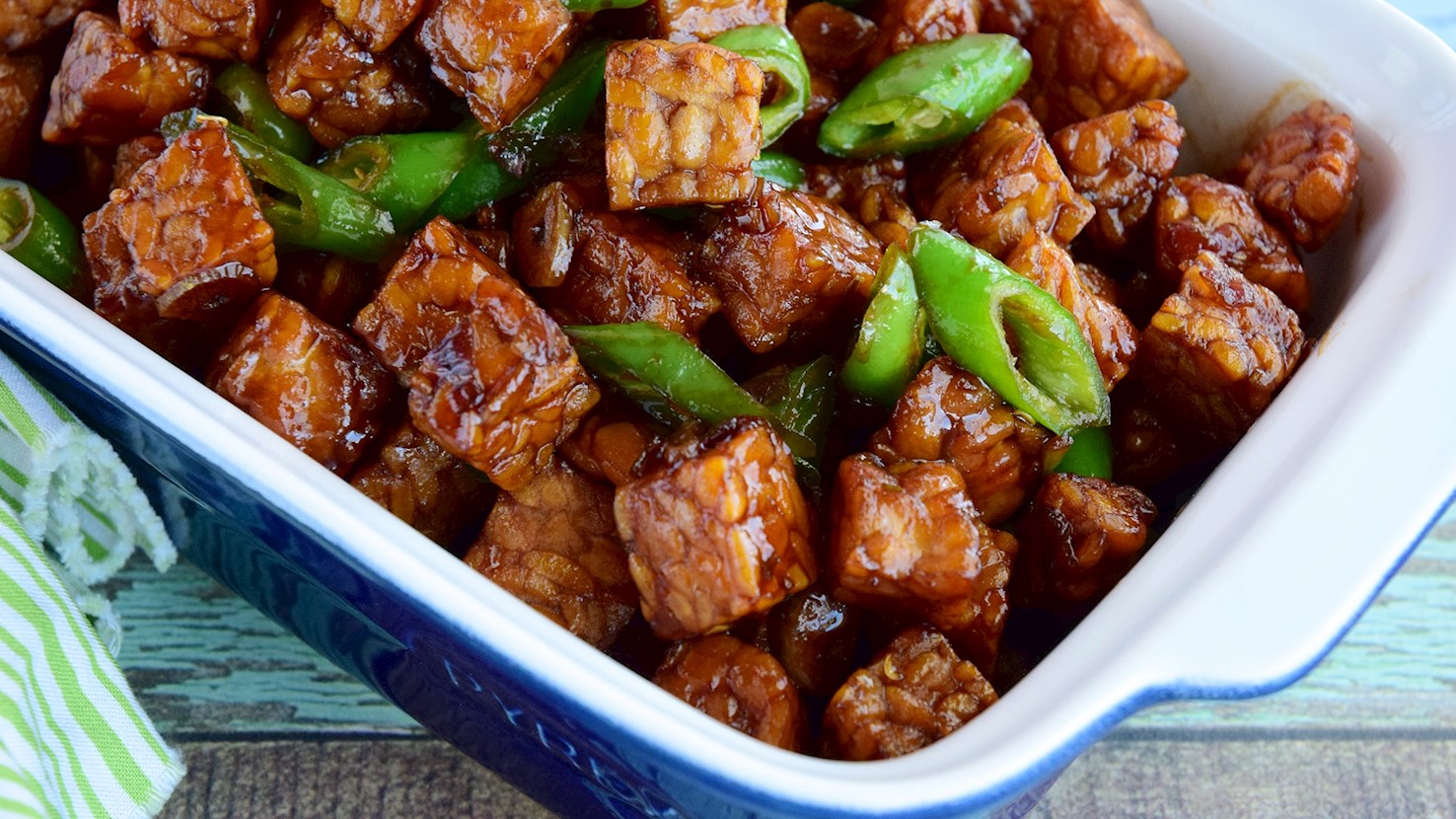
Tempe orek is an Indonesian stir-fry dish made with tempe, a traditional fermented soybean cake that originated in Java. In tempe orek, tempe is typically sliced into small matchsticks or cubes and then fried until golden, giving it a satisfying chew and slightly crispy edges. The fried tempeh is then tossed in a rich caramelized sauce made from a combination of kecap manis (Indonesian sweet soy sauce), garlic, shallots, and chilies, sometimes enhanced with bay leaves, galangal, or a touch of tamarind for added complexity. The result is a glossy, aromatic dish that balances sweetness, saltiness, and mild heat—flavors that are quintessential to Javanese cooking. Tempe orek is commonly served as a side dish alongside steamed rice, vegetables, and other main courses, often as part of a larger nasi rames or nasi campur spread. In some homes, it is made dry and stir-fried until the sauce clings tightly to the tempe, making it suitable for travel or packed lunches; in others, it’s prepared with a bit more sauce, ideal for soaking into warm rice.

03

Sate kelinci (Rabbit satay)

3.8 ·

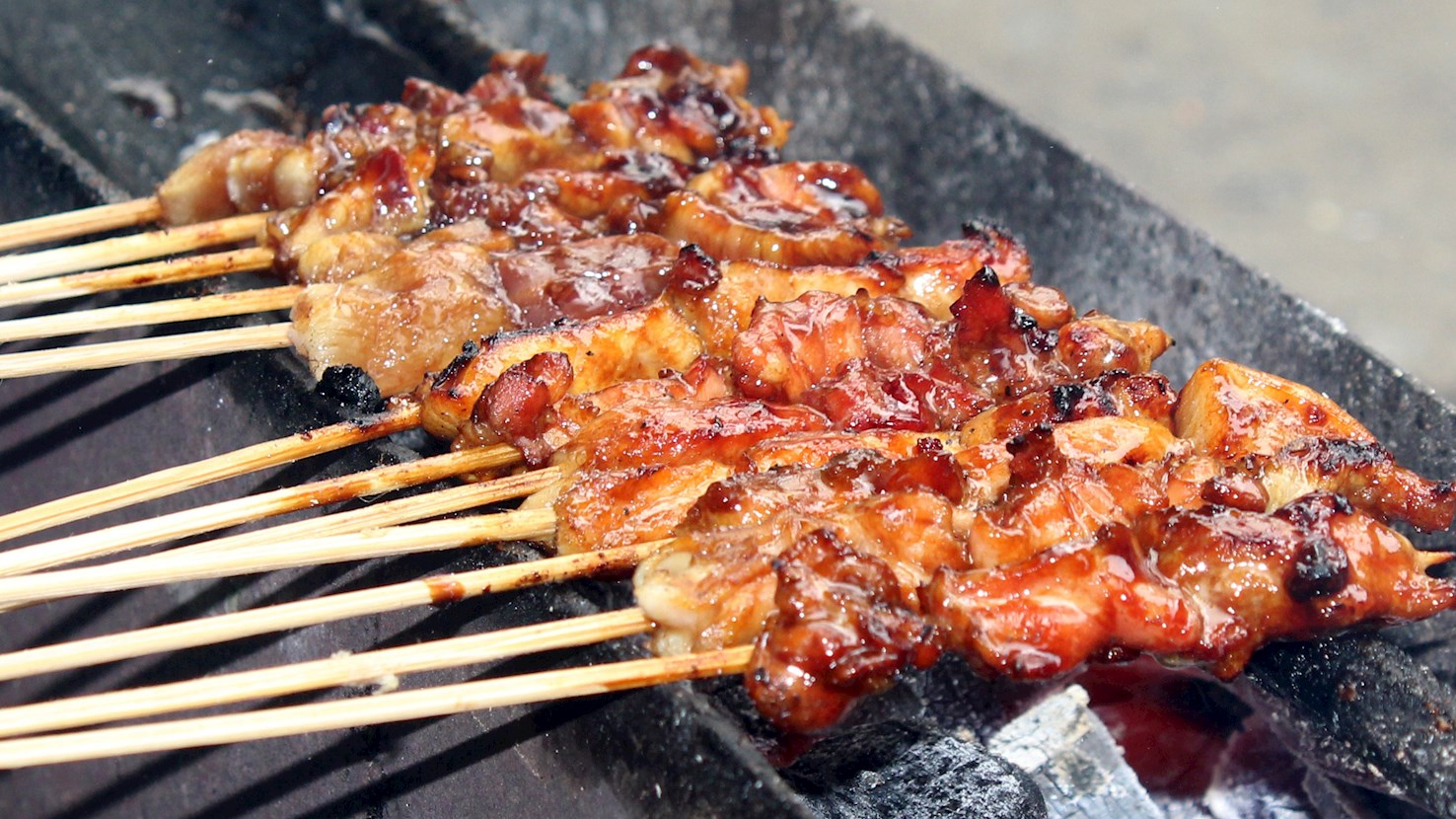
Sate kelinci is a skewered rabbit meat dish originating from the highland regions of Central Java, Indonesia, particularly popular in areas such as Tawangmangu, Lembang, and around the slopes of Mount Merapi. This variant of Indonesian sate features tender cuts of rabbit grilled over charcoal and typically served with either a savory soy-based sauce or a spiced peanut sauce, depending on local preference. The meat is usually marinated in a mixture of garlic, coriander, salt, and sweet soy sauce before being skewered and grilled, giving it a subtly sweet, smoky, and mildly gamey flavor that distinguishes it from more common versions made with chicken, beef, or goat. Sate kelinci is known for its lean texture and is often considered a lighter option, enjoyed by travelers and locals alike in cooler mountain climates where rabbit farming is more common. The dish is closely associated with Javanese culinary culture, where sate is a central component of street food and home cooking. In regions where sate kelinci is widely sold, such as tourist spots in the Dieng Plateau or forested hill towns, it is often grilled fresh to order by roadside vendors and eaten with steamed rice or rice cakes. Unlike more urban sate variants that are mass-produced or widely exported, sate kelinci tends to remain a specialty of areas where rabbit is both raised and consumed more regularly.

04

Krengsengan

3.3 ·

Krengsengan is a spiced meat dish from Surabaya, commonly made with goat or beef and cooked in a sweet soy sauce-based reduction. The dish is known for its rich, slightly sweet flavor and thick, dark sauce that results from the use of kecap manis and a slow simmering process. It begins with sautéing a finely ground spice paste made from shallots, garlic, coriander seeds, ginger, candlenuts, and sometimes turmeric, which forms the aromatic base of the dish. Meat is added and browned before being simmered in the sauce, which is enhanced by optional additions like chili, tamarind, or vinegar to adjust the balance of sweetness and acidity. The dish is usually served with steamed rice and may be garnished with fried shallots or eaten alongside raw vegetables like cucumber or basil. Unlike more elaborate Indonesian stews such as rendang or semur, krengsengan is simpler in its preparation and lighter in consistency, focusing on the deep, caramelized flavor of soy sauce and spices. Although it is most closely associated with goat meat, variations using beef or offal are also common, particularly in urban street food contexts.

About this ranking

TasteAtlas food rankings are based on the ratings of the TasteAtlas audience, with a series of mechanisms that recognize real users and that ignore bot, nationalist or local patriotic ratings, and give additional value to the ratings of users that the system recognizes as knowledgeable. For the “4 Best Rated Dishes with Kecap Manis” list until June 17, 2026, 1,000,987 ratings were recorded, of which 657,348 were recognized by the system as legitimate. TasteAtlas Rankings should not be seen as the final global conclusion about food. Their purpose is to promote excellent local foods, instill pride in traditional dishes, and arouse curiosity about dishes you haven’t tried.

Similar lists