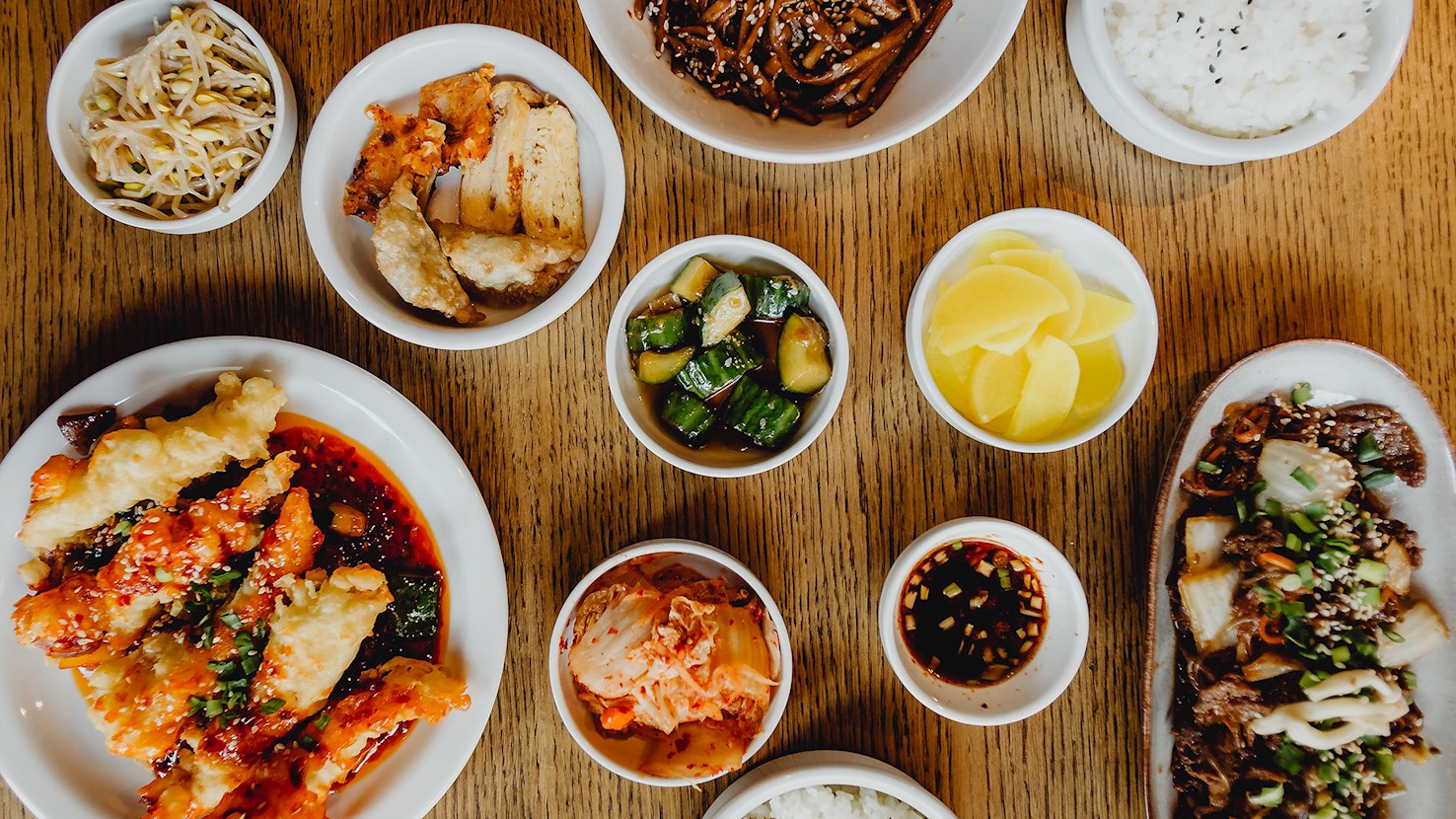
The term banchan encompasses a wide variety of Korean dishes that are traditionally served on small plates. Although the name banchan translates to side dishes, in traditional Korean cuisine, they are considered as the essential part of every meal. The list of banchan dishes is extensive, but the most common options include different kimchi varieties, pickled and fresh vegetables, stir-fry dishes, pancakes, or various combinations with noodles, as well as braised meat or seafood dishes. All the plates are usually placed in the middle of the table and are meant to be shared, while other additions to the traditional table setup include individual bowls of rice, grilled meat, and a communal stew (jjigae). Interestingly, banchan dishes are always served in odd numbers, since even number is considered bad luck.
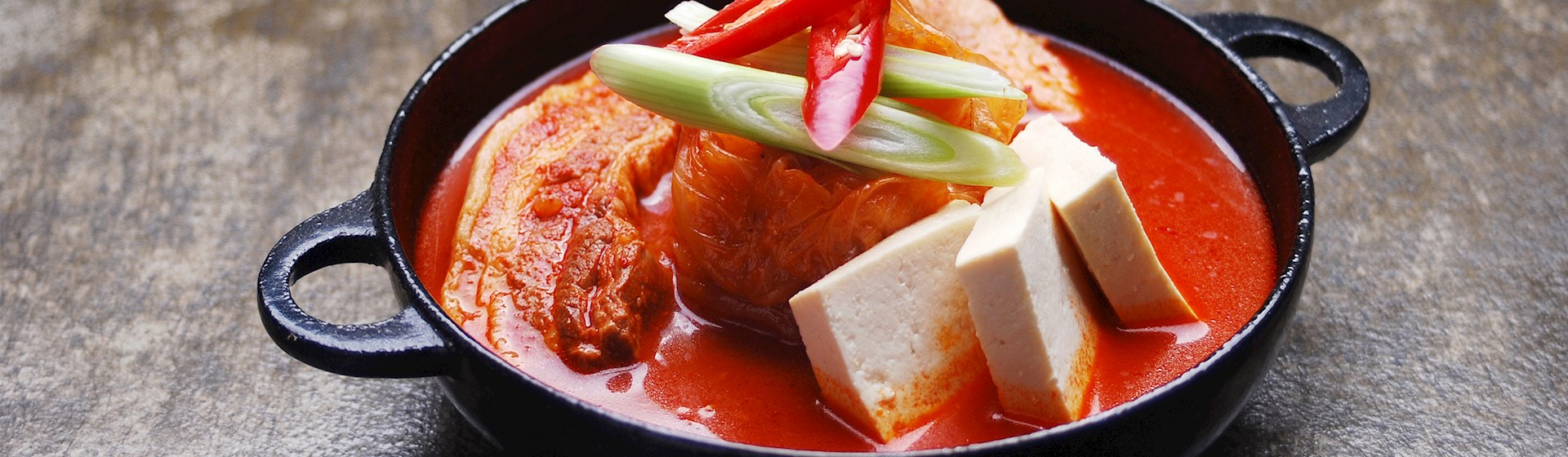
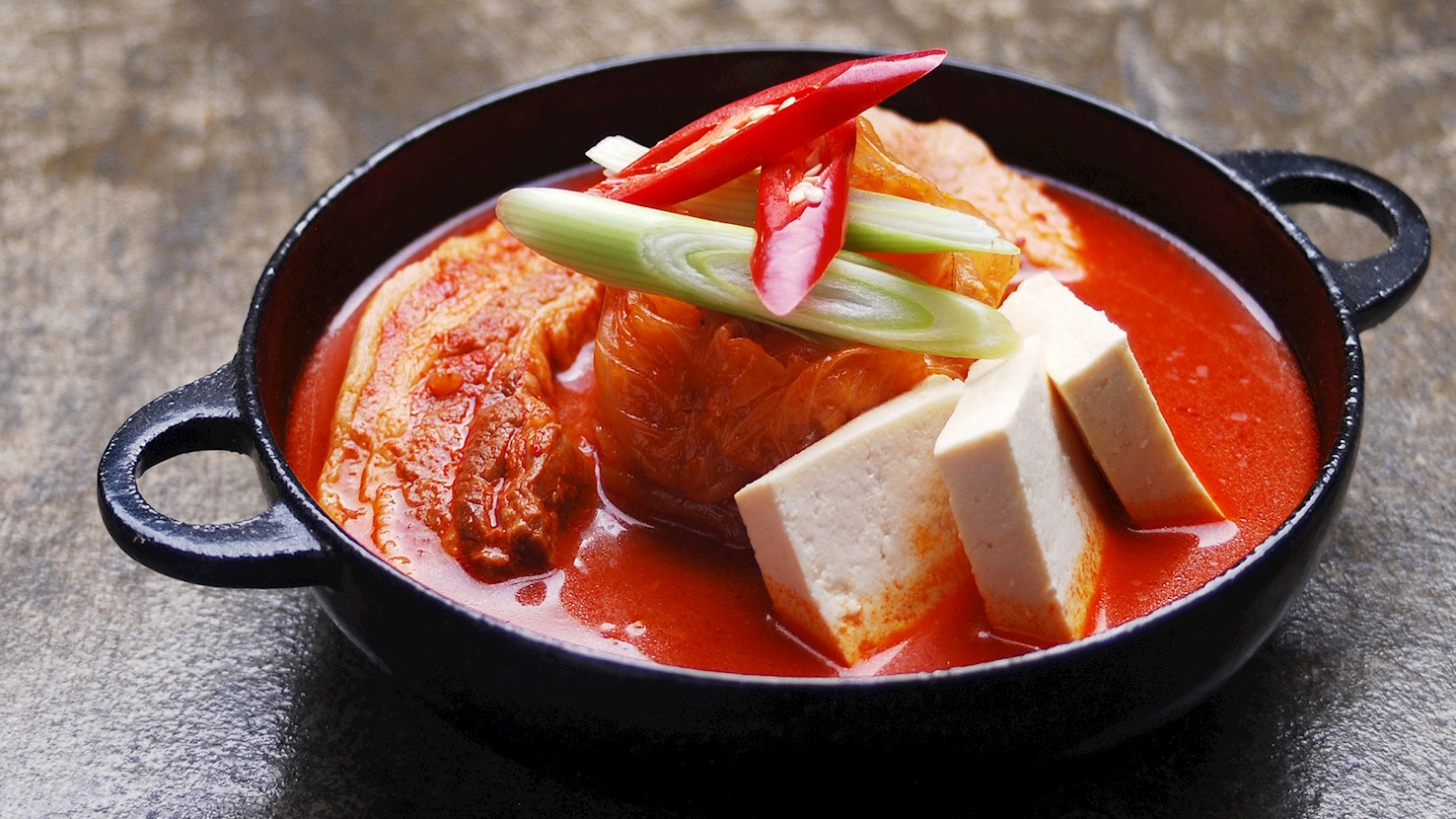
Kimchi jjigae is a flavorful Korean stew that employs kimchi as its base ingredient. Other elements usually include diced tofu, pork, or seafood, along with scallions and other vegetables such as potatoes or zucchinis. Kimchi stew is one of the most common dishes enjoyed in South Korea, and it is traditionally served as a communal meal, and should always be piping hot. The dish is best prepared with older kimchi since it tends to impart more flavor to the stew. Kimchi jjigae is usually served with rice on the side, as well as other traditional Koran sides (banchan).
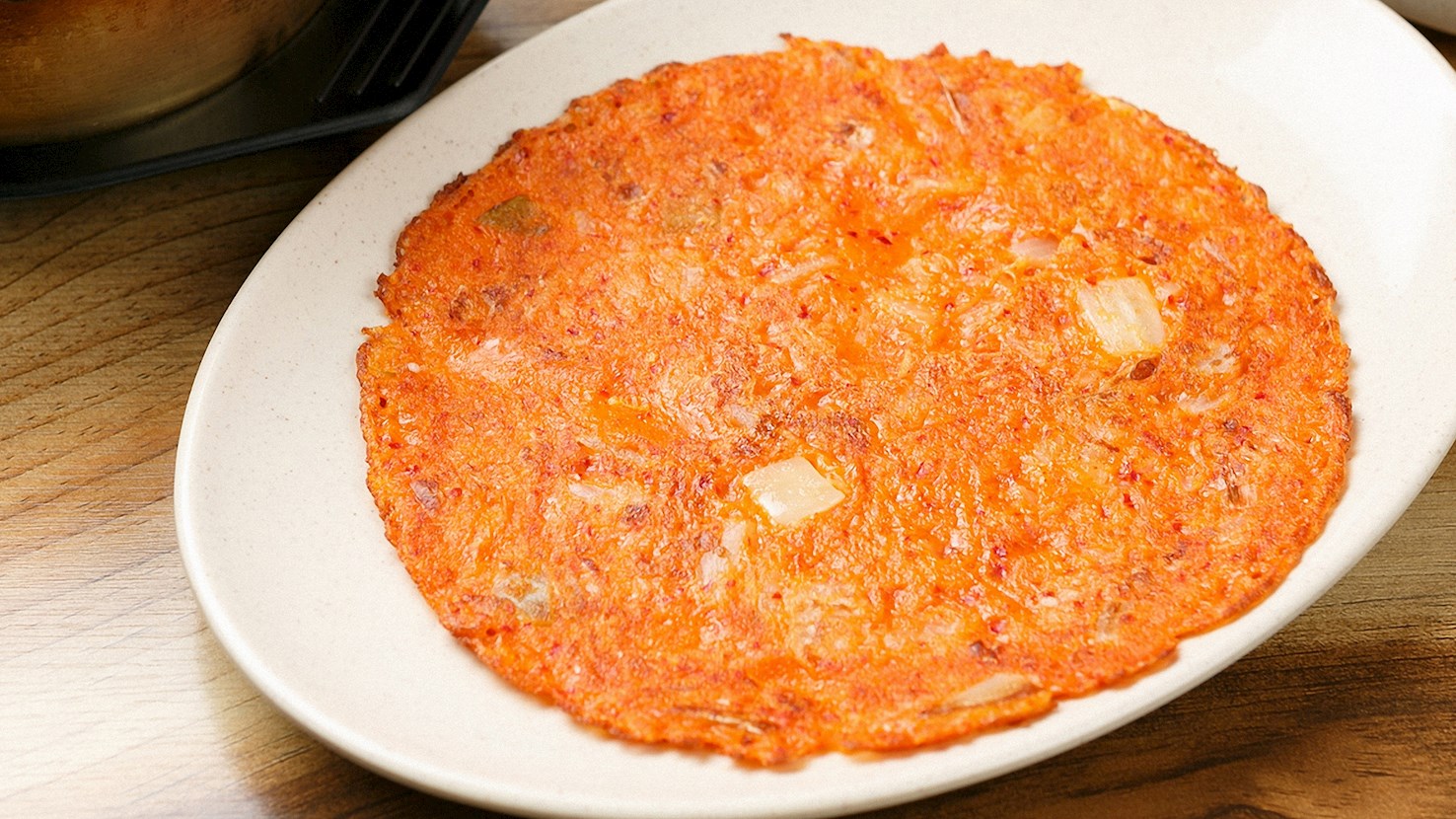
In its simplest form, this South Korean pancake incorporates sliced kimchi, preferably ripe version, with a simple flour batter. The dish belongs to a wide group of jeon—savory Korean pancakes—and it is easily adapted with various ingredients such as chili paste (gochujang), ground meat, or other vegetables. The pancakes are occasionally served with a dipping sauce on the side and may come sprinkled with sesame seeds. They are usually enjoyed as a quick, filling snack or an appetizer, but they can also be served as a main course or a side dish.
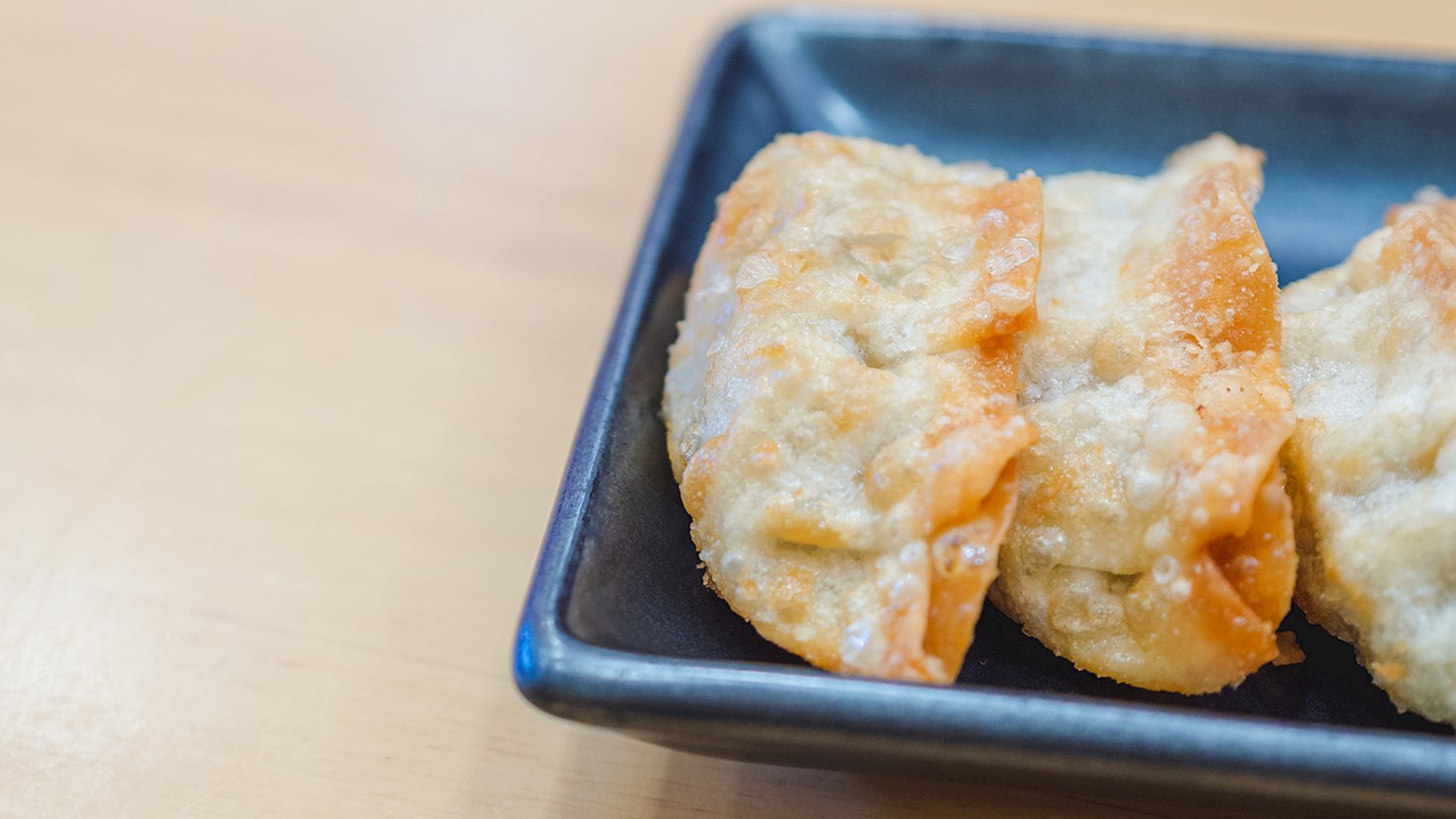
Age gyoza is a Japanese gyoza variety that's deep-fried. The dish consists of a wrapper that's filled with different kinds of ingredients such as kimchi, shrimp, mushrooms, and pork, among others. Once assembled, the gyoza are deep-fried in hot oil until crunchy, then served piping hot, so it's recommended to excercise caution while eating it. Age gyoza is traditionally dipped in soy sauce that's customarily served on the side.
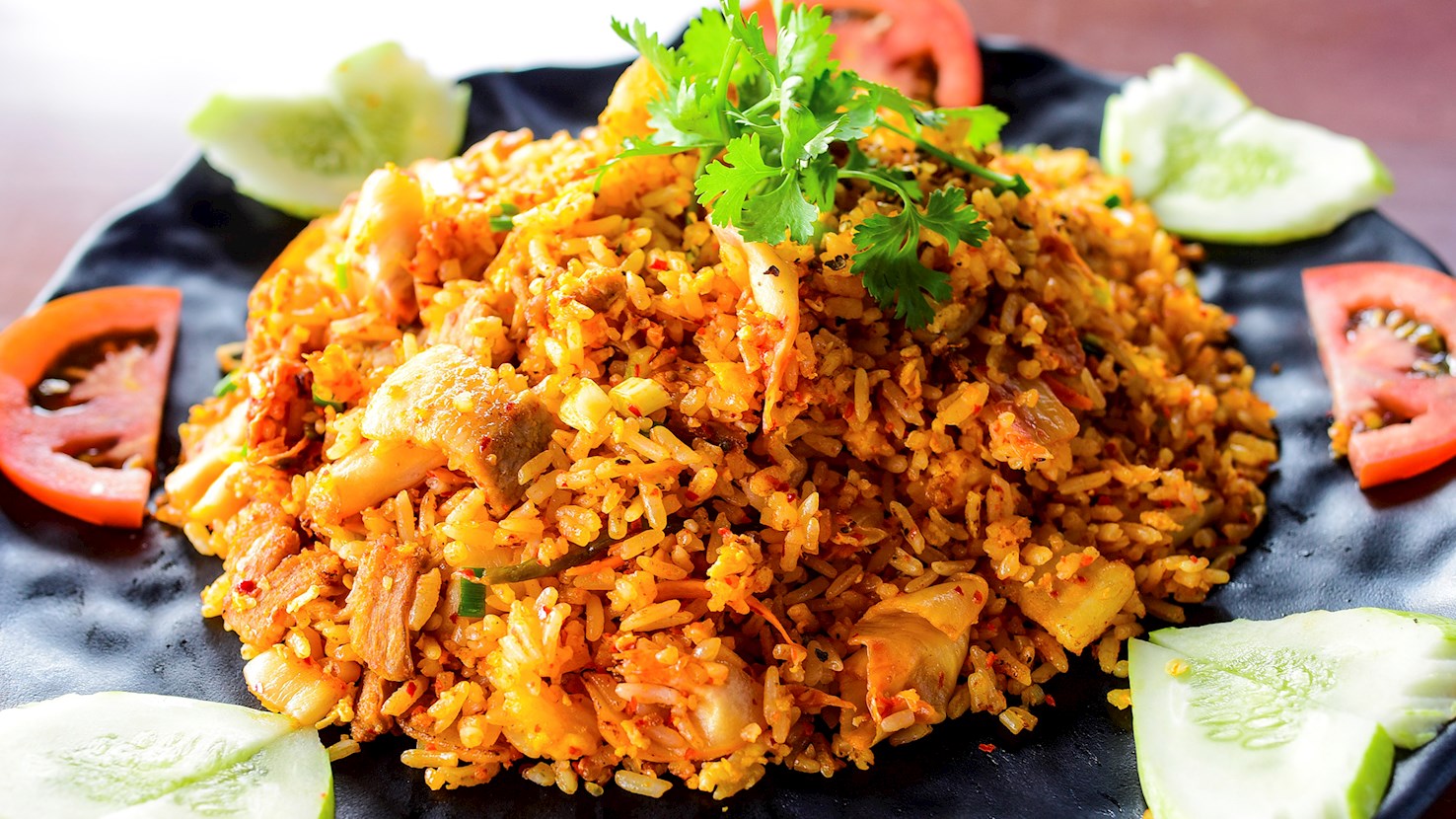
Kimchi bokkeumbap is a simple South Korean dish made with a combination of fried rice and kimchi. It is considered to be a great way to use leftover kimchi. The dish can also be enriched with additional ingredients such as meat, vegetables, and soy sauce. In most cases, kimchi bokkeumbap is topped with a fried egg before serving, although it can also be garnished with sesame seeds, finely chopped green onions, or gim. Because it is very easy to prepare, inexpensive, and comforting, the dish is a favorite amongst South Korean students.
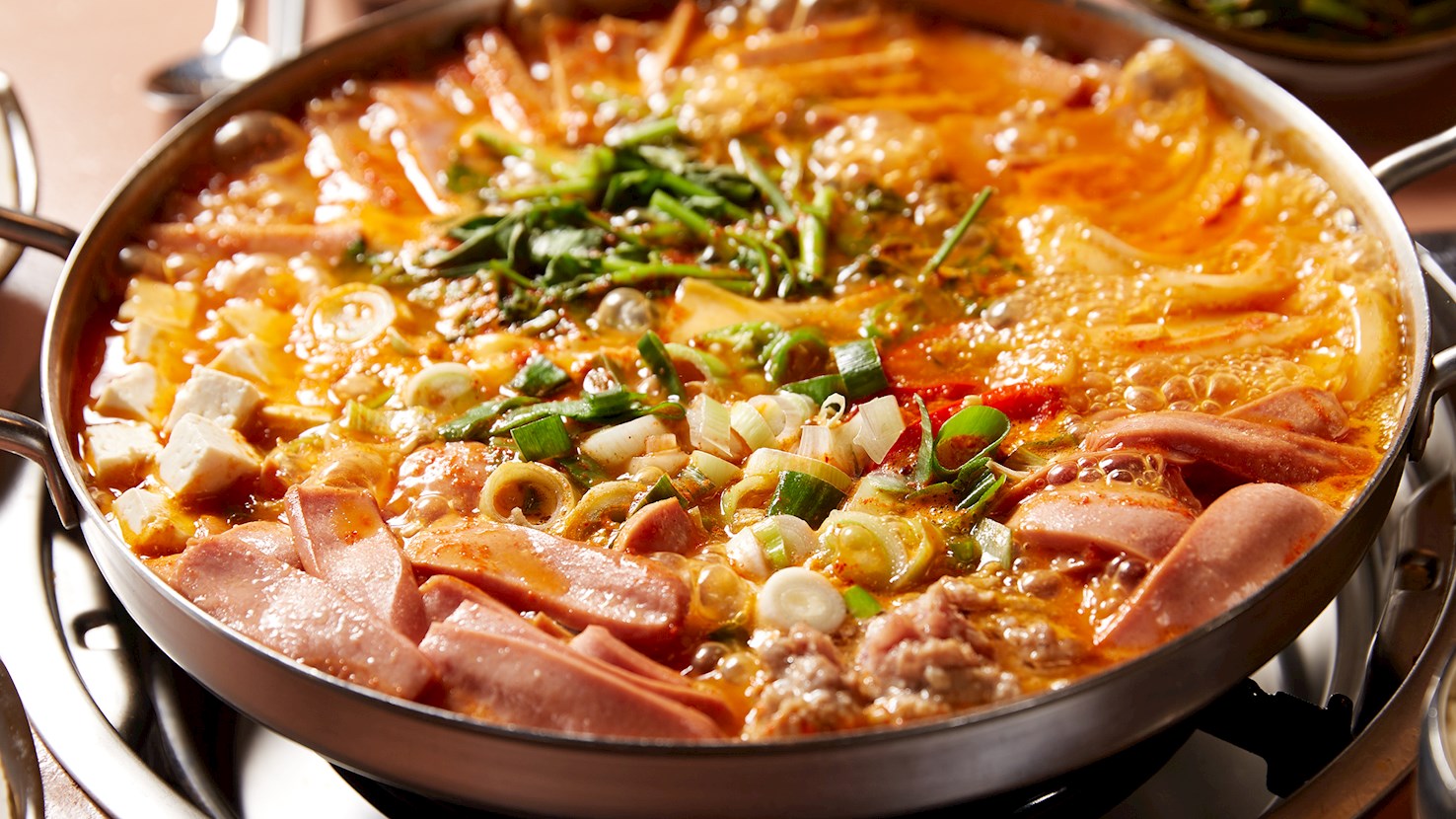
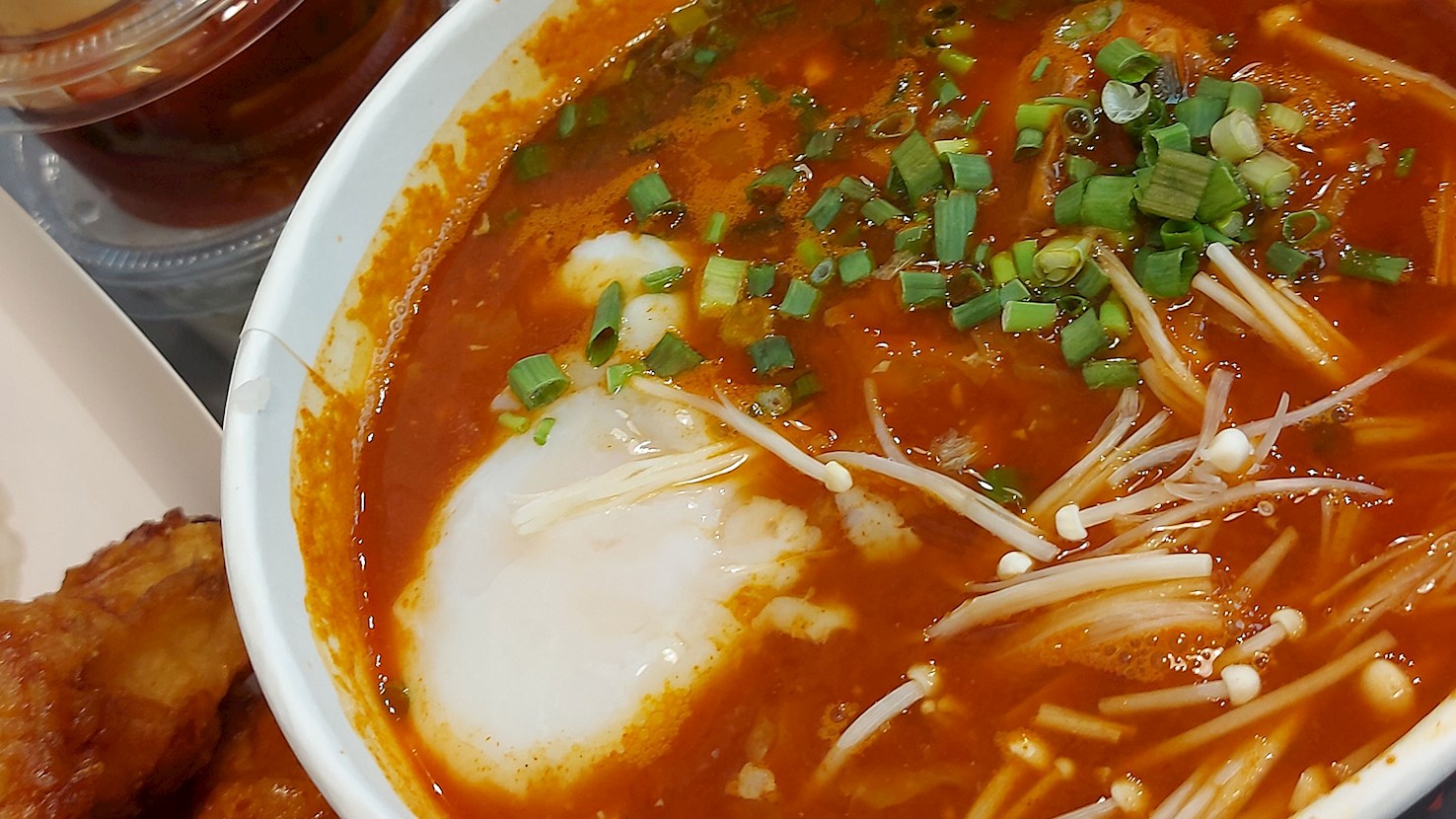
This Korean stew usually combines kelp and anchovy stock with kimchi, baked beans, spam, and hot dog sausages, while the common addition also includes ramen noodles, pork, potato noodles, rice cakes, or tofu. Also known as army stew, budae jjigae was created as a true fusion dish sometime in the 1950s, in the aftermath of the Korean War. Since the food was scarce, the locals would smuggle processed meat products that they could find at American army bases, and through ingenuity and resourcefulness, they created budae jjigae. The dish is believed to have originated at an army base located in Uijeongbudong.
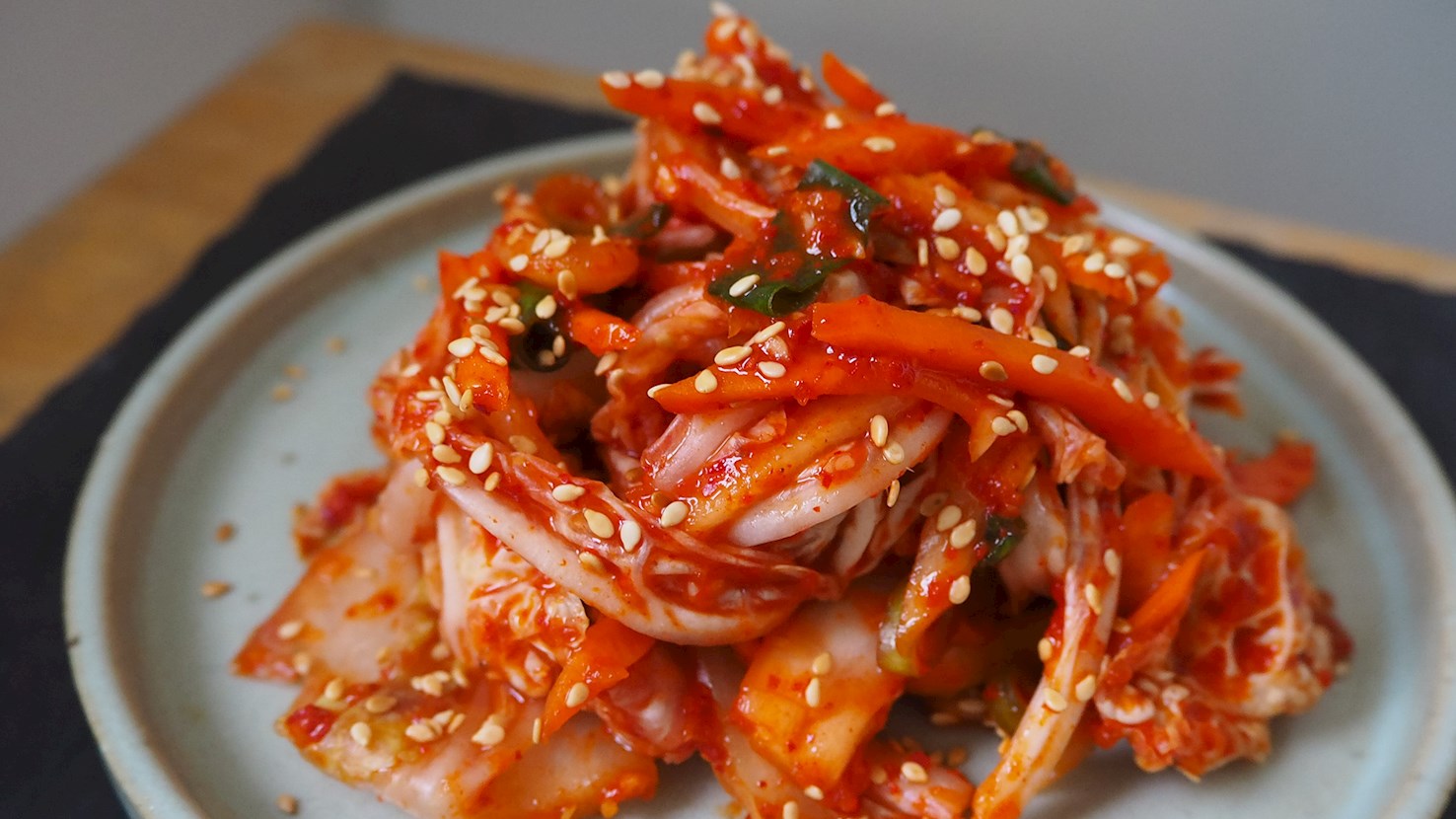
Geotjeori is a fresh variety of kimchi. Just like classic kimchi, it is usually prepared with napa cabbage (baechu), but unlike the more popular version, geotjeori is not fermented. It is typically made with tender and salted cabbage leaves or other vegetables, which are coated in an aromatic paste usually consisting of chili flakes, soy sauce, garlic, ginger, fish sauce, or (occasionally) anchovy sauce. The crispy texture and refreshing flavor of geotjeori perfectly complement hearty soups and stews, but it can also be served with various other dishes. Geotjeori is best enjoyed freshly made and sprinkled with sesame seeds.
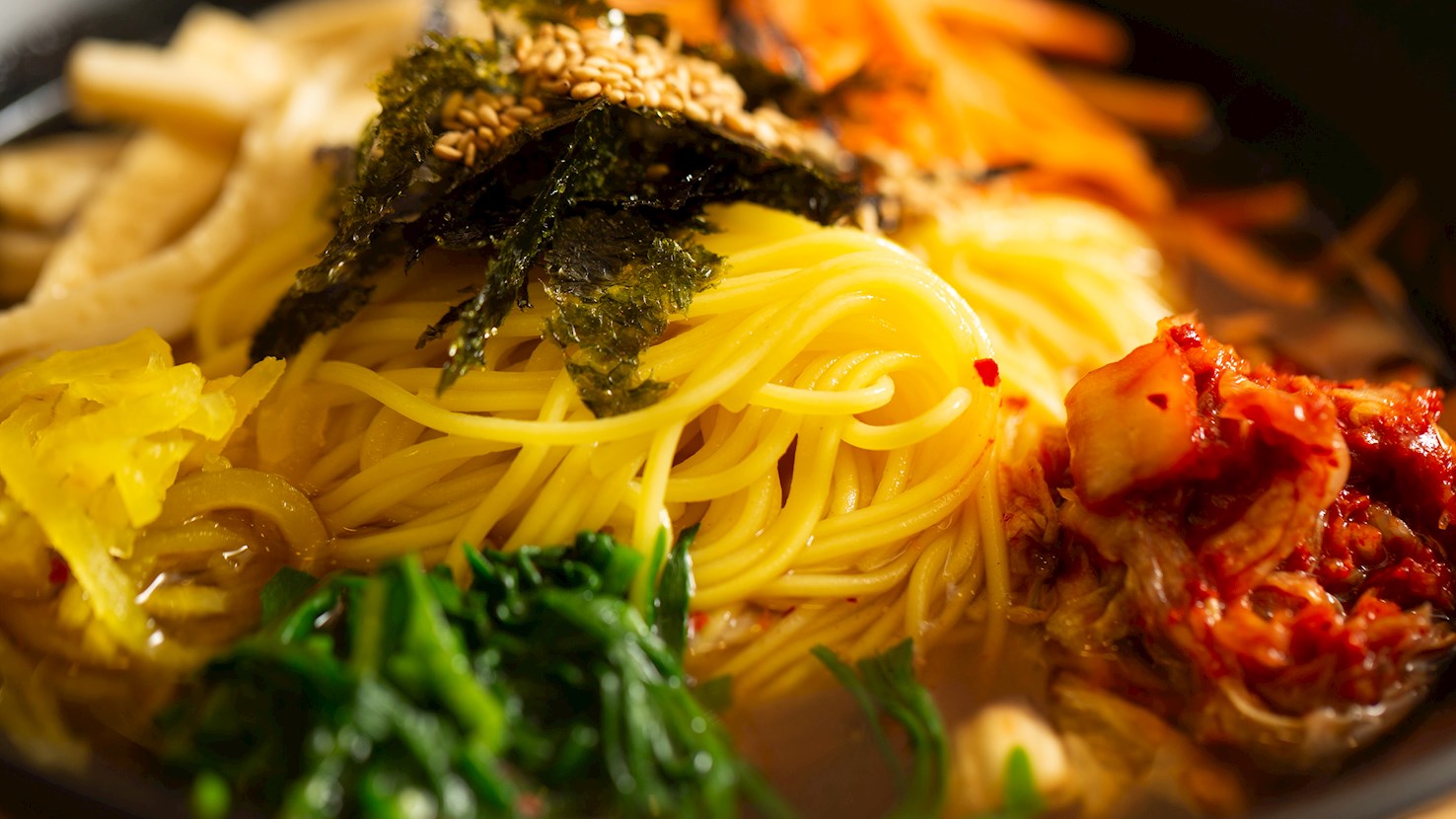
Kimchi-guksu is a traditional noodle soup originating from South Korea. The dish is usually made with a combination of kimchi, gochujang (hot pepper paste), wheat flour noodles (somyeon), nori, scallions, vegetable stock, sesame oil, sesame seeds, sugar, and salt. The noodles are boiled in stock until they're chewy and soft. Once drained, they're divided into soup bowls and covered with the hot stock. A mixture of kimchi, gochujang, sesame oil, sesame seeds, and sugar is added to each serving, and the dish is garnished with nori sheets and scallions before it's served hot.
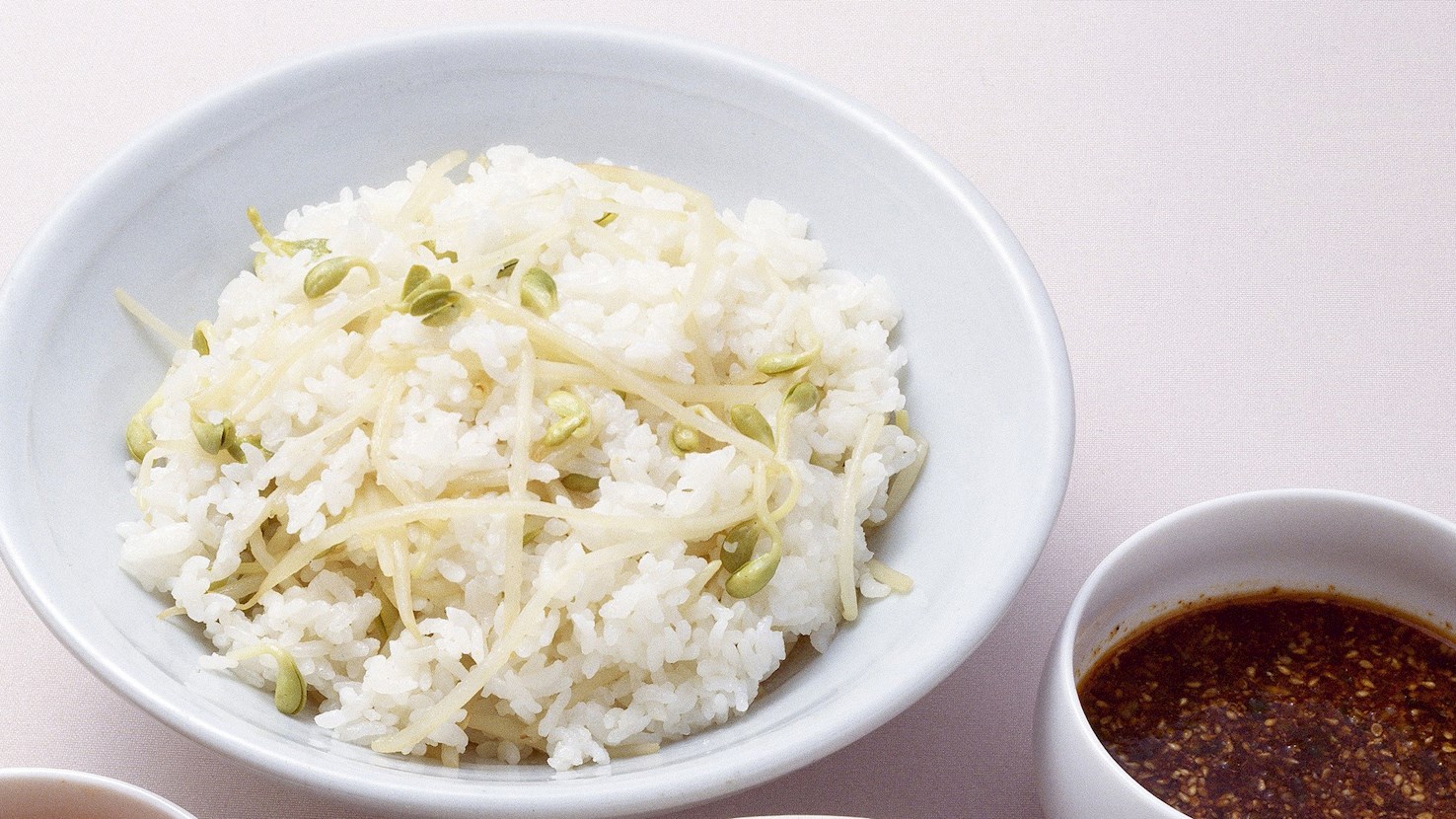
Kongnamulbap is a traditional type of bibimbap originating from South Korea. The dish consists of rice cooked with soybean sprouts. Other ingredients such as ground meat (beef or pork), kimchi, garlic, and sesame oil are often added to the dish for extra flavor. During cooking, the rice will soak up the nutty and earthy flavors of the soybean sprouts. Once prepared, kongnamulbap is traditionally served with a sauce consisting of rice wine, soy sauce, minced garlic, sugar, scallions, and black pepper.
Kimchi ramen is a type of ramen that has fermented Korean cabbage as its key ingredient, creating a profile in which the sharp lactic acidity and capsaicin of the kimchi serve as primary structural elements rather than mere garnishes. It is a modern culinary fusion that emerged in the late 20th century as a "stamina" dish, reflecting the deep integration of Korean food culture within the Japanese landscape. The essential components for this ramen variety include alkaline wheat noodles, aged napa cabbage kimchi, pork or chicken bone stock, red miso or soy sauce tare, pork belly slices, garlic, ginger, toasted sesame oil, gochugaru, bean sprouts, and green onions. The miso-kimchi variation is particularly prominent because the earthy density of fermented soybean paste acts as a functional buffer for the aggressive tartness of the cabbage, while the tonkotsu-kimchi style utilizes the kimchi’s acidity to cut through heavy pork lipids, cleansing the palate between bites. A critical technical distinction of professional kimchi ramen is the "blooming" of the cabbage, where the kimchi is flash-fried in a wok with pork belly, garlic, and sesame oil before the soup is added. This high-heat searing caramelizes the vegetables' sugars and releases the chili oils, resulting in a cohesive, deep-red broth with a charred "wok-hei" aroma that raw kimchi cannot match. The noodles are almost always medium-thick and curly to ensure a high surface area for the spice-flecked soup to cling to, while the assembly is finished with fresh bean sprouts and green onions to provide a cooling, structural crunch. This "stamina" meal is a staple of Japanese neighborhood diners and yakiniku restaurants, prized for its ability to stimulate the appetite through a complex balance of fermentation-derived funk, savory meat umami, and a lingering, clean heat.
TasteAtlas food rankings are based on the ratings of the TasteAtlas audience, with a series of mechanisms that recognize real users and that ignore bot,
nationalist or local patriotic ratings, and give additional value to the ratings of users that the system recognizes as knowledgeable.
For the “10 Best Rated Dishes with Kimchi” list until June 17, 2026, 1,000,987 ratings were recorded, of which 657,348 were recognized by the system as legitimate.
TasteAtlas Rankings should not be seen as the final global conclusion about food. Their purpose is to promote excellent local foods,
instill pride in traditional dishes, and arouse curiosity about dishes you haven’t tried.