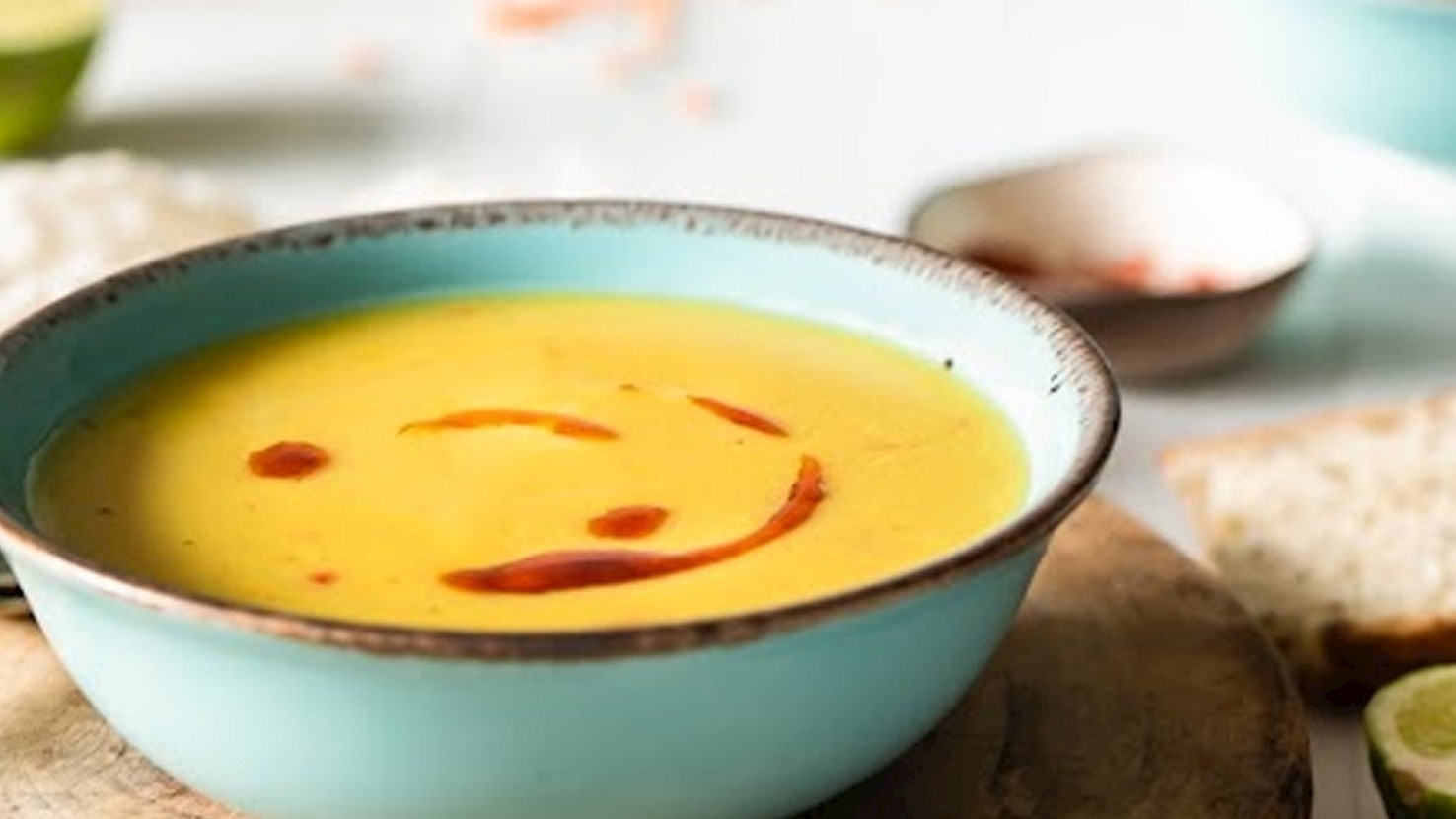
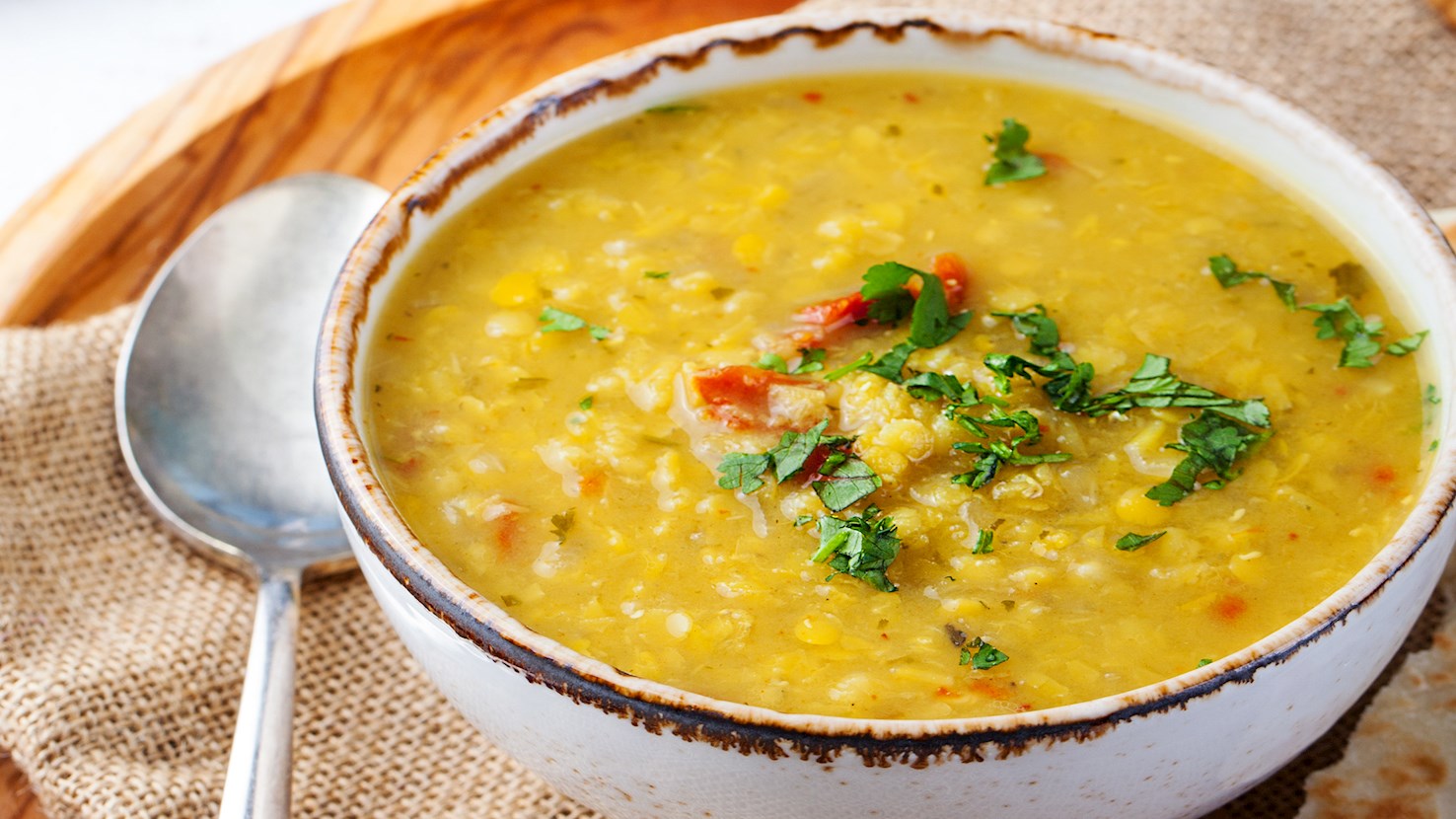
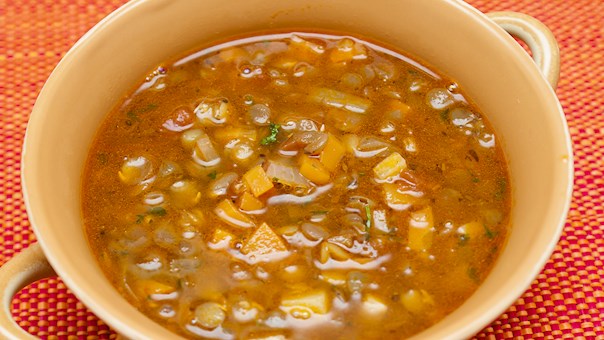
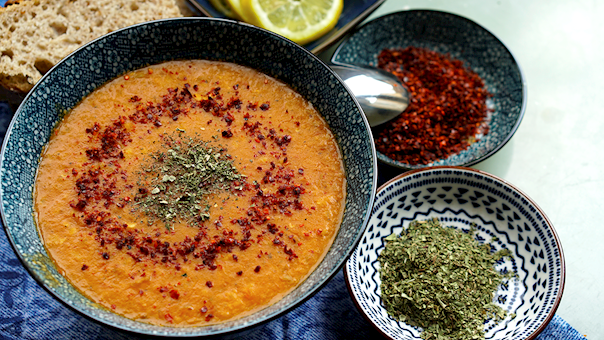
Mercimek çorbası is a beloved Turkish soup made with red lentils, chicken stock, onions, and carrots. It is often seasoned with salt, pepper, cumin, or paprika. Easy to prepare, filling, and warming, the soup is consumed for breakfast, lunch, or dinner in rural parts of Turkey, especially in local eateries known as lokantas.
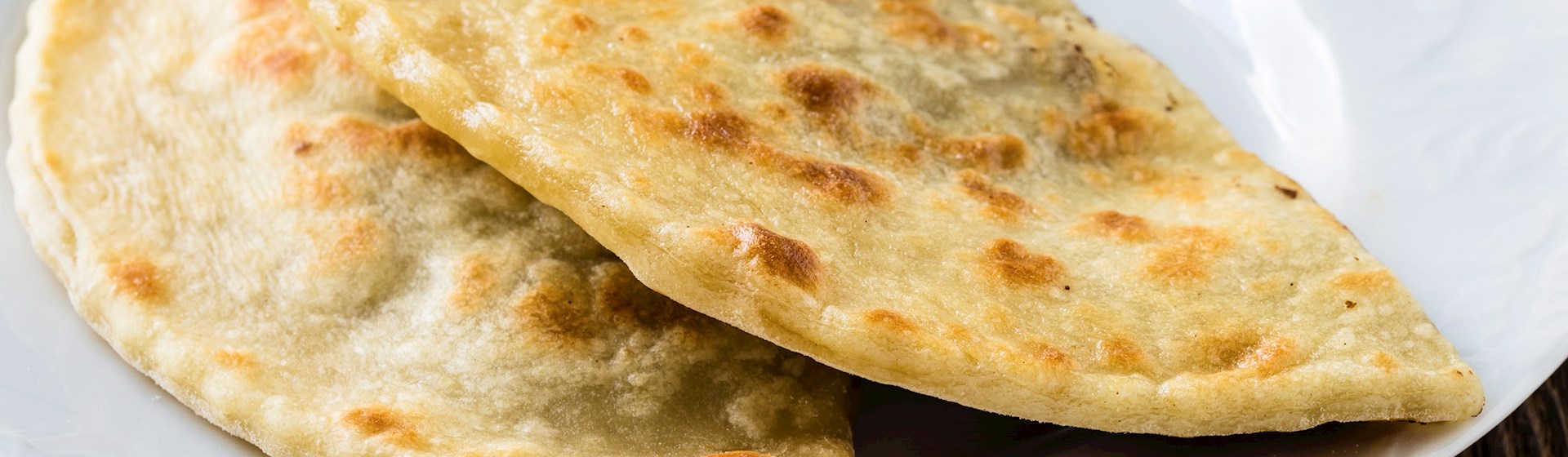
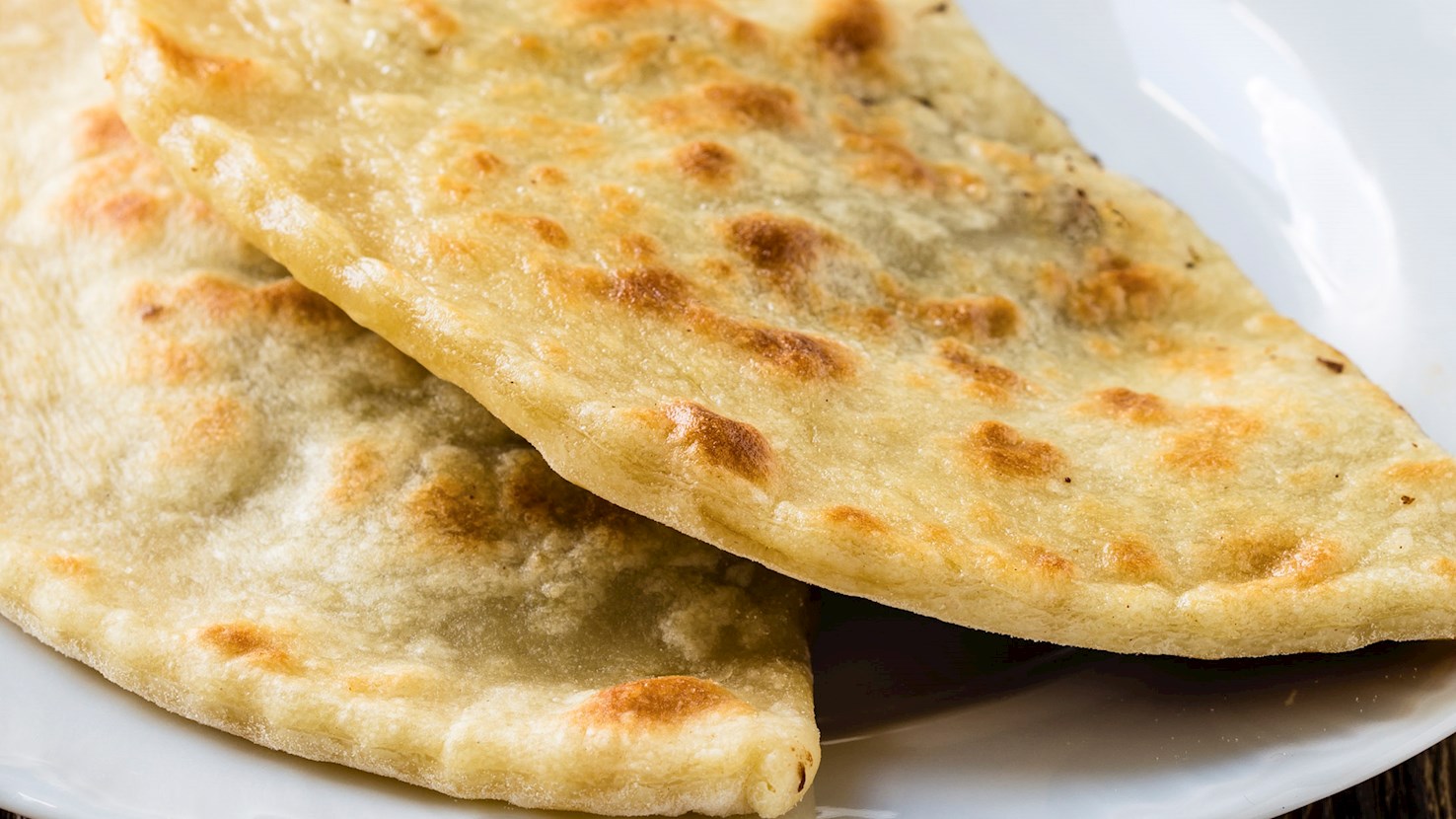
The Afghan bolani is a stuffed, pan-fried flatbread made with unleavened dough that is typically filled with a mixture of potato mash and various other ingredients such as spinach, spring onions, pumpkin, or even green or red lentils. In Afghanistan, bolani is not only a popular street snack but it is also often prepared at home and usually served as a side dish. It is traditionally enjoyed warm, accompanied by coriander chutney and a creamy, mint-flavored Afghan yogurt dip called chakkah.
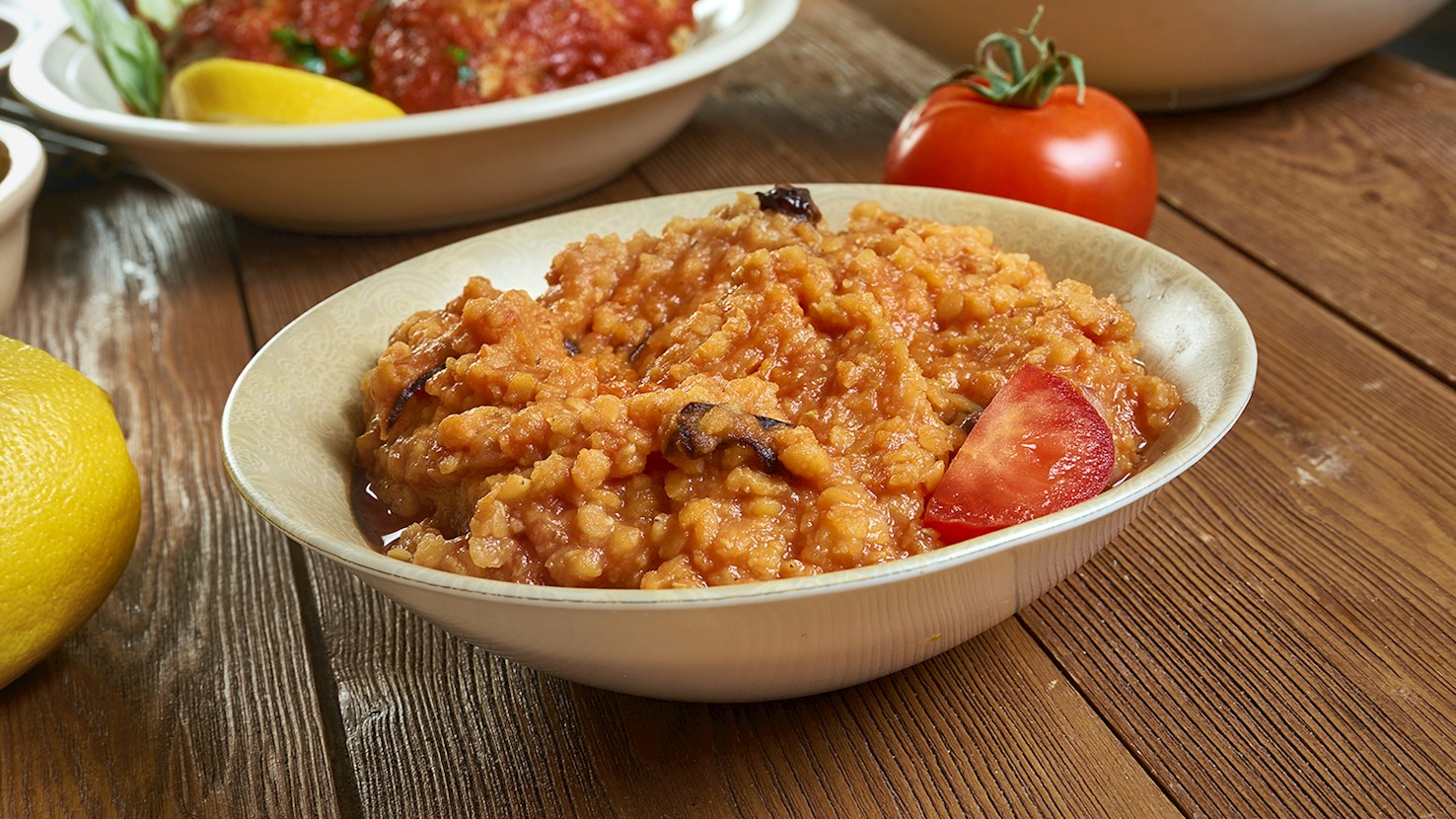
Misir wat or tsebhi birsen is a spicy red lentil stew eaten in both Ethiopia and Eritrea, where it is one of the best-known meat-free dishes served with injera and a regular part of everyday home cooking as well as larger shared meals. The name joins misir, meaning lentils, with wat or wot, the term used for thick stews, and the dish belongs to the wider Ethiopian-Eritrean highland food culture built around cereals, pulses, and strongly seasoned sauces. Lentils have long been cultivated and consumed across the Horn of Africa, and misir wat became especially important within both Ethiopian and Eritrean Orthodox Christian food traditions, since fasting periods exclude meat, eggs, and dairy and rely heavily on legumes, vegetables, and oil-based dishes. The stew is usually prepared by slowly cooking finely chopped onions until soft, then adding oil, garlic, ginger, and berbere, the red spice blend that gives the dish its color and heat. Split red lentils are stirred into this base with water and simmered until they soften and partly break down, creating a thick, smooth consistency that is fuller and more substantial than a soup. Some versions include tomato or tomato paste, while others keep the seasoning centered more strictly on onions, berbere, garlic, and lentils; outside fasting periods, some cooks may enrich it with niter kibbeh, though oil is the more typical base. One of the things that sets misir wat apart is the contrast between its simple ingredient list and its deep, concentrated flavor, and it is also clearly distinct from the milder yellow lentil dish often known as misir alicha. It is usually served directly on injera and eaten by hand, either on its own or as part of a larger mixed platter with dishes such as shiro, gomen, cabbage and potatoes, salad, or other vegetable preparations. Misir wat is eaten throughout Ethiopia and Eritrea in homes, restaurants, and fasting meals, and because it is rich, spicy, and filling, it works especially well with mild side dishes and with cooling accompaniments such as ayib when dairy is being used. Water, tea, and coffee are natural beverage pairings, while beer or tej can accompany it in non-fasting settings.
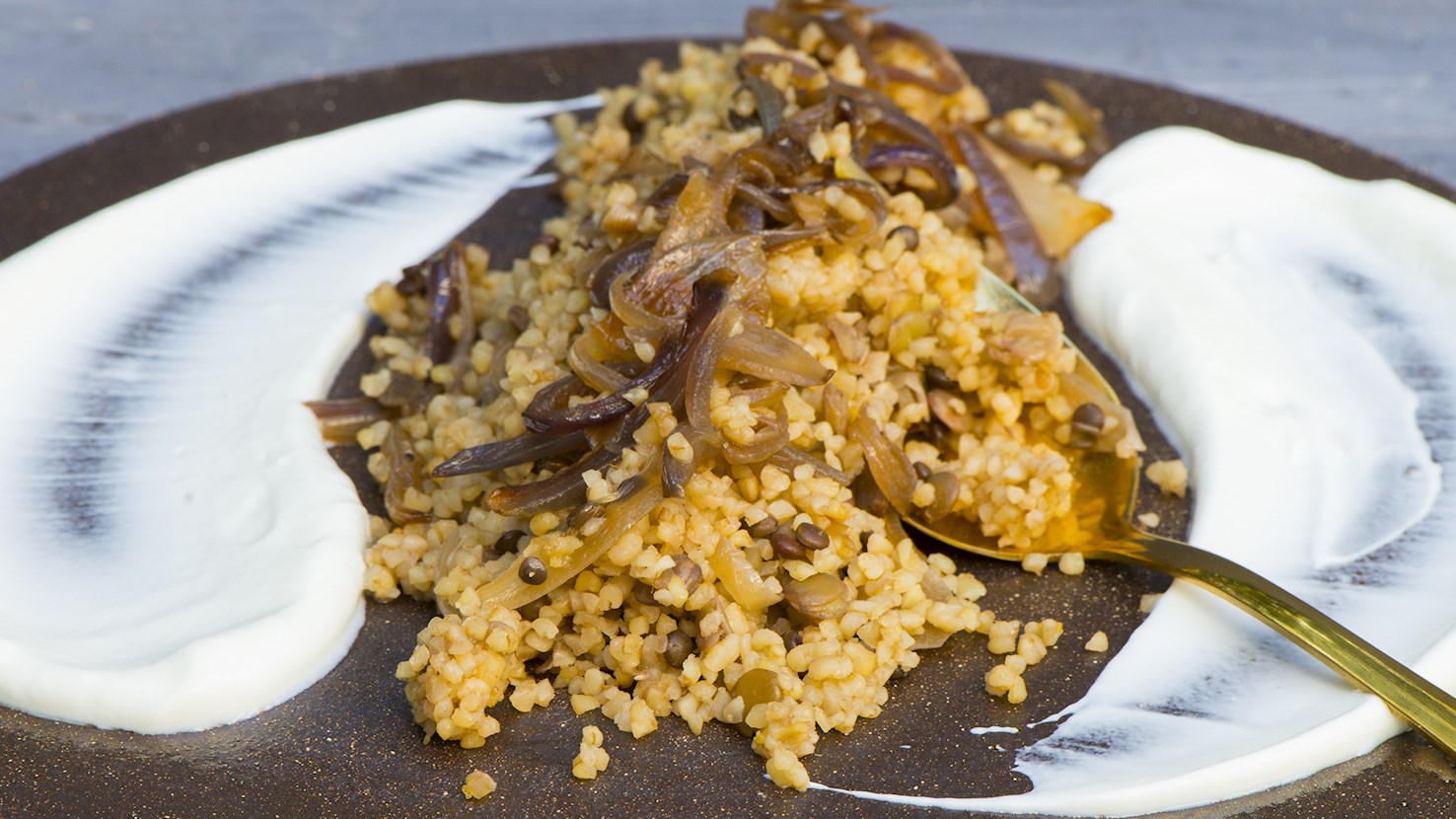
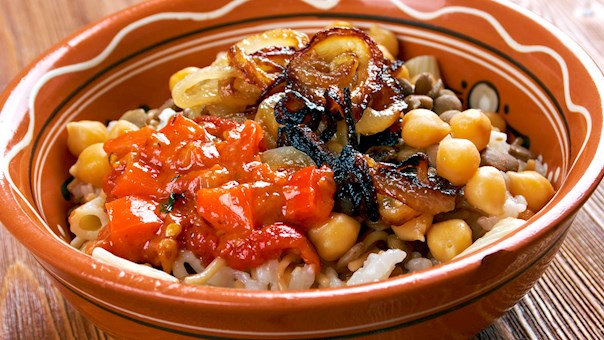
Mujaddara is a staple dish in Middle Eastern cuisine, widely enjoyed across countries such as Iraq, Lebanon, Syria, Palestine, and Jordan. It consists primarily of lentils and rice or bulgur, combined with caramelized onions that lend the dish a deep, savory flavor and a pleasing texture contrast. This dish has roots extending back to ancient times when legumes and grains formed the dietary backbone of many communities. Over generations, mujaddara evolved as a nourishing meal that is both affordable and filling. The method of slow-cooking lentils and rice together allows their flavors to meld naturally, while the golden, fried onions add a rich, slightly sweet counterpoint. The dish’s name, derived from Arabic, translates roughly to “pockmarked,” referring to the appearance lentils create in the grain. Preparation involves rinsing lentils and rice before cooking them in broth or water until tender. Meanwhile, onions are sliced thin and fried slowly to achieve a crisp, caramelized exterior. The onions are then either mixed into the lentil and rice mixture or served on top as a garnish, along with optional additions like yogurt or fresh herbs. Mujaddara is served warm or at room temperature and is often accompanied by side dishes such as pickles, salad, or a drizzle of olive oil.
This flavorful and highly nutritious national dish of India is especially popular in southern parts of the country, but it can also be found in Nepal, Sri Lanka, Pakistan, and Bangladesh. Dal is a stew with the main ingredient of black or yellow lentils—the most consumed ingredients in India—but it can also be prepared with peas, chickpeas, or mung beans. Inexpensive and easy to make, dal was an ideal food for the working class as it provided lots of energy for a full day of labor. While yellow lentils are most commonly used, black lentils are the most prized variety when making dal. Hulled and split, the slightly nutty lentils are slowly simmered with a variety of spices such as caraway, coriander, onions, garlic, chiles, and ginger until they break apart, and are then mashed into a smooth purée. In the northern Punjab region, black mung beans are among the most popular choices for dal and they are typically cooked with ghee (clarified butter), yogurt, onions, tomatoes, and a variety of spices until the dish develops its distinctive aroma and reaches the desired thickness. There are numerous types of dal, each with a different spice combination and flavors. The dish can be served either as a main meal or as a side, and it is traditionally served over rice, accompanied by naan or other Indian breads.
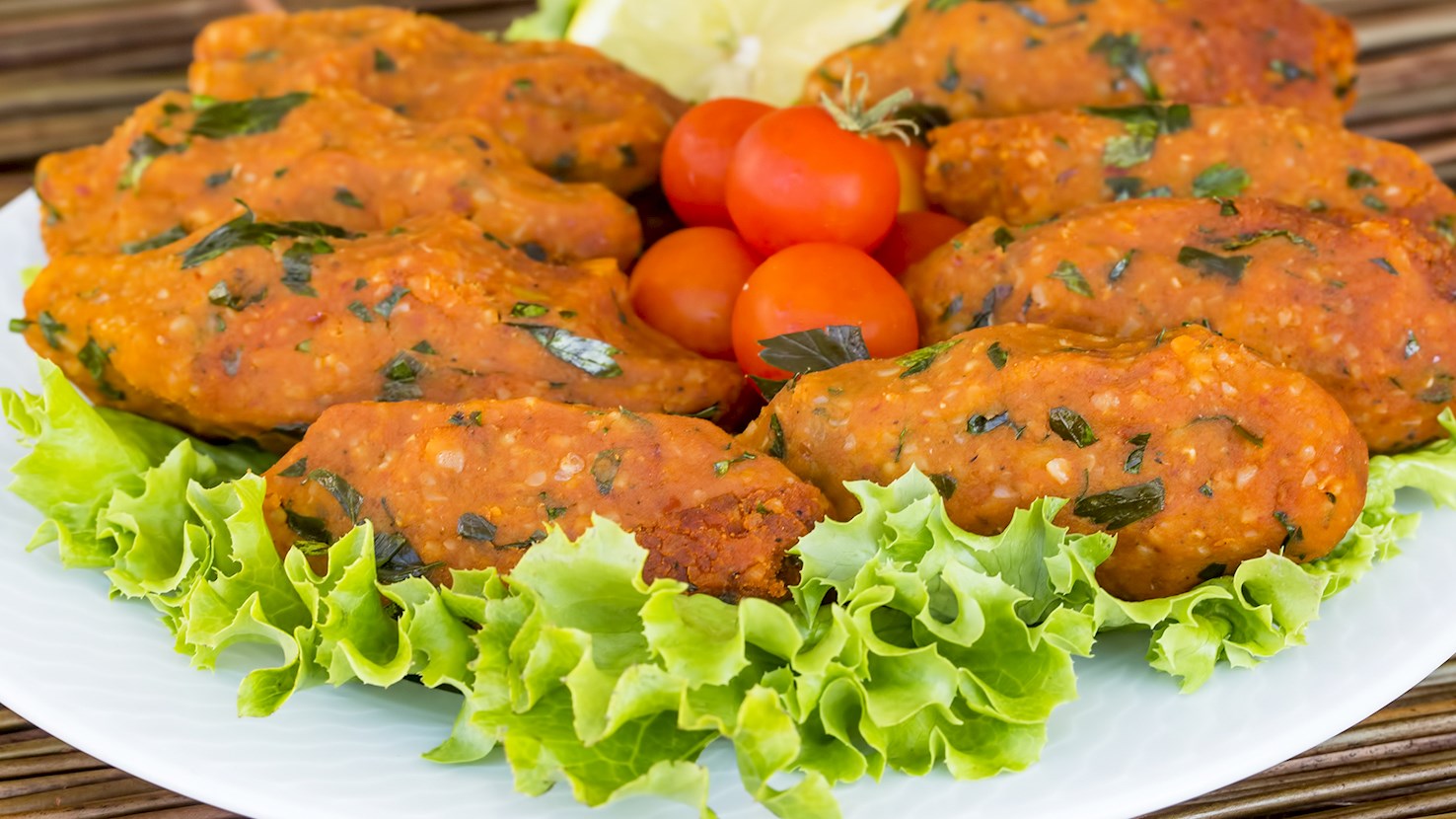
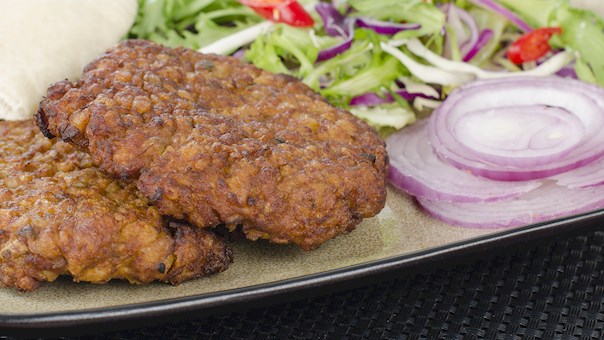
This Turkish dish consists of oval-shaped patties made from a doughy mixture of boiled red lentils and bulgur. The köfte mixture is seasoned with a pinch of salt and flavored with sautéed onions, tomato paste, and a pinch of cumin. In the spicy version of this dish, chili flakes are typically added for heat. Fresh parsley, dill, and spring onions are added near the end of the cooking process for a refreshing flavor. Mercimek köfte are very popular in Turkey, where they are usually served cold as appetizers at social gatherings. They are traditionally eaten with lettuce and a squeeze of lemon juice.
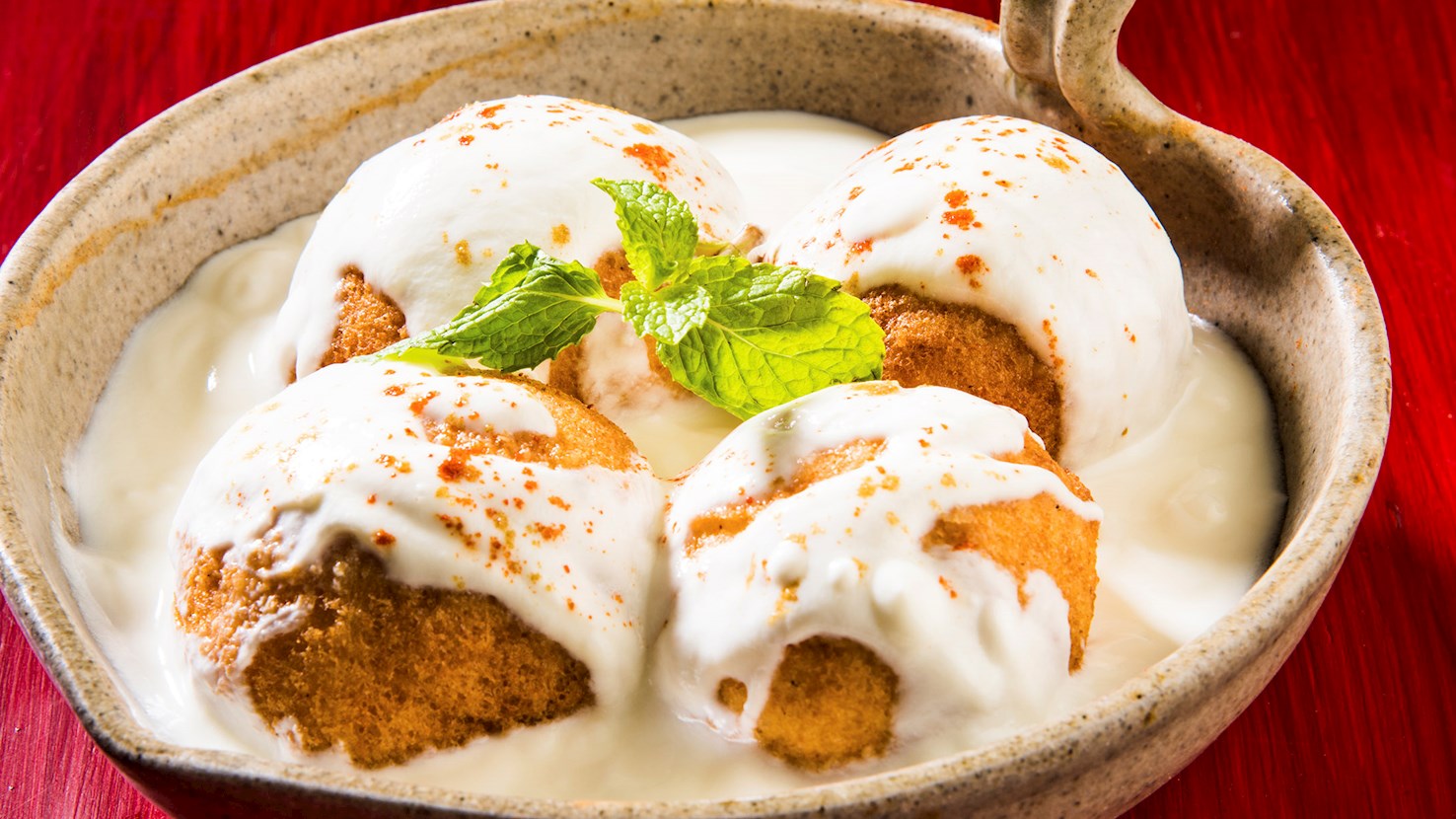
Dahi vada is a popular Indian snack that can also be served either as a main dish or as an accompaniment to vegetable or meat dishes. The dish originates from North India and consists of savory lentil-based fried balls (vadas) that are soaked in a thick yogurt (dahi). This popular street food is often topped with spices such as chili, cumin, coriander, and various chutneys. The dish is also popular at festive occasions such as weddings, and provides an ideal refreshment on a hot summer day.
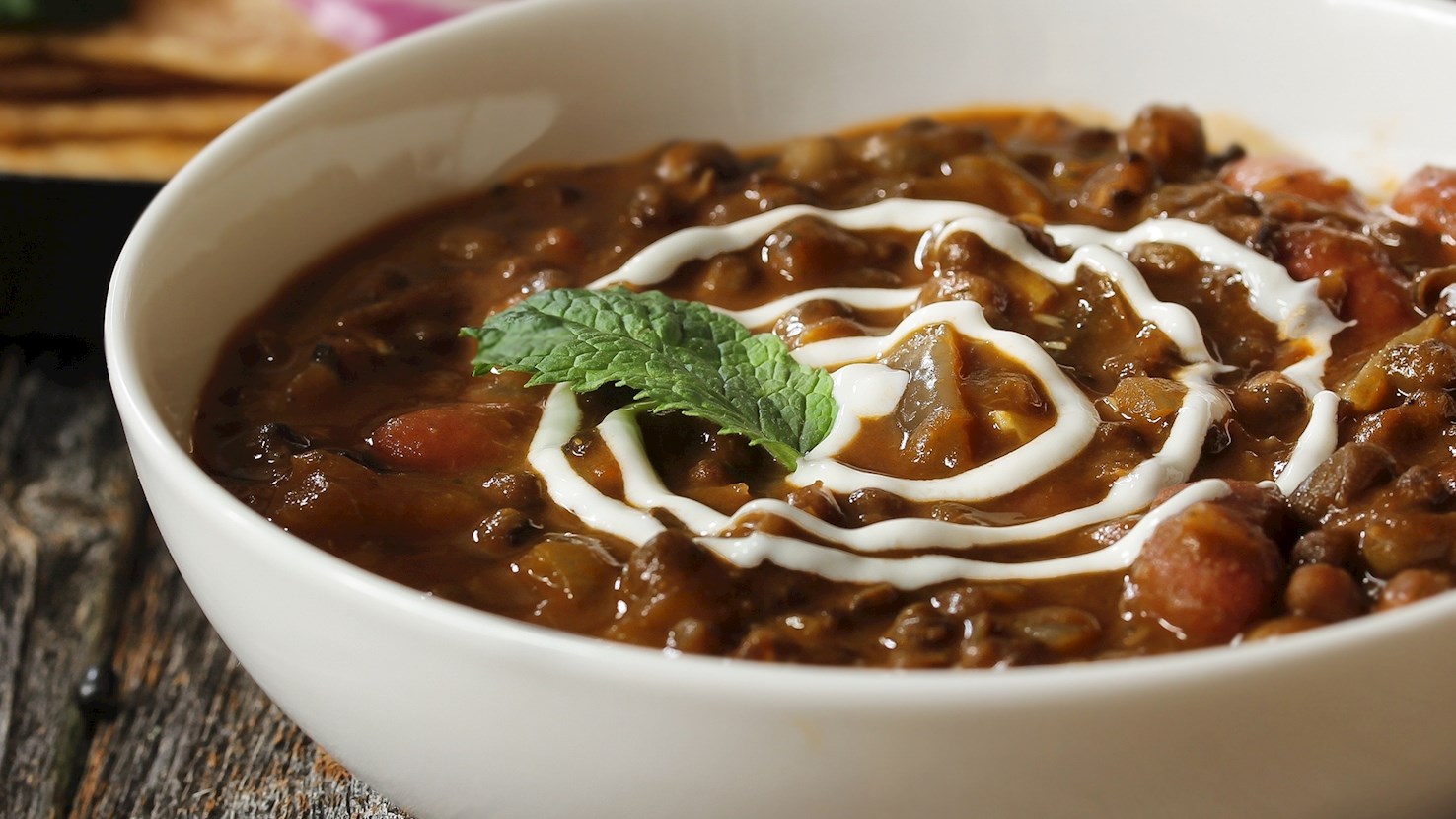
Although it originated in Punjab, dal makhani has become one of the most popular Indian lentil dishes, both in the country and outside of its borders. It consists of red kidney beans and whole black lentils, which also go under the name urad. The dish is prepared with hefty amounts of ghee and various seasonings such as ginger-garlic paste and chili, and it is slowly cooked in a rich, tomato-based sauce. The name makhani, meaning butter, stems from the last addition, a drizzle of melted ghee or butter that provides the typical velvety flavor of this classic. The dish is occasionally topped with cream or yogurt and is often accompanied by naan or roti bread. Dal makhani is a restaurant staple and a mainstay on various festive occasion in India.
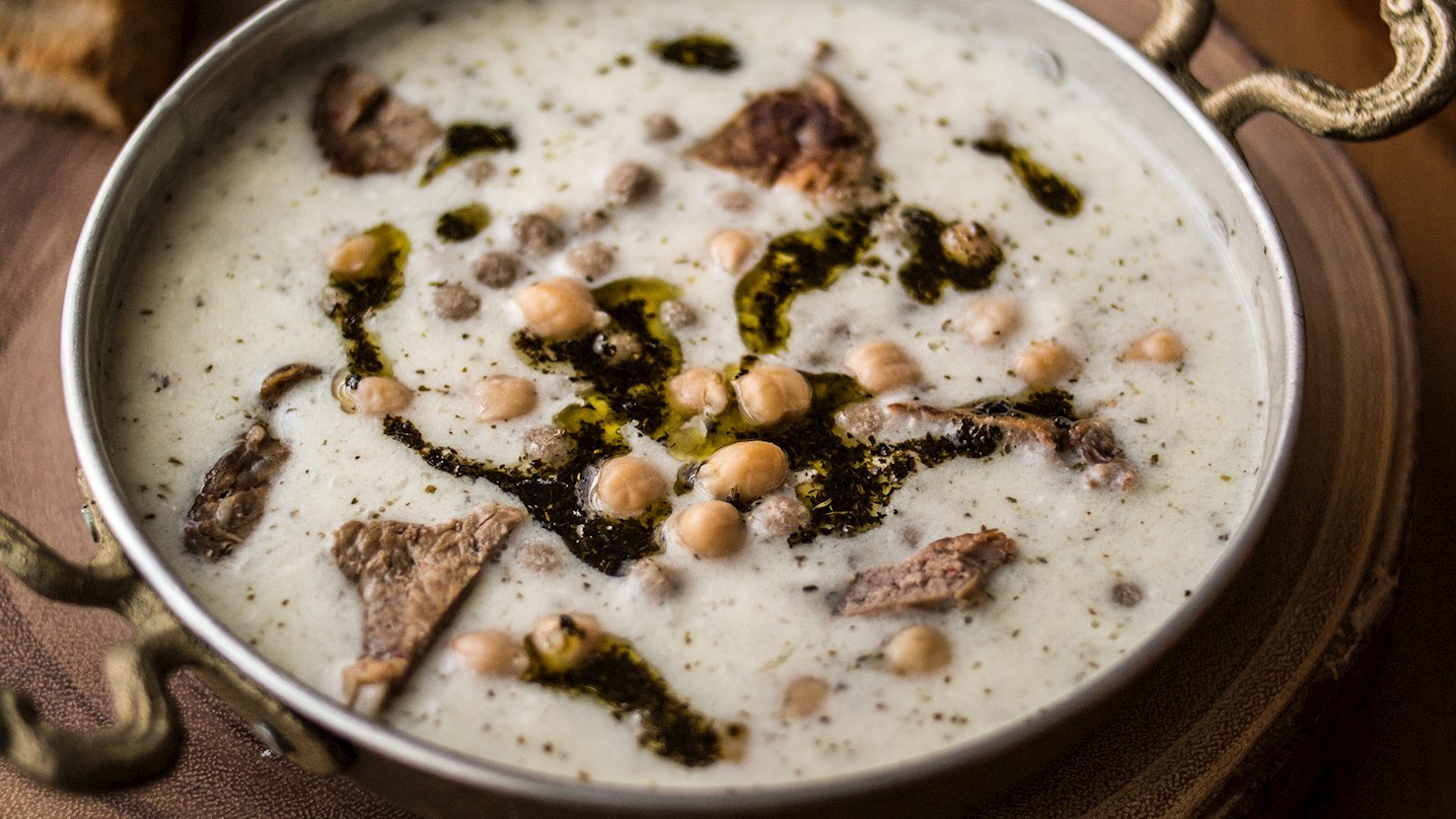
This almost forgotten Turkish dish was described in an 11th-century lexicon as a soup made with noodles, lentils, and yogurt—a common combination in both Türkiye and Kazakhstan, a Turkish-speaking Asian country where this soup is called kespe. Today, tutmaç çorbası is typically made using homemade, square-cut egg noodles and it is most often prepared with the addition of lamb or mutton, but sometimes also beef, or even horsemeat. The soup is traditionally served in special bowls and it is typically accompanied by katık, a type of Turkish sour yogurt.
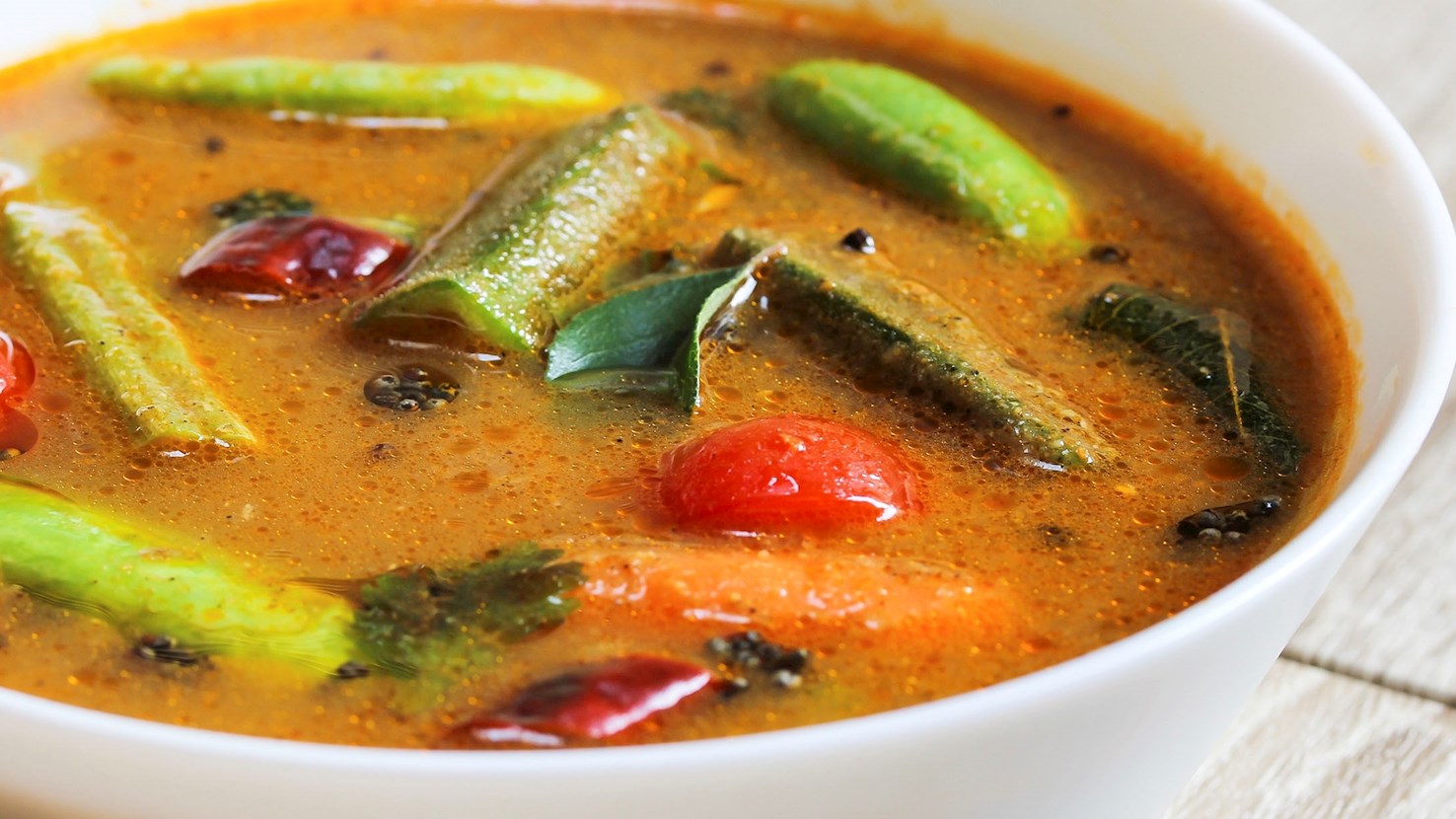
Sambar is a popular curry dish prepared with a tamarind-based broth, lentils, and vegetables. It originates from Tamil Nadu, but it is also very popular in Sri Lanka and throughout South India. The dish is traditionally served with steamed rice or various Indian flatbreads. Sambar was created as a mistake by the Maratha ruler Shivaji's son named Sambhaji. As the head chef was away, Sambhaji wanted to prepare dal for himself, and he added a bit of tamarind into the pot during the cooking process. The royal chefs scolded him, since tamarind is not used in dal. However, Sambhaji loved the dish and named it sambar, after himself. Today, there are numerous variations on the dish such as seafood sambar, chicken sambar, and even the unusual milk sambar.
TasteAtlas food rankings are based on the ratings of the TasteAtlas audience, with a series of mechanisms that recognize real users and that ignore bot,
nationalist or local patriotic ratings, and give additional value to the ratings of users that the system recognizes as knowledgeable.
For the “68 Best Rated Dishes with Lentils” list until October 17, 2026, 1,046,806 ratings were recorded, of which 695,538 were recognized by the system as legitimate.
TasteAtlas Rankings should not be seen as the final global conclusion about food. Their purpose is to promote excellent local foods,
instill pride in traditional dishes, and arouse curiosity about dishes you haven’t tried.




What People Say