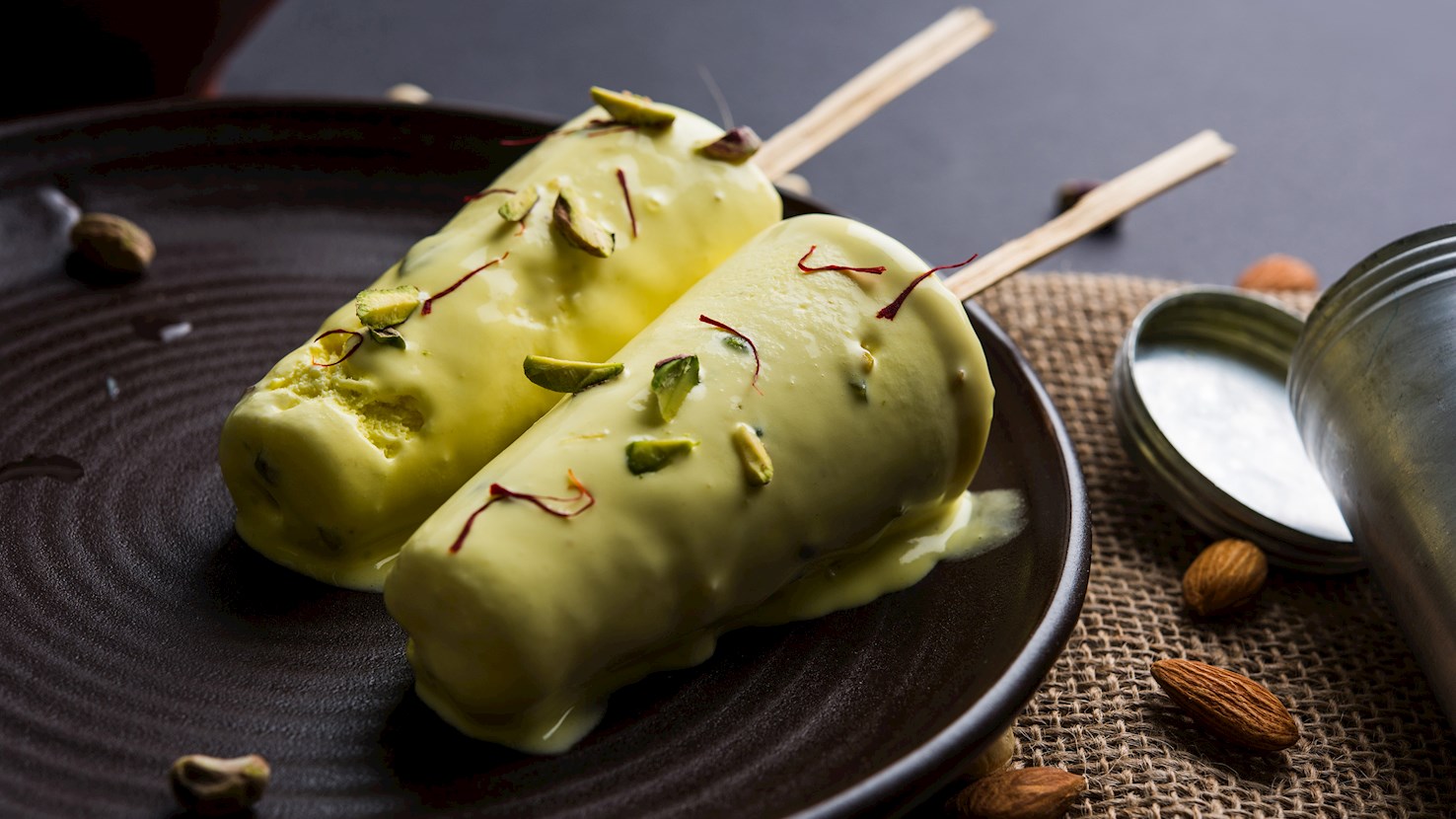
Kulfi is a traditional ice cream made with slowly simmered whole milk. Although the long-simmering process results in a loss of volume, it makes up for it with a delicious, nutty, caramelized flavor. The ice cream is characterized by its unusual, conical shape, a result of using traditional, special molds with tight-fitting lids. Kulfi is usually flavored with traditional Indian ingredients such as pistachio, rose water, and saffron, although some cooks prefer to flavor it with fruits such as berries. It is believed that kulfi was invented by the ancient inhabitants of the Himalayas during the Mughal Empire era. There are some main differences between kulfi and regular ice cream: kulfi has less air and is denser than regular ice cream, because the milk gets more concentrated through the cooking process. Today, kulfi can be made at home or found at street stalls, sold by vendors called kulfiwalas.
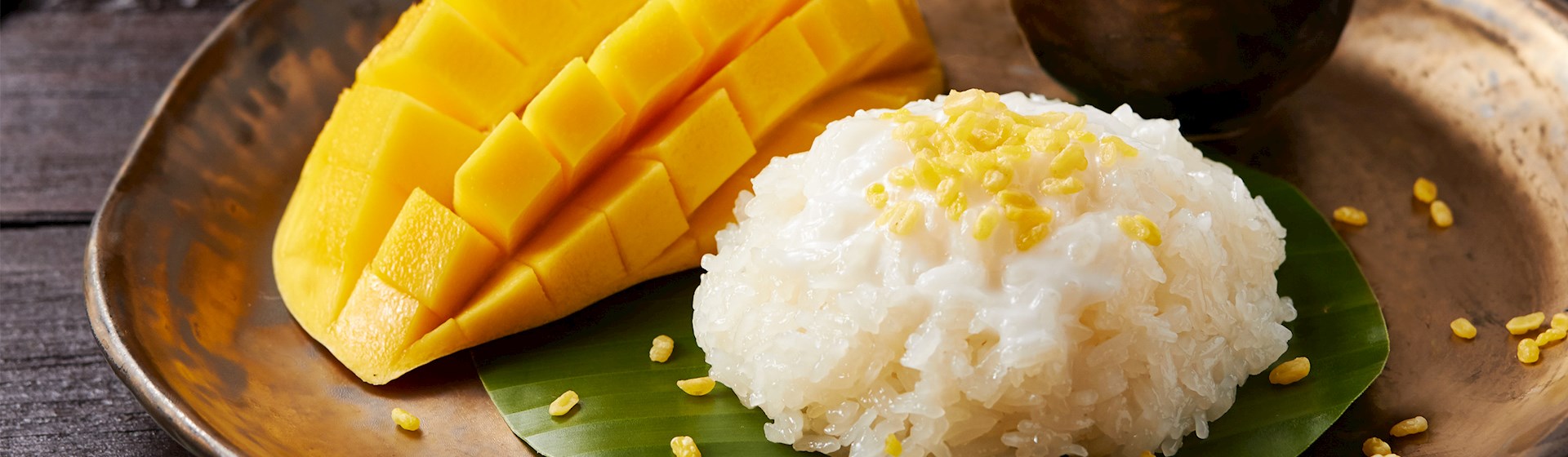
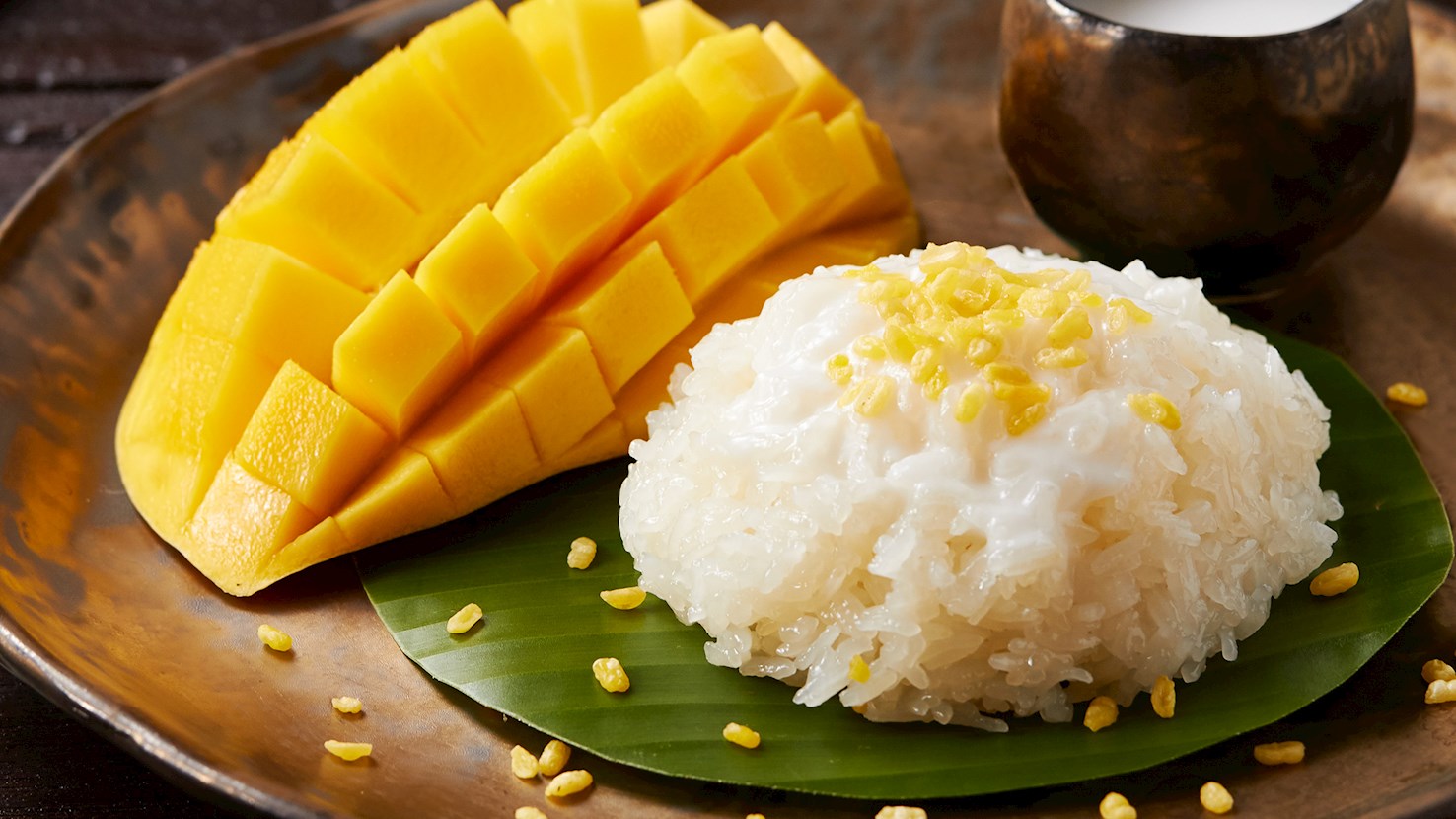
This traditional Thai rice pudding is a favorite way to finish any Thai meal. The dish is prepared with glutinous rice that is first steamed, then doused in sweetened coconut milk. Lastly, the rice is served sided with slices of fresh mango. This simple dessert is incredibly popular, and it can be found at virtually any eatery in Thailand.
Sorbetes is a popular Filipino ice cream flavored with ingredients such as mango, chocolate, cheese, coconut, and purple yam (ube). Traditionally, it is produced from carabao milk and served in tiny scoops on sugar cones. Some Filipinos like to consume it sandwiched between bread buns, like a hamburger. Although it sounds similar to a sorbet, coming from the Spanish sorbete, it is not a sorbet, but a dirty ice cream, as the locals jokingly call it due to the fact that it is sold along polluted streets. Sorbetes can usually be found at numerous street carts throughout the Philippines.
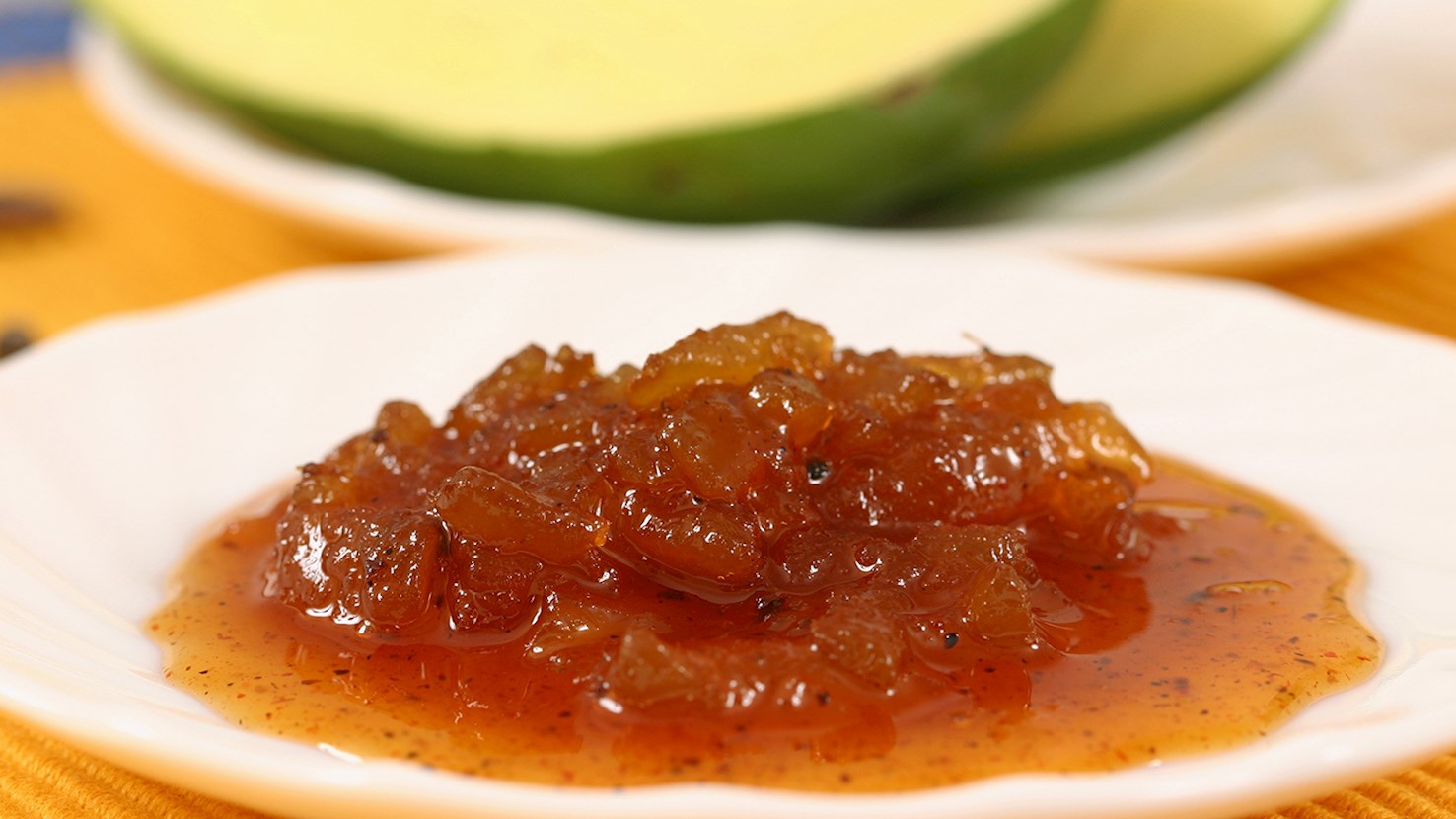
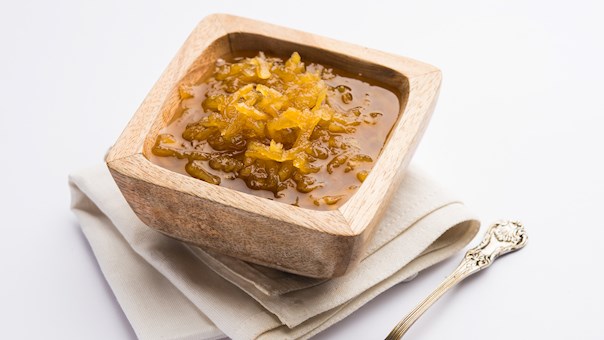
Mango chutney is a traditional chutney made with fresh mango as the main ingredient. Other ingredients include ginger, garlic, red chili peppers, cumin, coriander, turmeric, cloves, cinnamon, cardamom, and brown sugar. There's quite a few mango chutney variations made with different additional ingredients. The ingredients are cooked down, sometimes mashed if desired, and the chutney is usually served as a spread or a dip, but it's also used in lots of other ways such as being added to curries, chicken dishes, snacks, and sandwiches. It is believed that the best mango chutney should have flavors that are sweet, sour, and slightly spicy.
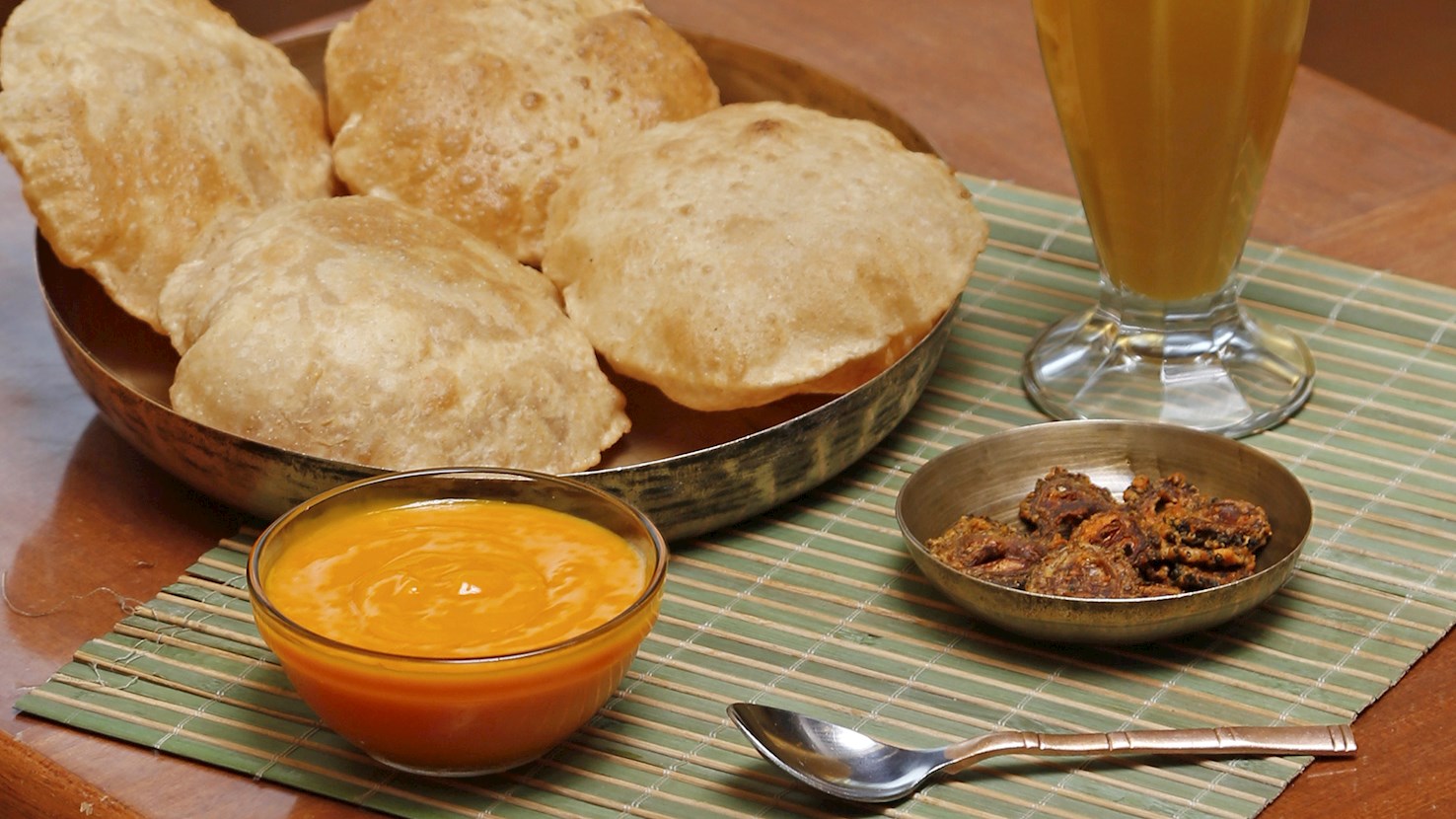
Aamras is essentially puréed mango pulp that is typically eaten as a dessert. It is made with ripe and juicy mangos that are sliced or diced and blended into a creamy, sweet, and fragrant mixture. The finely puréed cream usually gains the sweetness from ripe mangos, but it can be additionally sweetened with jaggery or sugar. It is sometimes merely elevated with the addition of saffron, dry ginger, or cardamom, but its simplicity allows room for alteration and the creation of numerous varieties. Classic aamras is a typical summer dessert, but canned varieties are available all year round. Even though it is often regarded as a dessert on its own, aamras may also be accompanied by poori bread, steamed rice, and dal. This creamy delicacy is usually associated with Indian states of Maharashtra and Gujarat, and it is commonly served at festive occasions.
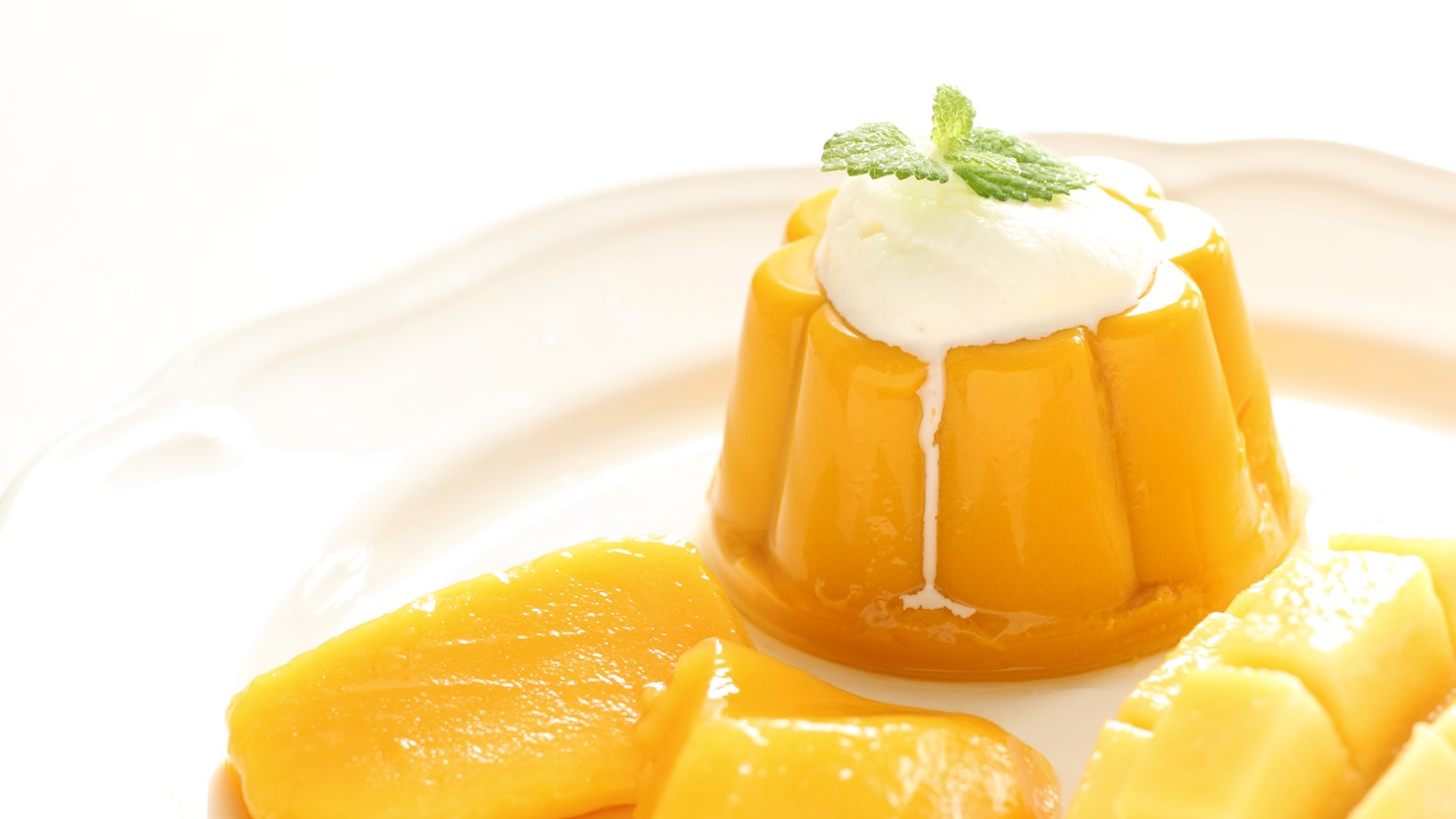
Heuhng mong dung boh deen is a traditional dessert that’s often served as a part of dim sum. This mango pudding is a simple combination of fresh mango, sugar, gelatin, and milk. The mangoes are puréed until smooth, then mixed with hot water, sugar, gelatin, and milk. The mixture is poured into ramekins or shallow bowls, and it’s then chilled for a few hours before serving. If desired, heuhng mong dung boh deen can be garnished with mint leaves or mango pieces. This dessert is especially popular on hot summer nights due to its refreshing properties.
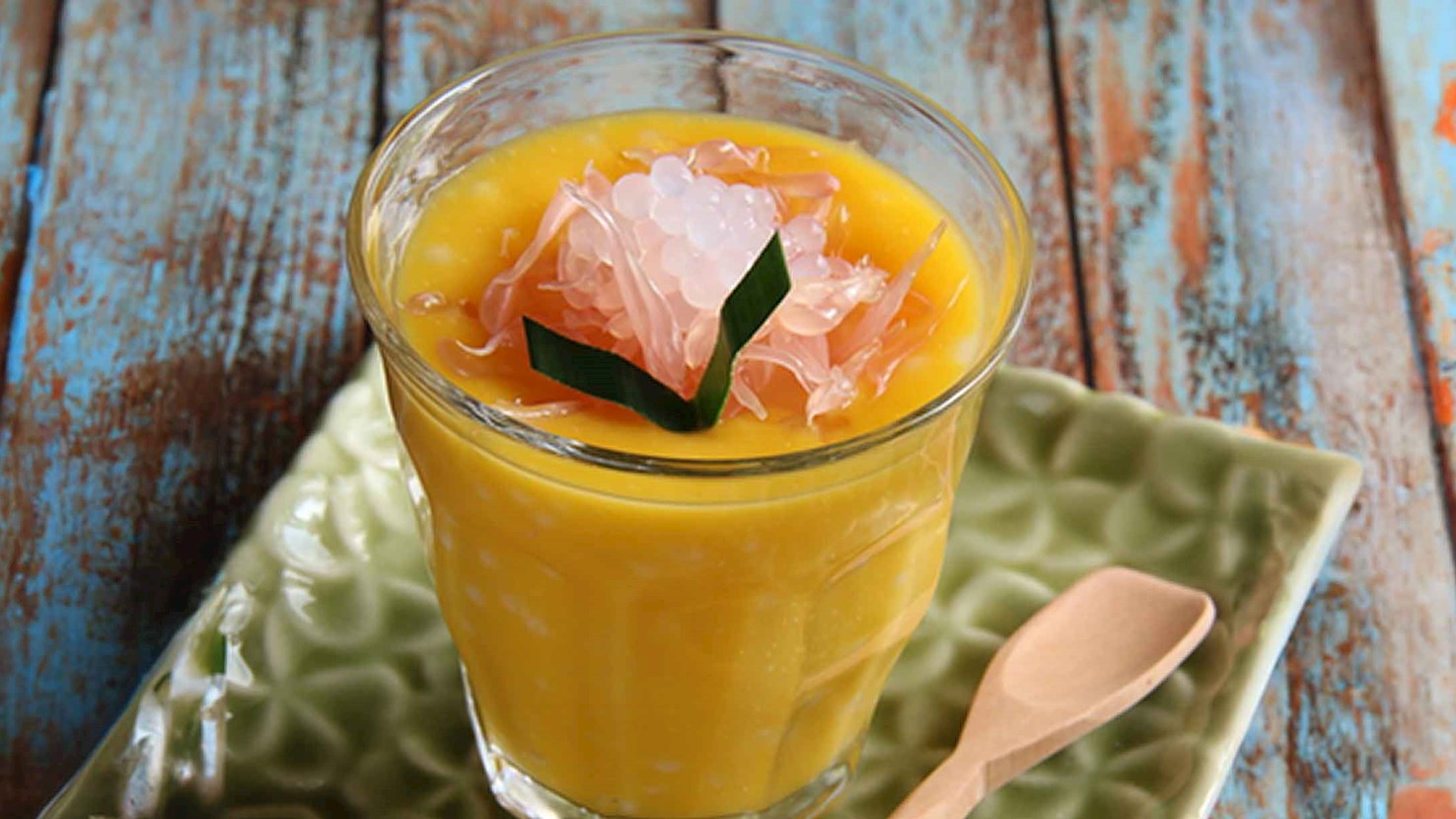
Invented in 1984 in Lei Garden’s Singapore branch, mango pomelo sago is a refreshing summer dessert made with mango, pomelo, sago, whole milk or evaporated milk, and coconut milk. Apart from Hong Kong, the dessert is also popular in Singapore and Taiwan.
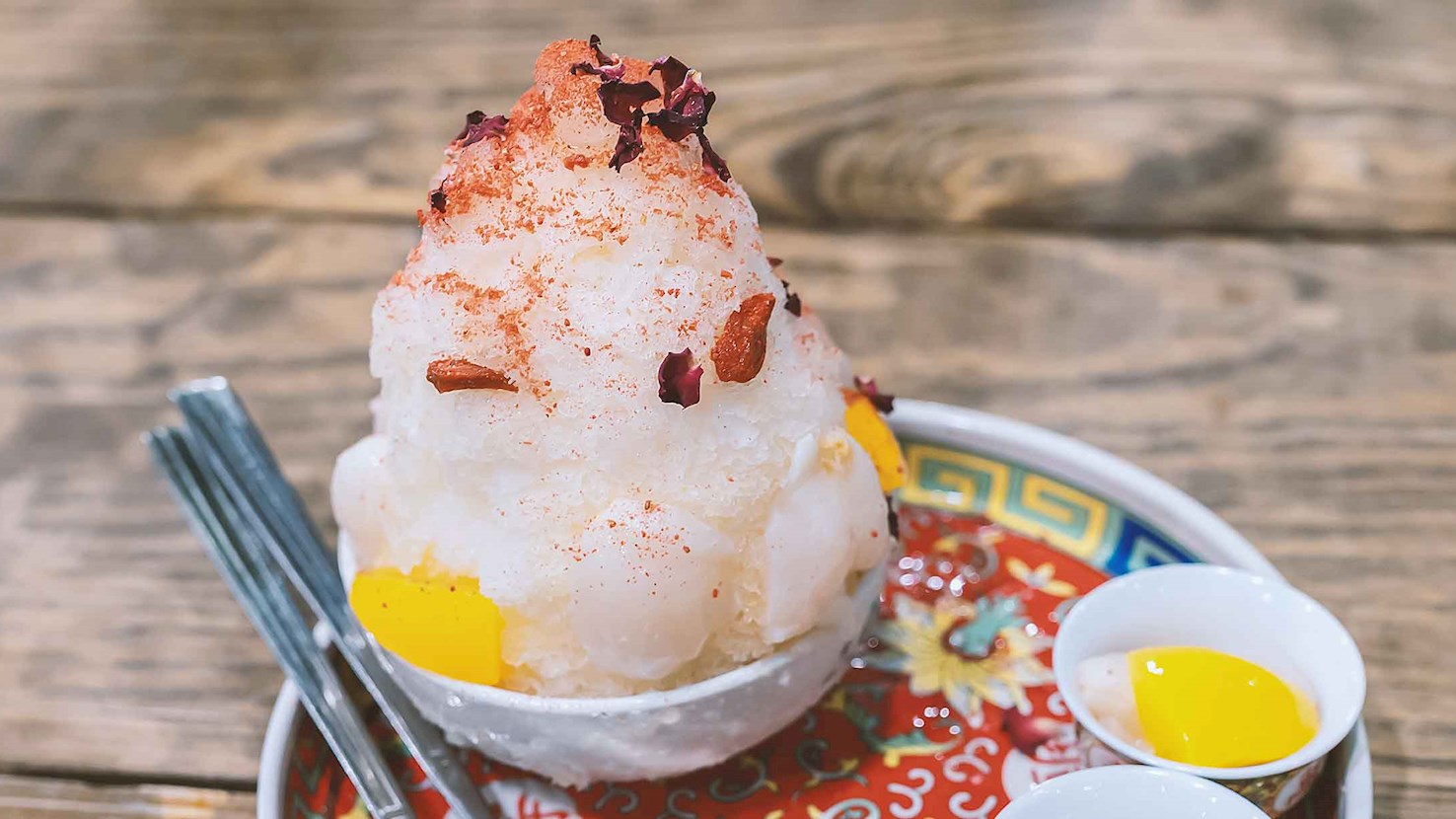
Baobing is a simple dessert consisting of finely shaved ice and fresh fruit such as mangoes, litchis, and rambutans. It is usually topped with condensed milk, flavored sugar syrup, mung beans, and peanuts. Baobing is especially popular during the hot summer days in China, Taiwan, and Vietnam, when it can be found on numerous night markets, among tofu and pancakes stands. The history of baobing can be traced back to more than 1000 years. It was consumed in China as early as the 7th century. Today, the dessert has evolved and can even be found in some Asian restaurants in the United States.
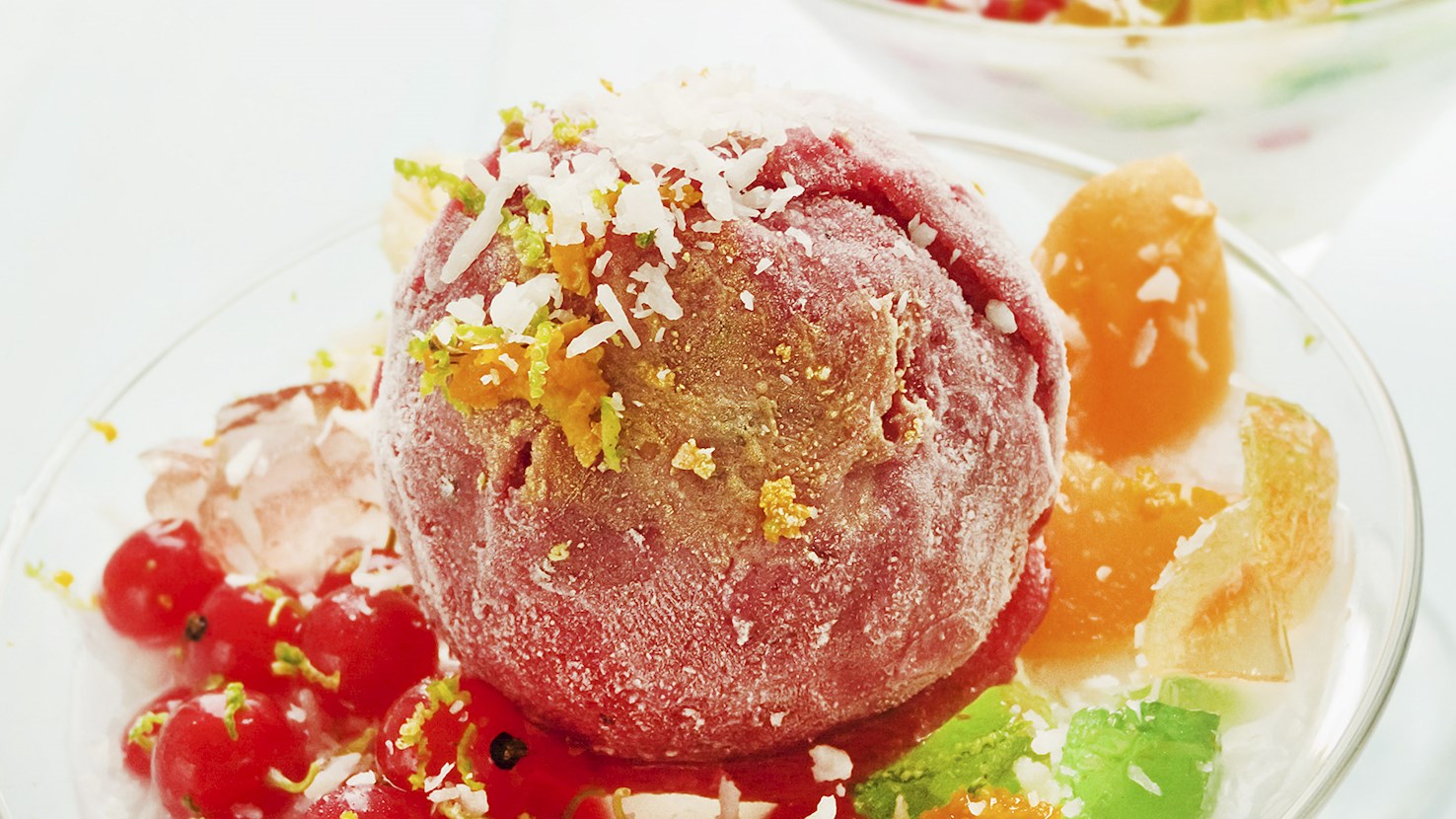
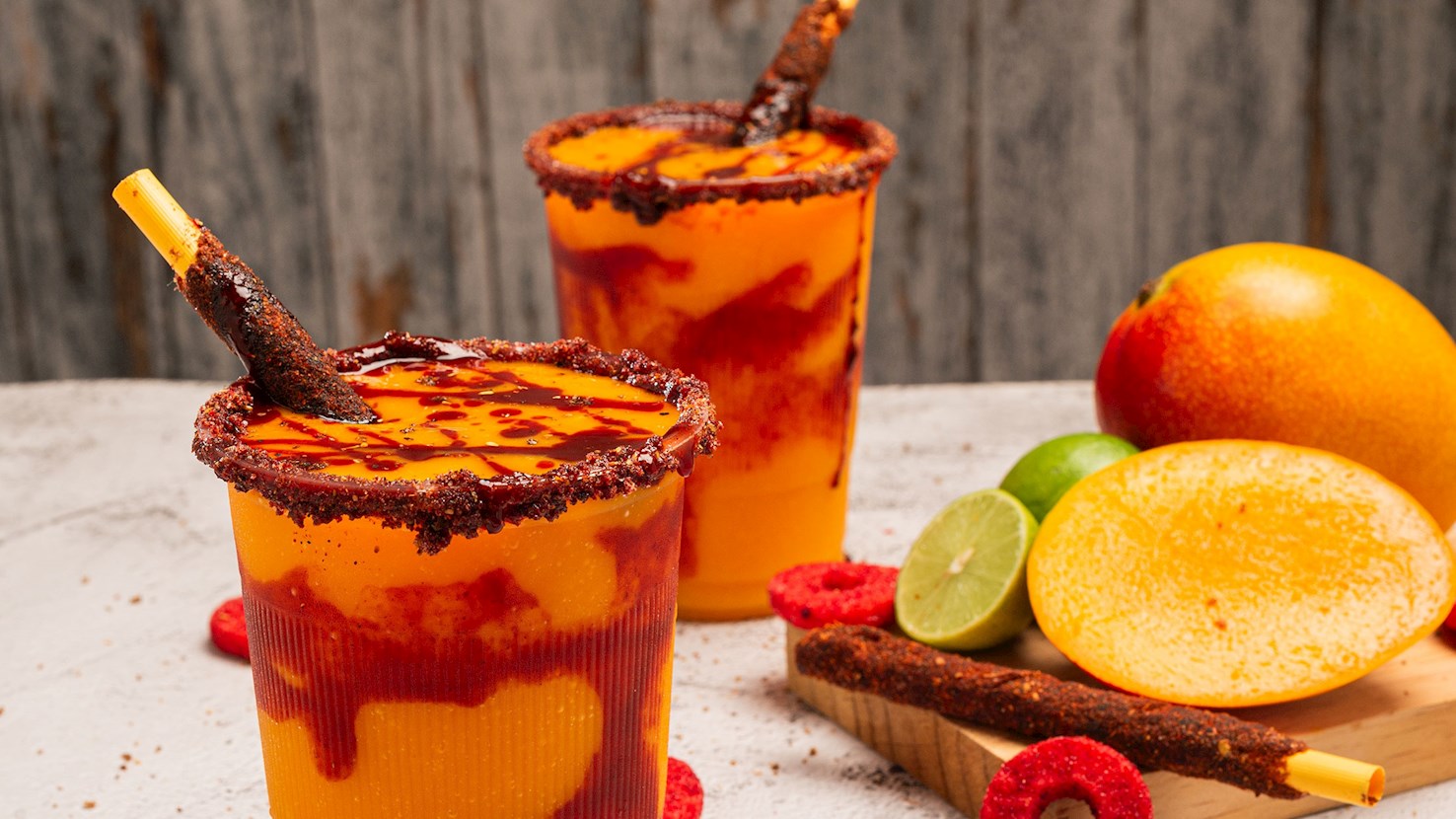
Chamoyada is a sweet, sour, spicy, and salty frozen treat that originates in Mexico and is especially popular in the central and western regions of the country. It is a type of icy beverage or dessert that blends fruit sorbet, shaved ice, or slush with chamoy, a tangy sauce made from pickled fruit, chili, salt, and lime. The result is a layered and vibrant concoction that captures the bold flavors of Mexican street food culture, often served in cups or tall glasses with a straw and spoon. Its roots trace back to the rise of chamoy itself, which was introduced to Mexico in the mid-20th century and adapted from Asian pickling and seasoning techniques brought by Japanese immigrants. Over time, chamoy became a staple condiment for snacks like fruit, chips, and candy, and eventually found its way into frozen drinks. The idea of combining the sauce with ice and fruit likely grew from local paleterías and street vendors, who experimented with different ways to highlight chamoy’s intense flavors during hot weather. Preparing a chamoyada involves assembling layers of shaved ice or fruit-flavored slush, usually mango, tamarind, or pineapple, and drizzling each layer with generous amounts of chamoy and chili powder. Diced fresh fruit, particularly mango, is often mixed in, and the drink is finished with a tamarind candy straw or a topping of pickled fruit. The balance of heat, acidity, and sweetness is essential, and every component is meant to contrast and complement the others. Variations are common, with some versions including a splash of lime juice, chunks of spicy dried fruit, or even a scoop of sorbet to intensify the fruity base. It is widely enjoyed throughout Mexico as a street food staple, particularly in summer, and has spread to Mexican communities abroad, especially in the United States. It is most often eaten as a standalone refreshment, though it can also accompany savory snacks or spicy antojitos, offering a cooling counterpoint to rich, hearty foods.
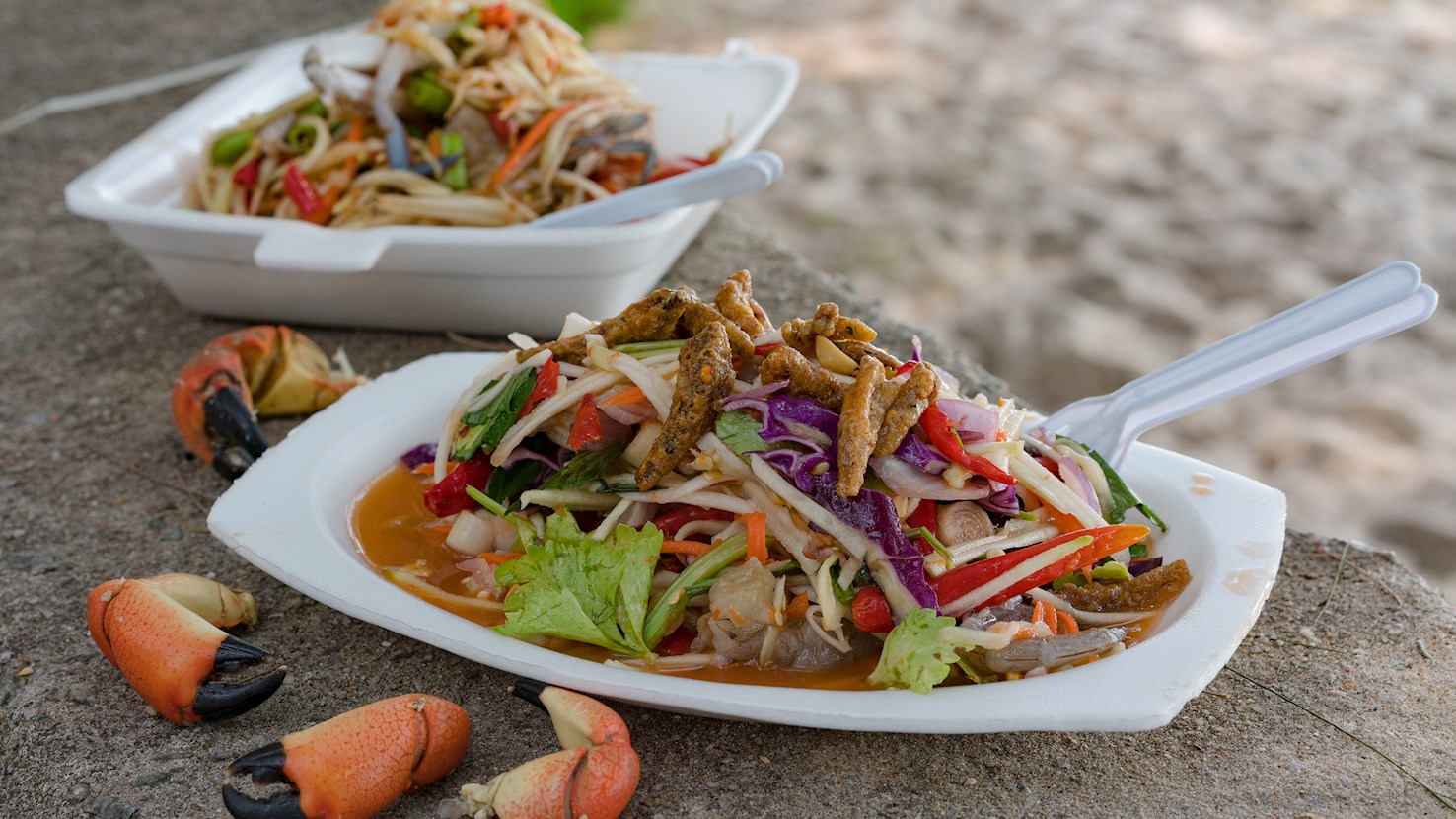
Som tam mamuang is a traditional salad originating from Thailand. Although there are many versions, it's usually made with a combination of green mango, dried shrimp, garlic, shallots, chili peppers, peanuts, fish sauce, tamarind water, lime juice, sugar, and coriander. The peanuts are shrimps are roasted, and the rest of the ingredients are simply mixed together, then dressed with lime juice and fish sauce. The salad is often topped with roasted peanuts and garnished with coriander or scallions on top. Som tam mamuang should be served as soon as it's prepared.
TasteAtlas food rankings are based on the ratings of the TasteAtlas audience, with a series of mechanisms that recognize real users and that ignore bot,
nationalist or local patriotic ratings, and give additional value to the ratings of users that the system recognizes as knowledgeable.
For the “27 Best Rated Dishes with Mango” list until September 17, 2026, 1,037,815 ratings were recorded, of which 688,105 were recognized by the system as legitimate.
TasteAtlas Rankings should not be seen as the final global conclusion about food. Their purpose is to promote excellent local foods,
instill pride in traditional dishes, and arouse curiosity about dishes you haven’t tried.









What People Say