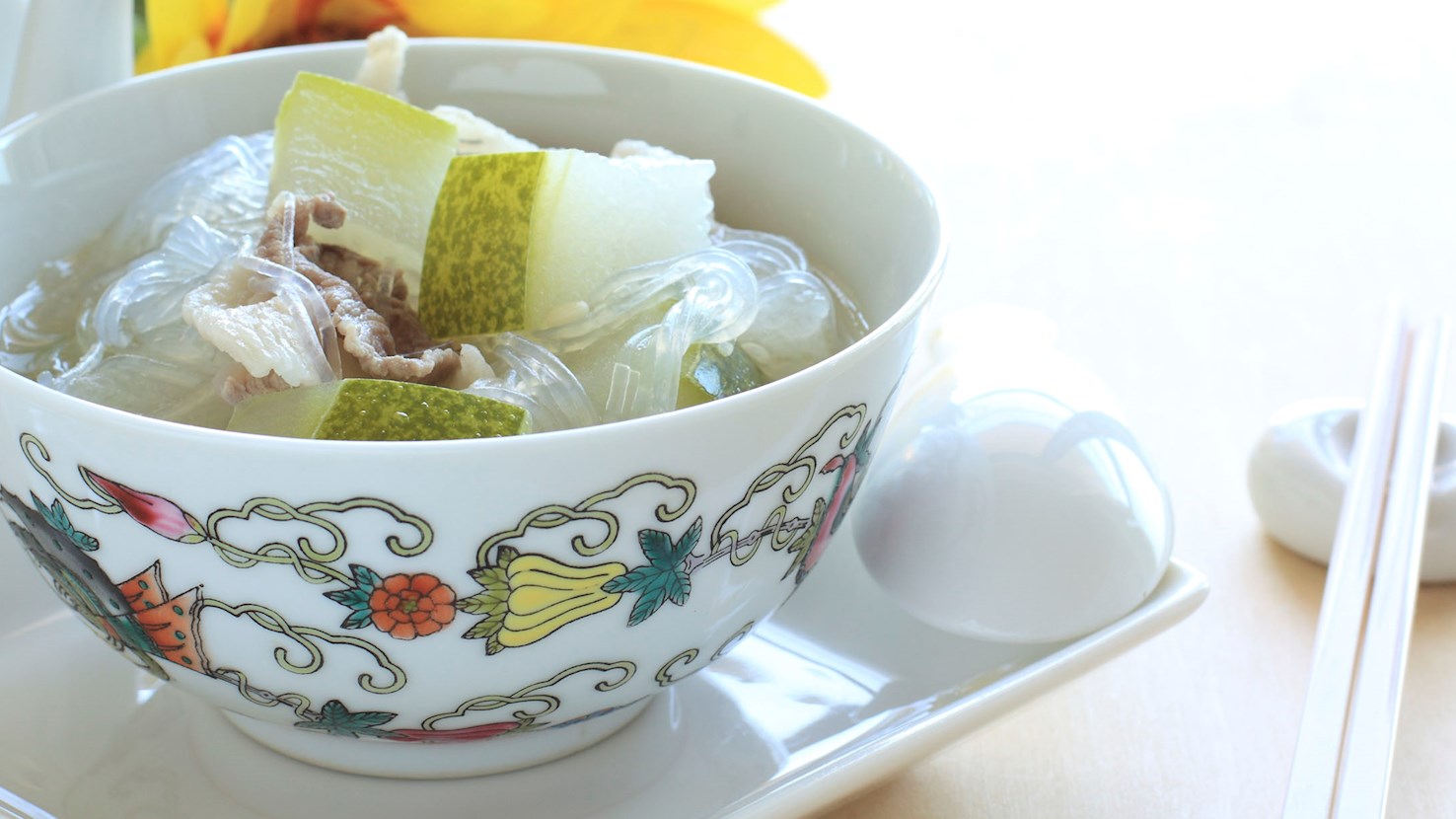
From the simplest versions prepared for weekday meals to the more elaborate ones served at various Chinese banquets and on special occasions, winter melon soup is a classic dish of Cantonese cuisine, popular throughout Southeastern Asia. Even though winter melons ripen in summer, they have a long shelf life and can be stored for up to a year, which is why this gourd is one of the few vegetables available during winter season. Apart from that, dong gua - as the Chinese call it - is particularly prized for its restorative, diuretic, detoxifying, and immunity boosting properties. And although the delicate flesh of dong gua has no distinct flavor of its own, the velvety, almost translucent cubes of this squash-like melon easily take on the rich flavors of pork or chicken broth used to make the soup. For a more wholesome meal, this versatile soup can be enriched with a wide variety of other ingredients: chicken meat, pork ribs, ham, bacon, dried shrimps or anchovies, crab meat, pearl barley, goji berries, lotus seeds, straw mushrooms, kombu seaweed, etc. Regardless of its name, winter melon soup is not only enjoyed as a heartwarming meal traditionally served in wintertime, but also as a refreshing dish which helps to bring down body heat during hot summer months.
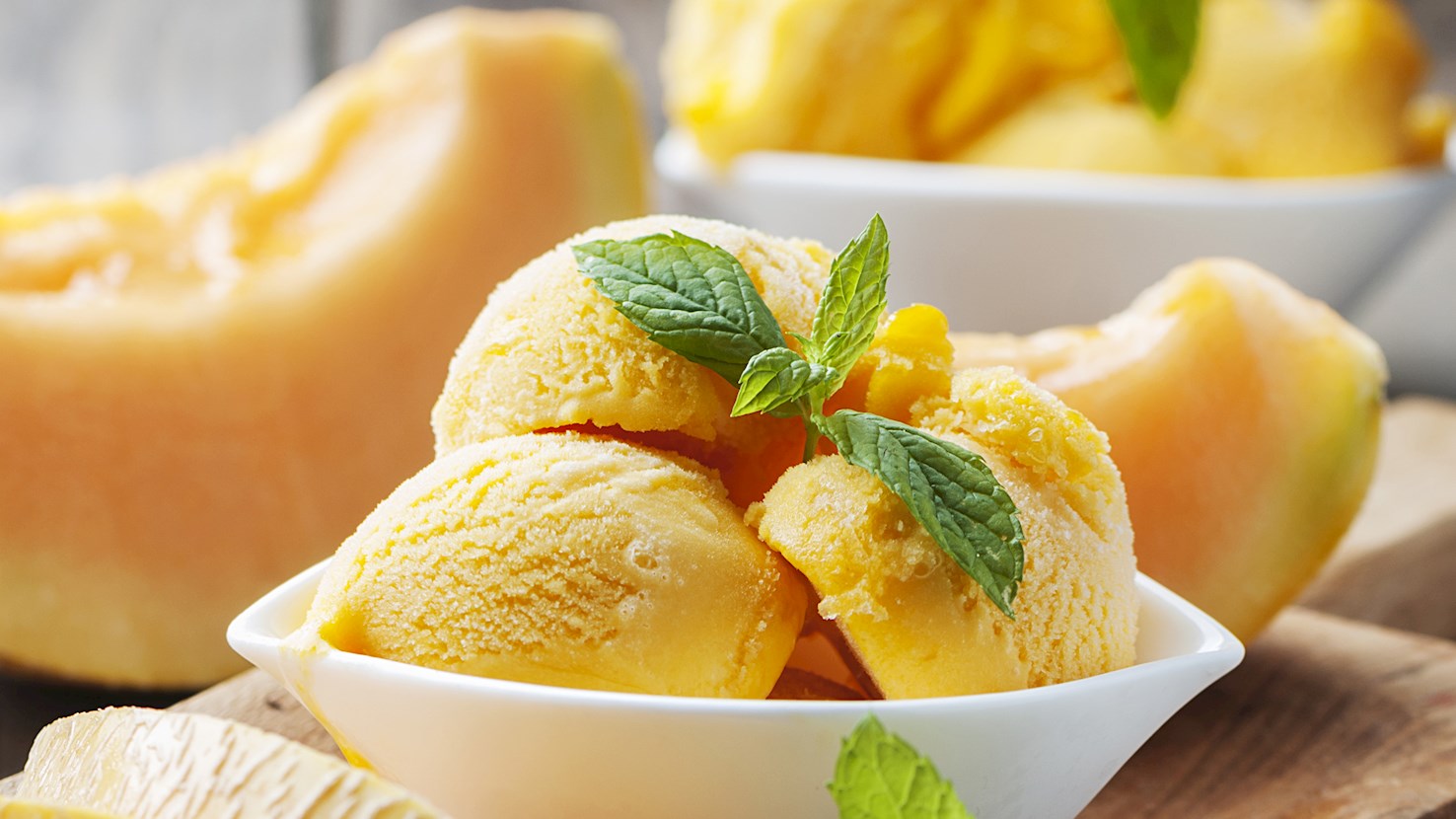
Gelato al melone is a refreshing Italian gelato flavor made with fresh melons (cantaloupes). It is usually made with milk, eggs, sugar, and cream. The melons are pureed before they are added to the base. Variations sometimes leave out eggs or include condensed milk or mascarpone cheese. This light and refreshing gelato is available in many ice cream shops in Italy, and it is typically a seasonal summer flavor.
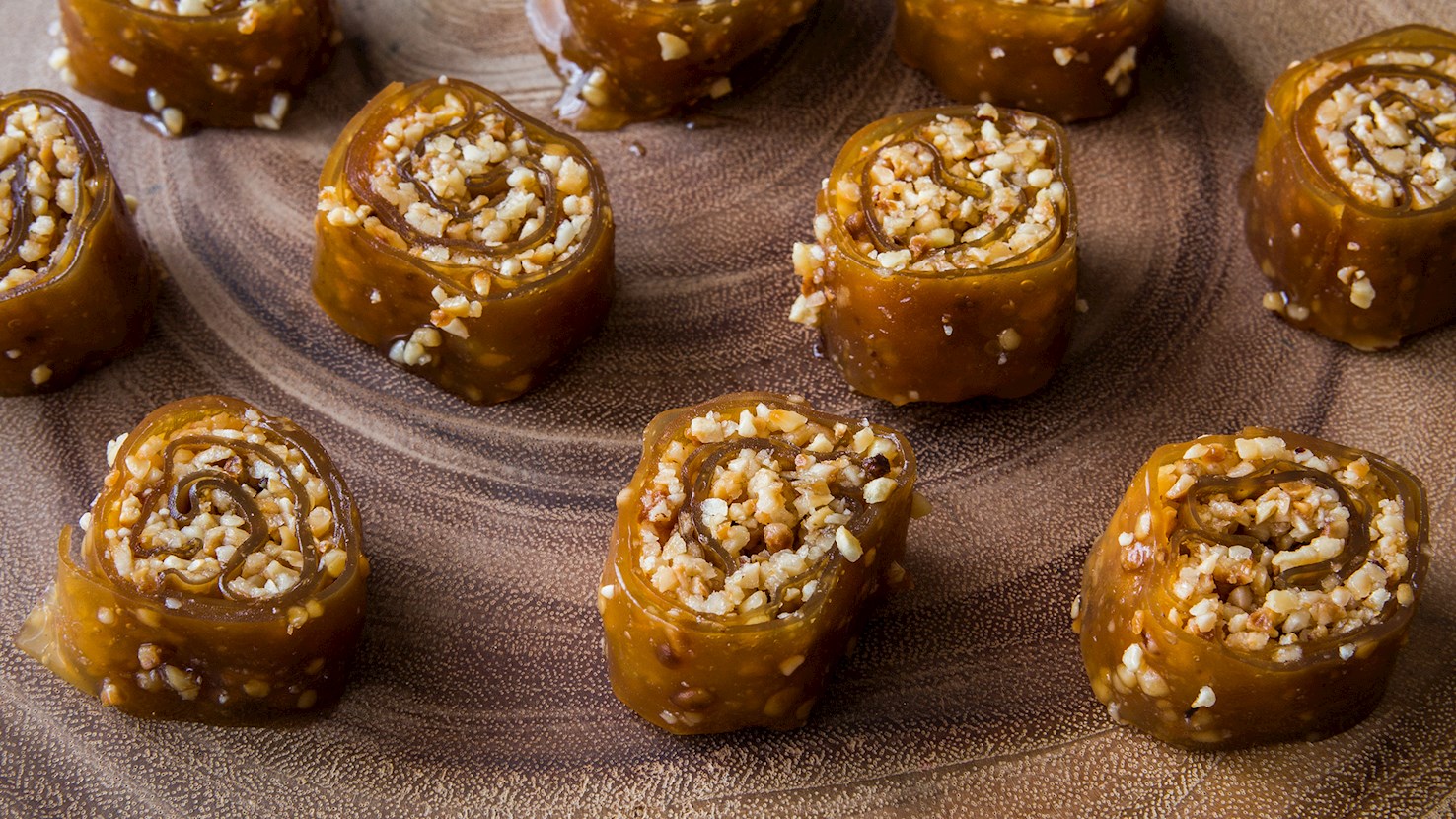
Pestil is a Turkish sweet made from pulverized fruits – most commonly apricots - that are spread in a thin layer, then left to dry. After the mass has dried, it is cut into smaller pieces. Pestil is also known as fruit leather due to its typical texture. When ready for consumption, pestil can also be preserved in an airtight container, where it will keep for several months.
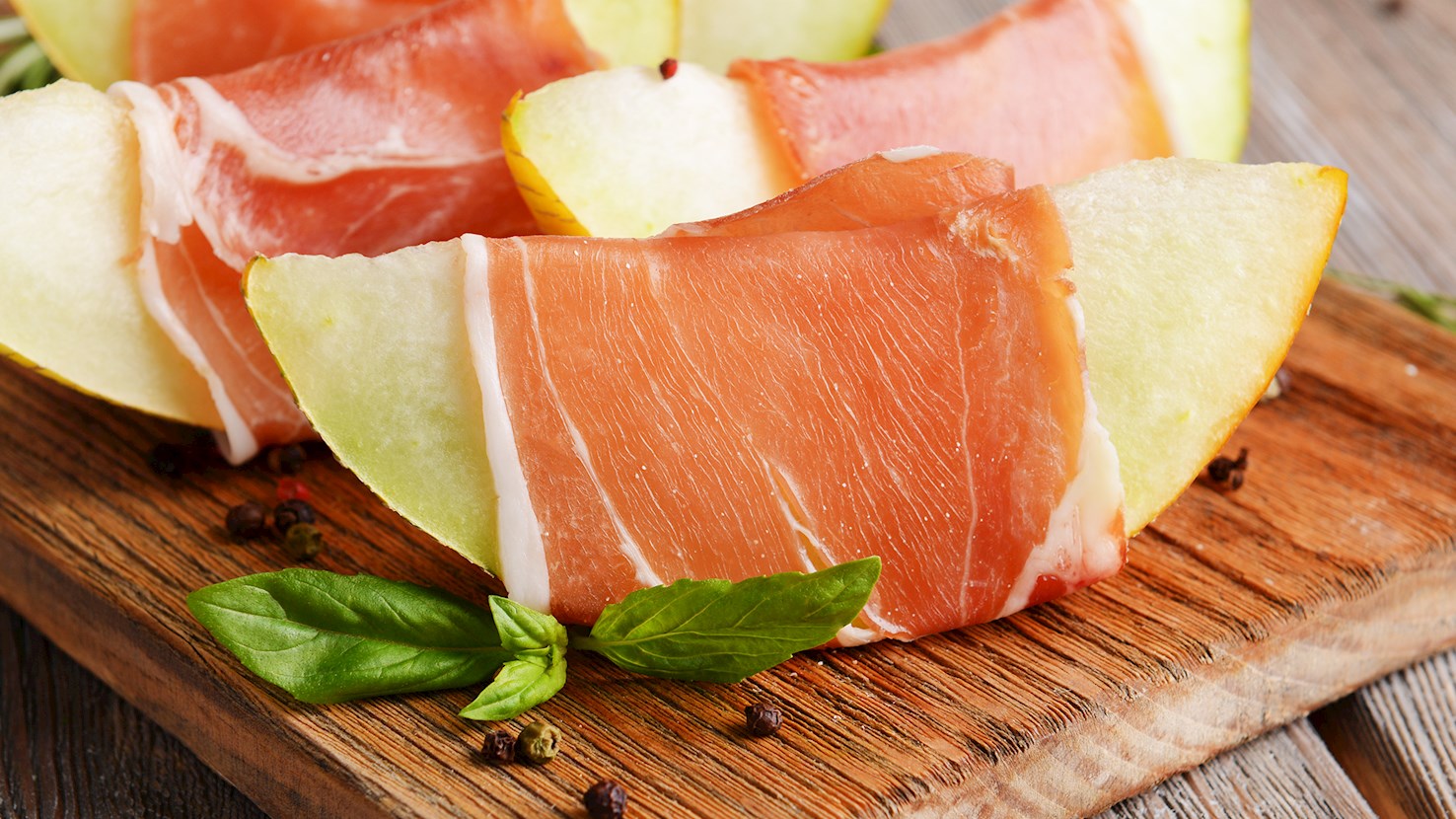
Prosciutto e melone or prosciutto and melon is one of the most common summer appetizers in Italy. The simple, classic Italian combination of these two ingredients is usually served with pieces of melon wrapped in prosciutto and speared on skewers. Sometimes, the dish is drizzled with balsamic vinegar, adding a nice touch to the already colorful combination. It is recommended to use only high-quality Italian prosciutto such as Parma or San Daniele.
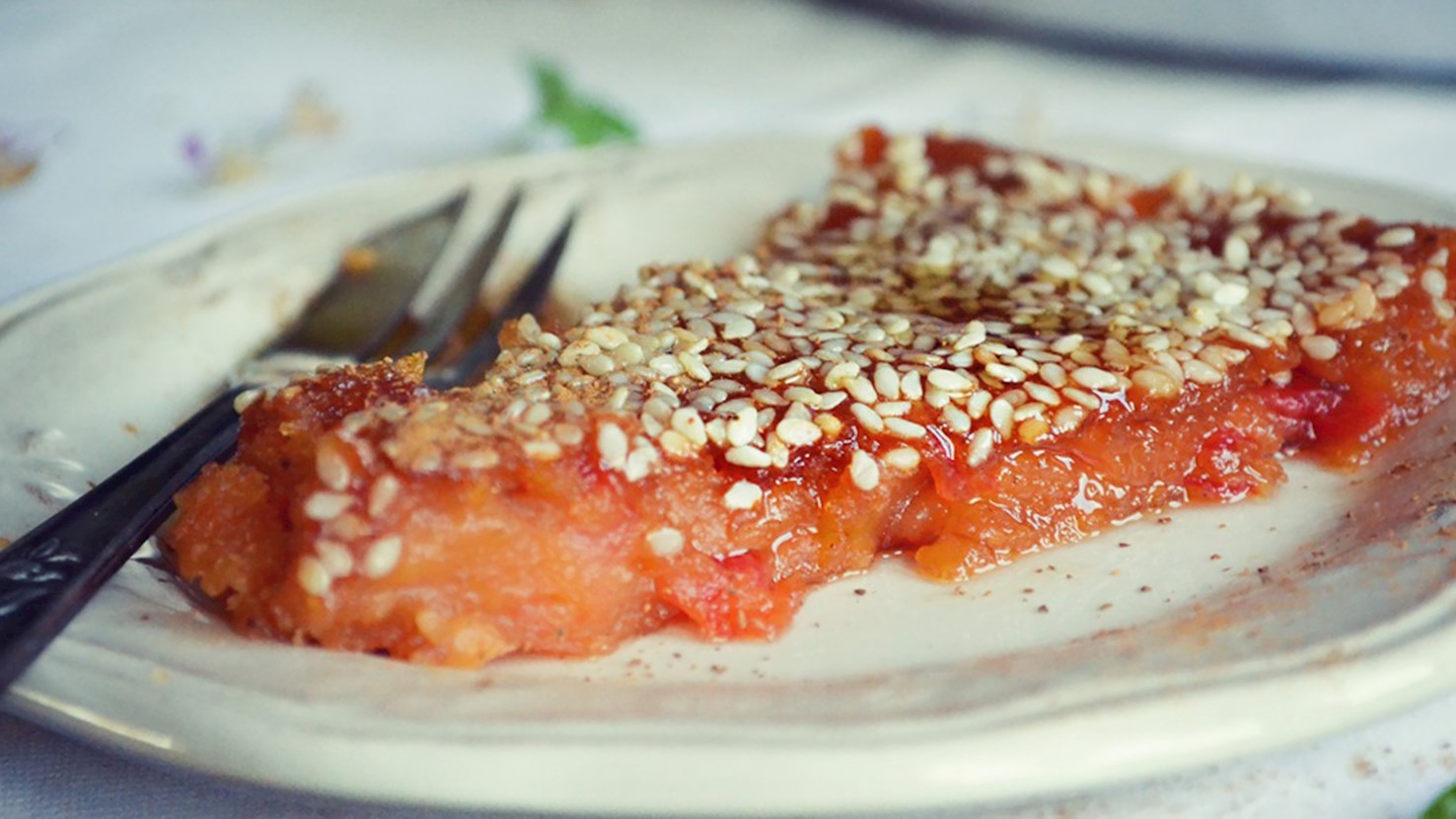
Karpouzopita is a sweet summer specialty of the Greek island of Milos, consisting of watermelon flesh, sugar, local thyme honey, flour, cinnamon, and olive oil. This dish derives its name from the Greek words karpouzi, meaning watermelon, and pita, which means pie or flat. The watermelon mixture is poured into a baking tray, smoothened out into a flat pie or cake, and topped with plenty of white sesame seeds before baking. The pie should be baked until it develops a nice color and crispy crust on the top and bottom, but remains soft and pudding-like in the middle. There are slight variations regarding the flatness or the ingredients used for this sweet delicacy, depending on the family recipe, with some calling for making the pie thinner or thicker, or enhancing the combination with the addition of nuts or raisins. Rectangles or pizza-shaped slices of chilled karpouzopita are typically enjoyed for breakfast, although they can also be eaten as a sweet snack or dessert.
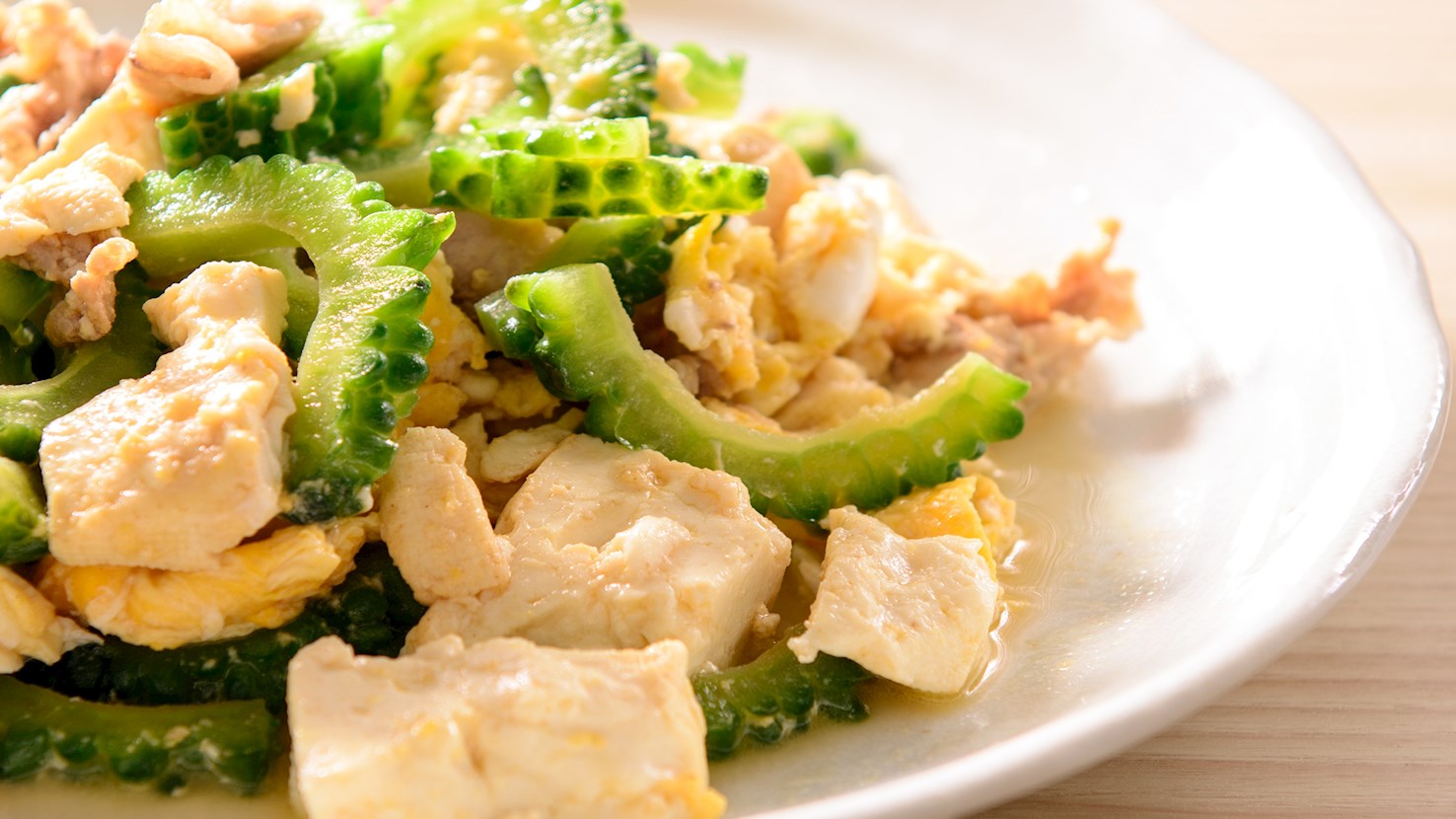
Among the broad group of Japanese chanpuru dishes, goya chanpuru is the most traditional version prepared with stir-fried bitter melon, eggs, pork, and tofu. It is often blended with various seasonings and vegetables. Occasionally, the dish is served sprinkled with fish flakes and accompanied by rice. This colorful and nutritious summer stir-fry is the signature dish of Okinawa island. It has recently grown in popularity and can also be found in other parts of Japan.
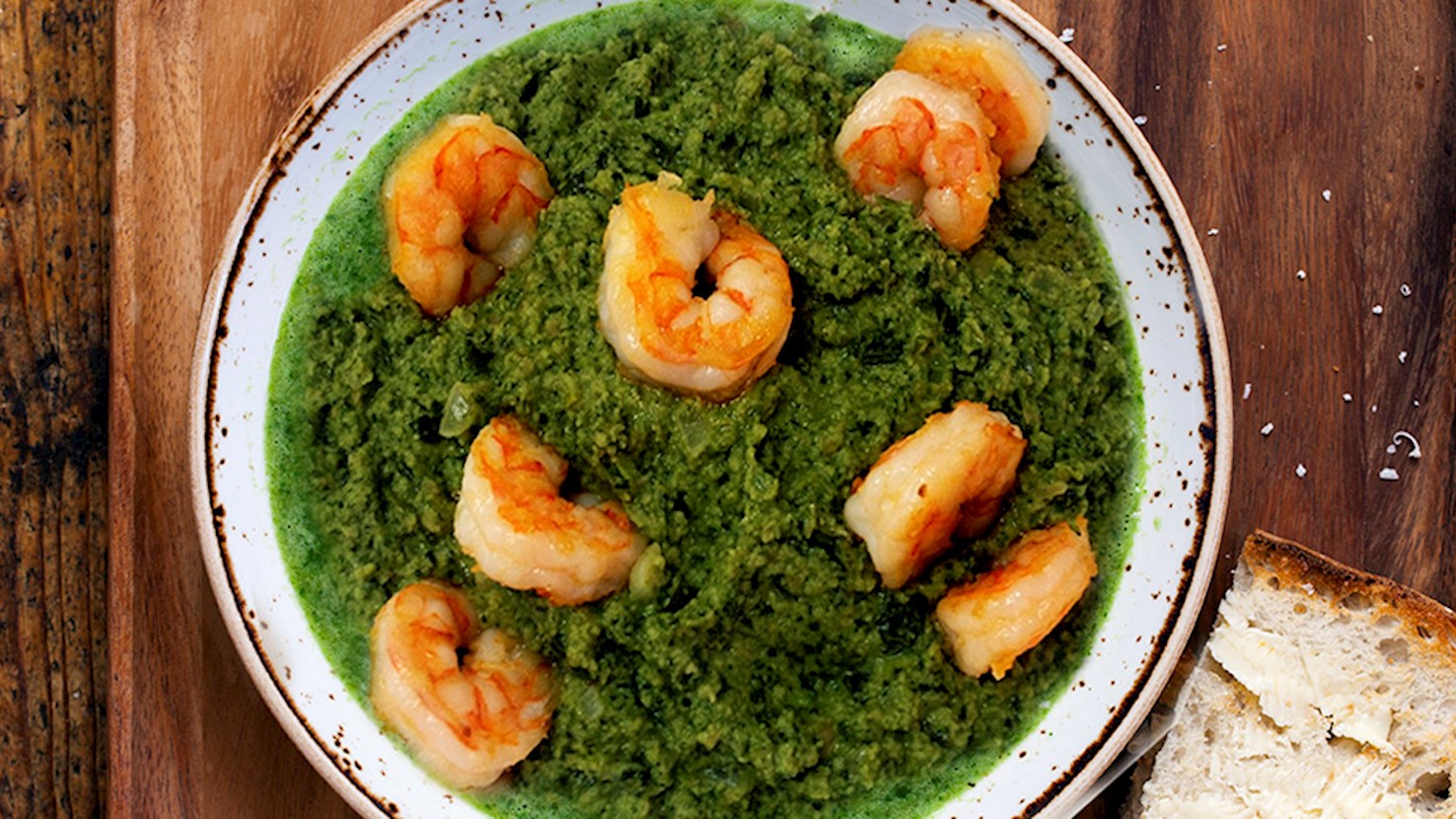
Ndolé is one of the two national dishes of Cameroon, traditionally made with boiled bitterleaf, peanuts, and melon seeds. Seasoned with spices and hot oil, ndolé can be cooked with either fish or meat. This flavorful stew is usually served with bobolo – fermented cassava shaped into a loaf. It is a rich, highly caloric dish that is always present at parties and festivities. Ndolé can also be accompanied by fufu corn, yams, rice, or fried plantains as side dishes.
Arrop i tallaetes is a sweet preserve from the Valencian Community, known for its dark, rich syrup and pieces of candied fruit suspended within it. It is made by slowly reducing grape must until it becomes thick and deeply flavored, then combining it with small cubes of fruit, usually pumpkin, melon, quince, plump, or peach (previously macerated in lime water) which absorb the syrup and become tender and sweet. The result is a dessert that captures the essence of Mediterranean autumn, when grapes are harvested and fruit preservation was once a vital part of household cooking. Its origins go back centuries, when preserving seasonal fruit was essential for extending the harvest into the colder months. In the winemaking regions of eastern Spain, grape must — the freshly pressed juice from grapes before fermentation — was readily available, and it became a natural base for sweet preserves. As sugar was historically expensive and scarce, boiling must to concentrate its natural sweetness was a common practice. Over time, this technique evolved into the making of arrop, to which small pieces of fruit, or tallaetes, were added to create a more complex texture and flavor. The resulting preserve became a staple of autumn kitchens, often prepared during the grape harvest and shared in family gatherings. Preparation begins with grape must, which is slowly simmered for hours and treated with lime to reduce acidity, until it thickens into a dense, dark syrup. Once the desired consistency is reached, pieces of prepared fruit — peeled, cut into small cubes, and macerated in lime water — are added to the syrup and cooked gently until they are infused with its flavor and color. The mixture is then left to cool and stored in jars, where it keeps well for months. The syrup takes on a deep mahogany hue, and the fruit becomes soft and sweet, with a subtle tartness that balances the richness of the must. One feature that distinguishes arrop i tallaetes is its use of must instead of refined sugar as the sweetening and preserving agent, giving the dessert a natural, complex sweetness and a depth of flavor that sugar alone cannot achieve. Its preparation is also tied closely to the rhythms of the grape harvest, making it a seasonal delicacy that reflects the agricultural cycles of the region. Arrop i tallaetes is usually served cold or at room temperature, often in small portions as a dessert or sweet snack. It can be enjoyed on its own, spread over bread or biscuits, or paired with mild cheeses, whose saltiness contrasts with its sweetness. It also pairs well with dessert wines from the region, which echo its deep grape flavor.
Cool island soup, as its name suggests, is a chilled fruit soup and an ideal refreshment for hot summer days. It consists of pineapple, cantaloupe, papaya, apricot, sparkling water, and fresh lime juice. It is recommended to cool the combination of puréed ingredients for at least four hours before serving. Garnished with fresh mint leaves, sweet and cold, it is the locals' favorite, consumed widely throughout the island.
Bogobe jwa lerotse is the national dish of Botswana, characterized by a delicate flavor imparted by the lerotse melon, a type of fruit that is visually reminiscent of a typical watermelon and distinguished by its orange-colored flesh. Lerotse has a neutral flavor when raw, but it imparts a unique flavor to the dish when cooked. The dish is typically stirred with a traditional wooden whisk, called lehetho, and has a porridge-like consistency when fully cooked.
TasteAtlas food rankings are based on the ratings of the TasteAtlas audience, with a series of mechanisms that recognize real users and that ignore bot,
nationalist or local patriotic ratings, and give additional value to the ratings of users that the system recognizes as knowledgeable.
For the “10 Best Rated Dishes with Melon” list until May 22, 2026, 989,144 ratings were recorded, of which 646,952 were recognized by the system as legitimate.
TasteAtlas Rankings should not be seen as the final global conclusion about food. Their purpose is to promote excellent local foods,
instill pride in traditional dishes, and arouse curiosity about dishes you haven’t tried.