



shutterstock

18 Best Rated
Dishes with Moong

Last updated on July 17, 2026
01

Butsi

3.9 ·

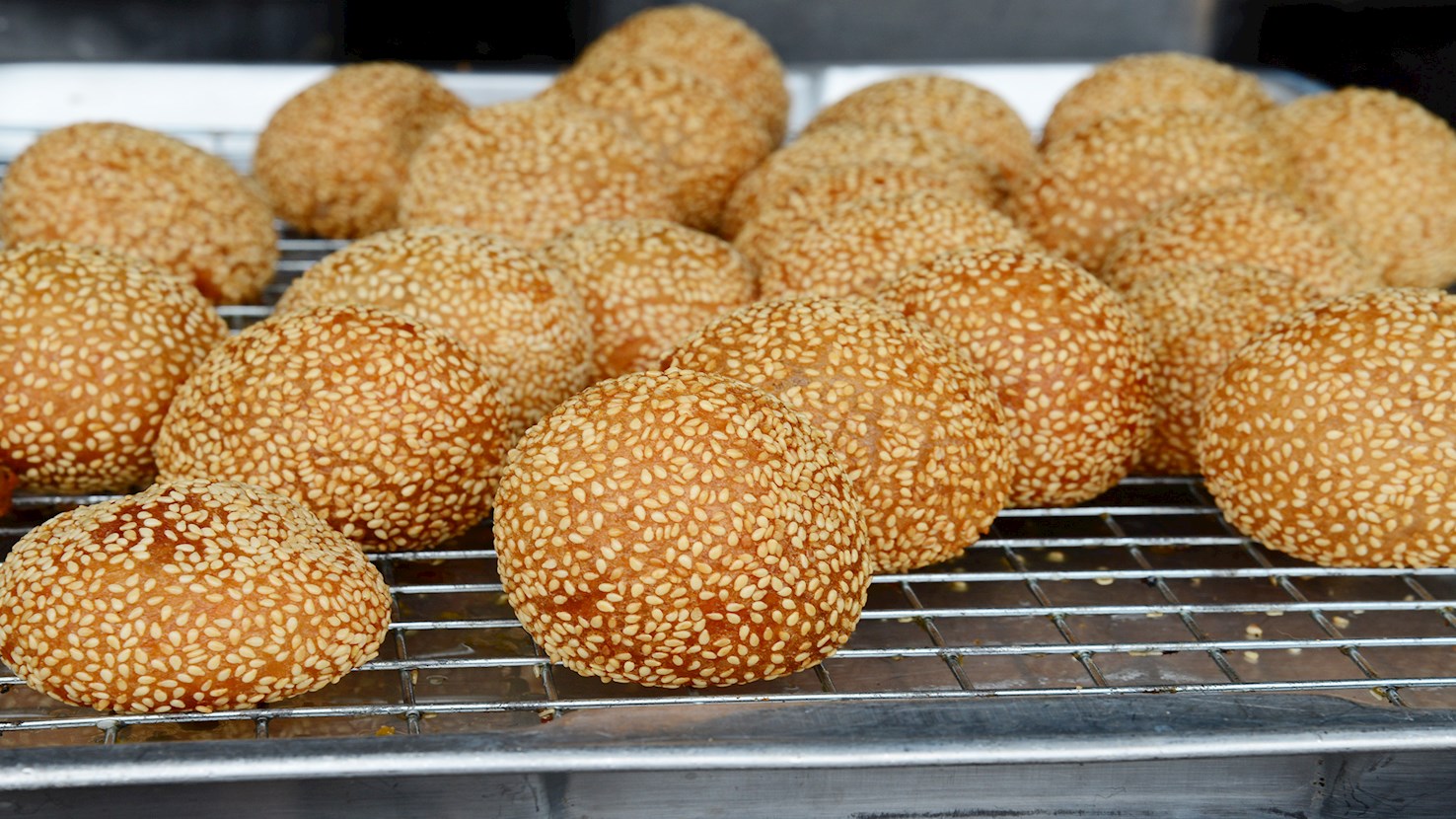
Butsi balls are the Filipino version of traditional Chinese jian dui sweets. They are made with glutinous rice flour that is formed in small round shapes and stuffed with a variety of sweet fillings such as sweetened mung bean, creamy lotus, red bean paste, or shredded coconut. Butsi are usually coated in sesame seeds and fried until golden. Even though they originated as a traditional Chinese delicacy, their Filipino adaptation has become incredibly popular. With their crispy shell, chewy texture, and creamy filling, they can be enjoyed as a satisfying dessert or a quick sweet snack.

02

Sakkarai pongal

3.6 ·

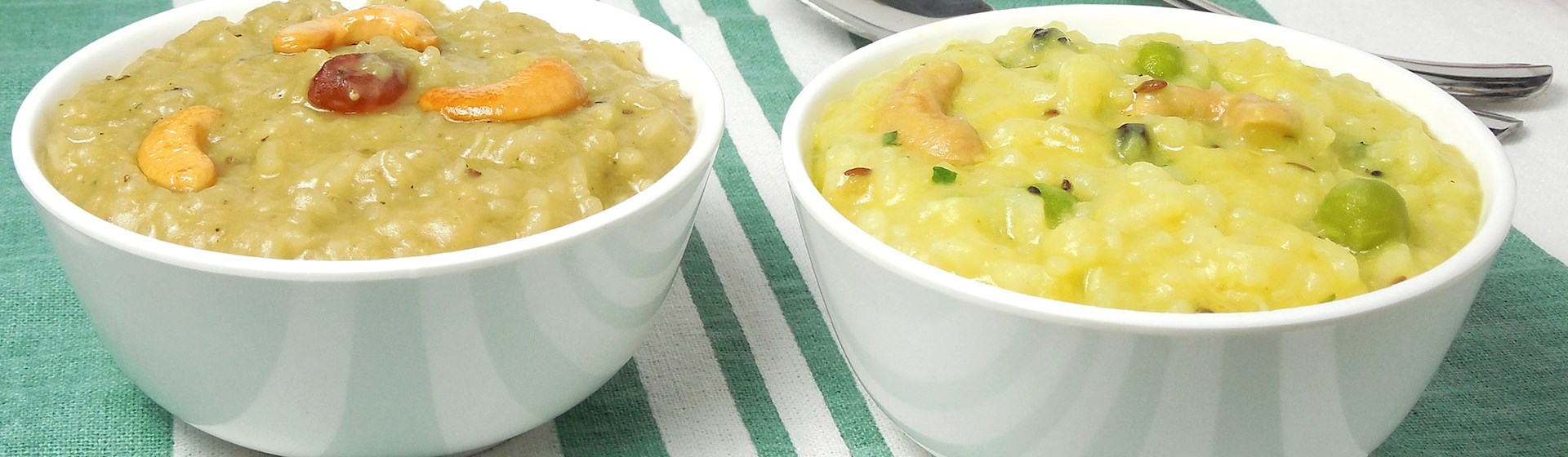
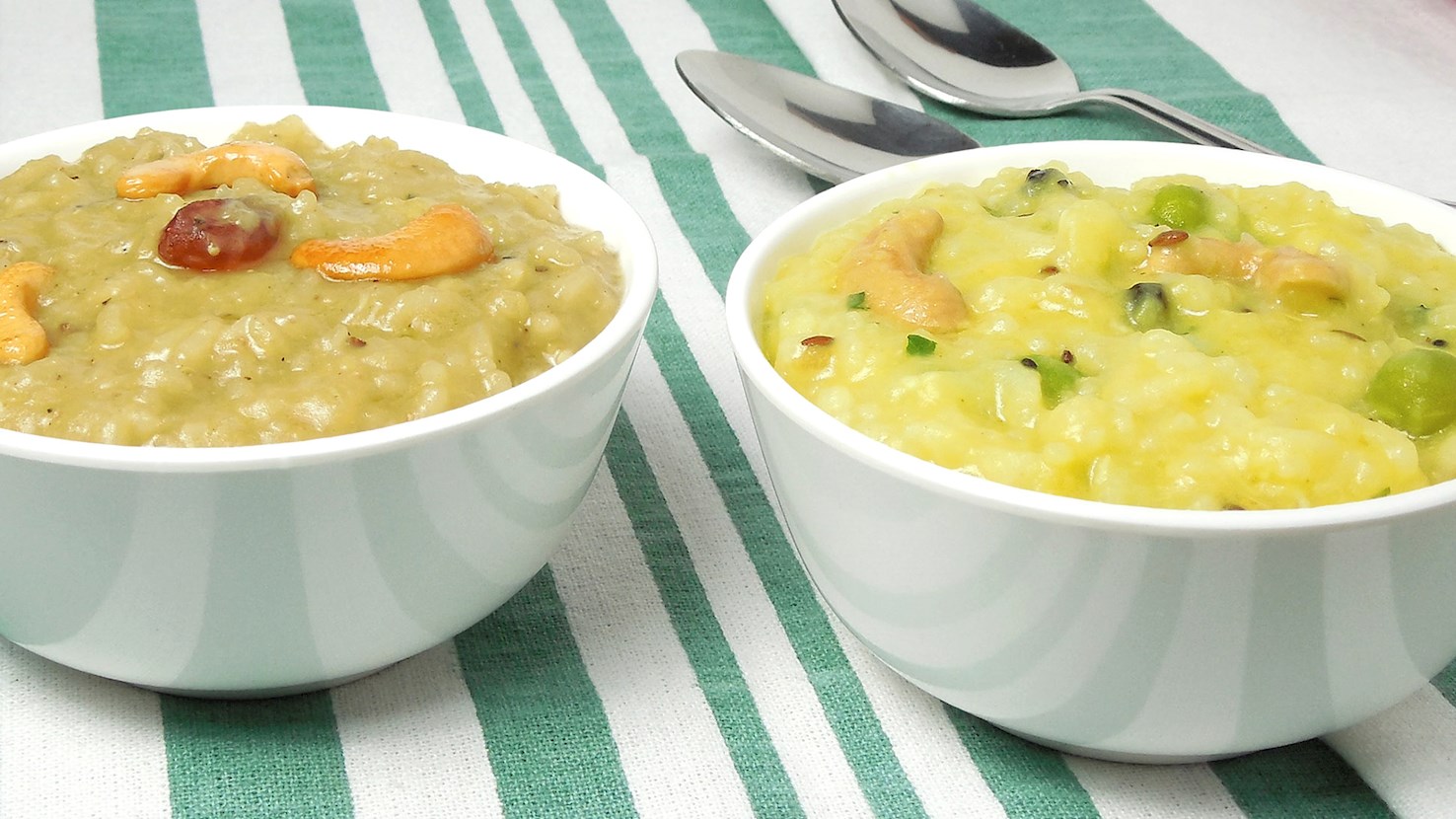
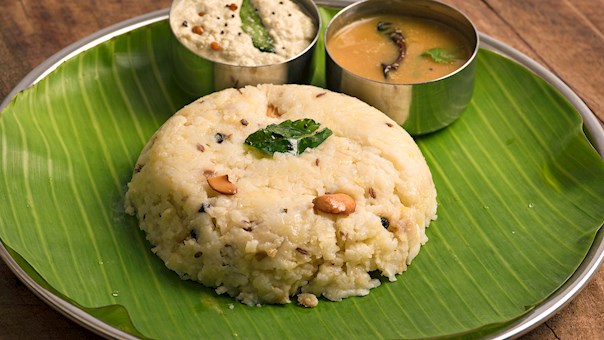
This sweet, buttery dish is made with freshly harvested new rice, jaggery and ghee (clarified butter), with the addition of dried coconut, sesame seeds, raisins, milk, and cashew nuts. Sakkarai pongal is traditionally prepared as an offering to the Sun God during Makar Sankranti, a three-day harvest festival in mid-January, celebrated in the states of Tamil Nadu, Karnataka, and Andhra Pradesh. The rice is typically cooked outdoors over a fire, with the cooking pots turned to the East, where the sun rises, and it is also customary to allow the dish to pongal, meaning to boil over during cooking, which symbolizes an abundance of food. This creamy, aromatic porridge is traditionally served alongside savory donuts called vadas and coconut chutney.

03

Ginisang munggo

3.5 ·

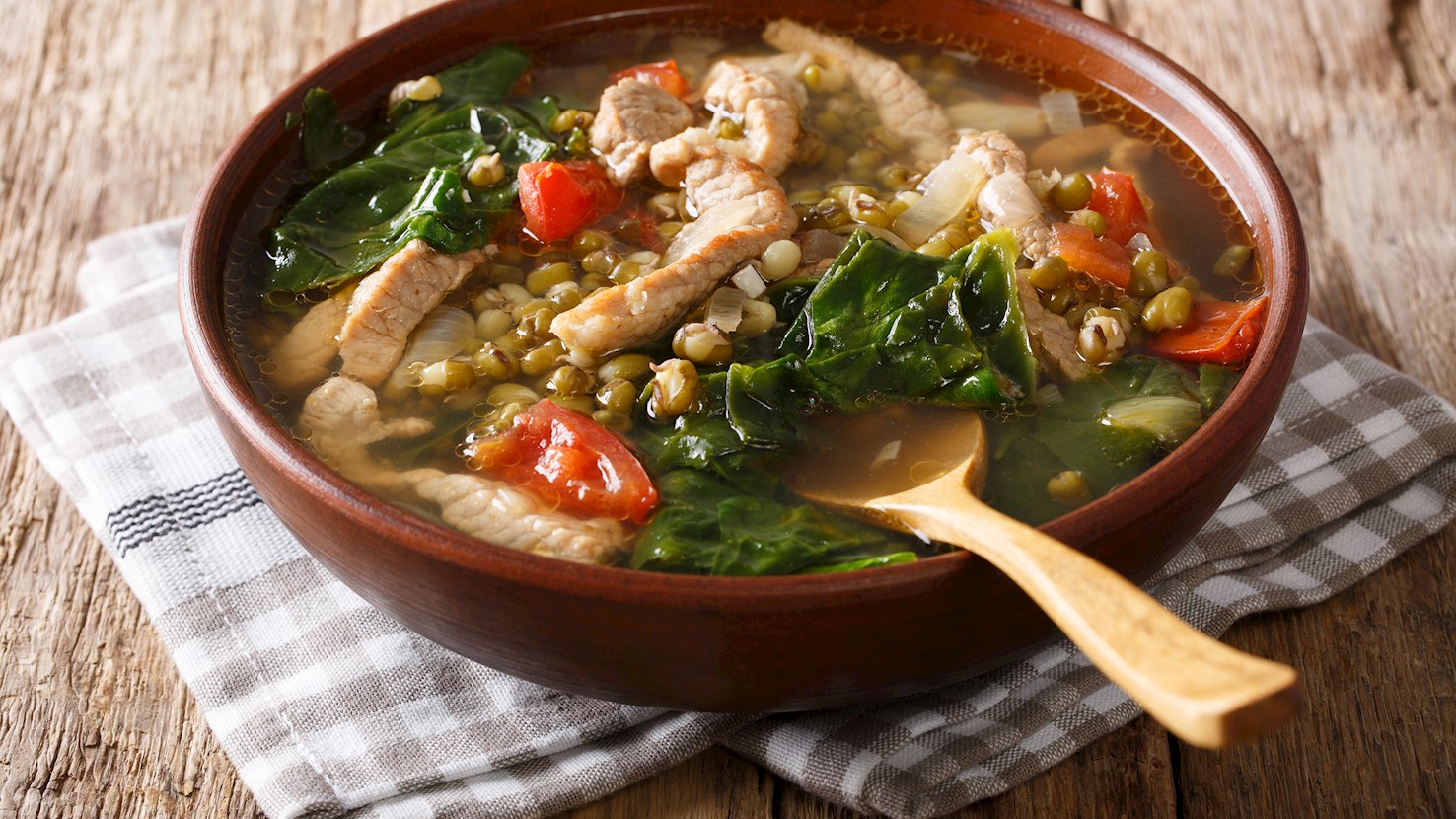
Ginisang munggo is a traditional dish originating from the Philippines. The dish is usually made with a combination of mung beans, spinach, garlic, onions, tomatoes, dried shrimp, beef stock, fish sauce, oil, and black pepper. The onions, garlic, and tomatoes are sautéed in oil, then mixed with dried shrimp and mung beans. The mixture is covered with beef stock and simmered until the mung beans become tender. The spinach, fish sauce, and black pepper are added to the dish, and it is then served warm. Ginisang munggo is traditionally accompanied by rice on the side, but it can also be served with grilled or fried fish and pork.

04

Dal puri

3.3 ·

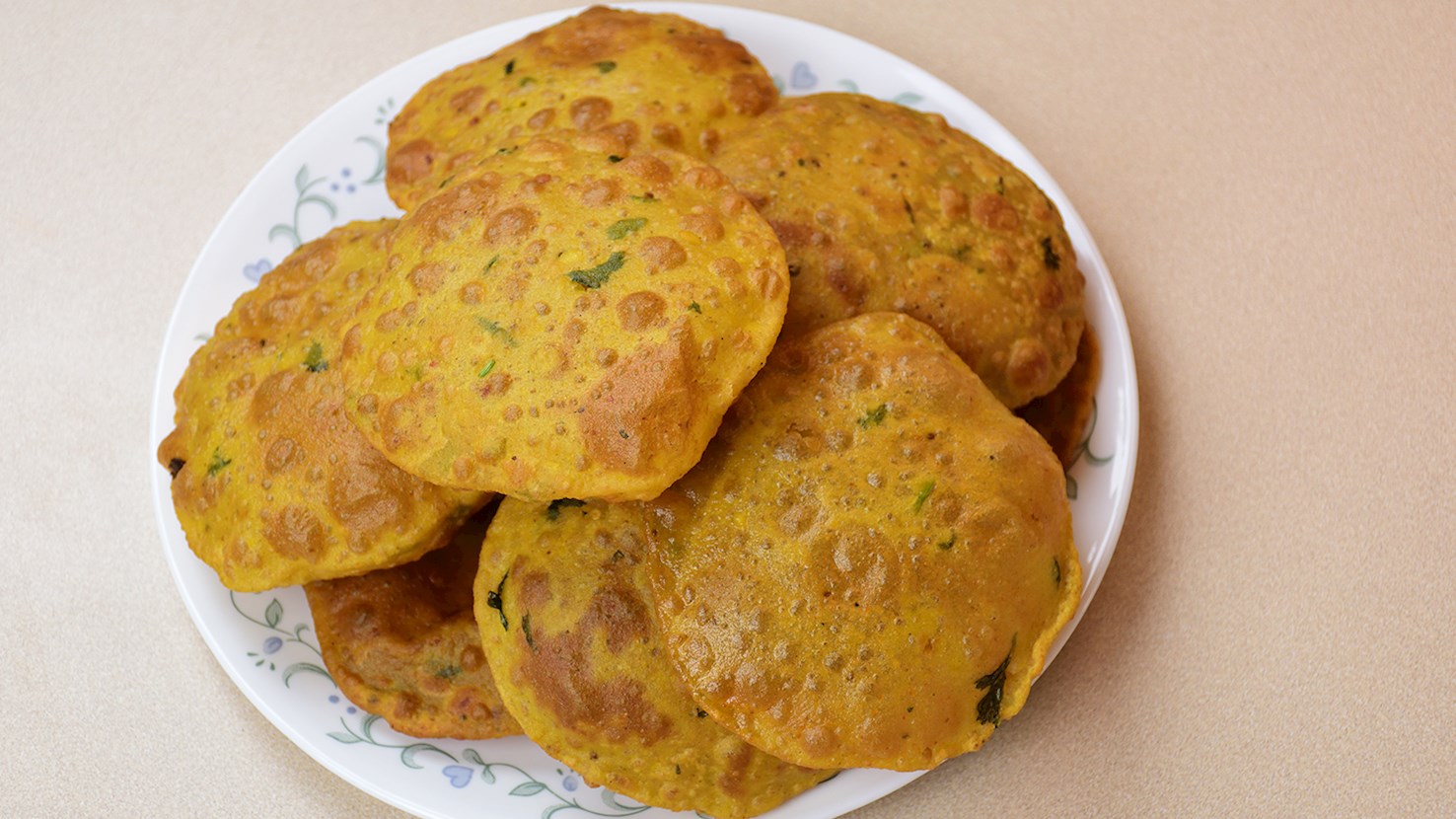
Hailing from North India, dal puri is a variety of puri, a type of round-shaped Indian bread that is deep-fried until crispy, puffy, and golden. This version of the bread consists of puri dough that’s kneaded with a lentil-based mixture. Numerous versions of the dish exist throughout different regions, and depending on the spices used for its preparation, the dish can range from mildly spicy to hot. The dough is typically made with plain flour, water, salt, and oil, while the filling usually combines mung dal lentils with oil and spices such as ginger, green chili, cumin, fennel seed powder, mango powder, asafetida, and salt. Other typical spices include garam masala powder, carom seeds, turmeric, pepper, garlic, and coriander leaves. Dal puri is traditionally prepared for various celebrations and festivals, and it is usually enjoyed for breakfast or as an accompaniment to a variety of main dishes. These crispy-fried puris pair nicely with Indian specialties such as aloo ki sabzi (potato curry), gajar ka halwa (carrot halwa), chole (chickpea curry), or spicy squash curry.

05

Chè bưởi (Pomelo Sweet Soup)

3.3 ·

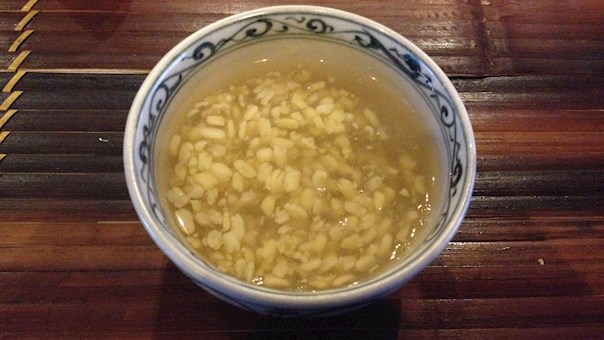
Chè bưởi is a traditional pomelo soup. It's made with a combination of pomelo, mung beans, and coconut. The green pomelo cover is peeled off, and the white spongy parts are used for the dish. They're cut into cubes, salted, soaked in water, rinsed, boiled, and mixed with sugar and tapioca starch. The mixture is combined with steamed mung beans, water, coconut milk, and sugar until the combination develops a thick consistency. This dessert is especially popular during the summer due to its cooling properties.

06

Bindaetteok

3.2 ·

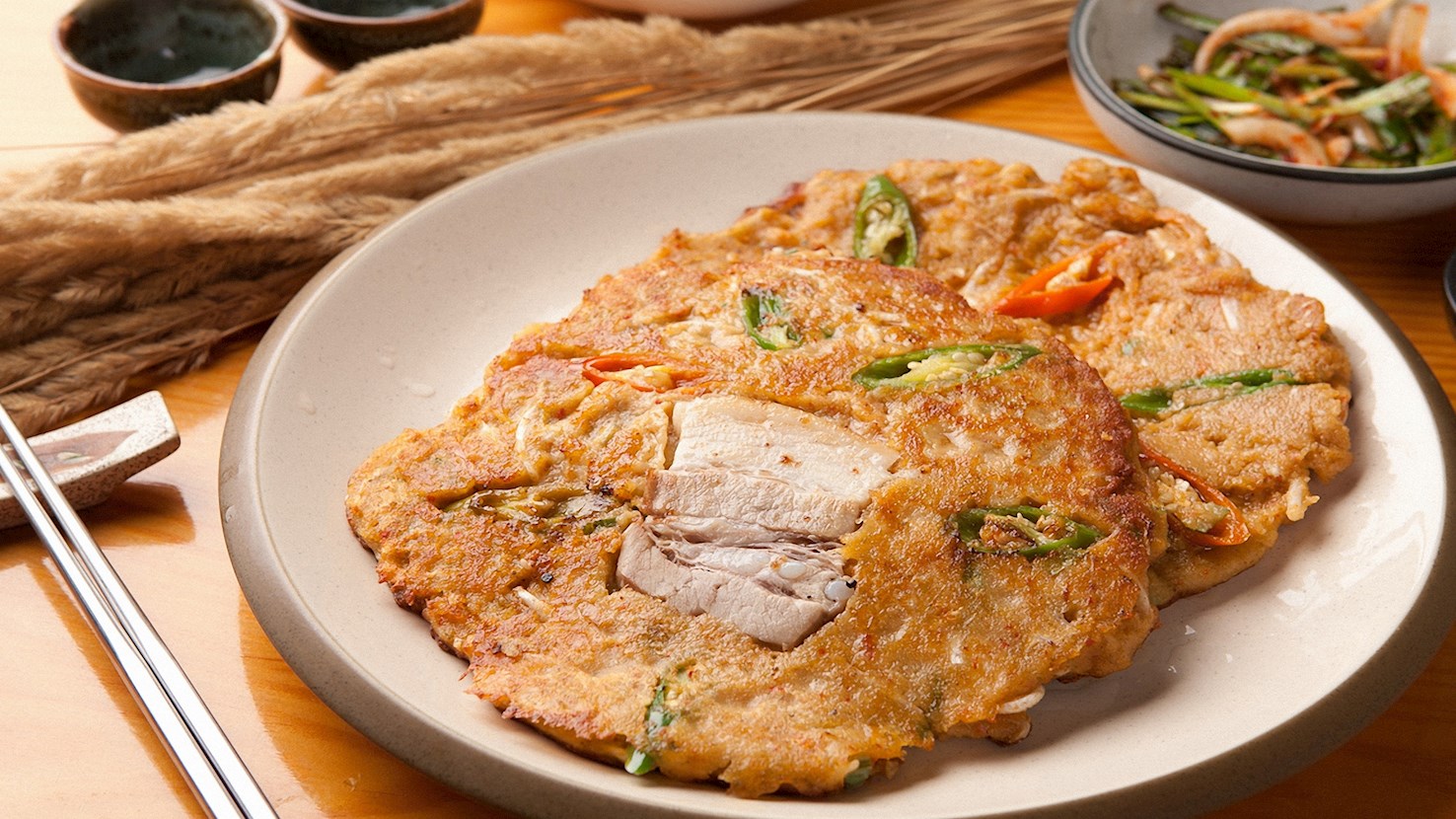
Bindaetteok is a savory mung bean pancake which first appeared in a cookbook in the 1670s under the name binjatteok. Originally, it was topped with savory chunks of pork and was mainly enjoyed by the rich, while the plain varieties were reserved for the lower social classes. Next to ground mung beans, modern-day bindaetteok usually employs a wide variety of other ingredients such as cabbage kimchi, sprouts, onions, glutinous rice, or ground pork. Fried in shallow oil, bindaetteok is best eaten fresh when it is still crispy on the exterior. Different varieties of these thick pancakes are usually eaten as a street food item and commonly come with a spicy dipping sauce served on the side.

07

Kosambari

3.2 ·

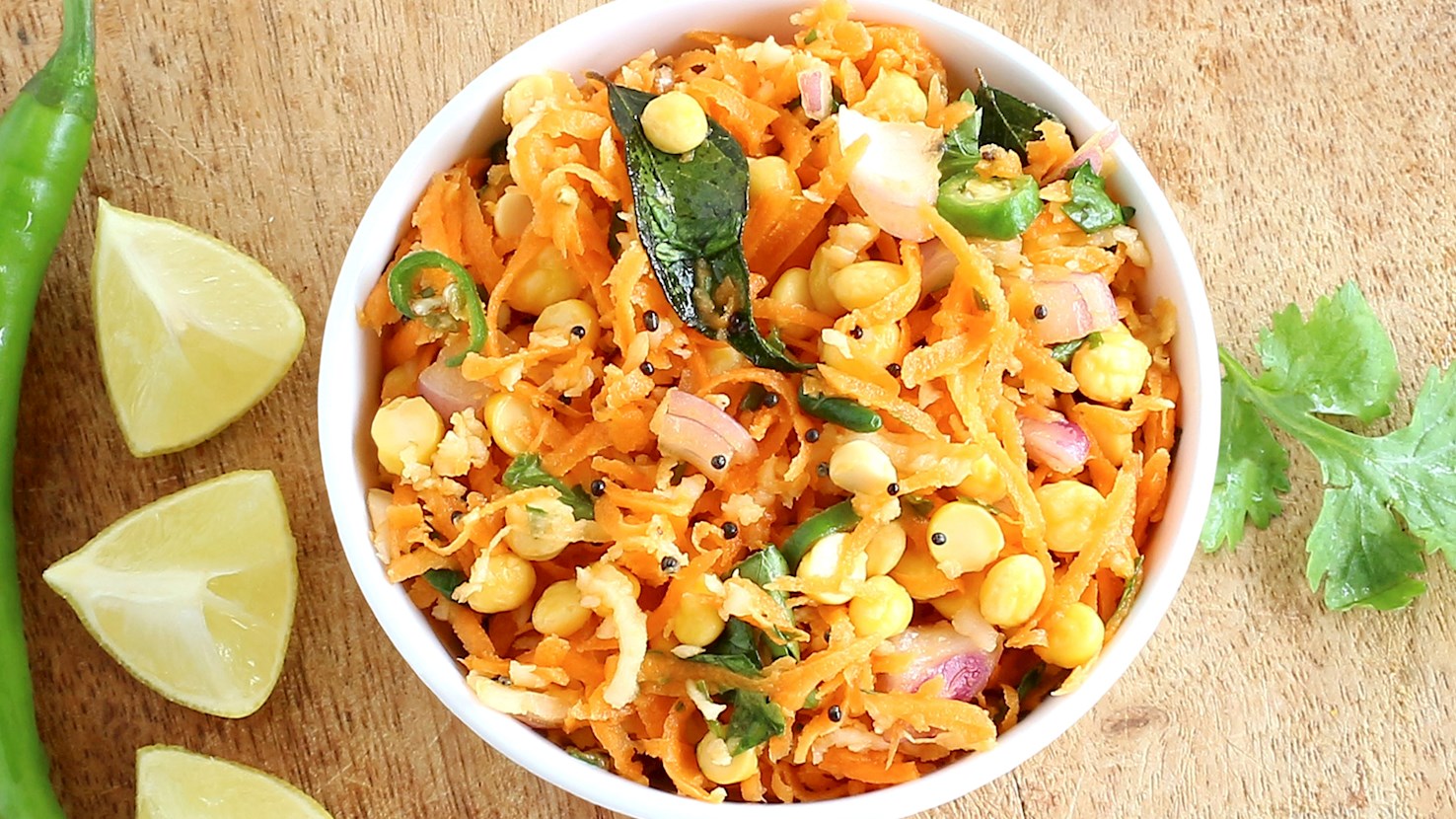
Kosambari is the most popular salad from the Indian state of Karnataka. The salad is made with split legumes such as bengal gram and green gram, and it is additionally seasoned with mustard seeds. The dish is well known for being easy to prepare and for having a high protein count. It is popular as an appetizer at most feasts, celebrations, and festivals, while in most temples it is offered as prasada - a religious offering. Kosambari is often additionally flavored with cucumber slices or rice, and although it is usually served as an appetizer, it is also a healthy main meal or a snack.

08

Bubur kacang hijau

3.2 ·

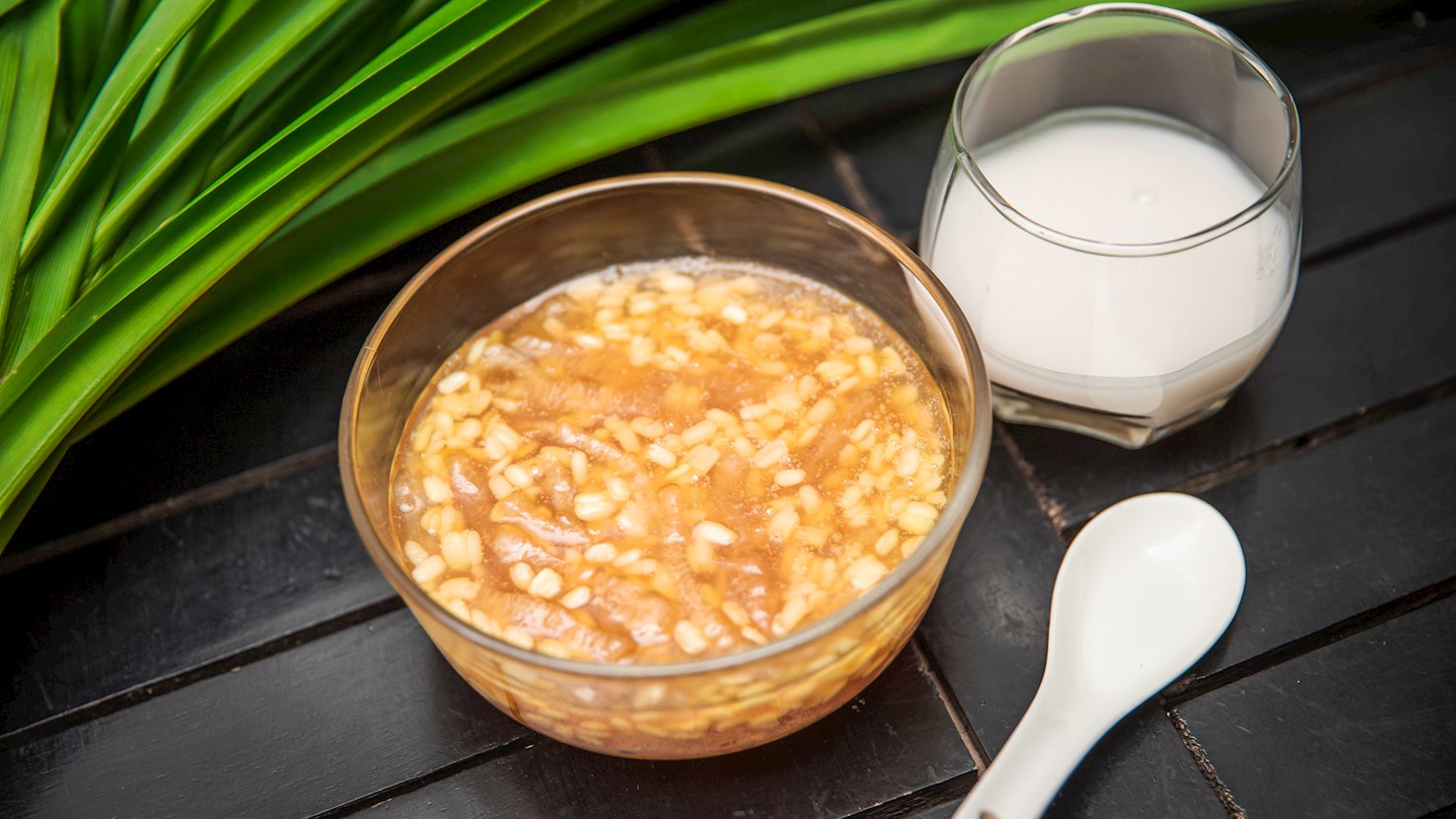
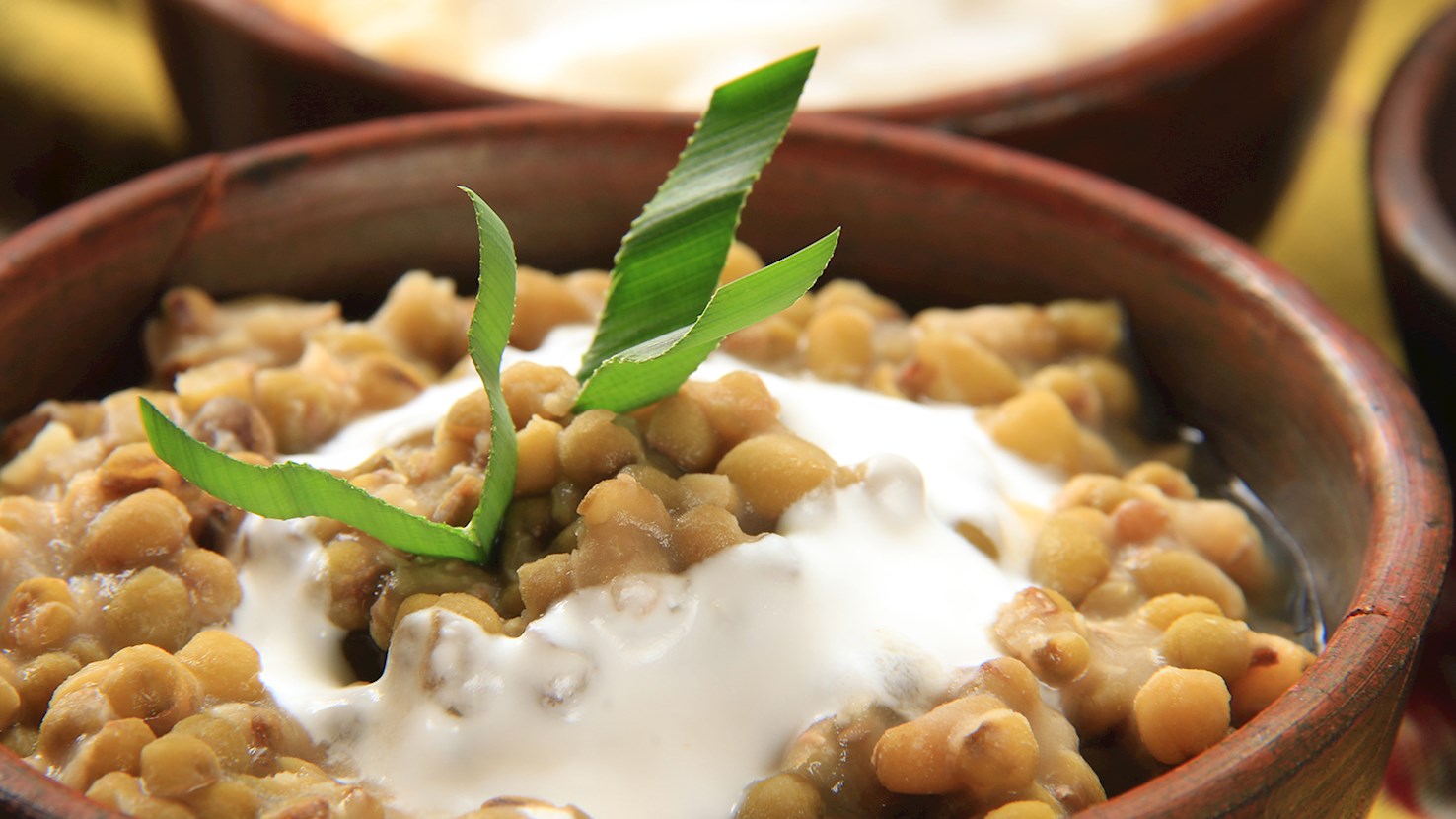
Bubur kacang hijau is an Indonesian dessert porridge made from mung beans, coconut milk, and palm sugar, commonly enjoyed across the archipelago as a breakfast, afternoon snack, or comforting dessert. The mung beans are slowly simmered until tender, then sweetened with rich, dark palm sugar and finished with creamy coconut milk, creating a porridge that is soft, fragrant, and naturally sweet with subtle earthy undertones. Bubur kacang hijau is typically served warm, though it is also enjoyed chilled or at room temperature, especially in the tropical climate where a cool, creamy bowl offers refreshing comfort. In many regions, the dish is enhanced with sticky rice or a pinch of salt in the coconut milk to balance the sweetness, and sometimes a swirl of condensed milk is added for extra richness. Despite its simplicity, preparing this porridge well requires patience, as overcooking can cause the beans to lose their shape, while undercooking leaves them too firm. The perfect version features intact yet tender mung beans suspended in a thick, slightly sweetened broth enriched by the fragrant, velvety coconut milk. It is sold by street vendors, served in local eateries, and made at home for both casual enjoyment and modest celebration.

09

Batar da’an

3.1 ·

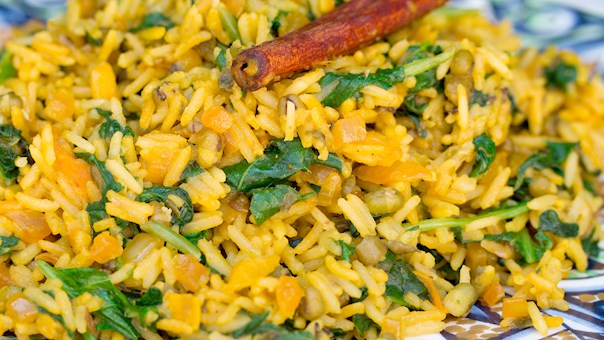
This simple vegetarian dish hails from East Timor. It is prepared with a combination of diced squash, mung beans, and corn that are sautéed alongside onions and garlic. The dish is merely seasoned with salt and pepper and is traditionally enjoyed as a main course, usually accompanied by rice, but it also makes an excellent side when paired with meat or fish dishes.

10

Bánh ít (Little Cake)

3.0 ·

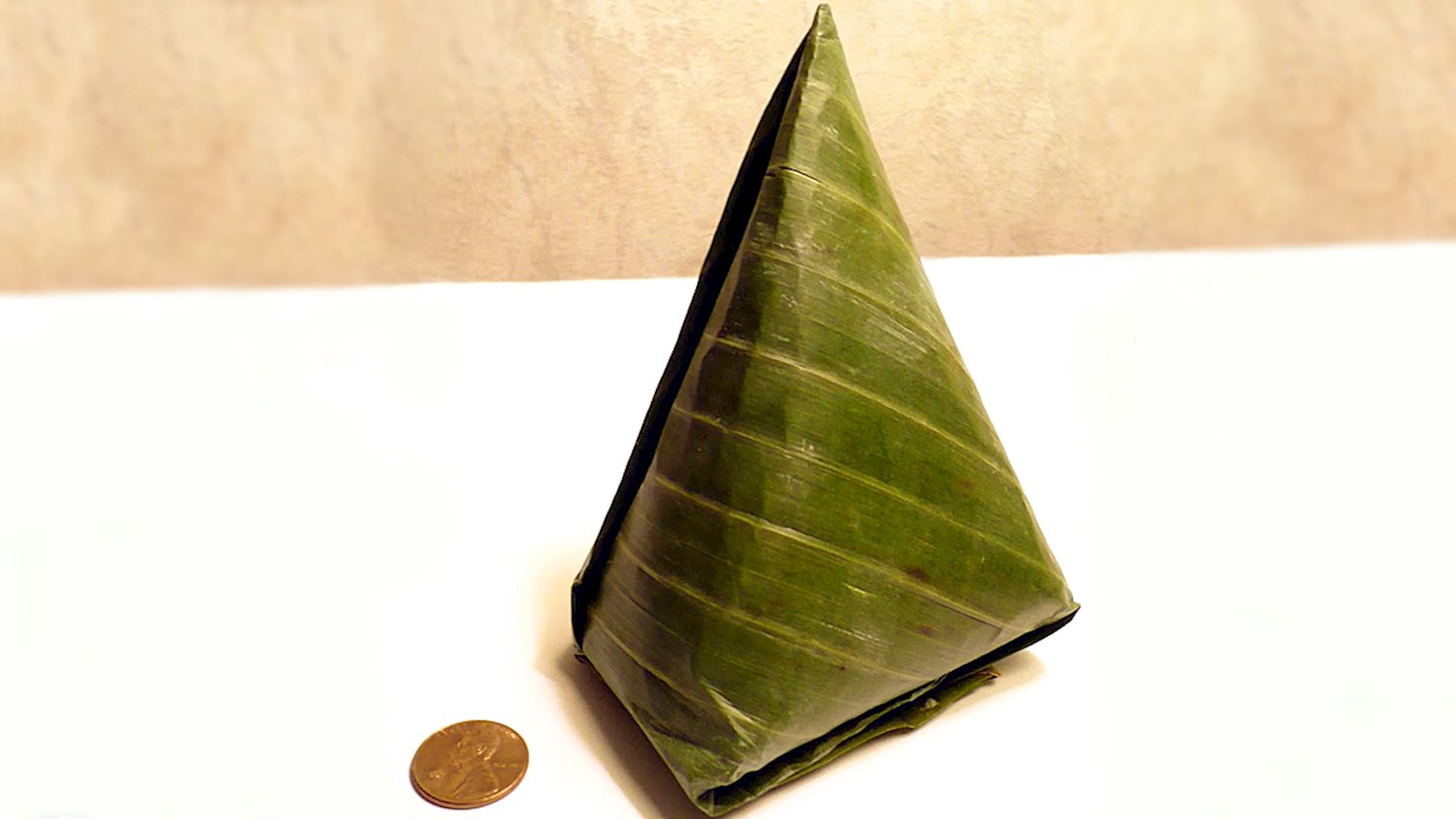
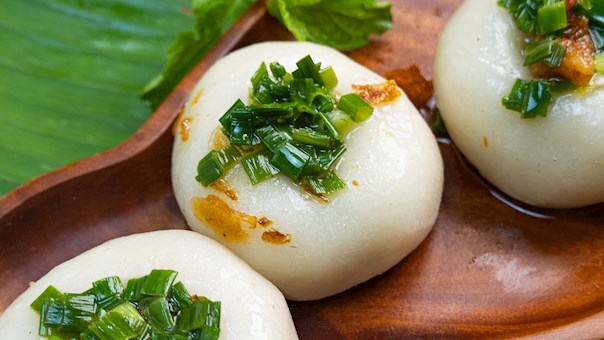
Bánh ít is a traditional dish of steamed sticky rice cakes. The cakes are usually made from glutinous rice flour, while the fillings vary depending on the recipe, but pork, steamed mung beans, and shrimps are some of the most common ingredients for the filling. Once prepared, the rice cakes are wrapped in banana leaves, then steamed until tender. Bánh ít is often served as a snack or appetizer with a dipping sauce on the side that's usually based on vinegar or pineapple.

About this ranking

TasteAtlas food rankings are based on the ratings of the TasteAtlas audience, with a series of mechanisms that recognize real users and that ignore bot, nationalist or local patriotic ratings, and give additional value to the ratings of users that the system recognizes as knowledgeable. For the “18 Best Rated Dishes with Moong” list until July 17, 2026, 1,011,265 ratings were recorded, of which 666,015 were recognized by the system as legitimate. TasteAtlas Rankings should not be seen as the final global conclusion about food. Their purpose is to promote excellent local foods, instill pride in traditional dishes, and arouse curiosity about dishes you haven’t tried.

Similar lists