




shutterstock

15 Best Rated
Dishes with Nut Butter

Last updated on May 22, 2026
01

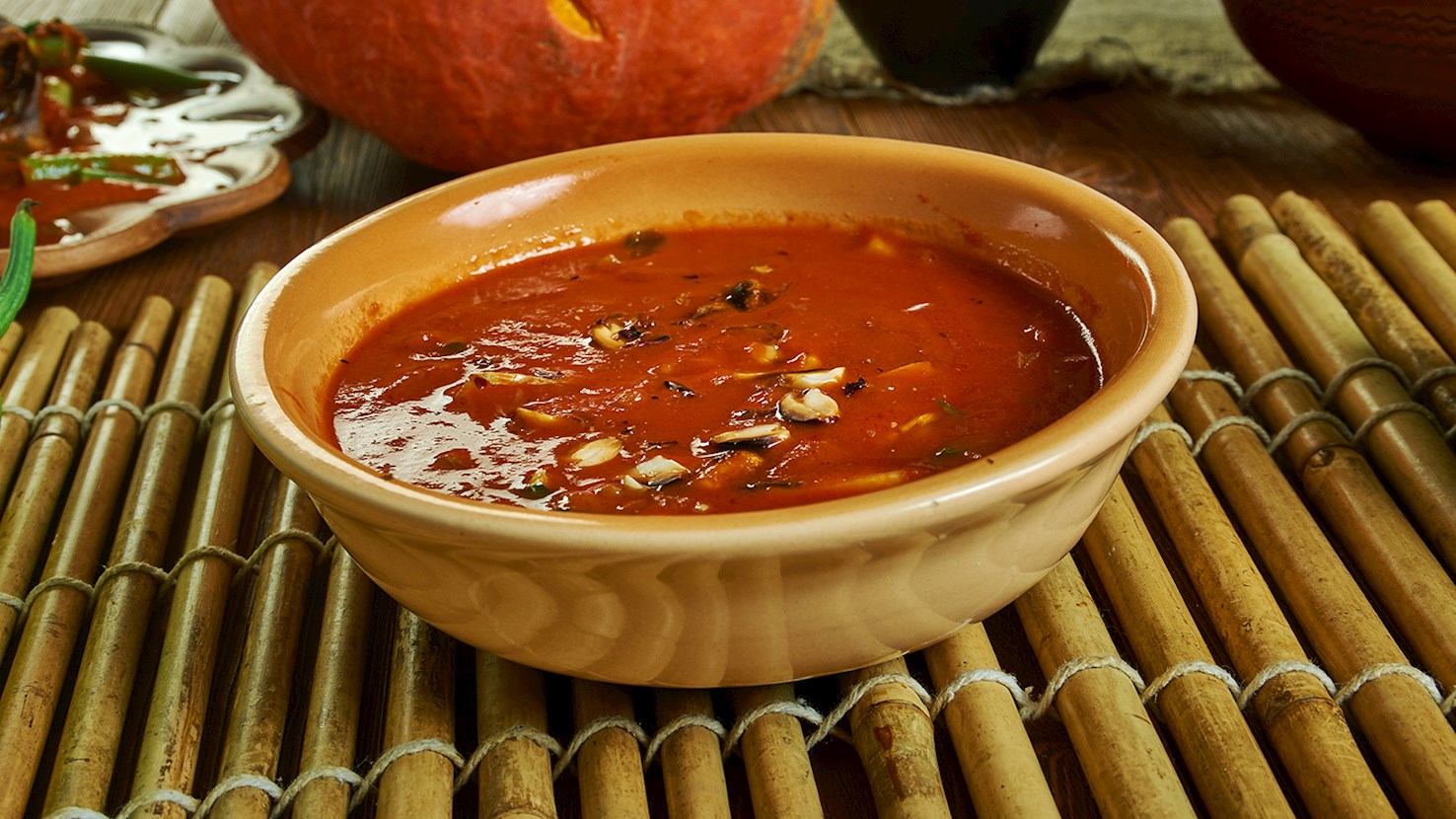
Maafe

4.2 ·

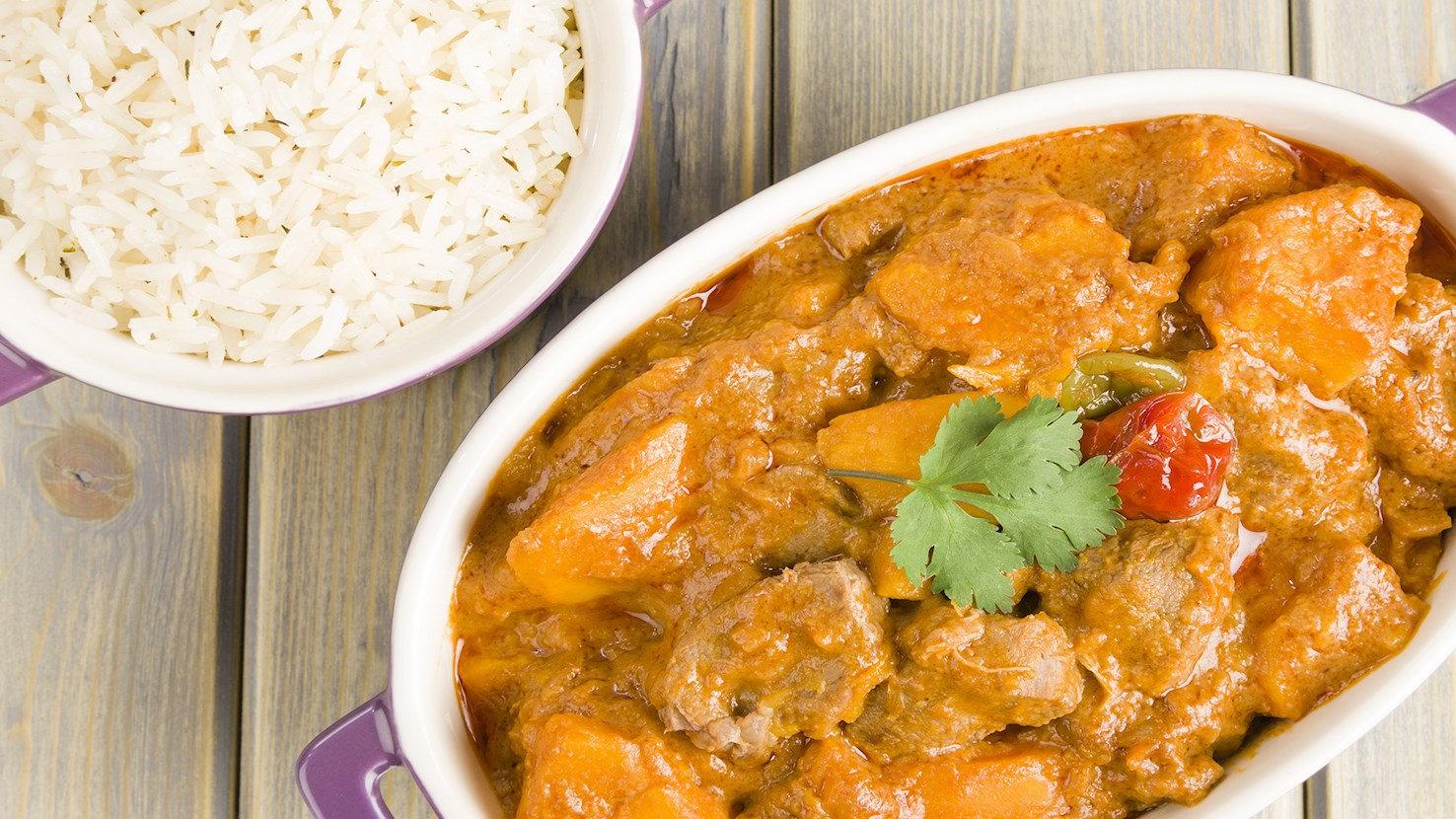
This traditional stew, occasionally also referred as a sauce or soup, is enjoyed throughout the West and Central Africa, but it is believed it originated among the Bambara people in Mali. It comes in numerous regional variations, but each version is created with roasted peanuts that are ground into flour and make the basic sauce of the dish. The list of additional ingredients is extensive, and it typically includes tomato paste, fish or meat, usually beef, lamb, goat, or chicken, various vegetables, and numerous spices such as ginger, turmeric, coriander, or cinnamon. The variations often differ in texture and consistency, while the side dishes are regionally influenced and may include anything from rice to couscous, fufu, or sweet potatoes.

02

Peanut Butter Pie

4.2 ·

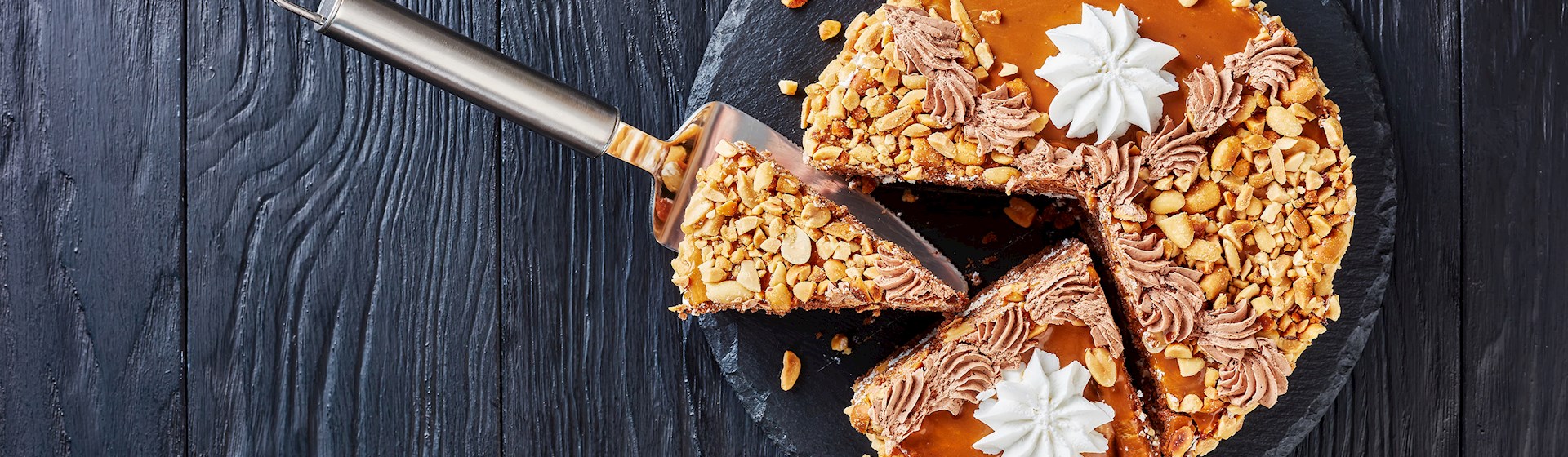
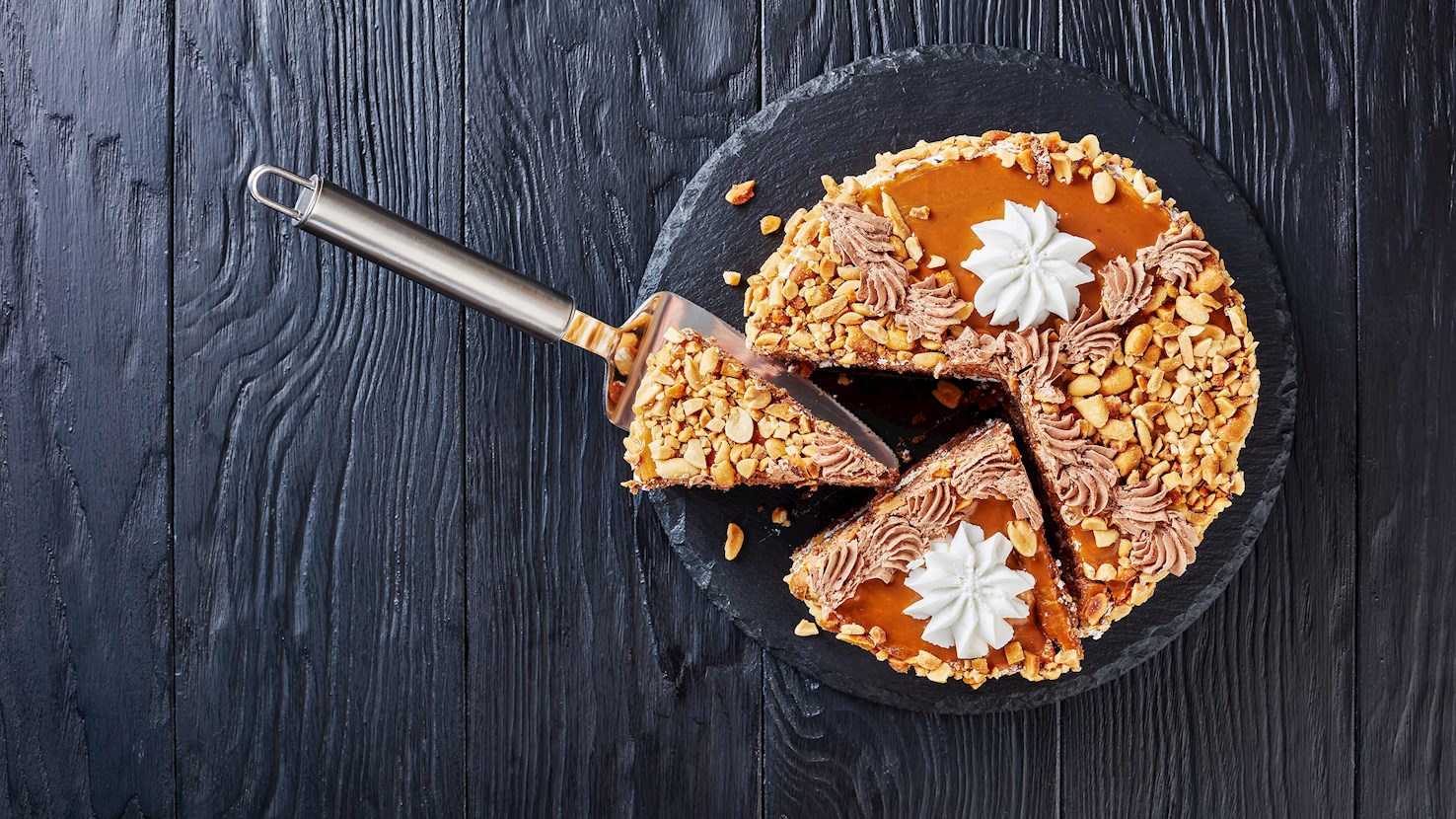
Peanut butter pie is a traditional pie hailing from Georgia. This sweet and salty pie consists of a crumbly pie crust that's filled with gooey peanut butter and chunks of roasted and salted peanuts. The filling is enriched with brown sugar, flour, butter, eggs, milk, vanilla extract, and corn syrup, while the crust is made from flour, sugar, salt, butter, and water. If desired, the peanuts can also be added to the crust. Once done, this nutritious pie is typically served with a dollop of whipped cream on top.

03

Kare-kare

4 ·

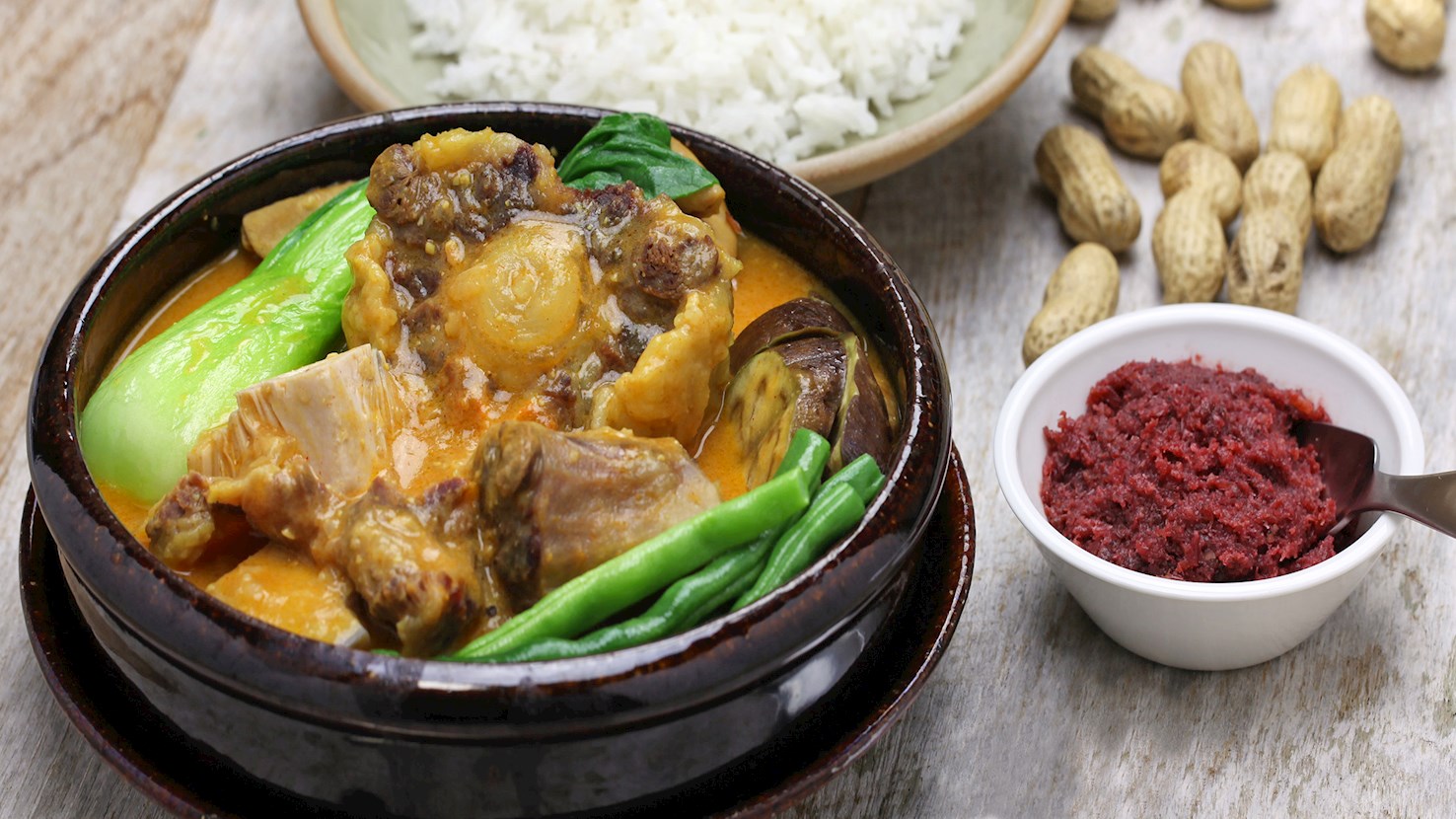
Kare-kare is a traditional stew consisting of meat such as tripe, pork leg, ox tail, goat or chicken, vegetables, and a thick, savory peanut sauce flavored with annatto seeds. Shrimp paste (bagoong) is often served on the side in order to enhance the flavors of the dish. Kare-kare is traditionally cooked in a clay cooking pot known as palayok, and the vessel also acts as a serving bowl once the dish is properly cooked. Nowadays, it is often served at numerous Filipino festivities. Some believe that kare-kare has origins in the Pampanga region, while others claim that the name of the dish is derived from the Indian word curry, and that it was introduced to the Philippines by Indians from the Rizal province. Over the years, the dish has evolved, so some cooks like to add chilis or green papaya for an extra kick, although the traditional kare-kare sauce should ideally be devoid of seasonings, spices, and chilis. Regardless of the origins of kare-kare, it is still a favorite dish among the natives.

04

Peanut Butter and Jelly Sandwich

3.4 ·

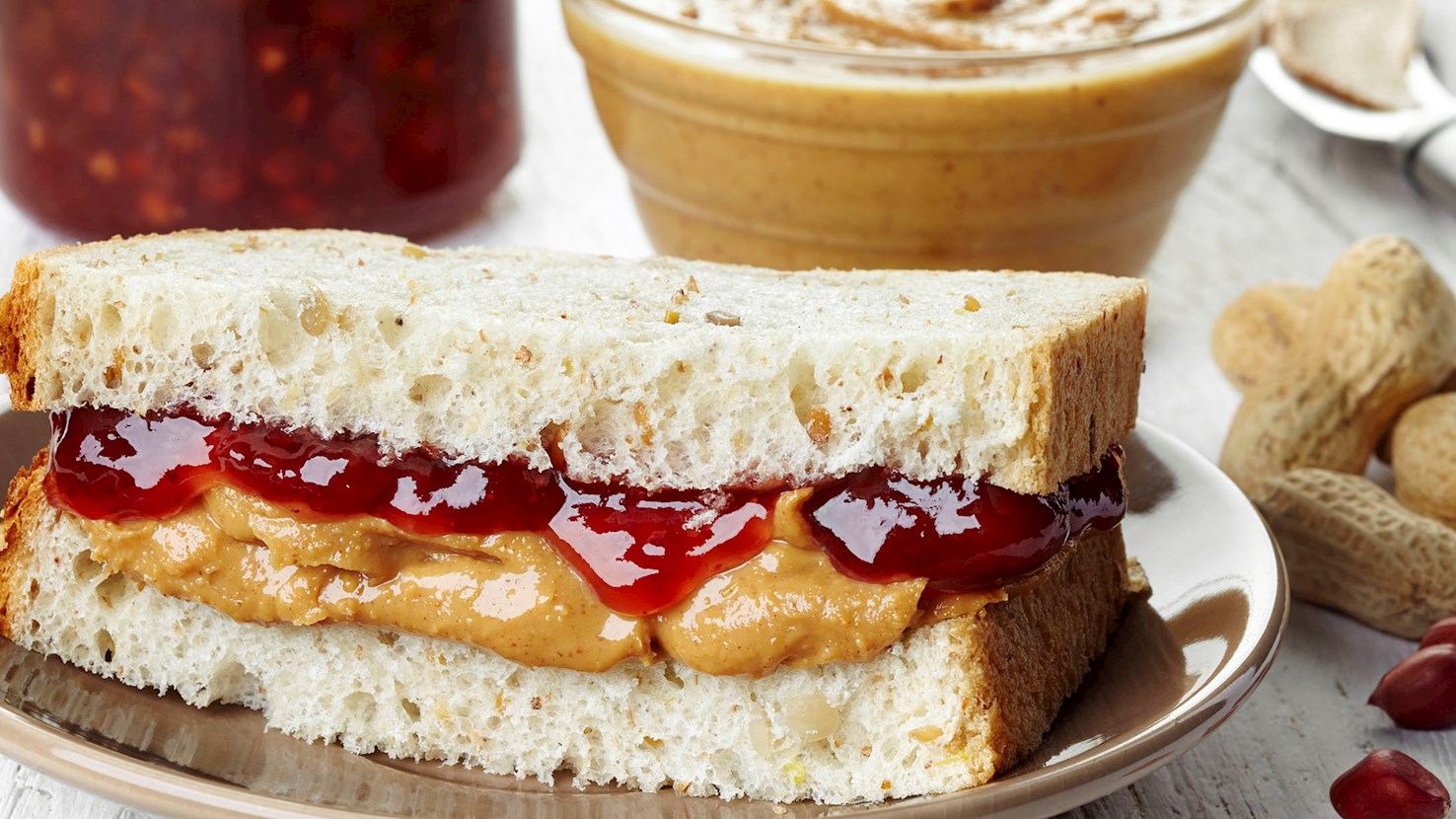
A staple of American childhood foods, peanut butter and jelly sandwich, or PB&J for short is a sandwich consisting of two slices of bread, one with a layer of peanut butter, and the other one with jelly or jam. Quick, easy, and affordable, the first written reference for the sandwich appeared in 1901 in the Boston Cooking School Magazine of Culinary Science and Domestic Economics. As peanut butter and jelly were both staples of military rations during World War II, the returning soldiers helped popularize the sandwich and it quickly spread throughout the United States. Before World War II, peanuts were expensive, and usually reserved only for the rich people, typically consumed in sandwiches with pimento cheese or meat at upscale New York City tearooms. The packaged, sliced bread also helped with the popularization of PB&J, since children could also easily make their own sandwiches. Today, it is a traditional American favorite, so much that a 2002 survey showed that the average American will have eaten a whopping 1500 of PB&J sandwiches before high school graduation.

05

Salsa de maní (Ecuadorian peanut sauce)

3.3 ·

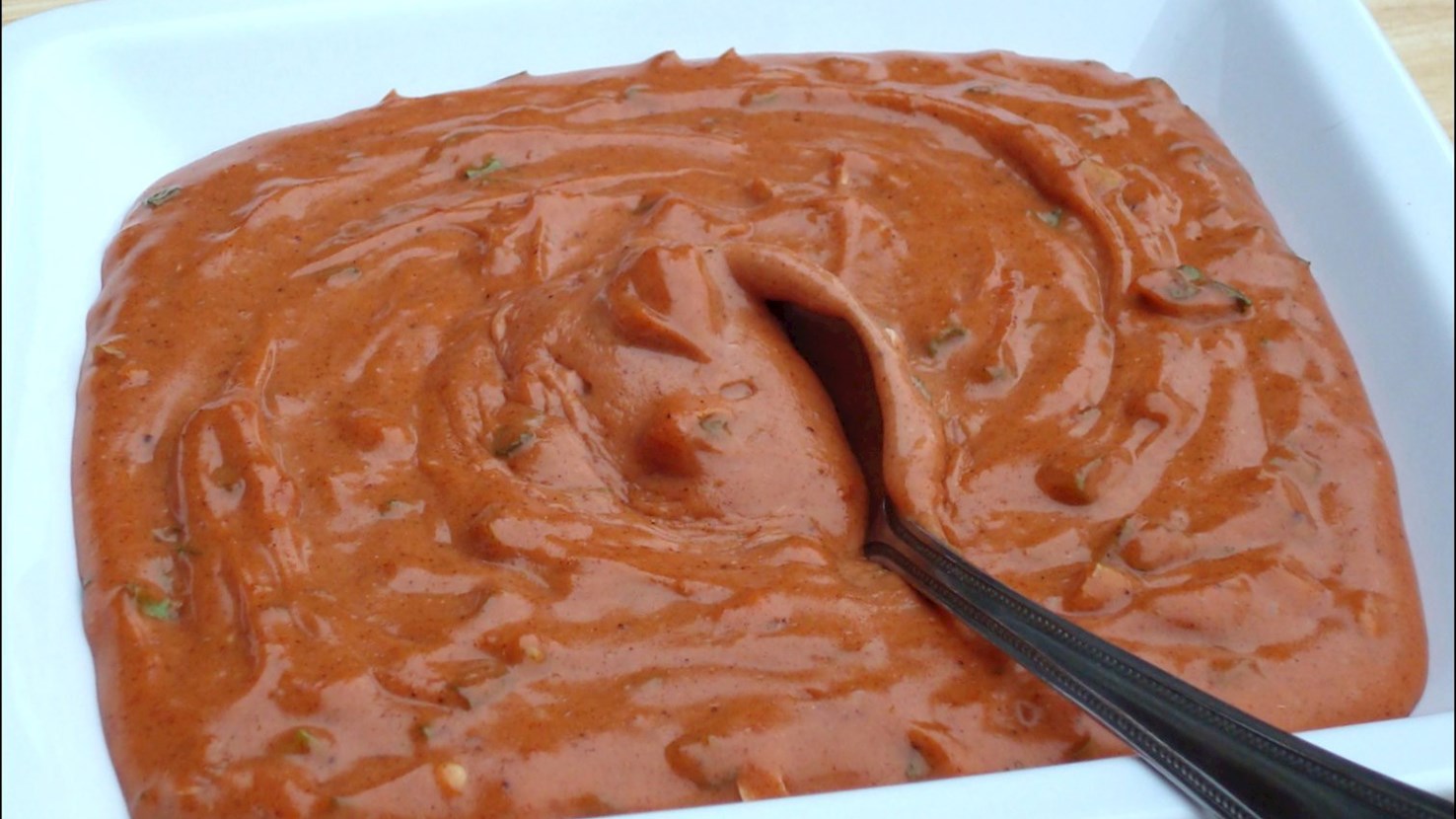
Salsa de maní is a traditional peanut sauce originating from Ecuador. Although there are variations, it's usually prepared with a combination of roasted and chopped peanuts (or peanut butter), onions, tomatoes, water, salt, pepper, achiote (annatto), vegetable oil, and coriander. The onions and tomatoes are boiled until soft, then blended with the peanuts and seasoned with salt and pepper. The mixture is simmered in a saucepan over low heat, and the achiote is then stirred in. Once done, it is mixed with fried onions and coriander, then set aside to cool, when it's ready to be served. This creamy sauce is very versatile and it's often served with llapingachos (potato or yucca patties), fries, pork, chicken, seafood, and vegetables. If desired, a bit of cumin can also be added to the sauce to brighten the flavors.

06

Fluffernutter

3.3 ·

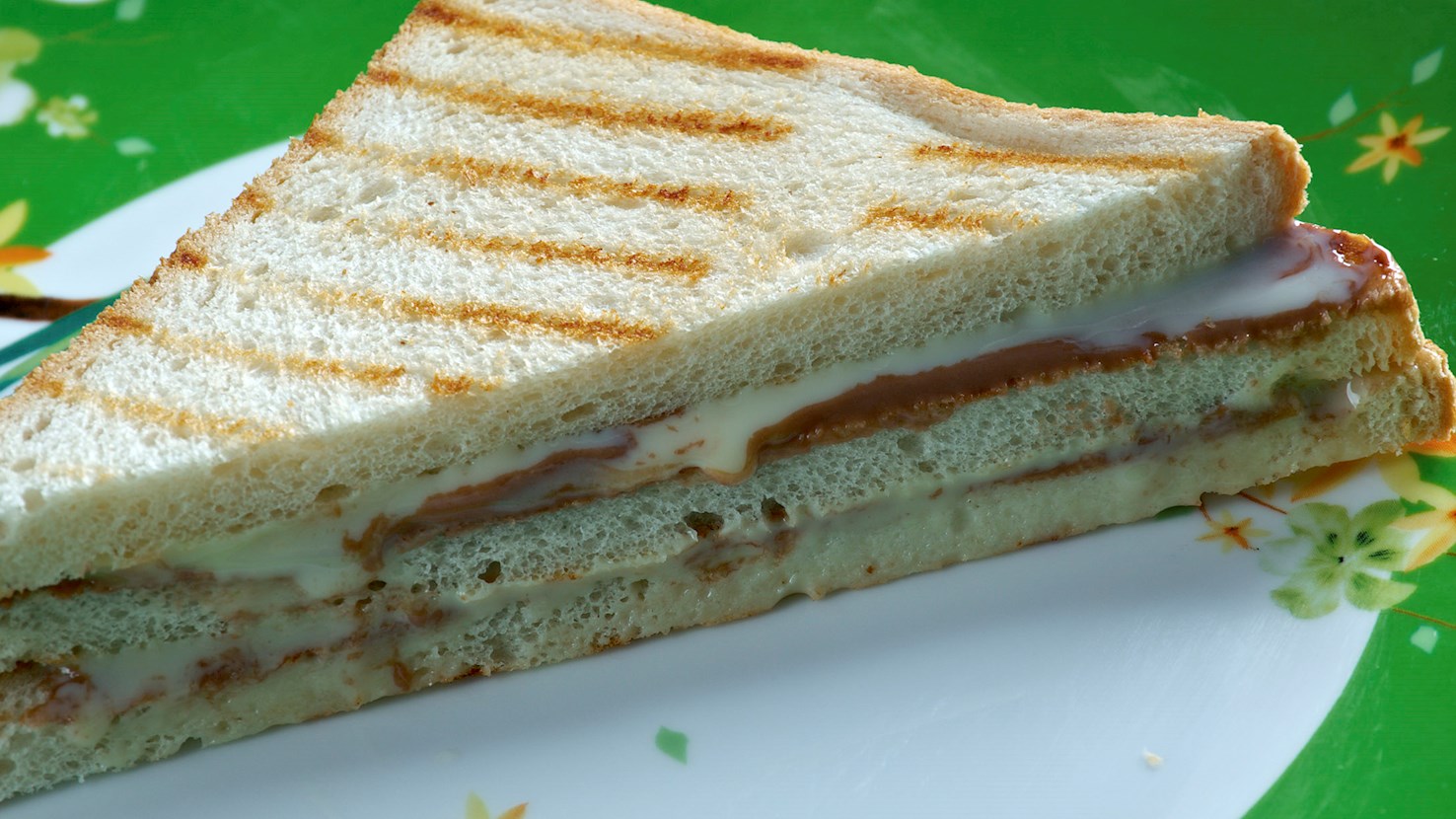
A fluffernutter is a sandwich consisting of two slices of bread, one slice smeared with peanut butter, and the other with marshmallow fluff (a thick marshmallow cream spread). When the two slices are combined, the sandwich is ready. It is a school cafeteria staple and an extremely popular sandwich on its own throughout New England. Marshmallow Fluff is actually a brand, invented in 1917 by entrepreneur Archibald Query, who sold it to candy makers H. Allen Durkee and Fred Mower. As it was invented in Massachusetts, it had also been proposed as the official state sandwich. Fluff is so popular that it even has its own day - National Fluffernutter Day, celebrated on October 8.

07

Dous makos

n/a ·

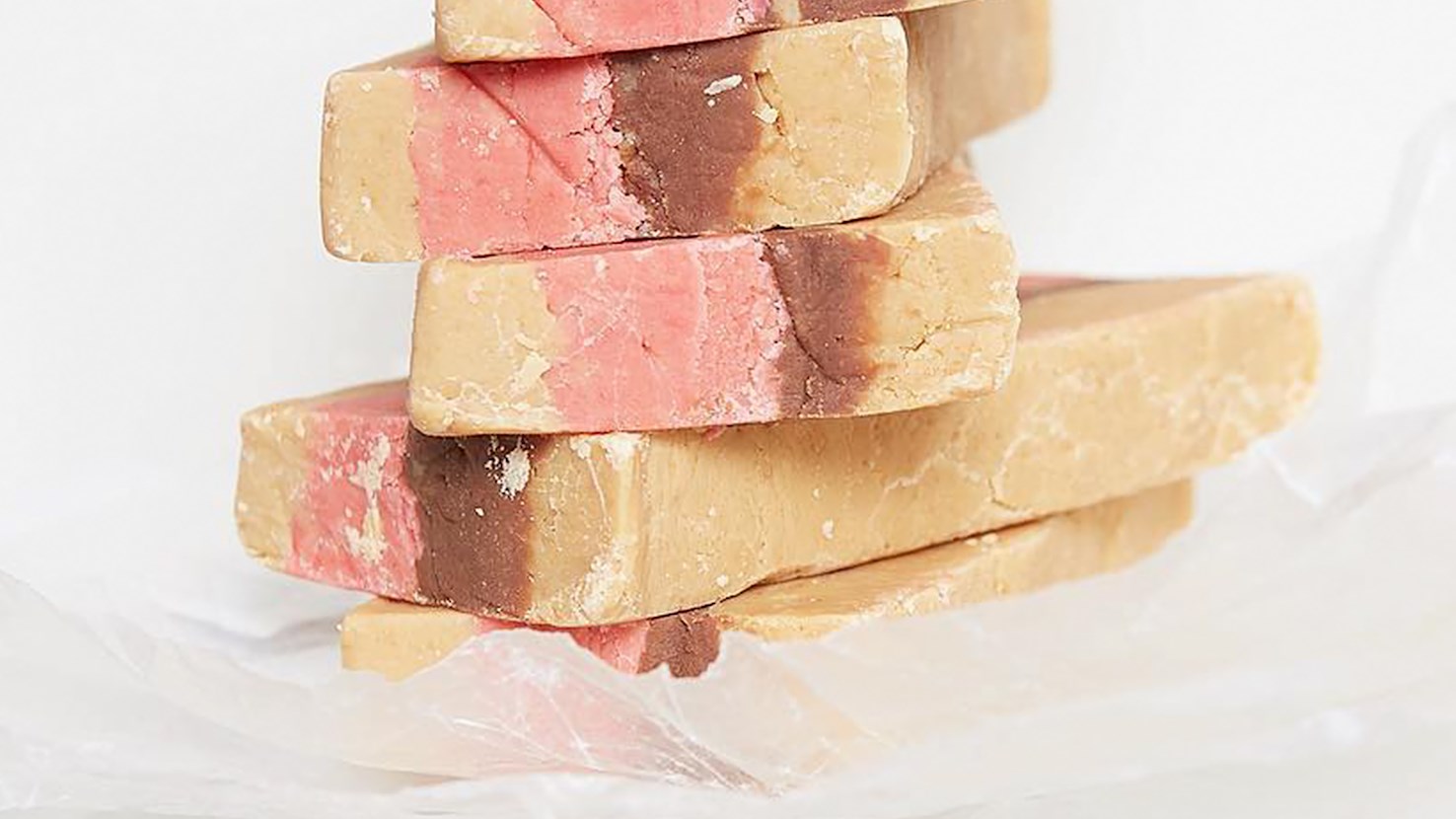
Dous makos is the Haitian version of fudge. This sweet dessert originates from the town of Petit-Goave and dates back to 1939, when it was invented by Fernand Macos, a Belgian entrepreneur. It is made from sugar, milk, flavorings, and colorings. Dous makos usually has three or more distinctive layers which are all colored and flavored differently. Usually, the flavors come from chocolate, cinnamon, almonds, vanilla, rum, peanut butter, or citrus peels. Before the fudge hardens, it is typically placed in rectangular molds, and it is then cut by hand into smaller pieces before consumption.

08

Muamba nsusu

n/a ·

Muamba nsusu is a traditional African dish originating from Congo. This stew is usually prepared with a combination of peanut butter, chicken, tomatoes, spinach, lemon juice, turmeric, paprika, chili peppers, palm oil, onions, and cumin. The chicken pieces are marinated in lemon juice, turmeric, paprika, and chili pepper, and it's then simmered in vegetable broth with the other ingredients until everything becomes tender. Once done, the dish is usually garnished with chopped scallions and crushed peanuts. Muamba nsusu is accompanied by plantains, yam, rice, or fufu on the side.

09

Liberian Peanut Soup

n/a ·

This traditional Liberian peanut soup is made with a combination of peanuts, herbs, spices, and meat. The ingredients include beef, chicken, chicken stock, onions, bell peppers, celery, hot peppers, dried fish (optional), potatoes, okra, and peanut butter. In order to prepare it, the ingredients are simmered in a pot until the potatoes and the meat become fully cooked, and the peanut butter is then added to the pot until it melts completely. This soup is always served hot, usually for lunch. If it's too thick, it's recommended to add more water, and if it's too thin, add some more peanut butter.

10

Matata

n/a ·

Matata is one of the rare Mozambican dishes that wasn't influenced by Portugese cuisine. This stew is made with a combination of chopped clams (or other shellfish), ground peanuts or peanut butter, onions, tomatoes, red chili flakes, young pumpkin or spinach leaves, oil, and seasonings. The onions are sautéed in oil and mixed with the other ingredients. The pot is covered and the stew is shortly simmered until the leaves wilt. This Mozambican stew is traditionally served over rice.

About this ranking

TasteAtlas food rankings are based on the ratings of the TasteAtlas audience, with a series of mechanisms that recognize real users and that ignore bot, nationalist or local patriotic ratings, and give additional value to the ratings of users that the system recognizes as knowledgeable. For the “15 Best Rated Dishes with Nut Butter” list until May 22, 2026, 989,163 ratings were recorded, of which 646,971 were recognized by the system as legitimate. TasteAtlas Rankings should not be seen as the final global conclusion about food. Their purpose is to promote excellent local foods, instill pride in traditional dishes, and arouse curiosity about dishes you haven’t tried.

Similar lists