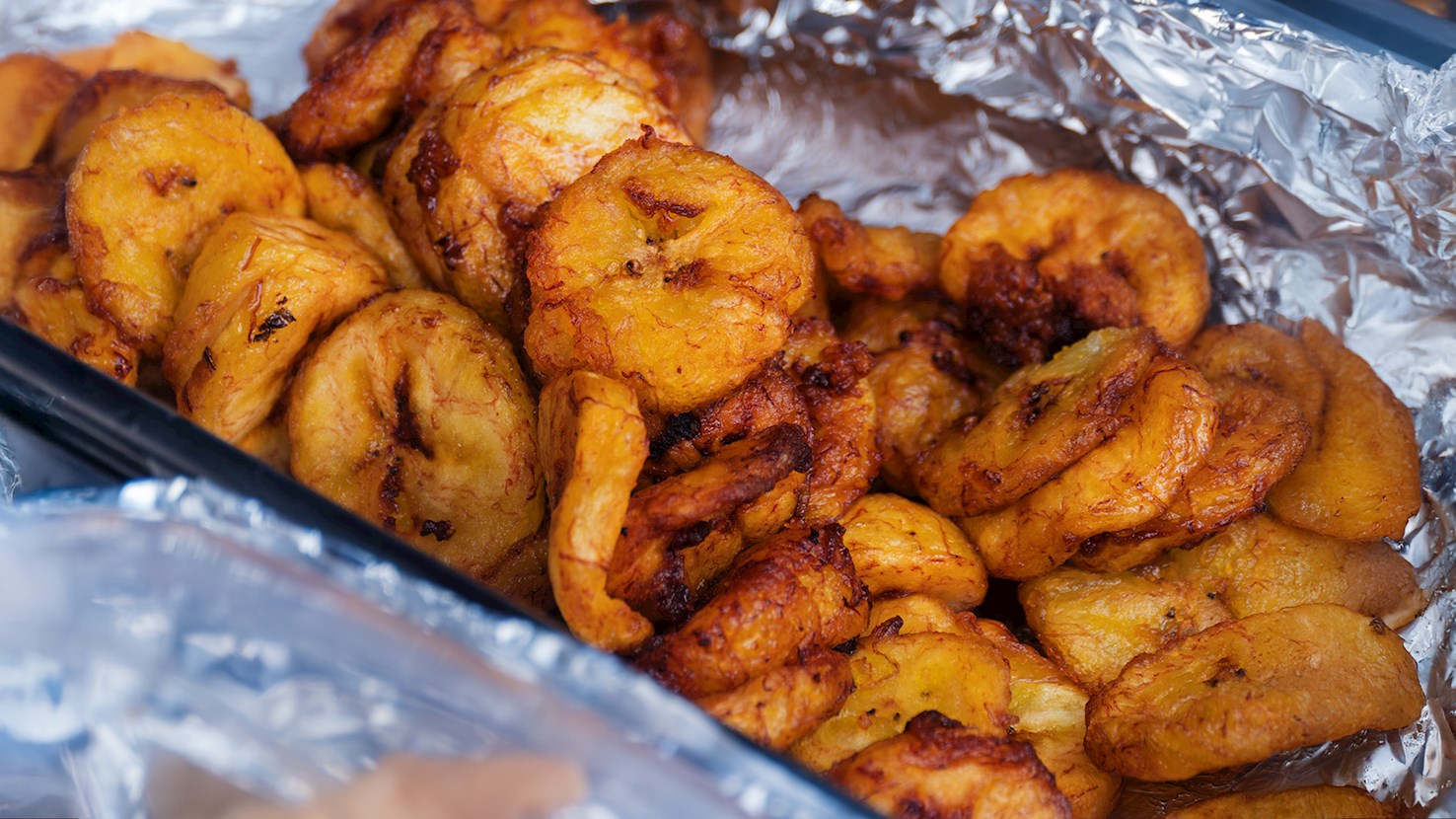
Alloco is a popular Ivorian dish made from ripe plantains that are sliced and deep-fried until golden and caramelized. It originates from Côte d'Ivoire but is widely consumed across West Africa, where plantains are a staple ingredient and fried variations form an essential part of street food culture. The name “alloco” comes from the Baoulé language, spoken in central Côte d'Ivoire, and refers directly to the preparation of plantains as a standalone dish or accompaniment. Its appeal lies in its simplicity and the balance of sweet and savory flavors that result from cooking ripe plantains at high heat until the edges are crisp and the interior remains soft. The preparation involves slicing ripe, yellow plantains into rounds or diagonal pieces, which are then fried in palm oil or vegetable oil until browned and slightly caramelized. The dish is typically seasoned with a touch of salt, and occasionally served with raw onions, chili sauce, or tomato-based relishes to introduce contrast and heat. In many cases, alloco is paired with fried fish, grilled meat, or hard-boiled eggs, transforming it into a complete meal. While its ingredients are few, attention to timing, oil temperature, and the ripeness of the plantain makes a noticeable difference in the final result. Alloco is commonly sold by street vendors and in small restaurants throughout Côte d'Ivoire, where it is consumed as a snack, side dish, or quick meal. Its widespread availability and affordability have made it an everyday food for many, as well as a nostalgic comfort for Ivorians living abroad. Beyond Côte d'Ivoire, similar versions exist under different names in neighboring countries (missolè in Cameroon, dodo in Nigeria) but alloco holds a distinct place in Ivorian culinary identity due to its specific preparation style and presentation.
Sangah is a Cameroonian specialty, a simple dish that is made with cassava leaves, palm oil, and maize. Cassava leaves are pounded and mashed so the final dish looks like a cross between a stew and porridge. The dish can be served with rice or boiled plantains on the side.
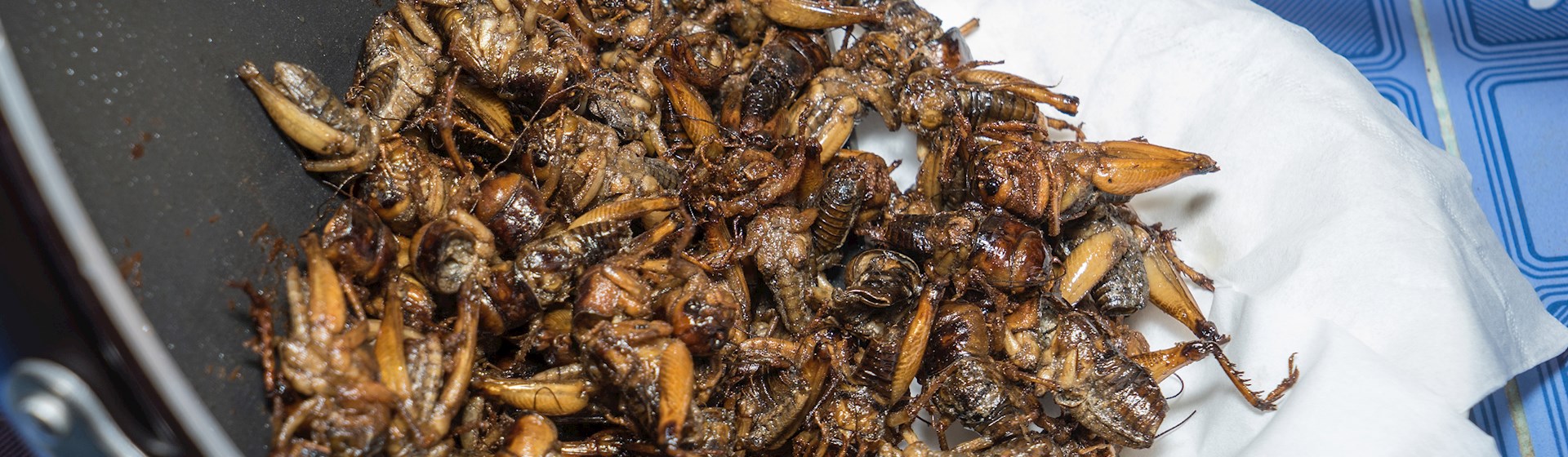
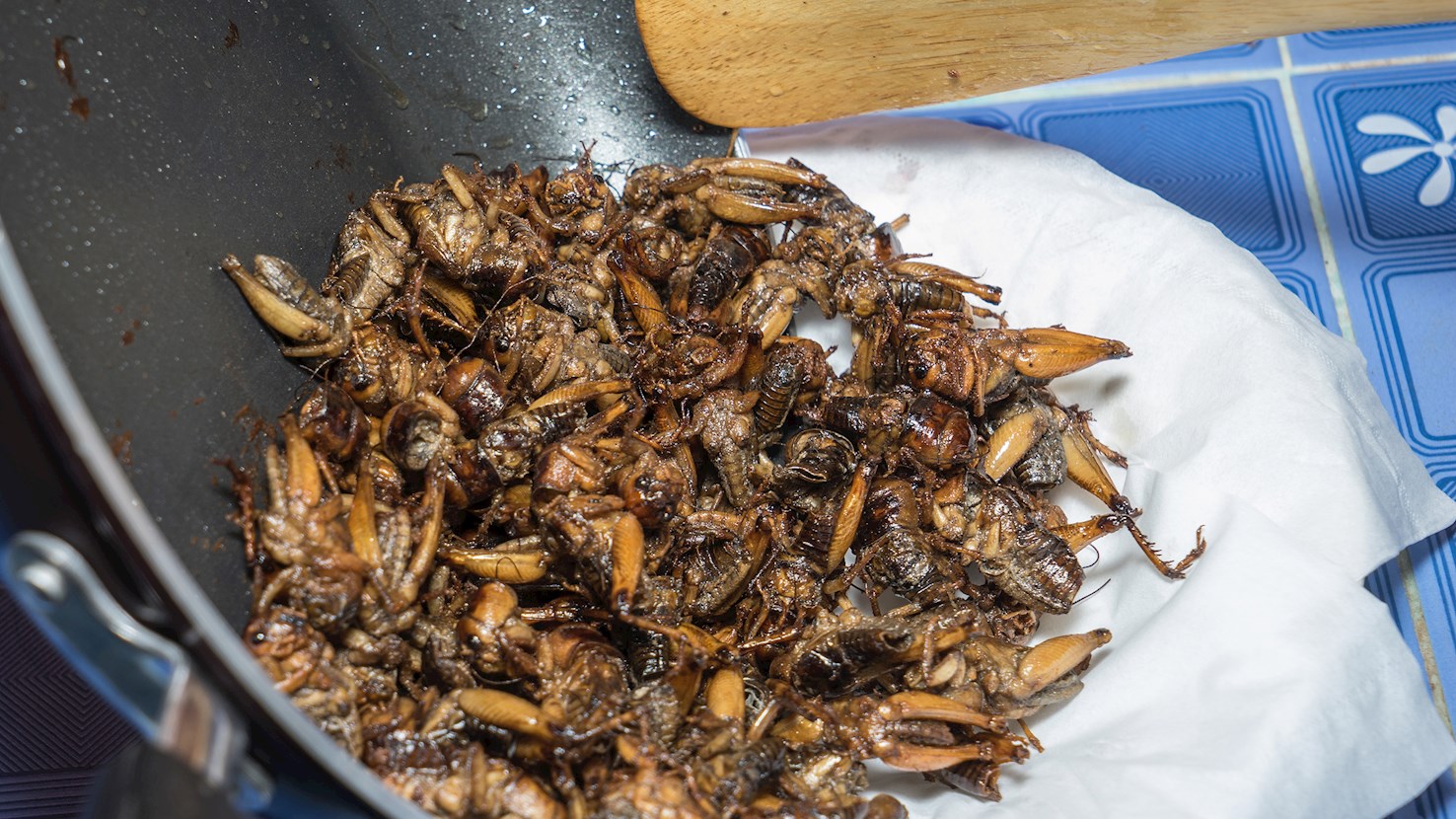
Gafanhotos de palmeira is a traditional insect dish. It's made by frying or toasting grasshoppers in red palm oil in order to give them the unique flavor and color. These grasshoppers are usually harvested from palm trees. Once prepared, the dish is served with funje on the side. Gafanhotos de palmeira is often cited as being a specialty of the Cuanza Norte region.
TasteAtlas food rankings are based on the ratings of the TasteAtlas audience, with a series of mechanisms that recognize real users and that ignore bot,
nationalist or local patriotic ratings, and give additional value to the ratings of users that the system recognizes as knowledgeable.
For the “3 Best Rated Dishes with Palm Oil” list until May 22, 2026, 989,157 ratings were recorded, of which 646,965 were recognized by the system as legitimate.
TasteAtlas Rankings should not be seen as the final global conclusion about food. Their purpose is to promote excellent local foods,
instill pride in traditional dishes, and arouse curiosity about dishes you haven’t tried.