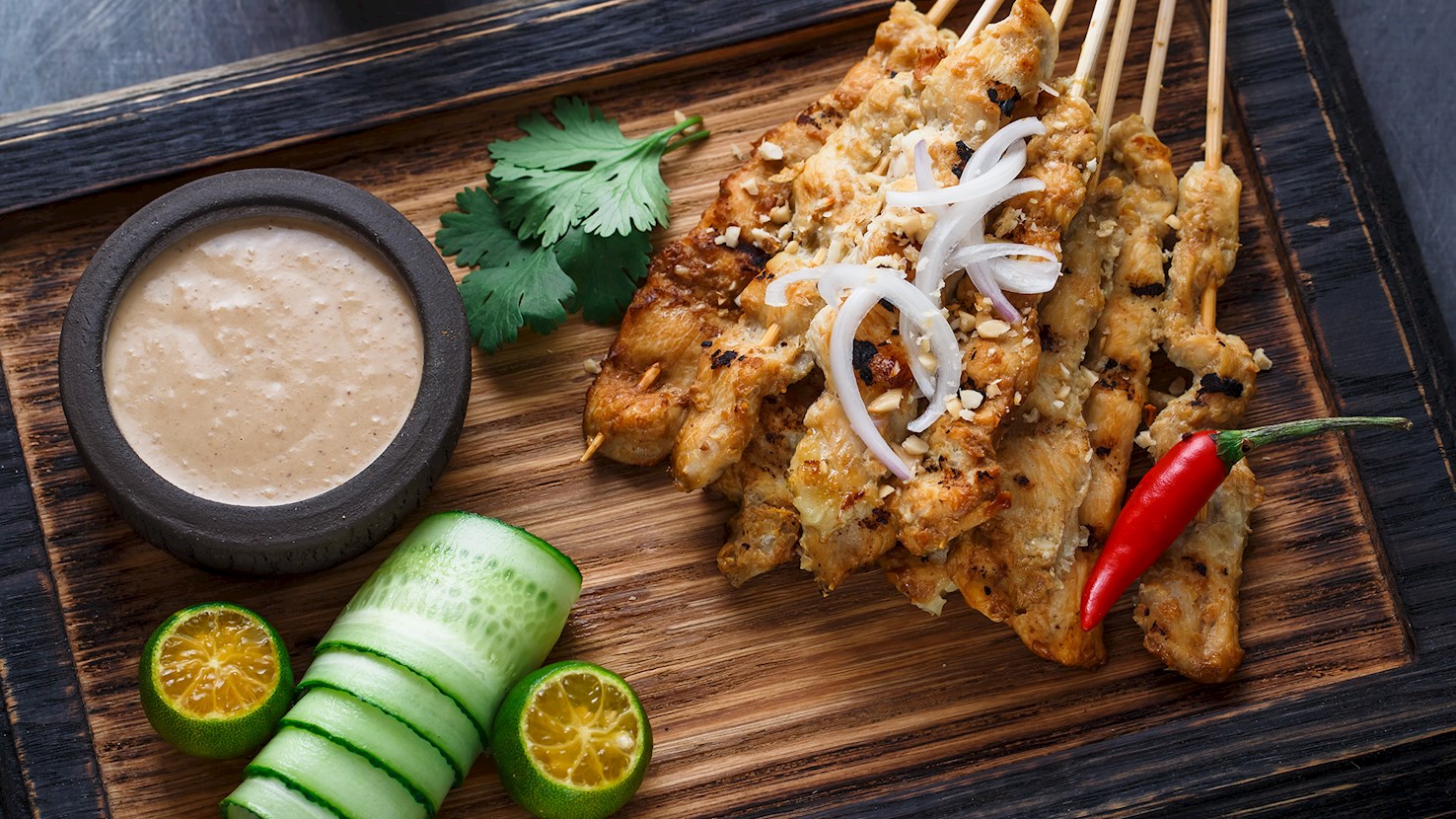
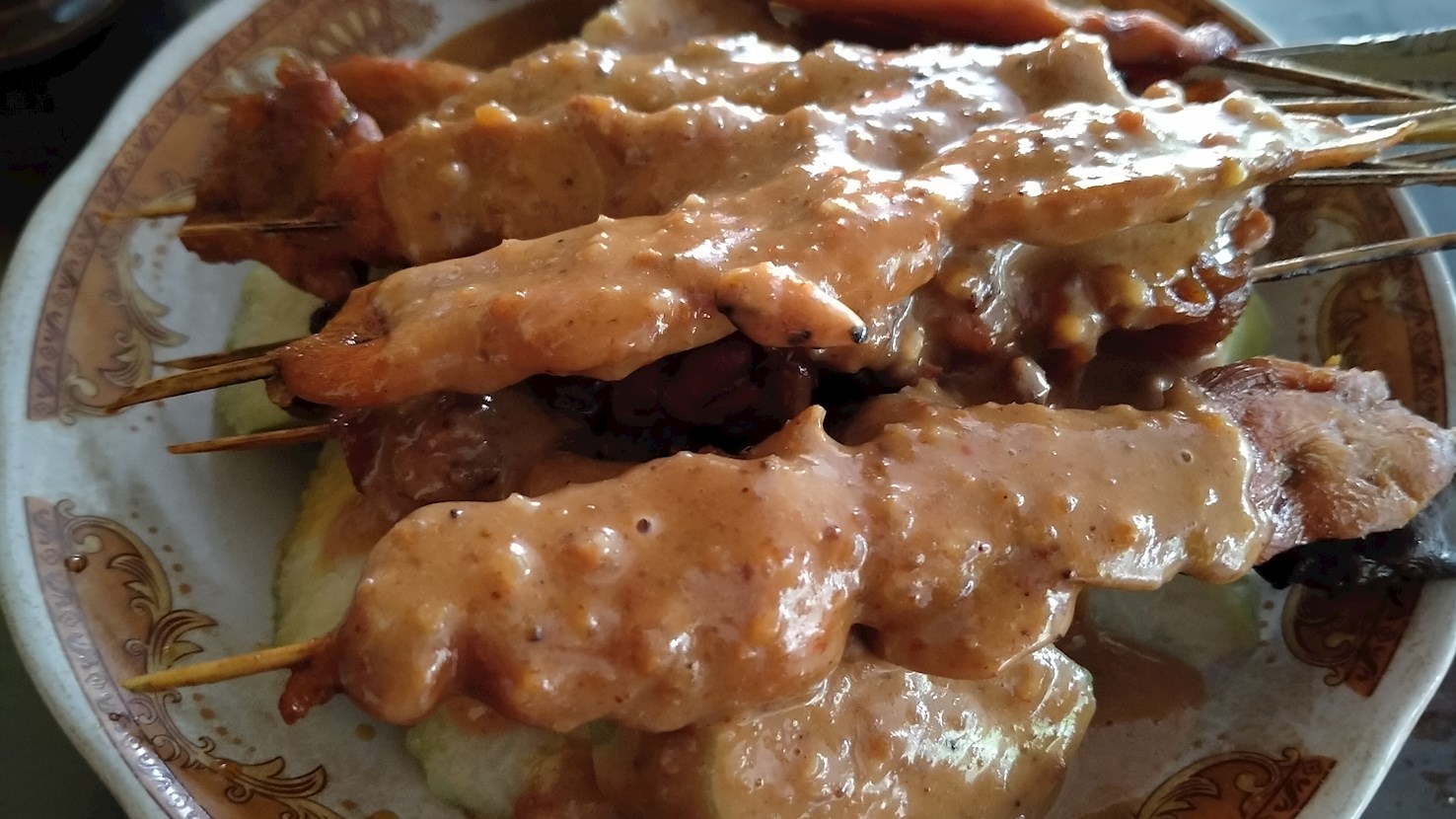
Satay is a traditional dish consisting of skewered meat that's served with a sauce on the side. All types of meat can be used to make satay, even some exotic varieties such as crocodile or snake meat. In most cases, the meat is marinated before grilling. Marinades vary, but typically include dark soy sauce, sugar, garlic, lime juice, and other seasonings. It is believed that satay originated in the Indonesian region of Java and that it was developed under the influence of Muslim traders who migrated from India. Another theory claims that satay was created in the 19th century by Indonesian street vendors as a variation on Indian kebabs. The theory is supported by the fact that satay became popular when Muslim and Arab immigrants had populated those areas. From the moment it originated in Java, satay quickly spread throughout Southeast Asia, and eventually all over the world. In Indonesia, it has become a national dish and nowadays it can be found everywhere, from street vendors to high-class restaurants. The most common sauces served with satay are peanut, soy, or pineapple sauce.
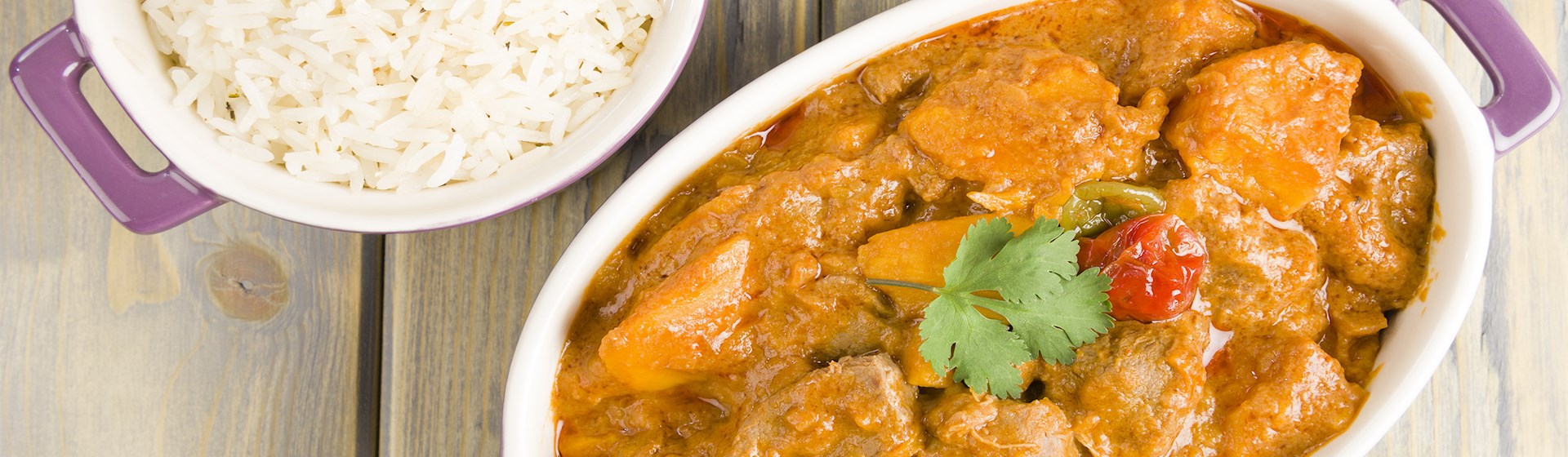
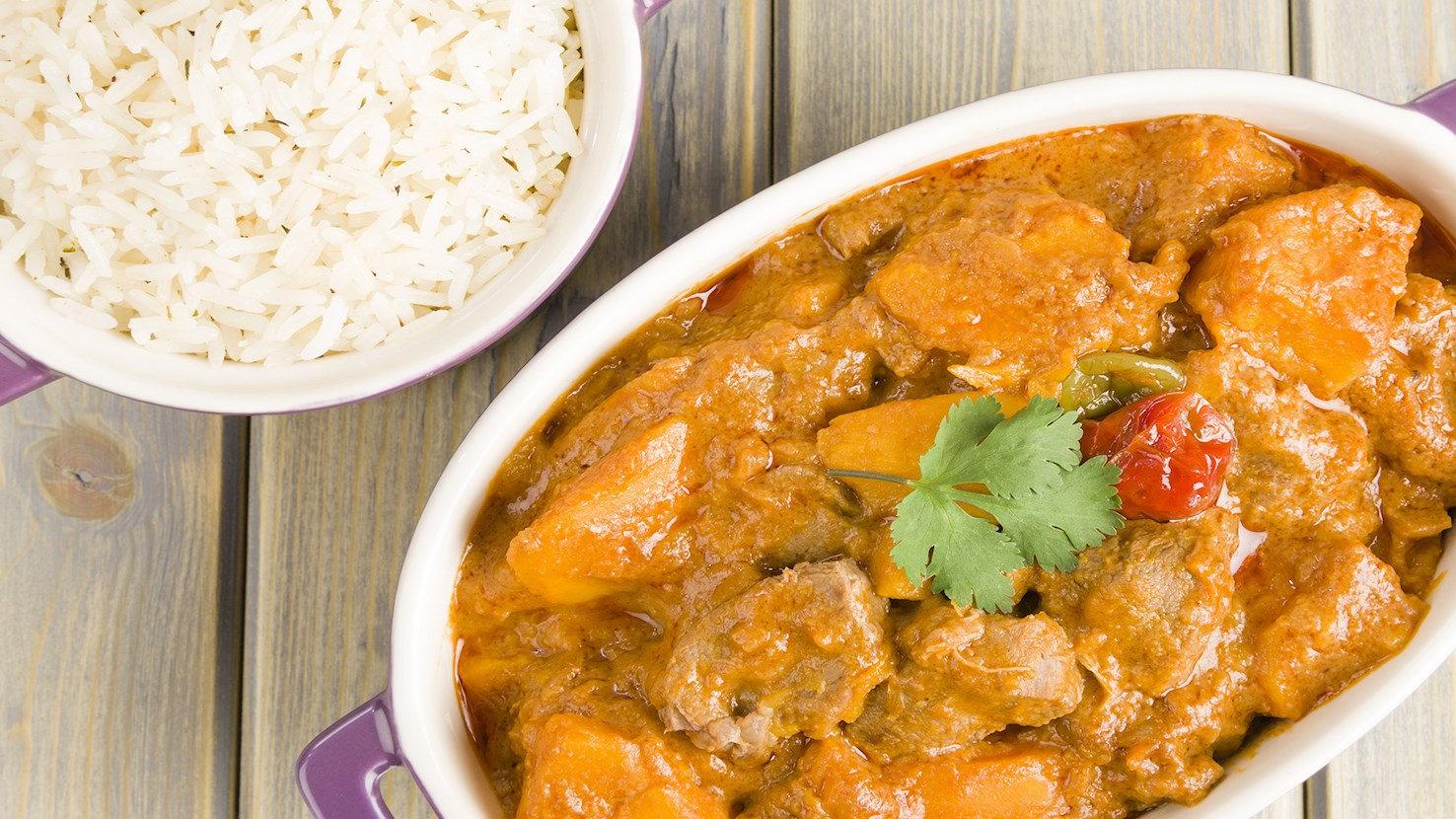
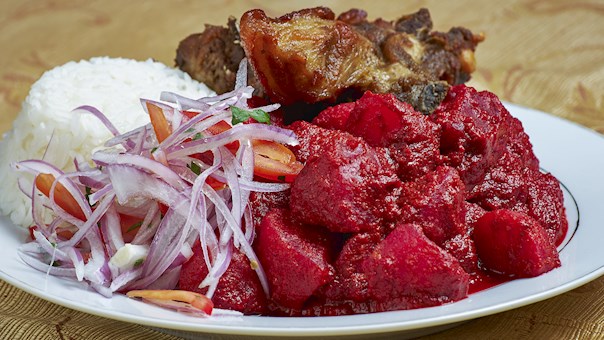
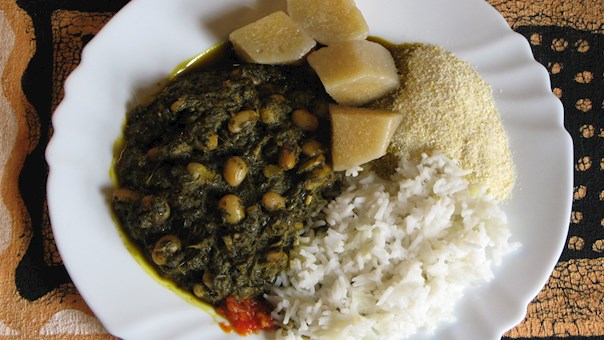
This traditional stew, occasionally also referred as a sauce or soup, is enjoyed throughout the West and Central Africa, but it is believed it originated among the Bambara people in Mali. It comes in numerous regional variations, but each version is created with roasted peanuts that are ground into flour and make the basic sauce of the dish. The list of additional ingredients is extensive, and it typically includes tomato paste, fish or meat, usually beef, lamb, goat, or chicken, various vegetables, and numerous spices such as ginger, turmeric, coriander, or cinnamon. The variations often differ in texture and consistency, while the side dishes are regionally influenced and may include anything from rice to couscous, fufu, or sweet potatoes.
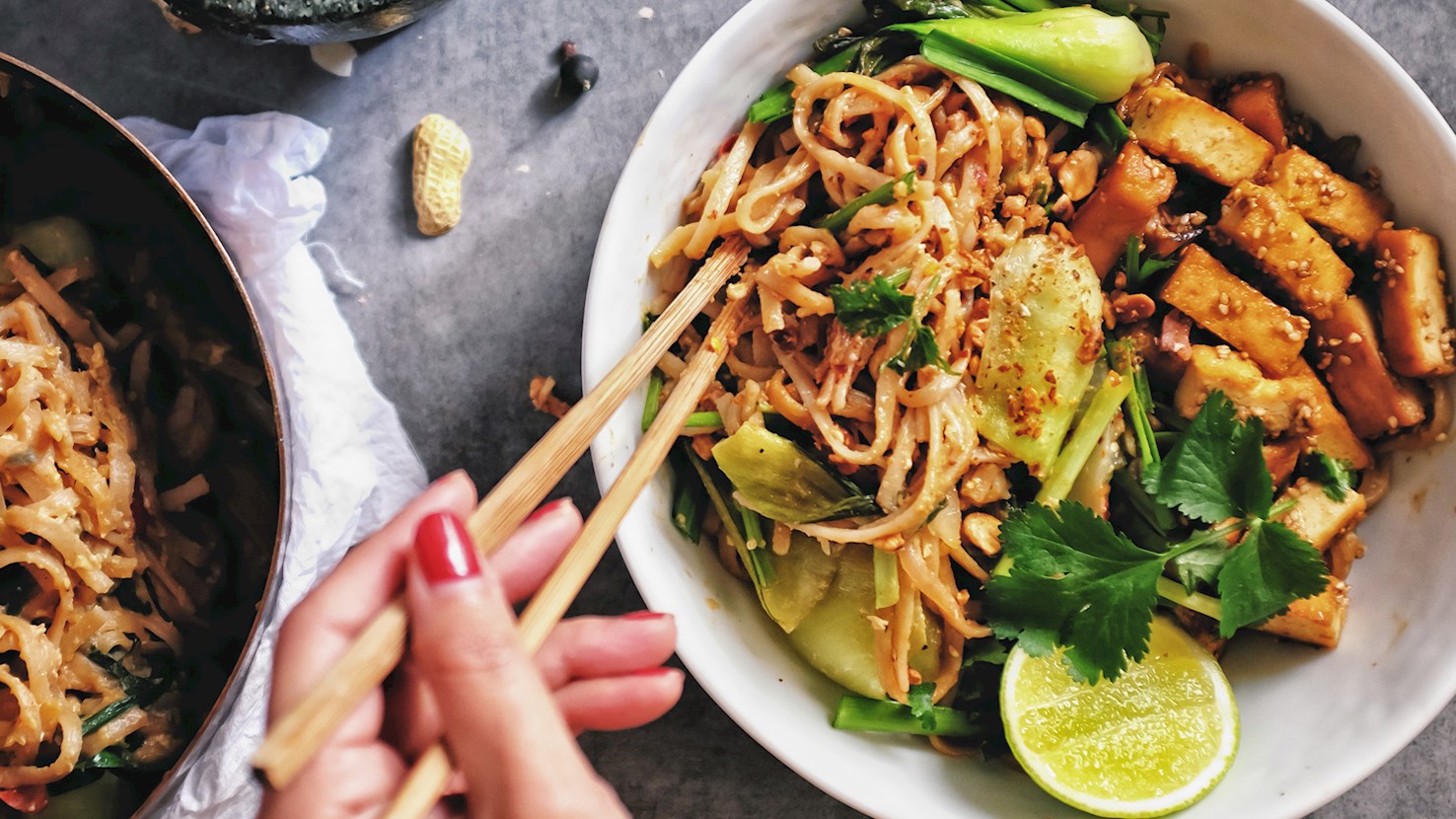
Pad Thai is Thailand's national dish, a flavorful stir-fry (pad in Thai) dish consisting of rice noodles, tofu, dried shrimp, bean sprouts, and eggs. If it's made with meat, chicken and pork are some of the most popular choices. The flavors are an intricate combination of sweet, sour, and salty, with a well-balanced contrast of textures. Pad Thai is probably one of the most popular Thai dishes abroad. Its origins can be traced to a period of nationalism in the country, after the 1932 revolution that ended the absolute monarchy. There was a public contest to find a new national noodle dish, and the winner was a Pad Thai consisting of noodles, radish, sprouts, peanuts, and eggs. Tender rice noodles are additionally flavored with sugar, tamarind, lime juice, vinegar, and fish sauce, and the dish is traditionally served with ground red chilis, white vinegar, sugar, fresh lime wedges, and fish sauce on the side, so each consumer can garnish the meal to their preference.
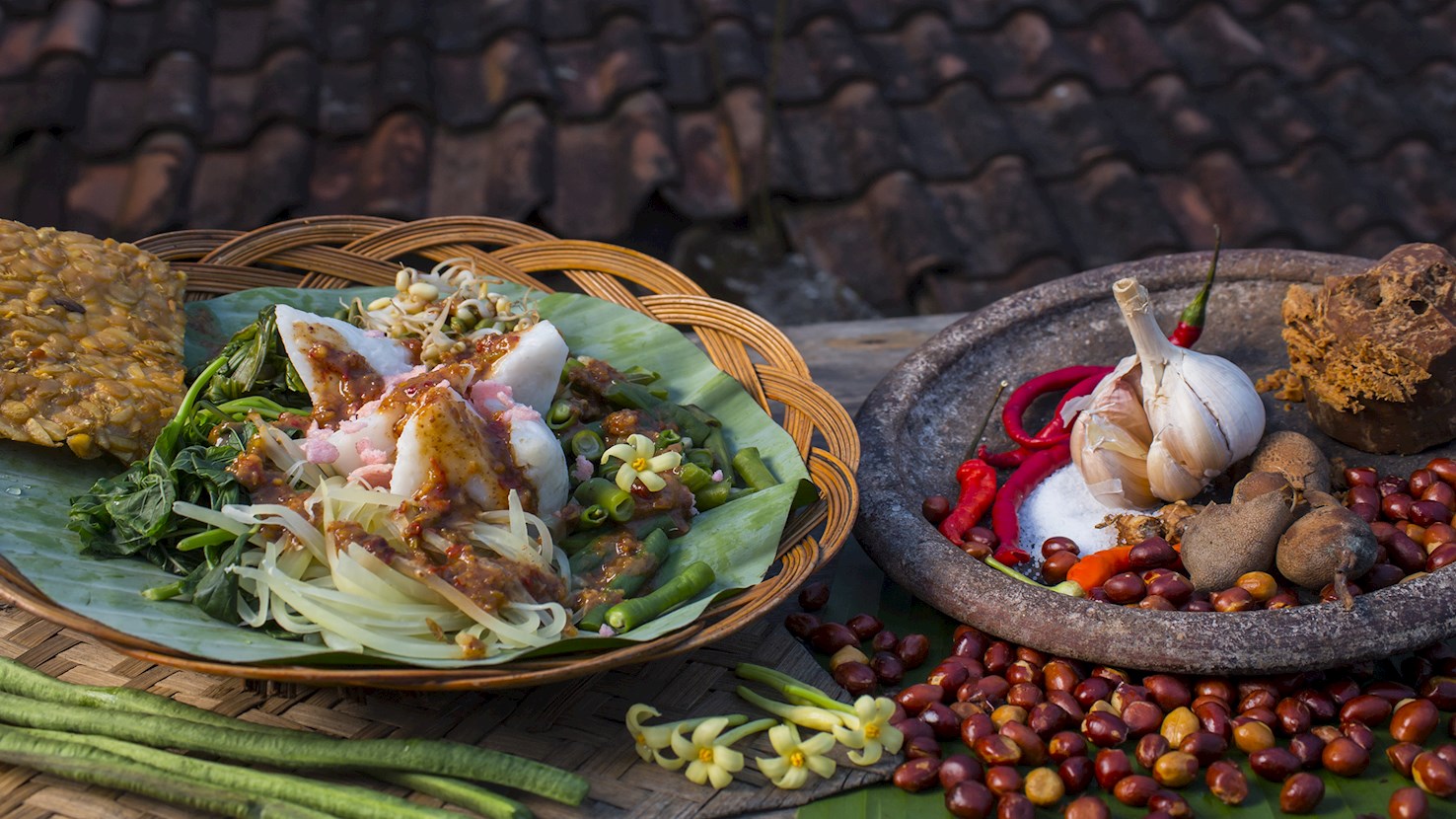
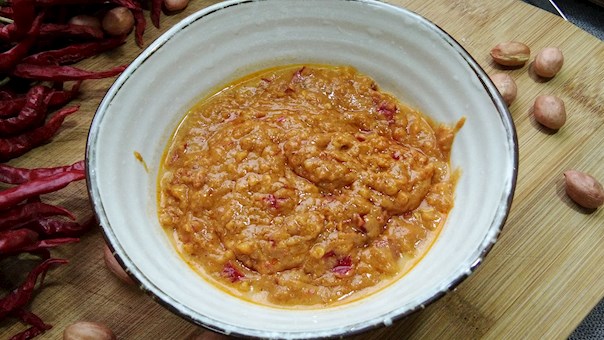
Indonesian pecel may refer to a fragrant peanut sauce or a combination of the sauce and various vegetables, when it is commonly referred to as a salad. The base of the sauce is prepared with roasted peanuts and spices that typically include chili peppers, palm sugar, garlic, tamarind juice, shrimp paste, kaffir lime leaves, salt, and kencur, an aromatic ginger variety. Usually associated with Java, the sauce is characterized by its distinctive combination of sweet and spicy flavors. When served with rice, the dish goes under the name nasi pecel.
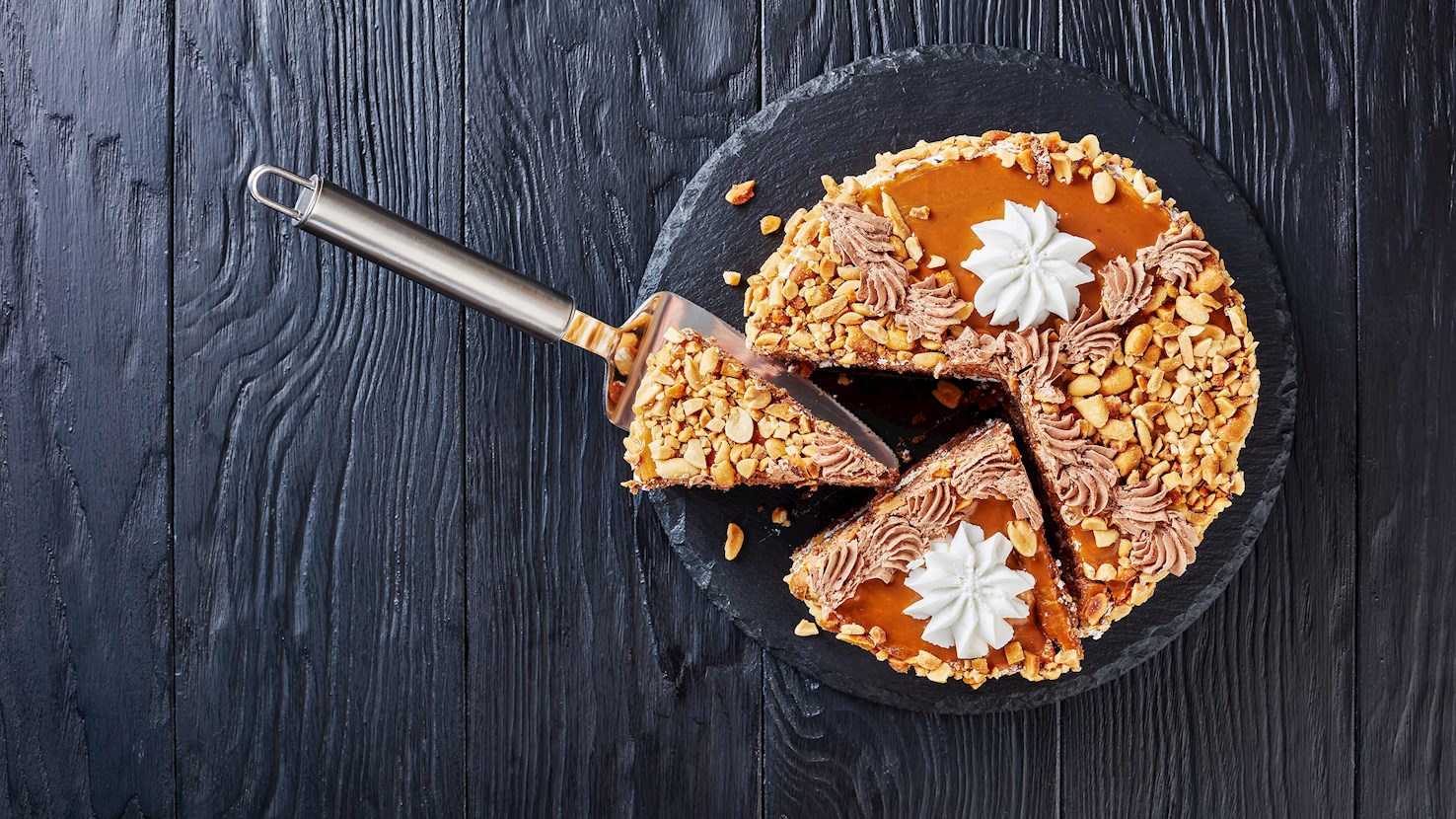
Peanut butter pie is a traditional pie hailing from Georgia. This sweet and salty pie consists of a crumbly pie crust that's filled with gooey peanut butter and chunks of roasted and salted peanuts. The filling is enriched with brown sugar, flour, butter, eggs, milk, vanilla extract, and corn syrup, while the crust is made from flour, sugar, salt, butter, and water. If desired, the peanuts can also be added to the crust. Once done, this nutritious pie is typically served with a dollop of whipped cream on top.
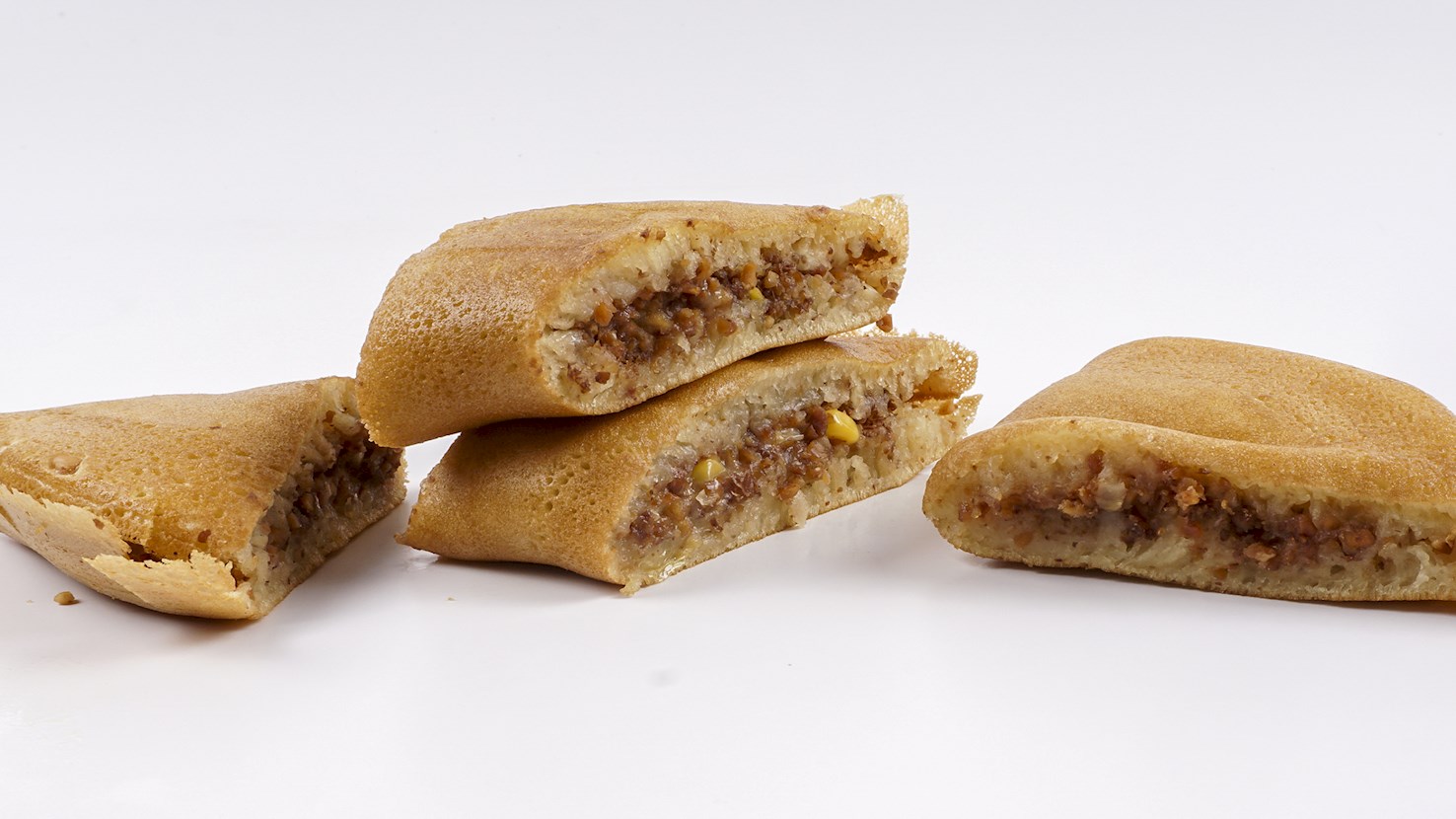
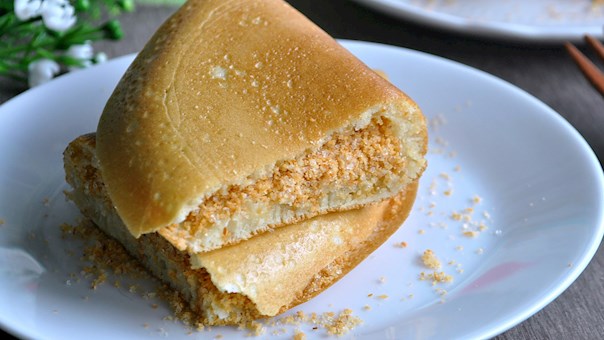
This sweet turnover pancake comes under various names throughout Malaysia, Indonesia, Brunei, and Singapore. Regardless of the location, it can be prepared either in a thin and crispy variety or as a thick and soft pancake. Traditional fillings typically include a combination of ground or roughly chopped peanuts, sugar, and butter, but the modern varieties may include anything from corn, chocolate chips, and raisins to grated cheese or condensed milk. Though not much is known about its origin, it is believed that is was first introduced in Penang by the Chinese who migrated from the province of Fujian.
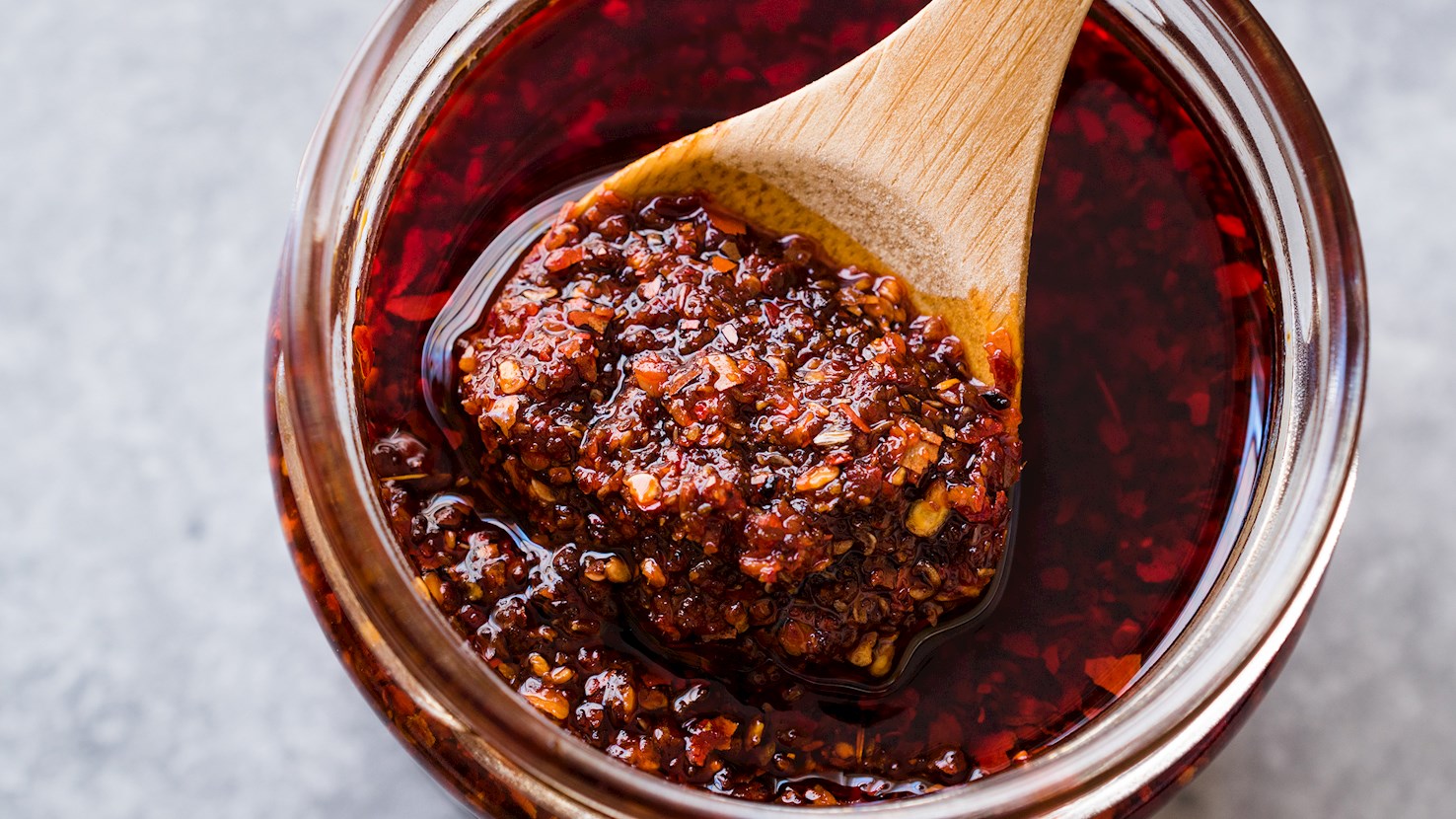
Salsa macha is a traditional salsa originating from Orizaba in Veracruz. Although there are many variations, this spicy salsa is usually made with a combination of chili peppers, oil, peanuts (or similar nuts), garlic, sesame seeds, and salt. The peanuts, chili peppers, garlic, and sesame seeds are browned in oil, cooled, then mixed with more oil and blended to a semi-coarse consistency. The salsa is seasoned with salt to taste, and it's then served as a condiment with Mexican dishes such as tortas, enchiladas, tacos, or burritos.
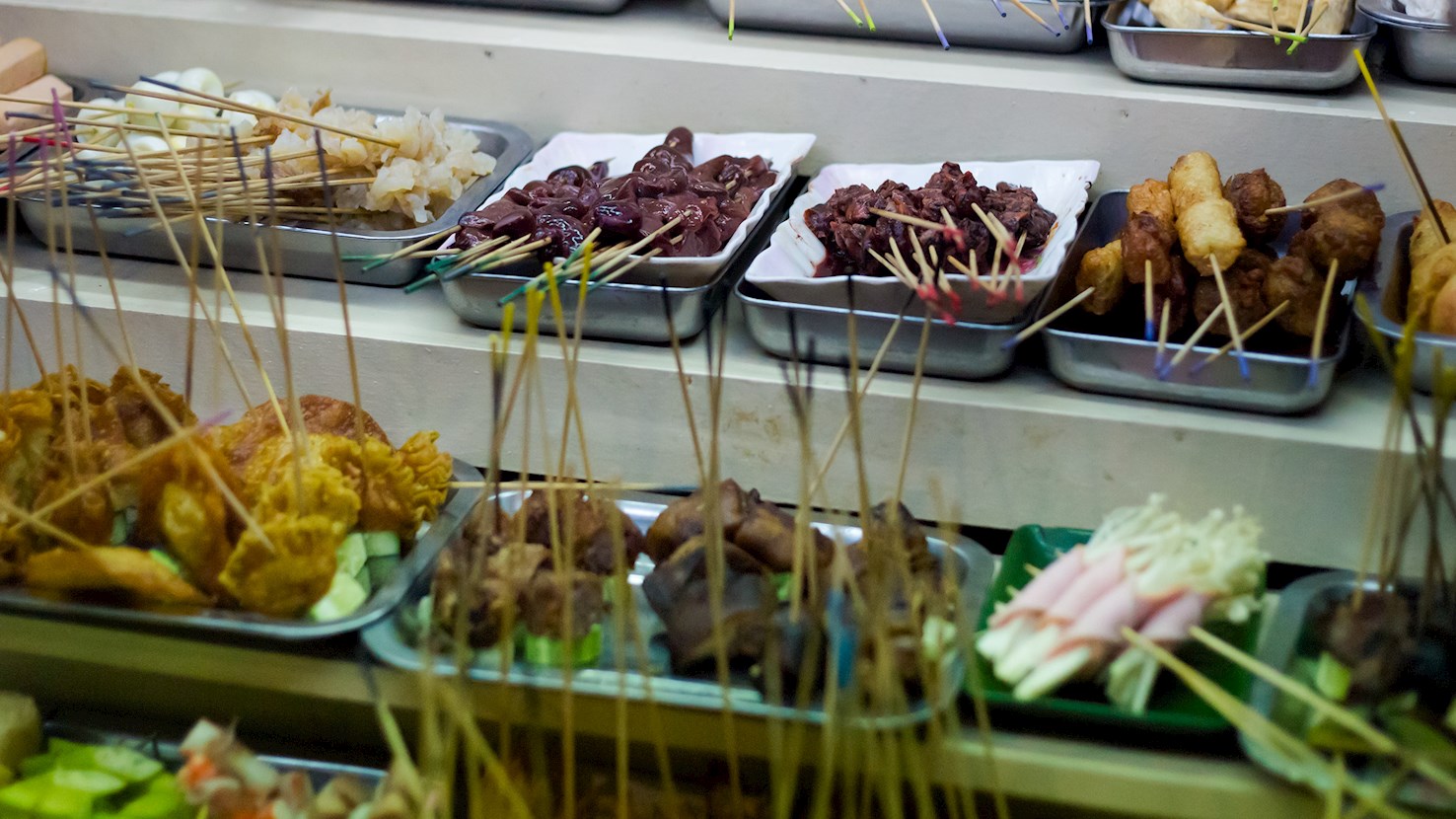
Satay celup is a traditional dish, particularly popular in the Malacca state (also known as "the historic state"), where it is considered a local favorite. It is a self-serve dish, consisting of skewers of marinated meat, raw seafood, or even vegetables that are dunked into a simmering pot of satay sauce. The sauce is primarily made with peanuts, dried chili peppers, garlic, and palm sugar, but the full recipe differs from one eatery to another. Usually, satay celup is accompanied by barley drinks, coconut water, or herbal tea in order to combat the spiciness of the sauce.
Sate Ponorogo is a regional satay dish originating from Ponorogo, a regency in East Java, Indonesia. It is a distinct variation of Indonesian chicken satay, known for its specific marination technique, longer and thinner meat slices, and rich peanut sauce that differs from the versions found in Central Java or Jakarta. The chicken is sliced in broad, flat pieces instead of cubes, allowing it to absorb the marinade more effectively and cook evenly on skewers. The preparation of sate Ponorogo begins with marinating chicken pieces in a mixture of shallots, garlic, coriander, candlenuts, turmeric, galangal, salt, and a generous amount of sweet soy sauce or palm sugar-based seasoning. The marinade is sometimes applied in two stages to allow deeper flavor absorption, often involving hours or even overnight soaking. Unlike other satay types where the meat is threaded onto skewers in smaller chunks, the pieces used for sate Ponorogo are cut lengthwise and arranged on bamboo skewers with more space between them, helping them cook faster and develop a slightly charred edge while staying tender. Grilling is done over charcoal, with repeated basting using a similar sweet-savory sauce derived from the marinade. The cooking process is closely monitored, and the skewers are turned regularly to ensure even grilling. The accompanying peanut sauce is smoother and slightly thinner compared to the Central Javanese variety, often mixed with sweet soy sauce and a small amount of chicken broth or leftover marinade for depth. It is served separately or poured over the satay along with sliced shallots, lime wedges, and fresh chili. Sate Ponorogo is commonly eaten with rice cakes known as lontong, or with steamed rice, and is typically served at specialized stalls or street vendors in Ponorogo, some of which have operated for generations. While variations of chicken satay exist throughout Indonesia, sate Ponorogo is notable for the prominence it gives to the marinade and the specific slicing and skewering method that define its appearance and texture. The dish has gained recognition beyond its region, with stalls in Surabaya, Jakarta, and even other provinces offering it under the same name, though the most sought-after versions remain those sold in the town of Ponorogo itself.
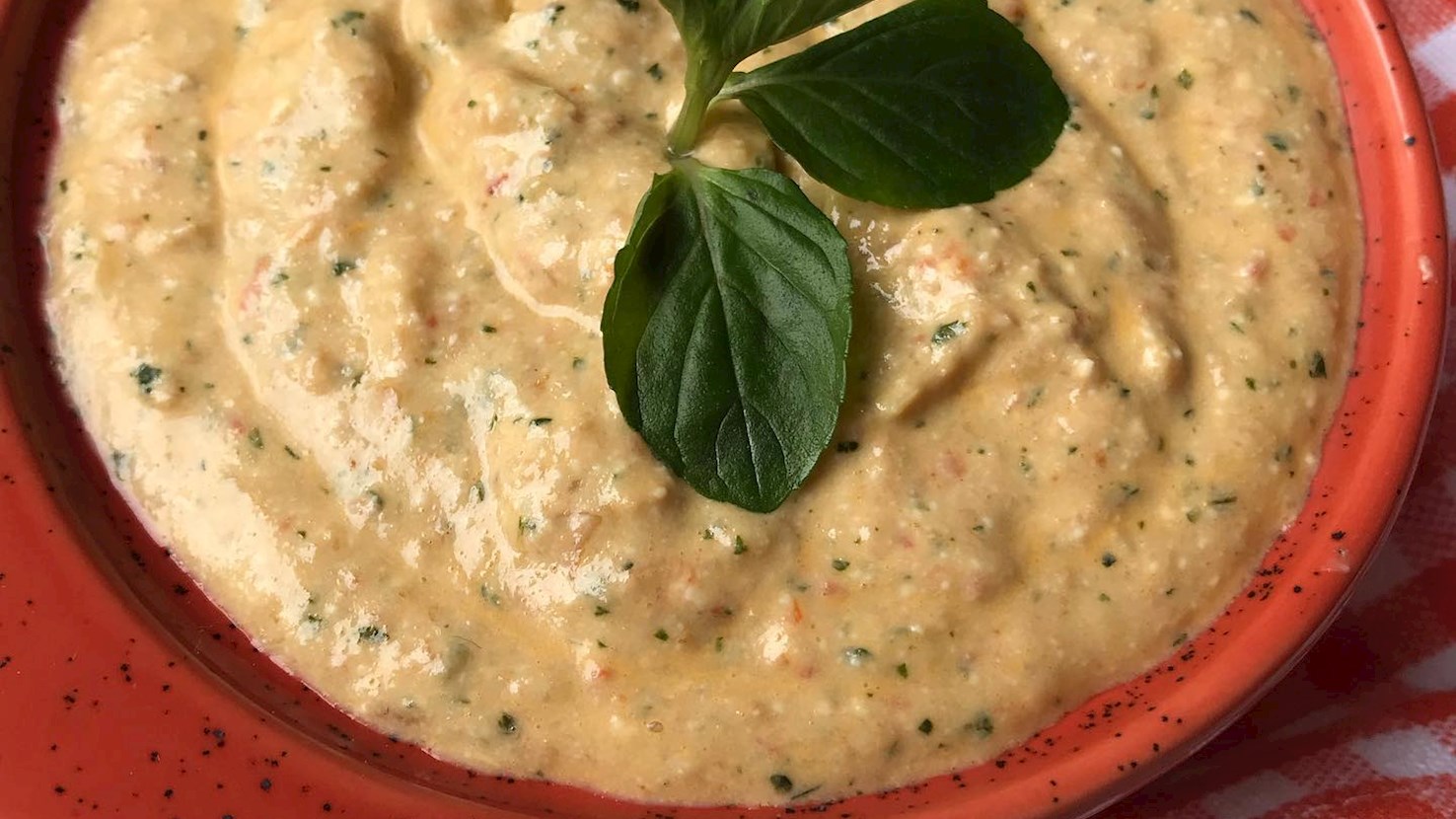
Uchucuta is a traditional spicy sauce or condiment. It's usually made with a combination of rocoto chiles, grated cucumbers, peanuts, huacatay leaves, evaporated milk, chopped onions, coriander leaves, queso fresco, and salt. The ingredients are seasoned with salt and blended until creamy. If it's too thick, a bit of water or milk is added to the mixture. Once blended, the sauce is placed into a container and chilled until it's needed. It's recommended to serve uchucuta as an accompaniment to huatia (slow-cooked beef), pachamanca (marinated meat baked on hot stones), or cooked potatoes.
TasteAtlas food rankings are based on the ratings of the TasteAtlas audience, with a series of mechanisms that recognize real users and that ignore bot,
nationalist or local patriotic ratings, and give additional value to the ratings of users that the system recognizes as knowledgeable.
For the “73 Best Rated Dishes with Peanuts” list until September 17, 2026, 1,037,815 ratings were recorded, of which 688,105 were recognized by the system as legitimate.
TasteAtlas Rankings should not be seen as the final global conclusion about food. Their purpose is to promote excellent local foods,
instill pride in traditional dishes, and arouse curiosity about dishes you haven’t tried.












What People Say