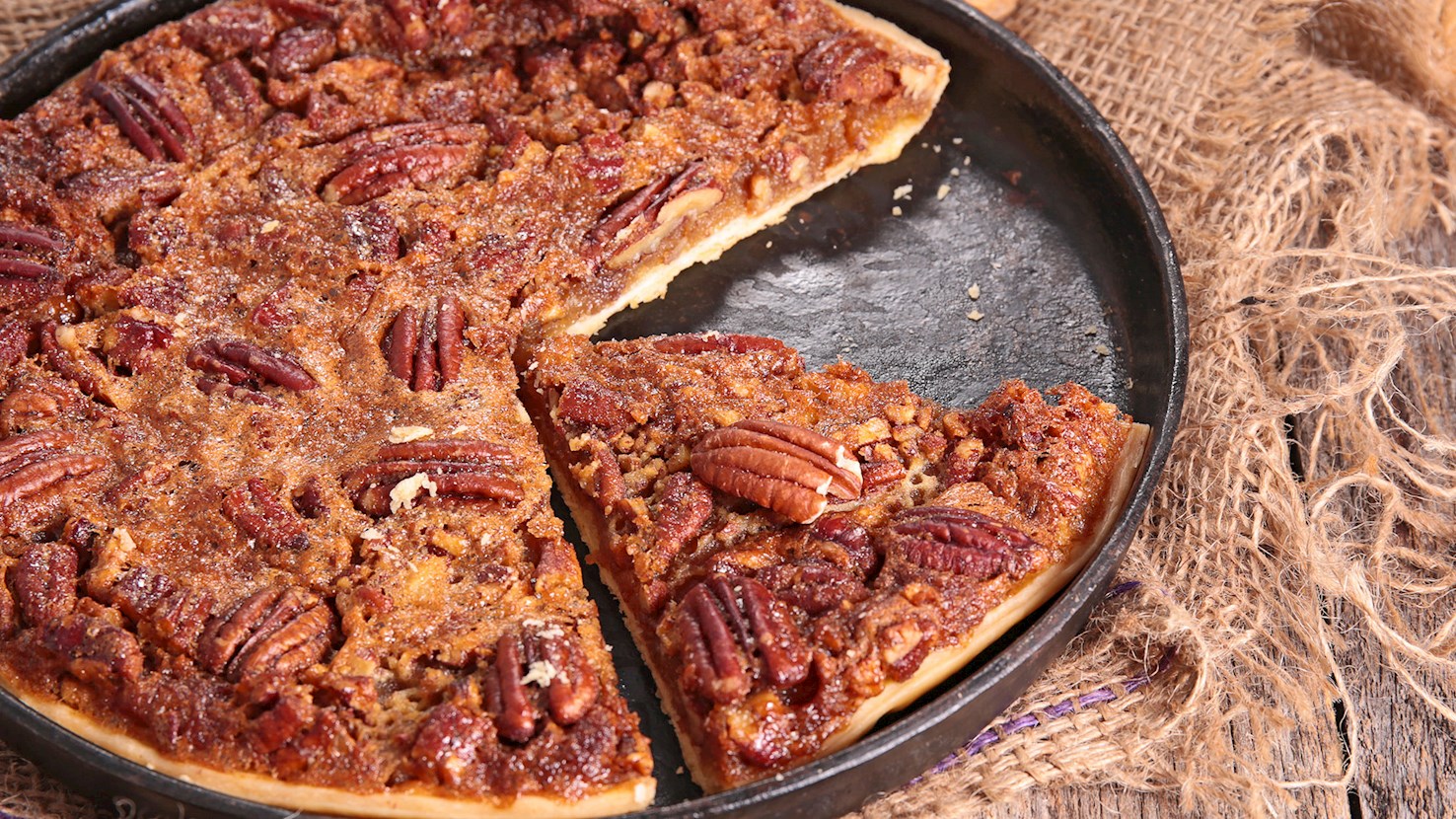
One of the hallmarks of traditional American cuisine is the classic pecan pie. It consists of a thin pastry crust that is topped with a mixture of eggs, butter, flour, a sweetener such as brown sugar, syrup, or molasses, and a handful of halved or chopped pecans. When baked, pecan pie should have the consistency of a thick, silky custard with a pronounced caramel taste. When it initially appeared in written form at the end of the 19th century, it was mostly associated with the American South, but today it represents an authentic American dessert, traditionally prepared on Thanksgiving Day.
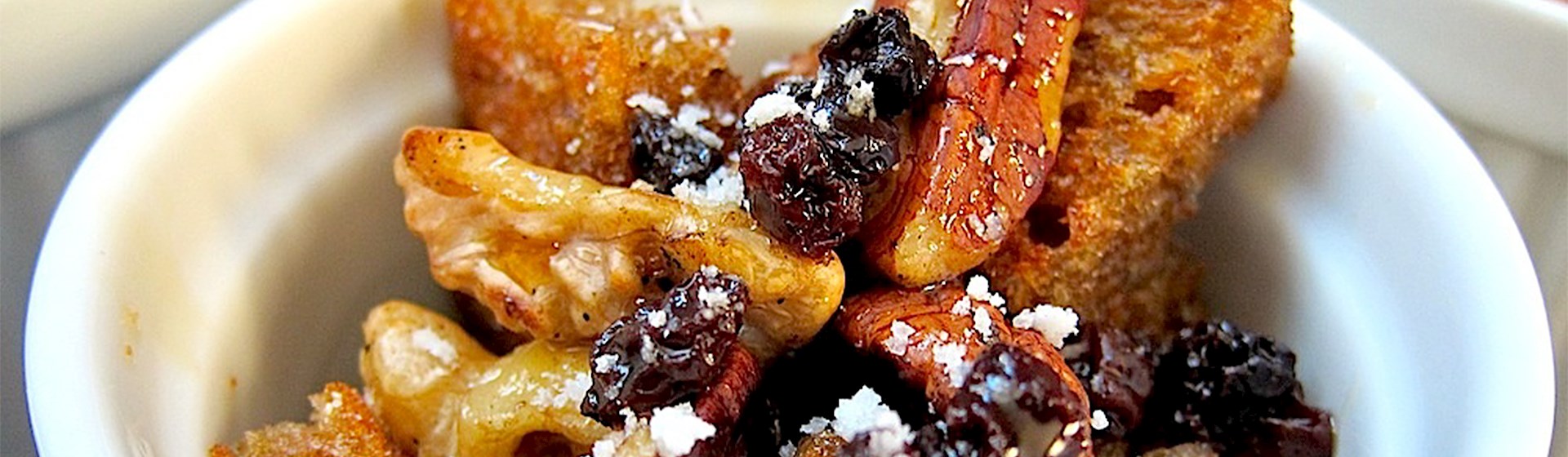
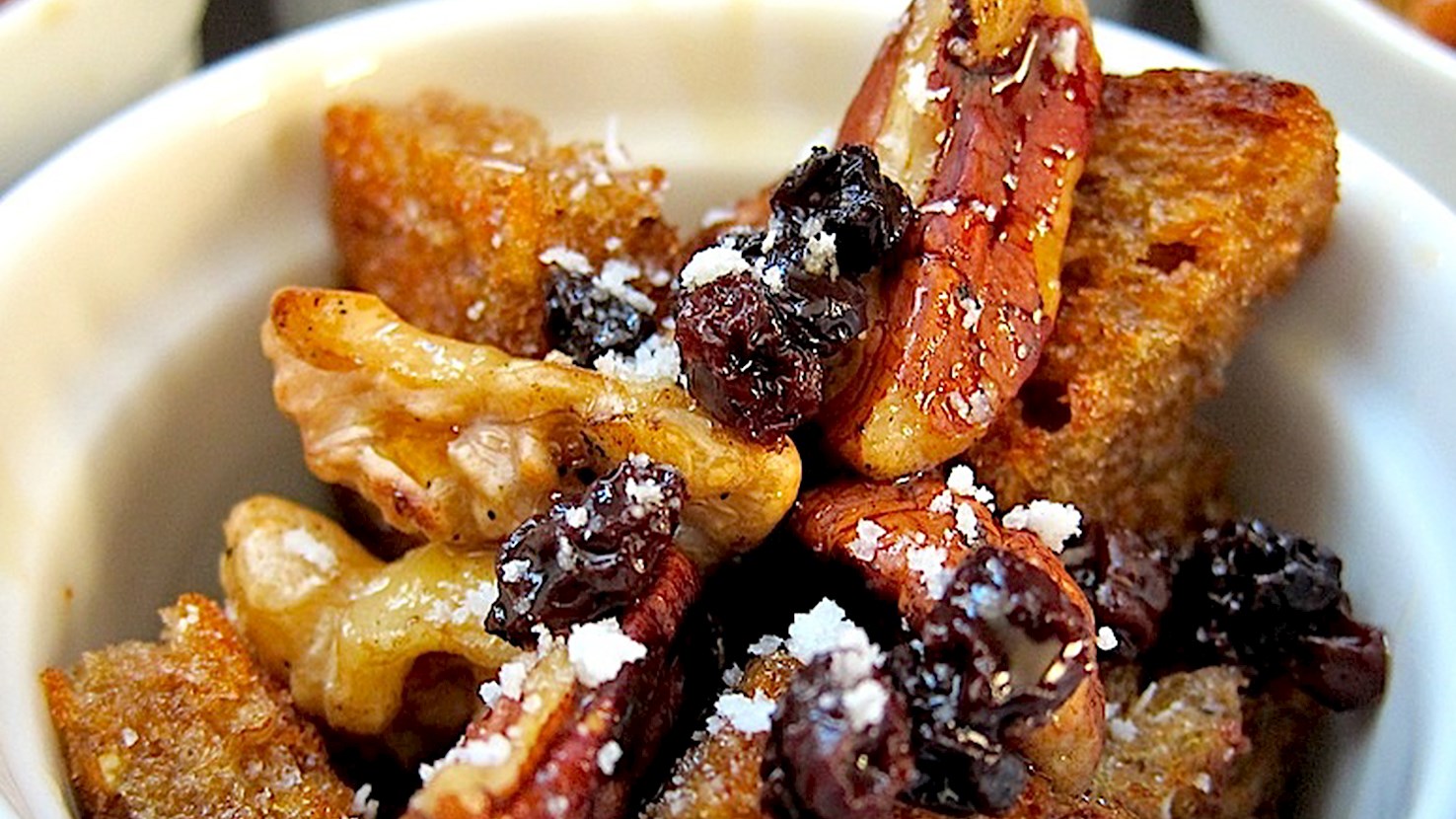
Ranfañote is a Peruvian bread pudding made with toasted pieces of stale bread, walnuts, pecans, currants, port wine or pisco, orange juice and zest, cheese (usually queso fresco), vanilla, and butter. The combination is drenched in chancaca sugar syrup and flavored with spices such as cinnamon, star anise, and cloves. This sweet treat is quite old and dates back to the colonial era, when Peru was a Spanish viceroyalty. It is also strongly connected with Afro-Peruvians, hence the usage of chancaca, cloves, and star anise. Although ranfañote was unrightfully neglected in the past, in recent years it has made a comeback and started showing up in Lima's bakeries.
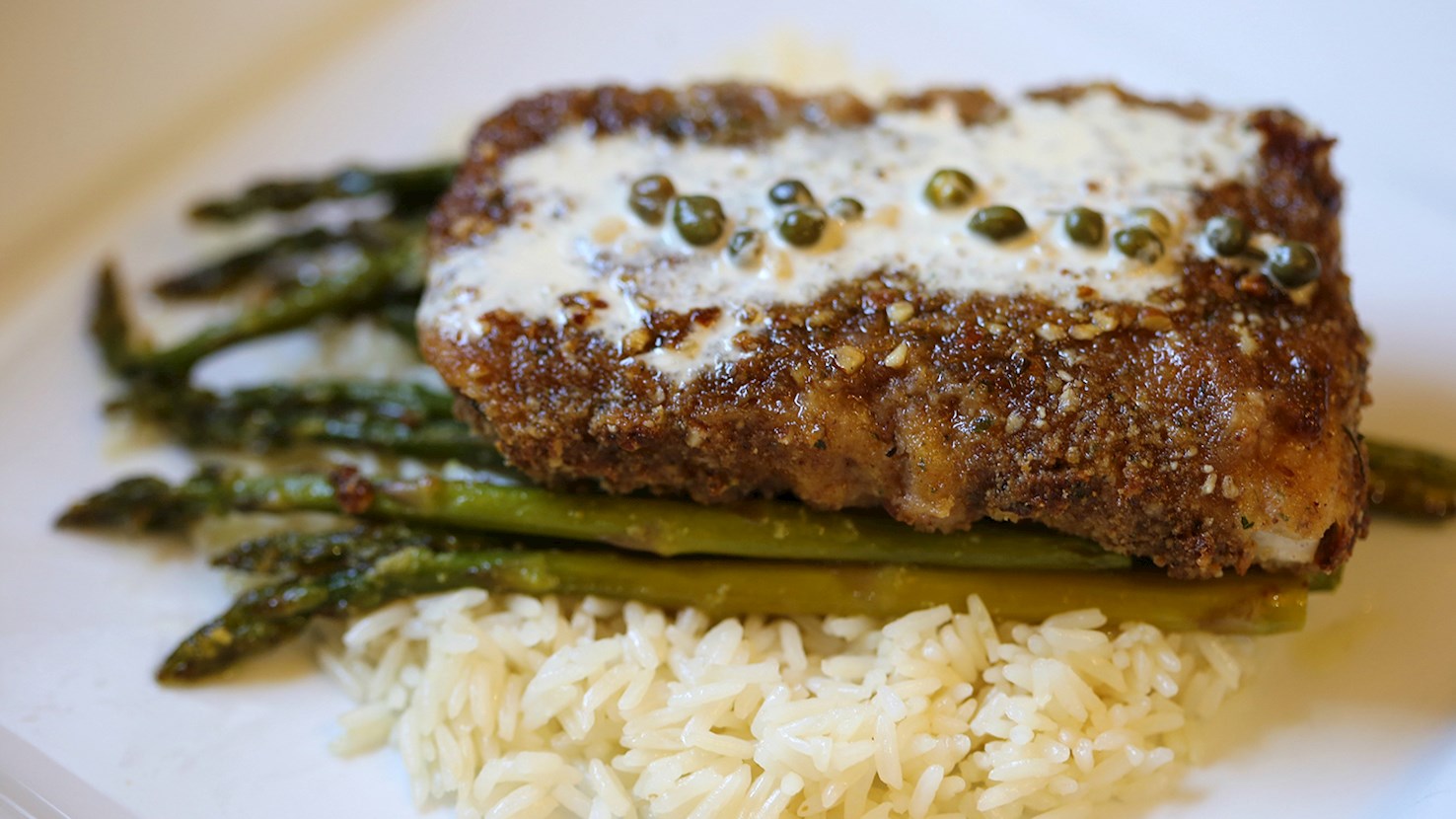
Pecan-crusted fish is a traditional dish of the American South. It's sometimes made with a combination of mayonnaise, crushed pecans, honey, and white fish fillets. The fish is dipped into the mixture of mayonnaise and honey, and it's then coated with crushed pecans. Finally, the dish is baked until the fish becomes flaky. It's important not to overcook the fish because it will become very dry. The dish can also be prepared with a standard mix of butter, Creole seasoning, and garlic for the fish coating. Pecan-crusted fish is often served with a variety of side dishes and garnishes such as baked potatoes, lemon wedges, tartar sauce, yellow rice, or fresh salad.
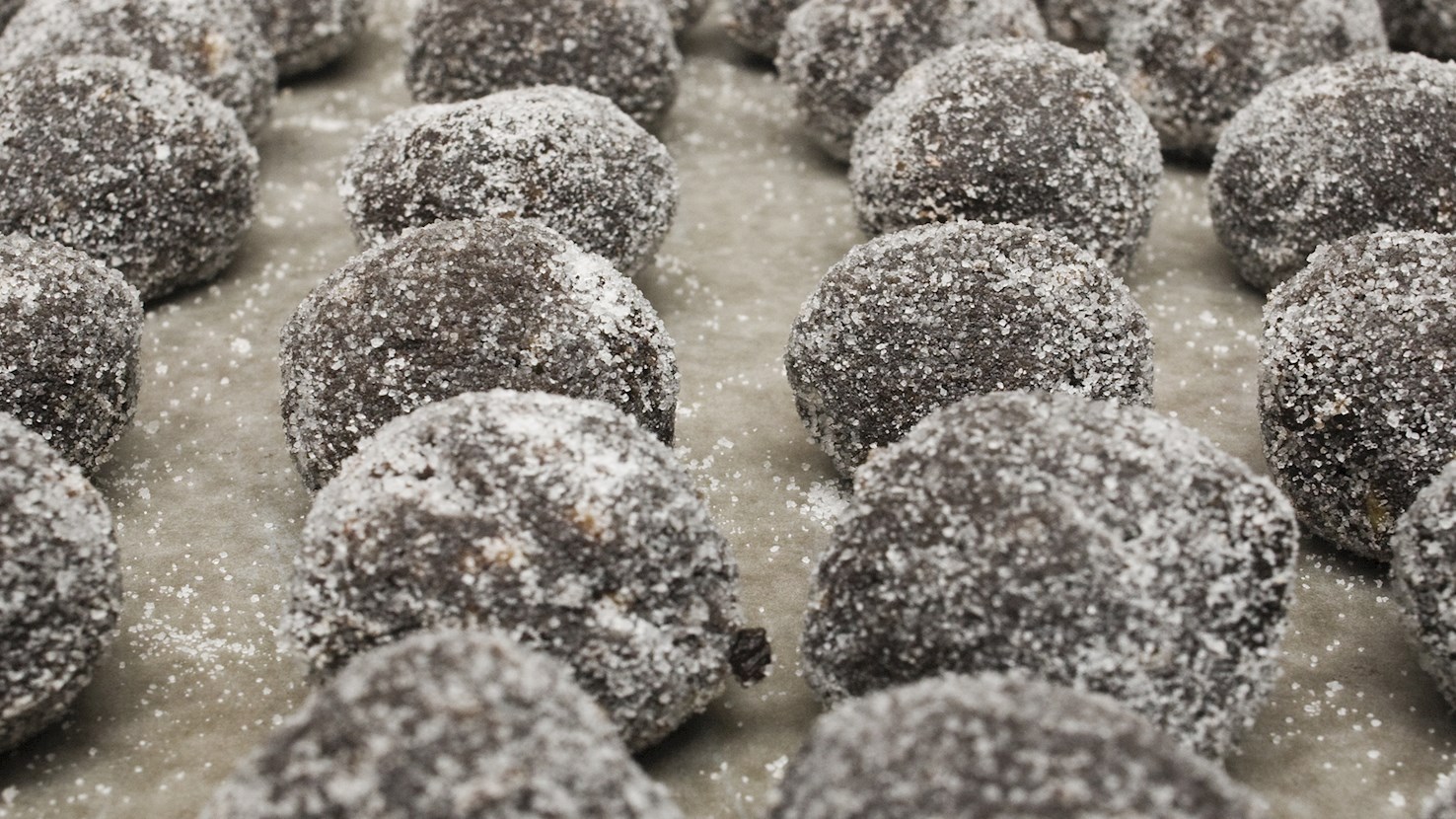
Bourbon ball is a sweet candy originating from Kentucky. It consists of bourbon, pecans, wafer crumbs, butter, and chocolate. This treat was originally invented by Ruth Booe from the Rebecca Ruth Candy Company in 1938. Today, it is a favorite amongst the Southern families, and it is traditionally prepared and consumed during the festive holiday seasons.
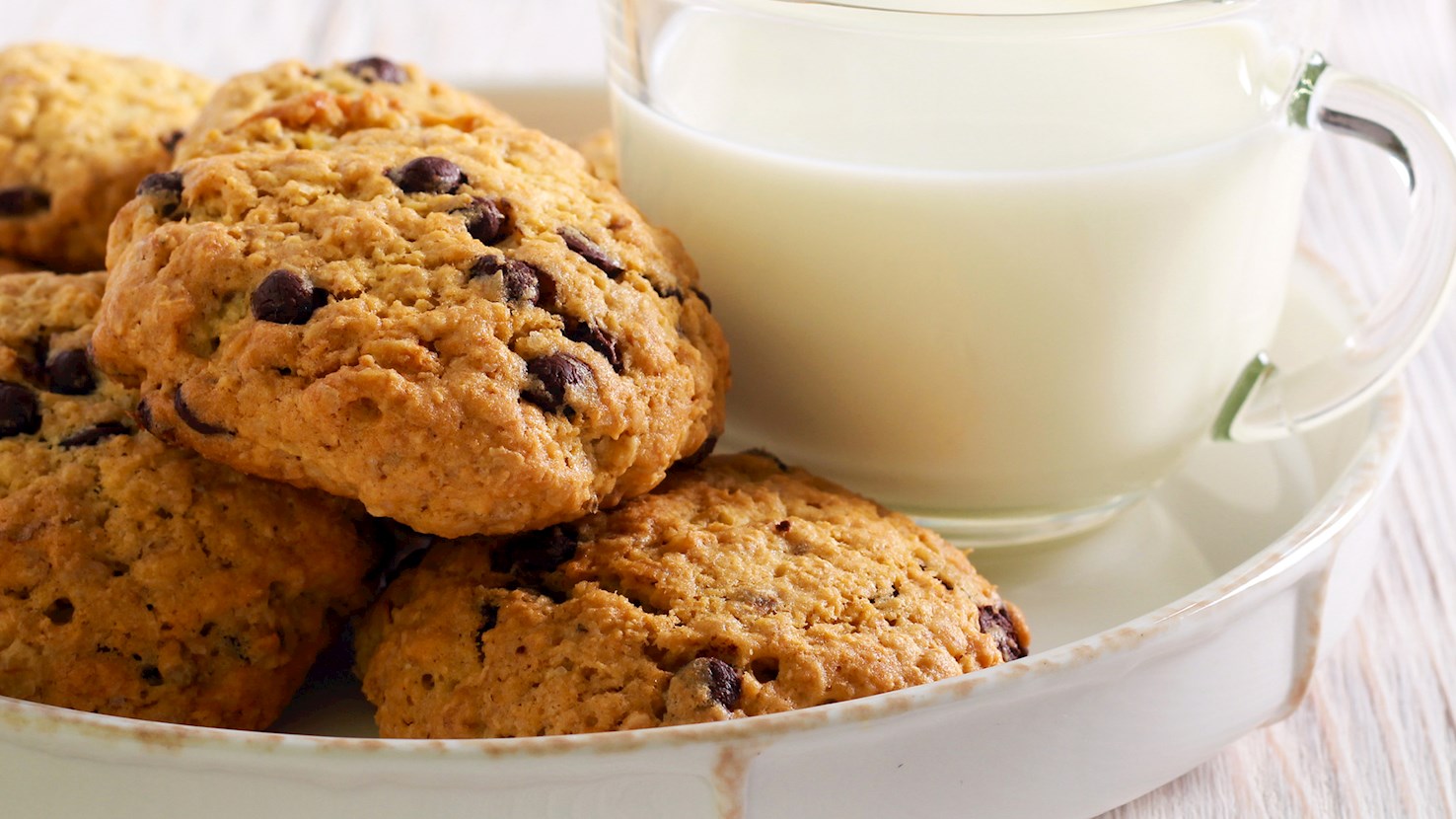
Cowboy cookies are chunky, flavor-packed American cookies made with oats, chocolate chips, shredded coconut, and chopped nuts, often baked into oversized, chewy rounds with crisp edges and soft centers. Built on a hearty oatmeal cookie base, they're beloved for their rich texture and bold mix-ins—the oats add chewiness, the coconut brings a sweet, nutty depth, while chocolate chips and pecans (or walnuts) create a perfect balance of gooey and crunchy in every bite. Thought to have roots in the American West or Southwest, cowboy cookies evoke the rustic, filling snacks that might've fueled long days on the range—hearty, energizing, and made to last. They are particularly associated with Texas and Wyoming. Their popularity skyrocketed in 2000 when Laura Bush's version beat Tipper Gore's in the Family Circle Presidential Bake-Off, featuring a loaded, Texas-sized variation with cinnamon and double the decadence. Today, cowboy cookies are a nostalgic bake sale staple and a cozy kitchen favorite—rustic, generous, and unapologetically indulgent.
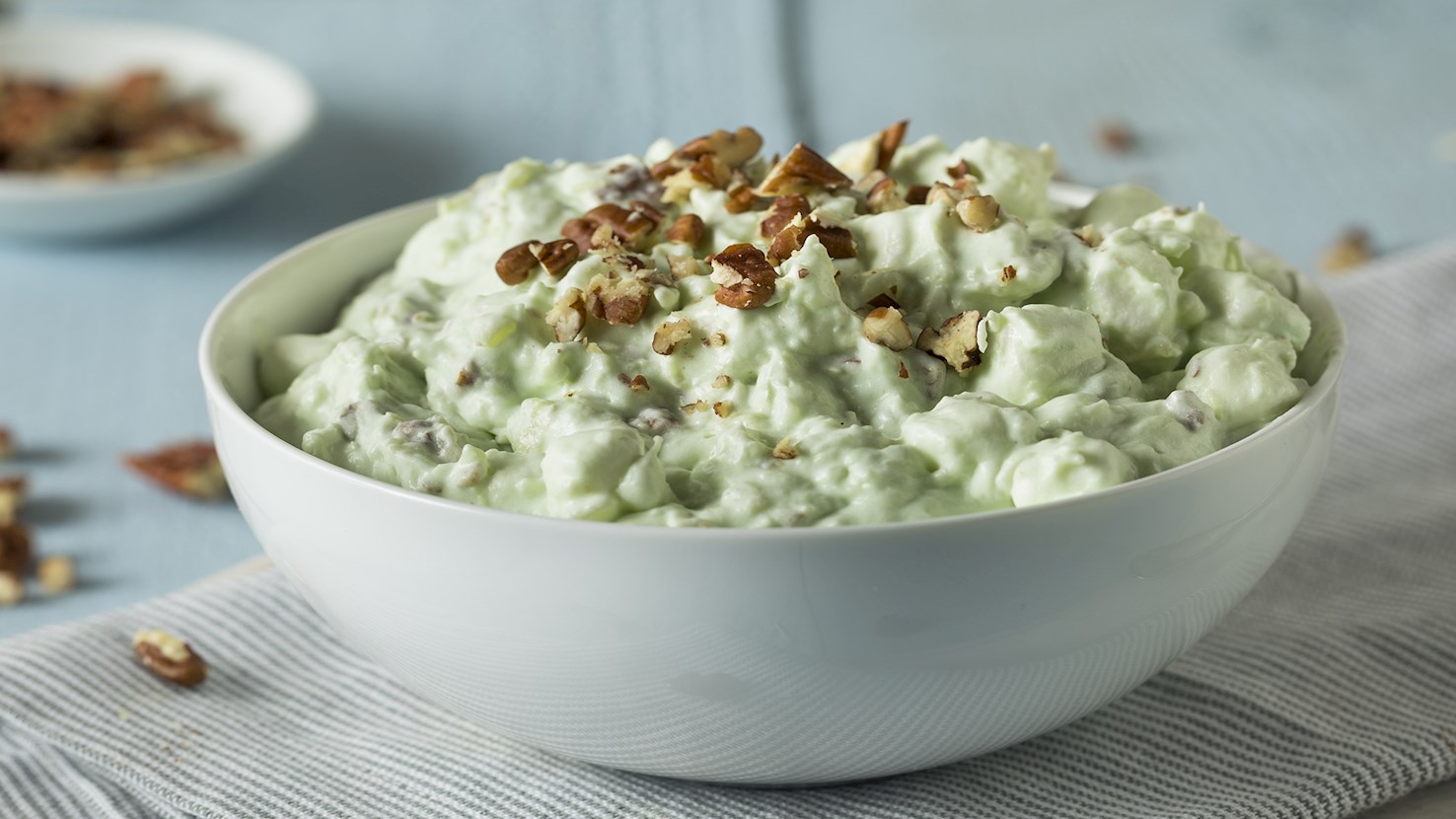
Despite its name, Watergate salad is a summertime dessert consisting of a combination of mini marshmallows, pecans, and chunks of pineapple in a base of pistachio pudding. This dessert started its way to popularity in 1985 or 1986, when Kraft put a recipe for the dish on the box of JELL-O Pistachio Flavor Pudding. In 1993, the name of the recipe was changed to Watergate salad, and it has stuck until today. Nowadays, Watergate salad is especially popular at Thanksgiving dinners and Easter.
The New Mexican sundae is a dessert originating in Las Cruces, New Mexico, where it is made by topping vanilla frozen custard with a sweetened green chile sauce and salted pecans. It is associated with a local frozen-custard and hot-dog stand that introduced the combination in the late 1990s, drawing on the region’s access to Hatch-area green chiles and locally grown pecans while working within the familiar American ice-cream sundae format. Its creation reflects the intersection of regional produce and diner-style desserts, presenting a way to incorporate a well-known local ingredient into a recognizable treat. Preparation begins with vanilla frozen custard, chosen for its dense texture and slower melt compared to standard ice cream. The green chile topping is made by roasting mild green chiles, removing the skins and seeds, and simmering them briefly with sugar and a small amount of liquid until they form a spoonable sauce. After cooling slightly, the chile mixture is poured over the custard, allowing the contrast between warm or room-temperature sauce and cold frozen base to be maintained. Salted pecans are added last, providing a crisp element that contrasts with both the custard and the chile mixture. The balance of sweet, spicy, salty, and creamy components depends on keeping each element distinct until serving. The sundae is eaten at local frozen-custard shops and small restaurants in and around Las Cruces, usually as an afternoon treat or as a dessert after casual meals. It is often paired with beverages such as iced tea, lemonade, or simple soft drinks that complement the mixture of sweetness and heat without competing with it. Some diners accompany it with light cookies or plain pastries to offset the richness of the custard and the spice of the chile topping.
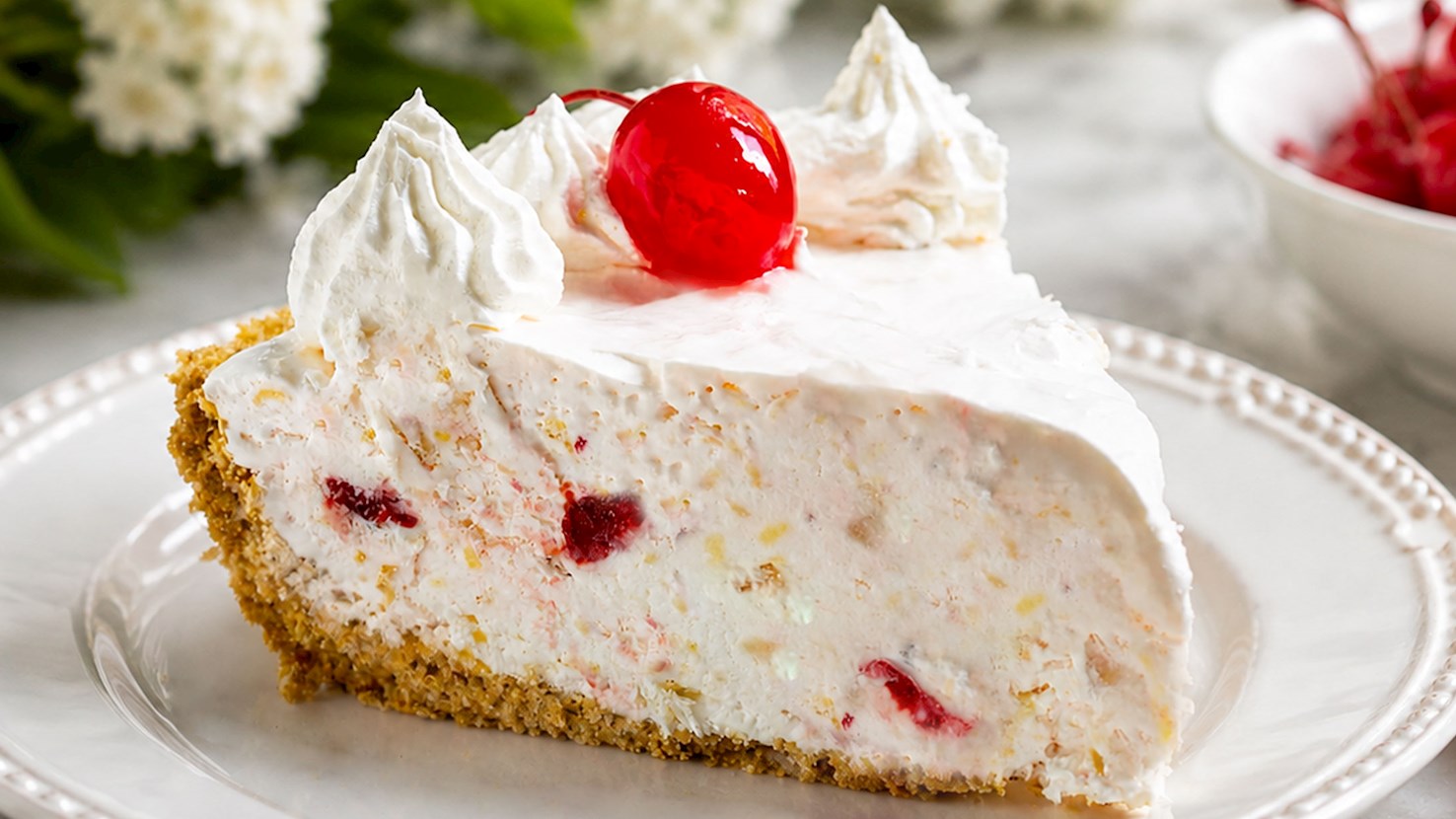
Millionaire pie is a no-bake American dessert consisting of a graham cracker crust filled with a creamy mixture of whipped topping, sweetened condensed milk, crushed pineapple, and chopped nuts, often with the addition of maraschino cherries or coconut. It is most strongly associated with the American South and with diners and cafeterias that favored refrigerated pies requiring minimal preparation time and inexpensive pantry ingredients. Its emergence in the mid-twentieth century aligns with the widespread use of canned fruit, shelf-stable dairy products, and pre-made whipped toppings, which allowed cooks to assemble desserts quickly without access to specialized baking equipment. Church cookbooks, regional recipe collections, and café menus from Texas, Oklahoma, and Louisiana frequently include variations of the pie, showing how it spread across states where refrigerator cakes and icebox pies were already popular. Preparation begins by pressing a mixture of crushed graham crackers, sugar, and melted butter into a pie dish to form a firm crust that can hold a soft filling. The filling is made by combining sweetened condensed milk with whipped topping or lightly whipped cream until smooth, then folding in drained crushed pineapple, chopped pecans, and halved maraschino cherries. Some versions add shredded coconut or a small amount of lemon juice to adjust sweetness and acidity. Once assembled, the pie is chilled for several hours until fully set. It is served cold, sliced into wedges, and often garnished with extra cherries or nuts to echo the ingredients inside. Millionaire pie is eaten at home gatherings, potlucks, diners, and holiday meals, especially during warm-weather months when cold desserts are preferred. It pairs well with coffee, iced tea, and lemonade, and when served at the end of a meal it matches easily with simple vanilla ice cream or fresh fruit on the side, all of which balance the sweetness of the filling without overwhelming its condensed milk and pineapple base.
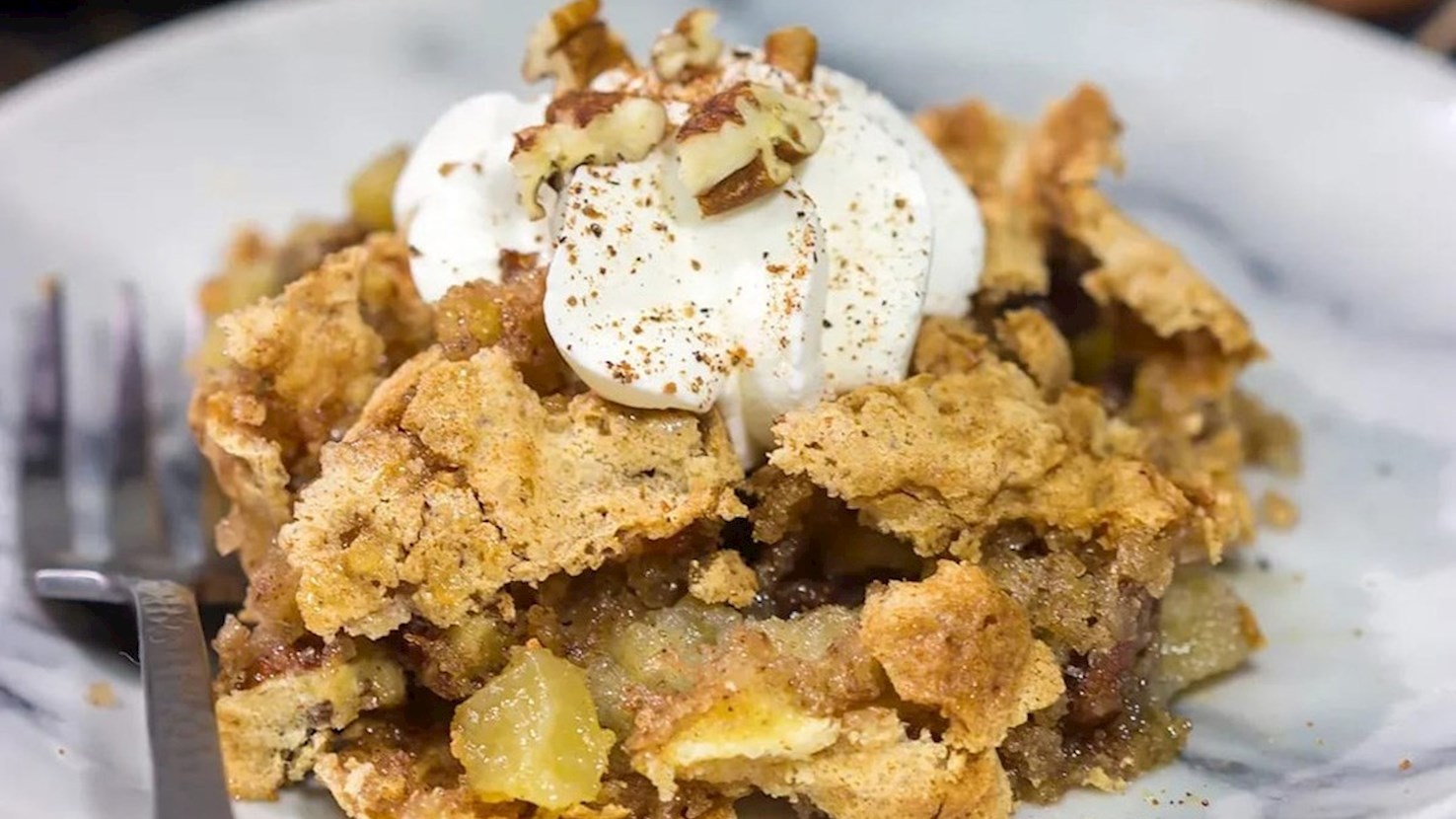
A favorite of Charleston's tearooms, Huguenot torte is a baked apple and pecan or walnut pudding-cake with a crispy meringue-like top, typically served with a dollop of whipped cream. Contrary to the popular misconception, the cake doesn't have French origins nor was it named after the Huguenots - French Protestants who fled to South Carolina in the 17th century for religious freedom. In fact, Huguenot torte is a fairly recent invention whose original recipe is merely a rendition of a Midwestern dessert called Ozark pudding. The recipe first showed up in print in a successful 1950 community cookbook Charleston Receipts, and was attributed to Evelyn Anderson Florance who stated that she named the Charleston classic after the Huguenot Tavern, a restaurant where she worked as a pastry chef.
TasteAtlas food rankings are based on the ratings of the TasteAtlas audience, with a series of mechanisms that recognize real users and that ignore bot,
nationalist or local patriotic ratings, and give additional value to the ratings of users that the system recognizes as knowledgeable.
For the “9 Best Rated Dishes with Pecans” list until June 17, 2026, 1,000,987 ratings were recorded, of which 657,348 were recognized by the system as legitimate.
TasteAtlas Rankings should not be seen as the final global conclusion about food. Their purpose is to promote excellent local foods,
instill pride in traditional dishes, and arouse curiosity about dishes you haven’t tried.