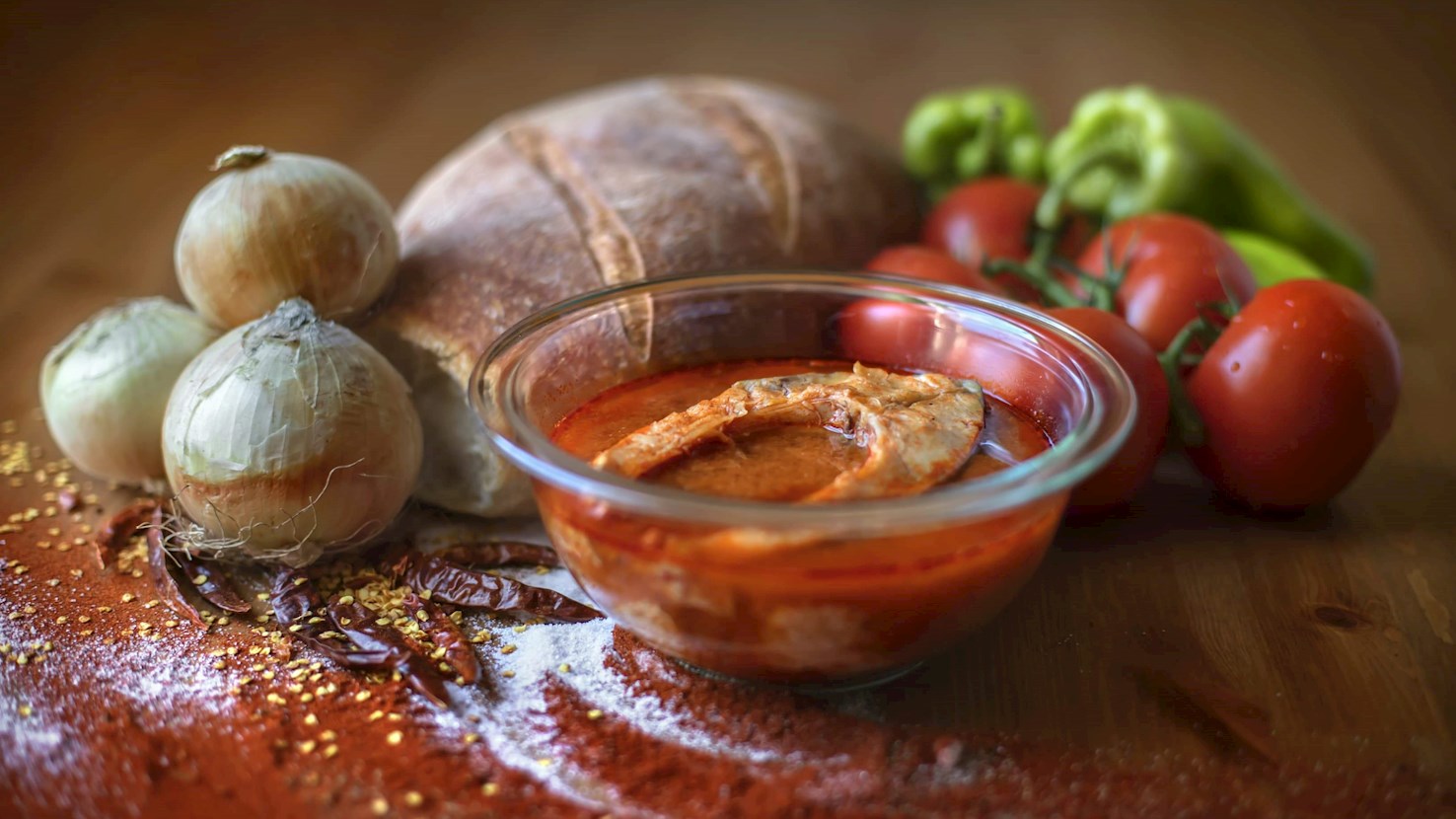
Halászlé or fisherman's soup is made with mixed river fish cooked in a broth that is heavily spiced with hot paprika. The fish—mainly carp, catfish, perch, or pike—is locally sourced from the Tisza and Danube rivers, and though halászlé may seem like a simple dish, this rich soup is traditionally prepared outside and cooked in a kettle over an open fire. Every region has their own version, but the two most popular are Szeged halászlé, made with four types of fish, and Baja halászlé, made mainly with carp and served with homemade pasta called gyufatészta.
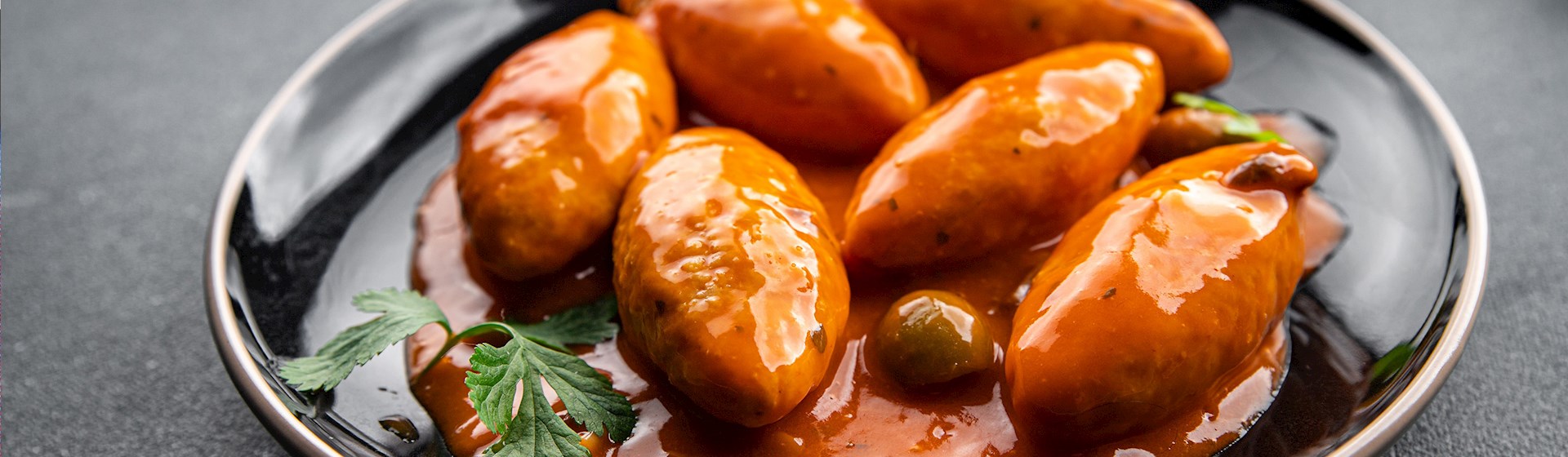
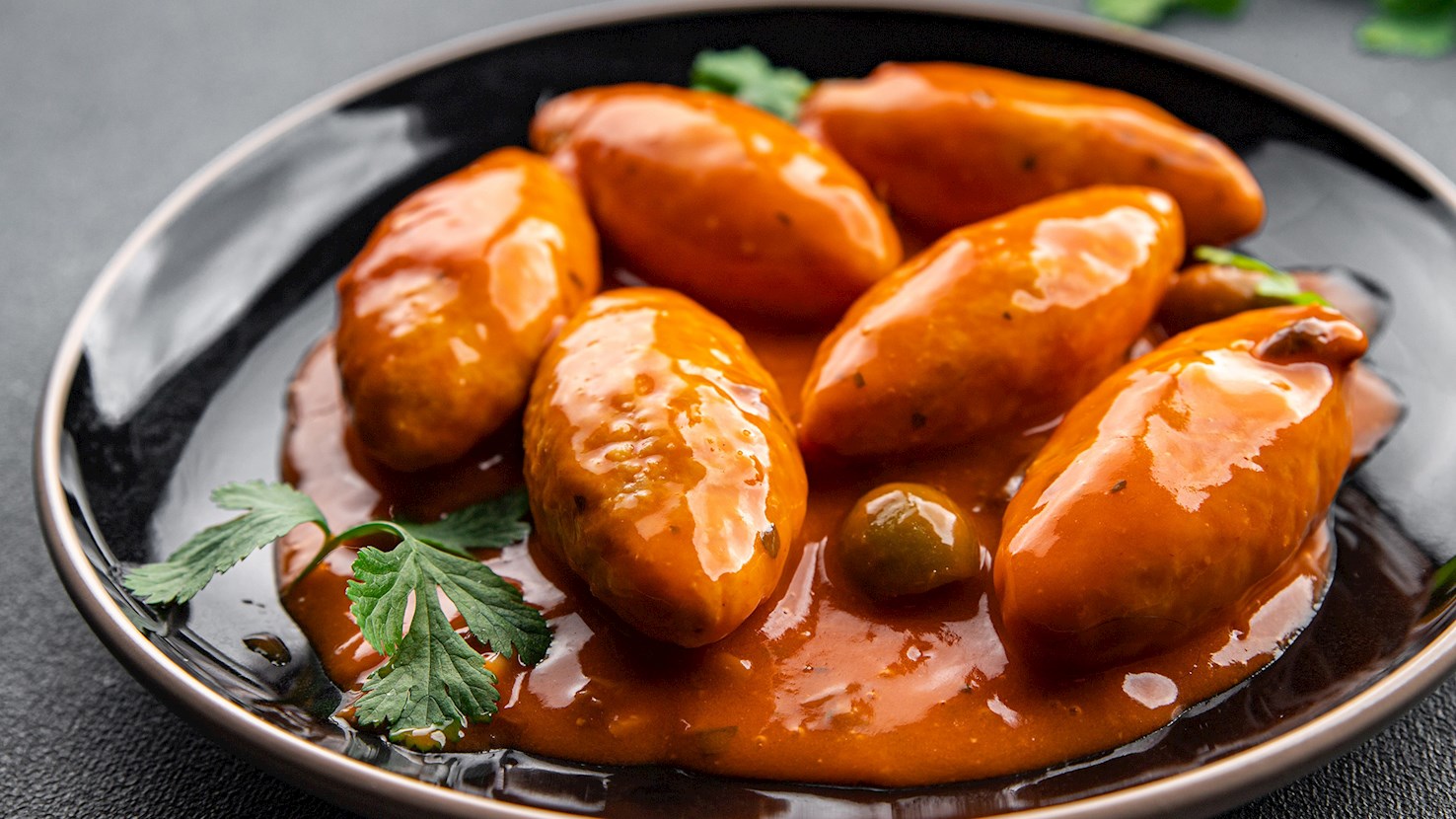
Quenelles de brochet are a traditional French dish made from pike fish (brochet). These delicate dumplings are created by finely mincing the fish and combining it with a mixture known as a panade, which consists of milk, butter, flour, and eggs. Heavy cream is often added to enrich the mixture, resulting in a smooth and light consistency. The mixture is then seasoned with salt, white pepper, nutmeg, and sometimes herbs like chives or parsley. The preparation of quenelles de brochet begins with making the panade. This involves cooking flour in butter, adding milk to form a thick paste, and then incorporating eggs off the heat. The pike fish is finely minced or pureed and mixed with the panade and cream until smooth. The mixture is shaped into oval or egg-shaped dumplings using spoons or by hand. Cooking the quenelles involves gently poaching them in simmering water or stock until they puff up and float to the surface, indicating they are cooked through. After poaching, they can optionally be placed in a baking dish, covered with sauce, and briefly baked to finish. Quenelles de brochet are traditionally served with a rich, creamy sauce such as sauce Nantua, which is made with crayfish butter and cream. Other sauces like Mornay, a béchamel with cheese, can also complement the dish. These quenelles are often enjoyed as an entrée or a main course, typically accompanied by a garnish of fresh herbs.
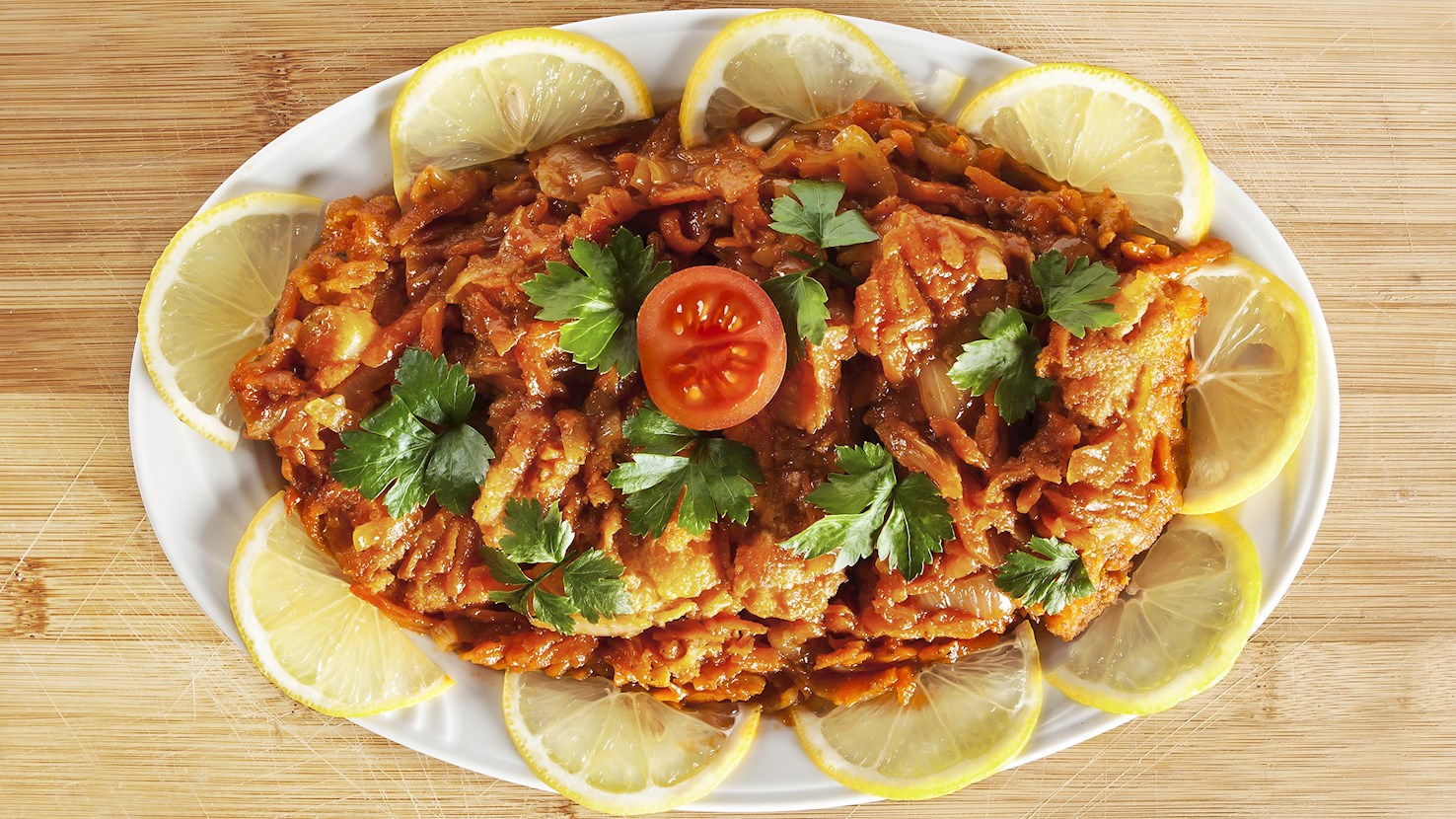
Ryba po grecku is a traditional fish dish originating from Poland. Although there are variations, the dish is usually made with a combination of fish fillets (cod, haddock, tilapia, perch, pike, etc.), carrots, celery, leeks, parsley, onions, oil, tomato paste, lemon juice or vinegar, bay leaves, paprika, salt, and pepper. The fillets are seasoned with salt and pepper, fried in oil on both sides, and set aside. The carrots and celery are grated and mixed with the other chopped vegetables before the mixture is sautéed over medium heat until soft. Near the end of cooking, the rest of the ingredients are stirred in and everything is sautéed for a few more minutes. The fillets are placed in a glass dish and topped with the vegetables. The process is repeated until everything is layered and used up, and the dish is then served hot or cold. Ryba po grecku is traditionally served on Christmas Eve as an appetizer, ideally with bread and butter on the side.
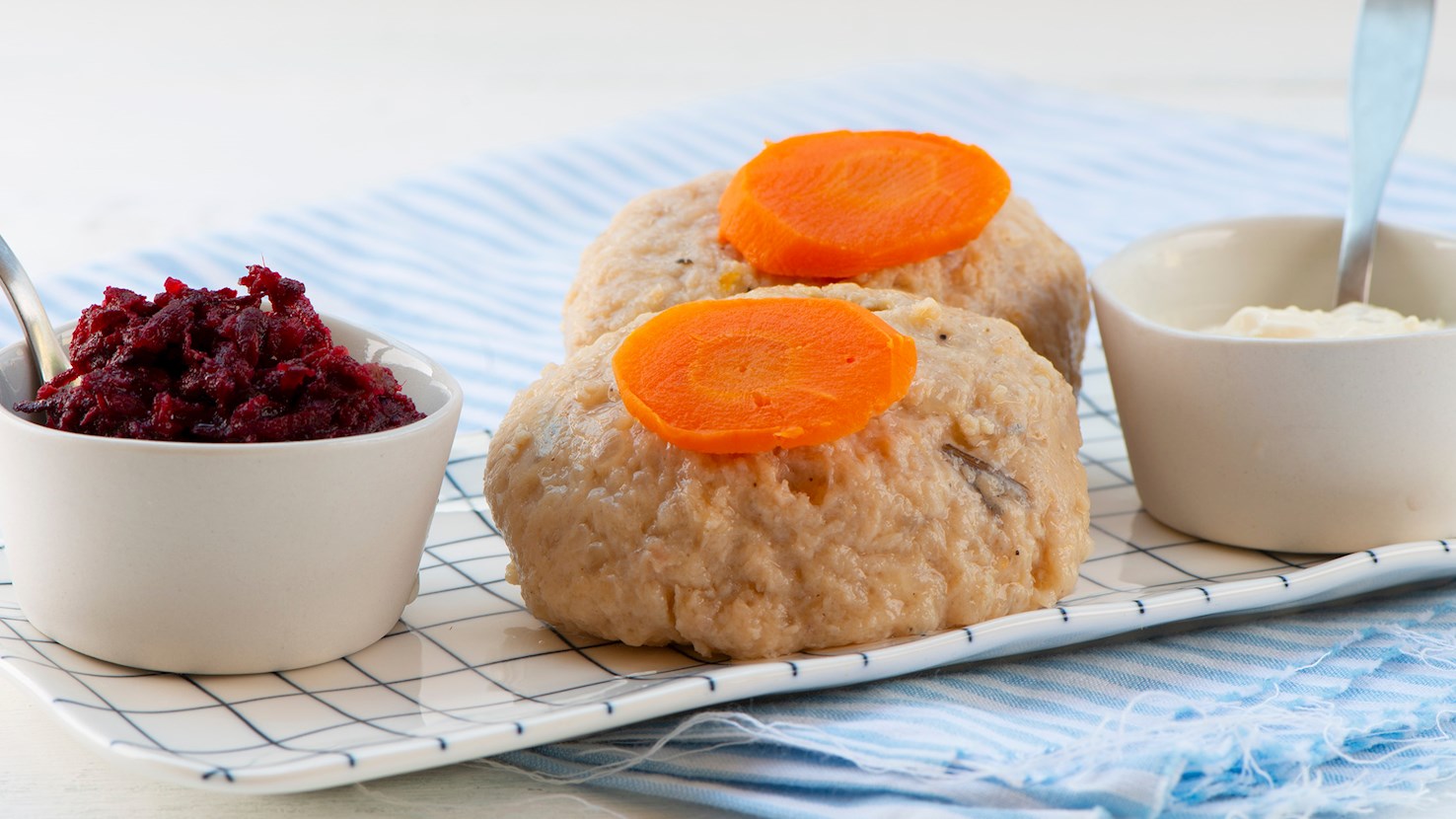
Gefilte fish, or stuffed fish (from gefilte, which means filled or stuffed in Yiddish), is a ubiquitous Jewish appetizer that is based on chopped or ground fish. This dish is typically prepared with ground carp, pike, or whitefish that is combined with a variety of other ingredients before it is shaped into balls or oval patties, which are then usually simmered in fish stock. Typical ingredients that go into gefilte fish include matzo meal, eggs, onions, carrots, leeks, parsley, goose fat or oil, and various seasonings and spices such as salt, pepper, allspice, sugar, cinnamon, or bay leaves. Gefilte fish may be more on the savory side, with a distinctive peppery flavor, as it is usually prepared in countries such as Lithuania and Russia, or sweet, a version that is typical of Polish cuisine. Believed to date back to medieval Germany, this specialty has been attributed to the Ashkenazi Jews, and despite the many different theories regarding its creation, the dish has most likely been invented out of poverty and the need to feed many people with as little expense as possible. Today, gefilte fish balls or patties are available in jarred or frozen versions, though many people prefer the homemade versions over the store-bought ones as these are almost always rather bland-tasting and unappetizing. The dish is usually enjoyed chilled or at room temperature, topped with boiled carrots and onions, and accompanied by a side of chrain (ground horseradish, often mixed with beets). Gefilte fish has been traditionally consumed for Shabbat, although it is also eaten for a number of Jewish holidays such as Passover Seder and Rosh Hashanah, the Jewish New Year.
Brochet au four is a traditional fish dish originating from France. The dish is usually made with a combination of pike, onions, garlic, sorrel, butter, eggs, wine, cornflour, heavy cream, breadcrumbs, parsley, thyme, bay leaves, salt, and pepper. The fish is scaled, gutted, washed, and stuffed with a combination of breadcrumbs soaked in cream, butter-sautéed onions, garlic, and sorrel; breadcrumbs, eggs, salt, and pepper. The opening is sewn shut and the stuffed pike is placed on top of the onions and herbs in a roasting tin. The dish is seasoned with salt and pepper, dotted with butter, and roasted in the oven while being basted during the process. Once done, the pike is served on a platter with a warm sauce consisting of cornflour, heavy cream, and leftover onions and pan juices.
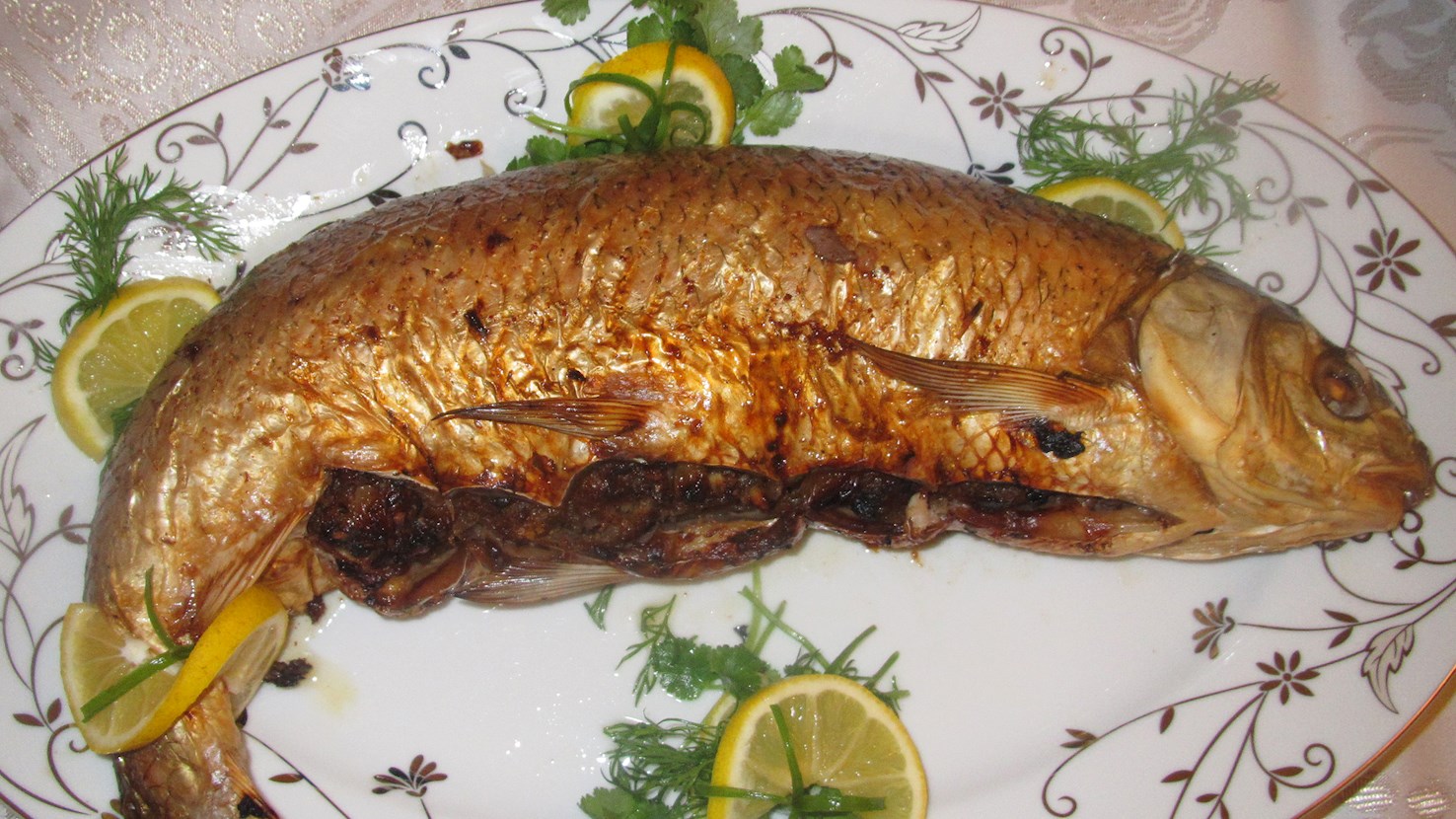
Baliq levengi is a traditional fish dish originating from Azerbaijan. The dish is usually made with a combination of fish, onions, walnuts, dried fruit such as raisins, butter, salt, and pepper. First, the fish is rubbed with salt and the cavity is stuffed with a mixture of ground walnuts, grated onions, raisins, butter, salt, and pepper. The cavity is sewn shut or skewered to keep it intact, and the fish is then baked in the oven until fully cooked. Once done, baliq levengi is presented on a platter and it’s often garnished with pomegranate seeds and onions rings. It’s recommended to serve the dish with rice pilaf on the side.
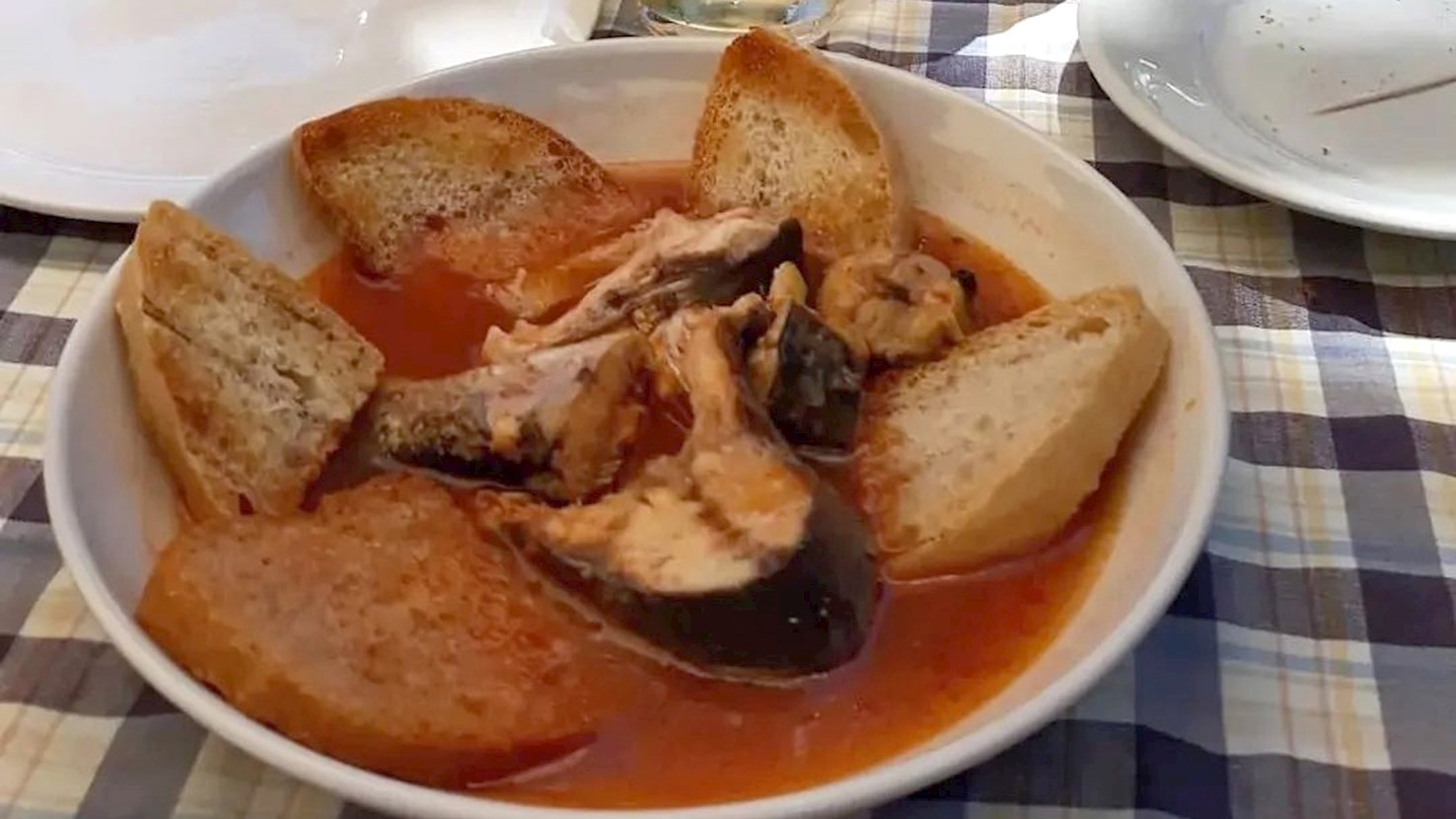
Sbroscia or zuppa di lago is a traditional fish soup originating from the Bolsena area. The soup is usually made with a combination of fish from the Bolsena lake, mint, potatoes, onions, garlic, tomatoes, stale bread, hot peppers, olive oil, and salt. This old dish was most commonly made by fishermen, and the lake's water is traditionally used to prepare the fish soup. The fish used in the soup are often sliced tench, eel, pike, and perch. The soup is cooked in earthenware vessels until everything is fully cooked and the consistency becomes dense. Sbroscia is typically served in deep bowls and it's accompanied by slices of toasted stale bread.
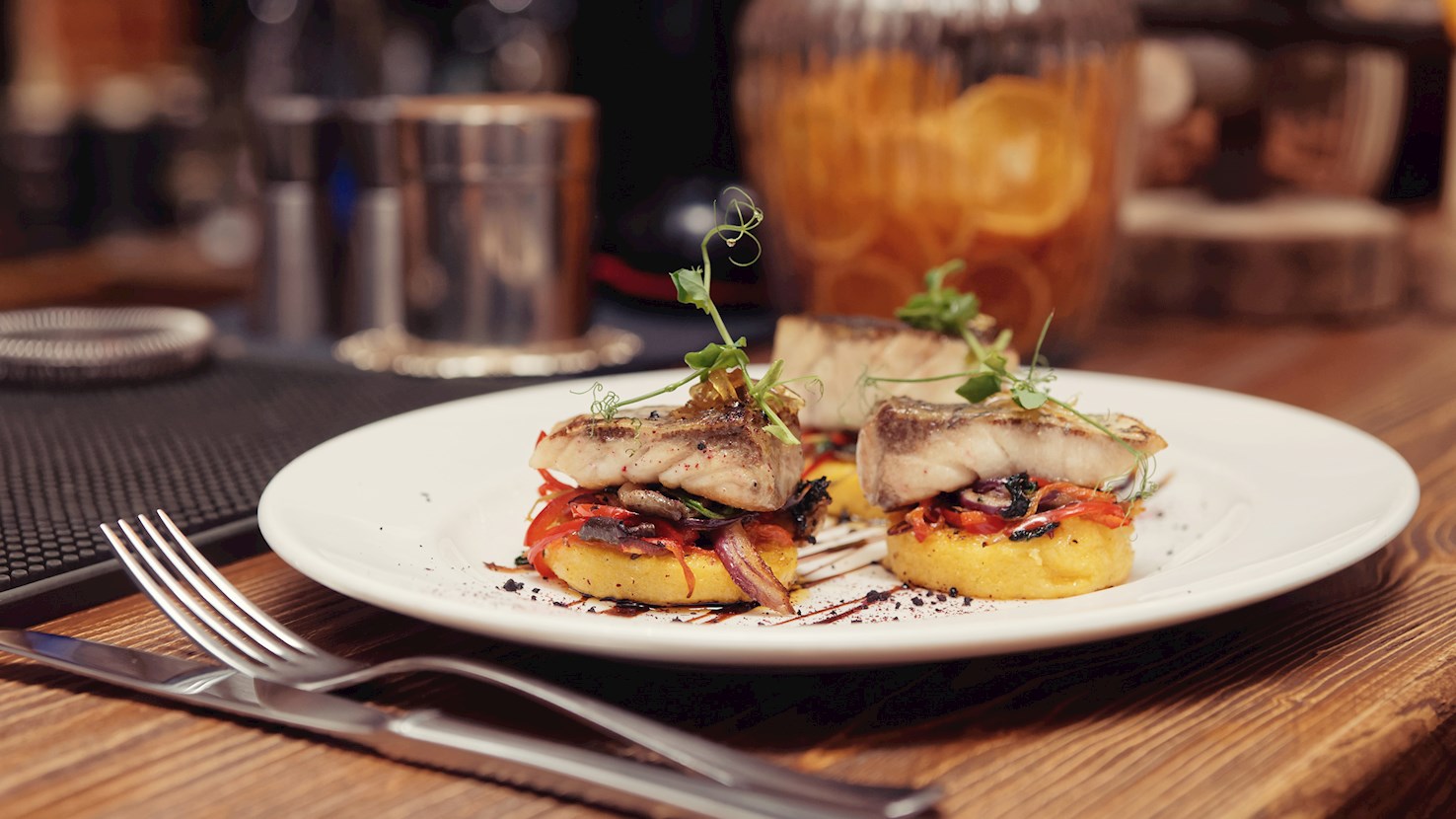
This simple fish dish combines cooked pike and an aromatic anchovy-based sauce. The dish hails from Verona and is especially popular around the areas surrounding Lake Garda. The fish is first cooked, typically in a broth flavored with onions, carrots, celery, and herbs. After they are thoroughly cleaned, pike fillets are served with a dressing that consists of anchovies, garlic, capers, parsley, and olive oil. This traditional dish is usually served with polenta and pairs well with local white wines.
Hiecht mat kraiderzooss is a fish specialty hailing from Luxembourg. The dish consists of poached pike finished with a green sauce that is flavored with a splash of Riesling wine. Cleaned and scaled fish is first cooked in a stock of vegetables and herbs such as carrots, onions, celery, bay leaves, and peppercorns. Once the fish is done, it is placed on a serving platter and covered with a sauce made by combining the stock with sorrel, chervil, cream, parsley, chives, salt, and pepper. This fish delicacy is usually served as an entrée, while typical accompaniments include boiled potatoes, a green salad, and a glass of fine Luxembourg Riesling wine.
TasteAtlas food rankings are based on the ratings of the TasteAtlas audience, with a series of mechanisms that recognize real users and that ignore bot,
nationalist or local patriotic ratings, and give additional value to the ratings of users that the system recognizes as knowledgeable.
For the “9 Best Rated Dishes with Pike” list until September 17, 2026, 1,037,817 ratings were recorded, of which 688,105 were recognized by the system as legitimate.
TasteAtlas Rankings should not be seen as the final global conclusion about food. Their purpose is to promote excellent local foods,
instill pride in traditional dishes, and arouse curiosity about dishes you haven’t tried.






What People Say