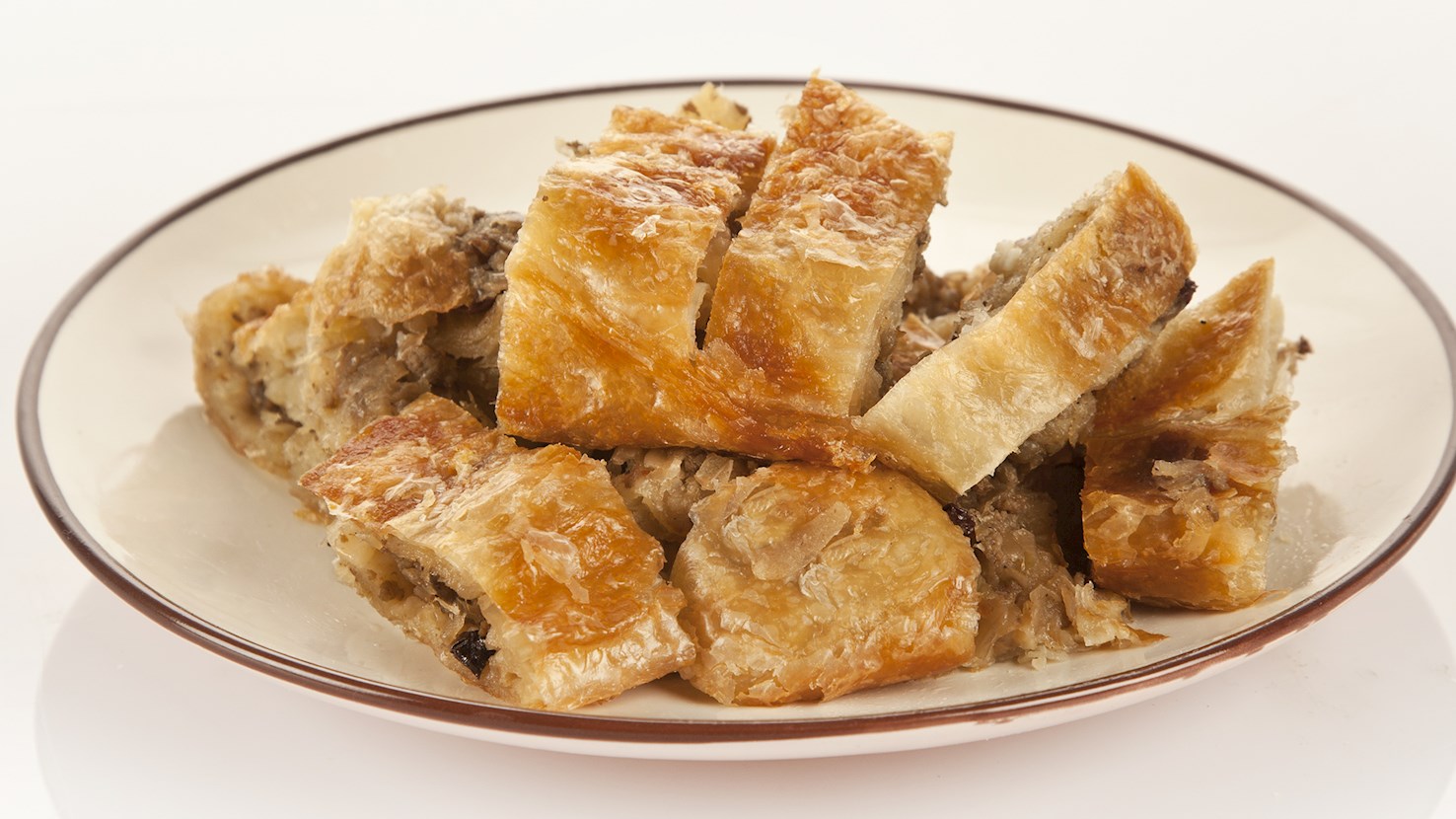
Kol böreği is a Turkish börek variety made with puff pastry that is shaped into a spiral. The pastry is filled with a variety of ingredients such as cheese, spinach, potatoes, or ground meat with pine nuts and currants. The name of the dish means arm börek, referring to the long, arm-like visual appearance of the pastry. After it has been baked at low temperature, kol böreği is typically cut into smaller pieces.
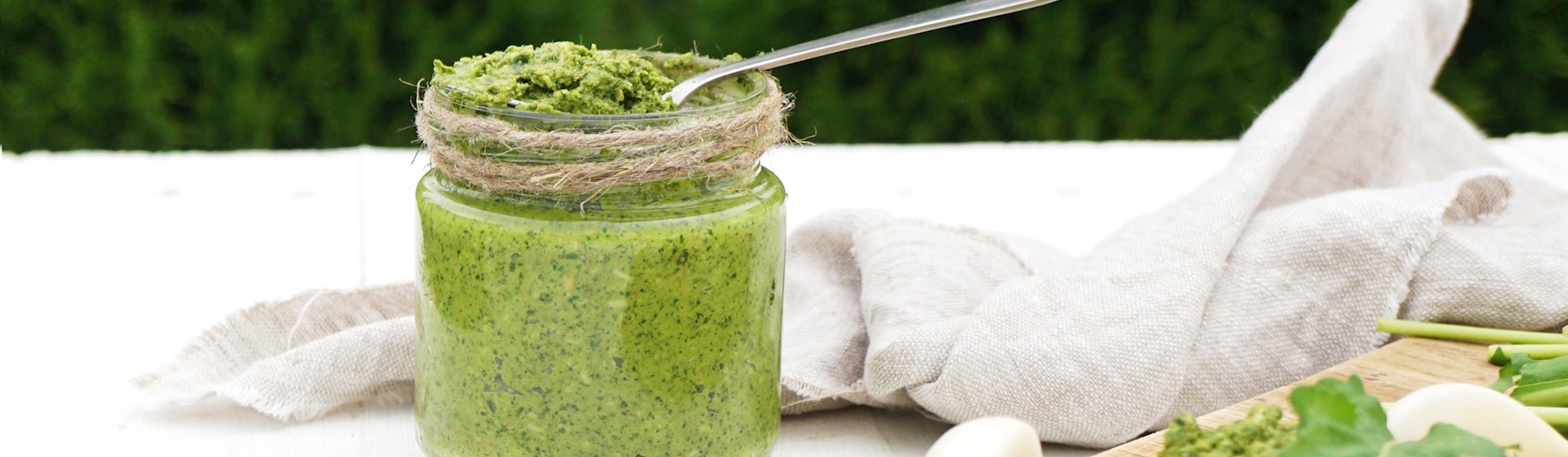
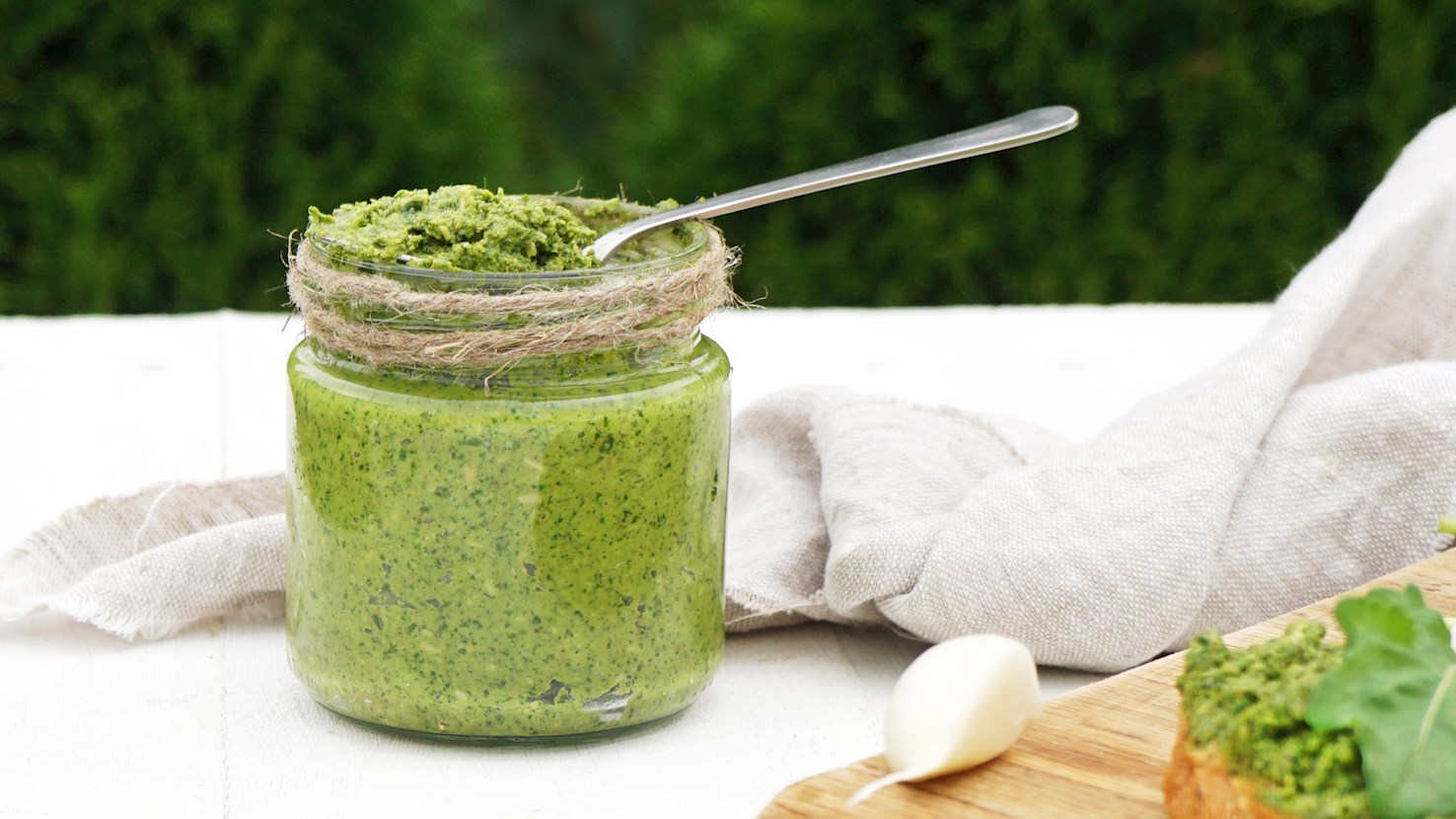
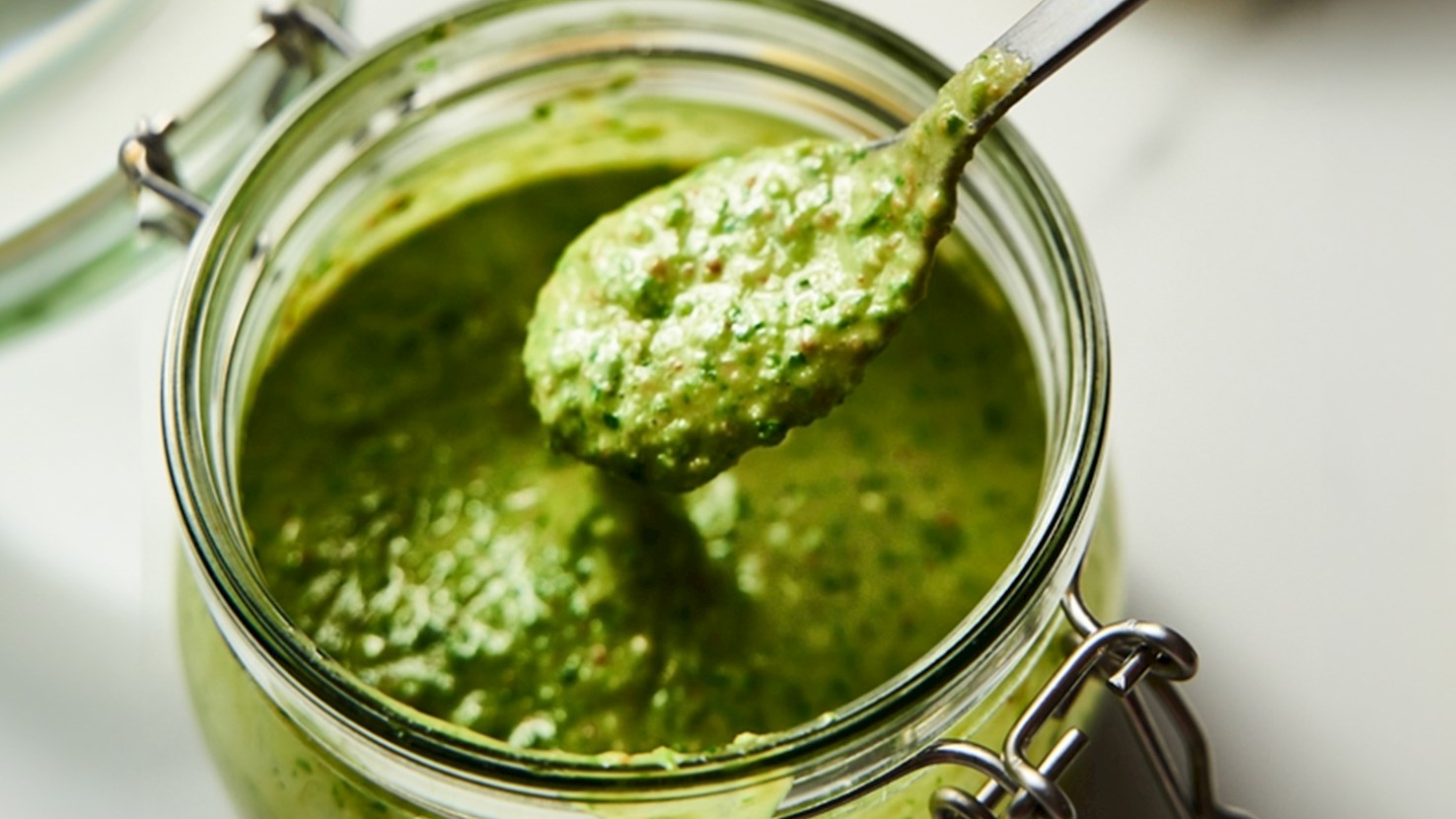
Pesto di rucola, or arugula pesto, is a vibrant Italian sauce made with fresh arugula (rocket), offering a peppery and slightly bitter alternative to traditional pesto. The sauce is prepared by blending arugula with nuts (typically almonds, walnuts, or pine nuts), grated Parmesan or Pecorino cheese, garlic, olive oil, and optional additions like lemon juice to balance the bitterness. This smooth, flavorful paste is versatile and pairs beautifully with pasta, bread, salads, or as a topping for grilled meats and vegetables. Its bold and fresh flavor, highlighted by the distinctive peppery taste of arugula, makes it a favorite for those seeking a unique twist on a classic Italian condiment.
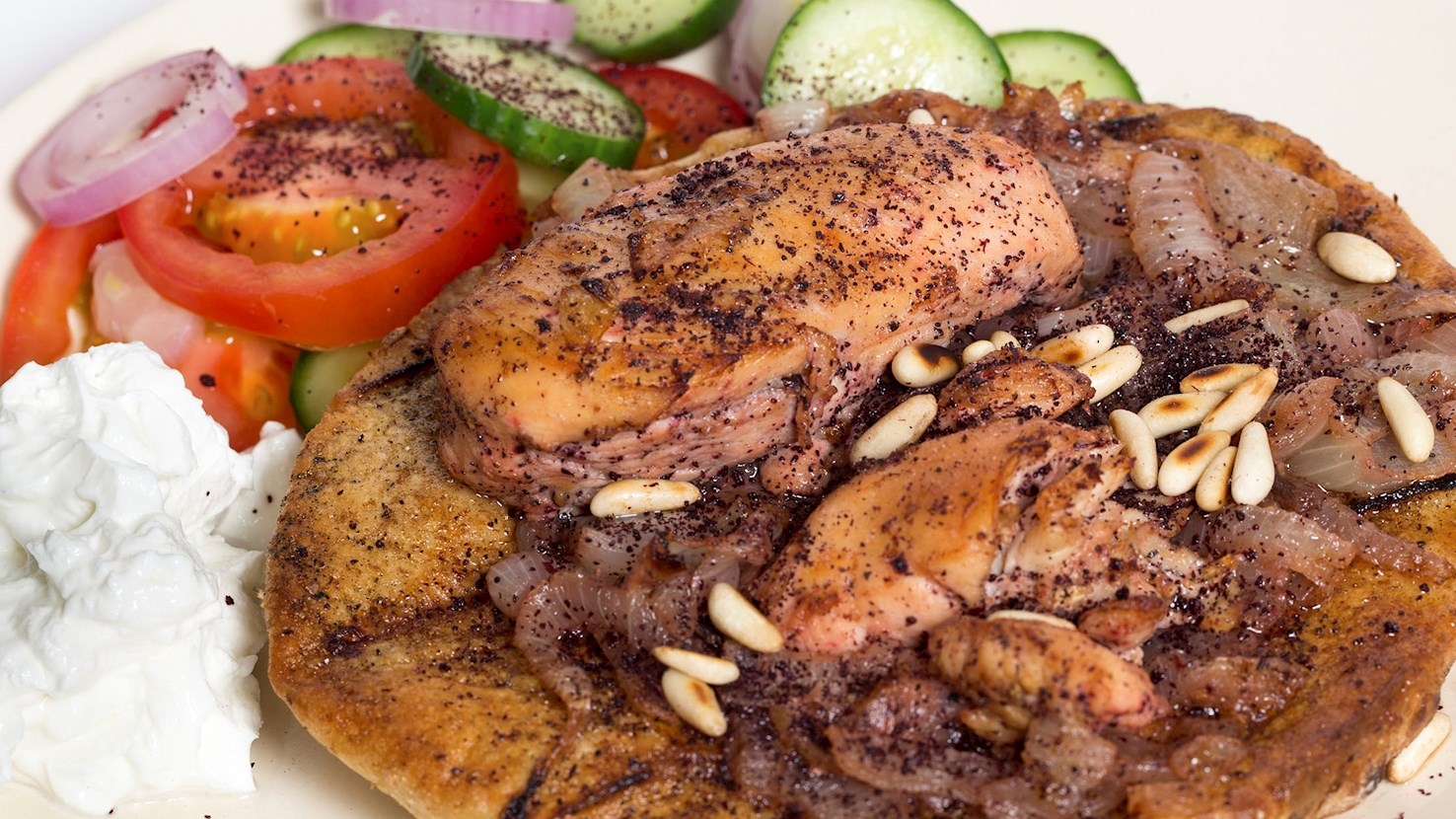
Musakhan is a roasted chicken half baked with coarse onions, tart sumac, and heavily infused olive oil, all resting on top of a thick, dimpled flatbread called taboon. The name of the dish comes from the Arabic word sakhan, which once translated, reveals the method of preparing — something that's heated. The origins of this meal connect directly to the autumn olive harvest in the rural Levant. Farming communities created this heavy, calorie-dense meal to celebrate the pressing of the year's first olive oil. Fresh, unfiltered olive oil forms the absolute foundation of the entire process. This means the quality of the oil directly dictates the final flavor of the meat and bread. A large volume of this newly pressed oil goes into a wide, heavy pot to slowly soften roughly chopped white or yellow onions. The heat remains intentionally low so the onions turn translucent and sweet without browning or turning to mush. Copious amounts of ground sumac go directly into the warm oil and onions. Sumac is a deep crimson spice crushed from the dried berries of the Rhus coriaria shrub. It provides a sharp, citrusy acidity that cuts through the oil's rich fat and prevents the rich meal from becoming overwhelming. A spice blend of ground allspice, cinnamon, black pepper, and sometimes a pinch of nutmeg coats the raw, bone-in chicken pieces. The poultry roasts in a hot oven until the skin turns dark red and crisp. The base of the meal is taboon, a specific flat, round bread baked on hot river stones inside a conical clay oven. The intense heat of the stones leaves deep indentations and char marks on the surface of the dough. These specific pockmarks act as small reservoirs to catch and hold the spiced oil and meat juices. Building the final plate requires laying the freshly baked bread on a large circular tray. The heavily spiced onion mixture spreads in a thick, dark red layer over the entire surface of the bread. This spread allows the oil to seep directly into the crumb. The roasted chicken pieces sit directly on top of the onions. A final handful of pine nuts or slivered almonds, previously fried in hot oil until completely golden brown, goes over the meat to add a sharp, buttery crunch. Musakhan is eaten entirely with their hands. They tear off pieces of the oil-soaked bread and use it to pinch the soft chicken meat, sweet onions, and toasted nuts. The combination provides a direct balance of rich fat, acidic sumac, sweet onions, and savory roasted poultry.
This baklava variety consists of chopped or ground nuts that are placed between two layers of shredded or ground kataifi (knefe) dough. The nut filling typically includes pistachios, cashews, or pine nuts, and the whole pastry is doused in sweet syrup and results in soft and moist baklava. Basma is always served well-chilled, cut into squares, and decorated with grounds nuts. Apart from Lebanon, this baklava variety is also common in Palestine, Syria, and Jordan.
Pesto di limone, also known as lemon pesto, is a variant of the traditional Italian pesto sauce that incorporates lemon into its recipe. Originating from the Procida island near Naples, this pesto is a sauce consisting of lemon (both juice and zest), crushed garlic, pine nuts, Parmigiano-Reggiano cheese, coarse salt, basil leaves, parsley, and olive oil. The lemon introduces a bright, citrusy note to the sauce that is particularly enjoyable in summer or with seafood dishes. As with other pesto sauces, pesto di limone is often served with pasta, but it can also be used as a marinade for poultry and fish, a spread for sandwiches, a dip for vegetables, or a dressing for salads. Its versatility and fresh, vibrant taste have made it a popular choice in many contemporary Italian and Mediterranean dishes.
This baklava variety consists of layered rectangular sheets of phyllo dough that are filled with various chopped nuts. Each corner of the dough is raised to partially enclose the filling, creating a small parcel-like treat that is then doused in butter and syrup. Bukaj baklava is usually associated with Lebanon, and it is traditionally filled with pistachios or a combination of pine nuts and cashews. Its name stems from the Arabic bukjah—referring to an old tradition of creating a parcel from a piece of fabric. In the United States, it is occasionally known as bird’s nest baklava.
Asawer is prepared with phyllo dough that is rolled and swirled to create a small, round baklava. Before it is rolled, phyllo sheets are occasionally sprinkled with ground nuts, and when baked, this round pastry is doused in rose-flavored sugar syrup, while the center is filled with ground or roughly chopped nuts such as pistachios, cashews, or pine nuts. Asawer, which translates as a bracelet, is typically associated with Lebanon.
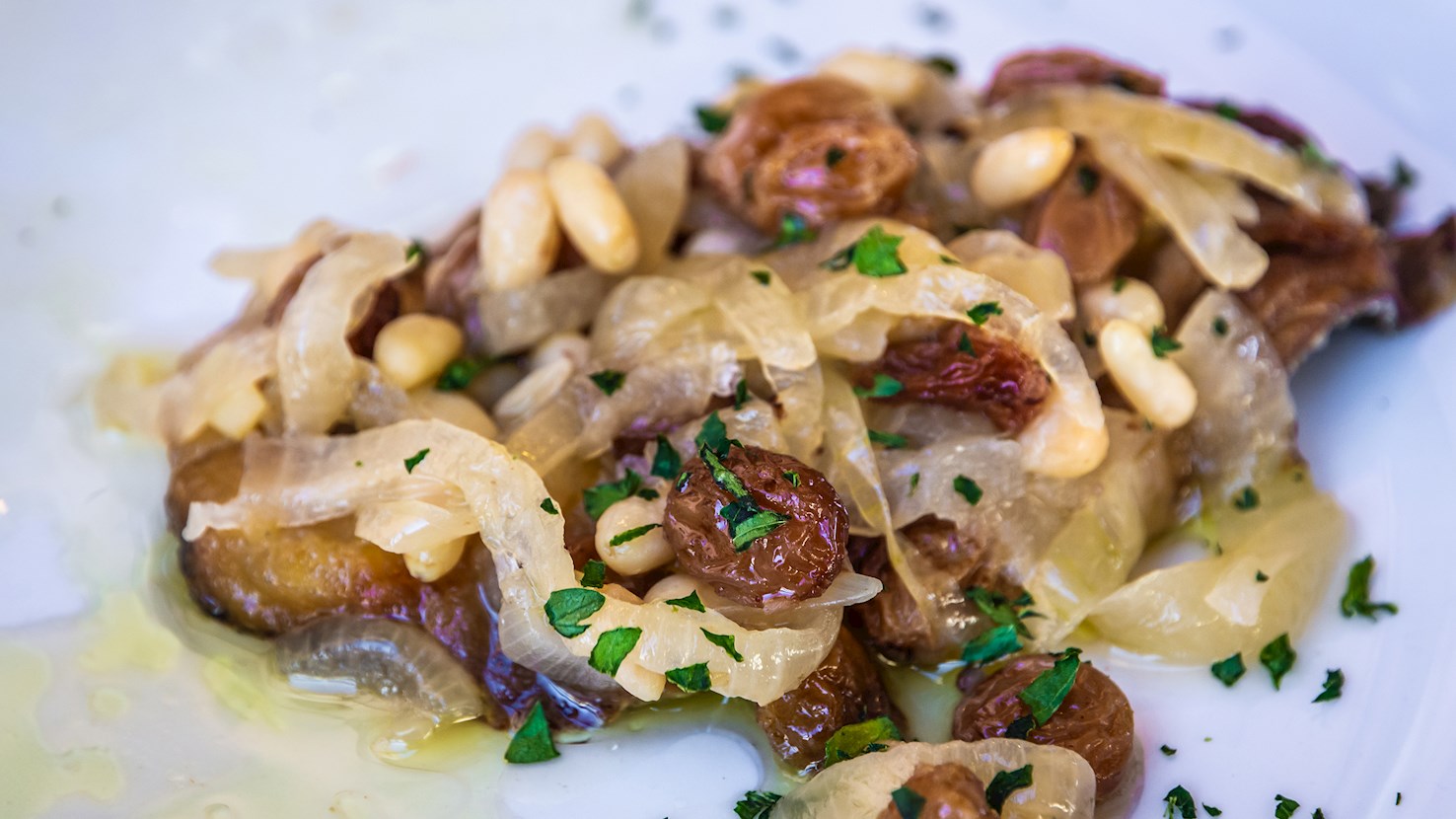
Saor is a traditional food preparation technique originating from Veneto. The word means flavor in Venetian dialect, and in the past it was used as a preservation technique by sailors during their long sea trips. Saor consists of onions (with pine nuts and raisins, although they were originally not a part of the technique) cooked in oil, vinegar, and white wine. The most famous dish made with this technique is called sarde (sardines) in saor, in which fresh sardines are fried and marinated in a mixture of white wine, vinegar, onions, pine nuts, and raisins. The onions must be white, and the variety from Chioggia is preferred. When prepared in saor, the sardines are typically accompanied by grilled polenta for a complete meal, although the dish is traditionally served as an appetizer. It is best to consume in saor dishes after they've rested for at least 24 hours. In the past, in saor wasn't limited to sardines, but to sole fish and eels as well, among others.
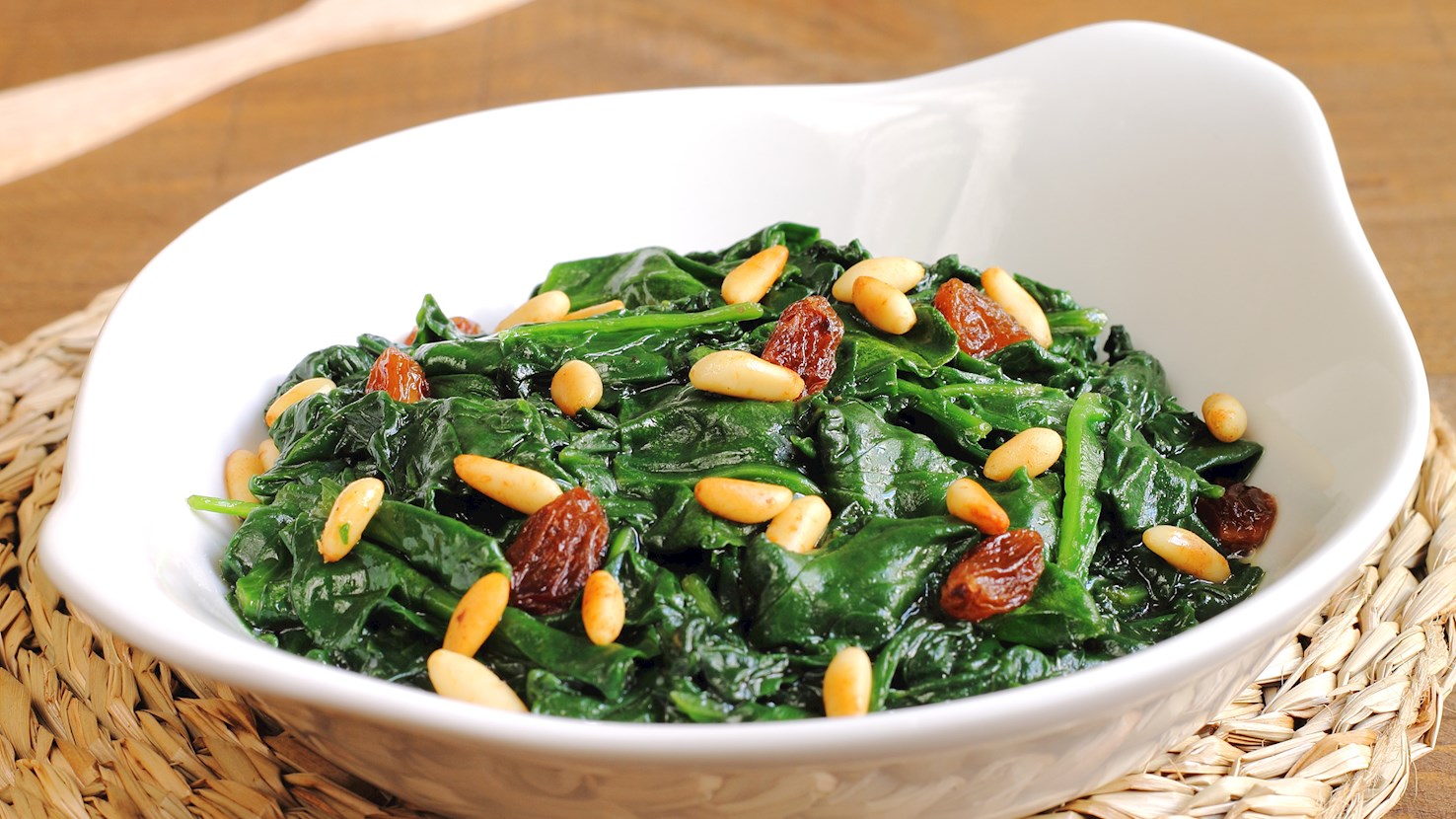
Espinacas a la catalana is a traditional dish originating from Catalonia. It's usually made with a combination of spinach, raisins, olive oil, salt, pepper, garlic, and pine nuts. The spinach is blanched, drained, and chopped. The garlic and pine nuts are sautéed in olive oil and the garlic is then removed. The raisins and spinach are added to the pan, seasoned with salt and pepper, and then fried for a few more minutes. The dish is served on small plates, and it's often accompanied by bread and ham on the side.
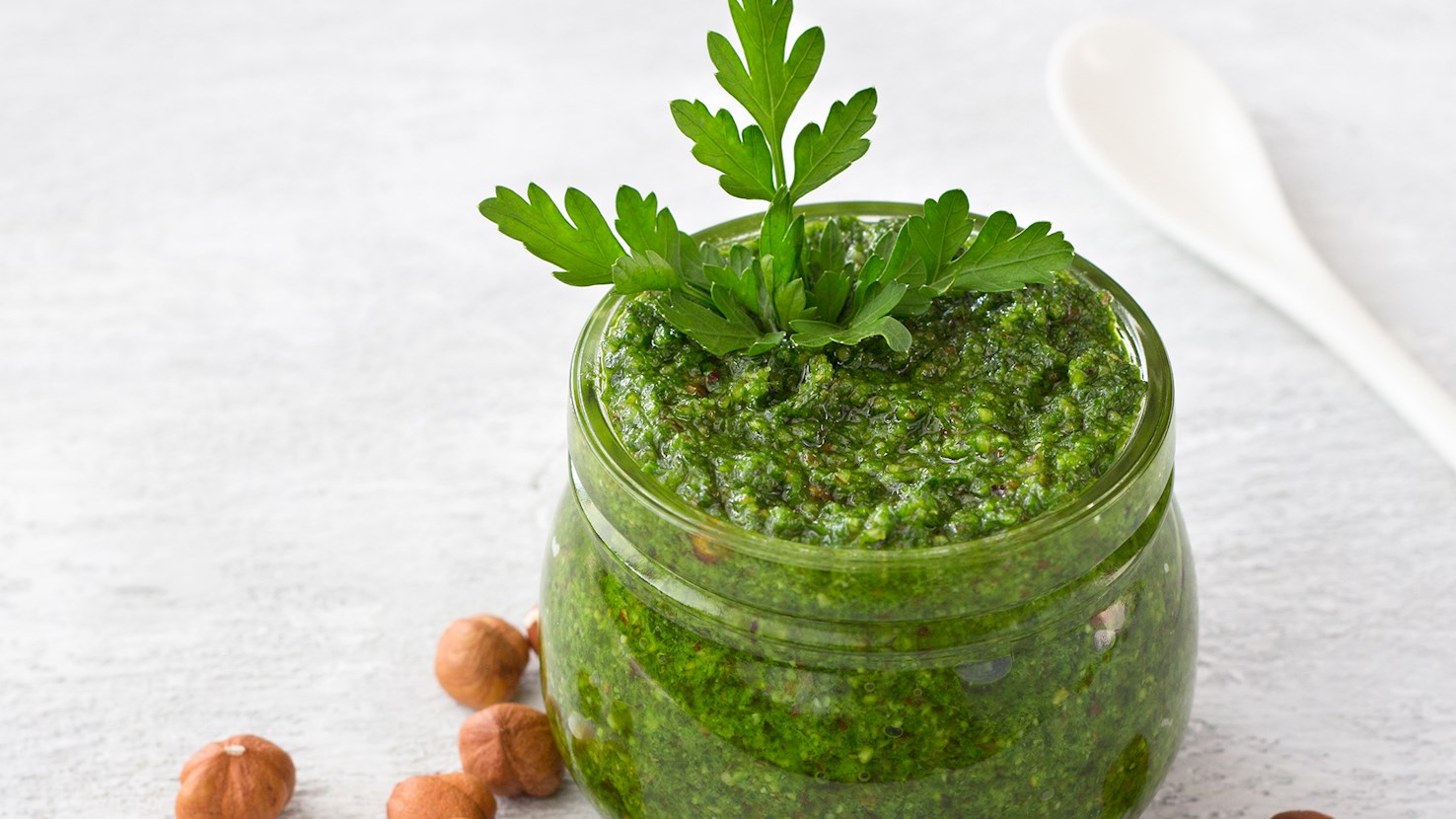
Pesto di prezzemolo is an Italian parsley-based pesto, offering a fresh and aromatic alternative to the traditional pesto Genovese. Made with parsley as the star ingredient, it provides a bright and slightly peppery flavor, complemented by garlic, pine nuts (or almonds/walnuts), Parmesan or Pecorino cheese, lemon juice, and olive oil. The ingredients are blended or pounded into a smooth, creamy sauce with a rich, nutty, and slightly salty taste. Lighter and less sweet than basil pesto, pesto di prezzemolo is versatile and can be used to toss with pasta, as a sauce for grilled fish, chicken, or steak, spread on bread or bruschetta, or as a topping for vegetables. This vibrant and flavorful sauce highlights parsley’s fresh taste, making it a cherished variation in Italian cuisine.
TasteAtlas food rankings are based on the ratings of the TasteAtlas audience, with a series of mechanisms that recognize real users and that ignore bot,
nationalist or local patriotic ratings, and give additional value to the ratings of users that the system recognizes as knowledgeable.
For the “12 Best Rated Dishes with Pine Nuts” list until September 17, 2026, 1,037,815 ratings were recorded, of which 688,105 were recognized by the system as legitimate.
TasteAtlas Rankings should not be seen as the final global conclusion about food. Their purpose is to promote excellent local foods,
instill pride in traditional dishes, and arouse curiosity about dishes you haven’t tried.






What People Say