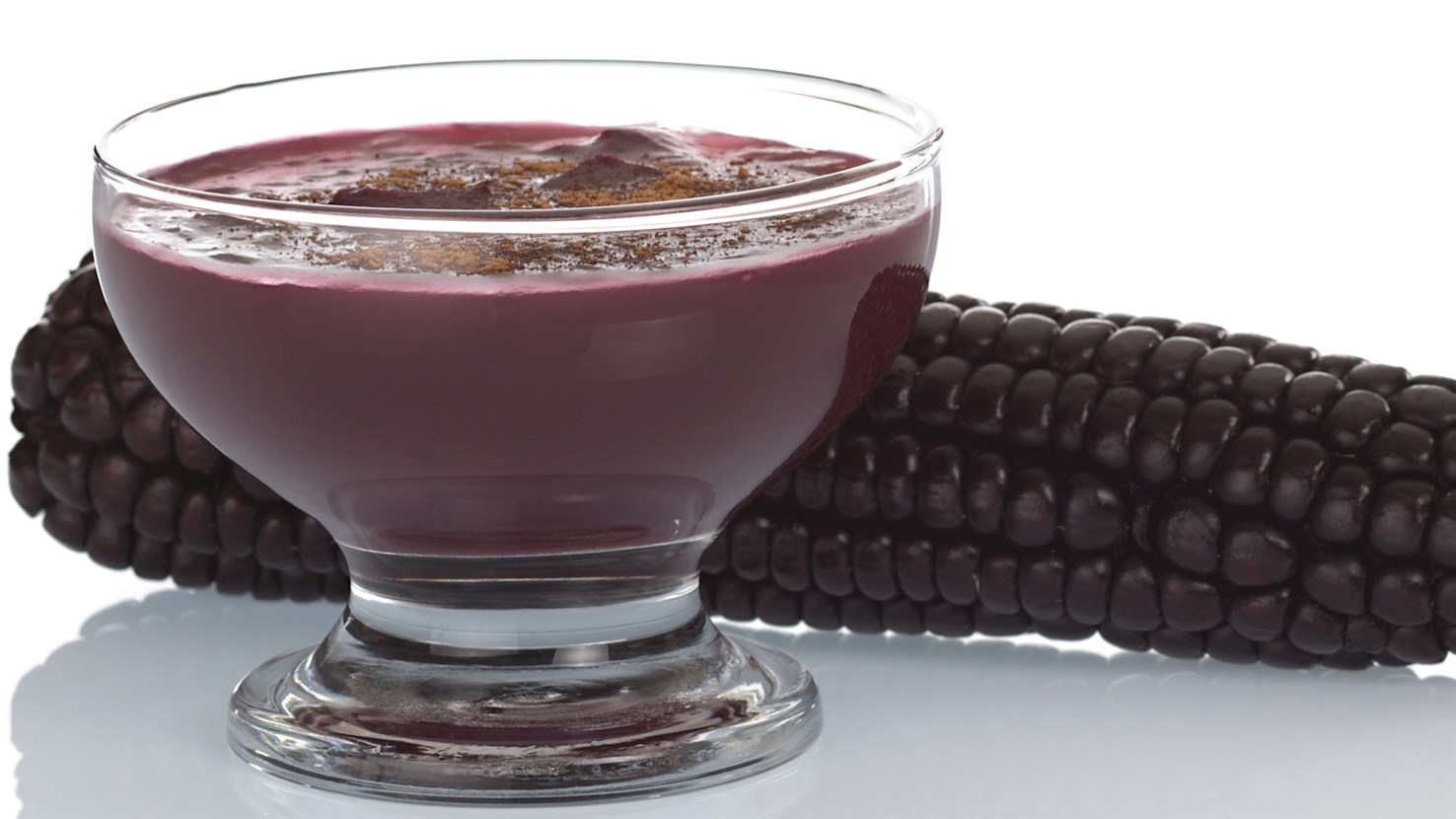
Mazamorra morada is a well-known Peruvian dessert made with purple corn as the key ingredient, giving the dessert its signature color and flavor. Besides purple corn, the pudding is made with various fruits such as apples, peaches, and pineapple, sugar, and either potato flour or corn starch as thickening agents. The dessert is traditionally spiced with cloves and cinnamon, and it is usually served cold. In Peru, it can be found at street food carts, but also in upscale restaurants.
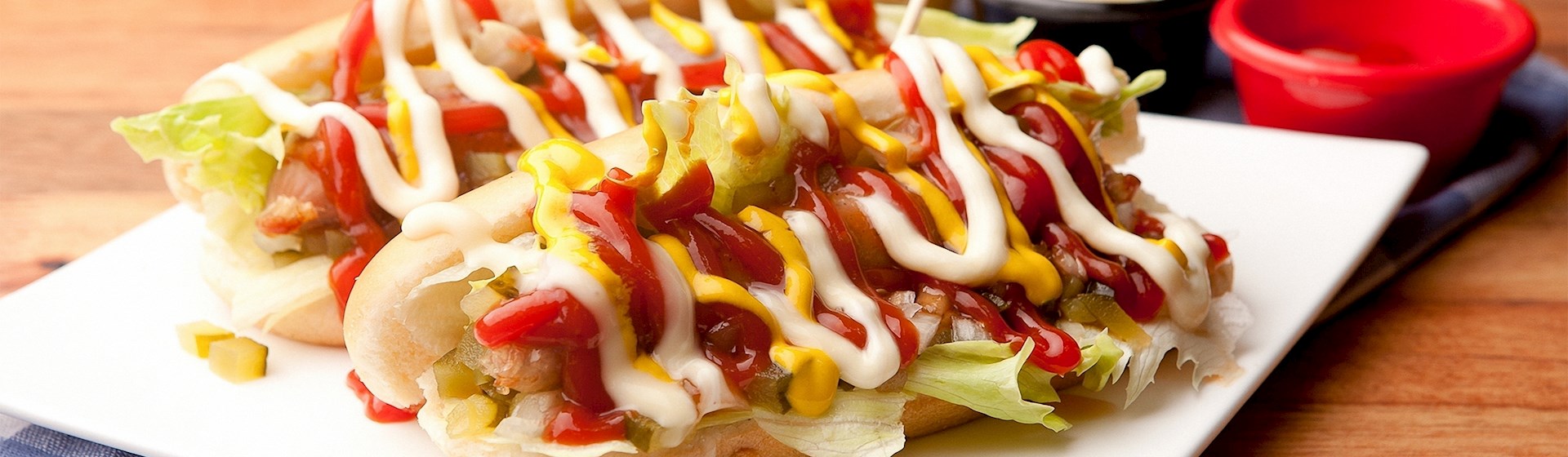
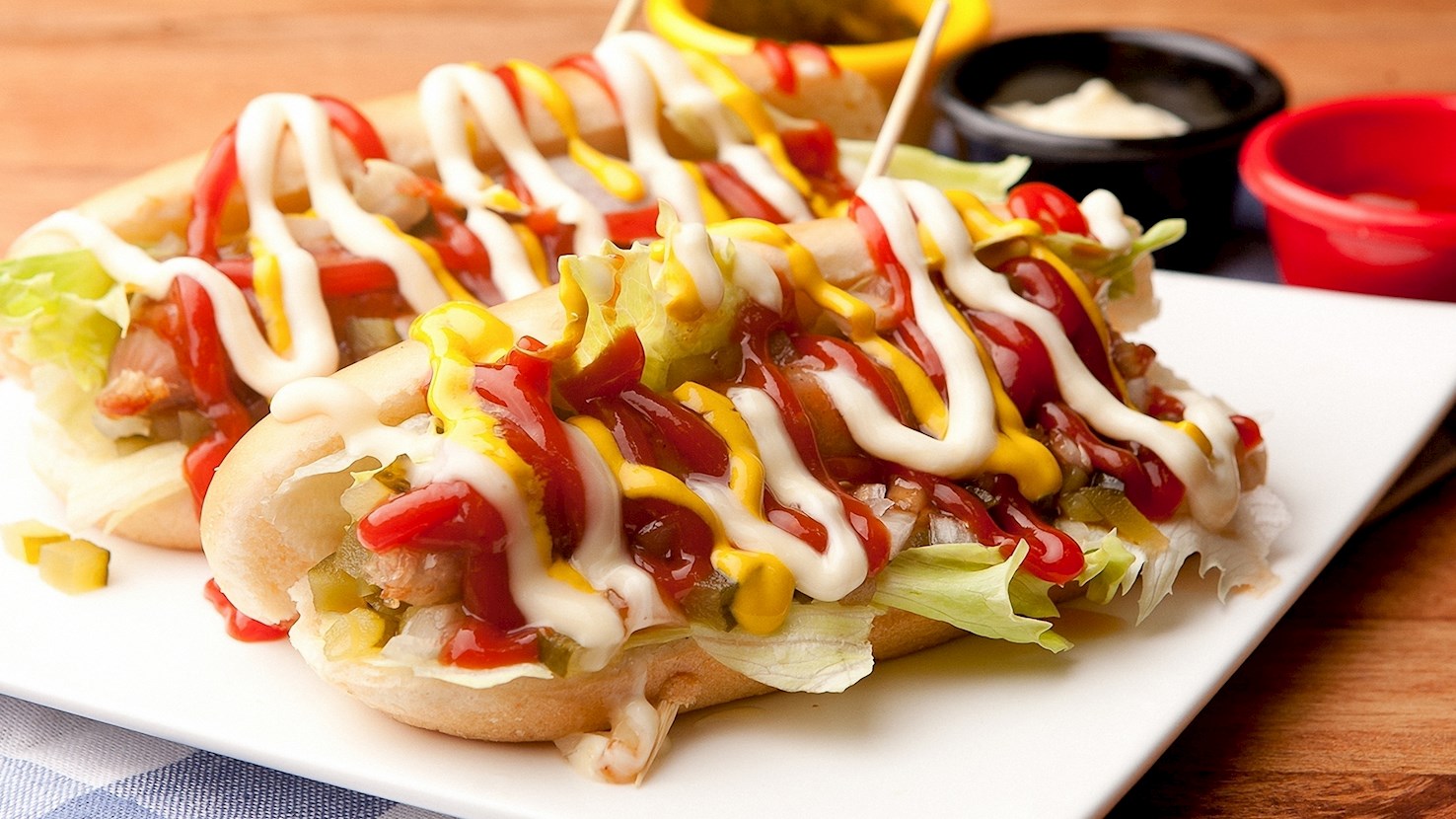
Perro caliente is a Colombian variety of the hot dog, characterized by its large size and unusual toppings. The sausage is steamed or boiled and usually topped with ingredients such as pineapple chunks, mayonnaise, ketchup, mustard, raspberries, bacon, and crushed potato chips. The whole thing is placed in a bread roll which is then wrapped in paper or served in a styrofoam boat. There are a number of regional variations of this popular fast food, so some cooks like to add a bit of lettuce or a quail's egg on top. Perro caliente can be found on numerous street stands in Colombia, but it is also very popular in the United States of America, especially in the Queens area of New York City.
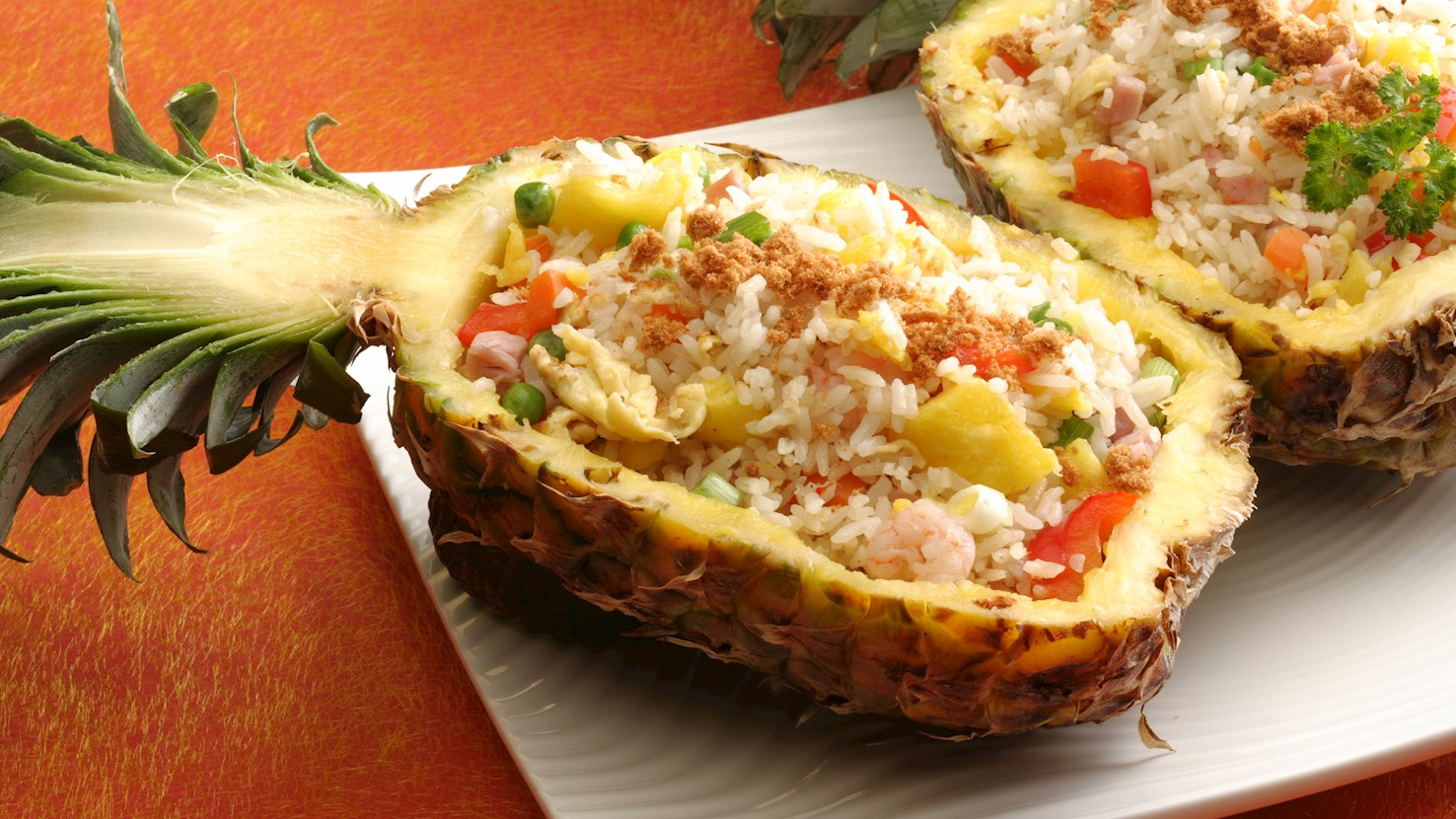
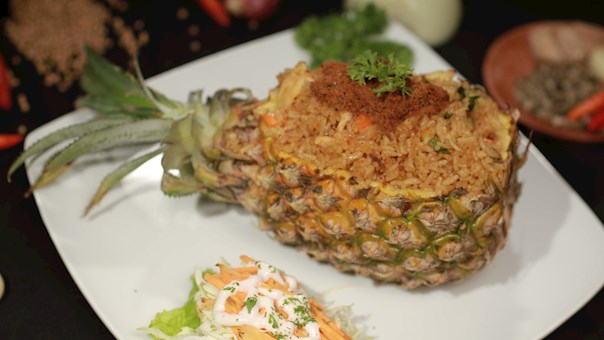
Khao op sapparot is a traditional rice dish. Although there is no set list of ingredients, the dish is made with a combination of rice that's at least a day old, garlic, ginger, onions, shallots, stir-fry sauce, and pineapple chunks. The garlic, ginger, and onions are fried in oil, followed by the rice and pineapple pieces. The ingredients are tossed together and the dish is seasoned with salt and pepper. Khao op sapparot is often served in a carved pineapple shell and it's typically garnished with chopped spring onions on top. The dish can also be enriched with pieces of chicken, raisins, crunchy cashews, or chopped chili peppers.
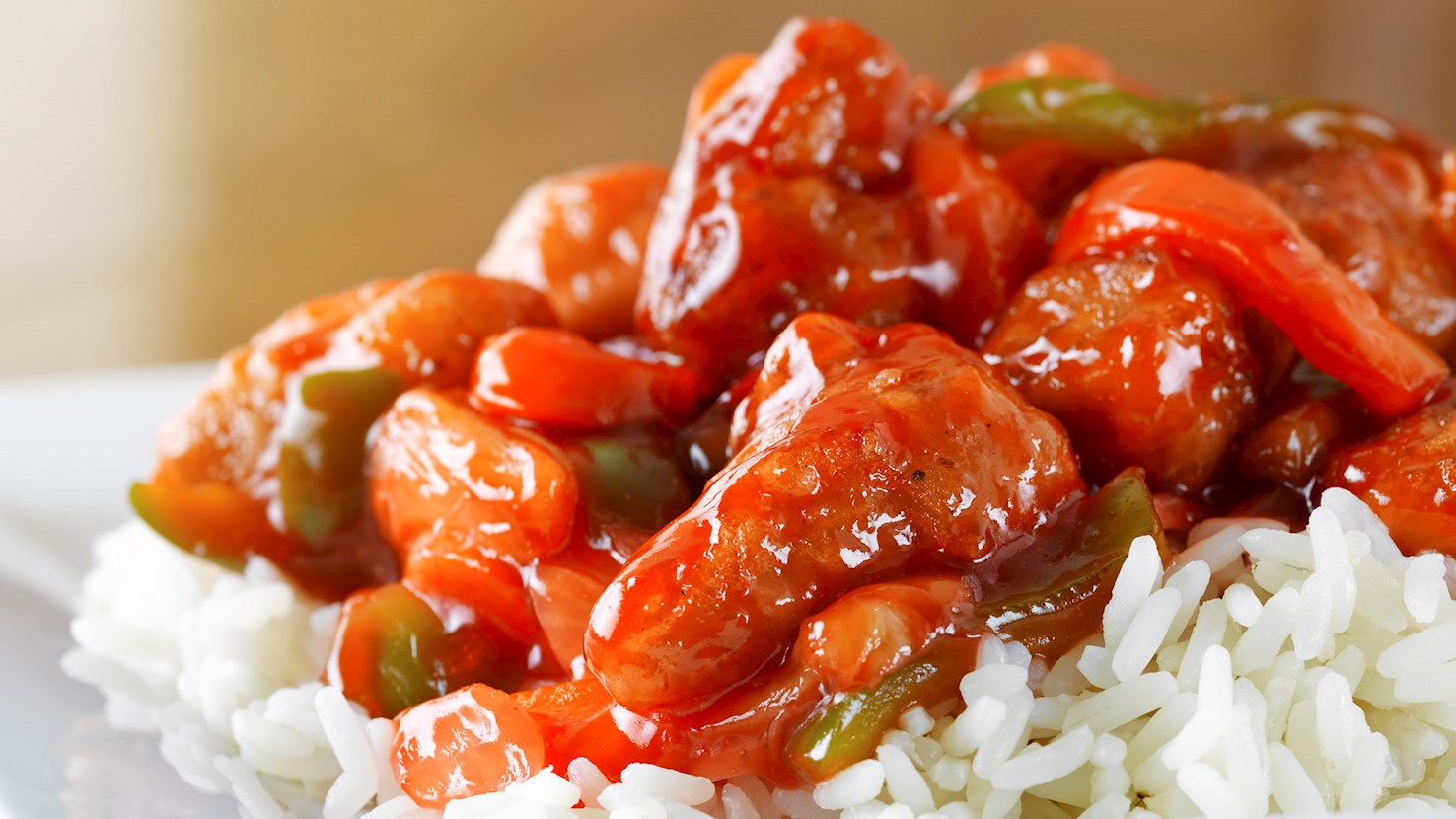
Gūlūròu, widely celebrated across the globe as sweet and sour pork, consists of bite-sized morsels of pork that are expertly battered, deep-fried to a shattering crispness, and rapidly tossed in a vibrant, perfectly balanced, sweet and tangy glaze. Originating in the bustling, cosmopolitan port city of Guangzhou during the Qing Dynasty, this iconic dish emerged from a unique cultural cross-pollination, designed by resourceful local chefs to appeal to both traditional Chinese palates and the foreign merchants who frequented the region's trading hubs. The etymology of its whimsical name, which translates phonetically to "gulu meat," is deeply rooted in local culinary lore; many food historians suggest the word "gulu" represents the audible, involuntary gulping sound of saliva that diners make when presented with the dish's intoxicating, acidic aroma, while others believe it mimics the rhythmic bubbling of the thick, caramelized sauce reducing in a scorching wok. Achieving the perfect gūlūròu requires rigorous attention to textual contrast and temperature control, beginning with the selection of well-marbled pork collar or pork belly, which provides the necessary fat to ensure the meat remains succulent during the intense cooking process. The pork is lightly marinated, dredged in a starchy coating—often using sweet potato starch for maximum crunch—and subjected to a crucial double-frying technique in which an initial fry cooks the meat through, and a second, hotter flash-fry hardens the exterior into a golden, protective armor. The true soul of the dish, however, lies in its brilliant, ruby-hued sauce, a complex reduction that historically relied on the natural tartness of Chinese hawthorn berries, sour plums, and rice vinegar, though modern iterations frequently incorporate ketchup—a testament to historical Western trade influences in the region—to achieve its signature color and fruitiness. When the blistering hot, crispy pork is reintroduced to the wok alongside crisp bell peppers, onions, and chunks of juicy pineapple, it is tossed just long enough for the thick, glossy sauce to cling to the craggy surface of the batter without breaching it. The resulting culinary experience is a marvel of textural engineering and flavor harmony, offering diners a thrilling combination of a sticky, sweet-and-sour exterior giving way to a rich, savory, and incredibly tender bite of pork, firmly securing its legacy as one of the most beloved and globally recognized pillars of Chinese gastronomy. Because Gūlūròu is intensely flavorful, sticky, and rich, it is traditionally served with accompaniments that provide balance and act as a neutral canvas for the vibrant sauce, most notably mounds of fluffy steamed jasmine rice to soak up the glaze, crisp garlic-tossed greens like gai lan or bok choy to cut through the heavy batter, and light, palate-cleansing broths like winter melon or egg drop soup, all harmoniously washed down with a restorative, fat-cutting cup of warm, astringent oolong or pu-erh tea.
Morcela com ananás is a traditional dish originating from the Azores. It's made with a combination of morcela black pudding, olive oil, bread, salt, pepper, garlic, and pineapple slices. The bread is cut into pieces and toasted, then drizzled with olive oil. The morcela is cut into large pieces, grilled, then seasoned with salt, pepper, and garlic before it's arranged on top of the pineapple slices. The dish is traditionally served as an appetizer, with toasted bread on the side.
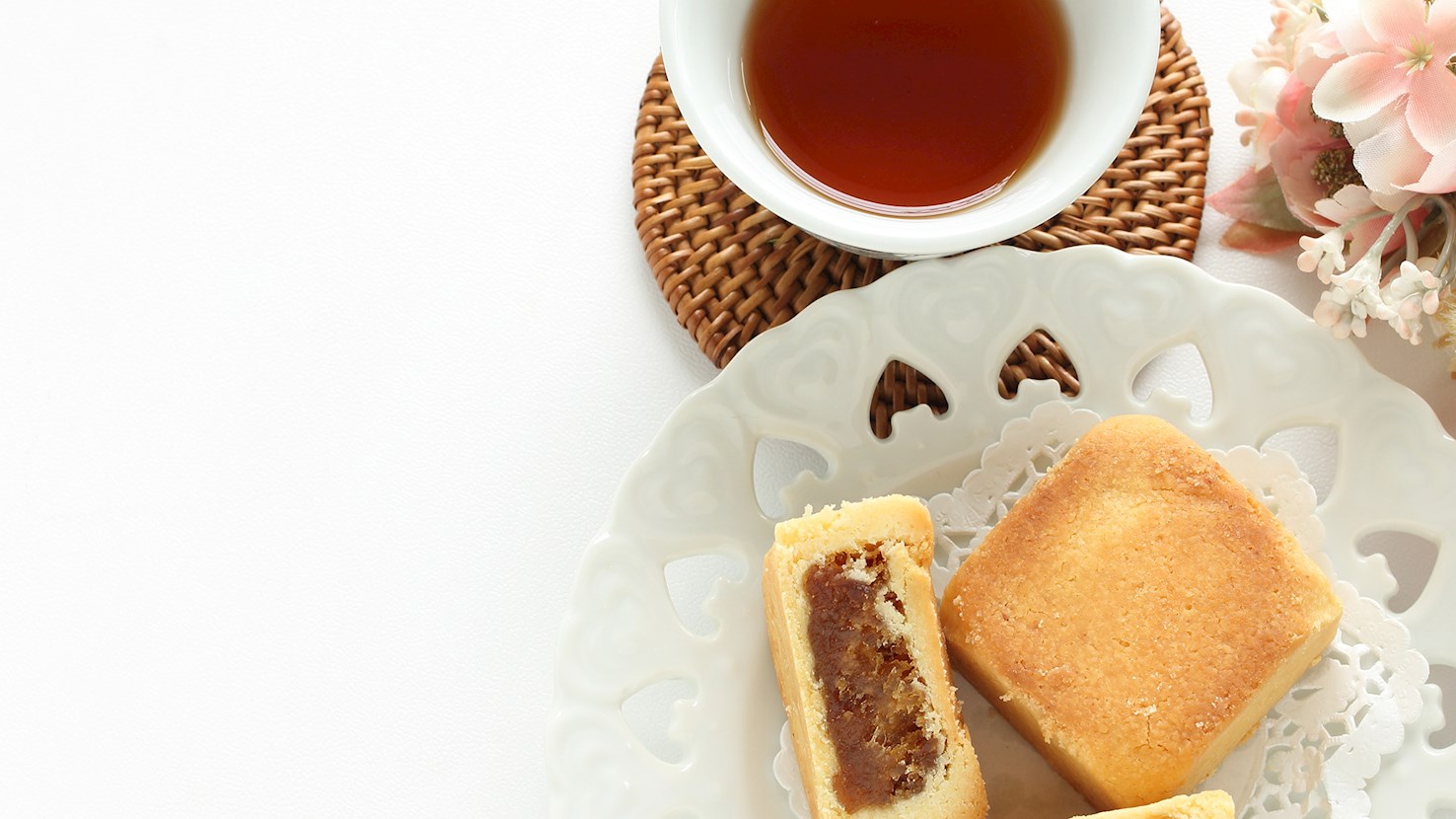
Fènglísū are Taiwanese pineapple cakes, one of the country's most popular desserts and souvenirs. The cakes consist of a buttery, crumbly crust that is filled with a tangy, slightly sweet pineapple jam. The name of the dish is derived from fèng lí, meaning pineapple, and sū, meaning shortcake. Originally, they were prepared during the period of China's Three Kingdoms Dynasty. The three kingdoms were separated into Wei, Shu, and Wu kingdoms, and the emperor of Shu wanted to marry a sister of Wu's emperor, so he sent a large pineapple cake as a gift. Today, the cakes are much smaller and are one of the best-selling souvenirs in Taiwan. It is recommended to serve the cake warm, preferably with a cup of hot tea on the side.
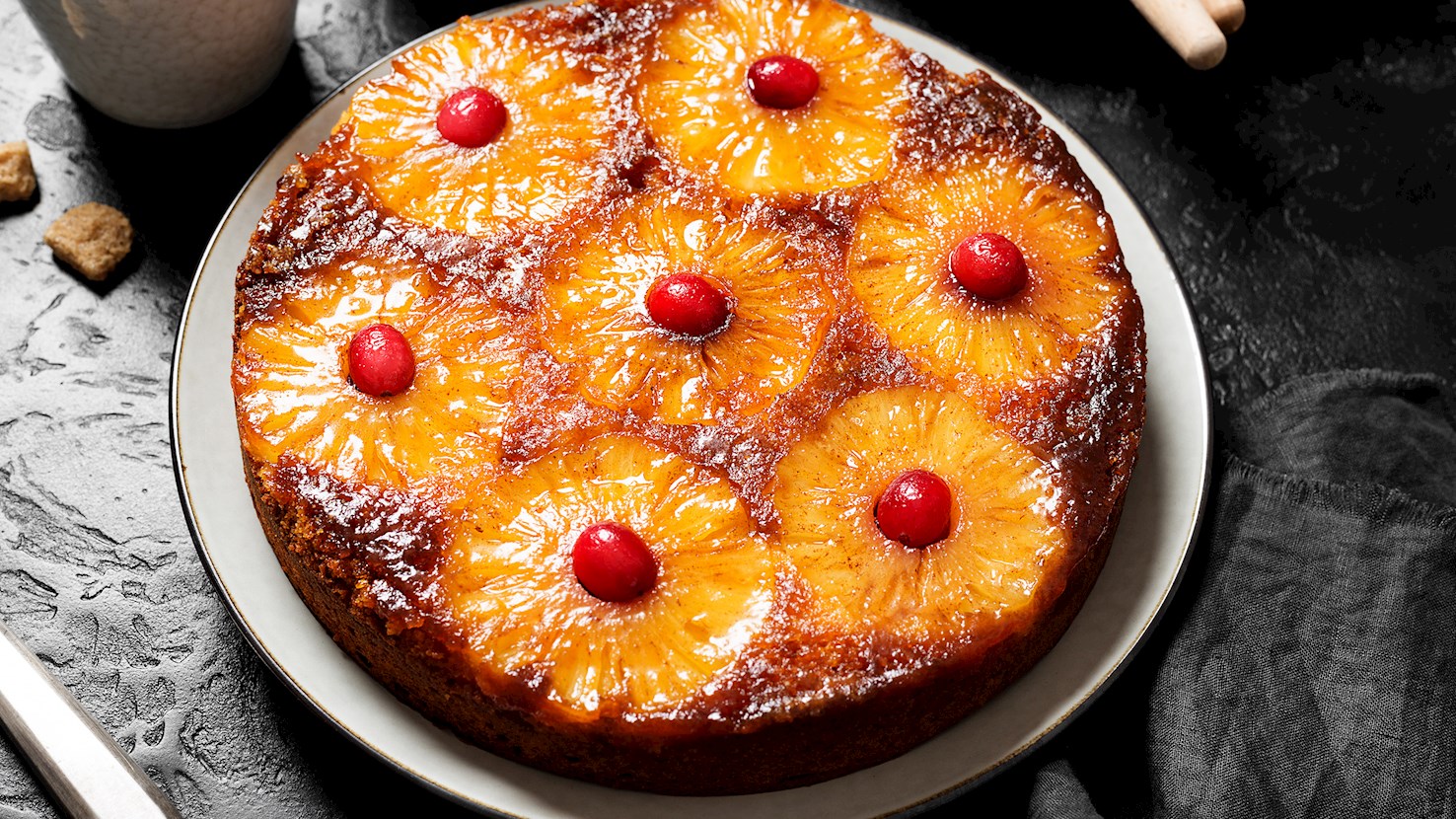
A classic all-American dessert, pineapple upside down cake consists of a layer of canned pineapple slices, Maraschino cherries, brown sugar, and butter, which are poured over with cake batter. Once the cake is baked, it is flipped, so the pineapple and Maraschino cherry layer is on top. Optionally, nuts can also be added to the layer with pineapple and cherries, and the cake batter can have different flavorings added, most commonly vanilla and lemon. Traditionally, it is baked in a cast-iron skillet on the stove, as most upside down cakes are. The oldest known recipe is from 1925, when the Hawaiian Pineapple Company (now Dole Company) made a contest looking for the best pineapple recipes. Out of 60,000 submissions, 2,500 were recipes for pineapple upside down cake, and the pineapple upside down cake recipe by Mrs. Robert Davis of Norfolk, Virginia won. Given this, it is safe to say that the cake was a known thing at that point, but when it was first created is unknown, except that the contest further popularized it. Pineapple upside down cake was extremely popular in the 1950s and the 1960s and is typically served with lots of whipped cream.
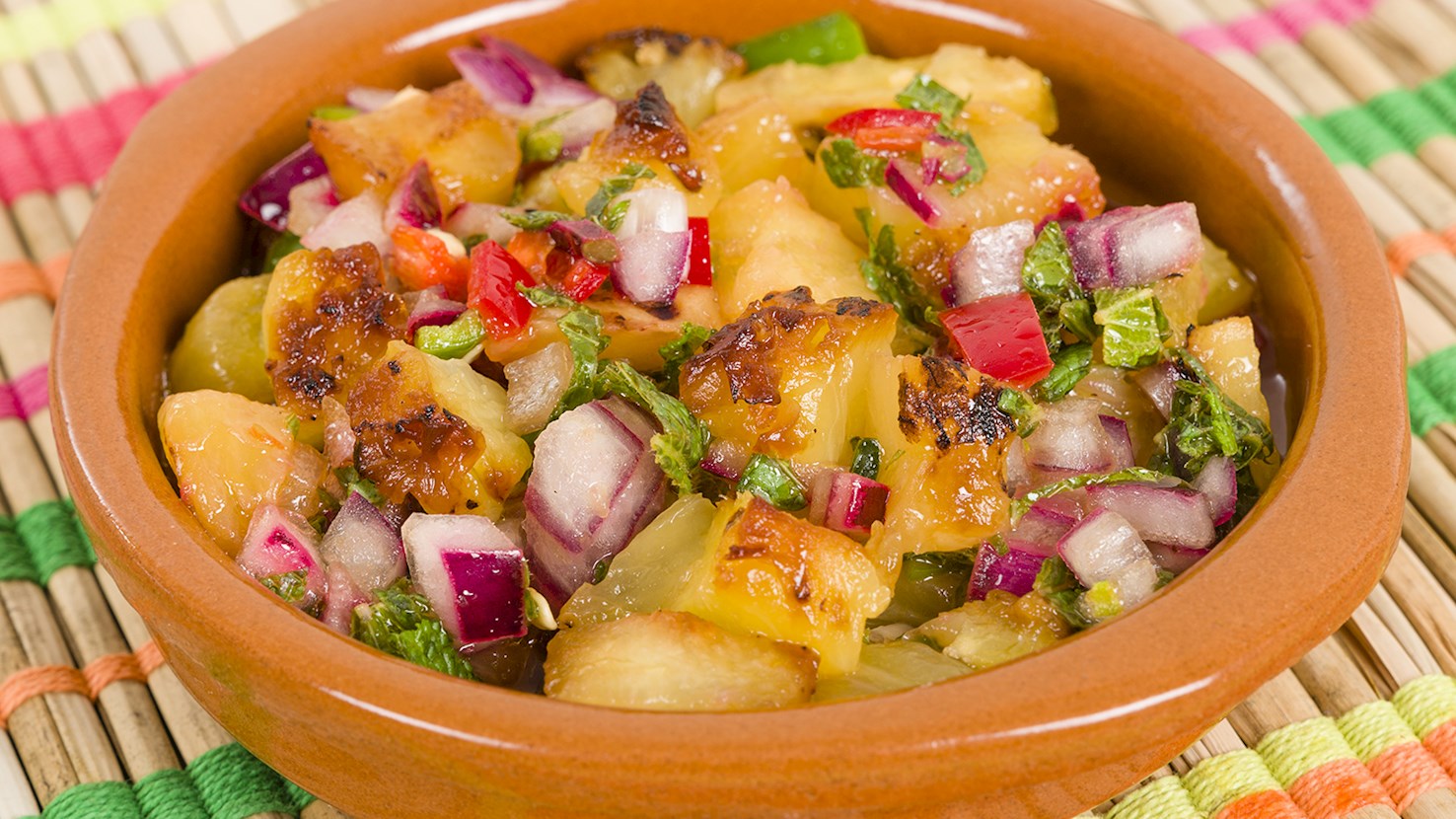
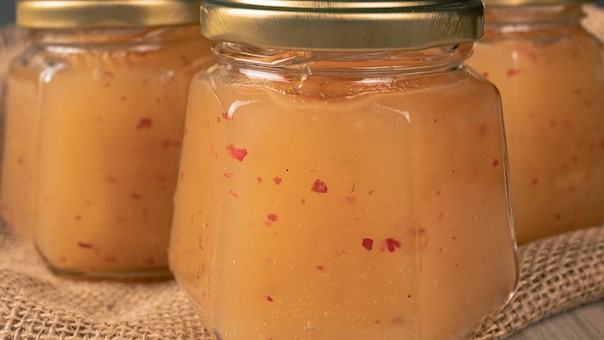
Salsa de piña picante is a refreshing Mexican salsa made with a combination of chopped pineapple, coriander, jalapeños, minced onions, lime and orange juice, salt, and sugar. The preparation is extremely simple – all ingredients are mixed together in a bowl, and then served, ideally at room temperature. This salsa is best served with steaks.
Hummingbird cake is a layered dessert made from mashed bananas, crushed pineapple, vegetable oil, sugar, eggs, and warm spices, commonly finished with cream cheese frosting and chopped pecans. It is widely associated with the American South but originated in Jamaica, where a similar banana–pineapple spice cake was developed using local fruit and pantry ingredients. The earliest version known from Jamaica was called the Doctor Bird cake, named after the island’s national hummingbird, and recipes circulated in community and tourism publications before the cake was adapted by home bakers in the United States. After its introduction to American food magazines in the late 1970s, the cake became established in Southern baking, where it fit easily into a repertoire of moist, fruit-forward cakes that relied on oil rather than butter. Preparation involves stirring together the mashed bananas, pineapple, oil, sugar, eggs, flour, baking soda, cinnamon, and vanilla without creaming or whipping, creating a dense, moist batter that stays tender for several days. The baked layers are cooled and coated with cream cheese frosting, often accompanied by pecans on top or between layers. Some versions use pecans in the batter as well, while others keep them as a garnish. The cake is served at celebrations, gatherings, and potlucks throughout the United States and continues to appear in cafes and bakeries that specialize in American desserts. It is typically eaten as a dessert or with coffee, tea, or iced drinks, and it pairs well with lightly sweet beverages such as sweet tea, cold brew coffee, or mild fruit punches that do not overpower its fruit-and-spice profile.
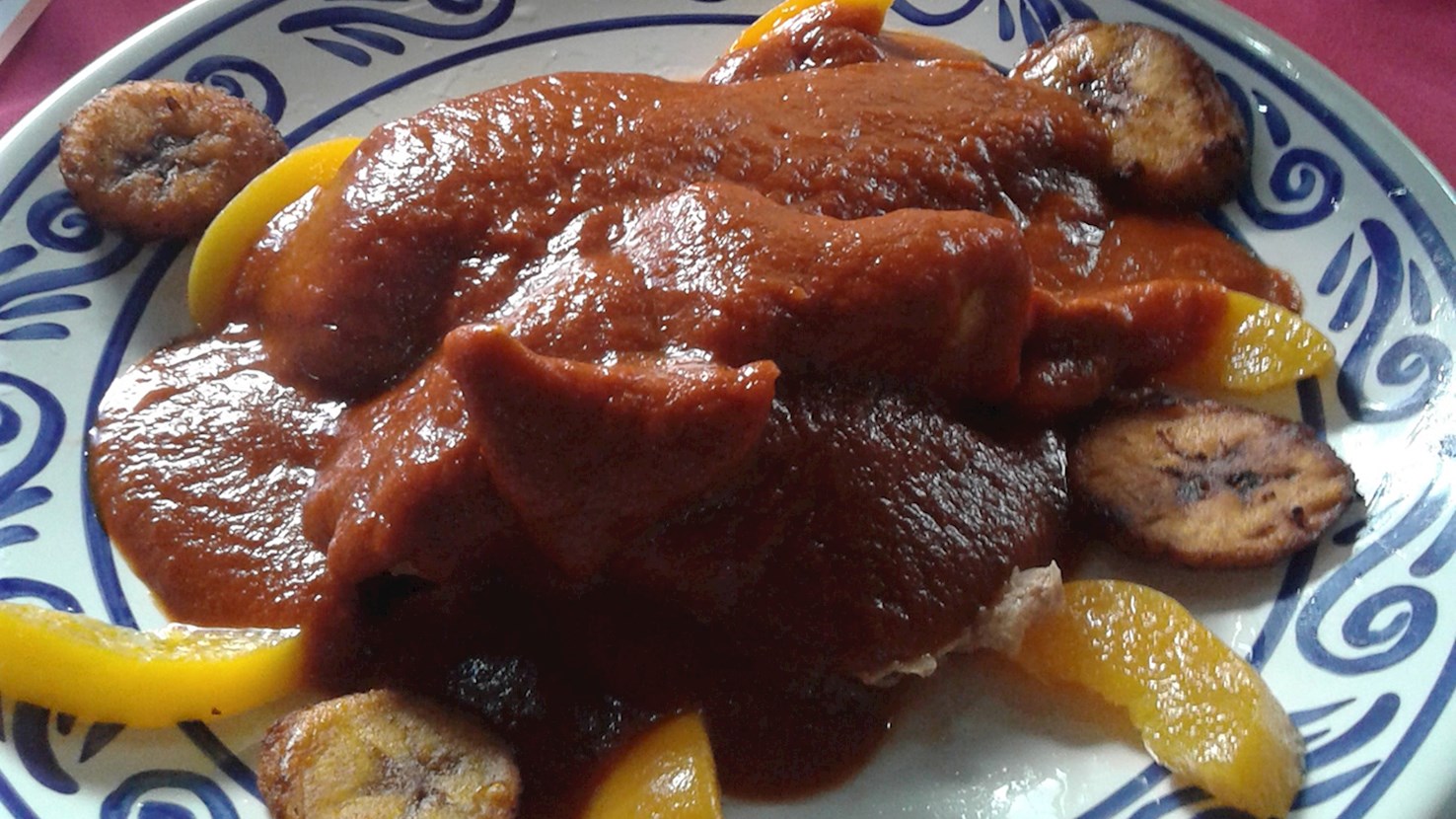
Mole manchamantel or tablecloth-stainer mole is a traditional sauce originating from Oaxaca as one of the seven moles of Oaxaca. This mole is usually made with ingredients such as dried ancho chili peppers, garlic, onions, pineapple, tomatoes, apples, pears, chorizo, peanuts, almonds, cloves, black peppercorns, cinnamon, oil, plantains, and chicken broth. Every household in Oaxaca has their own version of the sauce. The ingredients are ground and simmered until the mole becomes thick. Once prepared, mole manchamantel should have sweet, spicy, and fruity flavors. It's often served with roasted chicken, pork, tortillas, rice, or used in tamales. The name tablecloth-stainer mole refers to the fact that any small spill will leave a lasting mark on the tablecloth or your clothes.
TasteAtlas food rankings are based on the ratings of the TasteAtlas audience, with a series of mechanisms that recognize real users and that ignore bot,
nationalist or local patriotic ratings, and give additional value to the ratings of users that the system recognizes as knowledgeable.
For the “27 Best Rated Dishes with Pineapple” list until June 17, 2026, 1,000,987 ratings were recorded, of which 657,348 were recognized by the system as legitimate.
TasteAtlas Rankings should not be seen as the final global conclusion about food. Their purpose is to promote excellent local foods,
instill pride in traditional dishes, and arouse curiosity about dishes you haven’t tried.