A dish worthy of a king - or perhaps simply the main course of a wedding ceremony - shah pilaf (translated as crown pilaf) is a traditional meal infused with a medley of local aromas. It goes through several stages of preparation before reaching its distinctive final shape. First, basmati rice is cooked, then placed inside a bowl lined with lavash (a thin and soft wheat-based flatbread). Layers of dried apricots, plums, chestnuts, and raisins are added on top of the rice to create a unique blend of textures and flavors. For an even more diverse flavor profile, some variations also include lamb or chicken meat dispersed within the layers. The filling is completed by pouring a small amount of saffron water into the bowl, after which it is covered with lavash and baked until golden-brown. Due to the fact that the dish can remain warm for up to several hours, it is a favorite at weddings, dinner parties, and other special occasions.
Śliwka w czekoladzie is a classic Polish sweet treat that combines prunes with melted dark chocolate and (sometimes) toasted nuts. Pitted prunes are optionally stuffed with toasted nuts, usually almonds, and then dipped into melted dark chocolate, ensuring they are thoroughly coated. Crushed nuts, coconut flakes, or sprinkles can be used as toppings. Sometimes the prunes are soaked overnight in rum or brandy, or the alcohol of choice is added to the melted chocolate used for coating the dried fruits. Chilled prunes in chocolate can be consumed as a dessert or a sweet snack. They also make a perfect edible gift for certain holidays. This Polish dessert has been industrially produced since the 1960s.
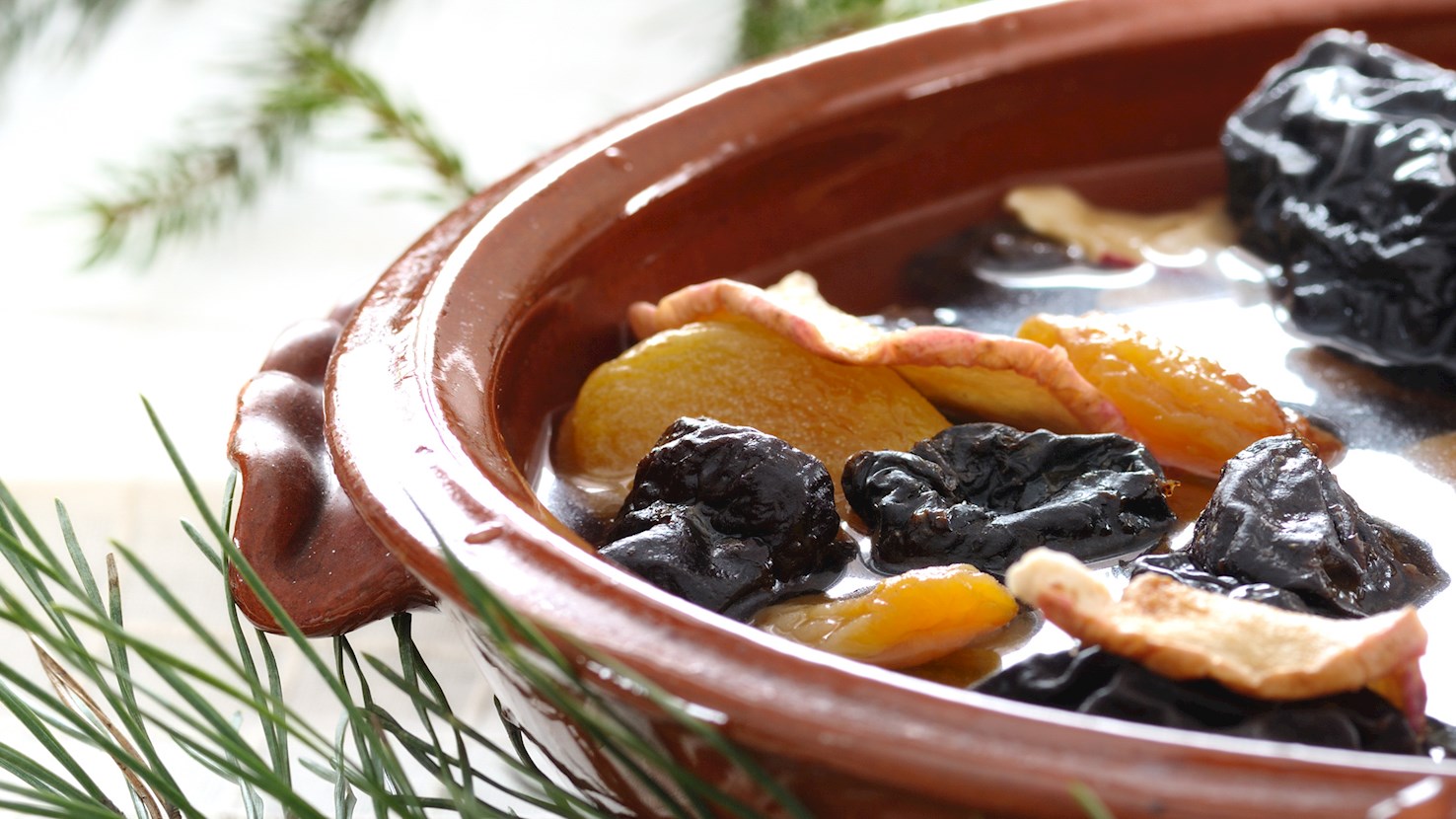
Traditionally prepared for Christmas Eve in Bulgaria, oshav is a simple dish of stewed dried fruit such as prunes, apples, and pears. The dried fruits should be washed, placed in a pot with water, then boiled until they soften. When they are soft, sugar or honey and spices such as cloves and cinnamon are added to the pot in order to enhance the flavors. It is recommended to serve oshav cold.
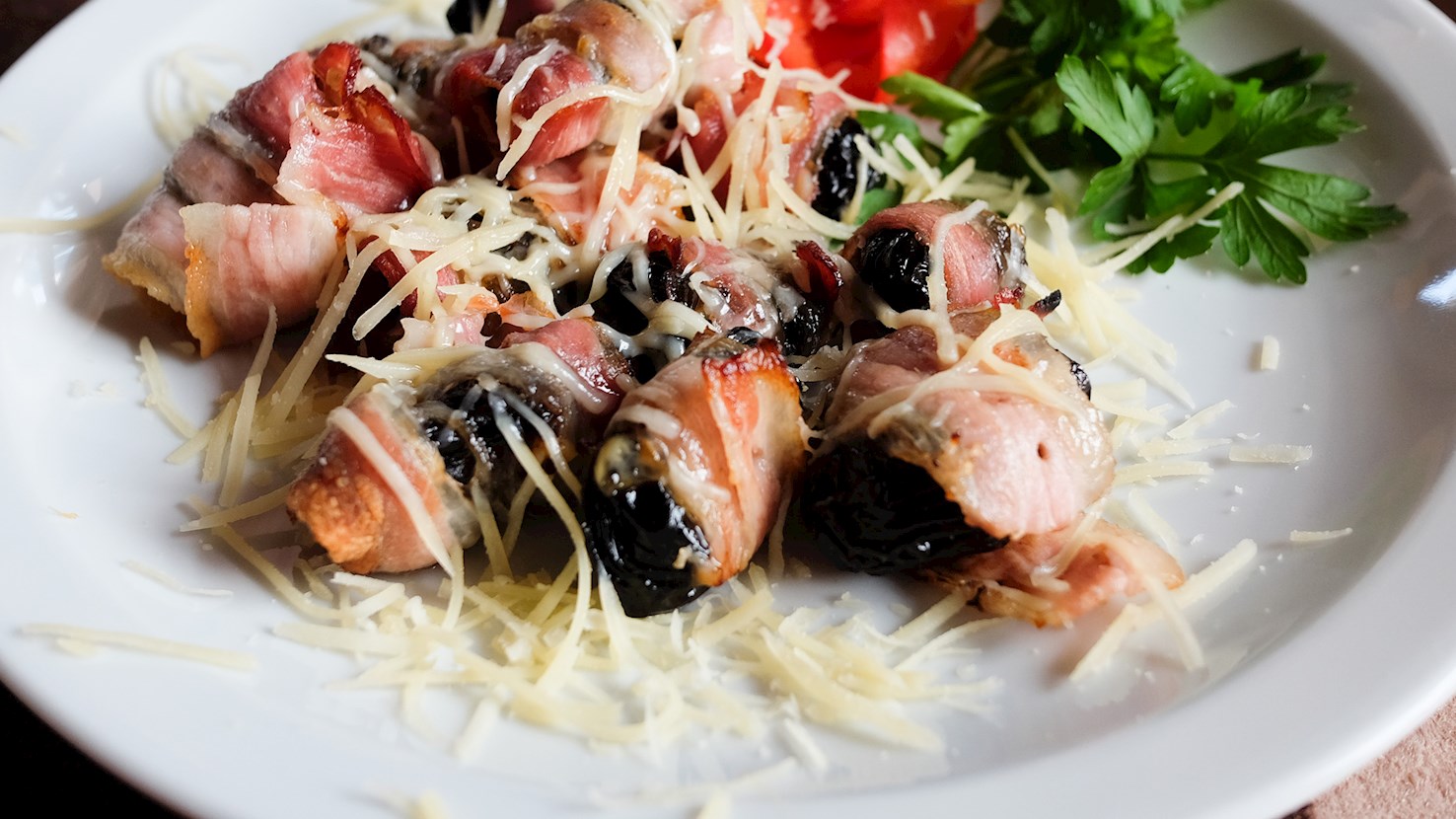
Devils on horseback is a flavorful and juicy English appetizer that combines sweet and savory flavors. It consists of prunes wrapped in bacon, the whole concoction baked until there is a blissfull contrast of the sweet, almost melting prunes and crispy, salty bacon. Some like to pair this appetizer with alcoholic beverages, while others enjoy it as a savory snack at the end of a big meal. This small treat is often prepared for festive events, such as Christmas feasts.
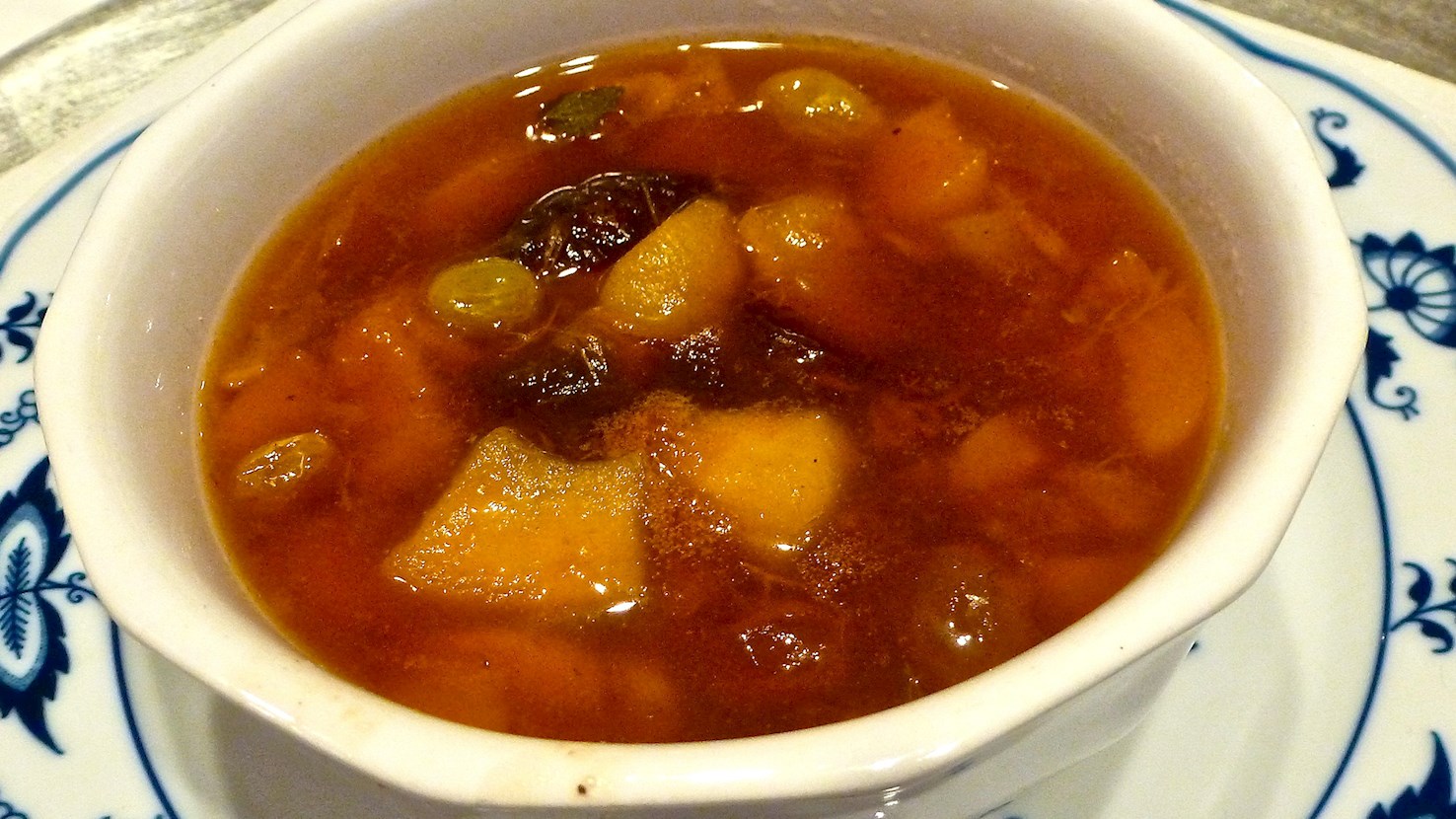
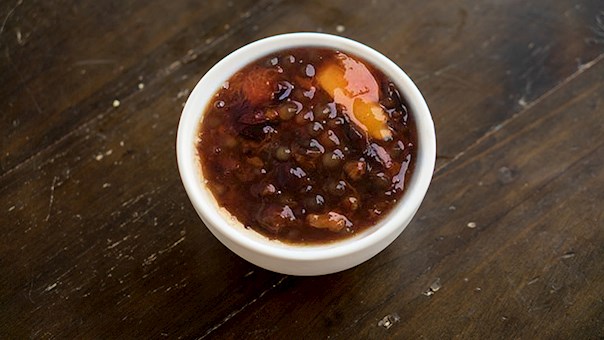
A sweet fruit soup traditionally prepared during holidays and for various celebrations in Sweden, fruktsoppa is often served on the Swedish Christmas buffet. This dish is similar to a fruit compote, composed of a combination of dried fruits, usually prunes, apricots, and raisins, tart apple slices, lemon slices, water, cinnamon, tapioca, and sugar. Once cooked, the soup is poured into a bowl and traditionally served chilled, but it can also be served warm, at room temperature, or frozen, depending on the season. For added flavor, it can be drizzled with a small amount of rum or wine and flavored with a pinch of nutmeg or cloves. This delicious soup pairs well with whipped cream, ice cream, and a piece of pound cake. It is a dish regularly eaten in all Scandinavian countries, which is how several regional versions of it came about. The Swedish version usually calls for light fruits such as golden raisins, peaches, and pears, while the Norwegian version opts for darker fruits instead. Although it is generally considered a dessert, in Scandinavian countries, fruit soup is also commonly eaten as an appetizer, fruit salad, or even as a main course. In the past, Scandinavians regarded fruit soup as a nourishing and easily digestible bed food, making it a custom to present a new mother with a bowl of this dish to help her gain strength. Today, there are many different recipes for fruit soups, calling for various types of dried, canned, or store-bought fruit.
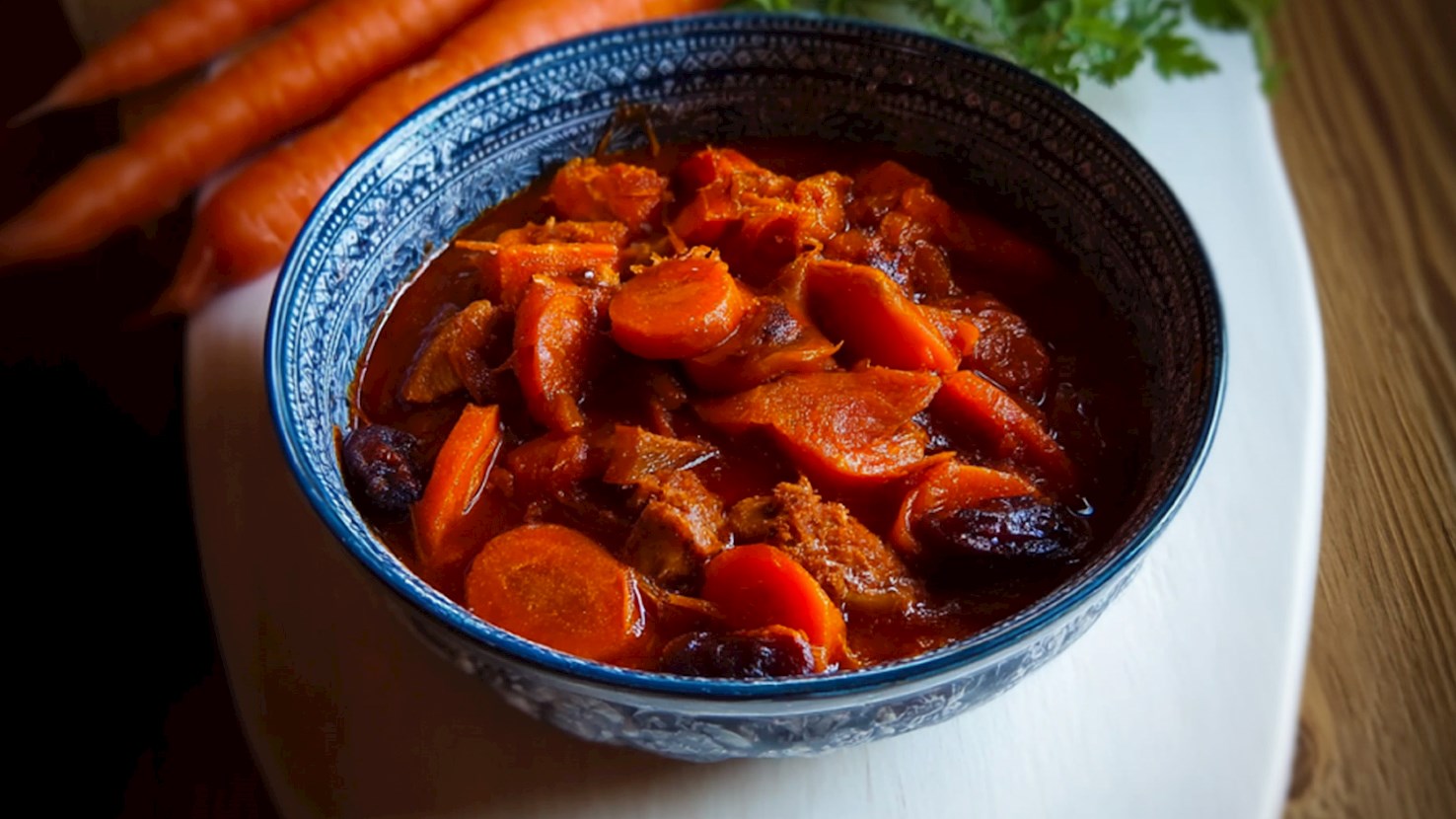
Khoresh havij is a carrot-based stew that comes from Iran, particularly associated with the northwestern regions such as East Azerbaijan Province and Ardabil. The name means “carrot stew,” and it is characterized by its sweet and savory profile, combining tender meat with lightly sweetened carrots and subtle spices. The history of khoresh havij traces back to regional Persian cookery, where carrots were cultivated widely and incorporated into stews to balance richness and add natural sweetness. Over time, the dish evolved to include variations in seasoning and presentation depending on the area and family tradition. In some households, dried fruits like prunes or barberries are added to create more complexity, while in others, a touch of cinnamon or saffron lends warmth and color. To prepare khoresh havij, lamb or beef is cut into cubes and browned with onions and turmeric, then gently simmered until tender. Carrots are sliced into batons or rounds and cooked with the meat, absorbing the broth’s flavors. The stew is lightly sweetened, often with a small amount of sugar or sometimes with fruit, giving it a delicate, mellow taste. Toward the end of cooking, a pinch of saffron may be added for aroma and golden color. It is usually served in a wide, shallow dish alongside steamed Persian rice, which helps soak up the flavorful sauce. Khoresh havij is eaten hot as a main course, typically accompanied by tahdig (crisp rice crust), fresh herbs, and sometimes a simple yogurt side. It is a comforting dish that continues to be prepared across generations, especially in the northwestern provinces where it first became popular.
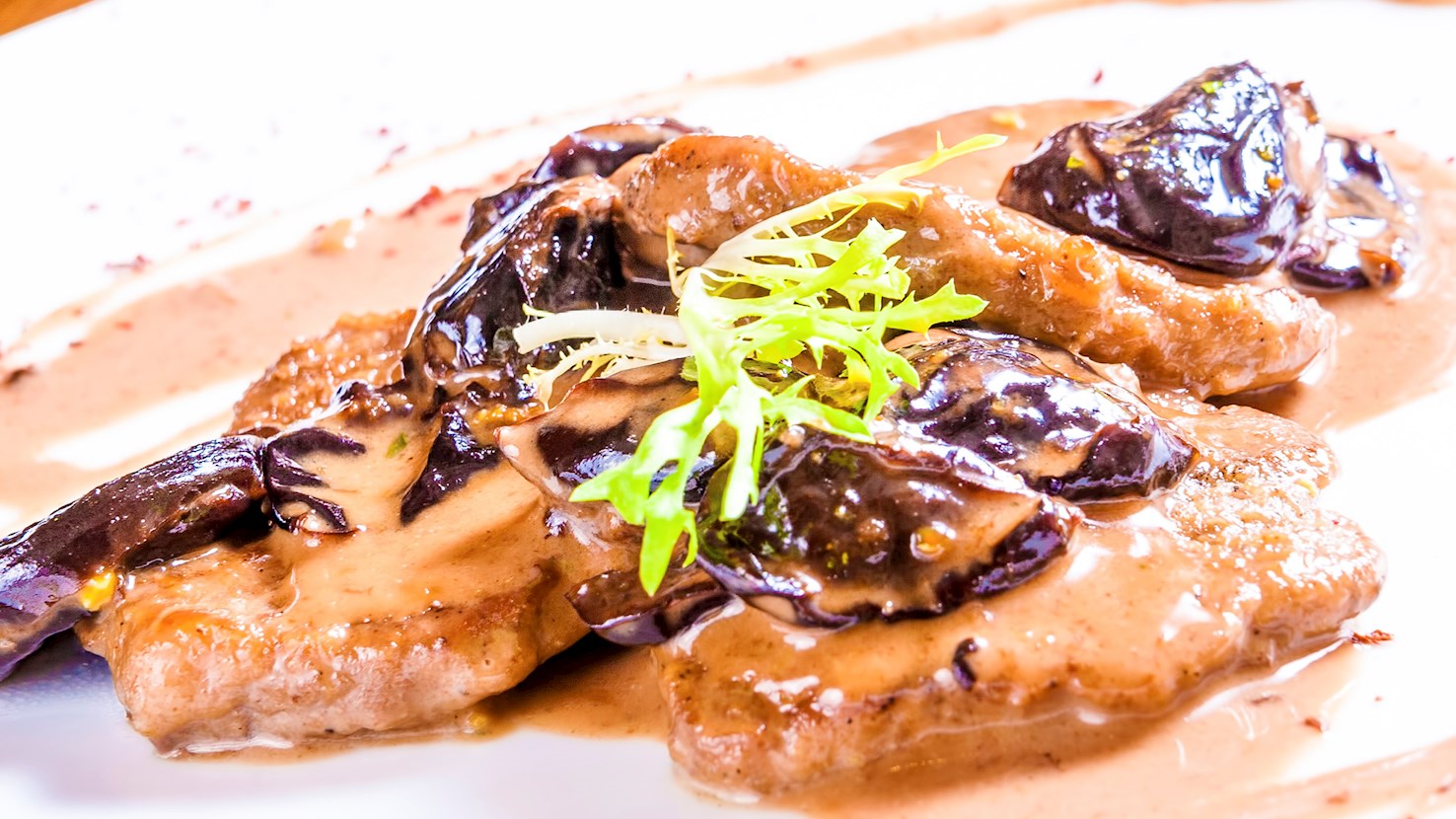
Porc aux pruneaux is a French bistro classic. The dish consists of roast pork with prunes that have been doused in wine. There are numerous versions of the dish, so pork chops, tenderloin, or pork shoulder can be used in the preparation. Other typical ingredients include shallots, lemon juice, mustard, thyme, rosemary, allspice, and bay leaves. This hearty dish is usually served with bread, mashed potatoes, or roasted potatoes.
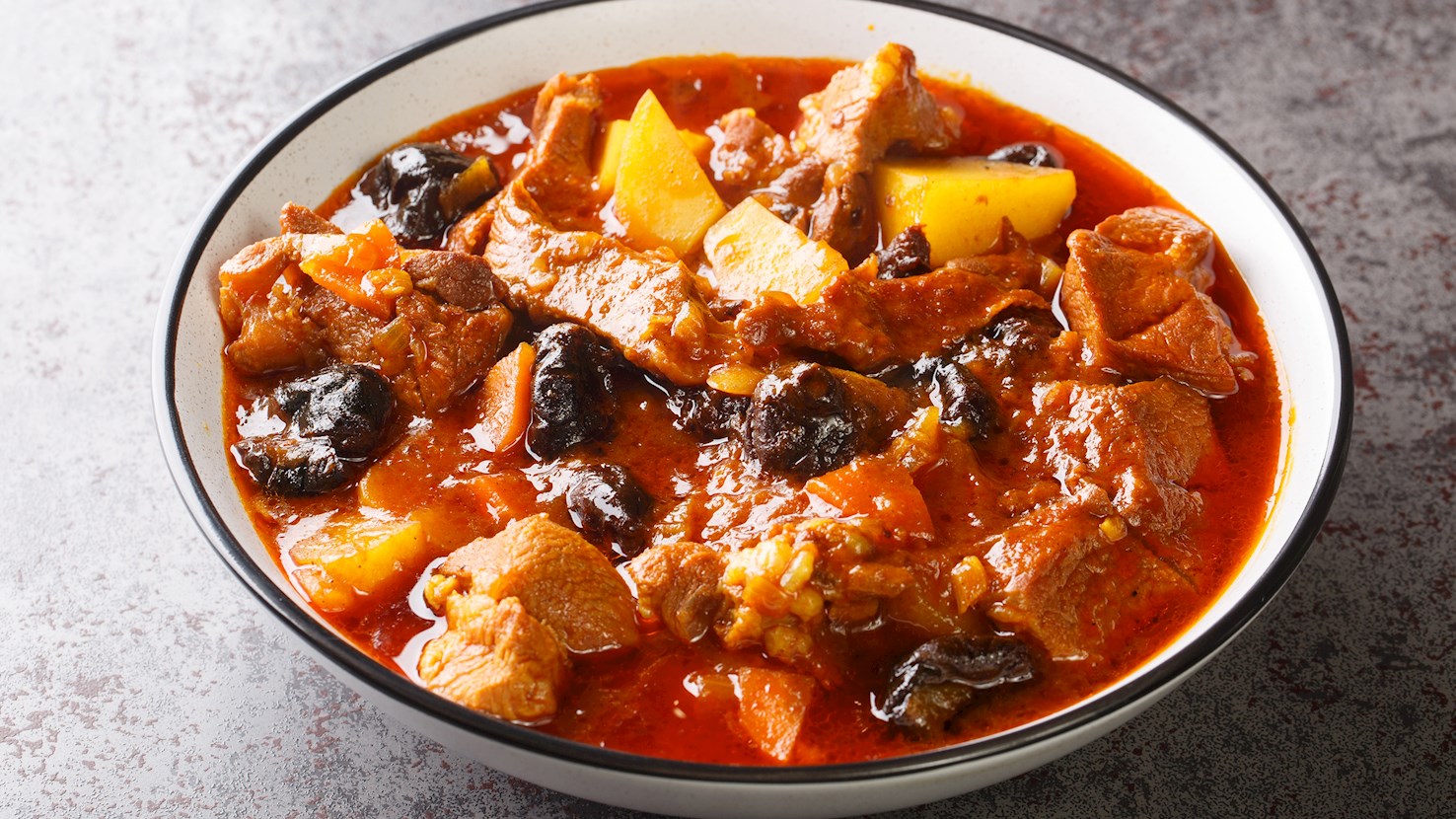
Khoresh aloo is a savory-sweet Iranian stew originating primarily from the central and northern regions of Iran, where plums or dried prunes are prized ingredients in home cooking. The dish combines tender pieces of meat, often lamb or beef, simmered gently with plums or prunes, onions, yellow split peas, and a blend of spices that can include turmeric, cinnamon, and saffron. Its flavor balances the subtle tartness of fruit with the richness of meat and the softness of legumes. Though the roots of khoresh as a cooking method go back centuries in Persian cuisine, khoresh aloo emerged more distinctly as dried fruit became widely available along trade routes connecting Iran to Central Asia. Over time, the stew became a staple for festive occasions and family gatherings, prized for its layered sweet-sour taste and the aroma that fills the kitchen as it cooks slowly over a low flame. Cookbooks from the Qajar era already record variations of this dish prepared for banquets, indicating its established place in Persian gastronomy. Preparation begins by sautéing onions until golden, then adding cubes of meat and browning them lightly. The meat is seasoned and simmered with water and yellow split peas until tender. Separately, plums or prunes are soaked to soften and added near the end of cooking so they hold their shape without dissolving. Saffron steeped in warm water lends a gentle fragrance and golden color. Some recipes enrich the stew with a spoonful of tomato paste or a pinch of sugar, depending on regional preferences. Khoresh aloo is typically served with Persian steamed rice (chelo) and often garnished with slivered almonds or barberries for extra texture and color. While it appears in many home kitchens, khoresh aloo can also be found in restaurants specializing in regional Iranian food, where it is enjoyed both as an everyday meal and at gatherings celebrating Nowruz or family milestones.
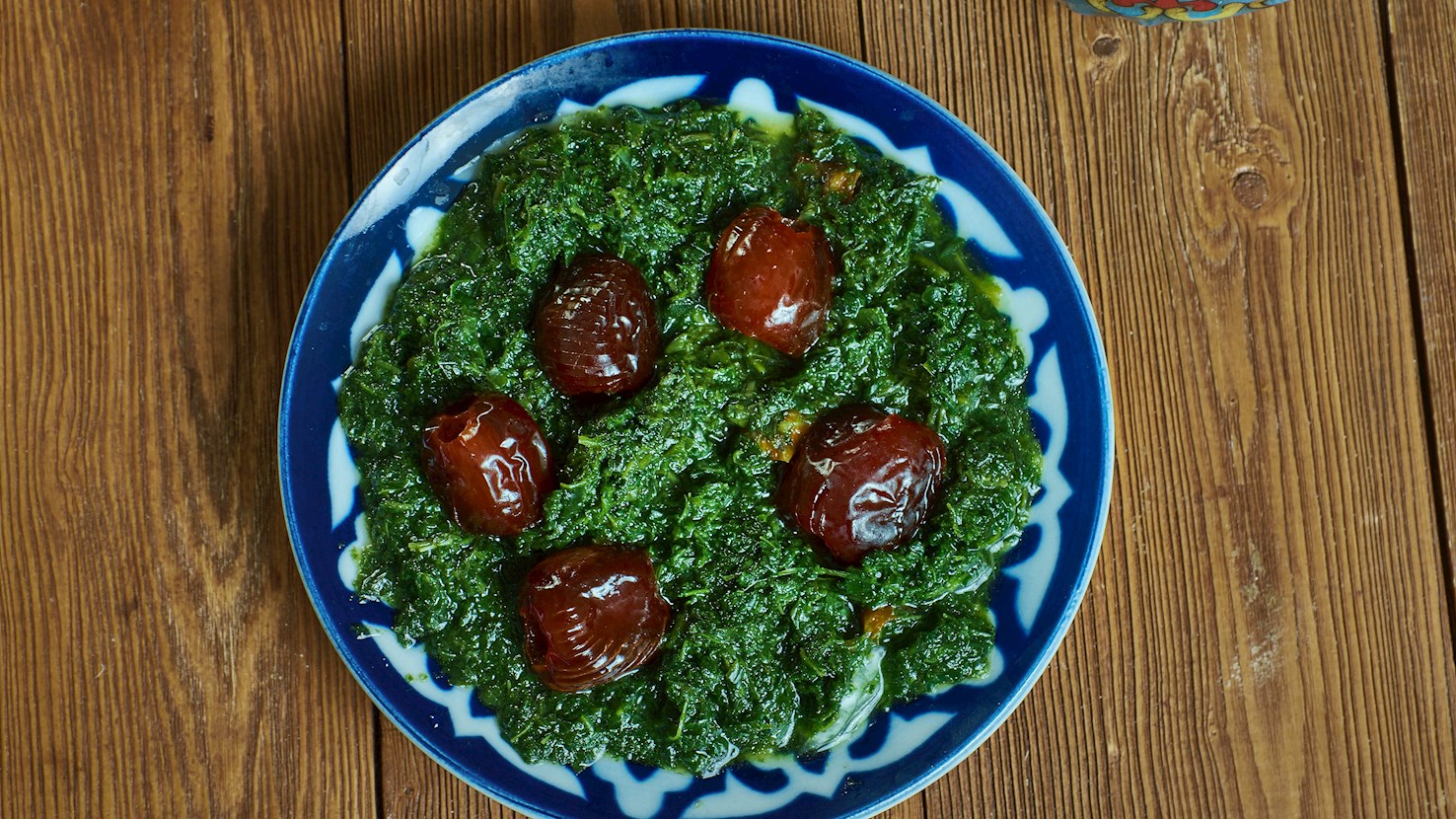
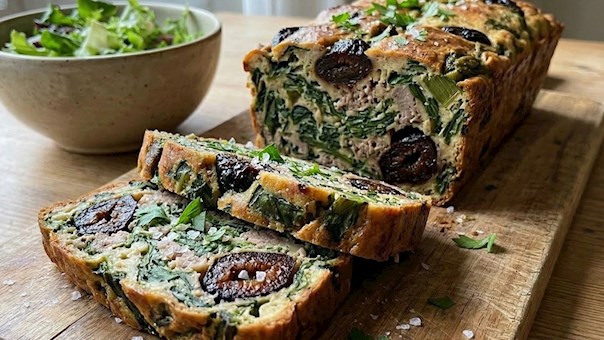
Khoresh alou esfenaj is a rich Persian stew originating from Iran, known for combining the sweetness of dried plums with the earthy taste of spinach. It is particularly popular in the central and northern provinces, where slow-cooked stews have long been a core feature of household cooking. This dish is made by gently braising chunks of lamb or beef in an aromatic base of sautéed onions and turmeric, before incorporating fresh spinach leaves and rehydrated plums. The result is a flavorful blend of sour and sweet notes balanced by tender greens and meat. Historical references to khoresh-style stews go back centuries, appearing in records of Persian cuisine during the Safavid dynasty, when combining fruit with meat dishes became more widespread. Over time, regional variations developed, but khoresh alou esfenaj remained a recognizable preparation thanks to the signature combination of prunes and spinach, which were prized both for taste and for their perceived health benefits. Preparation begins by browning meat in a pot with onions until lightly golden. Turmeric is sprinkled in early to build color and aroma. Water is added to create the base broth, and the stew simmers gently until the meat softens. Separately, fresh spinach is cleaned and chopped, then briefly cooked before joining the pot. Dried plums, sometimes soaked in warm water to plump them, are stirred in during the final phase so they release their sweet-sour character without disintegrating completely. Seasonings often include black pepper, salt, and occasionally a small splash of fresh lemon juice for brightness. The dish cooks until the liquid thickens slightly and the flavors meld. Among the qualities that set khoresh alou esfenaj apart is the way it reflects the Persian approach to taste contrast: every bite has elements of tart fruit, savory meat, and the gentle bitterness of spinach. The stew is commonly served with steamed Persian rice, especially chelo or kateh, which soaks up the sauce. In Iran, this khoresh is often prepared for family gatherings or weekend meals, especially in cooler seasons when slow-cooked foods are most comforting. It is usually eaten from shared platters with rice and fresh herbs, offering both nourishment and a connection to longstanding culinary practices.
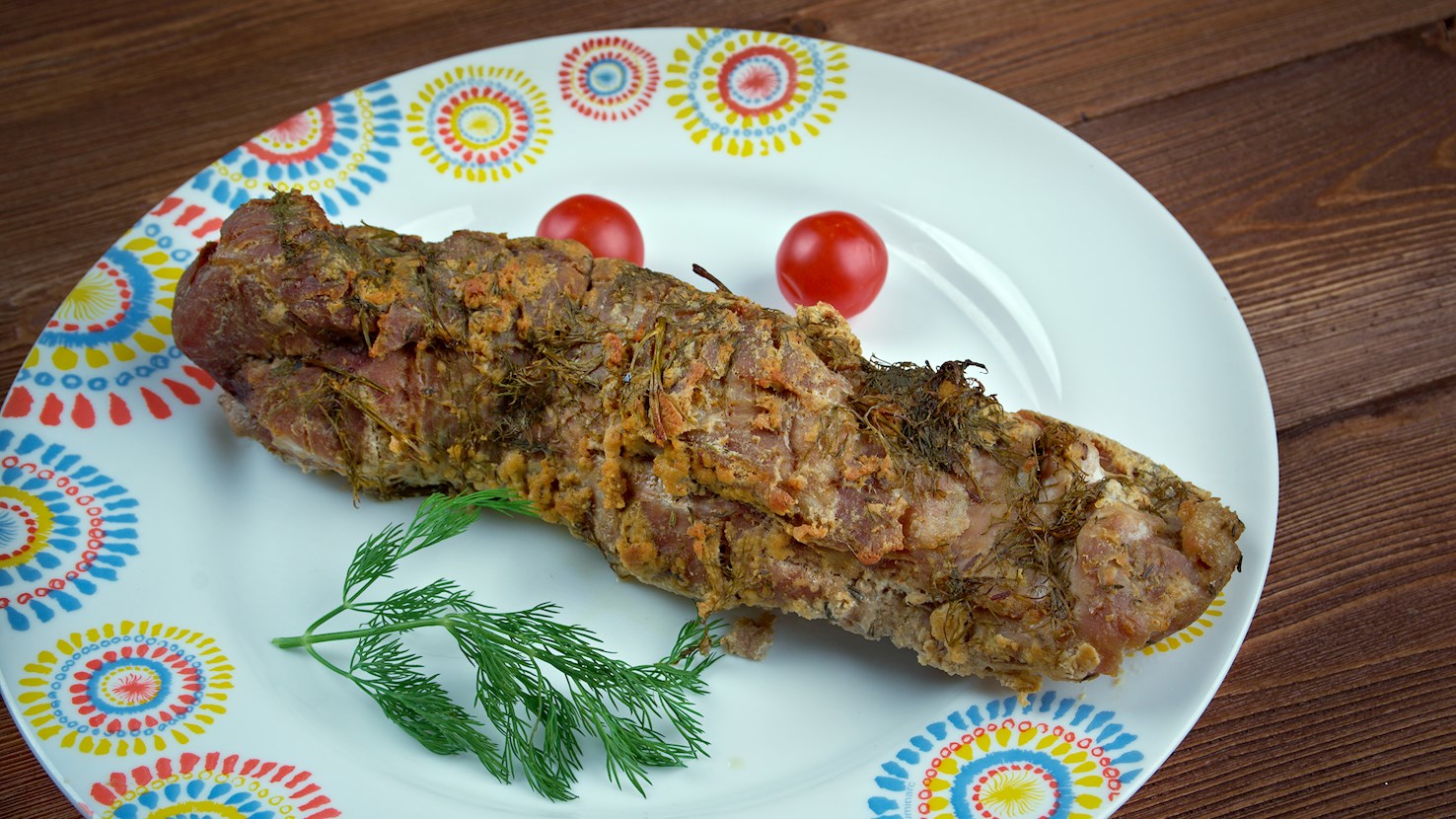
Svinestek med frukt is a traditional meat dish originating from Norway. The dish is usually made with a combination of pork loin, prunes, dried apricots, salt, pepper, butter, oil, lemon juice, and Granny Smith apples. The handle of a wooden spoon is pushed in through the center of the pork loin on both sides, and the meat is then stuffed with a mixture of chopped apples and boiled and soaked prunes and apricots. The loin is seasoned with salt and pepper, the ends are tied with a string, and it's then roasted in a large casserole over a little butter and oil. Once browned, a few cups of water are added to the casserole, and the meat is then cooked in the oven for more than an hour. The dish is typically served with green beans, lingonberry jam, cauliflower, or boiled potatoes on the side.
TasteAtlas food rankings are based on the ratings of the TasteAtlas audience, with a series of mechanisms that recognize real users and that ignore bot,
nationalist or local patriotic ratings, and give additional value to the ratings of users that the system recognizes as knowledgeable.
For the “22 Best Rated Dishes with Prunes” list until May 22, 2026, 989,158 ratings were recorded, of which 646,966 were recognized by the system as legitimate.
TasteAtlas Rankings should not be seen as the final global conclusion about food. Their purpose is to promote excellent local foods,
instill pride in traditional dishes, and arouse curiosity about dishes you haven’t tried.