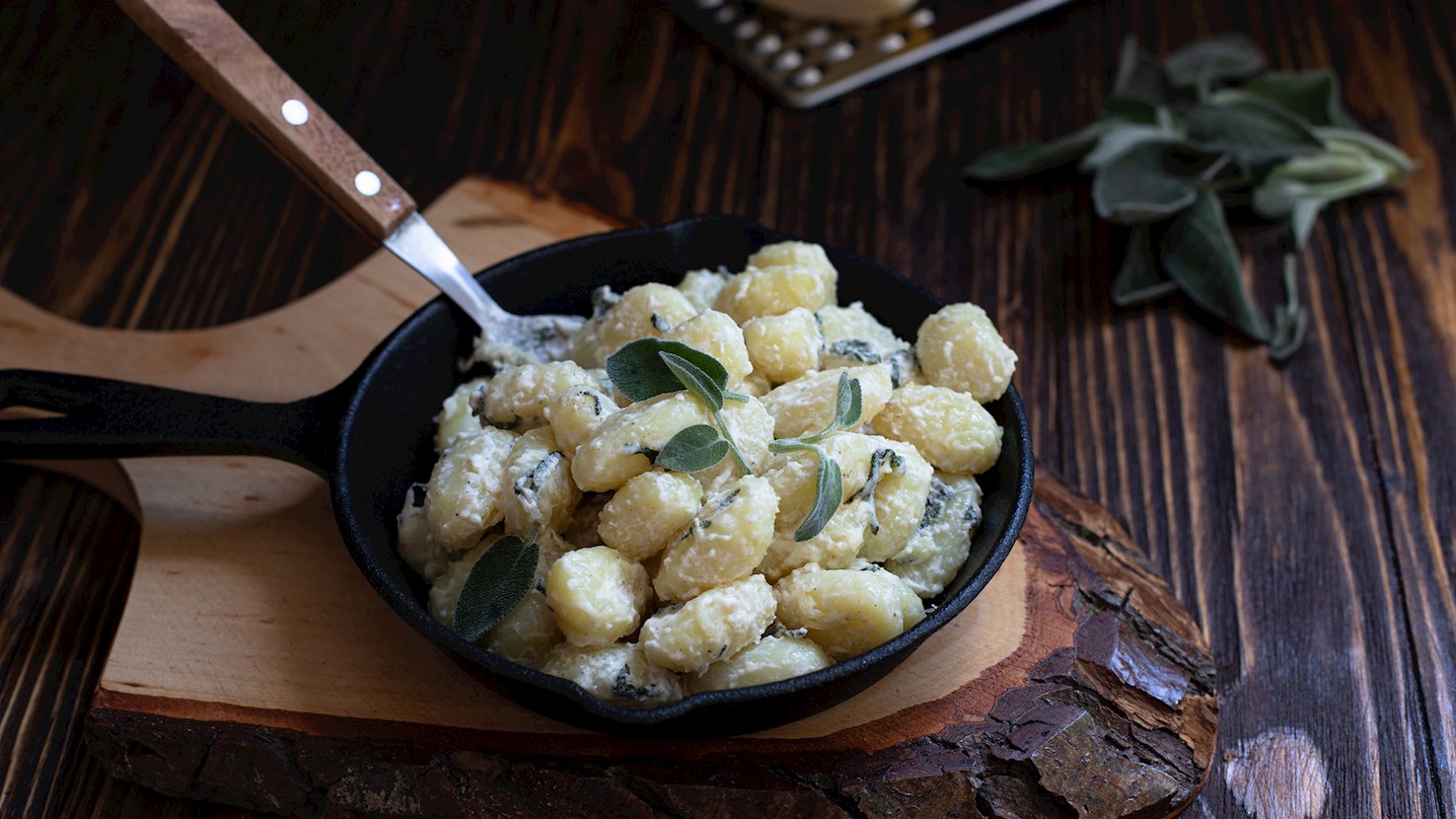
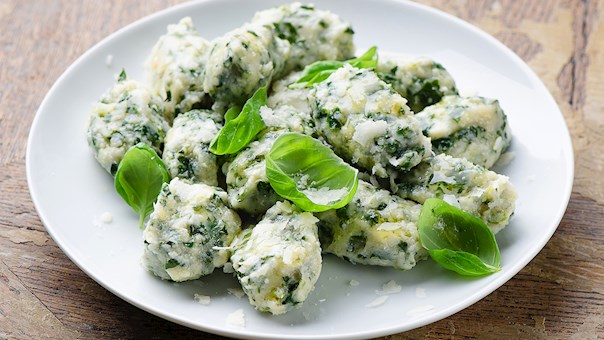
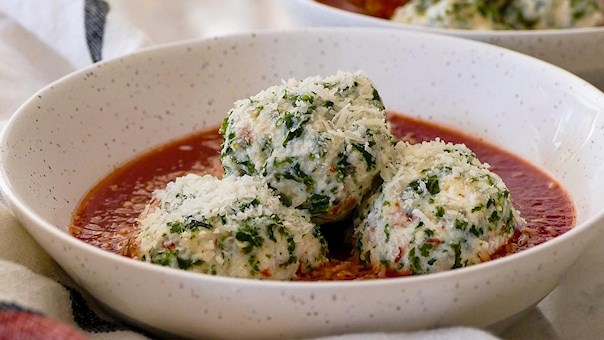
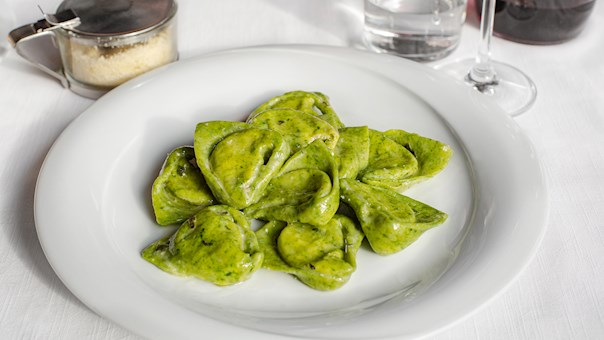
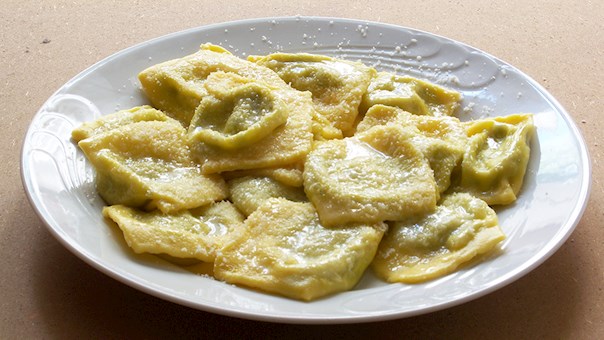
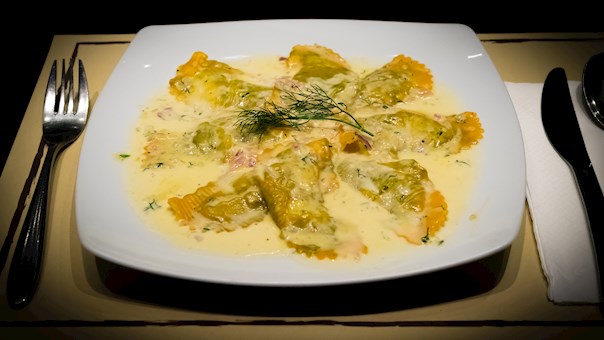
Gnocchi di ricotta is a traditional gnocchi variety that’s especially popular in Tuscany. The gnocchi are made with a combination of ricotta, butter, grated cheese, eggs, flour, nutmeg, salt, and pepper. The ingredients are mixed and formed into gnocchi, which are then rolled in flour and poached in boiling water. When they rise to the top, they’re taken out and served with butter and grated Parmigiano-Reggiano. If there’s enough time, it’s recommended to leave the mixture in the fridge overnight before shaping it into small gnocchi.
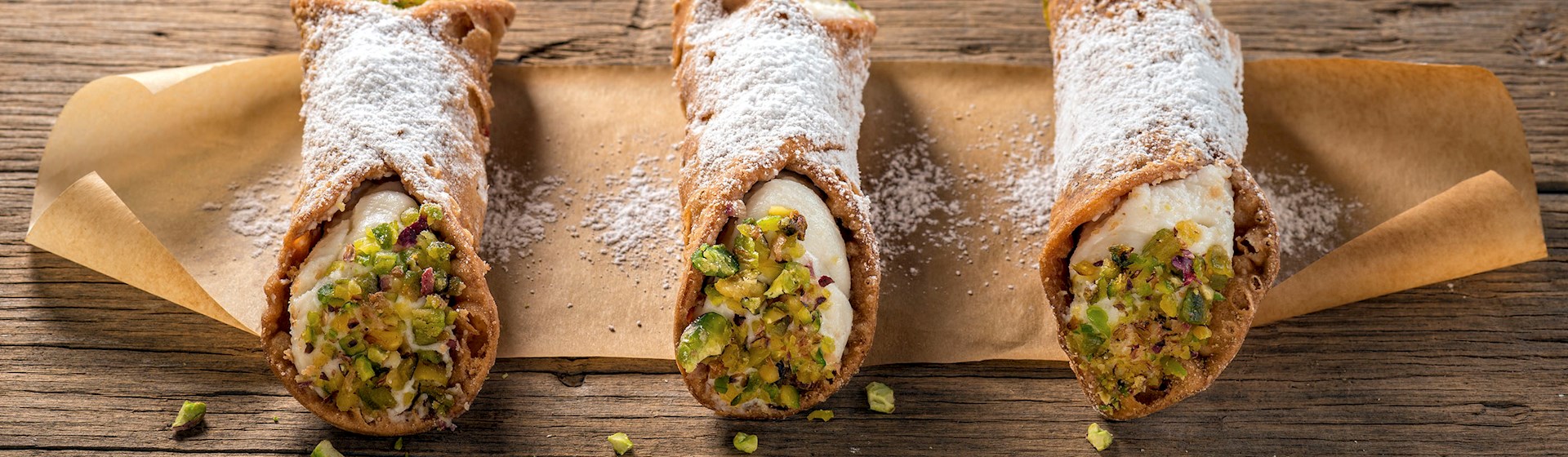
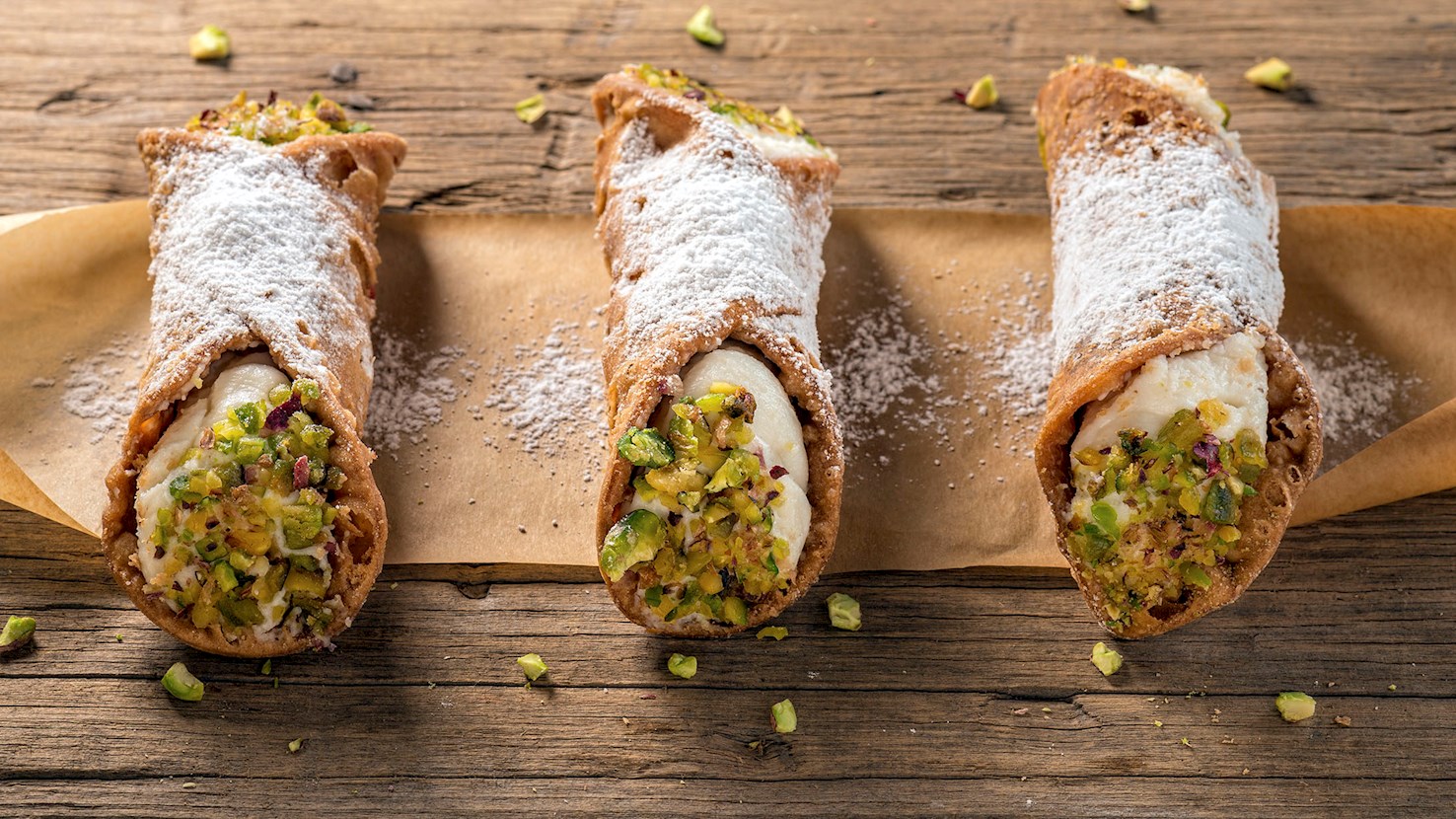
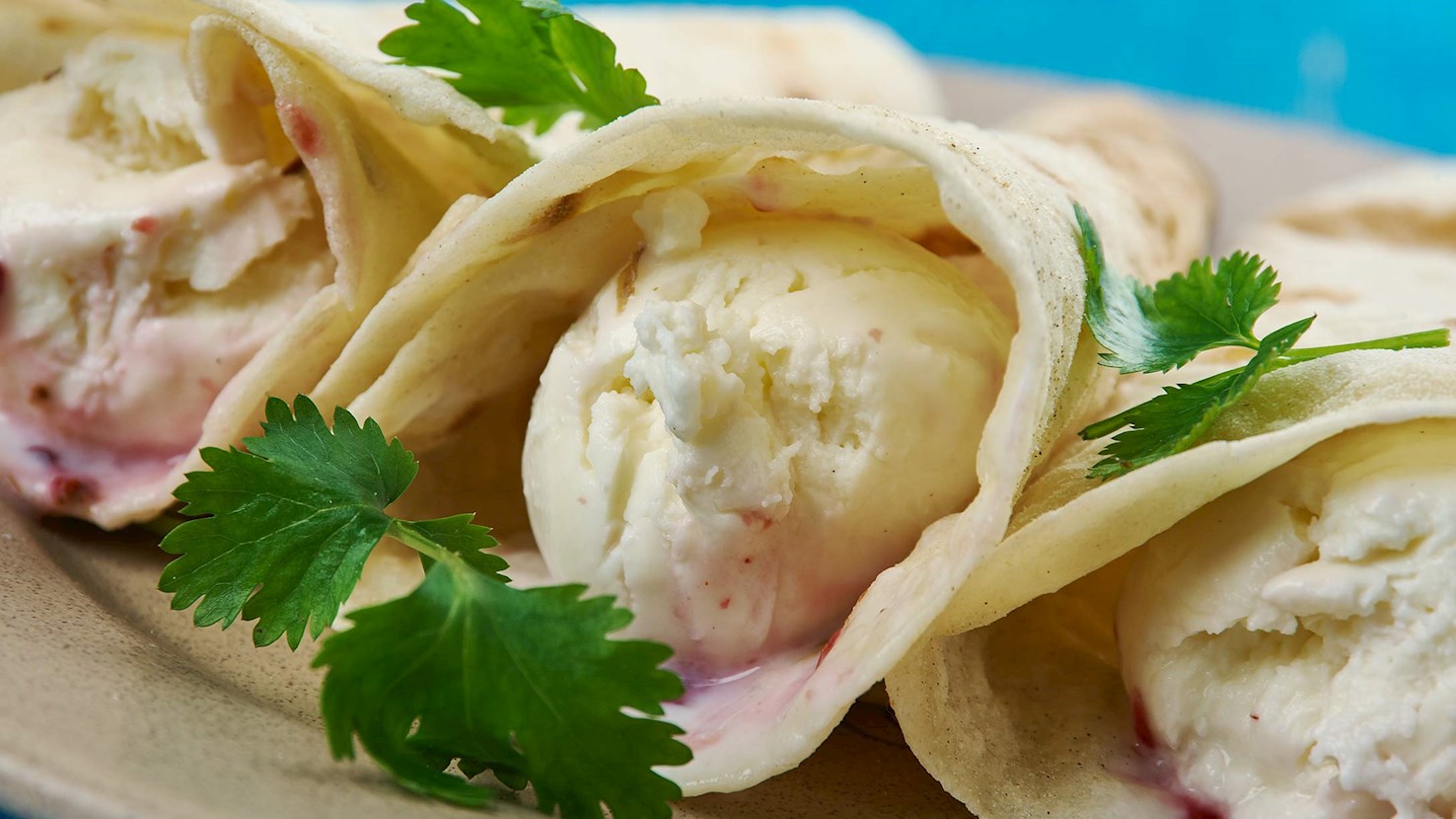
These decadent, crispy fried pastry tubes filled with luscious ricotta cheese cream are perhaps one of Sicily's best known desserts outside of Italy. Cannoli are believed to have originated around Palermo during the 9th century, while Sicily was under Arab rule. Legend has it that they were originally prepared by the women of the ancient city of Qal'at al-Nisā' (lit. castle of women), the modern-day Caltanissetta, which at the time served as the harem of a Saracen emir. Later on, the recipe later somehow found its way to the monasteries of Palermo where nuns would prepare this lavish dessert during the carnival season. Cannoli have come a long way since then, becoming incredibly popular not only throughout Italy, but also in North America, where they were introduced by Sicilian immigrants in the late 19th century. Furthermore, thanks to one of the most famous lines from the movie The Godfather — "Leave the gun. Take the cannoli." — by the end of the 1970s, this dessert had attained a truly iconic status. Although people in the United States are familiar with different variations of this classic recipe, cannoli in Sicily are still prepared in a more traditional way. The crispy pastry shells are typically flavored with cocoa, suet, and Marsala wine, while the delicate freshness of the sweetened ricotta is sometimes enriched with orange blossom water, candied orange peel, chocolate, zuccata candied pumpkin, or finely chopped pistachios. The name is derived from canna, a cane reed that’s cut into sections and used as a mold for frying the pastry shells, although metal cylinders have mostly replaced canna nowadays. And last, but certainly not least, cannoli shells are always filled just before serving to prevent them from getting soggy, ensuring the perfect feel of crunchiness against the creamy filling.
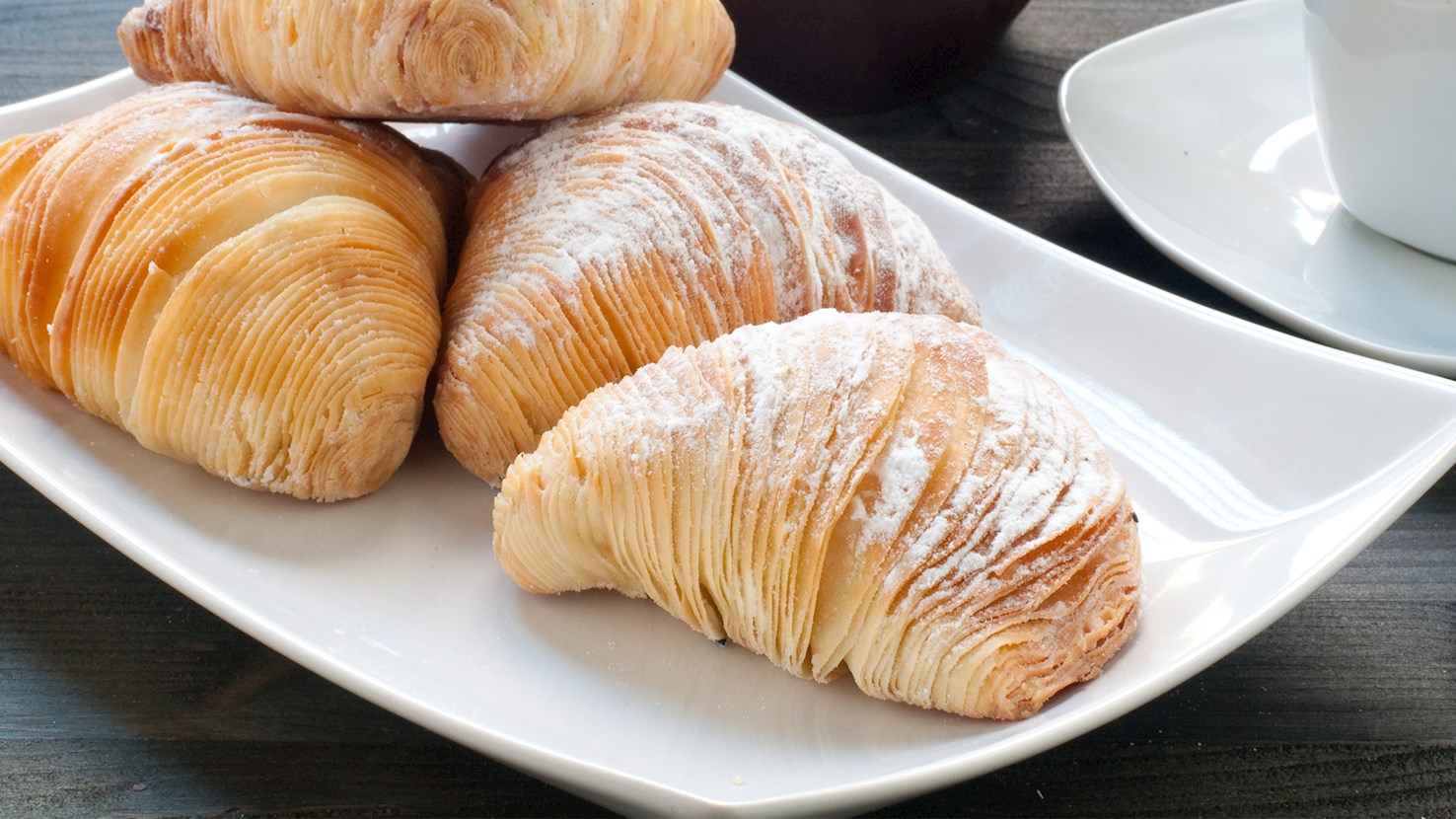
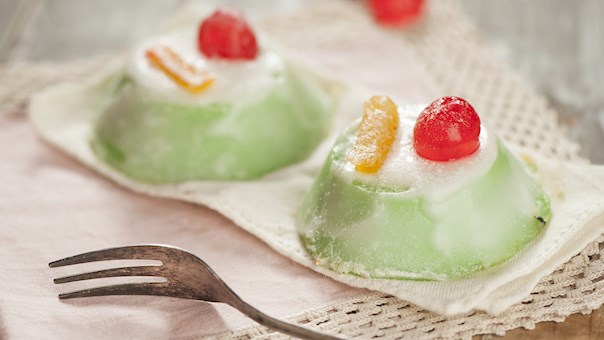
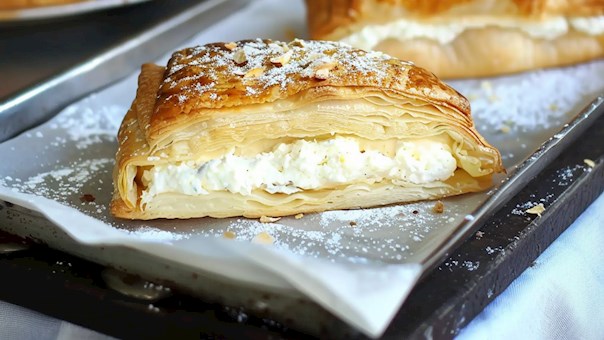
Sfogliatella is one of the most famous Italian pastries, with many regions offering their spin on the recipe. Although traditionally associated with Naples, it is believed that the original sfogliatella was invented around 1700 on the Italian Amalfi Coast, as a creation of nuns from the Santa Rosa monastery. This version was filled with luscious custard cream and black cherries preserved in syrup, and although the nuns were forbidden to have contact with the external world, the recipe was somehow obtained by a Neapolitan chef who started preparing his variety of these delicious sweets which soon became a Naples favorite. Nowadays, they are offered in two main varieties: riccia and frolla. Sfogliatella riccia is regarded as the traditional and the most common variety. It is an elaborate dessert made with multiple layers of paper-thin dough arranged in a clam-shaped pocket, filled with a delicious cream made with semolina, water, ricotta, sugar, eggs, cubed candied fruit, cinnamon, and a pinch of salt. Sfogliatella frolla has the same filling, but it is round-shaped and made with shortcrust pastry. Another version of this dessert is coda d’aragosta, literally meaning lobster tail, filled with pastry cream. It is a very popular dessert in the United States, with their version typically being much larger than the original. Traditionally, sfogliatella should always be served freshly prepared, while still crispy, preferably warm and dusted with powdered sugar.
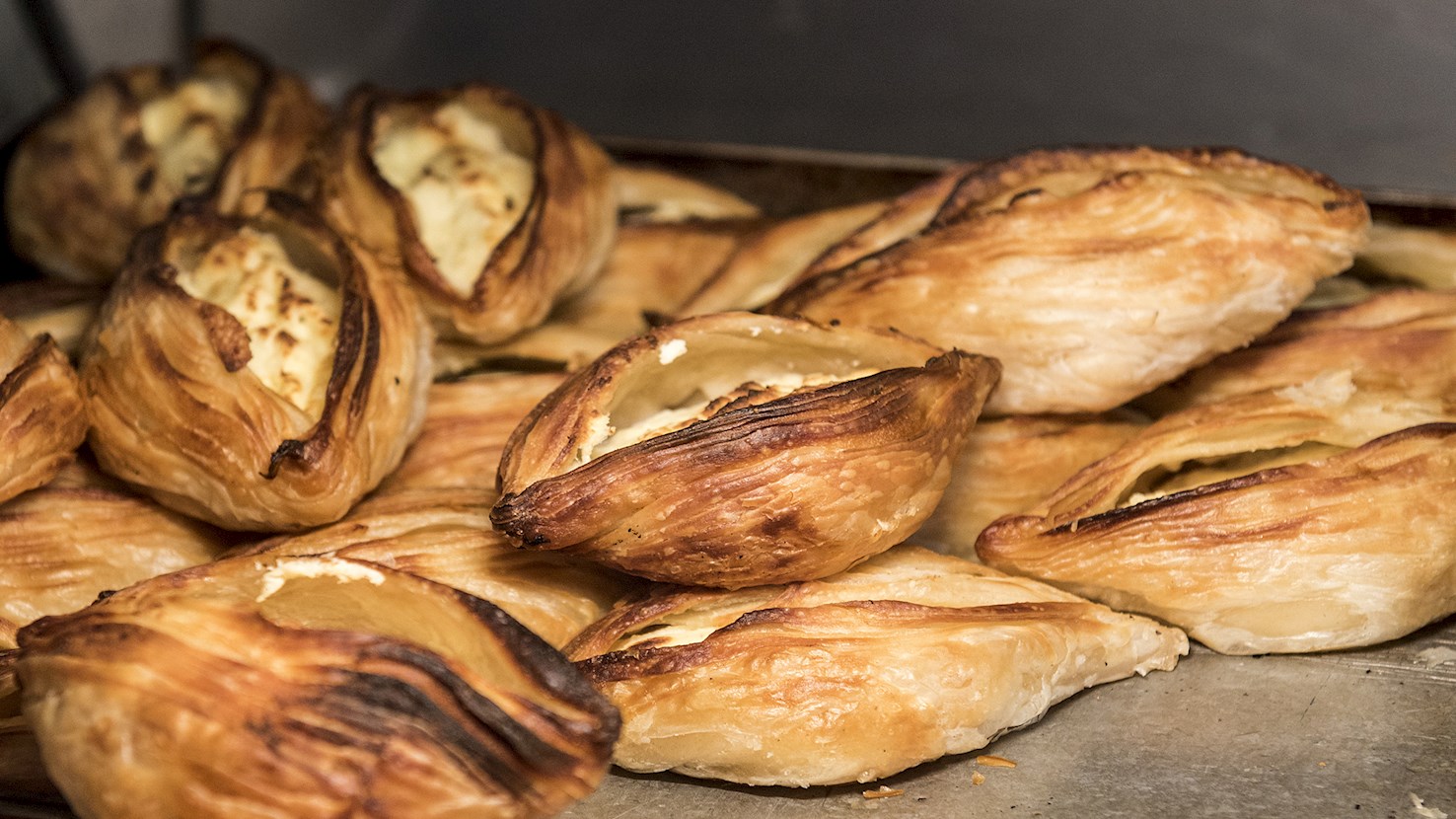
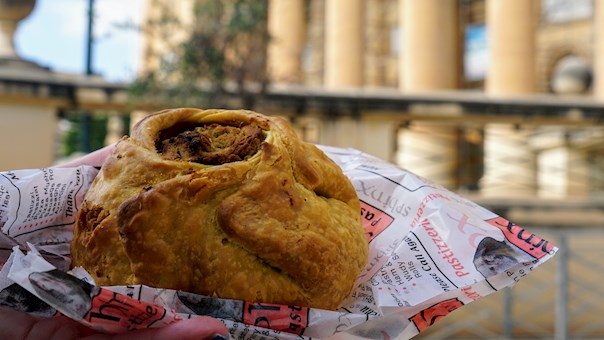
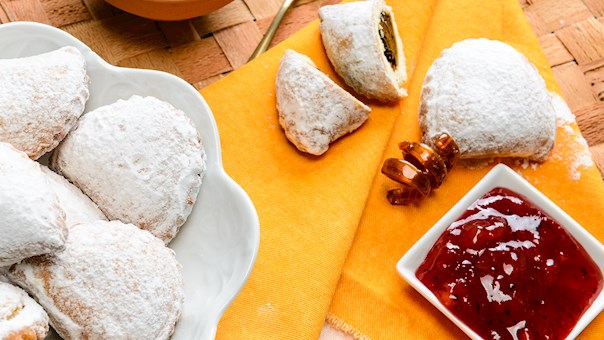
Pastizz is Malta's national snack, a phyllo pastry filled with ingredients such as peas, ricotta, anchovies, corned beef, or apples. The thin dough is stretched and rolled with layers of fat in between, which is used to achieve the typical flaky texture of the finished product. The dough is then filled with any of the aforementioned ingredients, shaped into diamonds or semicircles, then baked until golden brown. Pastizzi can be consumed as a snack or served as appetizers in bars.
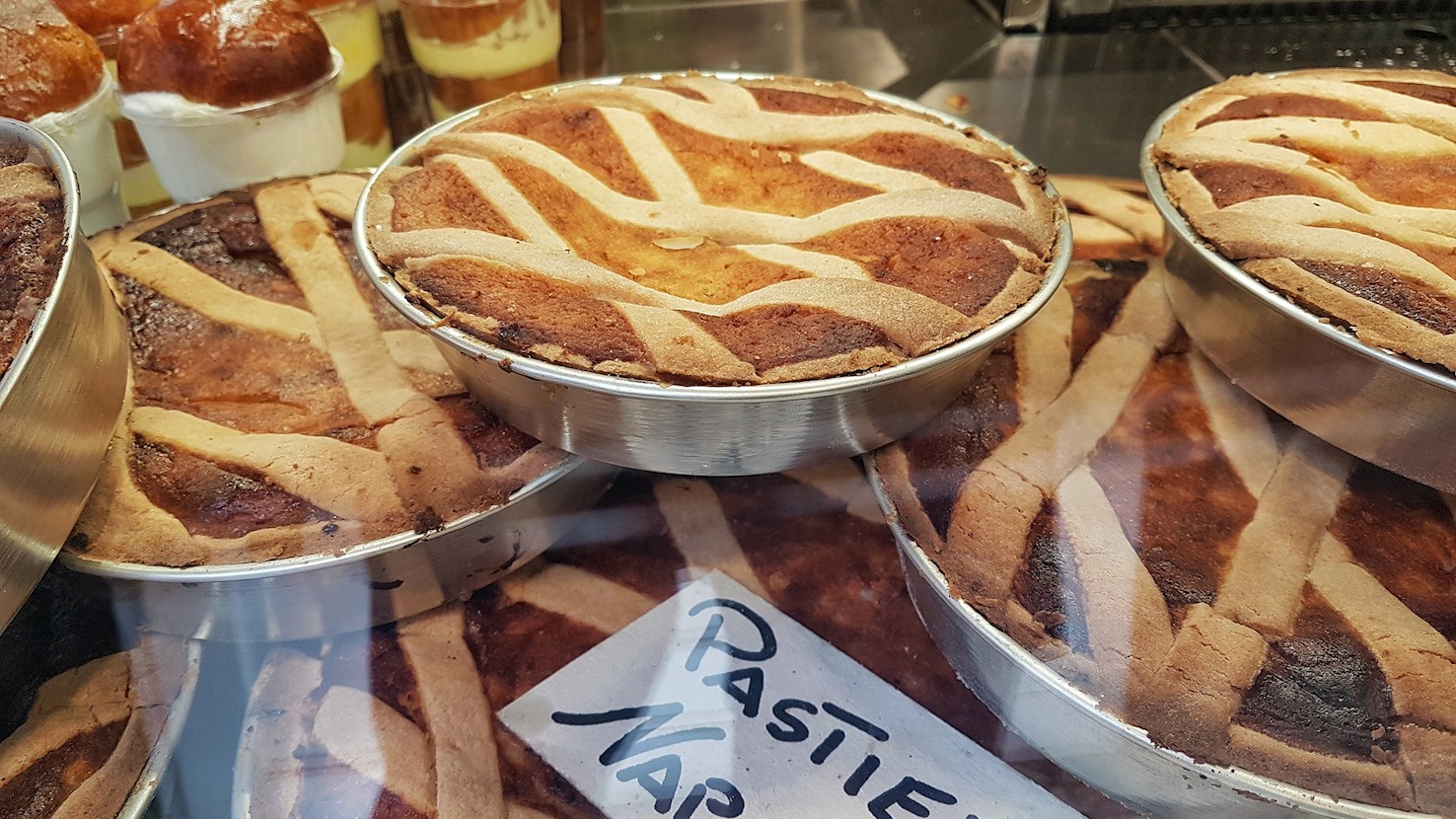
The delicate buttery crust in this classic Neapolitan tart holds a rich filling of cooked wheat berries, ricotta, and pastry cream, enriched with candied orange peel and flavored with orange blossom water. Pastiera is traditionally enjoyed for Easter, though its origins are said to be traced back to pagan times. According to one legend, to celebrate the return of spring, the priestesses of Pompeii would prepare similar wheat pastries as an offering for Ceres, the Roman goddess of agriculture, grain crops and fertility. However, the pastiera we know today originated in the convents of Naples. It was regarded as a symbol of resurrection, rebirth, and new life, traditionally prepared between Holy Thursday and Easter Eve - a practice that continues up to this day.
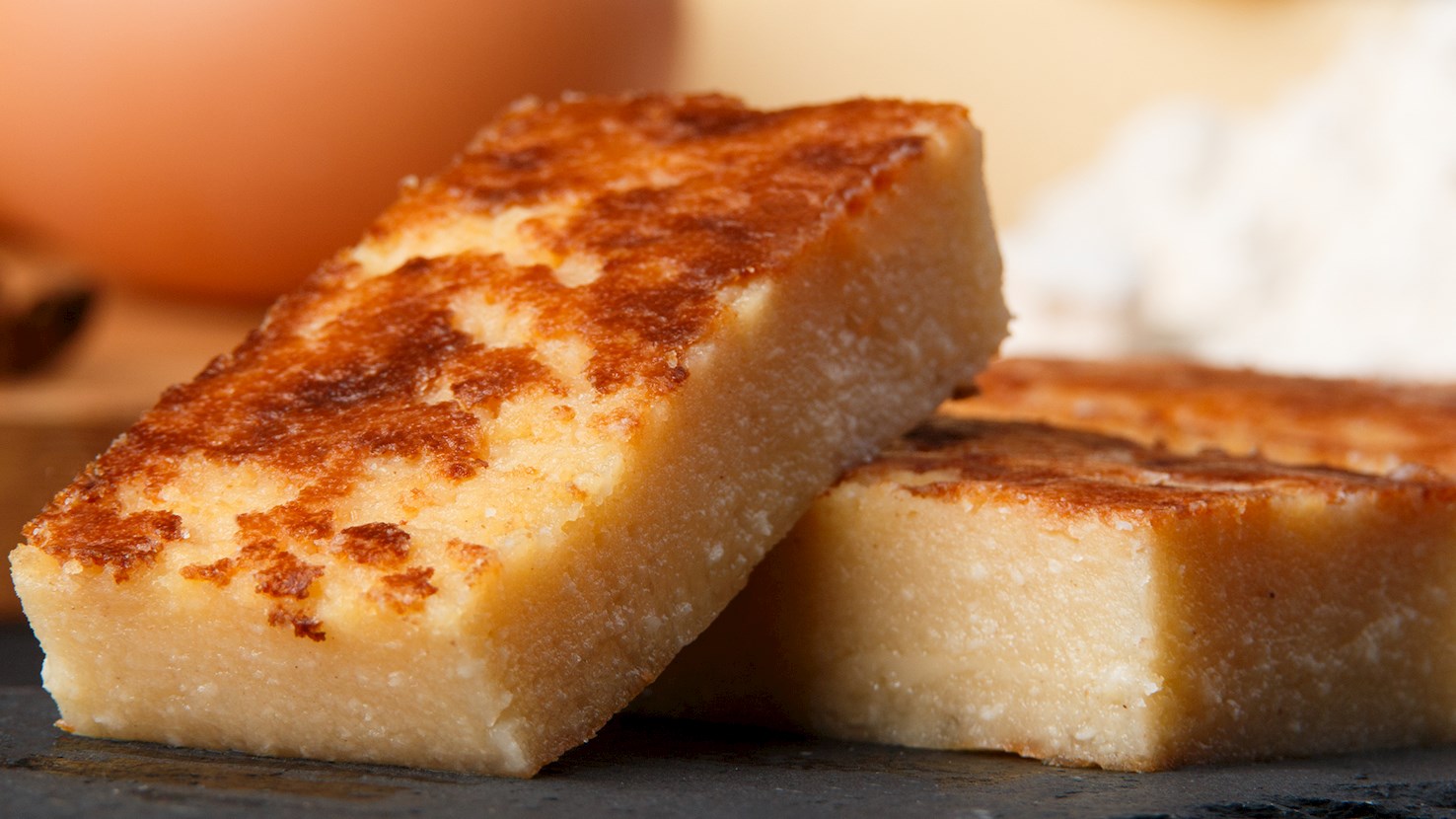
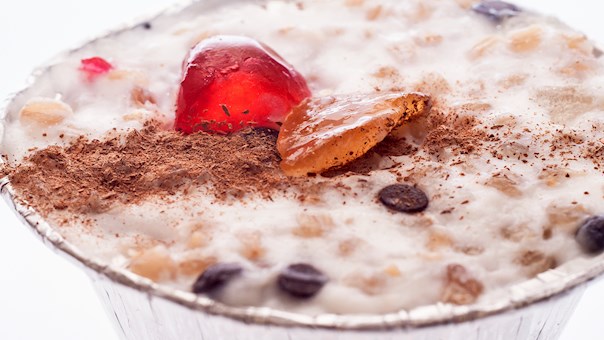
Reminiscent of a cheesecake, quesada pasiega is a traditional Cantabrian creamy cake made with a combination of butter, sugar, milk, flour, eggs, and either ricotta or cheese curds. It is typically flavored with cinnamon and lemon zest. The texture of quesada pasiega is similar to that of a dense pudding. When baked, it can be served hot or cold. It is recommended to top it with fruit jams in order to make it even more delicious.
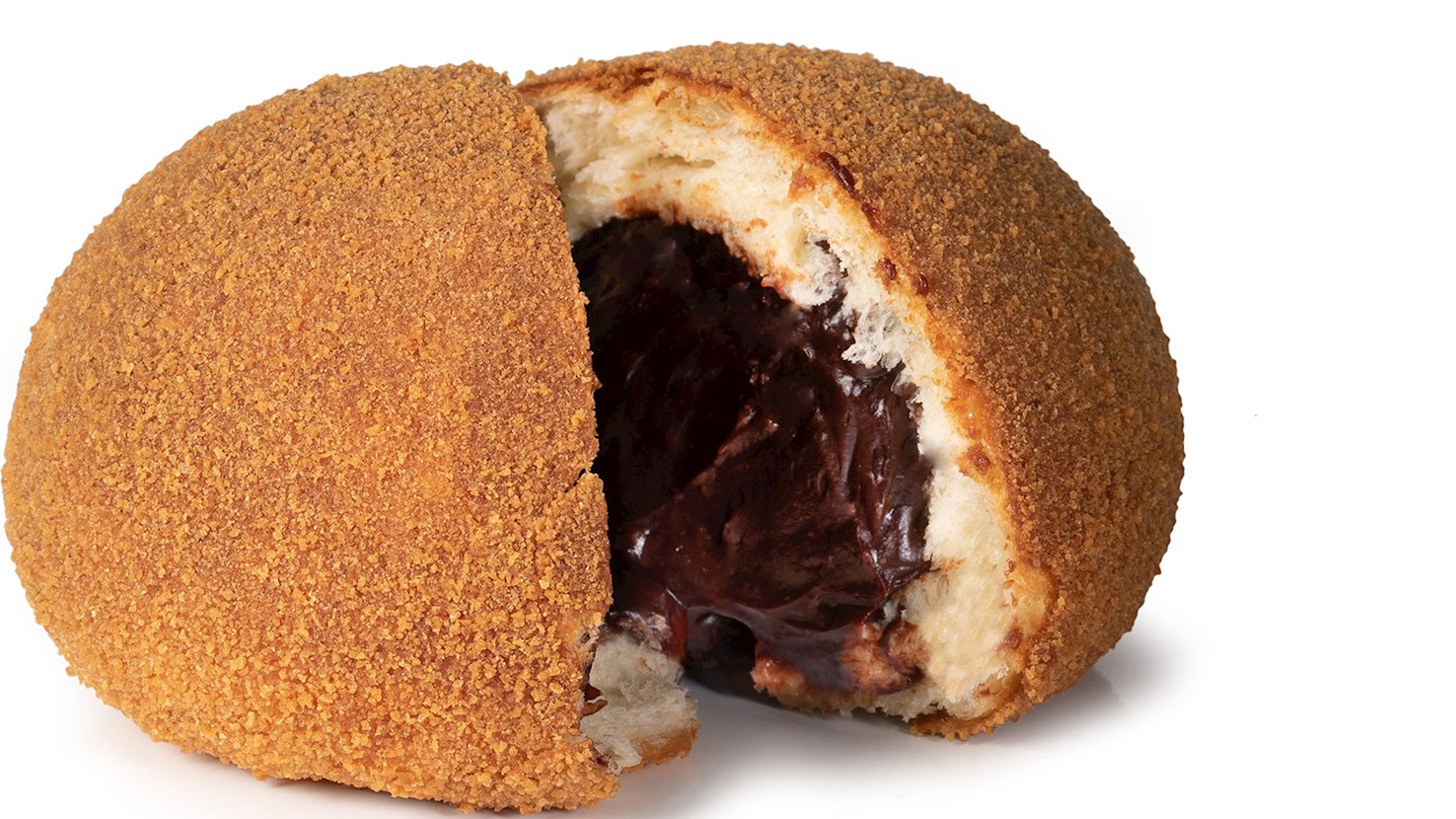
Iris is a traditional Sicilian fried dessert that’s particularly associated with the city of Palermo. The dessert consists of balls of yeasted dough that are stuffed with a mixture of ricotta cheese and sugar. The dough is usually prepared with a combination of flour, milk, sugar, eggs, yeast, and butter. Once stuffed, the balls are dipped in whisked eggs, then rolled in breadcrumbs and fried in hot oil until golden. There are also variations on iris that are stuffed with cream or Nutella. Iris was invented in 1901 by pastry chef Antonio Lo Verso, who named the fried dessert in honor of Pietro Mascagni’s eponymous opera.
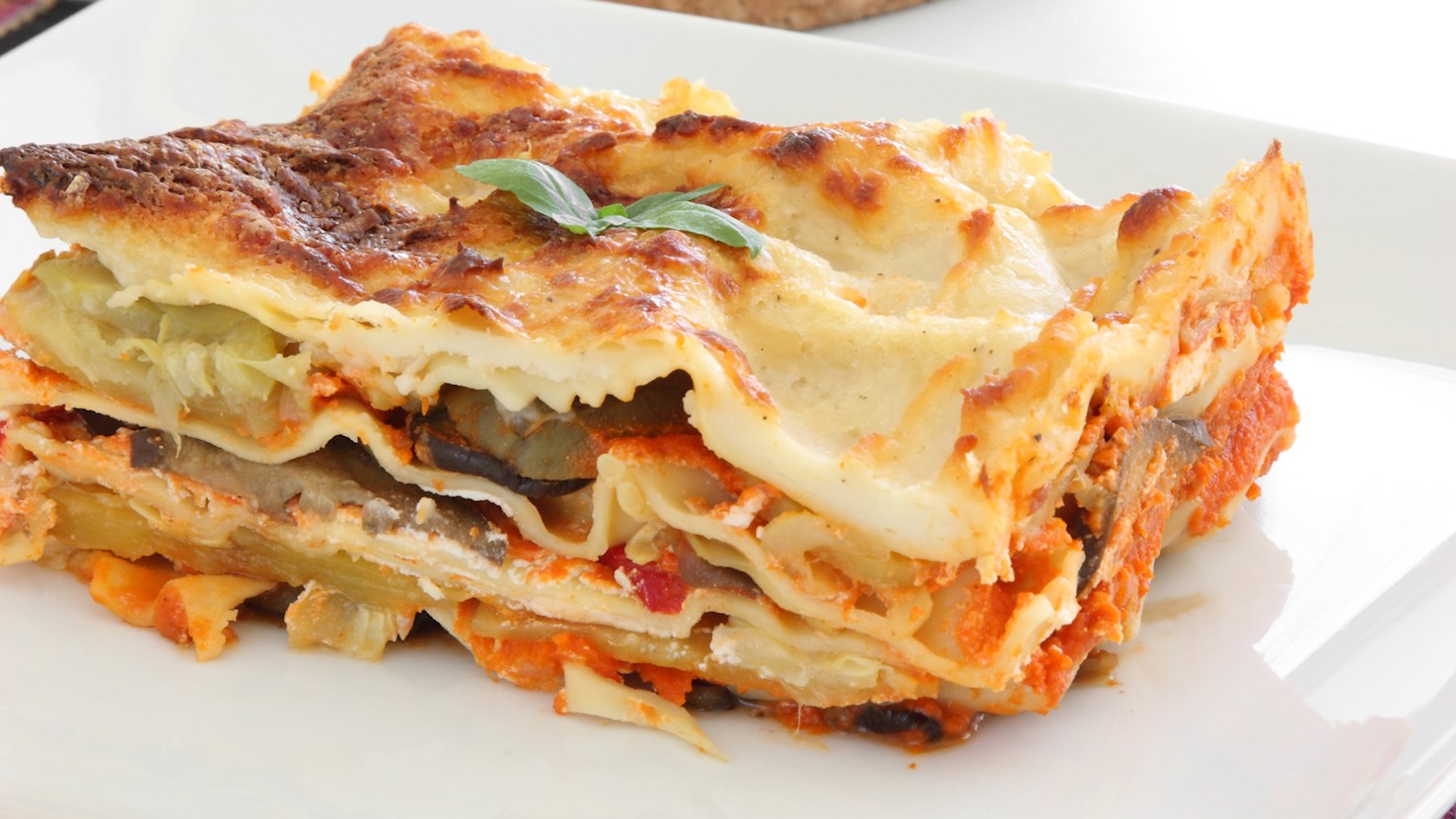
Lasagne con melanzane e ricotta is a traditional lasagna dish originating from Italy. The dish is usually made with a combination of lasagne pasta, eggplants, butter, pine nuts, ricotta, tomato paste, basil, olive oil, salt, and grated Parmigiano-Reggiano. The eggplants are cut into slices, salted, drained, and broiled until tender. An ovenproof dish is greased with butter and layered with cooked lasagne sheets, eggplant slices, pine nuts, ricotta, tomato paste, and basil. The mixture is drizzled with olive oil and the process of layering is repeated. The final layer is sprinkled with grated cheese and the dish is baked in the oven until golden and bubbling.
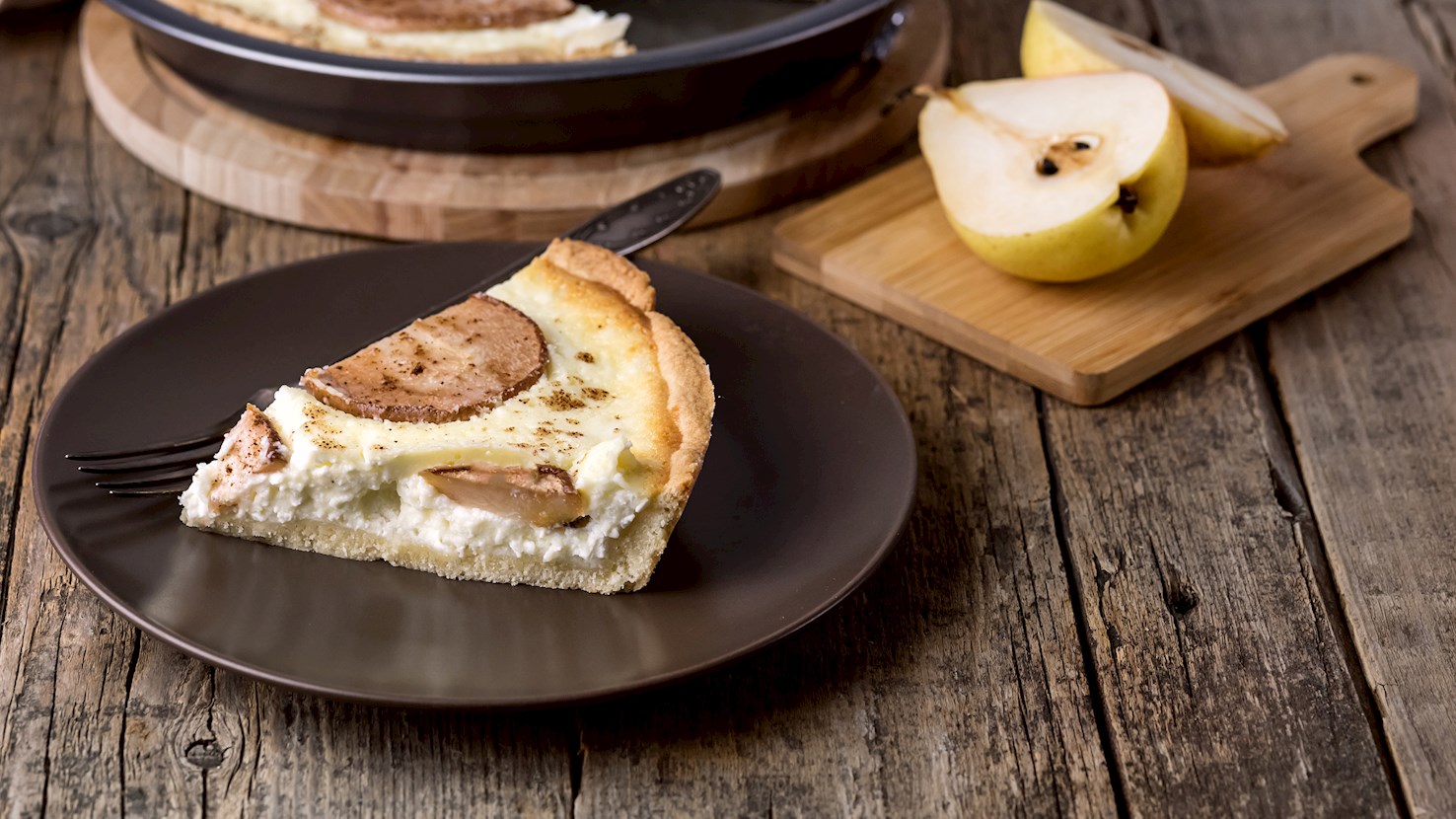
Torta ricotta e pere is an Italian cake originating from the Amalfi area. It consists of four main parts – the hazelnut sponge, the syrup, the ricotta cream, and the pear filling. The sponge is made with a combination of eggs, sugar, hazelnuts, flour, lemon zest, and butter. The syrup consists of water, sugar, rum, and pear brandy, while the ricotta cream is made with ricotta, whipping cream, and sugar. The pear filling is made with ripe pears, sugar, pear brandy, and gelatine. In order to assemble the cake, one sponge disk is placed at the bottom and it's then spread with half the ricotta cream, the pear filling, and the other half of the ricotta cream. The other sponge disk is placed on top, and the cake is then chilled before serving. It's recommended to decorate this cake with icing sugar.
Nadugi is a traditional appetizer or spread originating from Georgia. It's usually made with a combination of sour cream, sulguni or Imeretian cheese, mint, salt, and chili peppers. The mint, salt, and chili peppers are ground into a paste. It is simply mixed with cheese and sour cream, and nadugi is ready to be enjoyed. The creamy mixture can be spread over bread or stuffed into cheese cones and served as an appetizer. If desired, garlic and carrots can also be added to the mixture.
TasteAtlas food rankings are based on the ratings of the TasteAtlas audience, with a series of mechanisms that recognize real users and that ignore bot,
nationalist or local patriotic ratings, and give additional value to the ratings of users that the system recognizes as knowledgeable.
For the “38 Best Rated Dishes with Ricotta” list until June 17, 2026, 1,000,987 ratings were recorded, of which 657,348 were recognized by the system as legitimate.
TasteAtlas Rankings should not be seen as the final global conclusion about food. Their purpose is to promote excellent local foods,
instill pride in traditional dishes, and arouse curiosity about dishes you haven’t tried.