



8 Best Rated
Dishes with Rodent

Last updated on May 22, 2026
01

Picante de cuy

3.8 ·

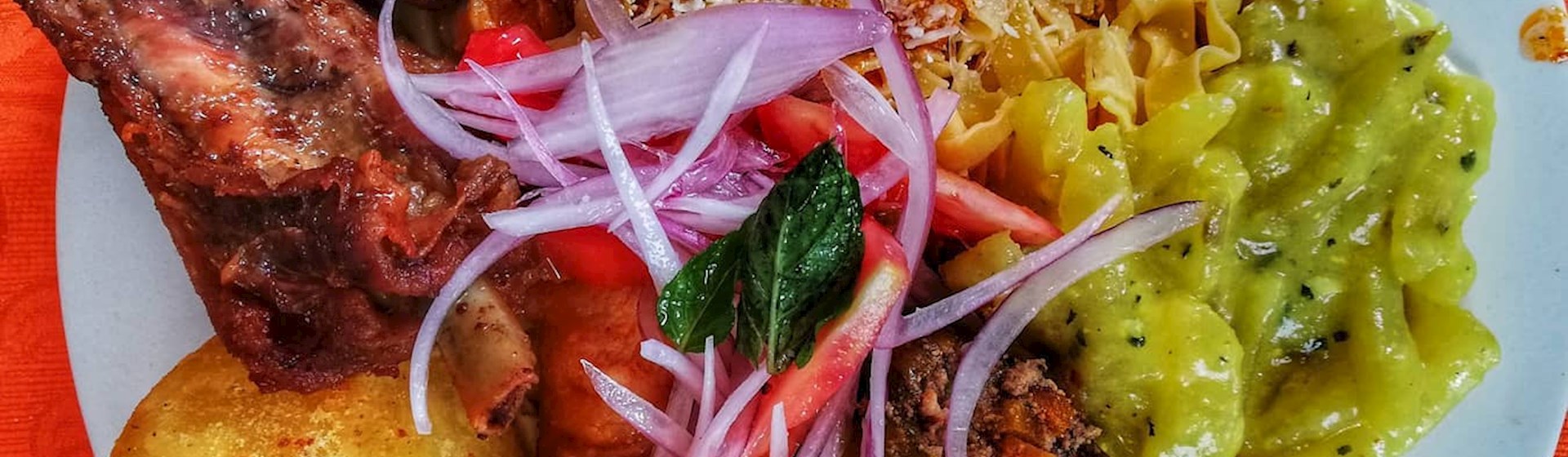
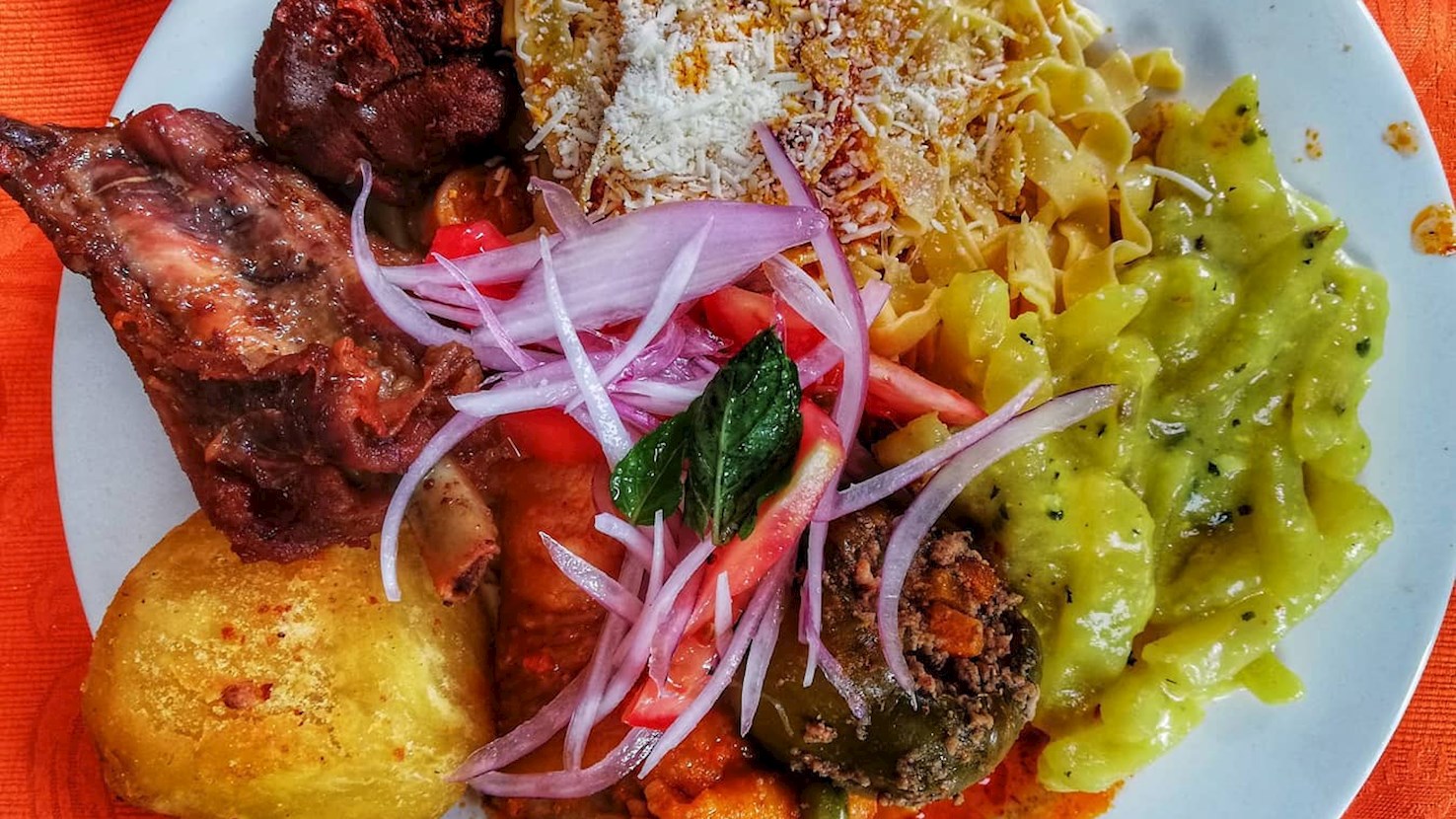
Picante de cuy is a traditional dish originating from Peru. It's usually made with a combination of cuy (guinea pigs), potatoes, garlic, ají peppers, oil, and salt. The guinea pigs are cut into pieces and seasoned with salt and garlic. They're fried on both sides in hot oil, and once fried, the boiled potatoes, ground ají peppers, and minced garlic are added to the pan and everything is lightly roasted. Picante de cuy is traditionally served with white rice and salsa criolla on the side.

02

Pepián de cuy

3.7 ·

Pepián de cuy is a traditional stew originating from Peru. The stew is made with a combination of guinea pig meat, potatoes, corn, onions, peanuts, salt, pepper, garlic, and oil. The guinea pig is cut into quarters, lightly fried in oil, then placed into a pot with onions, garlic, potatoes, corn, salt, and pepper. Before the pot is removed from the fire and near the end of cooking, roasted and ground peanuts are added for extra flavor. Once done, the stew is traditionally served with white rice on the side.

03

Cuy frito

3.5 ·

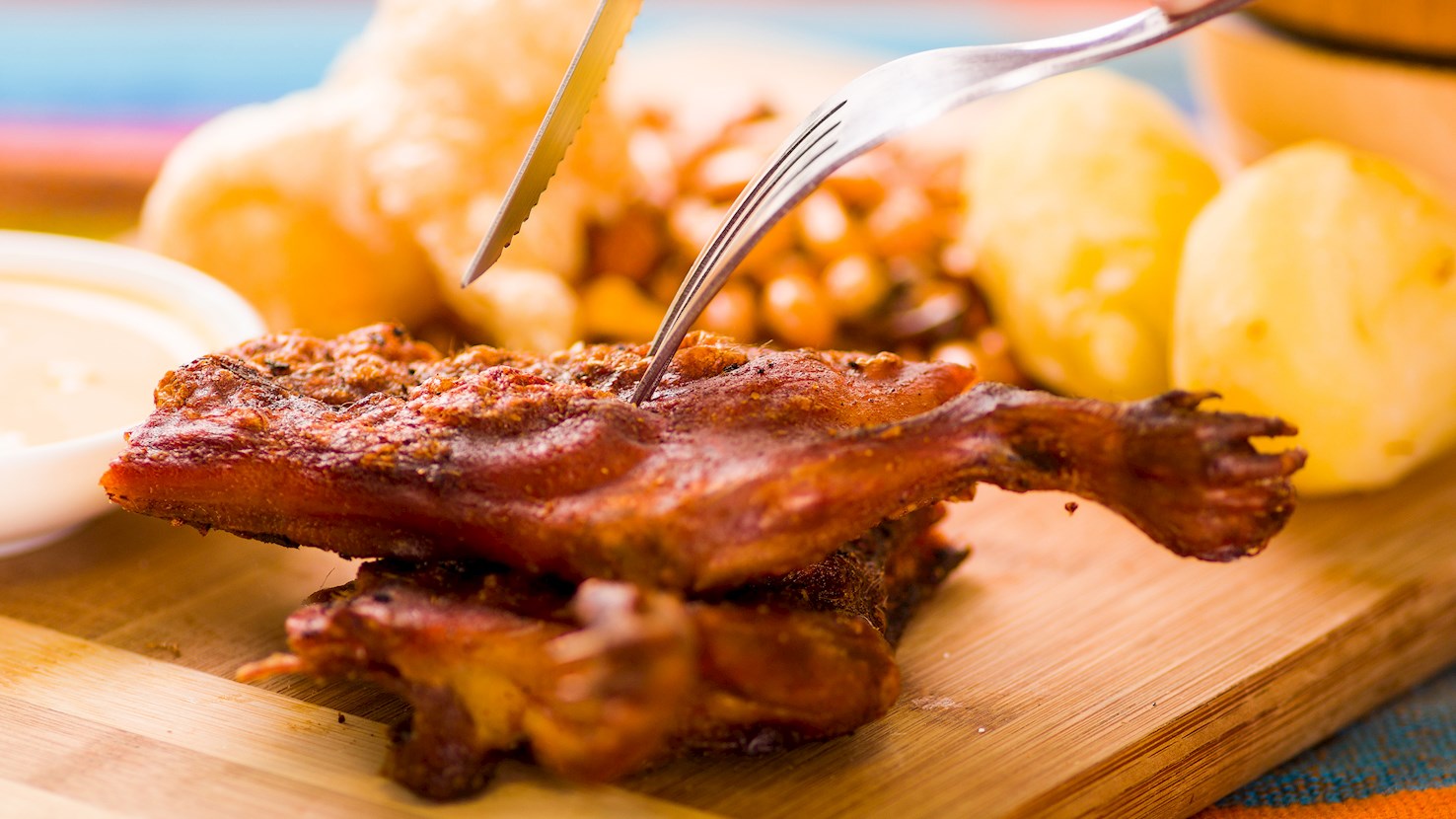
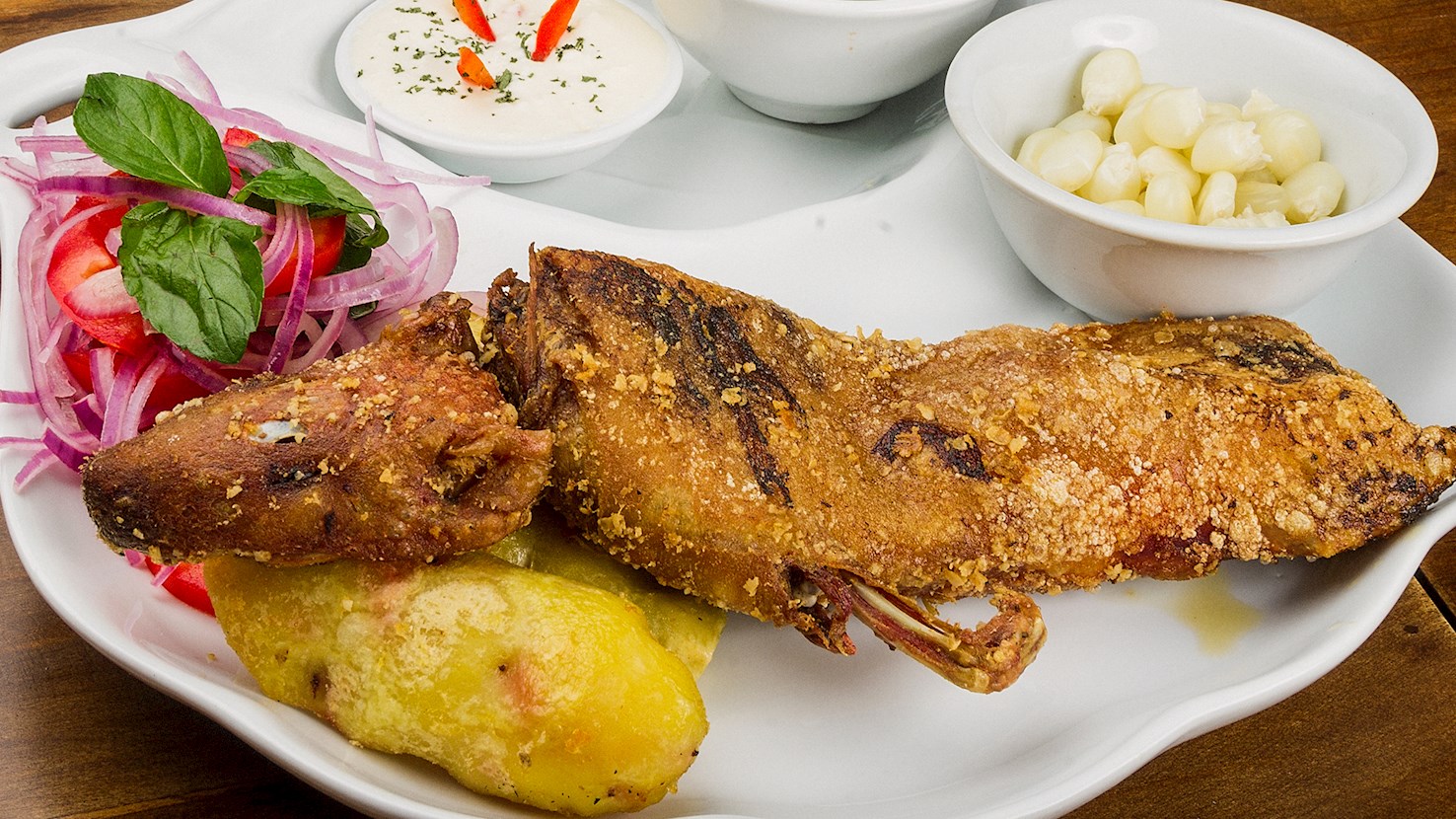
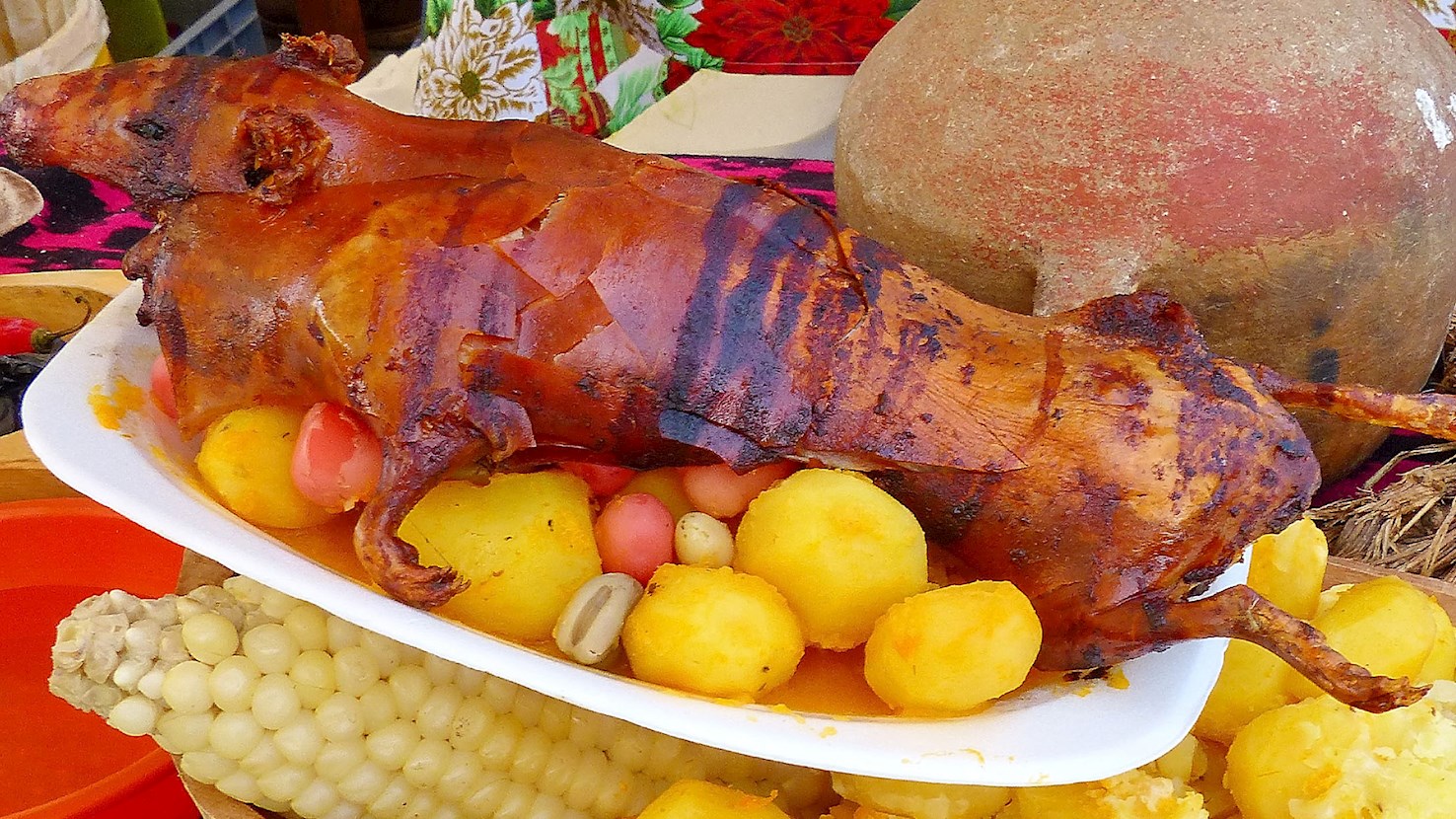
Cuy frito or cuy chactado is one of the oldest traditional Peruvian dishes that has been consumed since Incan times. It is made with guinea pigs, which are obviously not kept as pets in Peru – instead, they are fried to crispy perfection. The fried guinea pigs are said to taste similar to chicken (or as a cross between rabbit a chicken), but with a fattier flavor. The head is also edible, and that's the favorite part for many people. Cuy frito is usually eaten with your hands, and it's recommended to keep some napkins on hand as things can get a bit messy while eating it. This dish is typically served in cuyerías with corn on the cob, rice, potatoes, sweet potatoes, salsas, and salads.

04

Cuy al horno (Oven-baked guinea pig)

3.5 ·

Cuy al horno is a traditional preparation of baked guinea pigs originating from Peru. This dish is popular in the region of Cusco, but it can be found in most tourist-oriented restaurants in the country. The guinea pigs are marinated in a combination of garlic, aji amarillo, cumin, oil, chicha de jora, huacatay, black pepper, and salt for at least one hour. It's then placed into a pan with potatoes and baked for an hour. Once done, the guinea pigs are served with the baked potatoes and a salsa consisting of tomatoes, onions, coriander, lemon juice, and salt. One guinea pig is usually served for more than one person because the dish is accompanied by various side dishes.

05

Cuy al palo (Guinea pig on a stick)

n/a ·

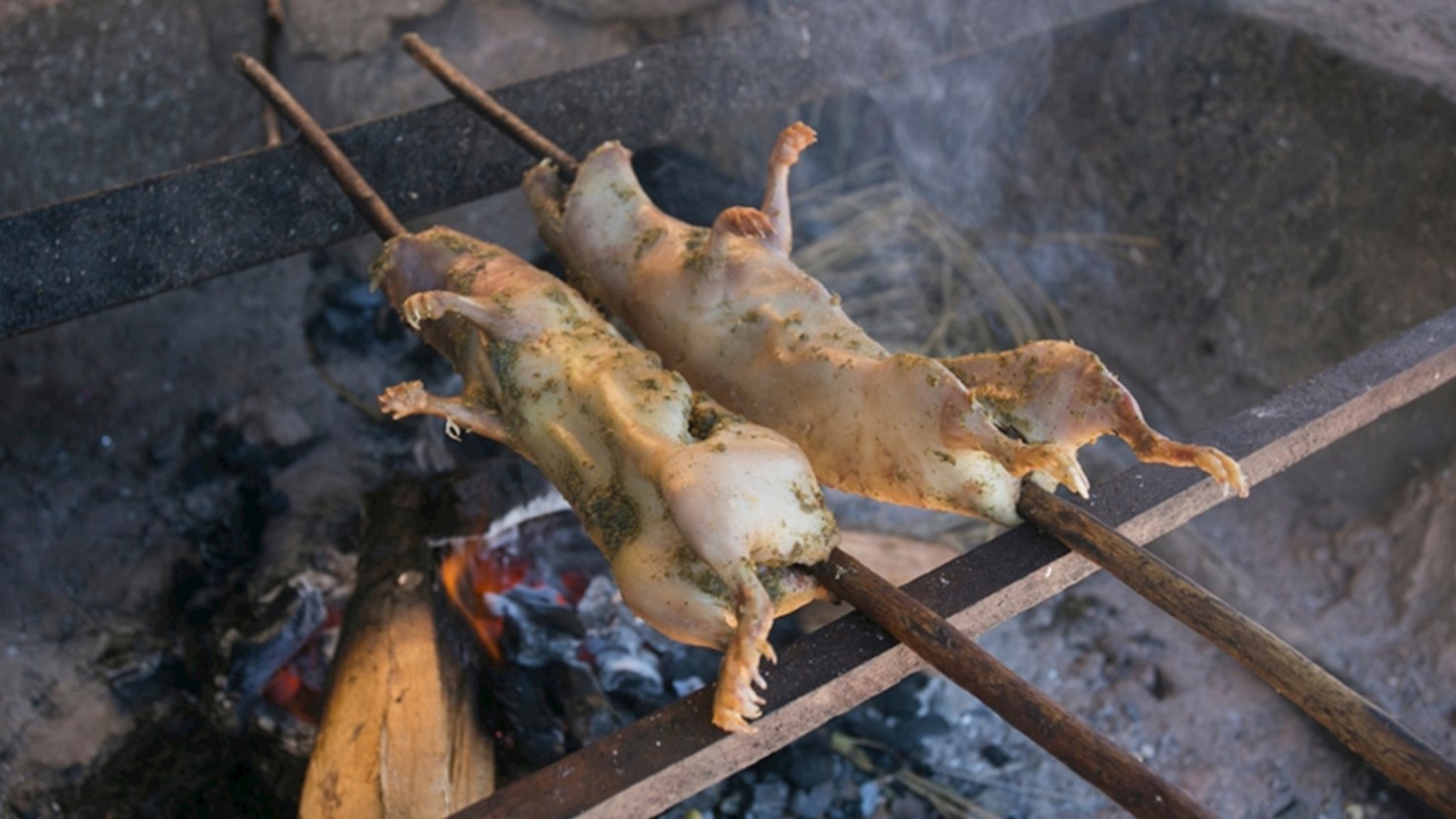
Cuy al palo is a traditional dish consisting of guinea pig on a stick. The dish is enjoyed throughout the country, but it's especially popular in Cusco and Arequipa due to tourism. In addition to the guinea pigs, the ingredients for cuy al palo often include salt, pepper, oil, cumin, garlic, and huacatay (black mint or southern marigold). The guinea pig is marinated in the mixture of those ingredients, and it's then skewered and grilled over an open fire. The stick must be turned regularly so that the whole guinea pig becomes crispy and fully roasted. Once done, the guinea pig on a stick is often served with salsa or baked tomatoes.

06

Mbeva

n/a ·

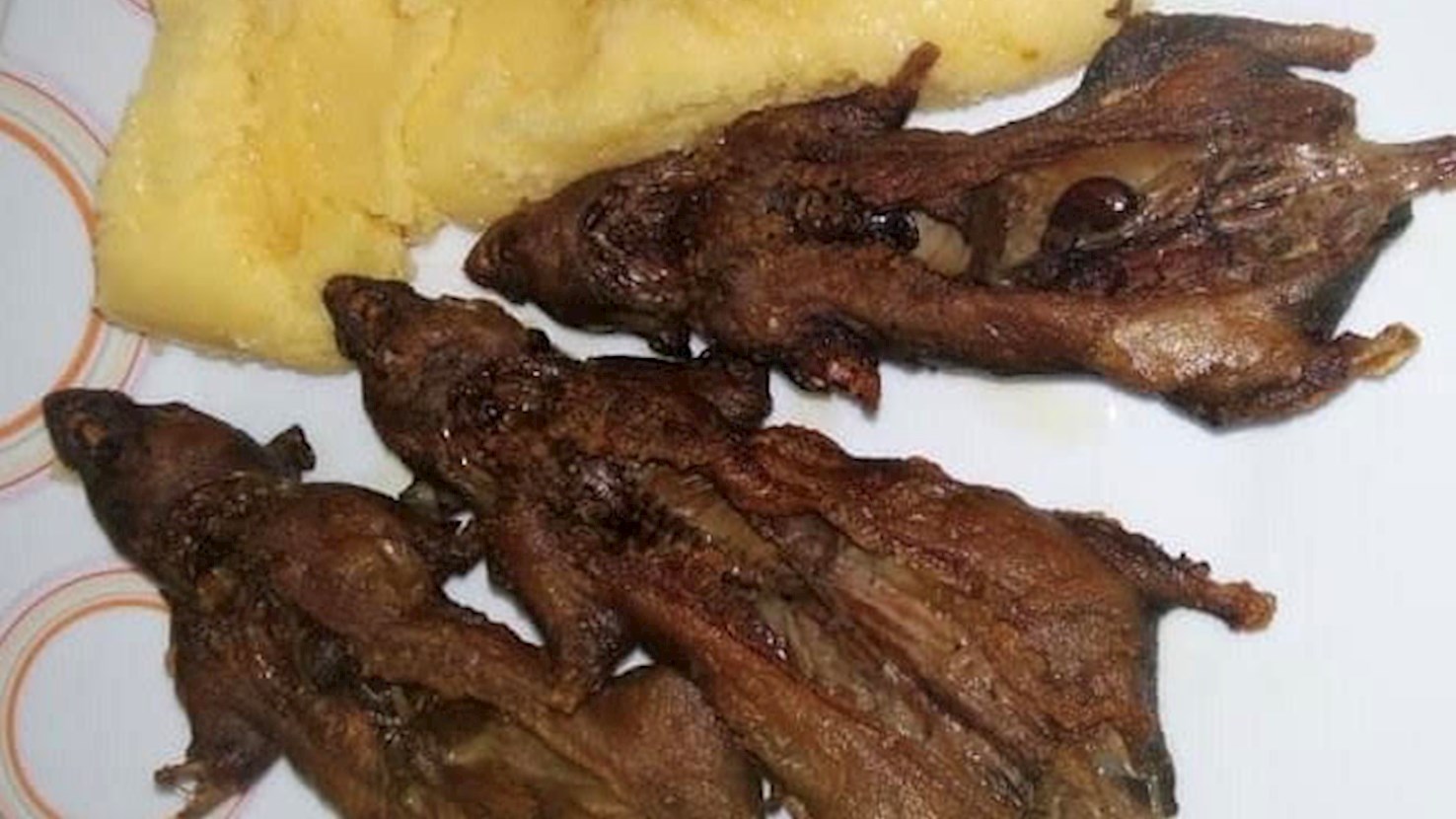
Mbeva, also known as roasted field mice, is a traditional snack in some parts of Africa, particularly in Zambia, Malawi, and some other Southern African countries. This snack is considered a delicacy in certain regions and is often enjoyed as a street food. In rural regions of Southern Africa, roasted field mice, known as mbeva, are prepared by first catching the mice, cleaning them thoroughly, and then roasting them over an open fire until crispy. They are typically consumed whole and often enjoyed as a snack or part of a meal. While mbeva can be a nutritious source of protein and other nutrients, potential health concerns include the risk of zoonotic diseases, but ensuring thorough cooking and proper hygiene can mitigate these risks.

07

Asado de picuro

n/a ·

Asado de picuro is a dish from the Amazon region of Peru and other parts of South America, where "picuro" refers to a species of rodent (known as the paca in English), and "asado" generally means roasted or grilled. The paca is a large rodent native to Central and South America, and it's a common source of meat in the areas where it is found. Pacas are known for their tender and flavorful meat, which can be prepared in a variety of ways, including roasting, which is one of the preferred methods in regions where this dish is a traditional staple. The meat might be marinated with local herbs and spices and then slow-cooked over an open flame or in an earth oven, which would impart a smoky flavor to the dish. Hunting pacas and other wild game is a traditional practice for many indigenous and local communities, and such dishes are a part of their cultural heritage. However, it's important to note that in some areas, pacas and other wild species are protected due to conservation concerns, and the hunting of these animals is regulated or prohibited to ensure that their populations remain sustainable.

08

Pečeni puh (Roasted dormouse)

n/a ·

Roasted dormouse (or pečeni puh in Croatian) is a Croatian meat delicacy that has been traditionally prepared in various parts of the country, especially on the islands of Hvar and Brač, and in the Rijeka hinterland. Dormice are cleaned thoroughly either by burning their fur (thereby leaving the skin intact) or skinning, and they are then cooked in a traditional oven until nicely crispy, yet tender. Once done, the roasted dormice can be enjoyed on their own, or they can be tucked between two slices of bread and eaten as a sandwich. The meat is fatty, crispy, tender, and rather bony, while its flavor has been described as being reminiscent of sweet pork shoulder. The unusual tradition of cooking and consuming this rodent dates back to the times of the Roman emperors, who greatly appreciated the flavor of the animal’s meat, and typically enjoyed it as an appetizer or even as a dessert.

About this ranking

TasteAtlas food rankings are based on the ratings of the TasteAtlas audience, with a series of mechanisms that recognize real users and that ignore bot, nationalist or local patriotic ratings, and give additional value to the ratings of users that the system recognizes as knowledgeable. For the “8 Best Rated Dishes with Rodent” list until May 22, 2026, 989,163 ratings were recorded, of which 646,971 were recognized by the system as legitimate. TasteAtlas Rankings should not be seen as the final global conclusion about food. Their purpose is to promote excellent local foods, instill pride in traditional dishes, and arouse curiosity about dishes you haven’t tried.

Similar lists