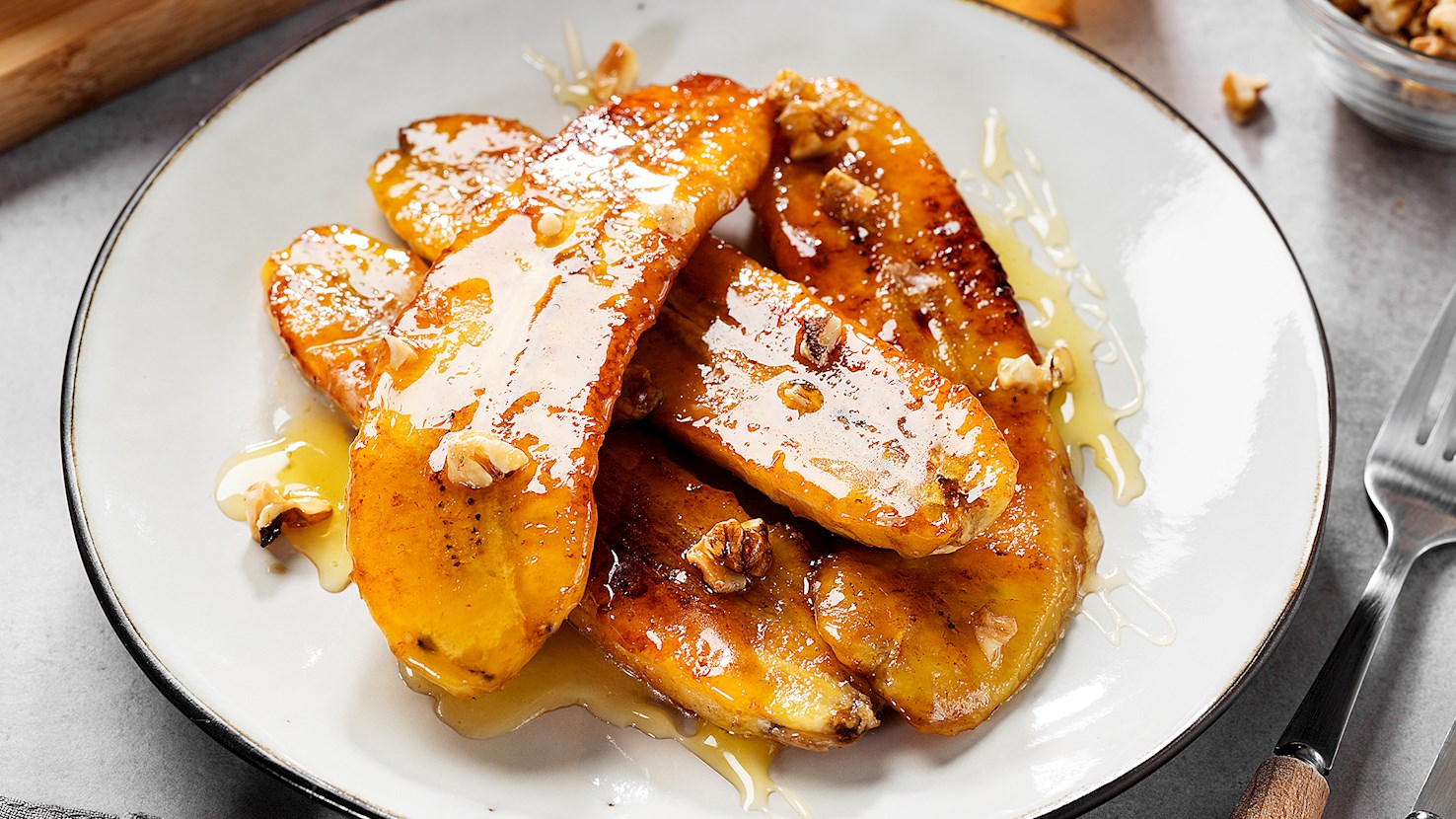
Bananas Foster is an iconic dessert created in New Orleans in 1951. It consists of bananas sautéed in a combination of rum, brown sugar, banana liqueur, butter, and spices. When the bananas are slightly tender and begin to brown, cooks set the alcohol on fire with the famous flambé technique. Bananas are usually served with a scoop or two of vanilla ice cream. Because the process is so visually attractive, the dessert is often prepared alongside tables in most restaurants. It was invented by Paul Blangé, a chef from the New Orleans restaurant called Brennan's. He named it in honor of Stephen Foster, a local businessman who used to frequent the restaurant. Since 1951, bananas Foster rose in popularity, and it is still one of the most popular items on Brennan's menu.
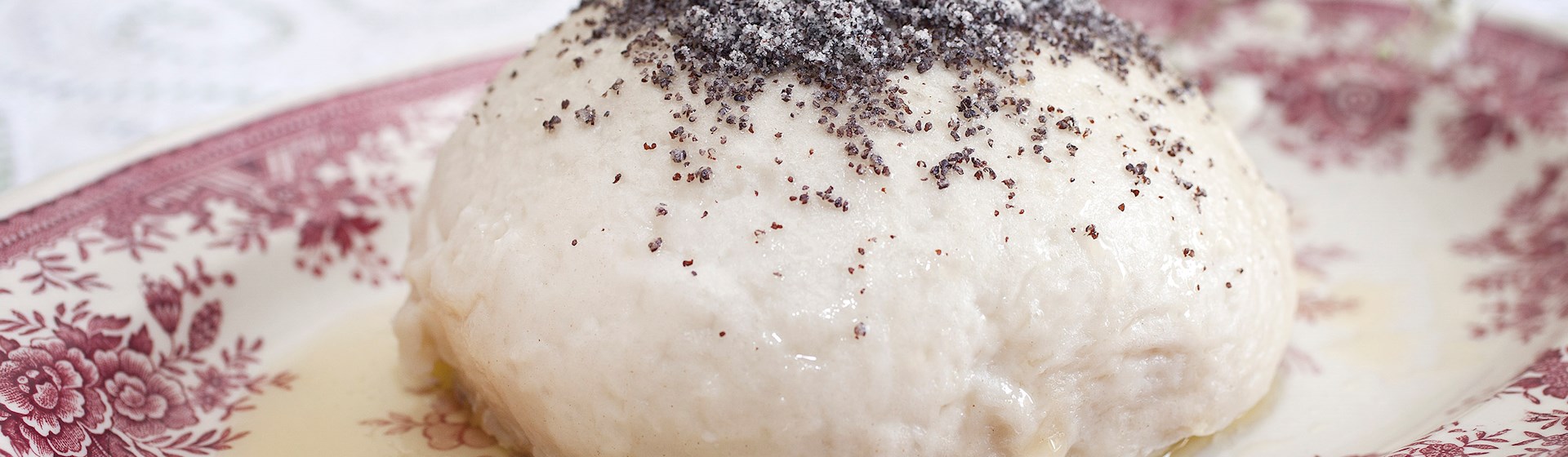
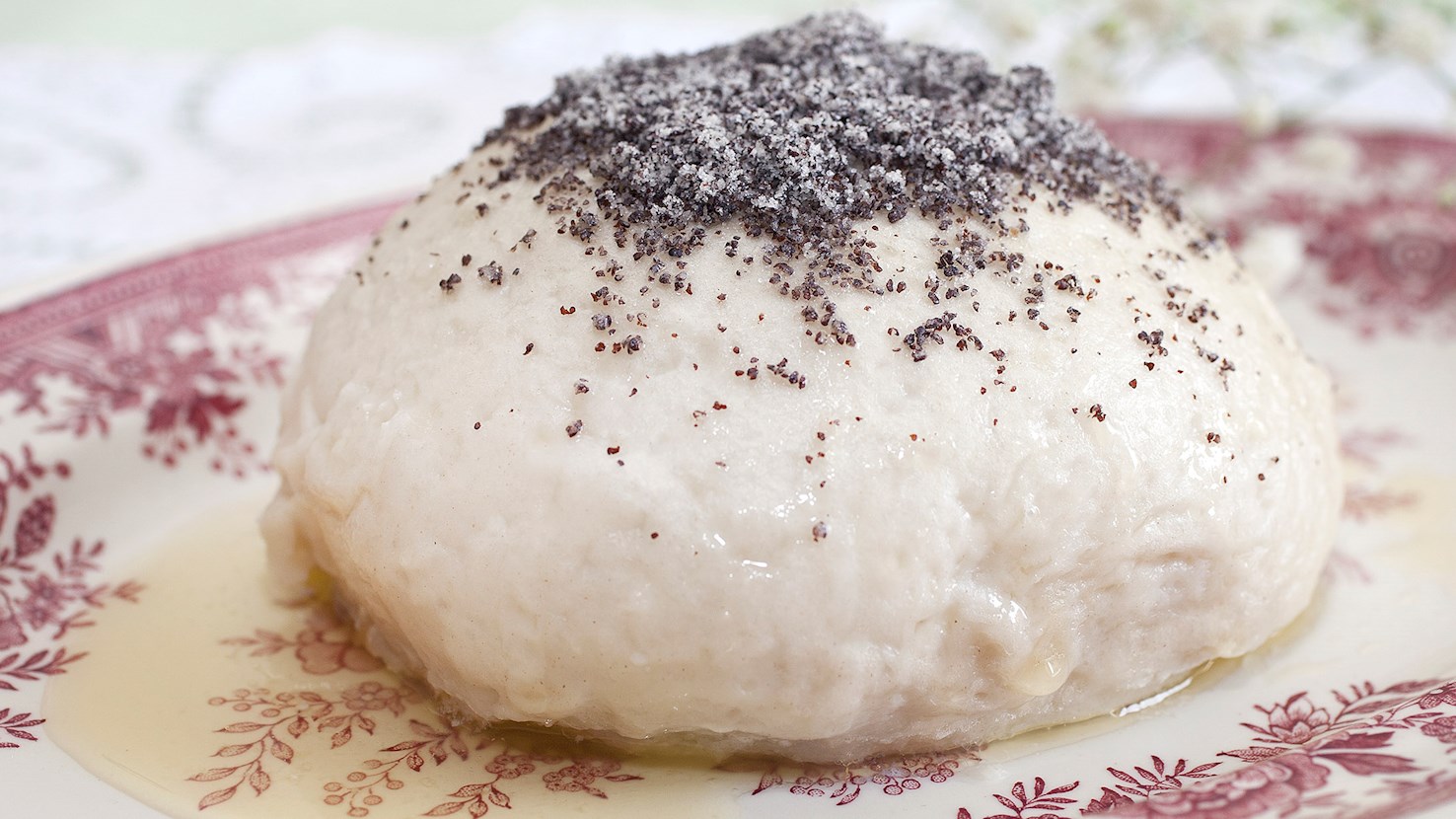
Germknödel is a famous Austrian steamed yeast dumpling. It consists of soft dough which is filled with rum-spiced plum jam. Before serving, the dumpling is generously doused with melted butter or vanilla-based sauce and sprinkled with a considerable amount of poppy seeds. Believed to have originated in the eastern or southern parts of Austria, this unique dessert is nowadays associated with the famous Austrian ski resorts, where it has become an irreplaceable winter staple. Even though germknödel is nowadays consumed as a dessert, this was not the case when it first appeared in Austrian cuisine. Like many other Austrian dishes such as buchteln and kaiserschmarrn, it was invented as the main dish meant to be eaten during Lent, when meat was usually avoided. This is the main reason why it is still served in an unusually large form. Germknödel should always be freshly prepared and served warm. In Slovakia and the Czech Republic, these soft steamed buns are known as parené buchty and buchty na páře. Apart from plum jam, they are occasionally filled with other fruit jams, sweetened fresh cheese, poppy seeds, or chocolate.
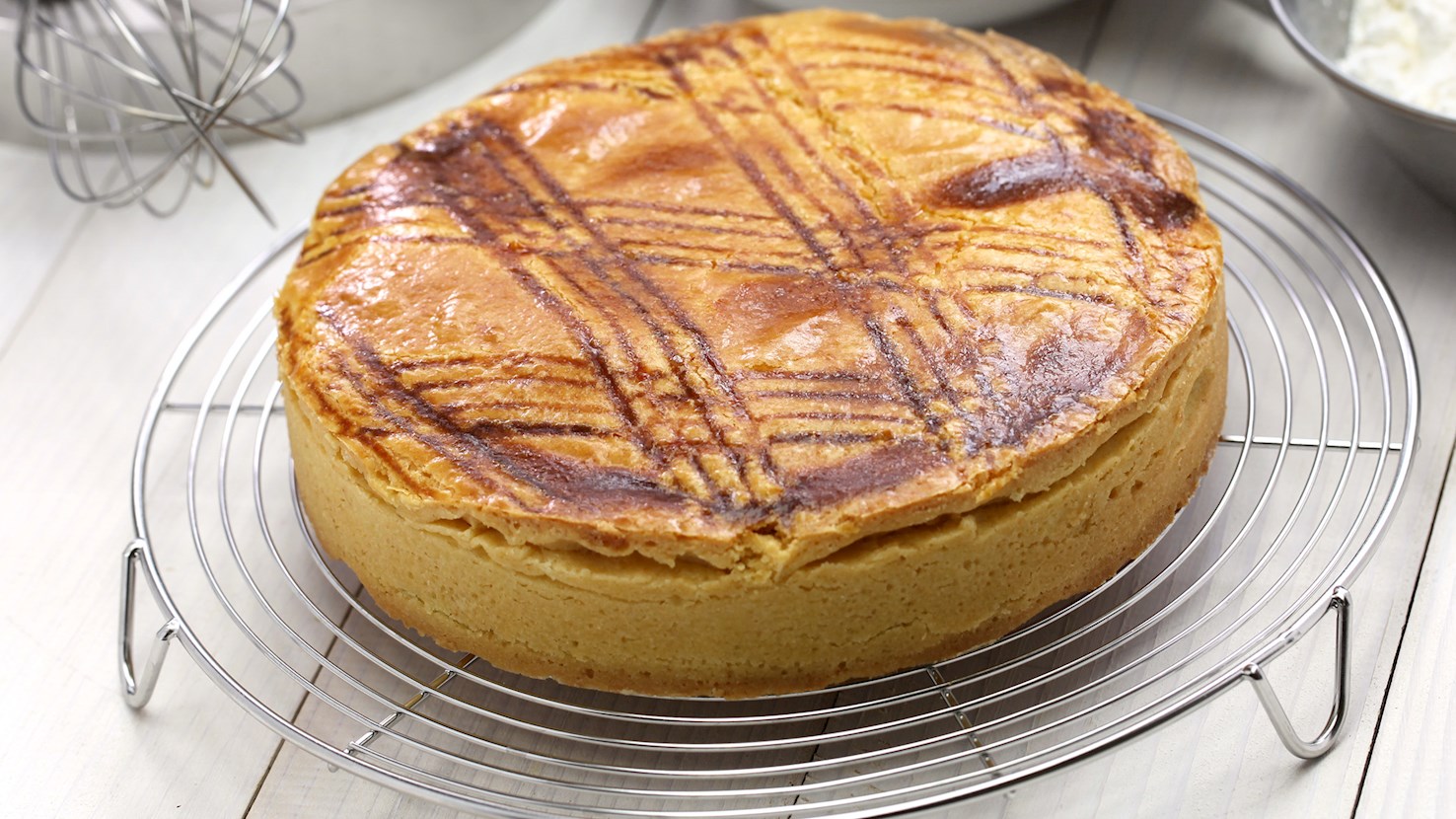
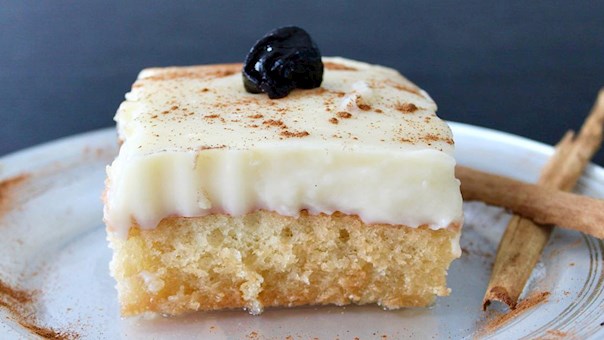
This classic Basque cake consists of two layers of shortcrust pastry and either a filling made with black cherry preserve or, more often, vanilla-flavored pastry cream. If made with black cherries, the top of the cake is usually decorated with the Basque cross (lauburu), while the version with pastry cream typically comes with a crosshatch pattern. Apart from vanilla, common flavorings may also include lemon zest, rum, or almond extract. Although it is traditionally associated with the entire French Basque Country, it is believed that the cake originated in the former French province of Labourd.
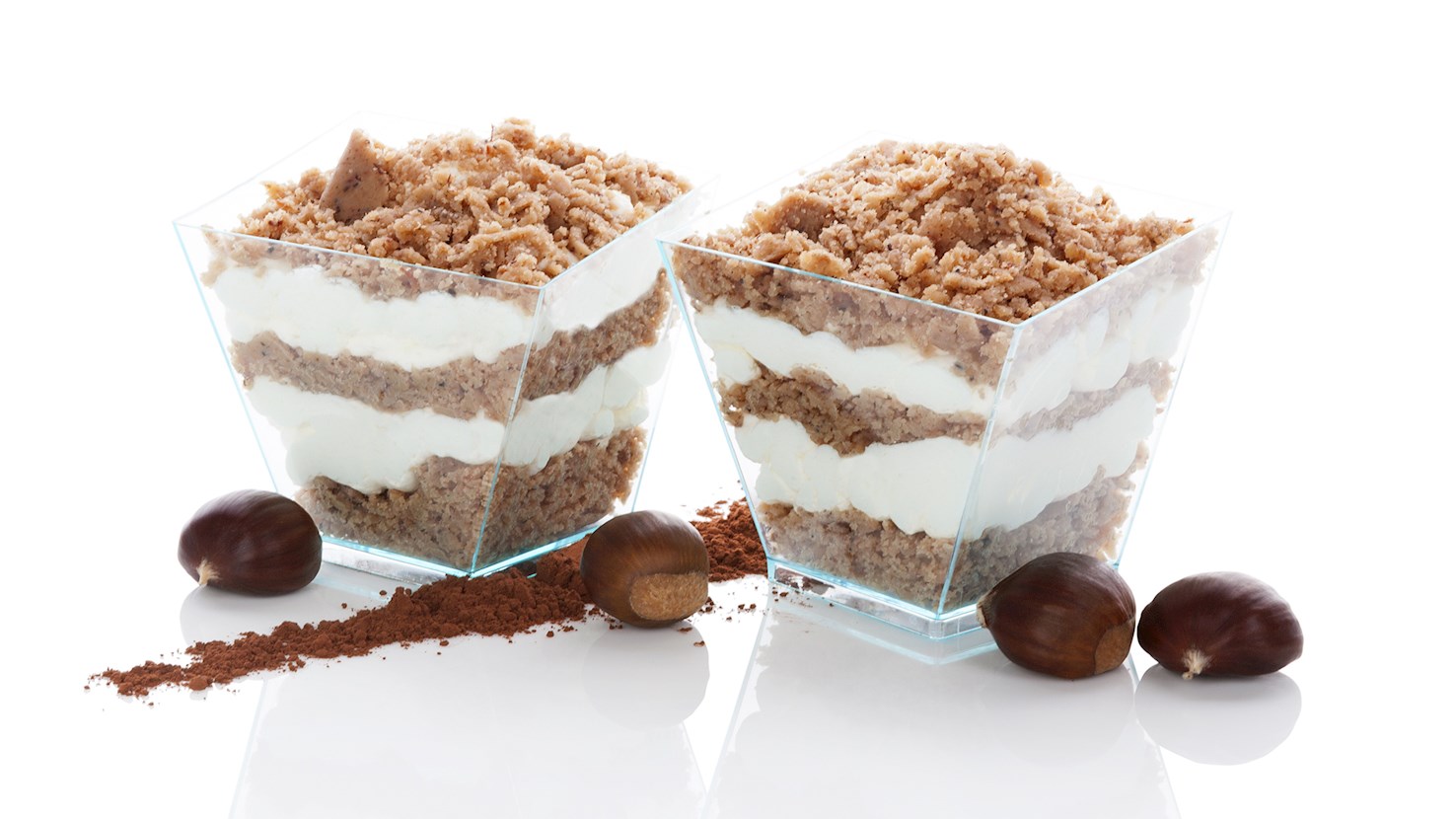
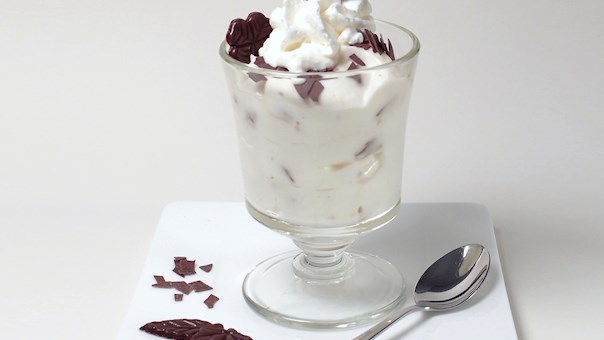
Gesztenyepüré is a sweet treat consisting of puréed, sweetened chestnuts topped with whipped cream. It is very popular in Hungary, but it was first discovered in an Italian cookbook from 1475. This dish is made by mixing chestnut purée, sugar, and rum together and then placing it in a ricer. Besides whipped cream, it can also be topped with cocoa powder and cherries. The original version was later adapted into a traditional, seasonal French dessert named Mont Blanc, while Hungarians introduced their variation in the 18th century.
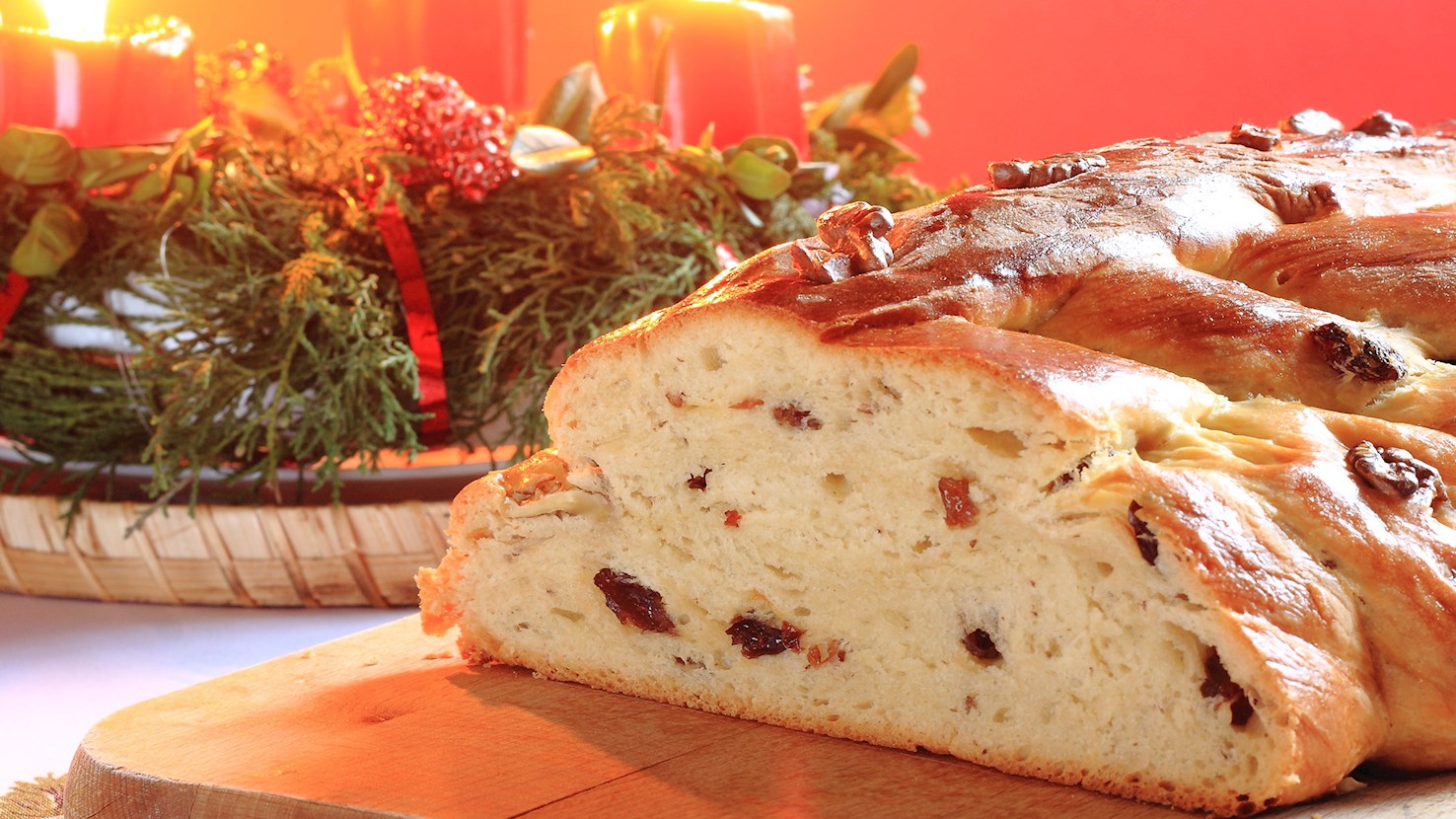
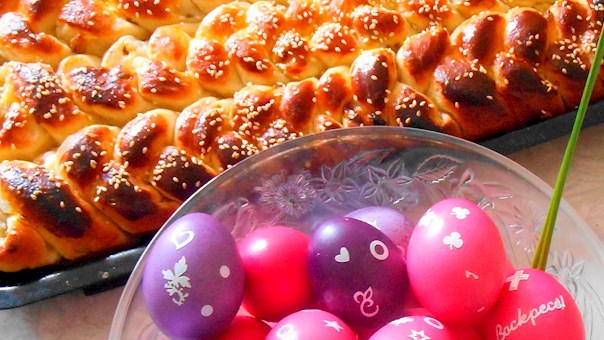
Traditionally prepared for Christmastime, vánočka is a braided brioche-like bread that is typically flavored with rum and lemon zest, although it is often made with the addition of raisins and almonds. The name of this delicacy stems from Vánoce, the Czech word for Christmas, while the bread is said to symbolize baby Jesus lying in a manger, snugly wrapped in cloth strips. Interestingly, when making vánočka, it is a custom to jump up and down and think of dear friends and family members while the dough is rising.
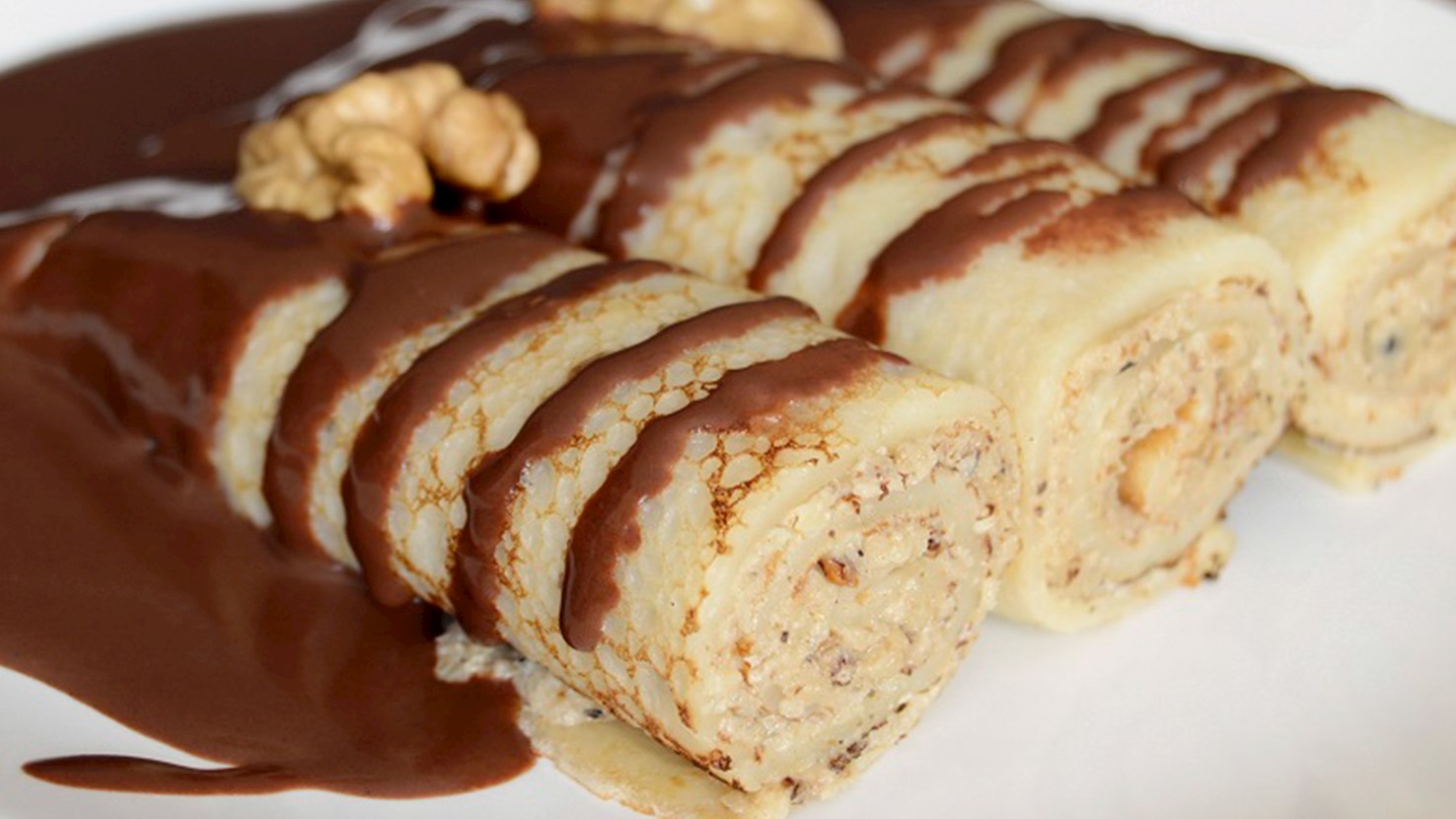
This classic Hungarian dessert consists of thin crêpe-like pancakes that are filled with a sweet walnut filling and served doused in warm chocolate sauce. The filling is traditionally prepared with ground or crushed walnuts, and it is often enriched with citrus zest, rum, cinnamon, and raisins. The origin of this classic is associated with Károly Gundel, a famous Hungarian restaurateur who initially served the pancakes at the renowned Gundel restaurant in Budapest, though it is believed that he had attained the recipe from Ilona Matzner, a wife of the famous Hungarian writer Sándor Márai. Throughout the years, the dessert has been adapted and incorporated into traditional Hungarian cuisine, and its variations are found throughout the country. The pancakes are usually folded into quarters or rolled up, and they are often served flambéed.
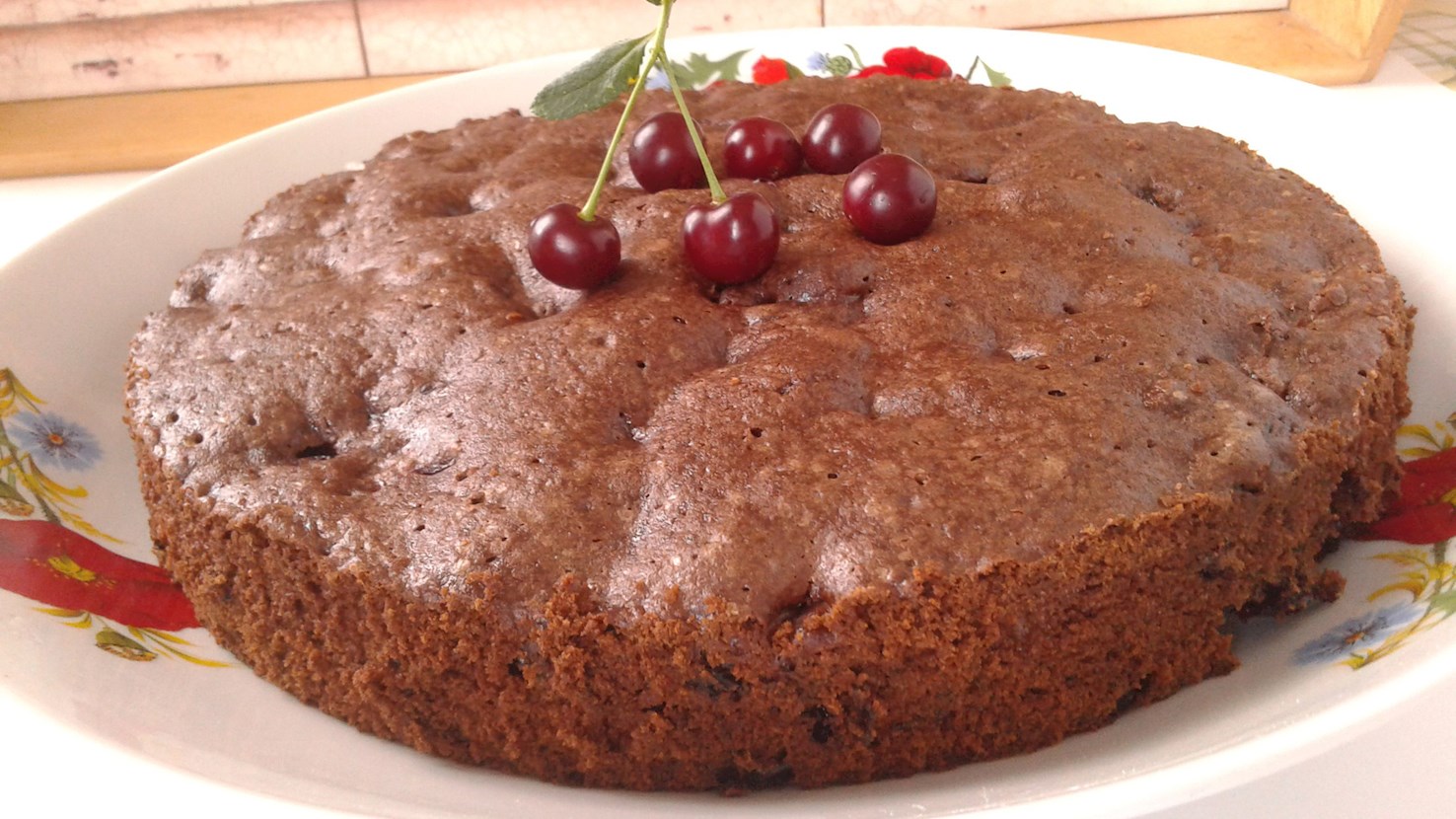
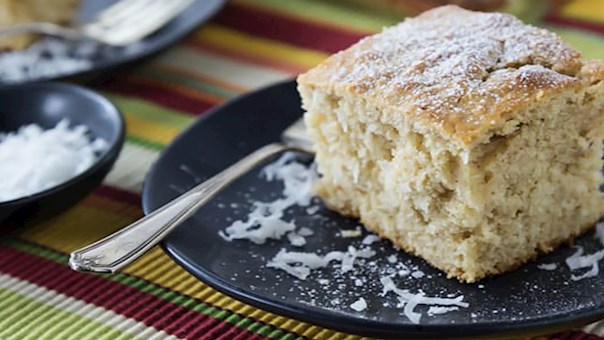
Jamaican rum cake is a dense, fruit-filled cake made with soaked dried fruits, browning, warm spices, and Jamaican rum, served throughout Jamaica especially during the Christmas season and at weddings, formal gatherings, and family celebrations. It is produced in homes, bakeries, and commercial kitchens and is closely associated with Jamaican festive cooking. The cake developed as cooks combined British-style fruitcake techniques with Caribbean ingredients such as overproof rum, local wine, pimento, and burnt sugar syrup used for coloring. In Jamaica, dried fruits were often preserved in rum for long periods, and this practice shaped the structure of the cake, which requires the fruit to be soaked in alcohol to create its characteristic texture and flavor. As rum production increased and baking methods evolved, the dish became a fixed part of holiday menus and large events. Preparation begins by soaking raisins, currants, prunes, and cherries in rum, red wine, or a mixture of both. The fruits may be soaked for weeks or months, and they are often blended before use to create a smoother texture. The cake batter is made from butter, sugar, eggs, flour, browning for color, and spices such as nutmeg, cinnamon, and pimento. The blended or chopped fruits are mixed into the batter along with additional rum or wine. The cake is baked slowly at a low temperature until firm and evenly set. After baking, some cooks pour extra rum onto the cake while it cools, which helps preserve it and deepen the flavor. One distinguishing feature of Jamaican rum cake is the use of browning, a cooked sugar syrup that darkens the cake without overwhelming the flavor, giving it its characteristic deep brown appearance. Jamaican rum cake is eaten across Jamaica and in Jamaican communities abroad during Christmas, New Year celebrations, weddings, and family gatherings. It is often served in thin slices due to its richness. Beverage pairings include sorrel drink, ginger beer, coffee, and fortified wines. Some people serve it with a small glass of rum or rum cream, while others enjoy it with tea. In many households, rum cake is prepared in advance of holiday seasons and stored so that the flavors continue to develop, making it a lasting part of Jamaican culinary celebrations.
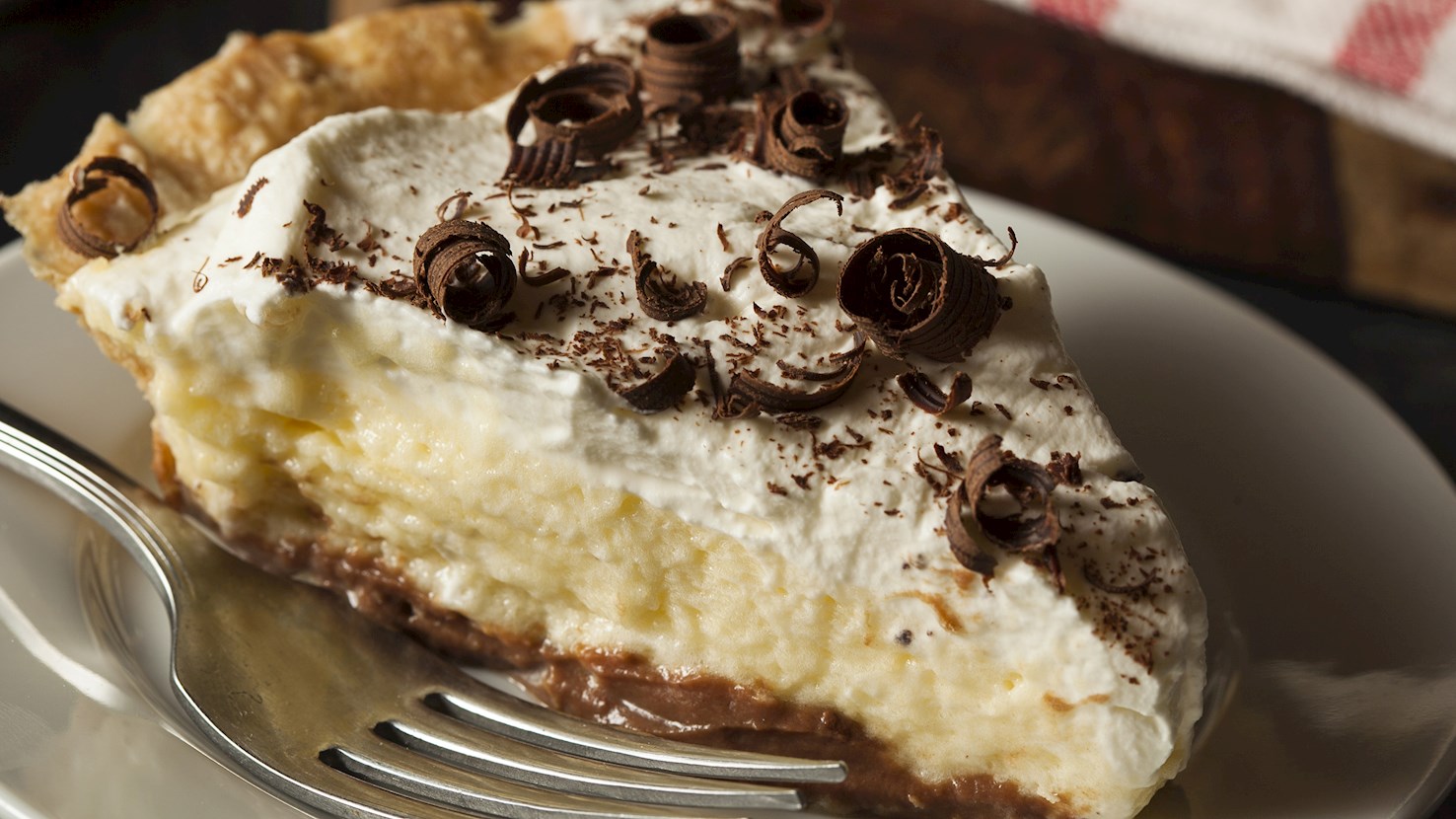
Originating in the early 1940s in the American South, black bottom pie is a sweet dessert consisting of a chocolate pastry cream that is flavored with rum and vanilla, and a crust made with butter, sugar, and crumbled cookies. The pie is typically topped with stiff meringue peaks or whipped cream, then garnished with chocolate shavings. When fully chilled, it can be served and consumed. Today, there are many version of this dessert with added coconut, lemon, strawberries, or bananas.
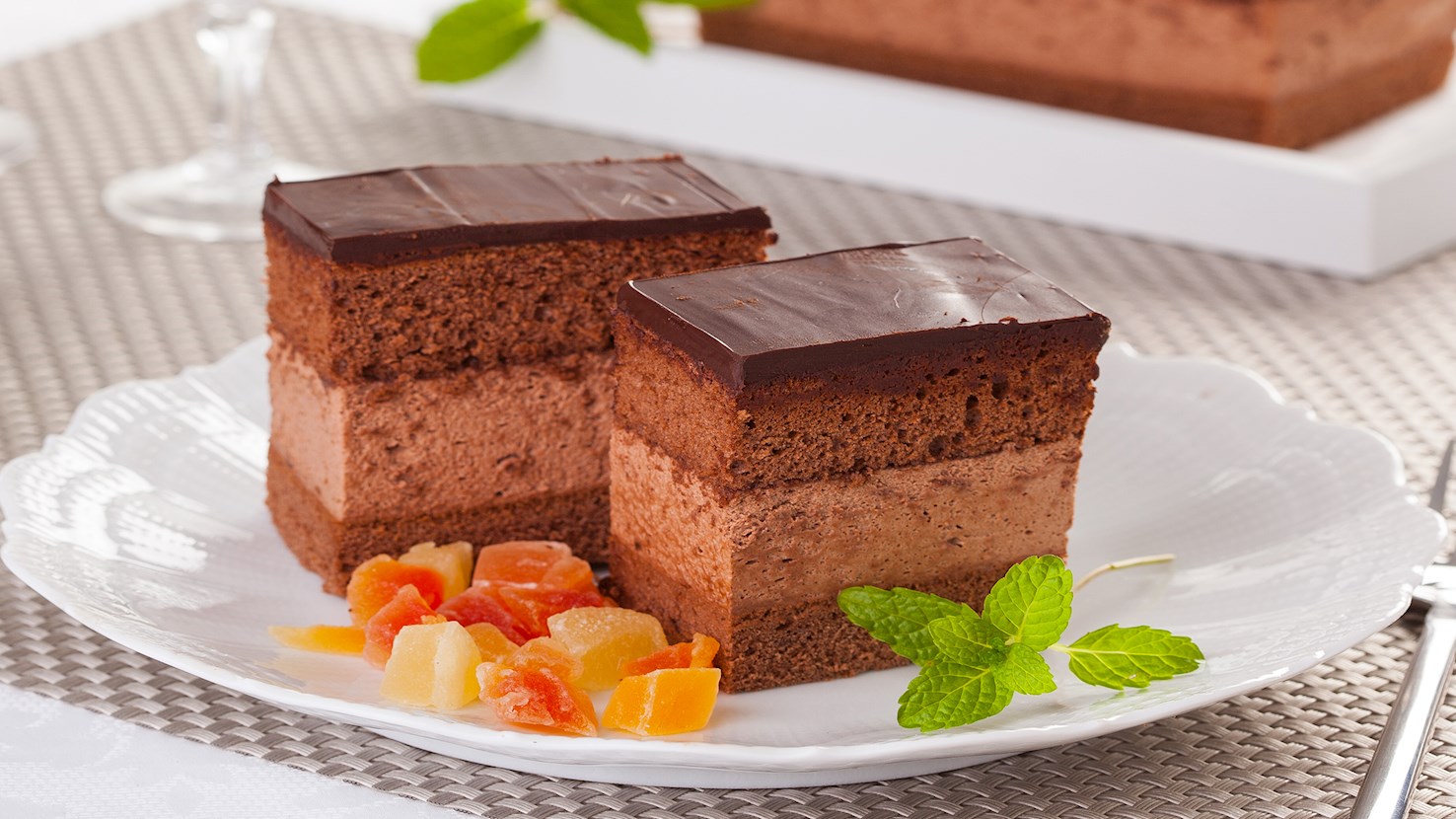
This classic Hungarian dessert consists of two layers of chocolate sponge held together by a luscious, mousse-like cocoa cream filling which is sometimes flavored with a splash of dark rum, while the cake itself is typically covered in a rich dark chocolate ganache. Rigó Jancsi is said to have been invented at the turn of the 20th century and named after a famous Hungarian Gypsy violinist who seduced and eventually married Clara Ward, the daughter of an American millionaire named Eber Brock Ward and the wife of Belgian Prince de Caraman-Chimay. The two lovers met while Rigó performed with his orchestra in a posh Paris restaurant which was frequented by a number of Belgian aristocrats. Legend has it that Clara was instantly fascinated by Rigó’s music, but even more so mesmerized by his passionate black eyes. Shortly thereafter, due to the scandalous romance story of a Belgian princess debauching into the sin of adultery, running off with a Gypsy musician and leaving behind her husband and two children, the decadent dessert also known as Gypsy John gained popularity both in Hungary and abroad, and it is still considered to be one of the most famous Hungarian desserts. It's also popular in Rijeka, a city in Croatia, because Clara and Rigó visited Rijeka in 1896, and the locals loved the cake, which is still regularly served in the city.
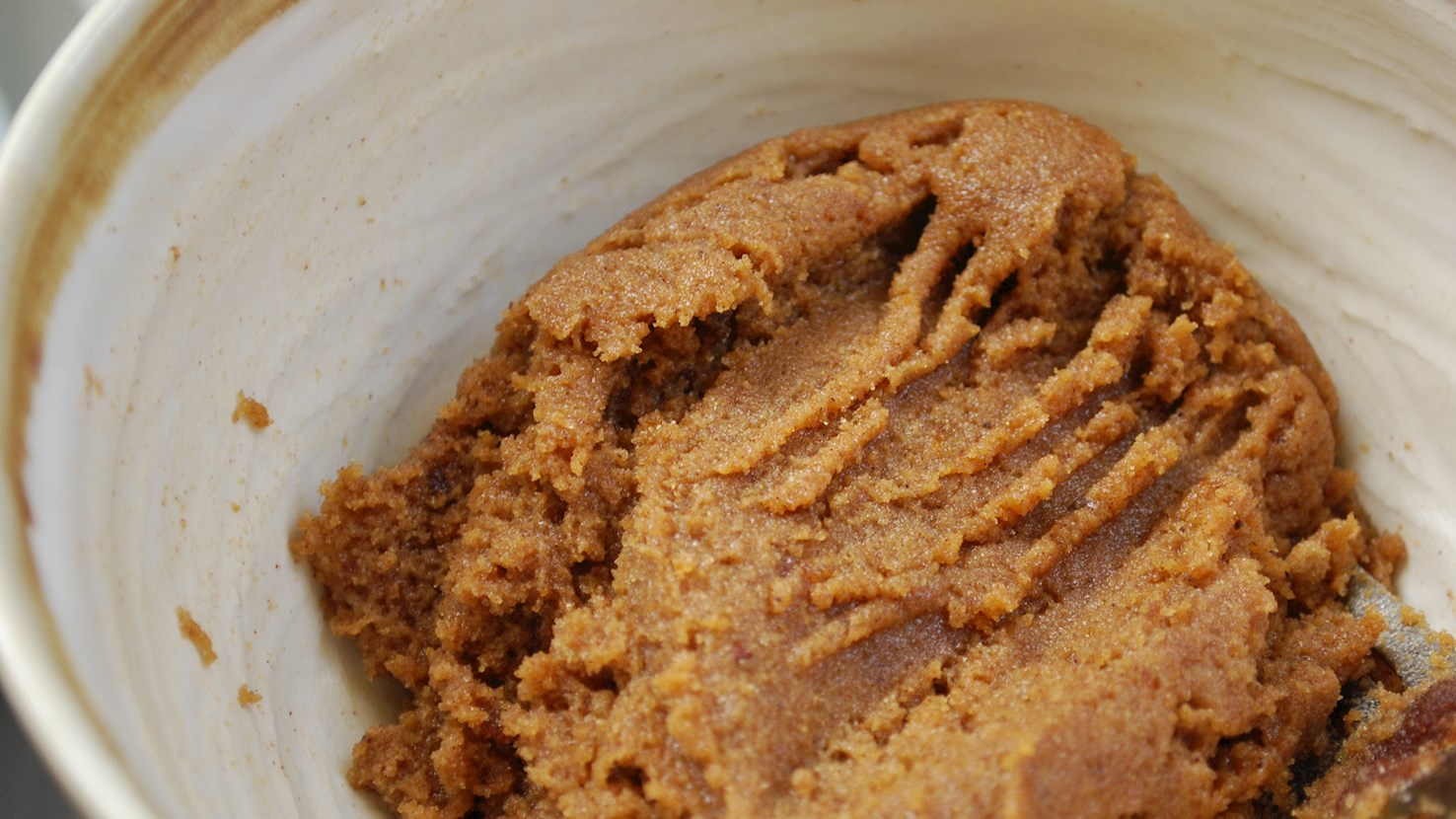
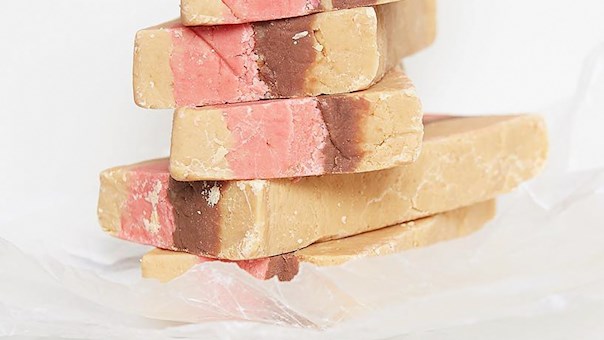
Rum butter is a traditional delicacy originating from Cumbria. Invented in the late 18th century, rum butter is usually made with a combination of soft unsalted butter, dark brown sugar, nutmeg, dark rum, and warm water. The ingredients are beaten together, and once the concoction becomes creamy, it’s left in the refrigerator to chill before consumption. Rum butter is typically used on crackers, scones, toast, oatcakes, bread, and crumpets. It can be served with Christmas pudding, mince pies, and sweet tarts as well. For a great experience, you can also drizzle some warmed rum butter over ice cream.
TasteAtlas food rankings are based on the ratings of the TasteAtlas audience, with a series of mechanisms that recognize real users and that ignore bot,
nationalist or local patriotic ratings, and give additional value to the ratings of users that the system recognizes as knowledgeable.
For the “31 Best Rated Dishes with Rum” list until May 22, 2026, 989,143 ratings were recorded, of which 646,951 were recognized by the system as legitimate.
TasteAtlas Rankings should not be seen as the final global conclusion about food. Their purpose is to promote excellent local foods,
instill pride in traditional dishes, and arouse curiosity about dishes you haven’t tried.